Our verdict
Fuka Onsen sits in the forested hills of Komono, Mie District, where the prefecture's reputation for exceptional ingredient provenance extends well beyond its famous coastline. The setting draws visitors seeking proximity to both mountain produce and Mie's storied food traditions. A practical base for exploring a region whose culinary depth is consistently underestimated by those who stop only at the Ise shrines.

Pearl is the En Primeur Club membership app, where members save venues, book tables and use the concierge.
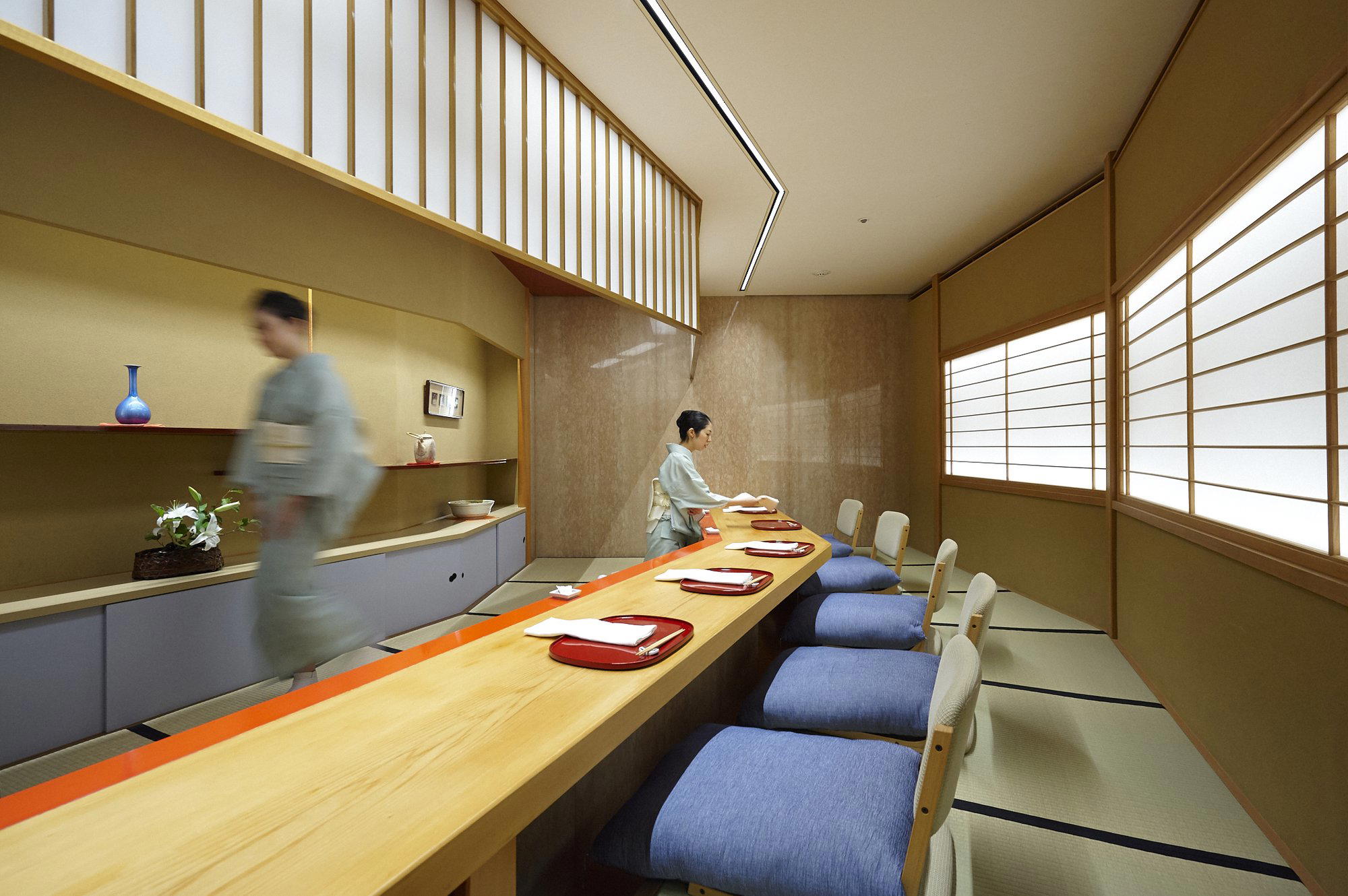
Where Mie's Ingredient Culture Meets Mountain Setting
Mie Prefecture has built its food reputation almost entirely around the sea: Ise-ebi lobster, Matsusaka beef raised on coastal plains, and the pearl-diving ama culture that has shaped local cooking for centuries. That coastal identity is well documented. Less examined is what happens when you move inland, into the forested Suzuka range around Komono, where a quieter layer of Mie's ingredient culture operates at the intersection of mountain produce, freshwater, and centuries-old preservation traditions. Fuka Onsen occupies this less-traveled corridor, positioned in Komono at an address within the Aqua Ignis complex, a development that has brought together food, accommodation, and agriculture in a way that reflects a broader regional trend: the deliberate shortening of the distance between where ingredients are grown and where they are served.
The Aqua Ignis Context: A Regional Model Worth Understanding
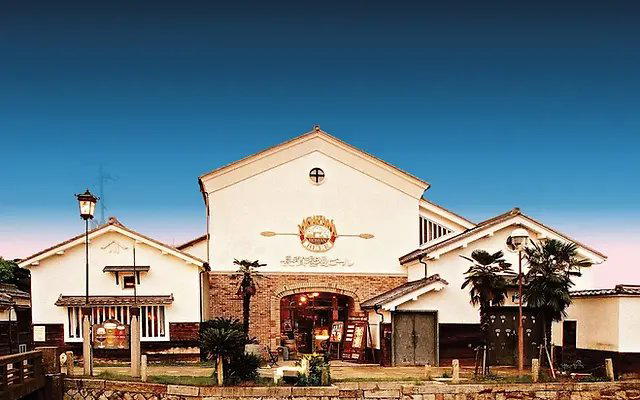
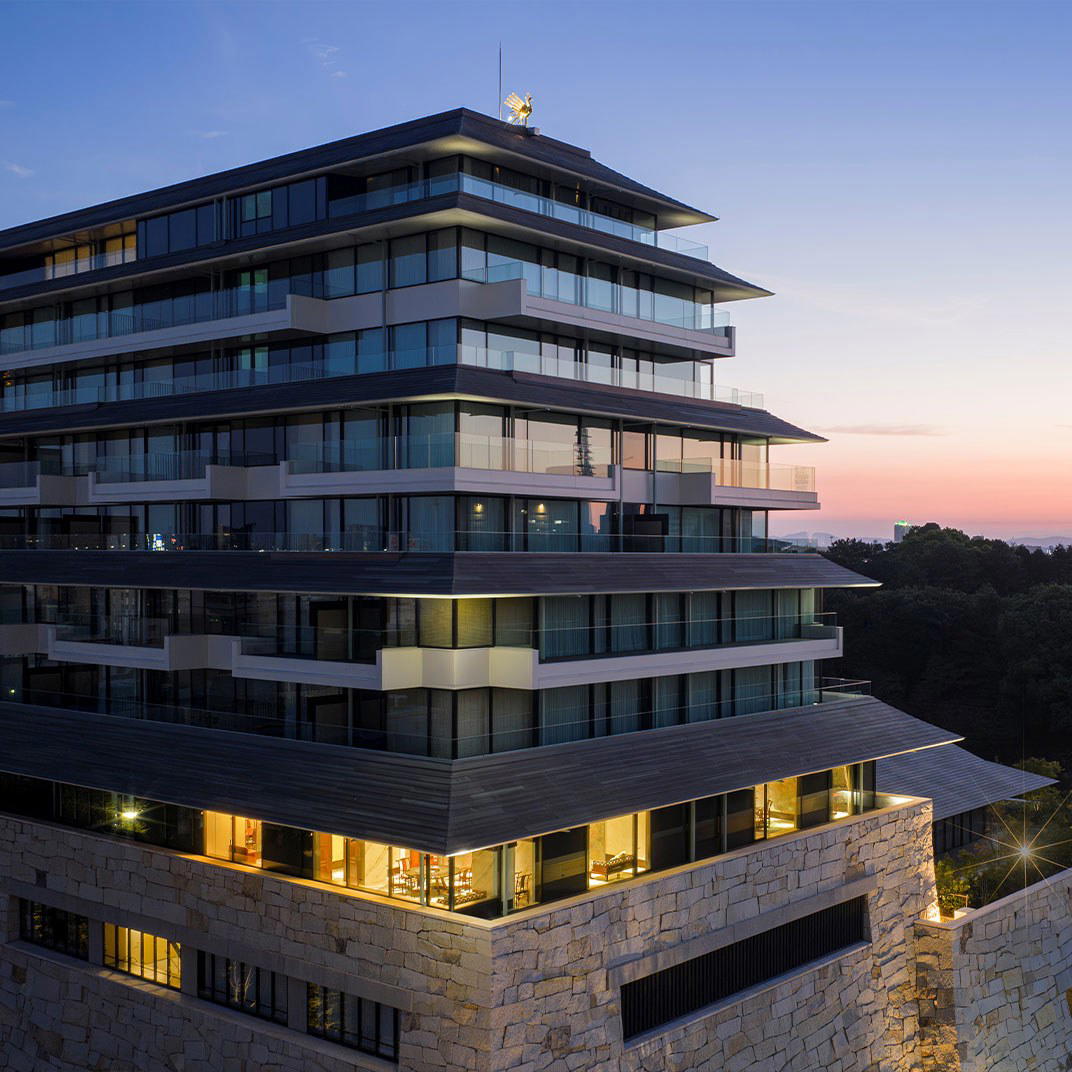
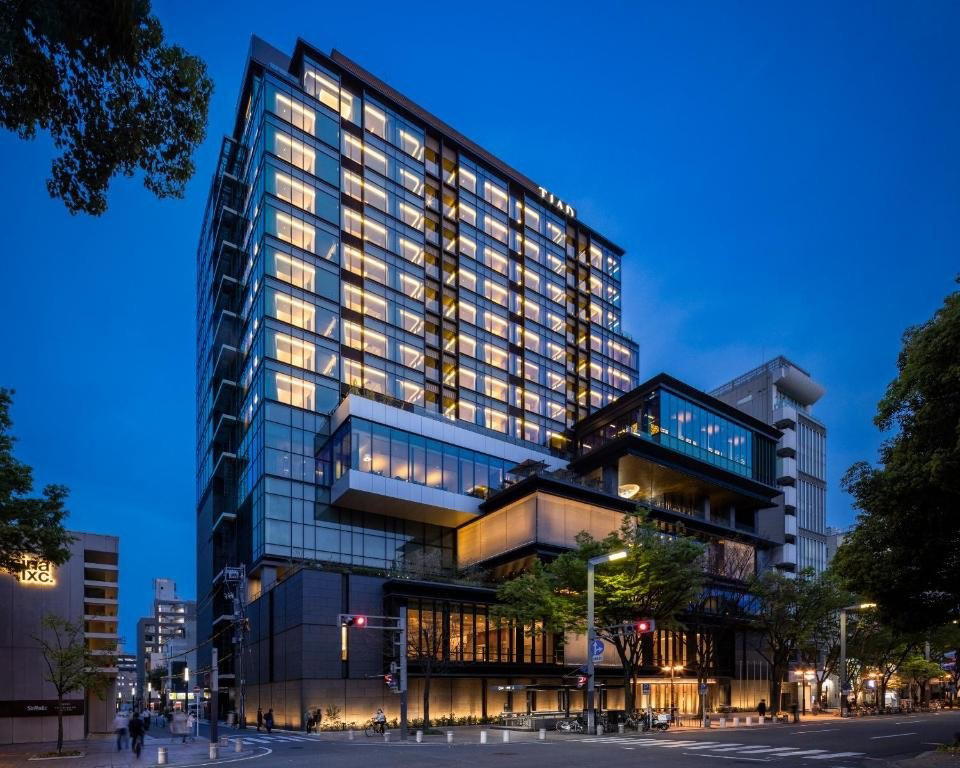
Aqua Ignis in Komono represents one of the more considered approaches to integrated rural hospitality in central Honshu. The complex sits at the foot of the Suzuka mountains, and its design premise, linking hot spring bathing with restaurant programming and local farm relationships, mirrors a pattern gaining traction across rural Japan as prefectures work to anchor food tourism beyond their headline attractions. In Mie's case, that headline is almost always Ise Jingu, the Grand Shrine complex roughly 60 kilometres to the south. Komono intercepts visitors travelling between Nagoya and the Kii Peninsula, and the Aqua Ignis development has positioned itself as a reason to stop rather than pass through. For anyone building an itinerary around serious eating in this part of Japan, understanding that positioning matters: this is not an isolated ryokan but a deliberately assembled food and hospitality environment. You can read more about how Mie District's restaurant scene fits together in our full Mie District restaurants guide.
Ingredient Sourcing as the Central Logic
In a prefecture where provenance is taken seriously at every price point, the sourcing logic at a venue like Fuka Onsen carries particular weight. Mie's agricultural calendar is defined by its overlap of marine and mountain produce: spring brings mountain vegetables and river fish; summer intensifies the seafood offerings from Ise Bay; autumn delivers the mushrooms and root vegetables for which the Suzuka foothills are locally known. Any kitchen operating in Komono with direct access to that seasonal rhythm is working with material that restaurants in Osaka or Tokyo pay significantly more to source. The comparison matters because it reframes the value proposition of travelling to eat here rather than eating a Mie-inspired menu in a major city. The ingredient arrives at its destination rather than travelling to one. That compression of supply chain is the argument for this geography, and it is the same argument being made, at considerably higher price points and with considerably more critical recognition, by venues like HAJIME in Osaka and Gion Sasaki in Kyoto, where sourcing specificity is treated as a primary differentiator rather than a marketing note.
The Onsen Setting and What It Implies About Pace
Hot spring venues in Japan operate under a different set of expectations than urban restaurants. The pace is slower by design. Meals are typically longer, often integrated into a broader bathing and resting rhythm that urban dining does not replicate. At Aqua Ignis, the onsen facilities sit alongside the restaurant and accommodation components, which means the experience of eating here is contextually inseparable from the surrounding landscape, the mountain air, and the transition between activity and rest that defines Japanese hot spring culture. This is the physical environment that shapes the meal: not a single dramatic interior moment but an accumulation of quieter ones, the approach through forested terrain, the visible shift in altitude from the valley floor, the sensory shift between warm water and cool mountain air. For comparison, the integration of natural setting with food programming is handled differently, at a remove, by urban kaiseki counters such as Harutaka in Tokyo, where the environment is controlled and hermetic. Here, the outside comes in.
Mie's restaurant scene spans a wider range than its public profile suggests. The prefecture has entries in serious national conversations about both seafood and beef, and venues across the region compete in different tiers. At the informal end, coastal shokudo serving Ise-ebi and local shellfish offer proximity-to-source eating at modest prices. At the formal end, the kaiseki tradition is represented by venues with considerable critical recognition. Fuka Onsen sits within a middle tier that is specifically defined by the onsen resort format: not a destination restaurant requiring advance planning months ahead, not a casual lunch stop, but a considered food-and-bathing experience anchored in place. That tier is well represented in other parts of Japan. In the Kii Peninsula region, venues like bodai in Nachikatsuura pursue a comparable logic of regional ingredient focus within a quieter, less-trafficked geography. Further afield, the pattern of serious cooking in rural hot spring settings appears across prefectures: Kohanso in Takashima near Lake Biwa, and Yamanoie in Sapporo, both reflect how Japan's onsen and ryokan cooking culture has developed its own critical vocabulary separate from the Michelin-led urban conversation. Internationally, the sourcing discipline evident in Japan's leading regional food venues has analogues in kitchens with very different contexts: Le Bernardin in New York and Atomix in New York both treat ingredient provenance as the organising principle of the menu, even when operating thousands of miles from source.
Planning Your Visit
Komono is accessible from Nagoya via the Kintetsu Yunoyama Line to Yunoyama Onsen station, making it a plausible day trip from the city or a natural stopping point en route to the Kii Peninsula. The Aqua Ignis complex, which houses Fuka Onsen, is a short transfer from the station. Visitors combining Mie eating with broader Kansai or central Honshu itineraries should note that Komono sits at a logical junction: close enough to Osaka and Kyoto for a dedicated trip, distinct enough in character to justify the detour. For those building a more extensive regional itinerary, Sala Bianca Al Kecciano in Mie District offers a contrasting register, and nearby venues including akordu in Nara and Goh in Fukuoka provide points of comparison for ingredient-led cooking across the broader Kansai and Kyushu region. Those extending further into rural Japan's restaurant culture might also consider Ippongi Kawashima in Nanao or Tsubakiya in Nishikawa Machi for comparable regional-sourcing approaches in different prefectural contexts. Additional reference points on Japan's western arc include Birdland in Sakai, Bistro Ange in Toyohashi, and Cafe Naoshima Konichiwa on Naoshima Island, each representing a different relationship between place, produce, and format. Booking information is best confirmed directly via the Aqua Ignis complex, as hours and availability in onsen resort settings vary by season.
Frequently asked questions
Is Fuka Onsen suitable for children?
Fuka Onsen sits within the Aqua Ignis complex in Komono, Mie District, a setting designed around a slower, onsen-resort pace rather than quick family dining. That format typically suits older children and adults more comfortably than young families with small children.
What's the address for é²åºµæ¸©å³?
é²åºµæ¸©å³ is located at Japan, ã510-1233 Mie, Mie District, Komono, 4800-1 ã¢ã¯ã¢ã¤ã°ãã¹å, Mie District.
What should I expect atmosphere-wise at Fuka Onsen?
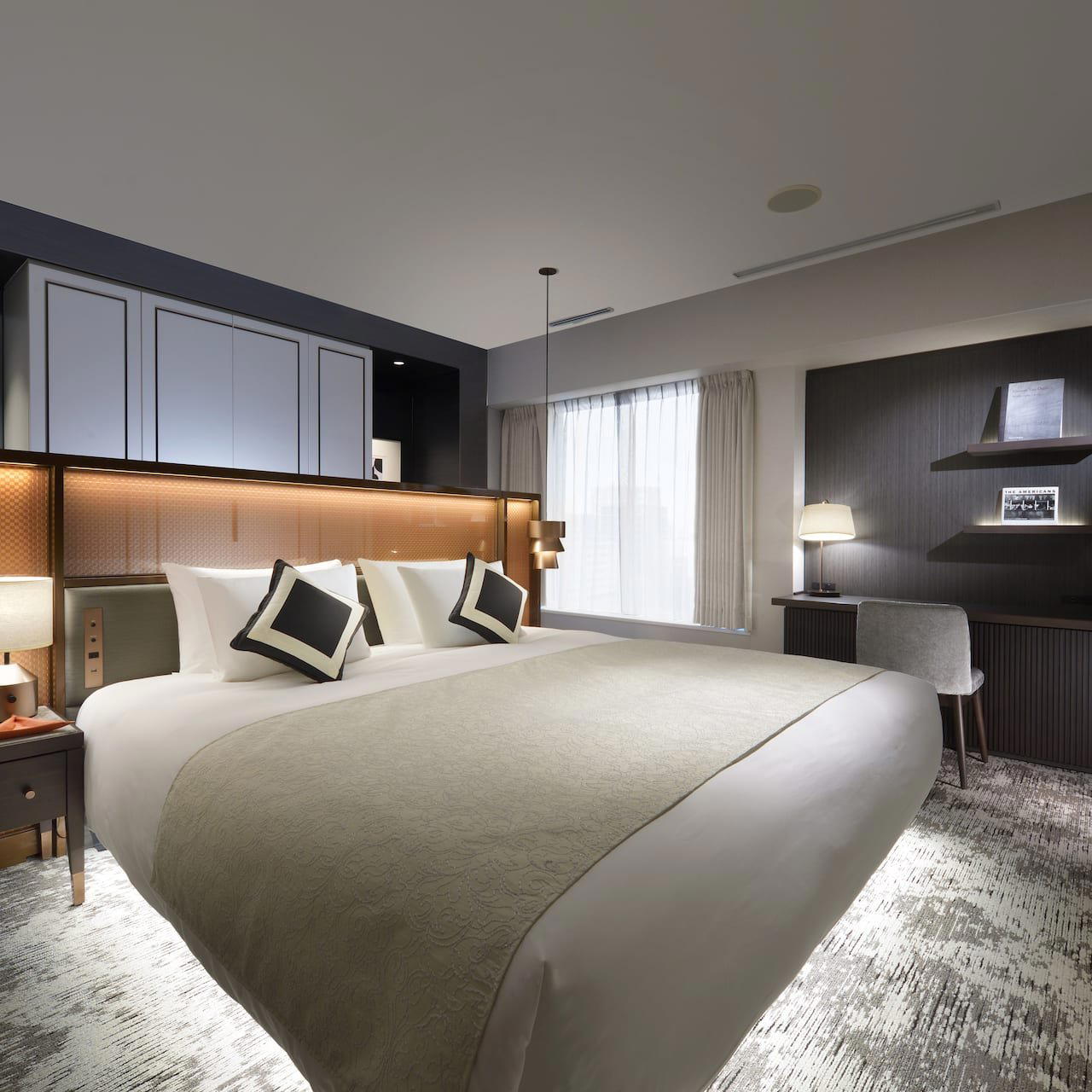
Fuka Onsen occupies a mountain-adjacent position within the Aqua Ignis complex at the foot of the Yunoyama Onsen area in Komono. Hot spring venues in Japan operate at a noticeably slower pace than urban restaurants, meals tend to run longer, service is unhurried, and the surrounding landscape shapes the room's register. Expect a setting that prioritises calm over energy, with the onsen context doing much of the atmospheric work.
What's the signature dish at Fuka Onsen?
What is clear from Mie Prefecture's ingredient culture is that venues in this region draw heavily on locally sourced produce, Ise-ebi lobster, Matsusaka beef, and mountain-side seasonal ingredients all feature prominently across Mie's dining scene. Visiting the Aqua Ignis complex directly will give the clearest picture of what is currently on offer.
At-a-Glance Comparison
Comparable venues nearby, for context on price, style, and recognition.
| Venue | Cuisine | Price | Notes |
|---|---|---|---|
| 露庵温味This venue (the venue you are viewing) | Traditional Kaiseki | $50–100 | Not listed |
| サーラ ビアンキ アル・ケッチァーノ | Italian with Japanese Seasonal Produce | $100–150 | Komono, Mie District |
| Tempura Niitome (天風良 にい留) | Modern Tempura Omakase | Not listed | Naka |
| Teppan to o-sake Sōya (鉄板とお酒 宗や) | Teppanyaki Izakaya | $30–50 | Shimogyo |
| 今 | Traditional Japanese Seasonal Cuisine | Not listed | Nakagyo-ku |
| Shokudo Miyazaki | Refined Kyoto Omakase | $50–100 | Kiyamachi |
Continue exploring
More in Komono
Restaurants in Komono
All restaurants in Komono →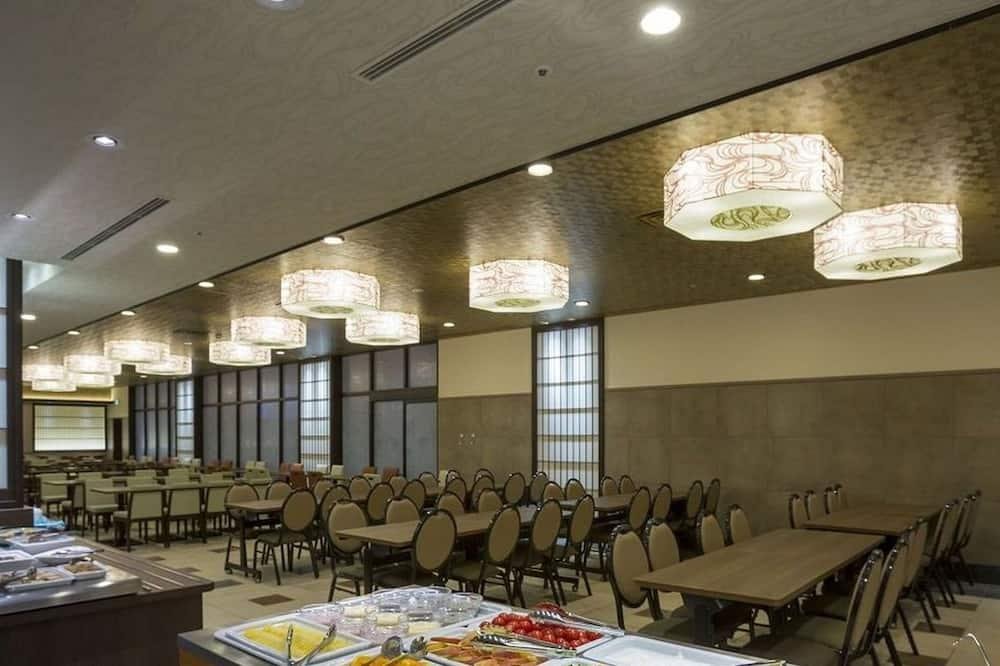
Details
- Elegant
- Intimate
- Classic
- Date Night
- Special Occasion
- Celebration
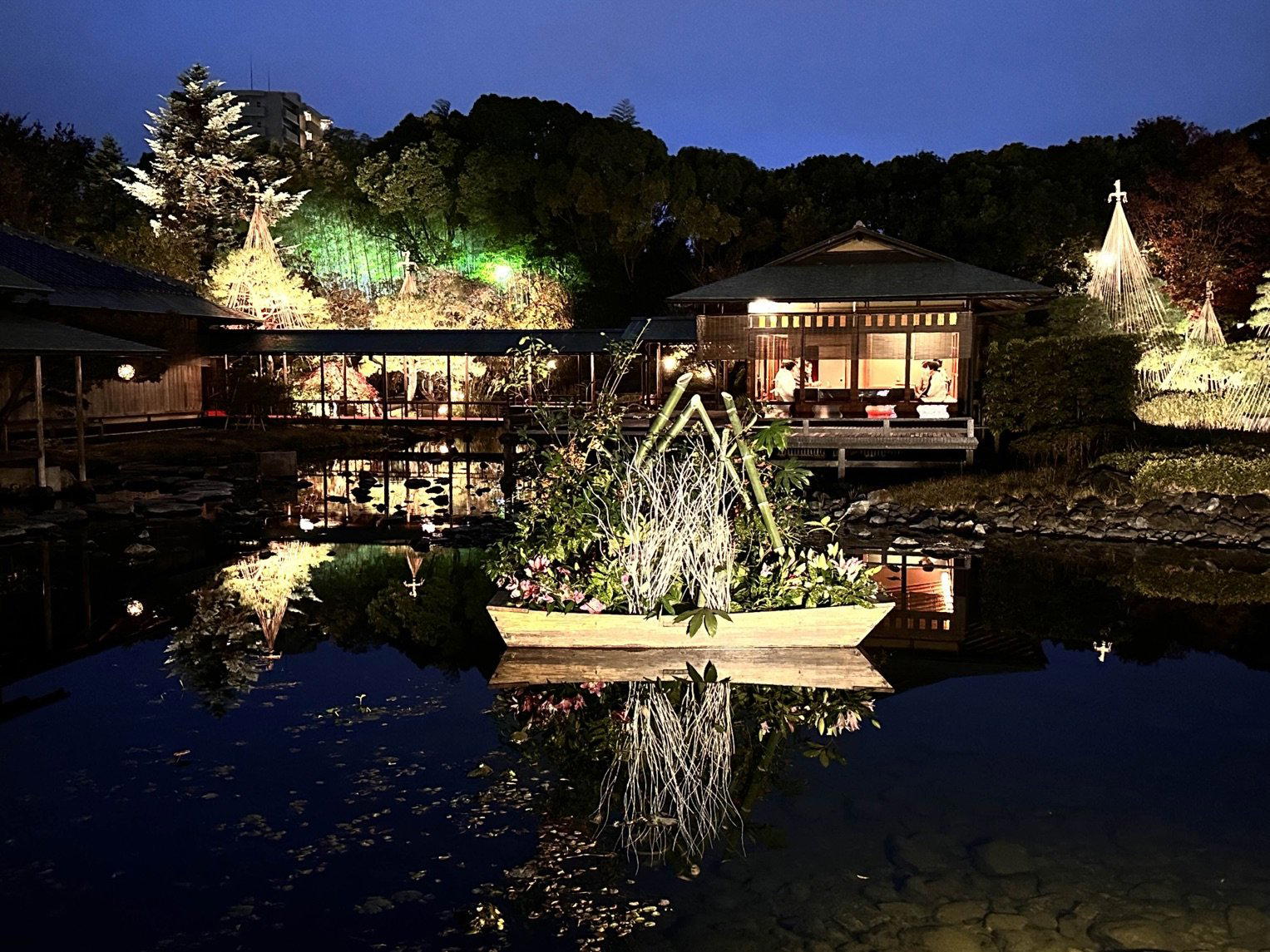
- Garden
- Open Kitchen
- Sake Program
- Local Sourcing
- Garden
- Set Menu
- Sake
Current opening hours
- Monday
- 10 AM–9 PM
- Tuesday
- 10 AM–9 PM
- Wednesday
- 10 AM–9 PM
- Thursday
- 10 AM–9 PM
- Friday
- 10 AM–10 PM
- Saturday
- 10 AM–10 PM
- Sunday
- 10 AM–10 PM
Hours can change for holidays and private events. Hours as of .
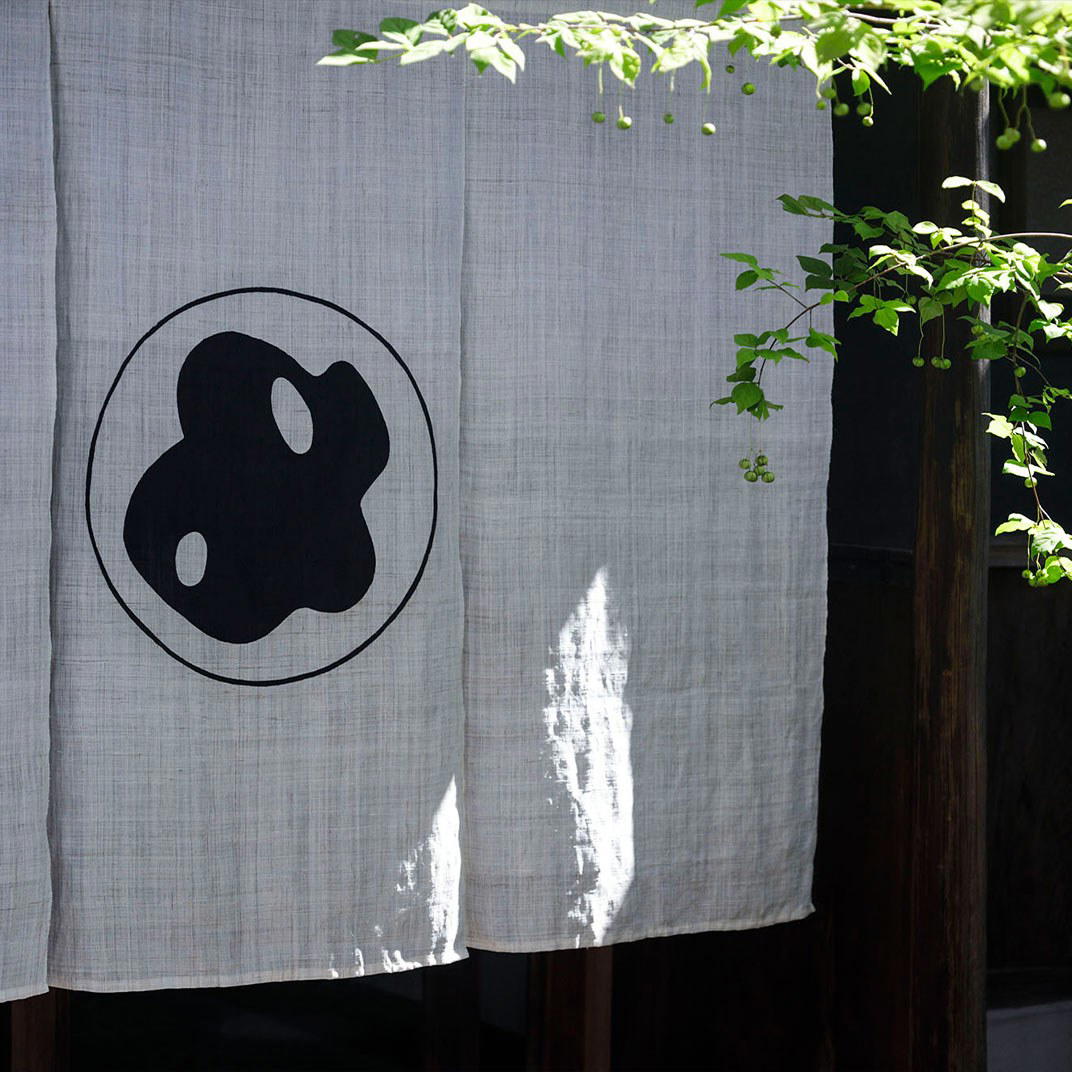
Warm, serene atmosphere with soft lighting and traditional Japanese aesthetic creating a peaceful dining environment.