
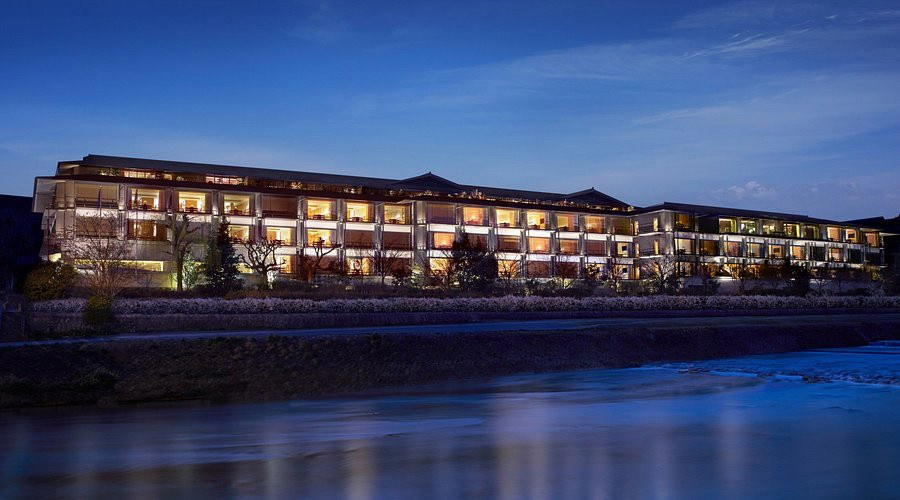
A Michelin Selected lakeside property in Nagahama, L'Hotel Du Lac occupies a quiet stretch of Lake Biwa's northern shore in Shiga Prefecture. The hotel's European-inflected name signals its design identity: a measured formality that reads as an outlier in a region better known for traditional ryokan hospitality. For travellers tracing the less-visited towns between Kyoto and Kanazawa, it represents a distinct option in a thin accommodation tier.
Pearl is the En Primeur Club membership app — saves, bookings, and concierge access live there. Same editors, same standards.
- Address
- 2064 Nishiazaicho Oura, Nagahama, Shiga 529-0721, Japan
- Phone
- +81 749-89-1888
- Website
- lhotel-du-lac.com
- Directions
- Get directions
 Saves & bookings on Pearl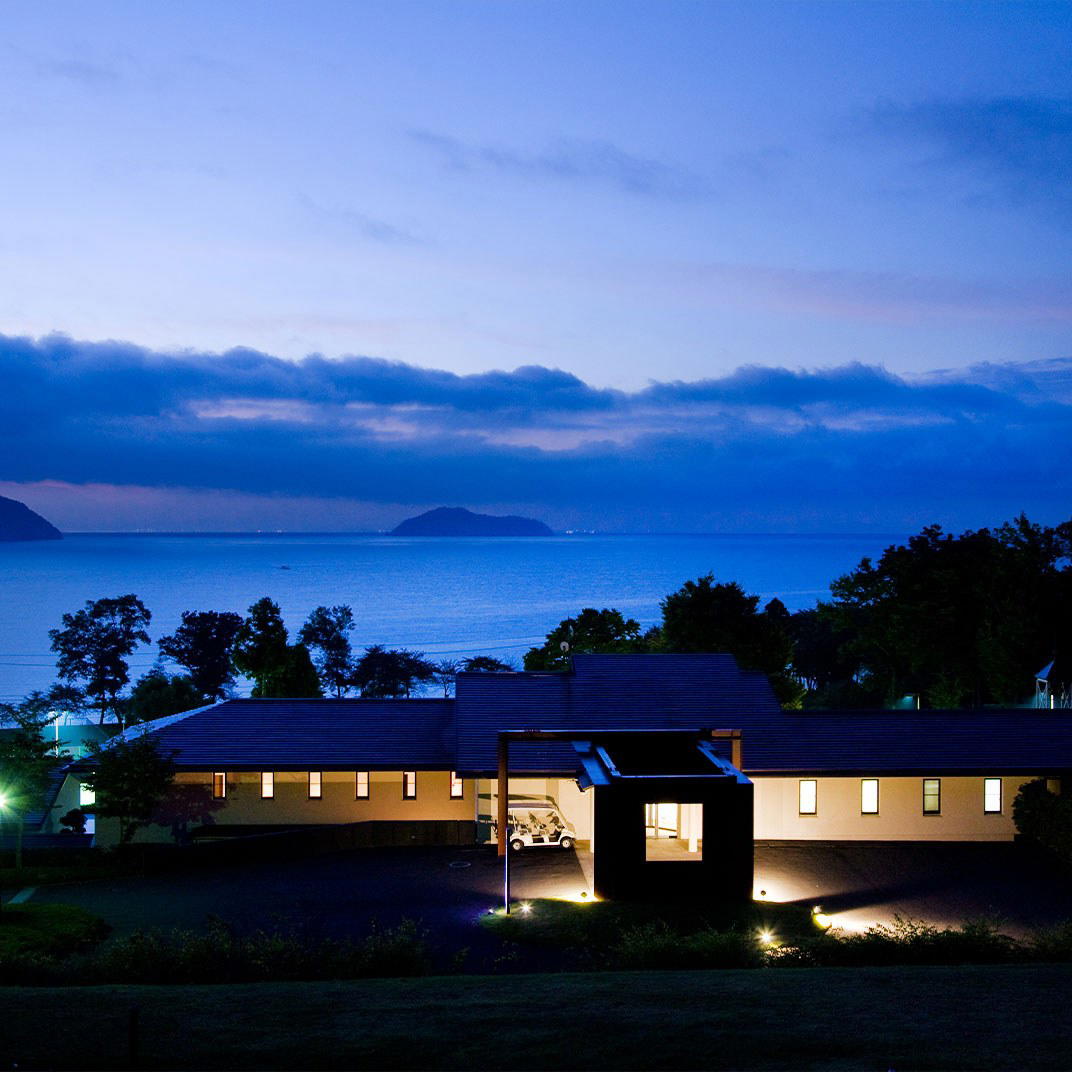
A European Proposition on the Edge of Lake Biwa
Japan's small-city hotel tier tends to divide sharply between traditional ryokan formats and business-grade chain properties. What sits between those poles is rare, and in Nagahama, it is rarer still. L'Hotel Du Lac occupies an address at 2064 Oura, Nishiazai-cho, on the quieter northern arc of Lake Biwa, where the prefecture thins out and the tourist density drops considerably compared to the southern lakeside towns. Its French name is not incidental styling: the property signals, from the first syllable, that it is working in a different register from the tatami-and-onsen tradition that defines most premium accommodation in Shiga Prefecture.
Lake Biwa itself provides the architectural logic of the site. Japan's largest freshwater lake, which covers roughly 670 square kilometres, commands a long horizon from its northern shore that functions differently from the closer, more enclosed views typical of mountain ryokan properties. Where places like Gora Kadan in Hakone frame volcanic topography, or Zaborin in Kutchan situates itself inside forest and snowscape, L'Hotel Du Lac works with open water and the flat atmospheric light that comes off a large inland lake. That is a specific visual proposition, and one that the European-inflected name frames deliberately.
Design Identity and the Question of Aesthetic Register
The naming convention of L'Hotel Du Lac places it in a lineage of European lakeside hotels, a category with its own design grammar: restrained formal facades, an emphasis on water-facing orientation, and interiors that treat the lake as the primary decorative element. Whether the Nagahama property executes fully within that tradition is a question the visitor answers on arrival, but the editorial signal is clear. The hotel is not presenting itself as a Japanese property that accommodates Western guests; it is presenting a specifically European hospitality identity transplanted to a Japanese lakeside context.
This puts L'Hotel Du Lac in a small and interesting comparable set within Japan. Properties like Benesse House in Naoshima situate themselves at the intersection of international art culture and Japanese island context. HOTEL THE MITSUI KYOTO deploys Western hotel-group architecture within a Kyoto heritage site. L'Hotel Du Lac works a different angle: European atmosphere in a secondary Japanese city, on a body of water that most international travellers overlook entirely.
Nagahama and the Northern Biwa Circuit
Nagahama sits on the northeastern shore of Lake Biwa, roughly 50 kilometres northeast of Kyoto and accessible from Kyoto Station in under an hour by shinkansen or limited express. The town has a documented history as a castle town under Toyotomi Hideyoshi, and its Kurokabe district, centred on a cluster of Meiji-era buildings converted into craft shops and cafes, draws day-trippers from Kyoto and Osaka. The northern shore beyond the town centre, where L'Hotel Du Lac is located, is substantially quieter. For travellers who have covered Kyoto's concentration of major temples and want a slower, landscape-oriented stop, this stretch of Shiga Prefecture offers a different pace.
The Kansai and Chubu regions contain a dense set of small-city hotel options that reward itinerary planning. Nishimuraya Honkan in Kinosaki-cho, a classic onsen-town ryokan on the Sea of Japan coast, sits about two hours north by rail and represents the traditional pole of the regional accommodation spectrum. Fufu Kawaguchiko and Fufu Nikko belong to a growing domestic boutique chain that has found a comfortable position between ryokan tradition and modern resort design. L'Hotel Du Lac operates outside both of those frameworks.
Positioning Within Japan's Broader Boutique Hotel Conversation
Japan's premium boutique tier has expanded significantly over the past decade. Frequently discussed properties tend to cluster in either the major cities, where brands like Bvlgari Hotel Tokyo have entered the market at stronger examples from the price range, or in destination-specific nature settings, where Amanemu in Mie and Higashiyama Niseko Village have anchored the Aman and Ritz-Carlton Reserve positioning. Properties in second-tier cities occupy a more contested space, required to make a case for their location as well as their product.
L'Hotel Du Lac makes that case through setting specificity rather than brand scale. The northern Biwa address is genuinely removed from the standard tourist circuit, which functions as either a drawback or an attraction depending on what the traveller is seeking. For those who have covered the concentrated heritage of Kyoto, or who want extended time beside water rather than in a city, the location reads as considered rather than incidental. Comparable properties that use geographic remove as a feature rather than a limitation include Satoyama-Jujo in Niigata and Nasu Mukunone, both of which build their identity around landscape immersion in less-visited prefectures.
Beyond Japan, the lakeside European hotel model that L'Hotel Du Lac references has its own established hierarchy. Properties like Badrutt's Palace Hotel in St. Moritz define the apex of that format. The Nagahama property is working at a different scale and price tier, but the design conversation it opens is the same one: what a European sensibility does when placed in front of a large, still body of water.
Planning Your Stay
The property is located at 2064 Oura, Nishiazai-cho, Nagahama, Shiga Prefecture. Nagahama is served by JR Hokuriku Main Line trains from Kyoto, with journey times under an hour on limited express services. The northern lakeshore sits beyond the town centre, so guests should plan for either a taxi transfer from Nagahama Station or confirm transportation options directly with the hotel at time of booking. Seasonal timing matters along Lake Biwa: spring brings cherry blossoms in the town centre and mild temperatures on the water, while autumn brings clear skies and lower visitor numbers. The property has 15 rooms and a smart-casual dress code; reservations are recommended. For context on where this kind of lakeside boutique property sits relative to more traditional Japanese alternatives, properties like Asaba in Izu, Kamenoi Besso in Yufu, and Sekitei in Hatsukaichi-shi provide useful comparison points within the Japanese small-city premium tier.
Fast Comparison
Comparable venues nearby, for context on price, style, and recognition.
| Venue | Cuisine | Price | Notes |
|---|---|---|---|
| L’Hotel Du LacThis venue — the venue you are viewing | Private villa-style auberge with modern luxury amid nature | $$$$ | Not listed |
| Tekefue | luxury ryokan | $$$$ | Minamioguni |
| Regent Kyoto | An upper-luxury urban retreat that integrates a historic Kyoto garden and century-old ryotei into a small-scale, heritage-rich estate in the Okazaki cultural district. | $$$$ | Okazaki |
| Sora Niwa Terrace Kyoto Bettei | Luxurious onsen ryokan-style villa in downtown Kyoto | $$$$ | Shimogyō |
| KAI Miyajima | Luxury oceanfront onsen ryokan showcasing Miyajima and Itsukushima Shrine from the opposite shore. | $$$$ | Miyajimaguchinishi, Hatsukaichi |
| Umito Kamakura Koshigoe | Small luxury oceanfront auberge | $$$$ | Koshigoe |
Recognition history
Dated appearances from independent guides and award organizations, with the underlying list record or original source where available.
Michelin Selected
Michelin
Continue exploring
More in Nagahama
Hotels in Nagahama
Browse all →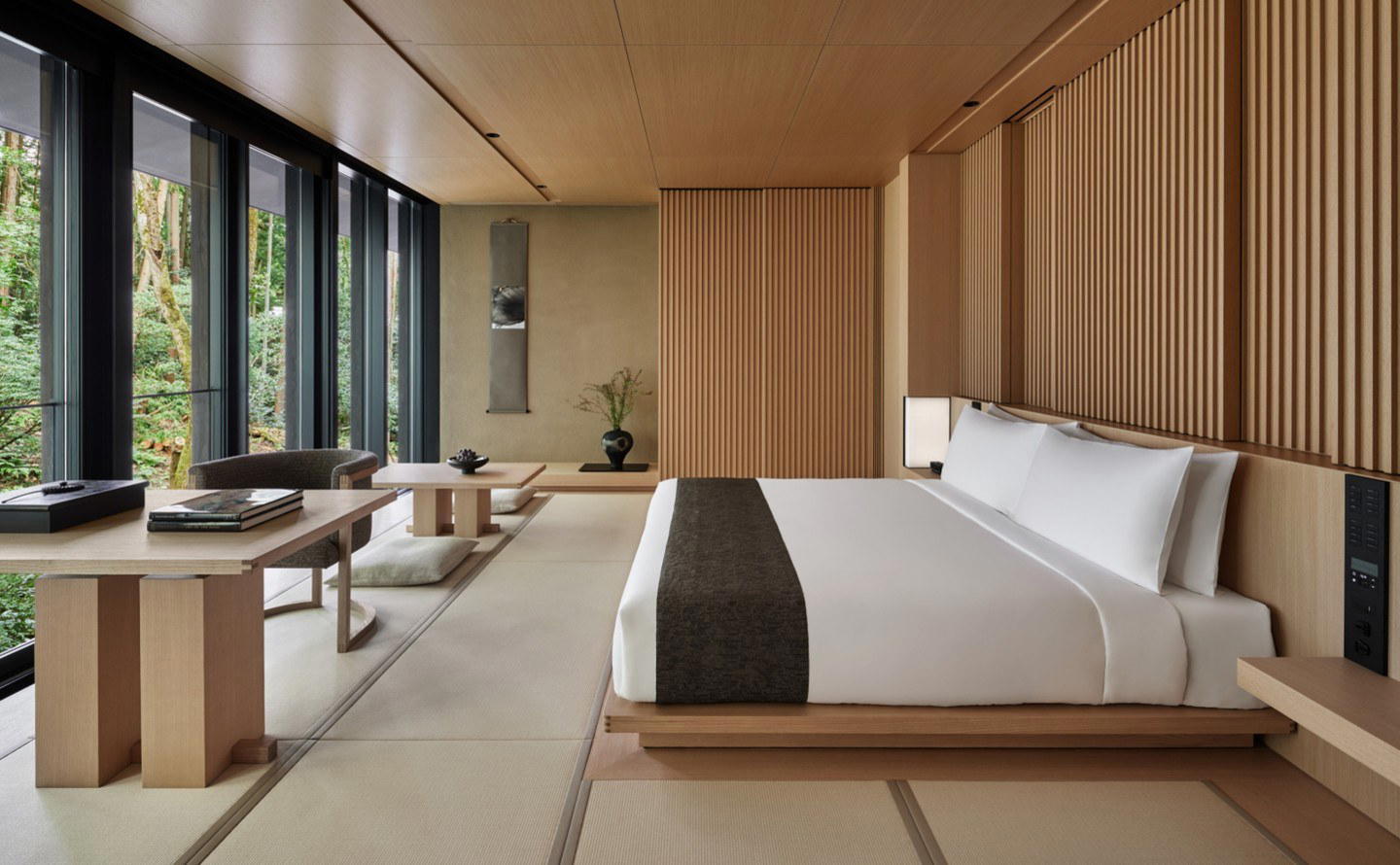
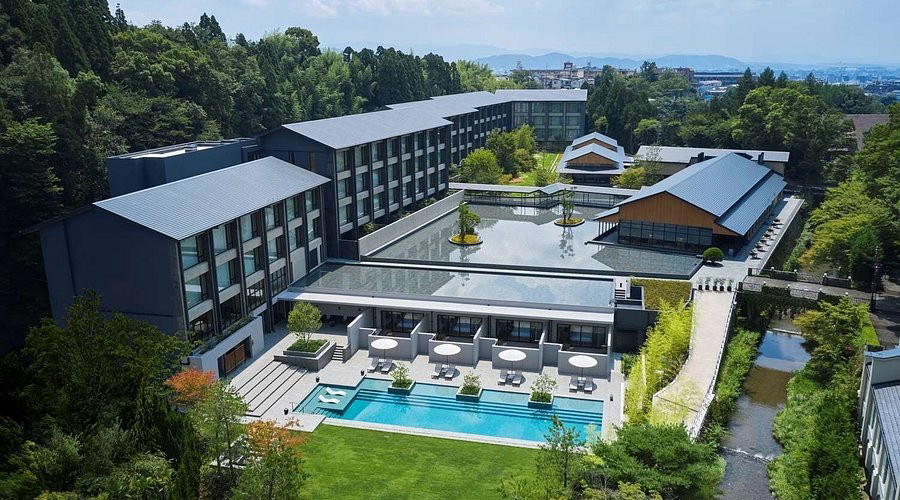
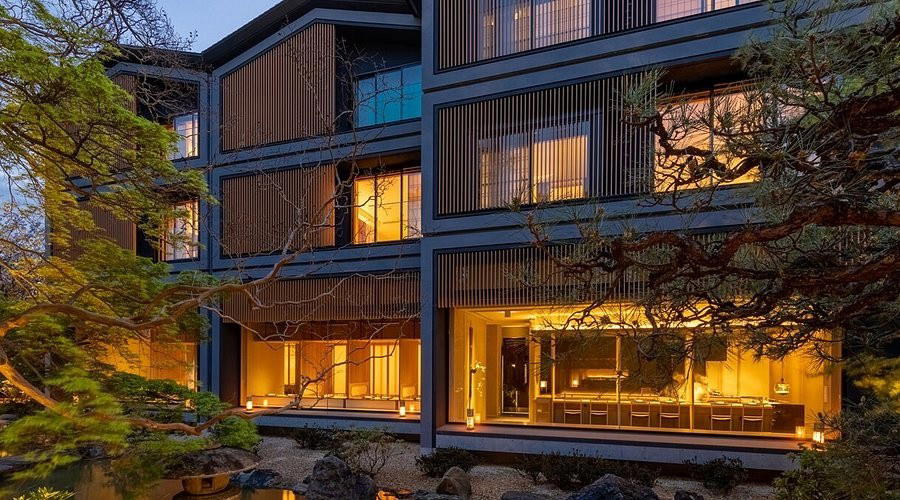
Bars in Nagahama
Browse all →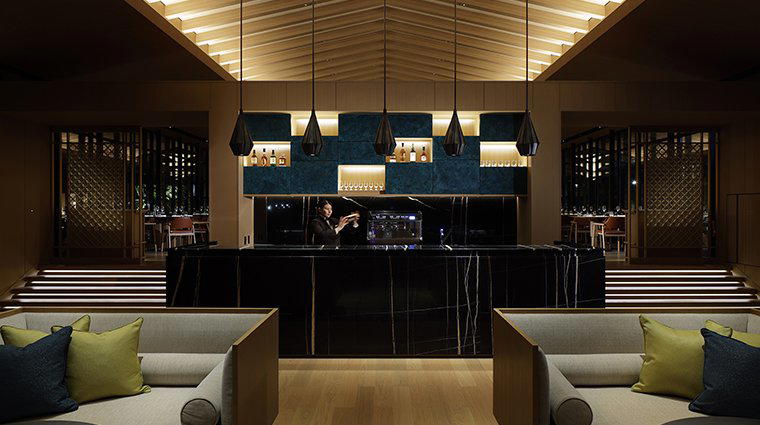
Restaurants in Nagahama
Browse all →
At a Glance
- Quiet
- Elegant
- Scenic
- Sophisticated
- Romantic Getaway
- Anniversary
- Weekend Escape
- Waterfront
- Panoramic View
- Private Villa
- Terrace
- Pool
- Tennis
- Spa
- Concierge
- Room Service
- Waterfront
- Mountain
- Pool
- Tennis
- Spa
- Concierge
- Room Service
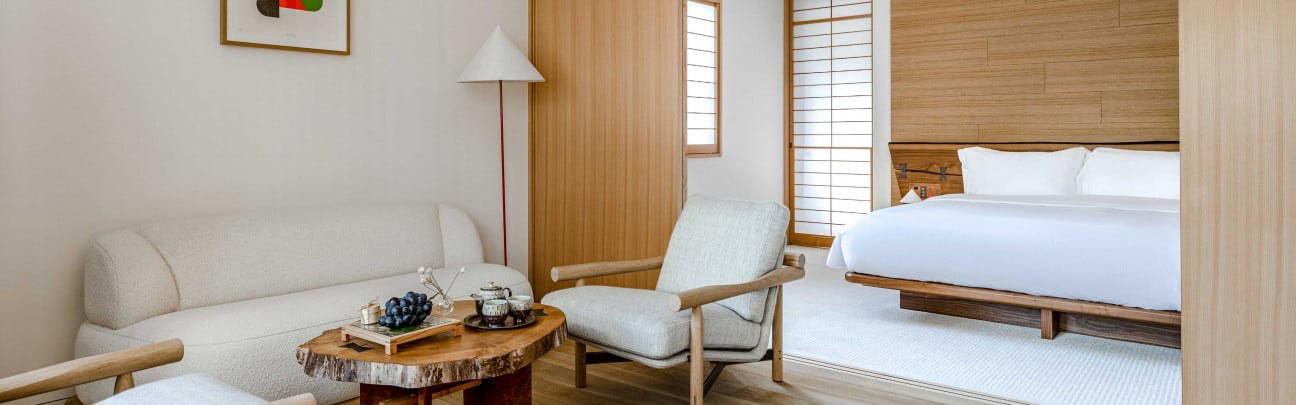
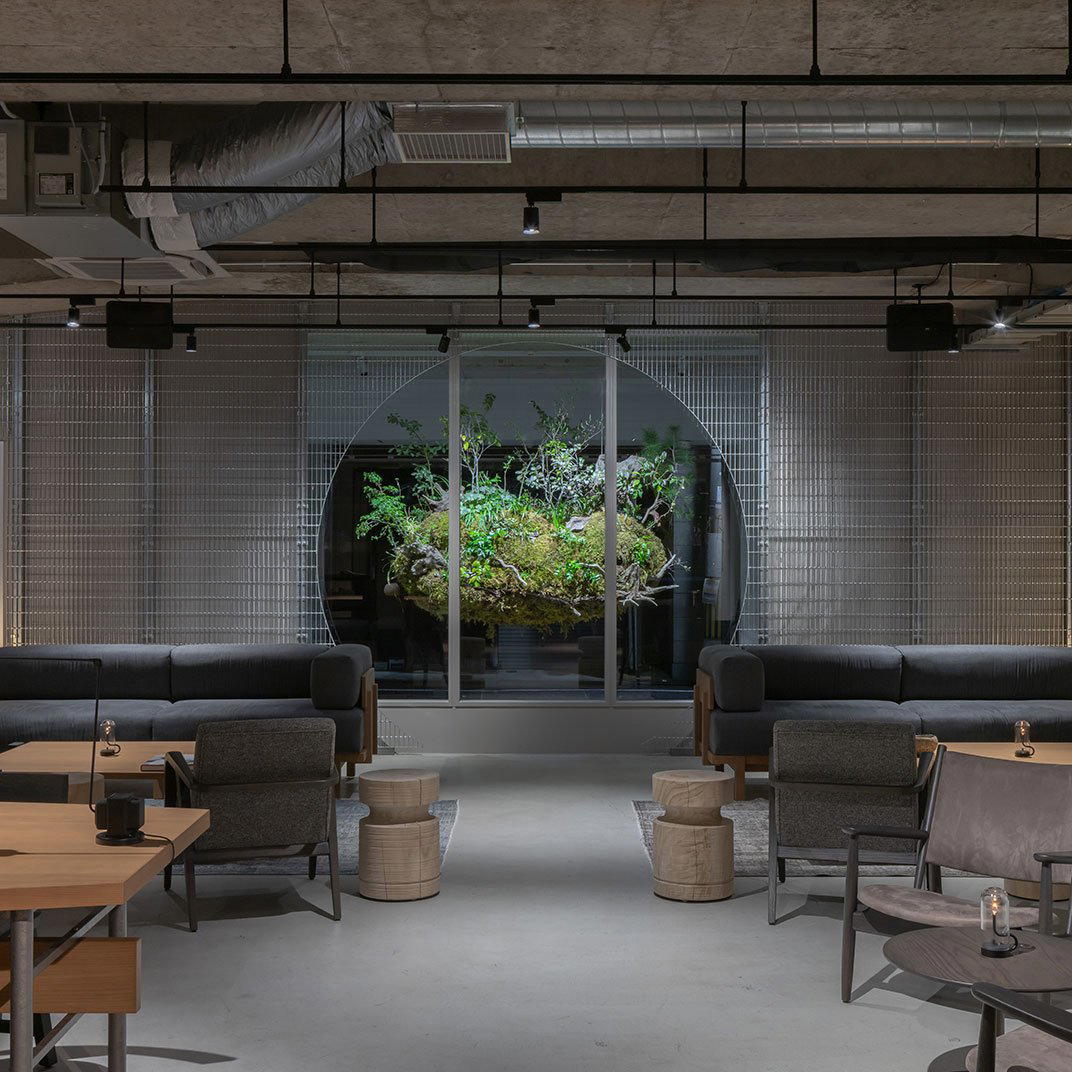
Secluded and relaxing natural setting with simple modern interiors, glass-fronted restaurant overlooking the lake, and a chic shochu lounge.