
Hirovanna places Italian cooking inside Aichi’s ingredient culture rather than treating Nagoya as a neutral backdrop. Its Tabelog Award Bronze recognition in 2025 and 2026, plus selection for Tabelog Italian EAST 100 in 2023 and 2025, put it in the serious regional conversation, with a small-room format and a farm-to-table set-course approach built around local fish, fields, sake, and wine.
Pearl is the En Primeur Club membership app — saves, bookings, and concierge access live there. Same editors, same standards.
- Address
- 2 Chome-12-2 Nagono, Nishi Ward, Nagoya, Aichi 451-0042, Japan
- Phone
- +81 52-990-1830
- Website
- hirovanna.com
- Directions
- Get directions
 Saves & bookings on Pearl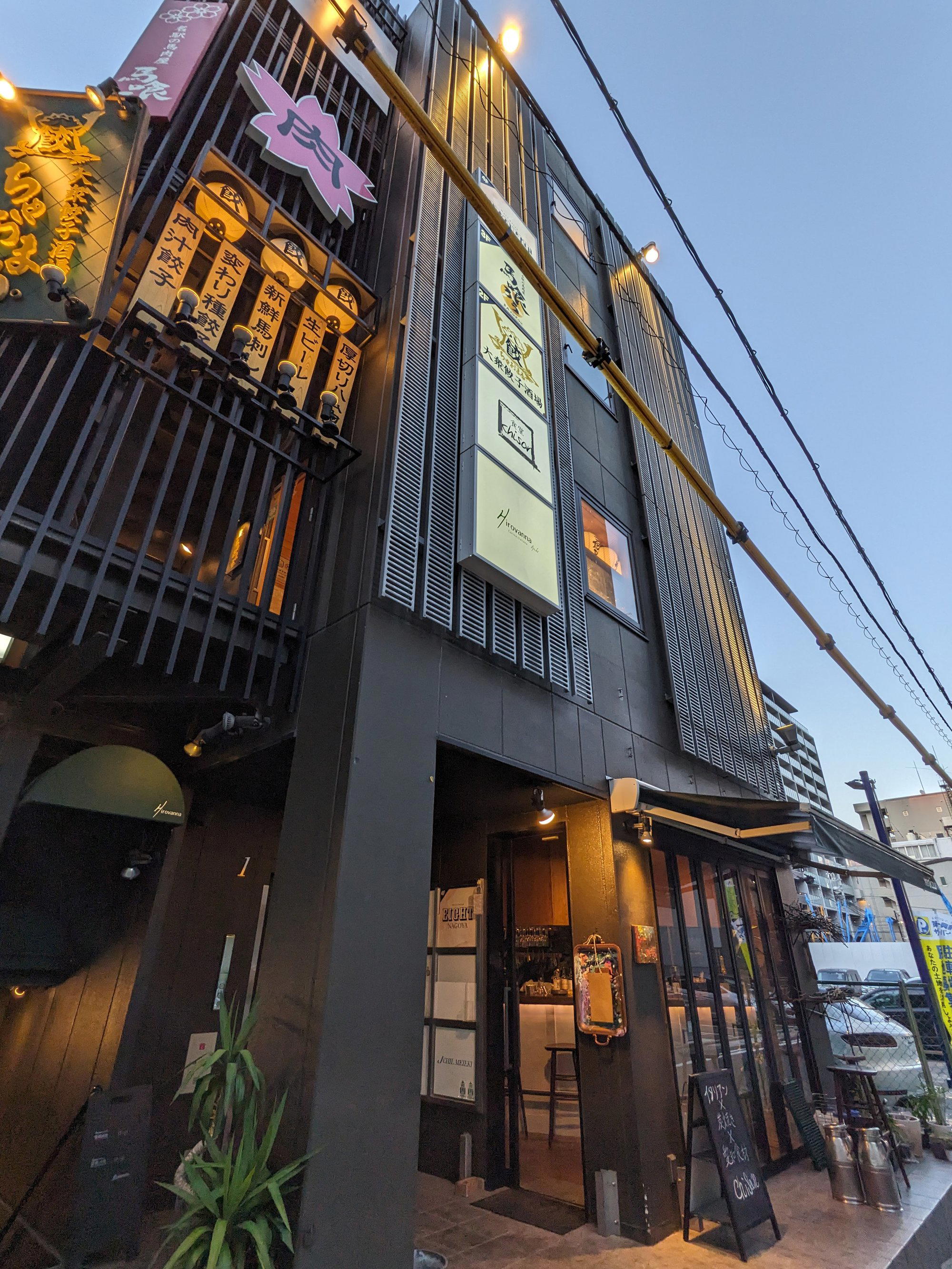
The first read is scale: a compact Nagoya room, few counter seats, tables doing the rest, and a set-course rhythm tied to Japan’s small-format dining culture as much as Italian cooking. In Aichi, where seafood, mountain produce, soy, miso, and sake traditions sit close together, the interesting Italian restaurants are not importing postcard Tuscany. They ask what pasta, fish, vegetables, wine, and service become when the supply chain begins in the prefecture rather than a fixed European script.
Hirovanna sits in that narrower category. Listed as Italian, it does not claim a generic trattoria model. Its sourcing note points to Aichi’s seas and mountains, local farm work, and set-course meals built from nearby ingredients. That matters because Nagoya’s premium dining can split between format-driven counters and comfort-led local staples. This address is closer to the former: small, deliberate, and structured around letting place shape the menu.
Aichi ingredients, Italian grammar, and a small-room format
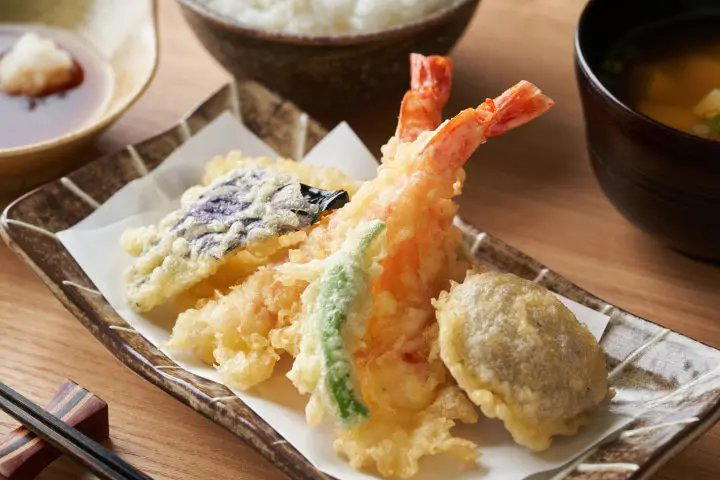
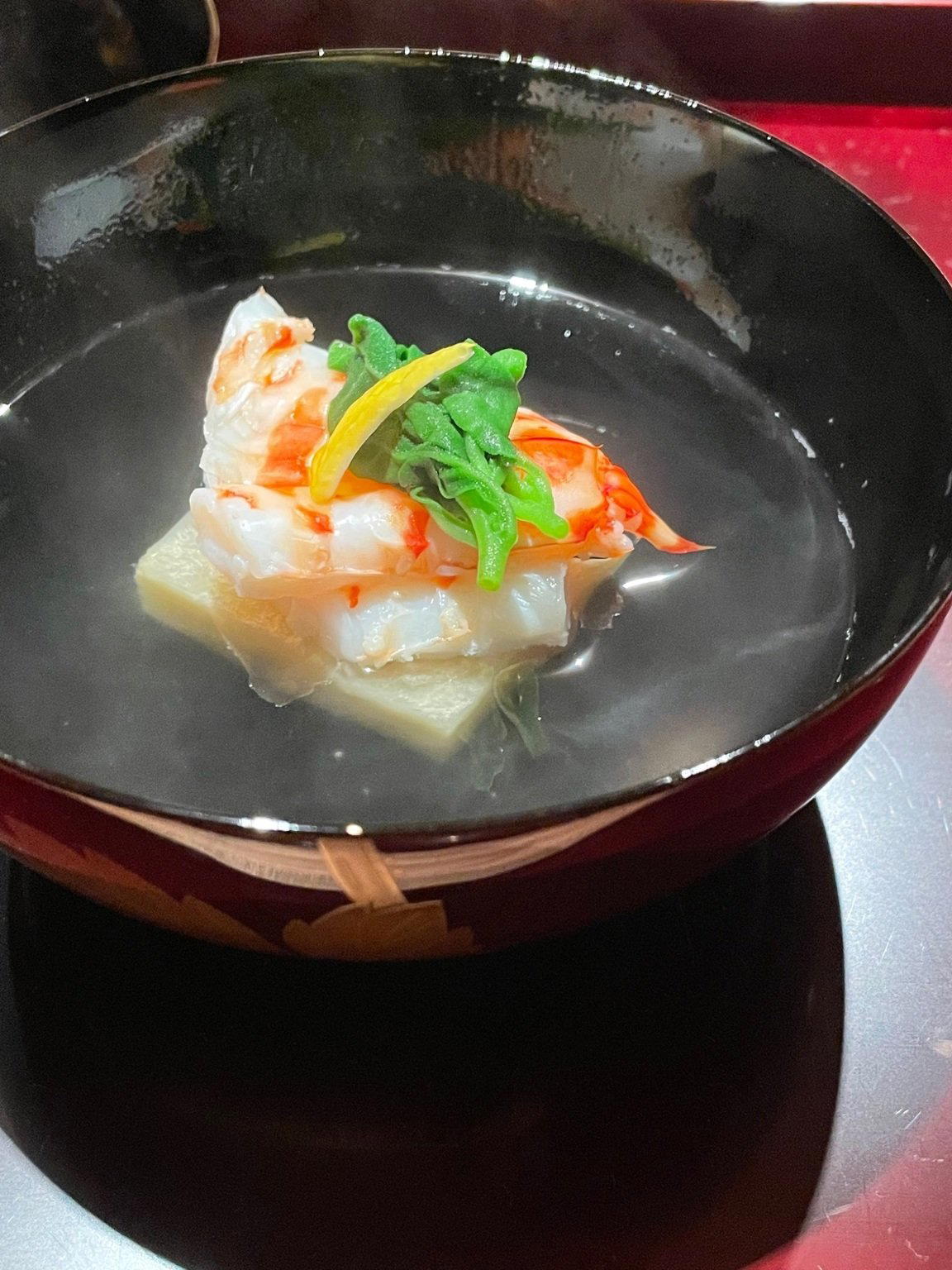
Italian food in Japan is strongest when authenticity stops meaning replication. Tokyo and Kansai have deep Italian benches, but Aichi’s more compelling contribution is often proximity: fish from regional waters, vegetables from nearby farms, and diners who understand seasonality through Japanese habits as much as Mediterranean ones. Hirovanna’s farm-to-table language belongs in that conversation, especially because fish and wine are highlighted parts of the offer.
The award trail gives context. Tabelog placed the restaurant in The Tabelog Award Bronze group in 2025 and 2026, and selected it for Tabelog Italian EAST 100 in 2023 and 2025. In Japan, Tabelog recognition is not decorative; for serious diners it is a demand signal, sorting mechanism, and category map. A 4.03 score in this tier does not make the restaurant easy to classify, but it makes clear the room competes beyond casual Italian.
The format reinforces that reading. Fifteen seats, including three at the counter, create a different meal from a larger hotel dining room or neighborhood pasta shop. Small capacity concentrates attention on pacing, sourcing, and set-course sequence. It also narrows flexibility: choose this Italian meal for authorship and regional intent, not for a quick plate and a glass.
There is a useful contrast inside Aichi. A meal at Amaki, aru, Fujisawa, GapricE, or HIRO NAGOYA can tell a different story about the prefecture’s dining range, from counter discipline to urban dining-room polish. Hirovanna’s angle is more agricultural and coastal: less spectacle, more whether local sourcing can carry an Italian set-course structure clearly enough to justify the category’s higher end.
Why the recognition matters in Nagoya's Italian scene
Nagoya is often misread by visitors as only a city of famous local dishes. That misses the quieter premium layer around Meieki, Kokusai Center, and nearby dining pockets, where small restaurants use the city’s transport links and regional produce network without metropolitan excess. Italian cooking fits that layer because it can absorb local fish, vegetables, and wine service without imposing a rigid luxury code.
The Tabelog Italian EAST 100 selections in 2023 and 2025 matter because they place the restaurant inside an eastern Japan Italian category, not just a local Nagoya frame. That broader grouping is competitive and rewards consistency as much as novelty. Consecutive Bronze awards sharpen the signal: this is not merely a pleasant Aichi Italian address, but a restaurant in a more demanding national conversation around category, value, and execution.
The sourcing premise changes how to judge the meal. A restaurant built around local farm work and regional ingredients should not be assessed only by resemblance to Italy. The better question is whether the Italian structure clarifies Aichi: fish handled with restraint, produce given space, wine and sake treated as parallel options rather than a forced hierarchy. A sommelier and drinks program spanning sake and wine suggest pairing is part of the experience, not an afterthought.
For diners mapping a wider trip, the restaurant works as one piece of an Aichi plan rather than a stand-alone definition of the city. Use Our full Aichi restaurants guide for the dining frame, then build around it with Our full Aichi hotels guide, Our full Aichi bars guide, Our full Aichi wineries guide, and Our full Aichi experiences guide. The point is not to treat one meal as the whole city; it is to see how Nagoya’s premium dining layer fits a broader regional itinerary.
Who should choose this table
This is a strong choice for diners who want Japanese Italian cooking with a clear regional sourcing argument. It is less suited to à la carte spontaneity, a large-room mood, or family-style sharing. The set-course format and compact seat count point to concentration: better for two serious diners than a loose group keeping the evening casual.
The price tier matters editorially. Dinner sits in the JPY 15,000 to JPY 19,999 bracket, with lunch in the JPY 10,000 to JPY 14,999 bracket. That places it above everyday Nagoya Italian and below Japan’s most expensive destination counters. Compared with out-of-metro references such as Ozara Yakiniku Roujuu in a similar dinner band, or 1022 above it, Hirovanna’s value question rests on sourcing, recognition, and set-course precision rather than portion size or luxury signaling.
For readers comparing across Japan or beyond, context helps. A casual listing such as.cafe in Osaka answers a different travel need from a set-course Italian room in Nagoya, just as. 鮪と炭火焼き うお炭 秋葉原店 in Tokyo.know in Kumamoto, (Shoku) Vietnam in Kawasaki, [Curry Senmon Ten] Maruyama Kyoju. in Sapporo, and -Grilled beef Sukiyaki- KAMAKURA TANUKIAN 鎌倉 たぬき庵 in Kamakura speak to different appetites. In the United States, Jōdo Saké Bar in Los Angeles and Onigiri Time in Pasadena sit in another register again. Hirovanna’s appeal is narrower and more deliberate: Aichi ingredients interpreted through Italian form, with enough recognition to make the detour intellectually satisfying as well as pleasurable.
Comparison Snapshot
Comparable venues by cuisine and price in the same metro.
| Venue | Cuisine | Price | Notes |
|---|---|---|---|
| HirovannaThis venue — the venue you are viewing | Modern Italian with Aichi Ingredients | $$$ | Not listed |
| Setsugekka Tanaka Satoru | Modern Japanese Yakiniku | $$$$ | Sakae |
| Mas de Lavande | Classic French Fine Dining | $$$$ | Naka |
| Mutsuki | Edomae Sushi | $$$$ | Taketoyo-cho, Chita-gun |
| Izumo | Japanese Cuisine with Aged Meat | $$$$ | Hisaya Odori |
| GapricE | Italian Omakase with Seasonal Japanese Ingredients | $$$ | Ikeshita |
Recognition history
Dated appearances from independent guides and award organizations, with the underlying list record or original source where available.
Tabelog Bronze #119
Tabelog
Tabelog Bronze
Tabelog
Tabelog 100 #96 · No. 96
Tabelog · Tabelog 100 - Italian - EAST - 2025
At a Glance
- Elegant
- Intimate
- Modern
- Cozy
- Date Night
- Special Occasion
- Open Kitchen
- Extensive Wine List
- Sake Program
- Farm To Table
- Local Sourcing
Current opening hours
- Monday
- 5–11 PM
- Tuesday
- 5–11 PM
- Wednesday
- 5–11 PM
- Thursday
- 5–11:30 PM
- Friday
- 5–11 PM
- Saturday
- 12–2:30 PM, 6:30–11 PM
- Sunday
- 12–2:30 PM, 6:30–11 PM
Hours can change for holidays and private events. Last verified .
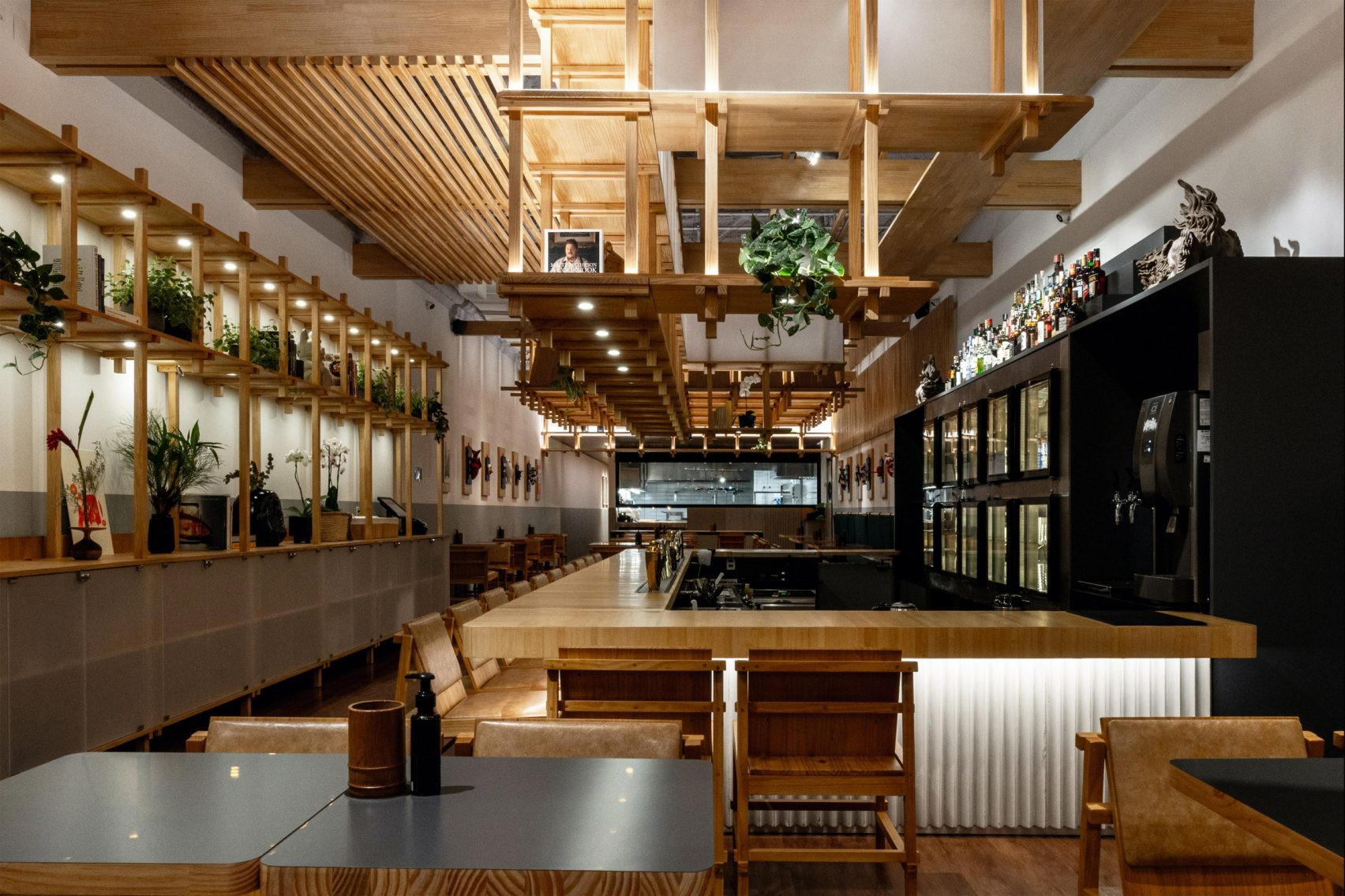
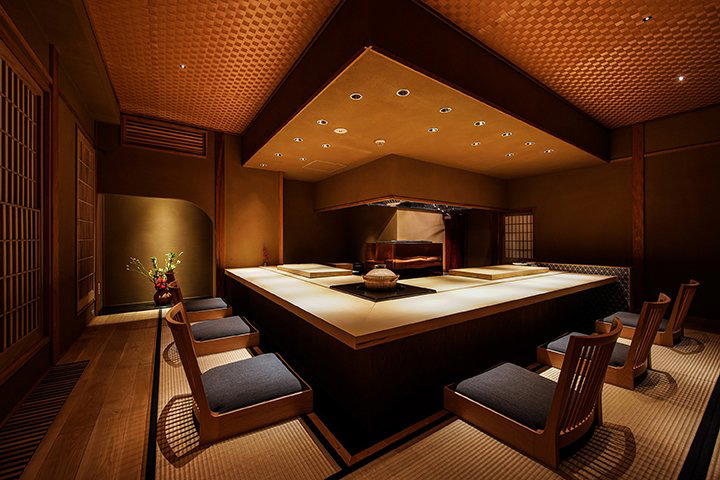
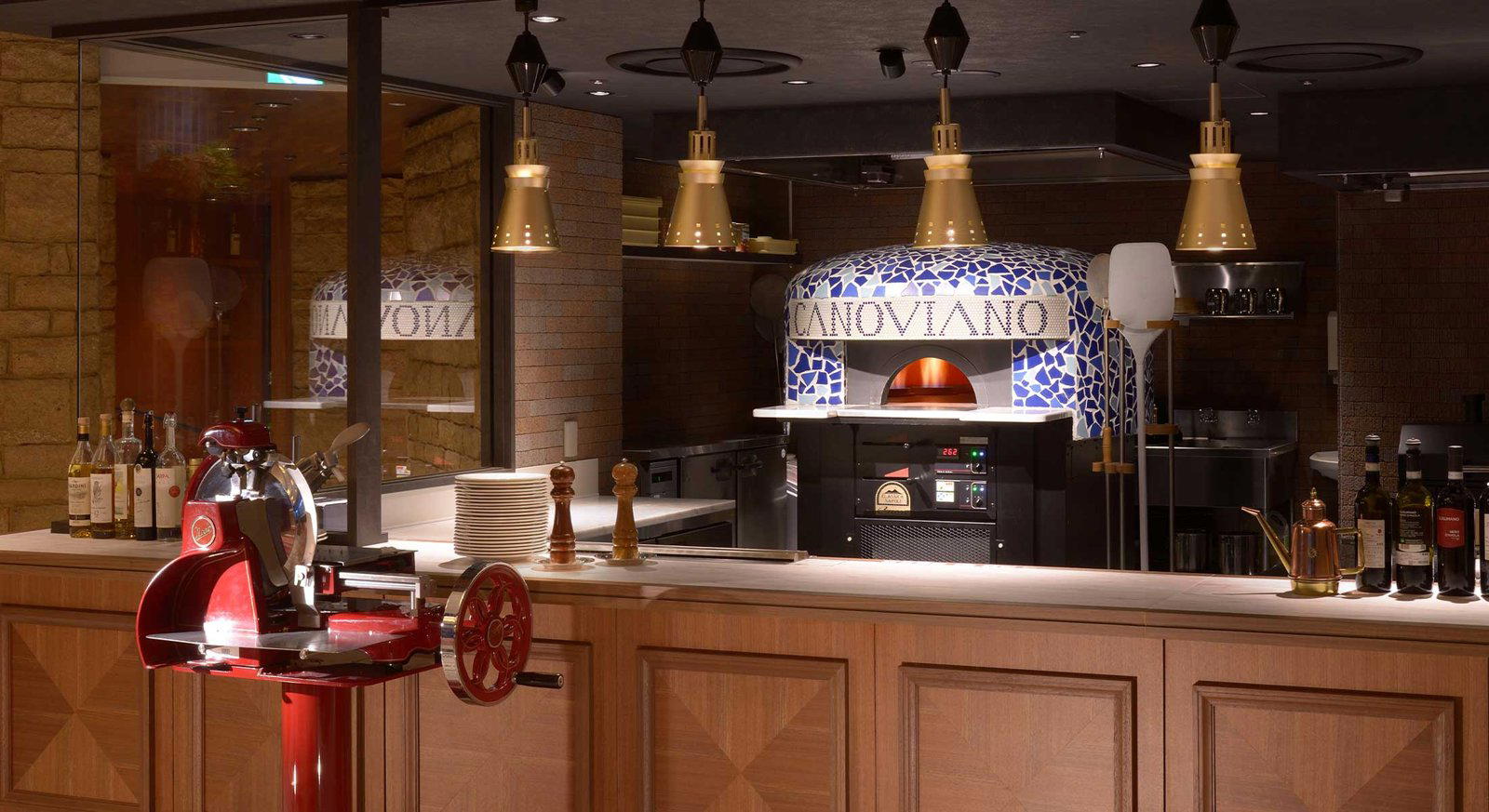
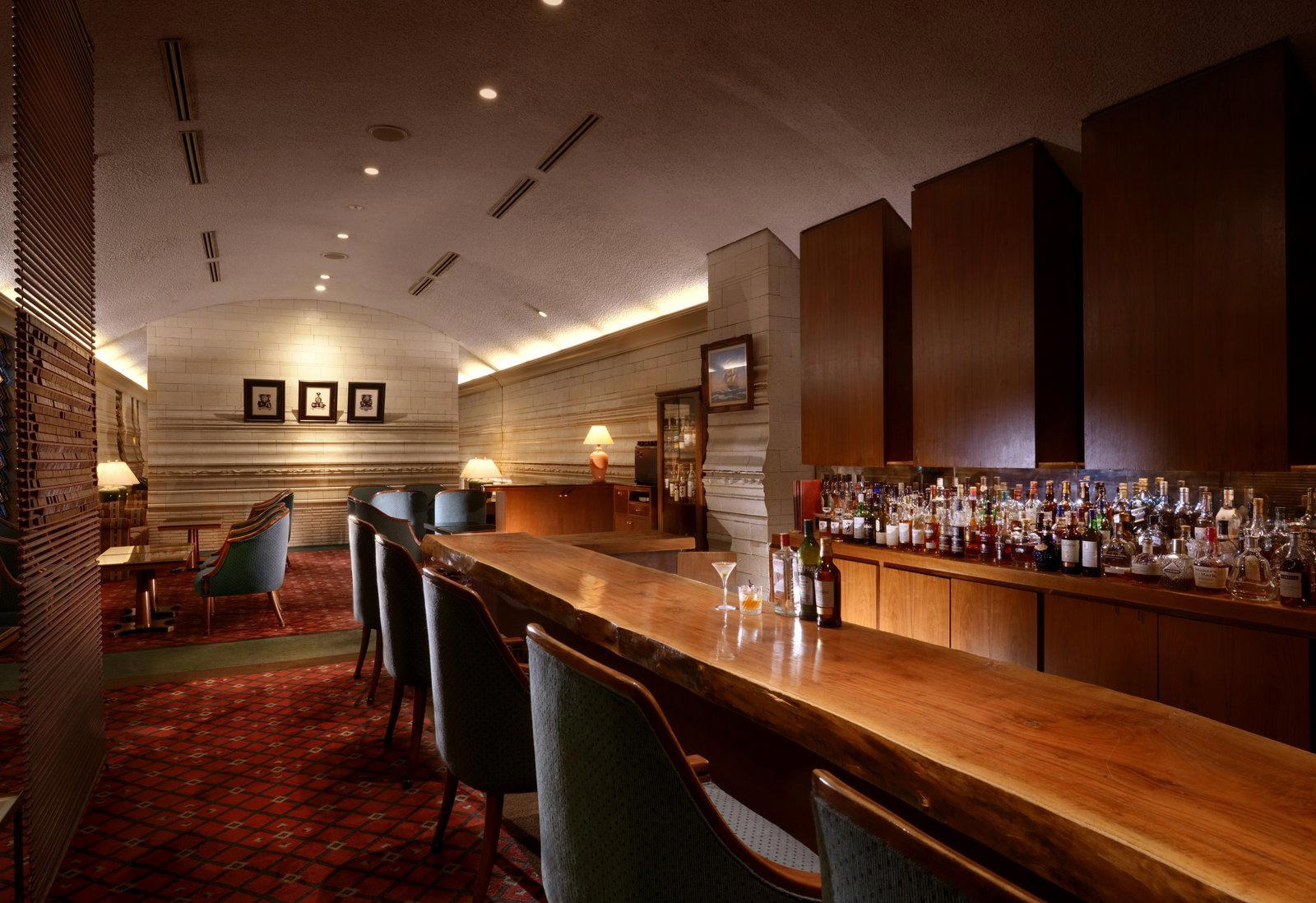
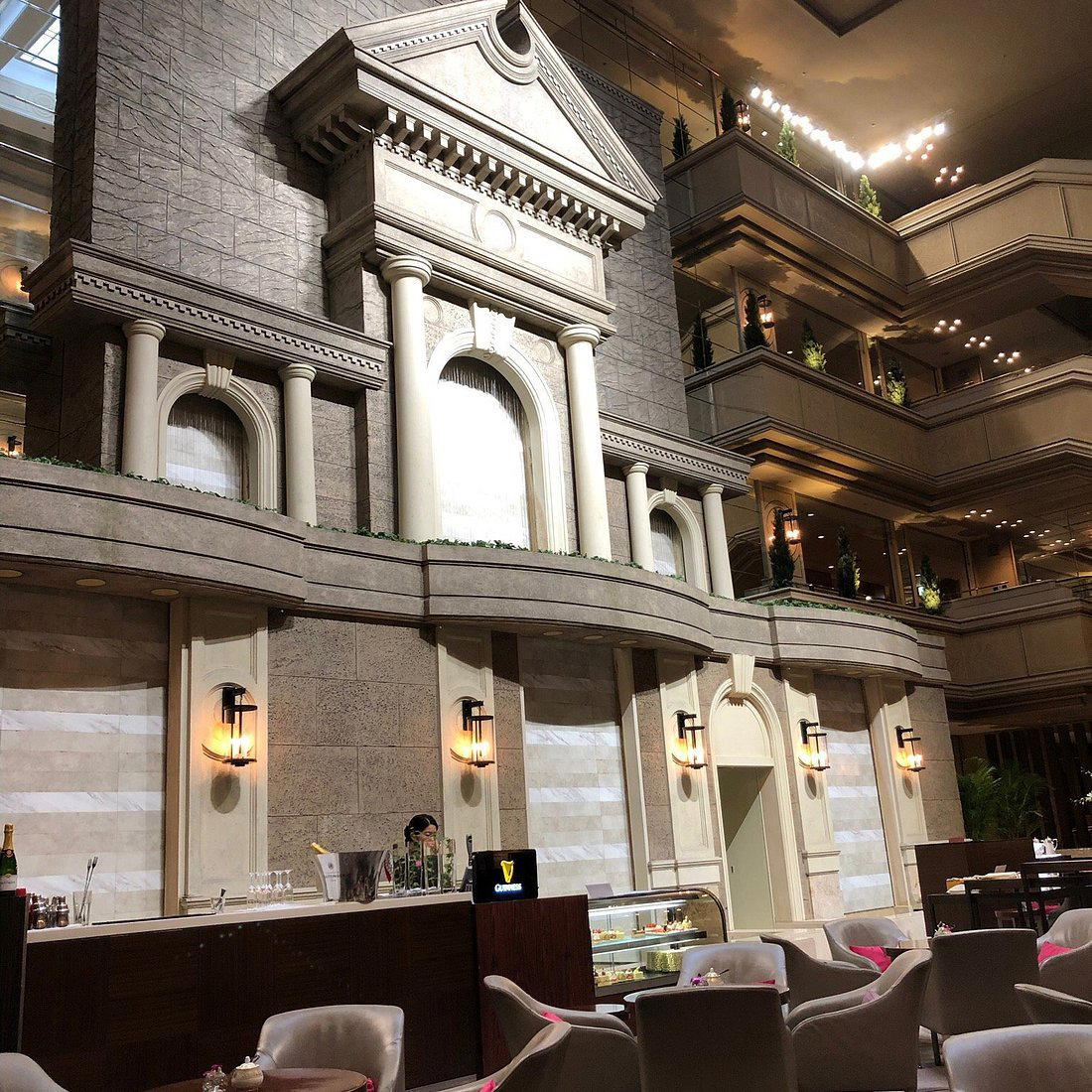
Compact quiet dining room with concrete and warm wood surfaces, measured lighting, open kitchen counter, and calm refined atmosphere.
Know Before You Go
- Reservations
- Essential
- Dress code
- Smart casual
- Getting there
- 2 Chome-12-2 Nagono, Nishi Ward, Nagoya, Aichi 451-0042, Japan