Our verdict
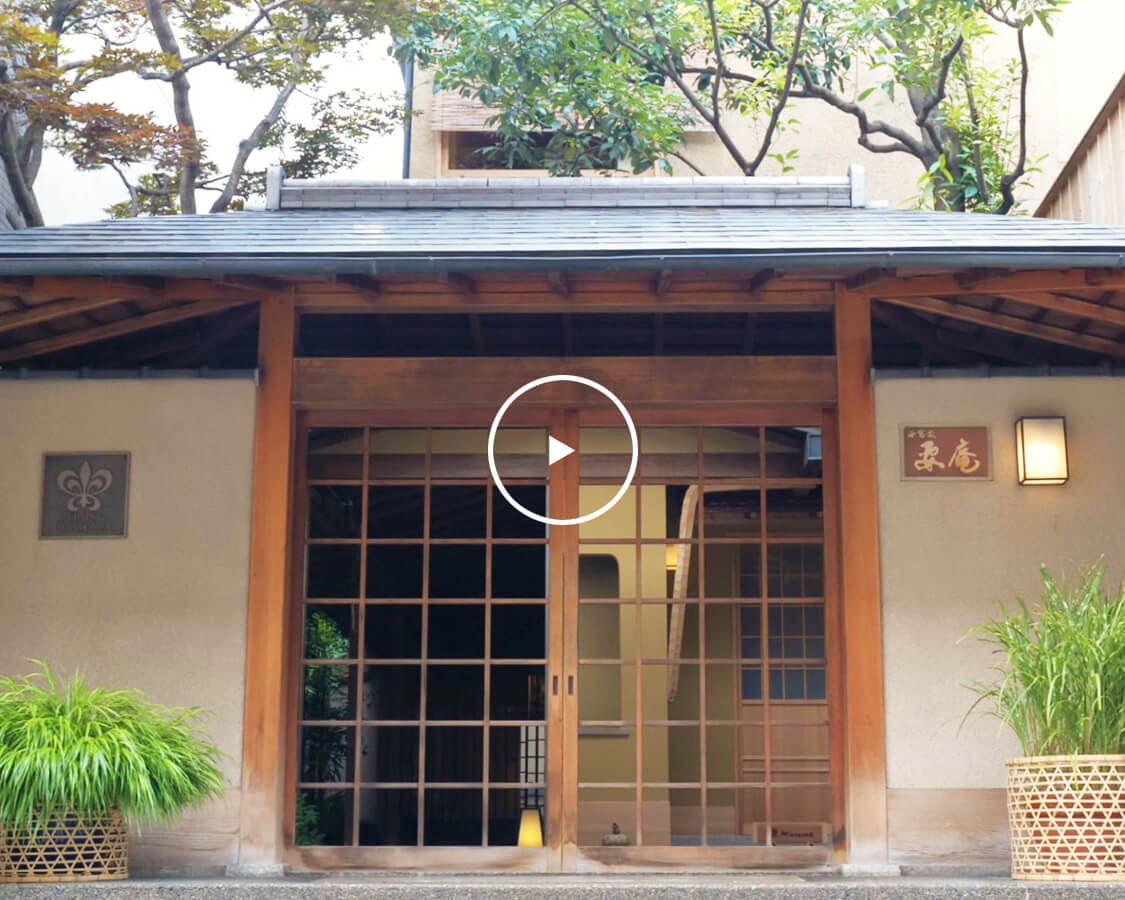
In Shimogyo, Kyoto's working southern ward, Sōya operates as a teppan and sake specialist at an address that keeps it away from the main tourist circuits. The format centres on iron-plate cooking paired with Japanese sake, a combination that positions it within a tradition of ingredient-led counter dining that Kyoto's residential neighbourhoods quietly sustain.

Pearl is the En Primeur Club membership app, where members save venues, book tables and use the concierge.
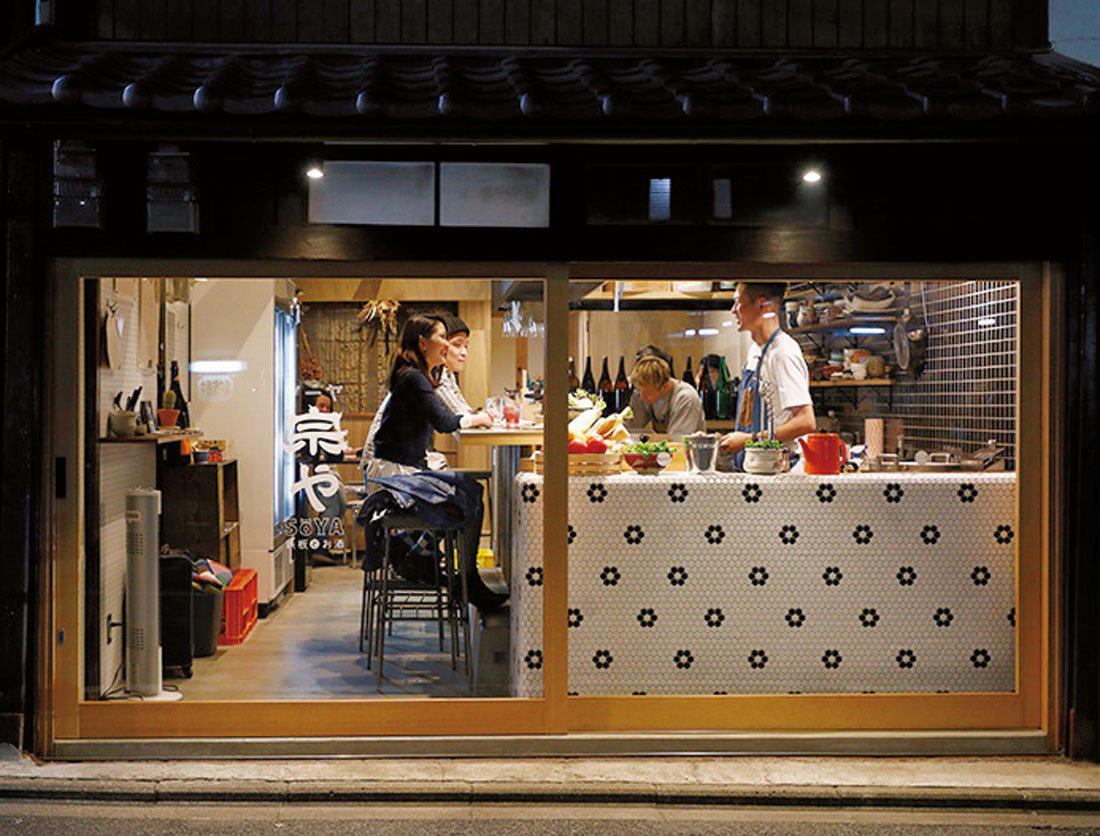
Teppan and Sake in Shimogyo: The Counter Tradition Below Kyoto's Tourist Line
Kyoto's dining identity is built largely on kaiseki and its careful, seasonal discipline, but the city's residential wards sustain a parallel counter culture that operates at a different register entirely. Shimogyo, the ward that covers the area south of Shijo-dori down toward Kyoto Station, holds a density of working-neighbourhood restaurants that serve locals rather than itineraries. Teppan to o-sake Sōya sits inside that pattern: an iron-plate and sake establishment on Ishifudonocho, a quiet address in a part of the ward that draws no particular foot traffic on its own. For context on how to plan a broader Shimogyo itinerary around venues like this, see our full Shimogyo restaurants guide.
The Teppan Format and What It Demands of Ingredients
Teppan cooking, as a format, is less forgiving than a braise or a stock-based dish. The iron plate transfers heat directly and fast, which means ingredient quality reads clearly in the result. There is nowhere to hide a mediocre cut of beef or an out-of-season vegetable. This is why the better teppan counters in Japan's regional cities have historically been closely linked to their sourcing networks: the format itself demands it. In Kyoto, where the surrounding Tamba and Tanba highlands, the Nishiki market supply chains, and coastal access via the Sea of Japan all feed into the restaurant trade, a teppan kitchen operates within a supply geography that is genuinely rich. Kyoto vegetables, kyo-yasai, carry protected regional recognition, and the prefecture's northern coast provides access to crab, whitebait, and seafood that does not travel far before it reaches a kitchen.
Sōya's position in Shimogyo places it within that supply geography. The ward's restaurants are close to Kyoto's central wholesale infrastructure, and the iron-plate format at the heart of Sōya's offering is one that rewards proximity to fresh, seasonal material. This connection between format and sourcing is the same logic that governs yakitori-focused counters in other Japanese cities, where the grill's directness makes the provenance of the protein legible on the plate. Compare this sourcing orientation with how Gion Sasaki in Kyoto approaches seasonal ingredient discipline from within the kaiseki tradition, or how HAJIME in Osaka uses French technique as a frame for regional Japanese produce.
Sake as a Structural Element, Not an Afterthought
The name itself signals intent: teppan to o-sake, iron plate and sake. In the broader Japanese counter-dining scene, sake pairings have moved from reflexive accompaniment to deliberate structural decision. Venues that take sake seriously enough to put it in the name are making a claim about the depth of their list and their commitment to matching the ferment to the food. Sake's spectrum, from junmai daiginjo with high polish ratios and delicate aromatics, to aged koshu with oxidative depth, to muroka nama genshu with raw, unfiltered intensity, gives a list a pairing range that can match everything from a lightly seasoned vegetable teppan to a fatty cut of wagyu. That breadth is precisely what makes sake a credible pairing partner for iron-plate cooking rather than a default choice. For a sense of how sake and wine pairing disciplines are developing in parallel in Kansai, akordu in Nara offers an interesting comparative case from the wine side.
Where Sōya Sits in the Kyoto Counter Spectrum
Kyoto's higher-profile dining addresses, the kaiseki rooms in Higashiyama, the multi-course counters in Gion, operate at price points and booking depths that place them in a different competitive bracket from a neighbourhood teppan specialist. That bracket includes venues like Harutaka in Tokyo, where the omakase format and deep reservation lead time signal a particular tier of Japanese counter dining. Sōya, by contrast, operates within the mid-tier residential counter category: venues where the format is direct, the room is compact, and the experience is built on the quality of the cooking rather than on ceremony or extensive pre-theatre booking logistics. This tier is where much of Japan's most consistent everyday dining actually happens, and Shimogyo, as a working ward rather than a tourist destination, sustains several such counters. Across Japan's regional cities, similar patterns hold: Goh in Fukuoka represents the refined end of that regional counter tradition, while venues like Birdland in Sakai show how a single-focus protein counter can build serious reputation at a neighbourhood scale.
The iron-plate format also places Sōya in an interesting comparative position relative to Japan's other direct-heat counter styles. Teppanyaki at the higher end, as practised in hotel venues across Osaka and Tokyo, tends toward theatrical tableside service and imported protein. The neighbourhood teppan counter, by contrast, tends toward shorter menus, direct sourcing, and a relationship between the cook and the counter that resembles the yakitori or robatayaki model more than the hotel dining room. For international reference points in high-discipline counter formats, Atomix in New York City and Le Bernardin in New York City illustrate how the counter format and ingredient-sourcing narrative operate in a Western fine-dining context.
Planning a Visit
Sōya's address on Ishifudonocho in Shimogyo places it within walking distance of central Kyoto's transport infrastructure, and Kyoto Station's connectivity makes Shimogyo accessible from Osaka, Nara, and further along the Shinkansen corridor with relative ease. The ward's residential character means the surrounding streets are quieter in the evenings than Gion or the Kawaramachi corridor, which tends to suit the unhurried pace of a counter meal. The broader Kansai region rewards a multi-city approach: pairing a Shimogyo counter evening with visits to HAJIME or akordu in Nara gives a layered read of how ingredient-led cooking operates across the region's different dining cultures. Further afield, 一本木 志川製 in Nanao, 湖畔荘碧 in Takashima, and 鳳翔庵 in Nishikawa Machi each represent regional Japanese counter traditions worth mapping against the Kyoto experience. For a broader sweep of Japan's regional dining scene, 夕木山乃 in Sapporo and Denko Sekka in Hiroshima offer further reference points.
Frequently asked questions
Can I bring kids to Teppan to o-sake Sōya?
Sōya is structured around a sake-forward counter format in Shimogyo, which skews toward adult diners who are engaged with the pairing experience. Counter seating and a sake-led menu make it less suited to young children. Families with older teenagers who are comfortable at intimate Japanese counters may find it workable, but it is not a family-dining destination by format.
How would you describe the vibe at Teppan to o-sake Sōya?
The atmosphere is counter-intimate: the teppan format places you close to the cooking surface and, by extension, the rhythm of preparation. Shimogyo is a residential ward removed from the tourist corridors of Higashiyama and Gion, so the room draws neighbourhood regulars rather than transient diners. Expect focused and unhurried rather than lively.
What should I eat at Teppan to o-sake Sōya?
The venue's name, teppan to o-sake, iron plate and sake, signals that the teppan cooking is the structural focus. The iron plate format rewards proteins and vegetables that benefit from direct, high-heat contact and a controlled sear. Ordering around whatever the counter is running that evening, and pairing it with sake as the name suggests, is the logical approach.
How does the sake pairing work at Teppan to o-sake Sōya, and is it integrated into the meal or optional?
The venue's name positions sake as co-equal with the teppan cooking, not an add-on wine list. In Kyoto's counter-dining context, that signals a deliberate pairing structure where sake selections are matched to the progression of iron-plate dishes rather than offered as standalone pours. Diners at Sōya's Ishifudonocho address in Shimogyo should expect sake to be central to how the meal is sequenced.
At-a-Glance Comparison
| Venue | Cuisine | Price | Awards | Notes |
|---|---|---|---|---|
| Teppan to o-sake Sōya (鉄板とお酒 宗や)This venue (the venue you are viewing) | Teppanyaki Izakaya | $30–50 | Not listed | Not listed |
| HAJIME | Avant-Garde Japanese Fine Dining | $300–500 | 3 Michelin Stars · World's 50 Best #83 | French, Innovative |
| Harutaka | Edo-Style Omakase Sushi | $200–300 | 3 Michelin Stars · World's 50 Best #76 | Sushi |
| L'Effervescence | Modern French with Japanese Influences | $200–300 | 3 Michelin Stars · World's 50 Best #69 | French |
| RyuGin | Modern Kaiseki | $500+ | 3 Michelin Stars · World's 50 Best #41 | Kaiseki, Japanese |
| Crony | Modern French with Japanese Influences | $150–200 | 2 Michelin Stars · World's 50 Best #34 | Innovative, French |
Continue exploring
More in Kyoto
Restaurants in Kyoto
All restaurants in Kyoto →
Bars in Kyoto
All bars in Kyoto →

Hotels in Kyoto
All hotels in Kyoto →

Wineries in Kyoto
Browse all →
Details
- Cozy
- Intimate
- Date Night
- After Work
- Open Kitchen
- Sake Program
- A La Carte
- Counter Dining
- Sake
Intimate counter and table seating with a focus on teppan cooking atmosphere.