
Tabelog Bronze #363
Our verdict
French technique in rural Mie reads differently from its urban counterpart: ingredients carry more of the argument, and the room’s small scale sharpens the focus. restaurant Ryu belongs to that category, a reservation-only house restaurant in Meiwa with Tabelog Award Bronze recognition and a French WEST 100 selection, priced in the JPY 8,000–9,999 bracket for lunch and dinner before service charge.

Pearl is the En Primeur Club membership app — saves, bookings, and concierge access live there. Same editors, same standards.
- Address
- 776-21 Kongozaka, Meiwa, Taki District, Mie 515-0324, Japan
- Phone
- +81 596-52-6440
- Hours
- Mon–Tue 12–3 PM, 6:30–9:30 PMWed ClosedThu–Sun 12–3 PM, 6:30–9:30 PM
- Website
- restaurant-ryu.com
- Directions
- Get directions
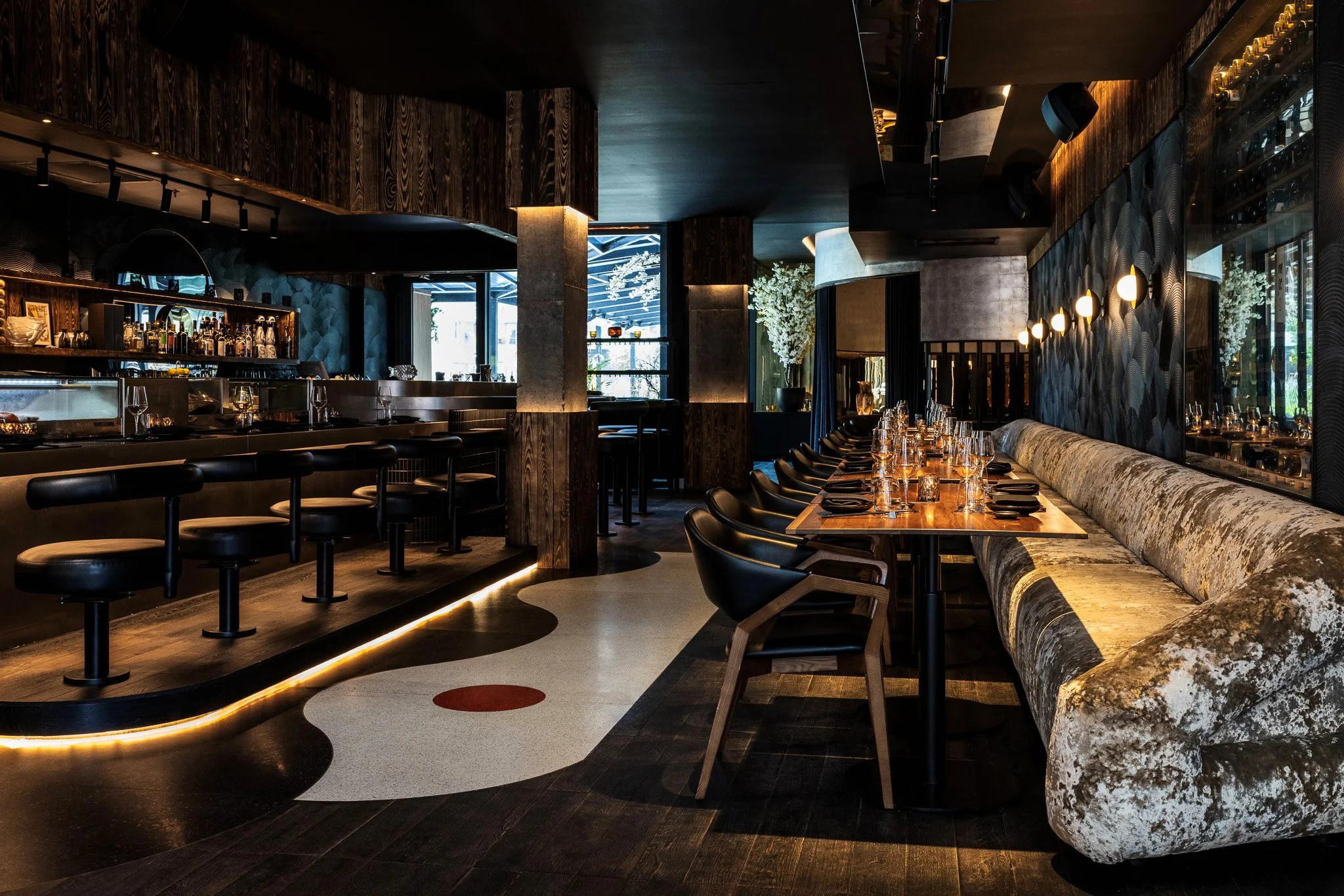
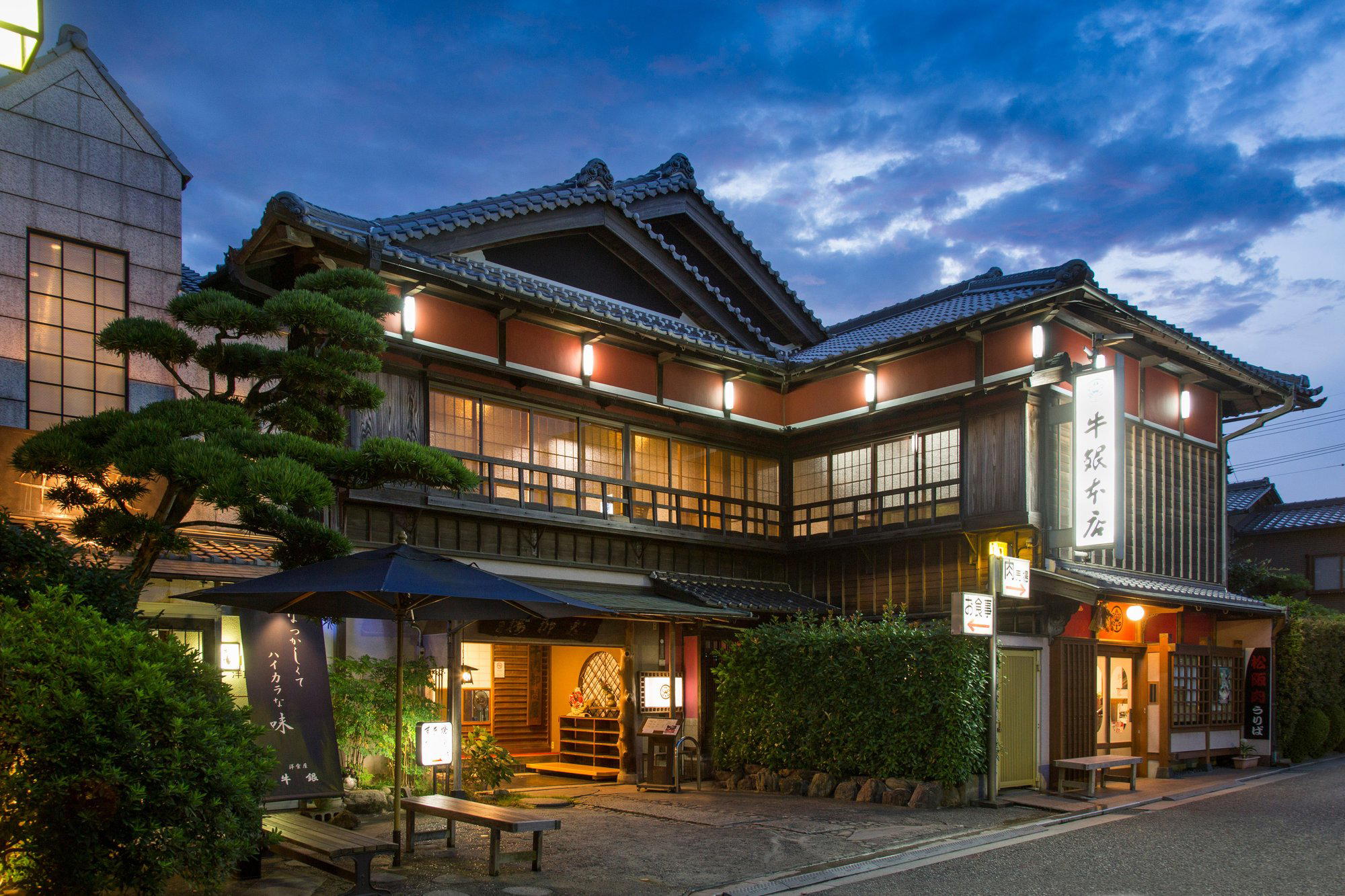
Approaching a house restaurant in Meiwa changes the tempo before the first course. Mie’s dining culture is shaped less by dense Tokyo or Osaka restaurant districts than by fishing ports, shrine towns, farm roads, and regional produce that reaches kitchens before it becomes a luxury label. Here, French cooking is less imported grand-restaurant theatre than a way to translate local ingredients through stock, sauce, timing, and restraint.
restaurant Ryu fits that provincial French register. The category is French, but not Francophilia for its own sake. The stronger reading is seasonal Japanese produce worked through French technique, one of Japan’s more persuasive answers to regional fine dining. Tabelog’s description points to French methods passed down from masters and Japanese ingredients on the plate, placing the restaurant within Japan’s habit of treating French cuisine as a technical language rather than a foreign costume.
French technique, Mie ingredients, and a smaller regional stage
Mie gives chefs a broad pantry without relying on a metropolitan supply chain: seafood, beef, rice, tea, citrus, and shrine-linked food traditions around Ise. A French kitchen can lean into that range without turning every plate into a postcard. The better regional restaurants in Japan succeed when locality is not over-explained; ingredients set the rhythm, technique gives structure.
restaurant Ryu’s recognition separates it from pleasant countryside dining rooms trading mainly on setting. It is a Tabelog Award 2026 Bronze winner, with Bronze recognition also listed for 2025 and 2022, and it was selected for Tabelog French WEST 100 in 2025, 2023, and 2021. Those signals do not improve a meal by themselves, but they indicate sustained attention from Japan’s review-driven dining culture, where regional French restaurants compete across western Japan, not only against nearby addresses.
The price bracket clarifies the proposition. Lunch and dinner are listed at JPY 8,000–9,999, with review-based spending at JPY 10,000–14,999 and a separate 5 percent service charge. In Mie, that sits above everyday local dining but below major-city tasting-menu extremes. Among supplied regional comparisons, Beef Club Noel is in a similar dinner band, while Tonkatsu Nozaki and Issho Bin Honten are lower, and Tori Yuu is far more casual. The useful comparison is spending intent: this is a planned meal, not a spontaneous stop between sights.
A ten-seat format changes how the meal reads
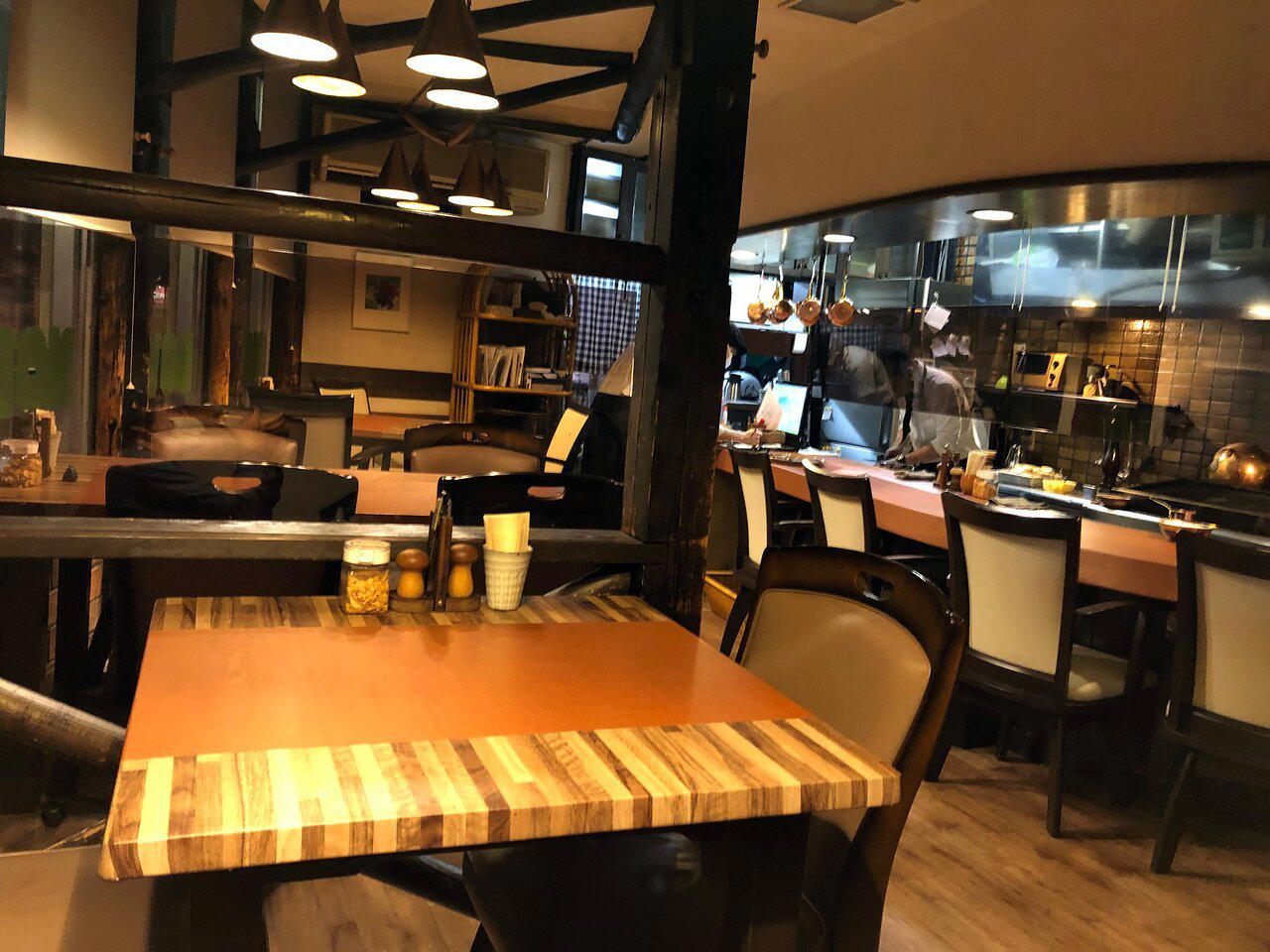
Scale matters. A 10-seat restaurant leaves little room for anonymity; pacing, table management, and kitchen discipline become visible. That intimacy suits regional French, keeping the meal close to season and sourcing rather than high-volume production. It also sharpens the traveller’s decision: the restaurant belongs in an itinerary only if the meal is the anchor, not a side note.
The format is reservation-only, built around set midday and evening timings rather than continuous all-day dining. That is common among serious Japanese destination restaurants outside large urban cores, where staffing, purchasing, and preparation are calibrated to confirmed guests. The dining room is non-smoking, private rooms are not part of the format, and private use is listed for up to 20 people. Credit cards, electronic money, and QR code payments are not accepted, so cash planning is part of the meal.
Access reinforces the regional character. The restaurant sits along Prefectural Road 37 in Meiwa, with parking and a second parking lot listed. The nearest station is Koishiro, 995 meters away, while Matsusaka Station or Ise City Station are about 20 minutes by car. For a wider Mie itinerary, pair the meal with Ise, Matsusaka, or the central prefecture rather than treating it as a quick detour from Nagoya or Kyoto.
That itinerary can take different forms. Seafood-focused readers may compare Mie’s ingredient culture through Hinode (Seafood) or La Mer. Sushi gives another reading through Edo Machi Sugimoto (Sushi) and Komada (Sushi), while Hinome broadens the local dining map. For a wider scan, use Our full Mie restaurants guide, with parallel planning through Our full Mie hotels guide, Our full Mie bars guide, Our full Mie wineries guide, and Our full Mie experiences guide.
Who should make the trip
The strongest case for restaurant Ryu is not that it offers French food in Mie; it is that French technique operates outside Japan’s large-city luxury circuit. The kitchen’s public positioning around Japanese ingredients and seasonal expression gives the meal a regional reason to exist. For travellers who know Tokyo French, Kyoto French, or hotel dining in Osaka, the appeal is the smaller frame: a house restaurant, a tightly limited seat count, and a price point focused on cooking rather than ceremony.
It is also a useful counterpoint to the common Mie itinerary of shrine visits, seafood, and Matsusaka beef. Those categories matter, but can flatten the prefecture into expected pleasures. A regional French meal adds another layer: the same local supply, filtered through a different grammar. The restaurant best fits diners interested in sourcing and technique, not those chasing a checklist of named dishes.
Planning details are not minor. Wednesday is the regular closing day, the listed food last order is 18:30, and children policy appears mixed: the seat note states no children, while the family note says school-age children are welcome. Adults should assume a quiet, small-room meal with limited flexibility; families should confirm before committing. The restaurant has been open since 2006, adding weight to its recognition record: this is not a new regional project riding a brief wave, but a long-running address whose awards and selections have recurred across several cycles.
Readers mapping Japan beyond Mie can use the contrast to sharpen expectations elsewhere: beef-driven formats such as -Grilled beef Sukiyaki- KAMAKURA TANUKIAN 鎌倉 たぬき庵 in Kamakura, casual city addresses like. 鮪と炭火焼き うお炭 秋葉原店 in Tokyo, cafe culture at.cafe in Osaka, Kumamoto’s dining scene through.know in Kumamoto, Vietnamese cooking at (Shoku) Vietnam in Kawasaki, curry specialization at [Curry Senmon Ten] Maruyama Kyoju. in Sapporo, and overseas Japanese-adjacent drinking and casual formats such as Jōdo Saké Bar in Los Angeles and Onigiri Time in Pasadena. Against that wider map, Mie’s value is specificity: ingredient identity can lead without shouting.
Frequently asked questions
Can I bring kids to restaurant Ryu?
Yes. the public record says children are welcome, with school-age children accepted, although the restaurant also notes a 10-seat room and no children allowed in one field, so advance confirmation is sensible before booking in Mie. Check the venue's official channels for the latest details.
Is restaurant Ryu formal or casual?
It reads more reserved than casual, with reservation-only service, 10 seats, and a 5% service charge. The setting is a house restaurant in Meiwa, which points to a quiet, structured meal rather than a drop-in format.
What time does restaurant Ryu open and close?
Hours at restaurant Ryu: Mon, Tue, Thu, Fri, Sat, Sun, Public Holiday, Day before public holiday, Day after public holiday 12:00 - 21:30 L.O. Food 18:30 Drinks 21:30.
What is restaurant Ryu known for?
restaurant Ryu is primarily known for its core concept and execution in Mie.
Comparable Spots, Quickly
Comparable venues nearby, for context on price, style, and recognition.
| Venue | Cuisine | Price | Awards | Notes |
|---|---|---|---|---|
| restaurant RyuThis venue — the venue you are viewing | French-Japanese Fusion | Not listed | Tabelog Bronze #363 | Not listed |
| La Mer | French Seafood Fine Dining | $200–300 | Tabelog Bronze #233 | Shima |
| Komada | Edo-style Omakase Sushi | $300–500 | Tabelog Gold #14 | Kawasaki, Ise |
| Hinome | Modern Vegetarian Japanese Fusion | $50–100 | We're Smart World 4 Radishes | Kameyama |
| L’etude | French restaurant in Iga | Not listed | Tabelog 100 #48 | Iga |
| Wadakin | Matsusaka Beef Japanese | Not listed | Tabelog Bronze #508 | Nakamachi |
Recognition history
Dated appearances from independent guides and award organizations, with the underlying list record or original source where available.
Tabelog Bronze #363
Tabelog
Full recognition history (3 entries)
Tabelog 100 #5 · No. 5
Tabelog · Tabelog 100 - French - WEST - 2025
Tabelog Bronze
Tabelog
Details
- Intimate
- Elegant
- Date Night
- Special Occasion
- A La Carte
Current opening hours
- Monday
- 12–3 PM, 6:30–9:30 PM
- Tuesday
- 12–3 PM, 6:30–9:30 PM
- Wednesday
- Closed
- Thursday
- 12–3 PM, 6:30–9:30 PM
- Friday
- 12–3 PM, 6:30–9:30 PM
- Saturday
- 12–3 PM, 6:30–9:30 PM
- Sunday
- 12–3 PM, 6:30–9:30 PM
Hours can change for holidays and private events. Last verified .
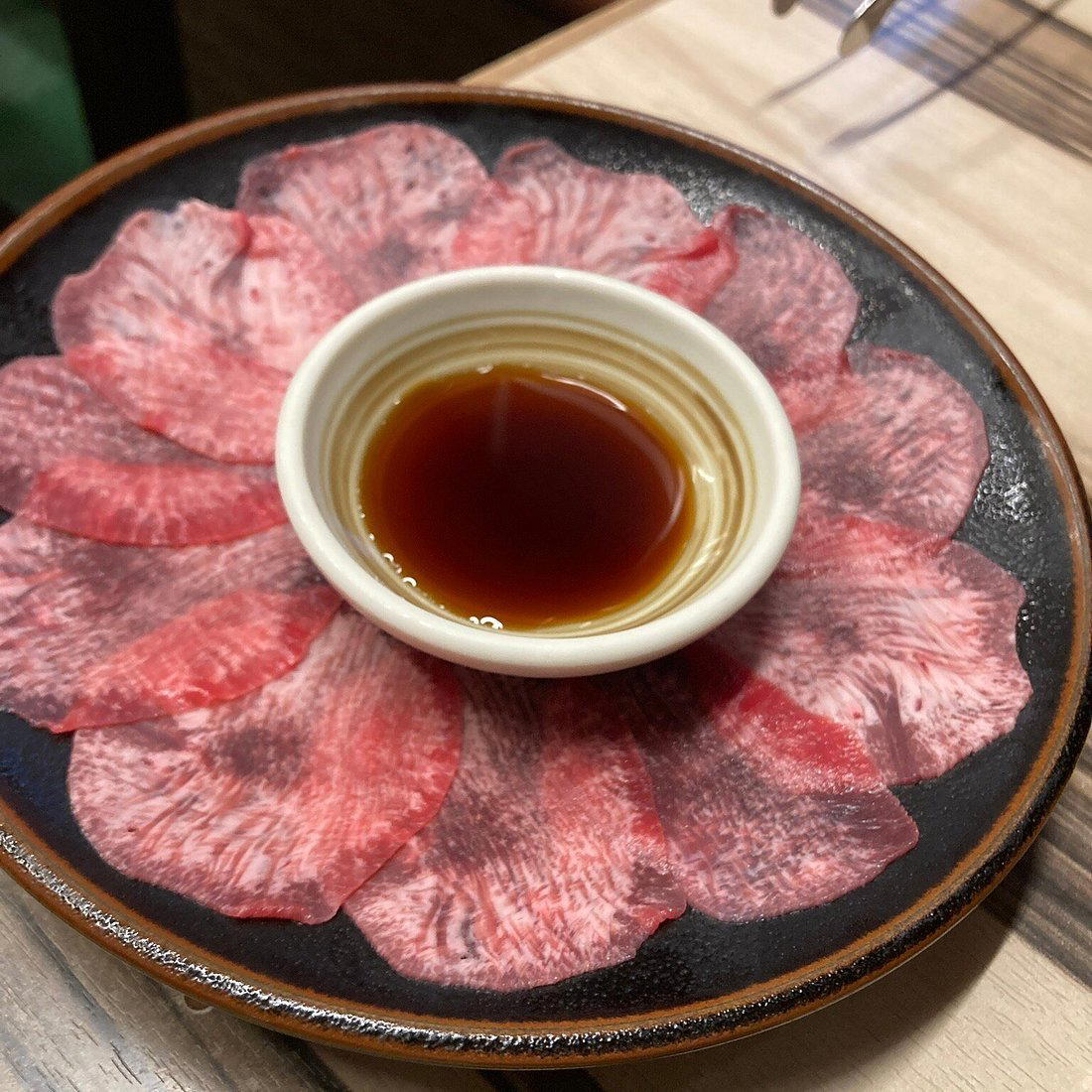
Small unassuming space with personal service from the chef and focus on high-quality ingredients.