
Tabelog Bronze #285
Our verdict
Yakitori Mizuki occupies the second floor of a building in Gifu's Kandamachi district, where Shiga Omi chicken grilled over Kishu binchotan charcoal has earned consecutive Tabelog Bronze Awards from 2022 through 2026 and seven successive selections to the Tabelog Yakitori Top 100. An à la carte format lets guests order at their own pace, with counter seating, tatami, and private rooms for parties up to twenty.

Pearl is the En Primeur Club membership app — saves, bookings, and concierge access live there. Same editors, same standards.
- Address
- 3 Chome-9 Kandamachi, Gifu, 500-8833, Japan
- Phone
- +81 58-264-0715
- Hours
- Mon–Wed 5:30–11 PMThu ClosedFri–Sun 5:30–11 PM
- Website
- tabelog.com
- Directions
- Get directions
The menu
What to order
- Omi Jidori chicken skewers
- Seasonal vegetable skewers
A Second-Floor Counter in the Yakitori Belt
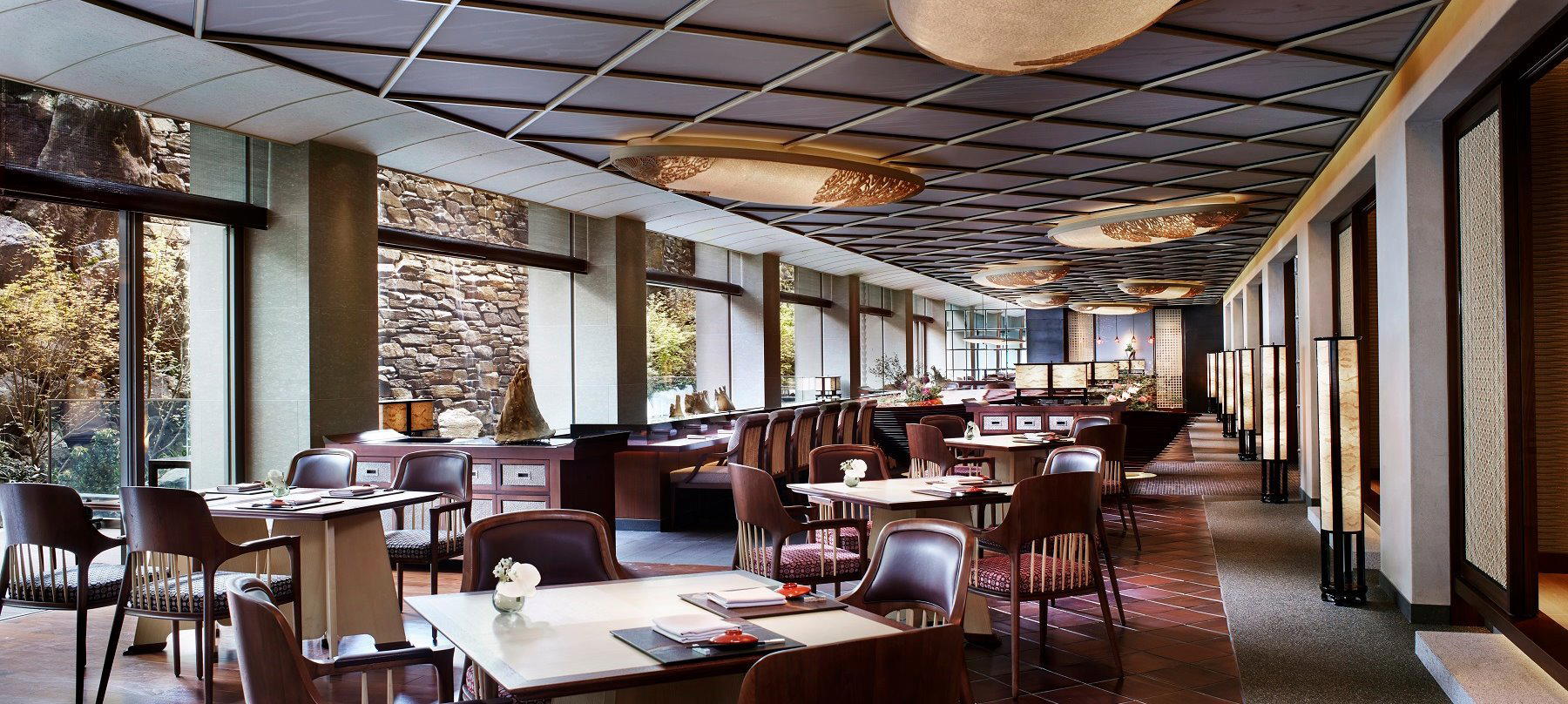
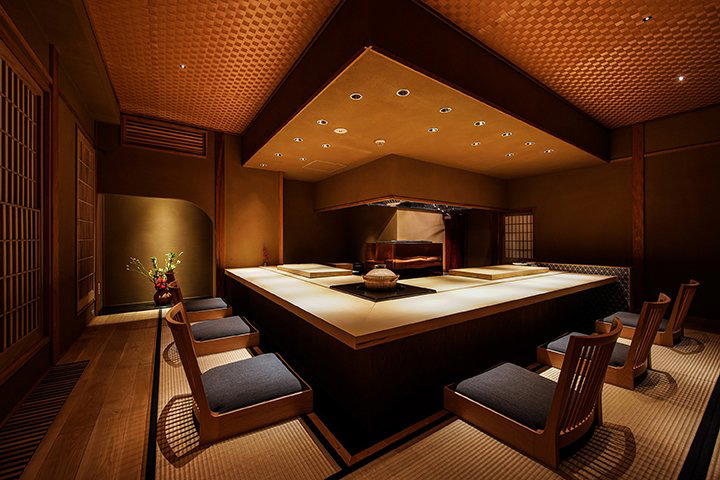
Yakitori, as a category, rewards proximity to the grill. The leading seats in any serious yakitori-ya are counter positions where smoke, heat, and the rhythm of the skewers define the meal as much as anything on the plate. On the second floor of a low-rise building on Kandamachi in central Gifu, Mizuki runs eleven counter seats alongside tatami seating and private rooms — a format that separates the two experiences clearly. The counter is where the charcoal does its work in front of you; the private rooms, which accommodate groups of six to twenty, operate on a different register, suited to business or celebration rather than the close-range observation the counter invites.
Gifu's dining scene sits in a productive tension between its regional identity and the gravitational pull of Nagoya, forty minutes south. The city has produced a cluster of recognised restaurants across categories — from Belle Equipe on the French side to Kobanzushi for sushi, but yakitori occupies a particular place in Gifu's food culture, tied to the prefecture's poultry traditions and the availability of high-quality regional chicken breeds. Mizuki draws directly on that supply chain, using Shiga Omi chicken, a breed from neighbouring Shiga Prefecture, known for firm texture and concentrated flavour, cooked over Kishu binchotan, the dense hardwood charcoal from Wakayama Prefecture that burns hot, clean, and long. That combination of sourcing and fuel is not incidental; it is the kitchen's stated position.
What the Menu Architecture Reveals
Mizuki operates on an à la carte basis rather than a fixed course. This is an editorial choice, not just a logistical one. In Japan's premium yakitori tier, the course format has become increasingly common, a set sequence of skewers determined by the kitchen, echoing the omakase model that now governs so many upper-bracket Japanese dining experiences. Mizuki's decision to maintain à la carte ordering at its price point (listed at JPY 6,000–7,999 per person, though review-aggregated spend trends higher, toward JPY 8,000–9,999) signals a different relationship with the guest. You are expected to know what you want, or at least to build toward it.
That structure shifts the burden of curation from kitchen to diner. It also changes the pacing: a course meal arrives on a predetermined arc, while à la carte yakitori moves in waves determined by the grill's capacity and the table's appetite. At a counter with eleven seats, those waves are visible, you can watch the order in which skewers are assembled, rested, and handed across. The menu covers the full range of chicken parts and preparations, with Shiga Omi chicken as the central ingredient, alongside the drink list of sake, shochu, and wine that characterises mid-to-upper yakitori establishments in the region.
The à la carte format also has implications for how Mizuki sits in its category. Restaurants like Harutaka in Tokyo or Gion Sasaki in Kyoto operate in fixed-sequence formats where every element is predetermined. Mizuki's model is closer to the working yakitori-ya tradition, the neighbourhood specialist that rewards repeat visits because you gradually learn which cuts and which order of service suit you leading. The recognition it has accumulated over seven years on the Tabelog Yakitori Top 100 suggests this approach has built a loyal local and regional following rather than a revolving door of destination diners.
The Award Record as a Positioning Signal
Tabelog's awards system is worth understanding before treating the numbers as simple rankings. The platform aggregates user reviews at scale and applies a scoring methodology that weights recency and reviewer credibility; a score of 3.97 in the yakitori category, where the top tier operates between 4.0 and 4.5, places Mizuki firmly in the upper bracket without reaching the thin air of nationally dominant counters. The Bronze Award, which Mizuki has received in 2022, 2023, 2025, and 2026, represents the third tier of a three-tier structure (Bronze, Silver, Gold), meaning it tracks consistently well but operates below the handful of venues that dominate national yakitori discourse.
The more telling signal is the seven consecutive Tabelog Yakitori Top 100 selections, running from 2018 through 2025. That is a consistency record that speaks to operational stability rather than a single strong year. In a category where charcoal management, sourcing relationships, and the physical demands of the grill can erode quality over time, that run places Mizuki in a different bracket from venues that peak and fade. For comparison within Gifu's broader recognised dining scene, hiro, Katatsumuri, and Sakana each hold their own award profiles, but none carry yakitori-specific Top 100 recognition in the same sustained run.
For visitors using Gifu as a base while covering the Kansai-Chubu corridor, those who might also have HAJIME in Osaka, akordu in Nara, or Goh in Fukuoka in their itinerary, Mizuki represents the clearest reason to plan a dedicated evening in the city rather than passing through. It is the one venue in Gifu with a category-specific national track record this long.
Planning a Visit
Mizuki is located at 3 Chome-9 Kandamachi, on the second floor of the Gifuya Building, approximately 830 metres from Meitetsu Gifu Station, a walkable distance in good conditions. The restaurant opens at 17:30 and runs through to 23:00, with food last orders at 22:00 and drinks at 22:30, six days a week (Thursday closed). Reservations are accepted and advisable, particularly for counter seats or private rooms; the phone number on record is 058-264-0715. The venue accepts major credit cards (Visa, Mastercard, JCB, Amex, Diners) but does not accept electronic money or QR code payments. The space is non-smoking throughout. Budget JPY 6,000–7,999 per person as a baseline; actual spend, based on aggregated review data, tends toward JPY 8,000–9,999 once drinks are included. There is no on-site parking.
For a fuller picture of what Gifu has across categories, [our full Gifu restaurants guide]() covers the current recognised scene, while [our Gifu hotels guide](), [bars guide](), [wineries guide](), and experiences guide cover the wider visit. Internationally, those calibrating Mizuki against other benchmark Japanese dining experiences will find relevant context in 1000 in Yokohama, while Le Bernardin in New York City and Atomix in New York City represent the kind of fixed-sequence, chef-led precision that Mizuki deliberately steps away from with its à la carte model.
Frequently asked questions
When can I go to Mizuki?
Hours at Mizuki: Mon, Tue, Wed, Fri, Sat, Sun 17:30 - 23:00 L.O. Food 22:00 Drinks 22:30.
Where is Mizuki in Gifu?
Mizuki is located at 3 Chome-9 Kandamachi, Gifu, 500-8833, Japan, Gifu.
What distinctions does Mizuki have?
Mizuki has received recognition including: {"Year":"2026","Award Source":"Tabelog","Award Type":"The Tabelog Award","Award Group":"bronze","Award Group Rank":"285","Restaurant Name":"Yakitori Mizuki","Score":"3.97","Budget":"Dinner: JPY 6,000 - JPY 7,999; Lunch: -","Budget Dinner":"….
What do people recommend at Mizuki?
Tabelog reviewers consistently highlight the Shiga Omi chicken cooked over Kishu Binchotan charcoal as the focus of the menu. The à la carte format means you can order precisely what appeals rather than being locked into a fixed sequence. Average spend based on reviewer data runs JPY 8,000–9,999 per person, suggesting most guests order several skewers and drinks across an evening.
What's the defining dish or idea at Mizuki?
The kitchen's approach is built around a single sourcing decision: Shiga Omi chicken, a breed known for firm texture, grilled over Kishu Binchotan, the white charcoal that burns at a steady, high heat with minimal smoke interference. That combination of premium bird and controlled fire is the central editorial statement. Mizuki has held a place on the Tabelog Yakitori 100 every year from 2018 through 2025, which signals consistent execution rather than a one-season spike.
Can Mizuki adjust for dietary needs?
The menu is yakitori-focused, meaning chicken and chicken-derived dishes are the core of what the kitchen does. The venue operates a fully non-smoking environment and accepts major credit cards including VISA, Mastercard, JCB, AMEX, and Diners.
Does Mizuki have private room seating, and how far in advance should you book?
Mizuki has 33 seats across three configurations: 11 counter seats, 10 tatami seats, and 12 private-room seats, with private rooms accommodating groups of 6 or 10–20 people. Given that the venue holds Tabelog Bronze Awards in 2022, 2023, 2025, and 2026 alongside continuous Tabelog 100 yakitori status since 2018, demand is consistent. Reservations are available and recommended, particularly for counter seats and private rooms; call 058-264-0715 to confirm availability.
Credentials Lens
Comparable venues nearby, for context on price, style, and recognition.
| Venue | Cuisine | Price | Awards | Notes |
|---|---|---|---|---|
| MizukiThis venue — the venue you are viewing | Yakitori | $30–50 | Tabelog Bronze #285 | Not listed |
| Kobanzushi | Traditional Japanese Sushi Omakase | Not listed | Tabelog Bronze #189 | Gifu City |
| Yakiniku Shun Yasai Fanbogi | Aged Wagyu Yakiniku | $50–100 | Tabelog 100 #6 | Sumidamachi, Gifu City |
| Setsu Gekka Nagara | Yakiniku (Japanese BBQ) | $50–100 | Tabelog 100 #82 | Gifu City |
| Rikidou | Ramen & tsukemen shop | Not listed | Tabelog 100 #49 | Not listed |
| Hida Gyu Ittouya Bakuro Ichidai Gifu kanda | Hida beef yakiniku, sukiyaki & shabu-shabu | $50–100 | Tabelog 100 #99 | Kanda-cho |
Recognition history
Dated appearances from independent guides and award organizations, with the underlying list record or original source where available.
Tabelog Bronze #285
Tabelog
Full recognition history (3 entries)
Tabelog Bronze
Tabelog
Tabelog 100 #8 · No. 8
Tabelog · Tabelog 100 - Yakitori - EAST - 2025
Details
- Lively
- Trendy
- Date Night
- Special Occasion
- Sake Program
- Local Sourcing
- A La Carte
- Counter Dining
- Sake
Current opening hours
- Monday
- 5:30–11 PM
- Tuesday
- 5:30–11 PM
- Wednesday
- 5:30–11 PM
- Thursday
- Closed
- Friday
- 5:30–11 PM
- Saturday
- 5:30–11 PM
- Sunday
- 5:30–11 PM
Hours can change for holidays and private events. Last verified .
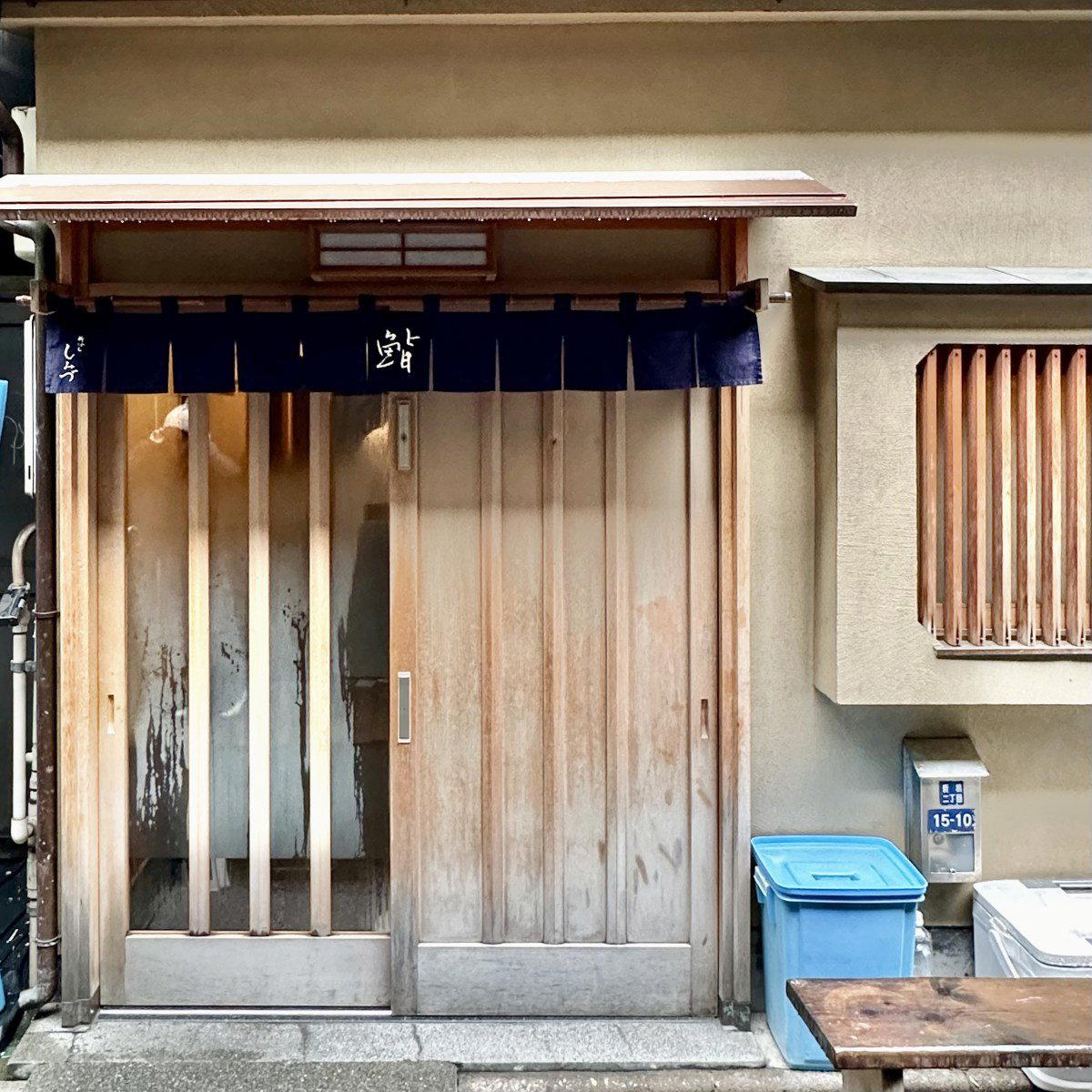
Warm, nostalgic atmosphere with counter and tatami seating in a cozy, intimate space.