
Tabelog 100 #99
Our verdict
Ginza Kira occupies the fifth floor of Royal Crystal Ginza, placing it inside one of Tokyo's most concentrated corridors for serious dining. The address alone signals a particular register: Ginza's 5-chome block has long anchored high-format Japanese restaurant culture, from multi-course kaiseki to counter sushi. Visitors tracking the neighbourhood's dining tier will find Kira positioned within that broader tradition.

Pearl is the En Primeur Club membership app, where members save venues, book tables and use the concierge.
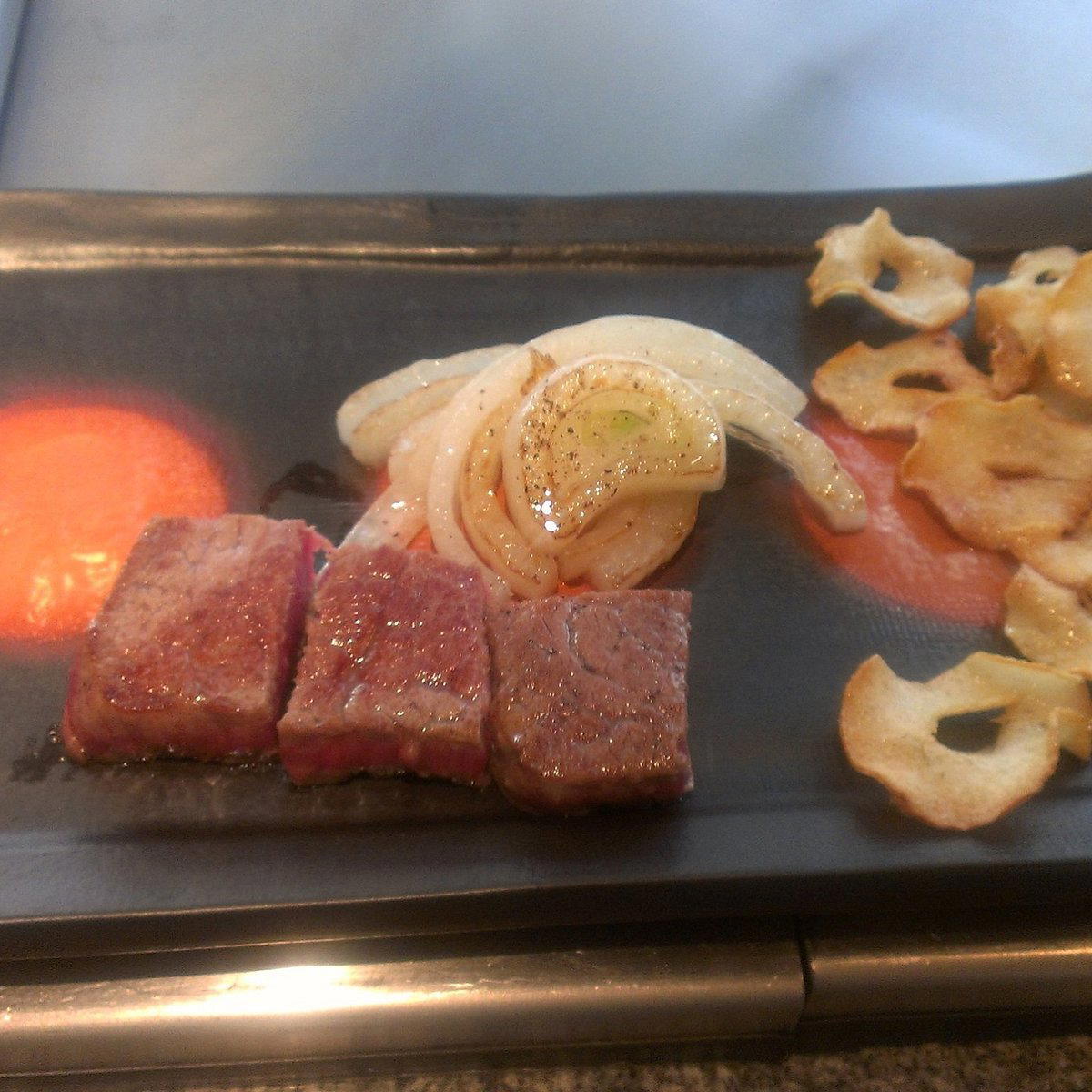
The menu
What to order
- Saga beef steak
- Kira steamed beef
- Seiro Mushi
The Address as Context: What Ginza's 5-Chome Block Signals
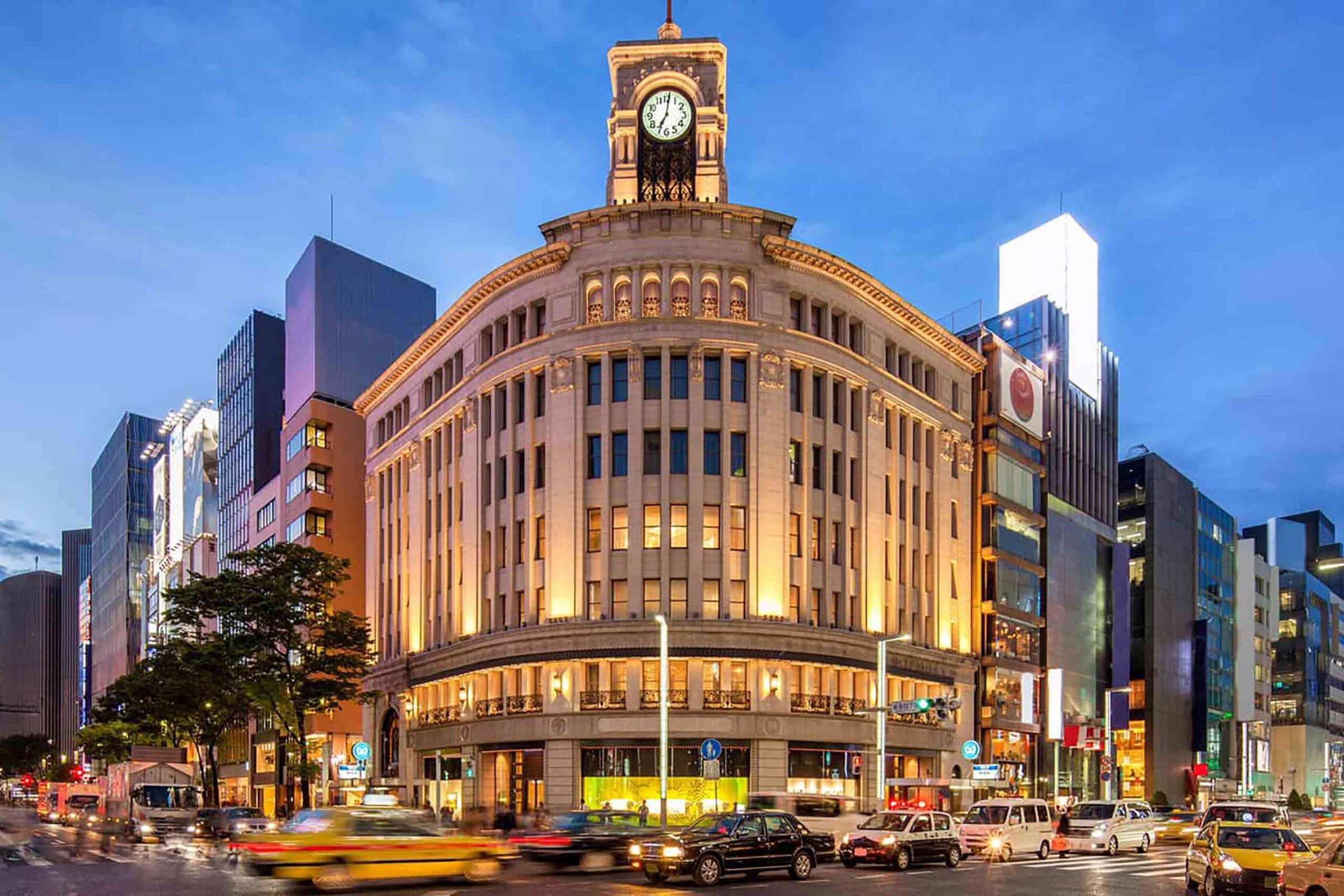
There is a logic to where serious restaurants choose to open in Ginza. The 5-chome stretch, running between the Matsuya and Mitsukoshi department store anchors, has accumulated a density of high-format dining rooms over several decades that few city blocks in the world can match. A fifth-floor address in Royal Crystal Ginza places Ginza Kira inside that pattern. Vertical dining in Ginza, counters and rooms stacked above street-level retail, is not incidental; it reflects land values that push even well-capitalised operators upward, and it produces a particular arrival ritual: the elevator, the corridor, the controlled reveal of a room designed to function independently of the street below.
That geography matters because Ginza as a dining district operates differently from Shinjuku or Shibuya. It draws a clientele comfortable with formality, accustomed to courses rather than à la carte, and willing to plan well in advance. The restaurants that succeed here tend to earn their position through consistency over years, not through social media cycles. For a visitor calibrating where Ginza Kira sits, the neighbourhood itself is the first data point.
The Cultural Weight of a Ginza Dining Room
Japanese high-format dining, whether sushi omakase, kaiseki, or any of the hybrid forms that have emerged over the past two decades, carries a set of inherited obligations that shape how a room functions before a single dish is served. The chef-to-guest ratio matters. The temperature of service matters. The sequence of courses is understood to be a considered argument, not a menu. Ginza, more than any other Tokyo neighbourhood, enforces these conventions through collective expectation: guests arrive knowing the register, and rooms are built to sustain it.
This tradition places Ginza Kira in a competitive set that includes some of Tokyo's most scrutinised counters and dining rooms. Harutaka, working in the sushi omakase format at the ¥¥¥¥ tier, represents the kind of peer reference point against which Ginza addresses are quietly measured. So does RyuGin, which has sustained its kaiseki program at the same price tier with consistent critical recognition. These venues are not competitors in a commercial sense; they are reference points that define the expectations a Ginza address inherits.
The same neighbourhood logic applies to French-influenced dining rooms that have made Ginza their home. L'Effervescence and Sézanne both operate at the ¥¥¥¥ tier with formats shaped by French technique and Japanese ingredient sensibility, demonstrating that the area's appetite for high-format dining extends well beyond Japanese cuisine alone. Crony adds an innovative French dimension to that picture. Ginza absorbs these influences without contradiction because the district's identity is defined by format discipline and price positioning rather than by any single cuisine.
What the Venue Data Leaves Open
That absence is itself informative in a district where the most reservation-pressured rooms often maintain a deliberately low public profile. Ginza's top-tier counters have historically relied on introduction networks and repeat clientele rather than broad digital visibility, which can produce exactly the kind of thin public data trail that Ginza Kira currently presents.
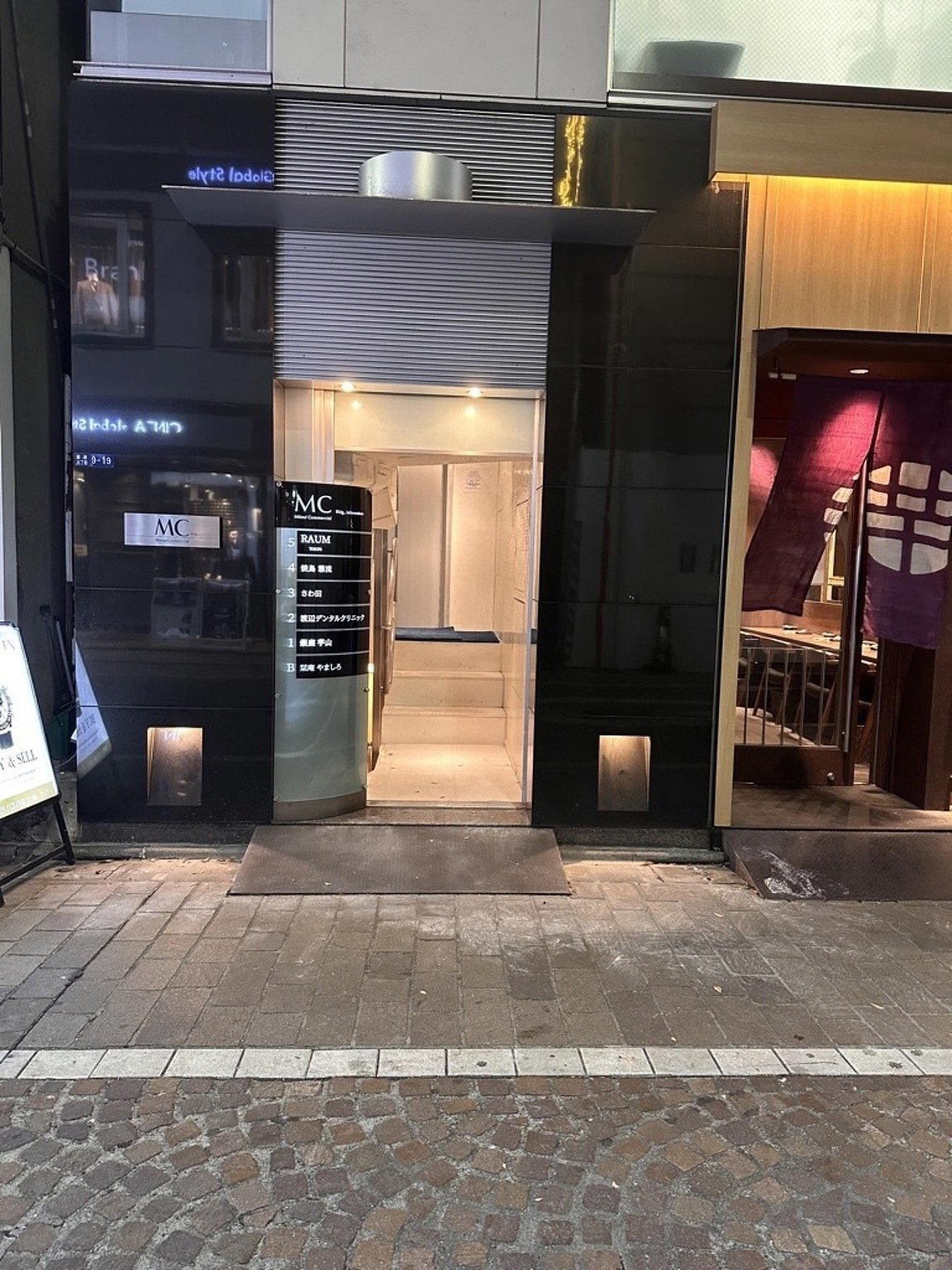
What can be stated with confidence is the address: 5 Chome-4-6, Ginza, Chuo City, Tokyo 104-0061, fifth floor of Royal Crystal Ginza. That is a verifiable anchor. Everything else, cuisine format, pricing, chef credentials, booking method, requires direct confirmation before a visit. For a district where arriving with the wrong expectations can undermine an otherwise strong meal, that due diligence is not optional.
Tokyo's Dining Tier in National Perspective
Understanding where Ginza Kira sits requires understanding Tokyo's role in Japan's broader restaurant hierarchy. The capital concentrates Michelin stars at a rate that no other Japanese city approaches, and Ginza accounts for a disproportionate share of those stars relative to its physical footprint. The consequence is that a room in Ginza is benchmarked against some of the most technically demanding kitchens in the country.
That benchmark extends beyond Tokyo. Japan's regional dining scene has developed serious alternatives in recent years: HAJIME in Osaka operates at a level that draws international visitors specifically for the restaurant; Gion Sasaki in Kyoto represents the kaiseki tradition at its most demanding; akordu in Nara applies European technique to a setting most visitors still associate only with temples and deer. Goh in Fukuoka, Abon in Ashiya, affetto akita in Akita, Aji Arai in Oita, Ajidocoro in Yubari District, Akakichi in Imabari, and aki nagao in Sapporo each represent the dispersal of serious cooking across prefectures that Tokyo diners once rarely considered. For visitors building a Japan itinerary around dining, Ginza remains a logical anchor, but it sits within a national conversation that has grown considerably more complex.
Internationally, the format discipline that defines Ginza's leading rooms finds parallels in very few places. Le Bernardin in New York City sustains a comparable level of service formality and technical expectation in a Western context. Lazy Bear in San Francisco approaches the communal-table high-format model from a different cultural angle. Neither is a direct comparison, but both illustrate that the appetite for disciplined, high-commitment dining rooms is not uniquely Japanese, it is a global tier that Ginza addresses compete within, whether or not their operators frame it that way.
Planning a Visit
The address, 5F Royal Crystal Ginza, 5 Chome-4-6, Ginza, Chuo City, Tokyo, is the starting point. Royal Crystal Ginza is accessible on foot from Ginza Station (Tokyo Metro Ginza, Hibiya, and Marunouchi lines), with exits on the 5-chome side reducing walking time. Visitors unfamiliar with Ginza's vertical restaurant layout should note that fifth-floor rooms in this district typically require elevator access from a ground-floor lobby that may not be immediately visible from the street. Dress expectations in Ginza high-format rooms tend toward smart formal regardless of stated dress code, and arriving late to a seated dining format in Japan carries social weight that it does not in many Western cities, punctuality is part of the format.
For broader Tokyo restaurant context, including confirmed data on venues at comparable or adjacent price tiers, see our full Tokyo restaurants guide.
Frequently asked questions
Where is Ginza Kira located?
Ginza Kira is located at Japan, 〒104-0061 Tokyo, Chuo City, Ginza, 5 Chome−4−6 5F ROYAL CRYSTAL GINZA, Tokyo.
Is Ginza Kira in Tokyo suitable for a solo dining visit?
Tokyo's Ginza corridor, particularly the 5-chome stretch, has a long tradition of counter formats that accommodate solo diners, from sushi omakase to kaiseki bars.
What dish is Ginza Kira famous for?
Given the address, 5F Royal Crystal Ginza, one of the 5-chome block's prestige buildings, the format is likely high-format Japanese dining, but the specific kitchen direction requires confirmation directly with the venue.
What's the best way to book Ginza Kira?
No phone number or website is currently on public record for Ginza Kira. The venue is located on the 5th floor of Royal Crystal Ginza at 5-4-6 Ginza, Chuo City, Tokyo, presenting in person or through a hotel concierge with Japanese-language capability is the most reliable approach to securing a reservation.
What makes Ginza Kira worth seeking out?
The address does significant signalling work: 5-chome in Ginza is where Tokyo's most self-assured restaurant operators choose to open, positioned between Matsuya and Mitsukoshi in the district's commercial and cultural core. A fifth-floor room in Royal Crystal Ginza typically signals deliberate separation from street-level foot traffic, a format choice that, in Tokyo, usually correlates with counter-driven or invitation-adjacent dining.
Accolades, Compared
Comparable venues nearby, for context on price, style, and recognition.
| Venue | Cuisine | Price | Awards | Notes |
|---|---|---|---|---|
| Ginza KiraThis venue (the venue you are viewing) | Saga Beef Teppanyaki | $150–200 | Tabelog 100 #99 | Not listed |
| 久丹 | Modern kaiseki "Tokyo washoku" tasting menu | $300–500 | Black Pearl 1 Diamond | Shintomicho, Chuo |
| Ginza Komon | Seasonal Japanese Kaiseki with Sake Focus | $300–500 | Tabelog 100 #70 | Chūō |
| Yakitori Hirano | Edo-style Yakitori Omakase with Modern Japanese Pairings | $150–200 | Tabelog 100 #75 | Chūō |
| 懐石料亭 花がすみ | Traditional Japanese Kaiseki | $200–300 | Not listed | Shinjuku |
| Kappo Muroi | Traditional Kappo Kaiseki | $200–300 | Tabelog 100 #89 | Minato |
Recognition history
Dated appearances from independent guides and award organizations, with the underlying list record or original source where available.
Tabelog 100 #99 · No. 99
Tabelog · Tabelog 100 - Steak / Teppanyaki - EAST - 2025
Continue exploring
More in Tokyo
Restaurants in Tokyo
All restaurants in Tokyo →

Bars in Tokyo
All bars in Tokyo →
Details
- Elegant
- Sophisticated
- Business Dinner
- Special Occasion
- Date Night
- Open Kitchen
- Sake Program
- Local Sourcing
- A La Carte
- Counter Dining
- Sake
Current opening hours
- Monday
- 11:30 AM–3 PM, 5–9 PM
- Tuesday
- 11:30 AM–3 PM, 5–9 PM
- Wednesday
- 11:30 AM–3 PM, 5–9 PM
- Thursday
- 11:30 AM–3 PM, 5–9 PM
- Friday
- 11:30 AM–3 PM, 5–9 PM
- Saturday
- 11:30 AM–3 PM, 5–9 PM
- Sunday
- 11:30 AM–3 PM, 5–9 PM
Hours can change for holidays and private events. Hours as of .
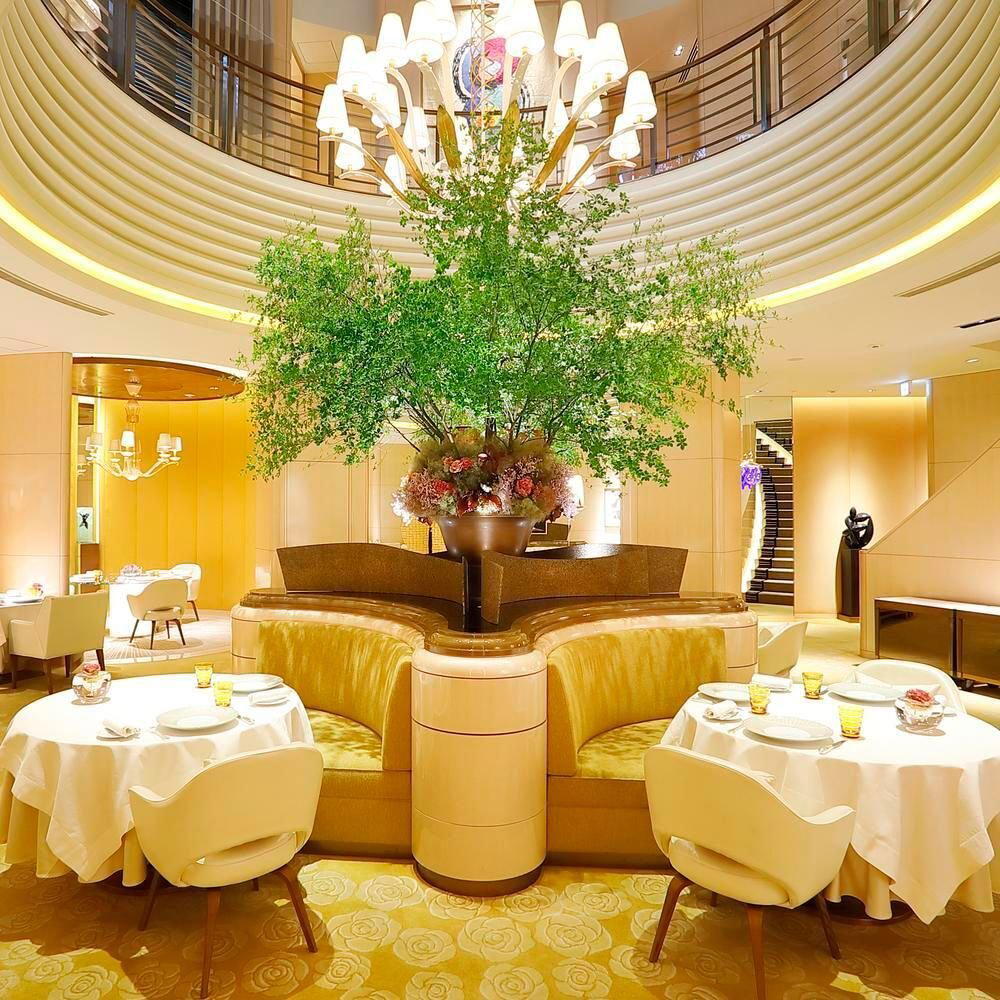
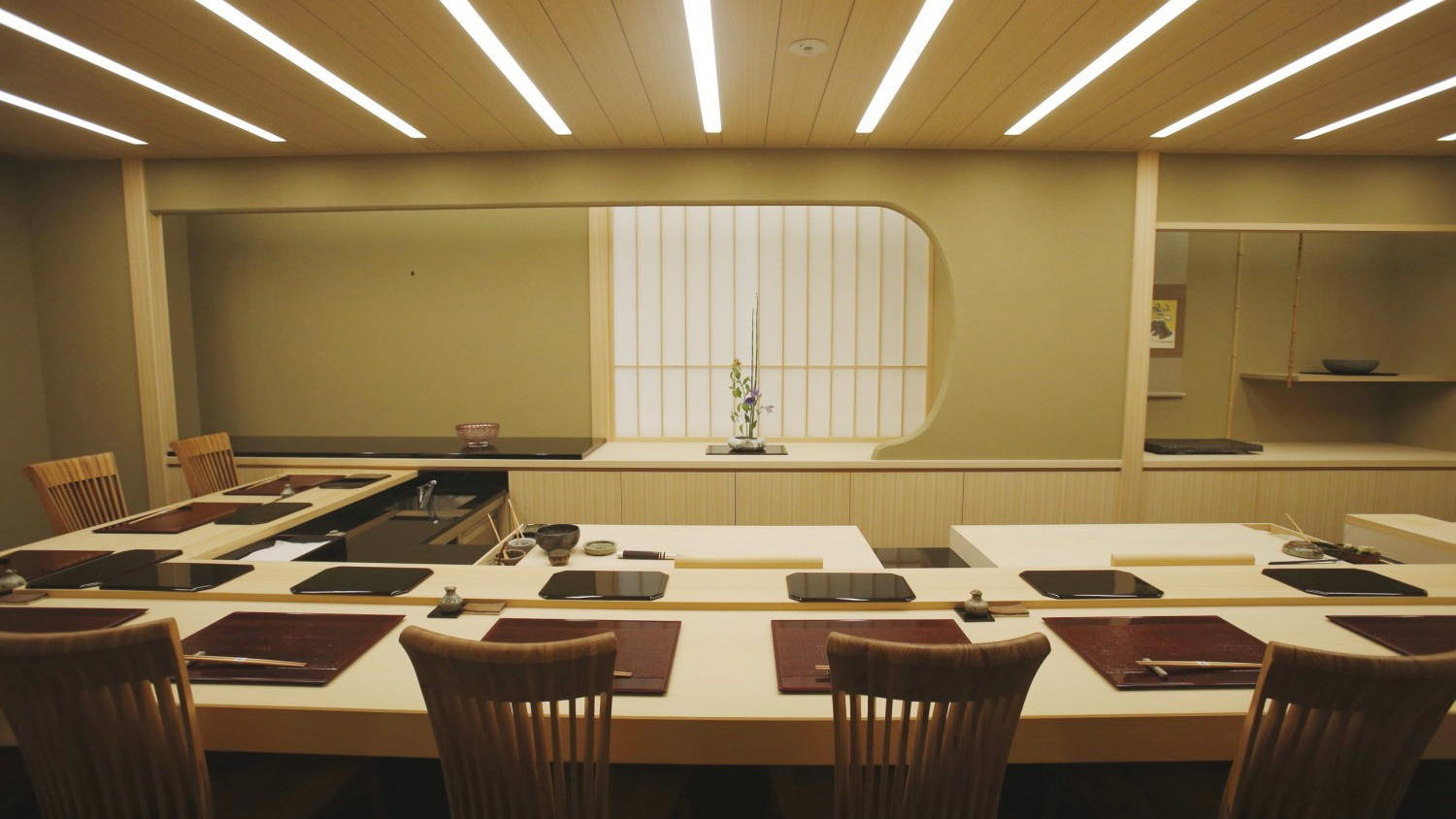
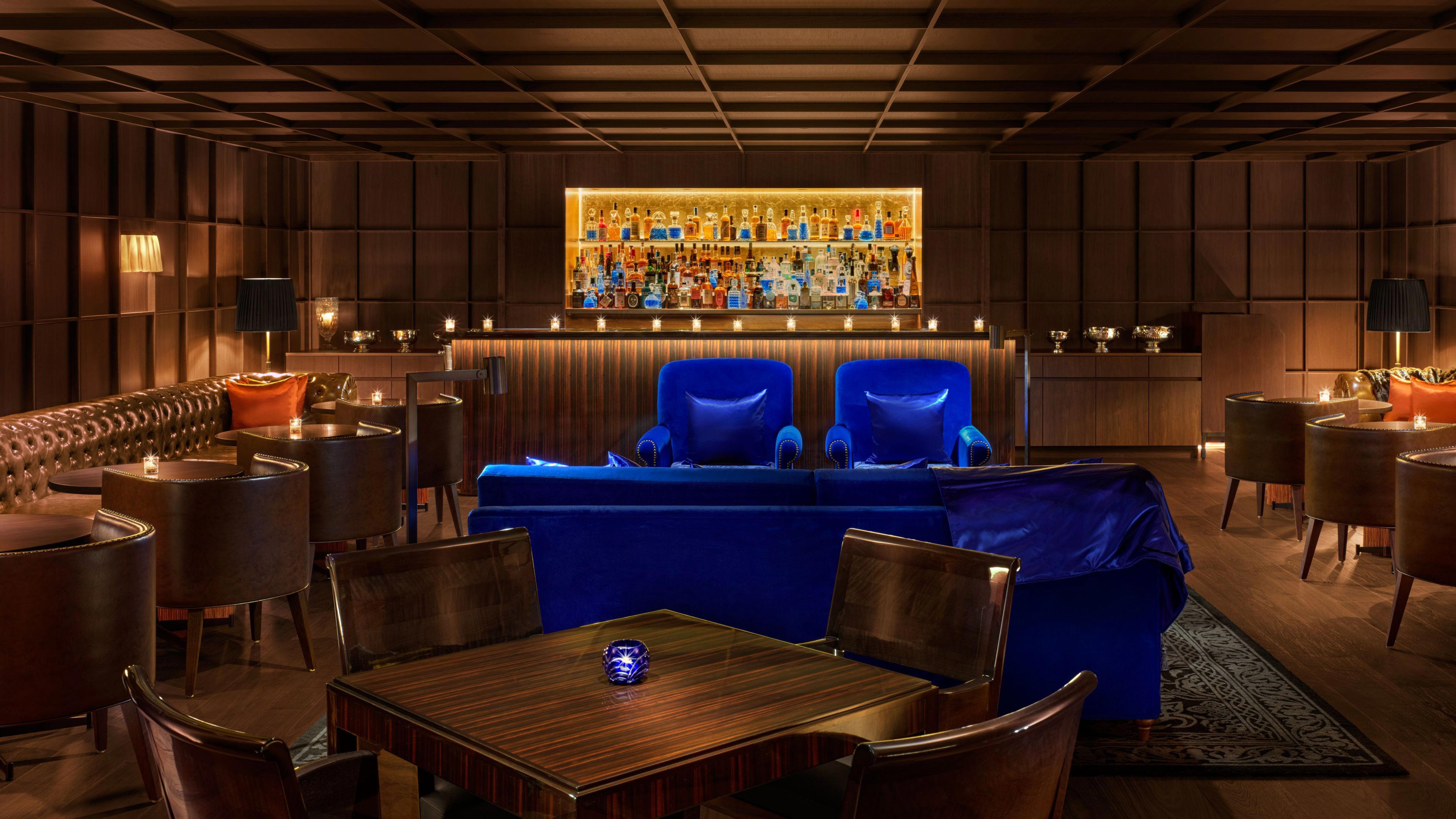
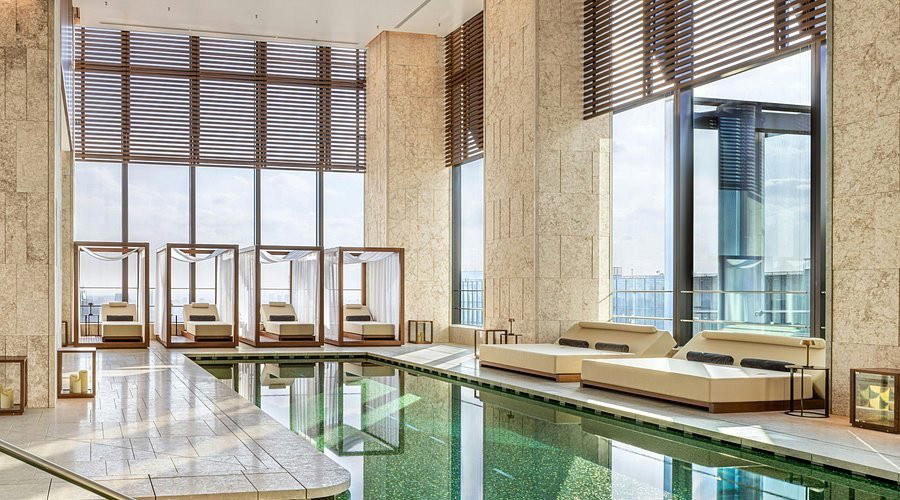
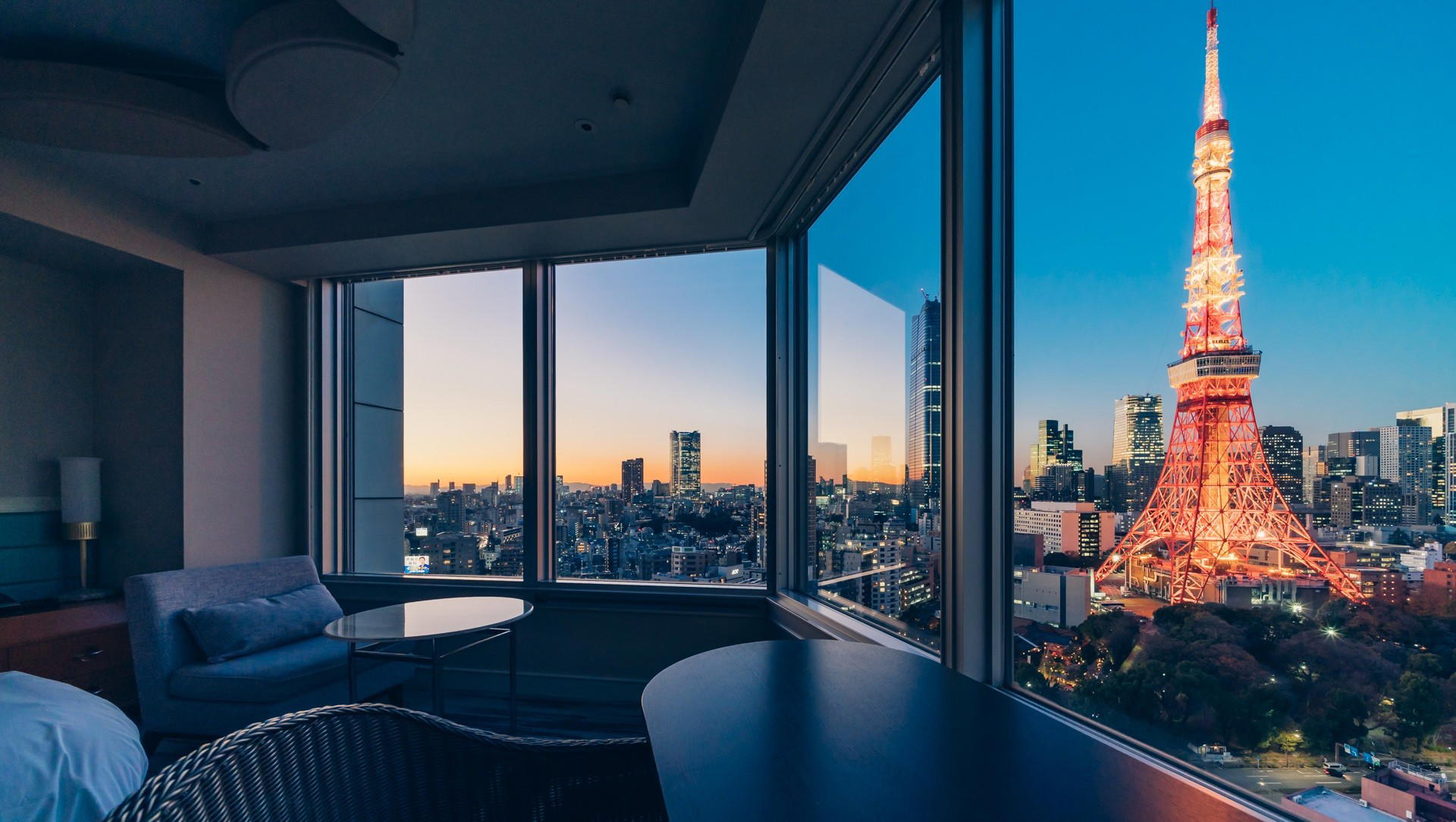
Elegant decor with a luxurious atmosphere featuring skilled chefs preparing sizzling dishes right before guests.