

Michelin Plate
Our verdict
エキ ポンテベッキオ occupies the tenth floor of Osaka's LUCUA osaka retail complex, bringing Italian-accented cooking to one of Umeda's most trafficked dining destinations. The restaurant sits within a category of European-influenced dining that has taken firm root in Kansai, where French and Italian kitchens have historically attracted serious local patronage alongside the region's dominant kaiseki tradition.

Pearl is the En Primeur Club membership app, where members save venues, book tables and use the concierge.
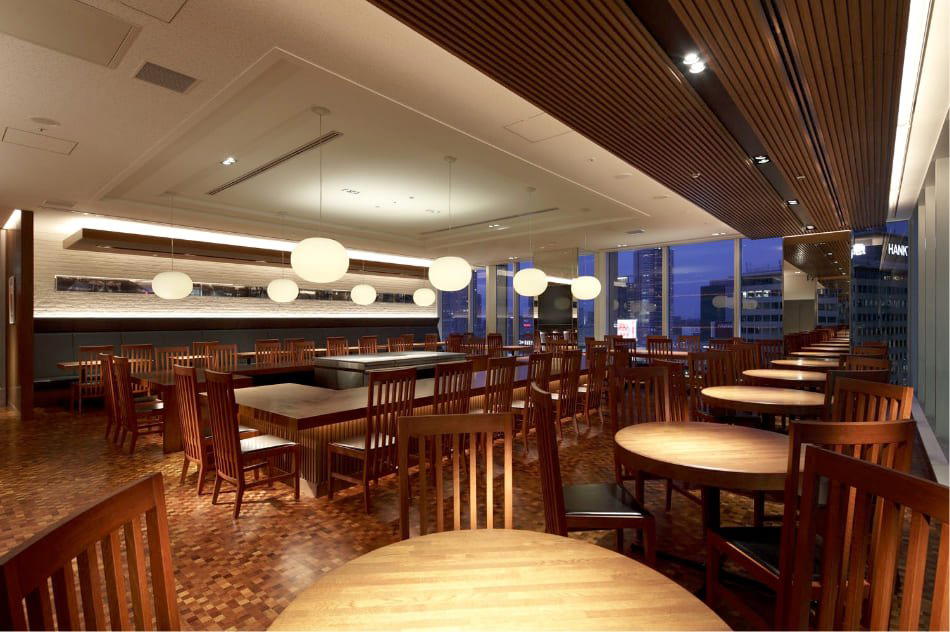
Umeda's Vertical Dining Tier: Where Department Store Floors Hold Real Culinary Weight
Osaka's relationship with department store dining is not a concession to convenience. It is, by the standards of Japanese urban gastronomy, a serious distribution channel. The upper floors of Umeda's interconnected retail complexes, LUCUA, Hankyu, Daimaru, carry restaurants that compete directly with street-level destinations on price, craft, and critical standing. エキ ポンテベッキオ operates on the tenth floor of LUCUA osaka's North Gate Building, at the 3 Chome address that places it inside one of the city's highest-footfall commuter and retail hubs. That address is not a liability. In Osaka, the ekiuede (station-above) restaurant category has evolved to the point where floor ten can be as credible a dining address as any basement alley in Namba or Shinsaibashi.
Italian cooking in Kansai occupies a specific position. The region's dining culture has long supported European kitchens as a counterpoint to its kaiseki and kappo heritage, and Italian restaurants in particular have accumulated multigenerational audiences in Osaka and Kyoto. The Pontevechio name itself carries association with one of Osaka's longer-standing Italian restaurant lineages, lending the Eki branch a context that a brand-new concept would take years to build. For diners approaching from JR Osaka or the Umeda metro interchange, the restaurant is accessible without street navigation, a practical advantage in a city where the underground and refined pedestrian networks can disorient even regular visitors.
The Front-of-House as Editorial Voice
In Italian fine dining at this tier, the dynamic between kitchen and floor is rarely secondary. Where kaiseki service follows a deeply codified choreography, Italian restaurants at the upper end of the market have more latitude to develop a distinct floor personality, and the leading ones use that latitude deliberately. The sommelier's role in a European-format restaurant within a Japanese context is particularly loaded: the wine list must satisfy a local audience with increasingly sophisticated expectations while remaining legible to international diners unfamiliar with the specific regional selections a Kansai-based cellar might prioritize.
Collaboration between kitchen, sommelier, and front-of-house shapes what a dinner at this category of restaurant actually feels like from the guest's side of the table. When that collaboration is functional, courses arrive with context, wine pairings are explained without condescension, and the pacing of the meal reflects communication across departments rather than siloed execution. Italian restaurants operating inside retail complexes often have to work harder at this coherence because the physical environment, open corridors, surrounding retail noise, elevator proximity, can fracture the atmosphere a ground-level restaurant achieves more passively. The internal discipline of the team becomes the primary atmosphere-builder.
This pattern appears across European-format restaurants in major Japanese cities. At destinations like HAJIME in Osaka, the front-of-house carries significant interpretive responsibility for a kitchen that operates at extremely high technical register. Further afield, Le Bernardin in New York City has long demonstrated that floor service in a European fine-dining context is as much a craft argument as what happens in the kitchen. エキ ポンテベッキオ operates in a different scale and price tier than those references, but the structural logic is the same: the guest experience is a joint production.
Umeda as a Dining District: Context for the Kita Ward Visitor
Kita Ward's Umeda district functions differently from Osaka's southern entertainment corridors. Where Dotonbori and Namba are driven by tourist volume and street food theatre, Umeda is principally a transit and business district whose restaurants serve a population of commuters, office workers, and department store shoppers. That audience demographic tends to sustain lunch-focused revenue streams and create strong midweek covers that leisure-heavy districts cannot reliably deliver. For restaurants like エキ ポンテベッキオ, positioned inside LUCUA osaka with direct connectivity to the station complex, the commercial logic is well-matched to that traffic pattern.
For visitors building an Osaka itinerary around serious dining, Kita Ward offers an alternative to the more commonly cited Minami destinations. Ajihei Sonezaki and Ajikitcho Bunbuan both anchor serious culinary reputations in the northern part of the city. Aka to Shiro, Az, and Calendrier represent a broader spread of the city's European-influenced dining tier. The full scope of Osaka's restaurant scene, from kaiseki and kappo through to the Italian and French kitchens that have taken root here, is documented in our full Osaka Shi restaurants guide.
Beyond Osaka, the Kansai region offers closely relevant comparisons for understanding where Italian fine dining sits within Japanese urban gastronomy. Gion Sasaki in Kyoto operates at a different cuisine register entirely but reflects the same regional seriousness about dining. akordu in Nara brings a European kitchen sensibility to a smaller city context. For Japanese fine dining across the country, Harutaka in Tokyo and Goh in Fukuoka illustrate how the top tier operates in other major cities, while regional destinations like 一本木 名川制 in Nanao, 夕仙屋乃 in Sapporo, 湖辺庵 in Takashima, 庭羽屋 in Nishikawa Machi, and Birdland in Sakai round out the national picture. Atomix in New York City offers an interesting transatlantic parallel: a Korean-rooted kitchen operating at the highest level within a Western fine-dining structure, demonstrating how cuisine identity and service excellence can coexist with international format conventions.
Know Before You Go
Location: LUCUA osaka 10F, North Gate Building, 3 Chome-1-3 Umeda, Kita Ward, Osaka 530-0001
Access: Direct access from JR Osaka Station and the Umeda metro interchange via the station concourse network
Reservations: Contact the restaurant directly; specific booking method not confirmed at time of publication
Price range: Not confirmed at time of publication; for reference, Italian fine dining at this tier in Osaka typically runs from ¥8,000–¥25,000 per person depending on menu format and beverage pairing
Hours: Not confirmed at time of publication; check current LUCUA osaka floor guides for operating hours
Note: As with most upper-floor restaurant destinations inside Osaka's major retail complexes, hours may follow the host building's schedule, with last entry typically one hour before close
Frequently asked questions
Where is エキ ポンテベッキオ in Osaka Shi?
エキ ポンテベッキオ is located at Japan, 〒530-0001 Osaka, Kita Ward, Umeda, 3 Chome−1−3 North Gate Building, LUCUA osaka10F, Osaka Shi.
Is エキ ポンテベッキオ a good option for a special occasion dinner in Osaka's Umeda district?
The restaurant sits on the 10th floor of LUCUA osaka in Kita Ward's Umeda district, positioning it within one of Osaka's most concentrated tiers of serious restaurant dining rather than the tourist-volume corridors of Dotonbori or Namba. Italian fine dining at this address in the North Gate Building draws a local Osaka clientele alongside business visitors to Kita Ward. For occasions requiring a structured Italian dining format with a distinct address, it merits direct enquiry on current availability and current menu format.
What's the signature dish at エキ ポンテベッキオ?
The restaurant operates within the Italian fine dining tradition at LUCUA osaka's 10th floor in Umeda, where courses typically centre on classical Italian technique adapted to seasonal Japanese produce. For current menu information, visiting the restaurant directly at the North Gate Building, Kita Ward, is the most reliable approach.
Is エキ ポンテベッキオ reservation-only?
At the Italian fine dining tier within Umeda's department store restaurant floors, particularly at a venue of this address in LUCUA osaka, advance booking is standard practice and walk-ins are rarely accommodated without prior contact. Contacting the restaurant directly at the North Gate Building, 3 Chome-1-3 Umeda, Kita Ward, is the recommended first step.
Recognition Snapshot
Comparable venues nearby, for context on price, style, and recognition.
| Venue | Cuisine | Price | Awards | Notes |
|---|---|---|---|---|
| エキ ポンテベッキオThis venue (the venue you are viewing) | Neapolitan Pizza Trattoria | $20–30 | Michelin Plate | Not listed |
| ラチェルバ | Modern Innovative Italian | $100–150 | Tabelog 100 #94 | Kita |
| 青地 | japanese | Not listed | Not listed | Nishi |
| 本湖月 | Traditional Kaiseki | $500+ | La Liste Top Restaurants · Tabelog Chef's Gold #4 | Chūō |
| Az | Japanese Teppanyaki Steakhouse | Not listed | Tabelog 100 #64 | Kita |
| 楽心 | Modern Kaiseki | $150–200 | 1 Michelin Star | Fukushima |
Recognition history
Dated appearances from independent guides and award organizations, with the underlying list record or original source where available.
Michelin Plate
Michelin
Opinionated About Dining Top Restaurants in Japan Recommended
Opinionated About Dining
Full recognition history (7 entries)
Michelin Plate
Michelin
Opinionated About Dining Top Restaurants in Japan Ranked #536
Opinionated About Dining
Michelin Plate
Michelin
Opinionated About Dining Top Restaurants in Japan Ranked #491
Opinionated About Dining
Opinionated About Dining Top Restaurants in Japan Recommended
Opinionated About Dining
Continue exploring
More in Osaka
Restaurants in Osaka
All restaurants in Osaka →


Bars in Osaka
All bars in Osaka →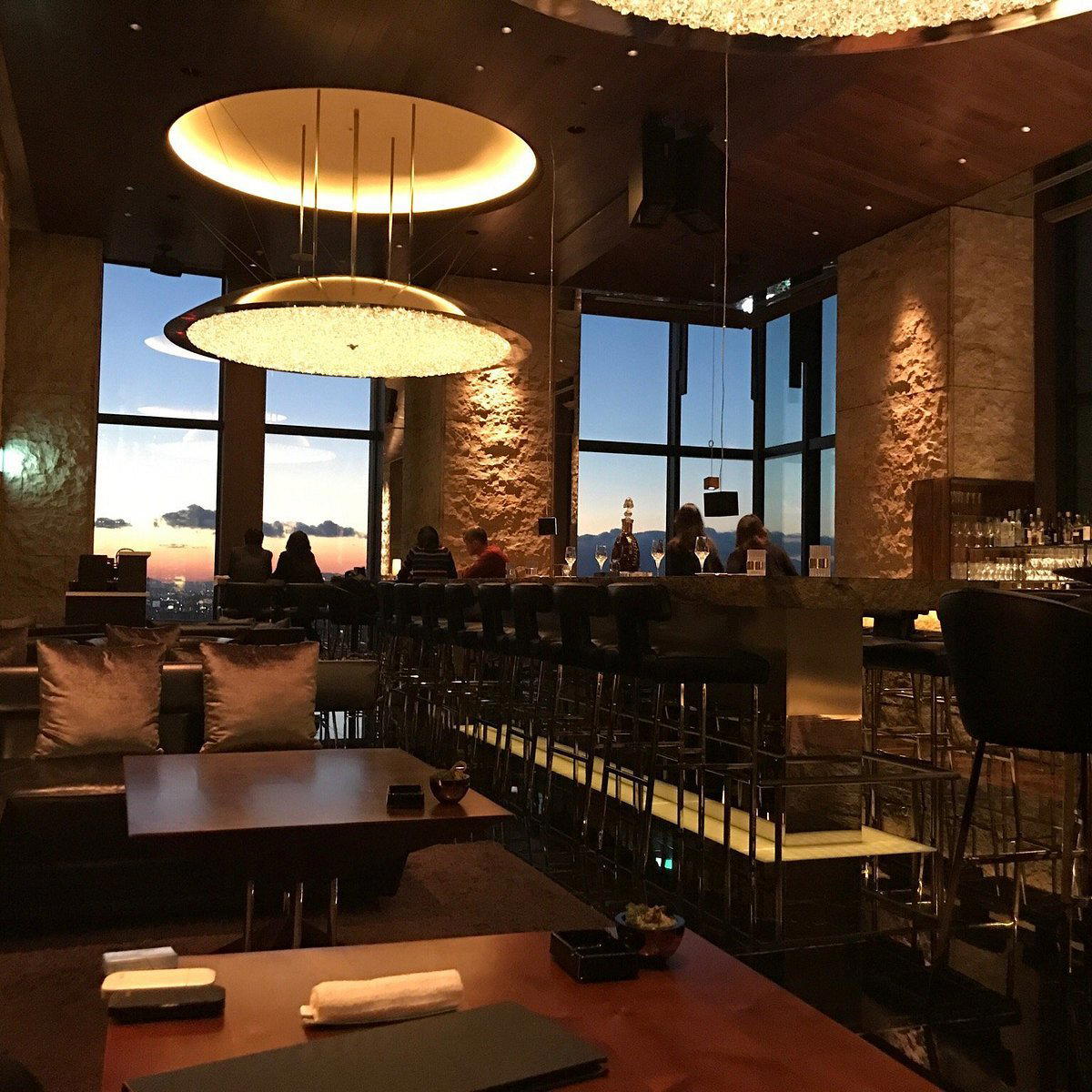


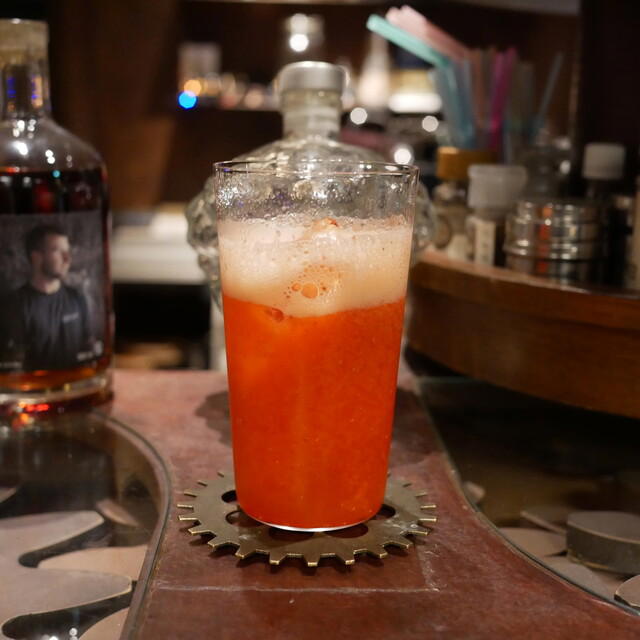

Hotels in Osaka
All hotels in Osaka →
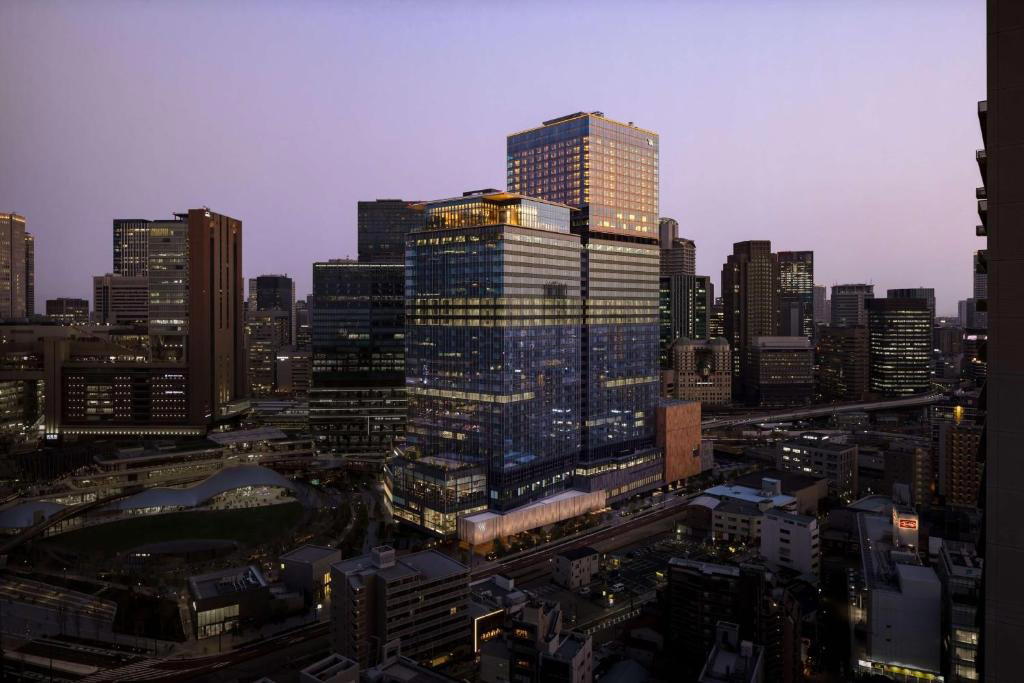



Wineries in Osaka
Browse all →
Details
- Casual
- Modern
- Scenic
- Casual Hangout
- Group Dining
- Family
- Open Kitchen
- Panoramic View
- Sommelier Led
- Skyline
- A La Carte
Current opening hours
- Monday
- 11 AM–4 PM, 5–11 PM
- Tuesday
- 11 AM–4 PM, 5–11 PM
- Wednesday
- 11 AM–4 PM, 5–11 PM
- Thursday
- 11 AM–4 PM, 5–11 PM
- Friday
- 11 AM–4 PM, 5–11 PM
- Saturday
- 11 AM–4 PM, 5–11 PM
- Sunday
- 11 AM–4 PM, 5–11 PM
Hours can change for holidays and private events. Hours as of .
Spacious and relaxed with large windows offering city views.