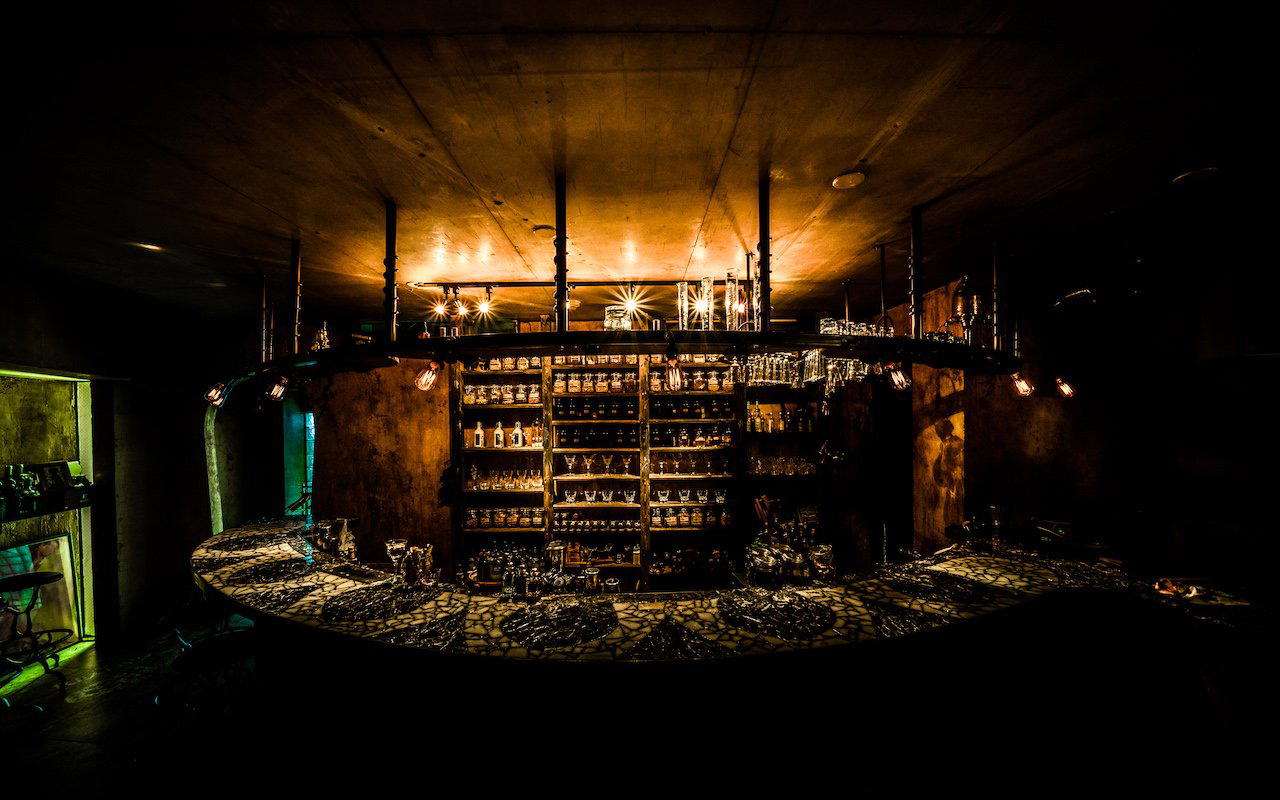
Small counter love and seasonal dining delight
Pearl is the En Primeur Club membership app — saves, bookings, and concierge access live there. Same editors, same standards.
- Address
- 1 Chome-30-6 Shinmachi, Nishi Ward, Osaka, 550-0013, Japan
- Phone
- +81 6-6543-2280
- Website
- aochi.info
- Directions
- Get directions
 Saves & bookings on Pearl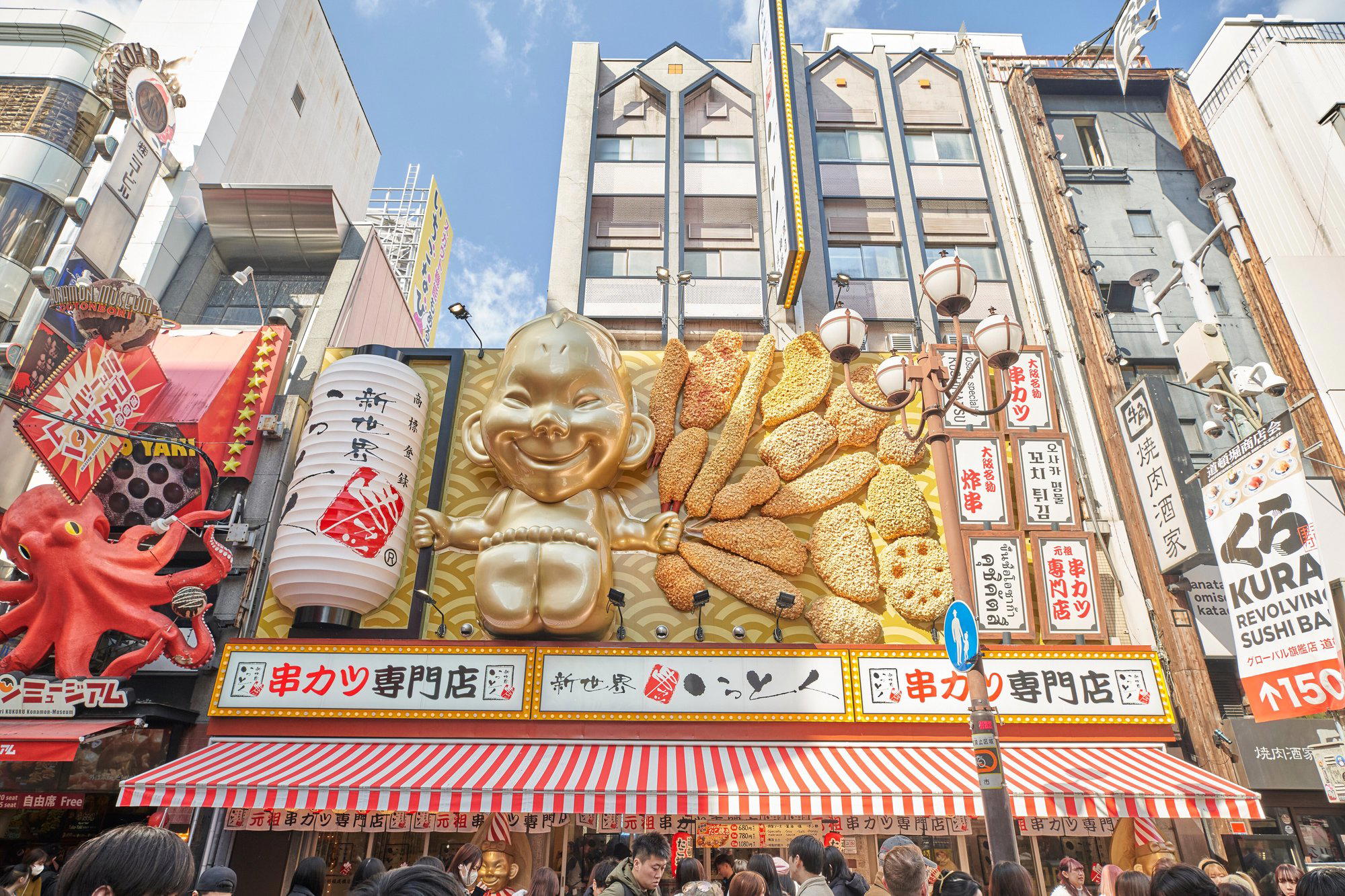
Shinmachi, Nishi Ward: Where Osaka's Quieter Dining Scene Takes Shape
The approach to Shinmachi, in Osaka's Nishi Ward, doesn't signal ambition the way Dotonbori does. There are no illuminated signs, no queues stretching past convenience stores. The residential blocks west of Shinsaibashi absorb their restaurants quietly, and the dining that emerges here tends toward considered formats rather than crowd-volume spectacle. It is in this context that 青地 sits: a Shinmachi address at 1 Chome-30-6 that places it among a cluster of Osaka rooms where the experience is structured around deliberate choices rather than theatrical scale.
Osaka's kaiseki and kappo traditions share a long history of finding seriousness in compact, unhurried formats. Across the city, rooms from Ajihei Sonezaki to Ajikitcho Bunbuan operate on the principle that restraint in volume produces clarity in execution. éå° belongs to this broader movement, where the geography of the dining room, quiet street, minimal signage, controlled capacity, is itself an editorial statement about what kind of experience follows.
The Sustainability Argument in Japanese Fine Dining
Across Japan's premium restaurant tier, the conversation around ethical sourcing and environmental practice has shifted from marginal to central over the past decade. Restaurants that once treated sustainability as a footnote now position it as a structural condition of the menu: which producers they contract, how waste streams from a multi-course format are handled, whether proximity sourcing is genuinely integrated or merely described on a menu card.
The pressure is particularly acute in Osaka, a city whose culinary identity has always been tied to the phrase kuidaore, eating until you drop, which historically implied abundance over economy. Reconciling that cultural appetite with a more accountable approach to food production is the defining tension for the city's serious kitchens in this period. Rooms like Aka to Shiro and Az have approached this from different angles, one through produce sourcing transparency, the other through format reduction. Across the Kansai region, comparable pressure is visible at Gion Sasaki in Kyoto and akordu in Nara, where European techniques have been applied to Japanese seasonal logic in ways that minimize material waste.
Internationally, the same tension appears at different scales: Le Bernardin in New York City has been publicly vocal about sustainable seafood sourcing for years, and Lazy Bear in San Francisco has built producer relationships into its published menu narrative. In Japan, the equivalent commitment tends to be less publicized but no less deliberate, expressed through seasonality calendars, direct farm contracts, and the quiet disappearance of out-of-season ingredients from otherwise unchanging formats.
What a Shinmachi Address Signals
Location in Osaka's dining tier is not incidental. Nishi Ward's Shinmachi district sits apart from the tourist-dense corridors of Namba and the business-lunch density of Umeda, which means restaurants here are selected by people who already know what they are looking for. That geography tends to attract formats with defined menus and structured reservation windows rather than walk-in volumes. Among the Osaka rooms worth cross-referencing in this part of the city's dining tier, Calendrier offers one point of comparison for the kind of Franco-Japanese precision that Nishi Ward has developed a habit of supporting.
Further afield within Japan's serious dining circuit, the comparable set expands. HAJIME in Osaka represents the upper end of Osaka's internationally recognized rooms, while Harutaka in Tokyo illustrates how a counter format in a similar residential-adjacent district can sustain long-term critical credibility. Outside the Kansai corridor, rooms like Goh in Fukuoka, Abon in Ashiya, and affetto akita in Akita extend the picture of how Japan's mid-to-premium tier is distributing itself across cities rather than concentrating solely in Tokyo.
Planning a Visit
éå° is located at 1 Chome-30-6 Shinmachi, Nishi Ward, Osaka 550-0013. The address places it in a walkable position from Yotsubashi Station on the Yotsubashi Line and within a short distance of Shinsaibashi. Reservations are essential, and smart casual dress is appropriate. Rooms of this character in Shinmachi tend to operate on advance bookings rather than walk-in access, and contact in Japanese is generally more productive than English-language enquiries when dealing directly with smaller establishments.
For broader orientation across Osaka's dining tier, the full Osaka Shi restaurants guide provides a mapped view of where the city's serious rooms are concentrating and how they differentiate by format, price tier, and cuisine tradition. Additional reference points in Japan's wider premium circuit include Aji Arai in Oita, Ajidocoro in Yubari District, and Akakichi in Imabari, all of which illustrate how Japan's regional dining scene has developed depth well beyond its two or three most publicized cities.
Cuisine and Recognition
Comparable venues nearby, for context on price, style, and recognition.
| Venue | Cuisine | Price | Notes |
|---|---|---|---|
| 青地This venue — the venue you are viewing | japanese | Not listed | Not listed |
| 料理屋 稲家 | Japanese Restaurant | Not listed | Kita |
| 鮨 Shizuku | Casual Japanese with Seasonal Osaka Flavors | $$ | Chūō |
| ぷーれ | Charcoal-Grilled Yakitori | $$ | Fukushima |
| 焼鳥 市松 | Japanese Omakase | $$ | Kita |
| Yomogi | Polished Udon and Japanese Courses | $$ | Fukushima |
Continue exploring