Tabelog 100 #94
Our verdict
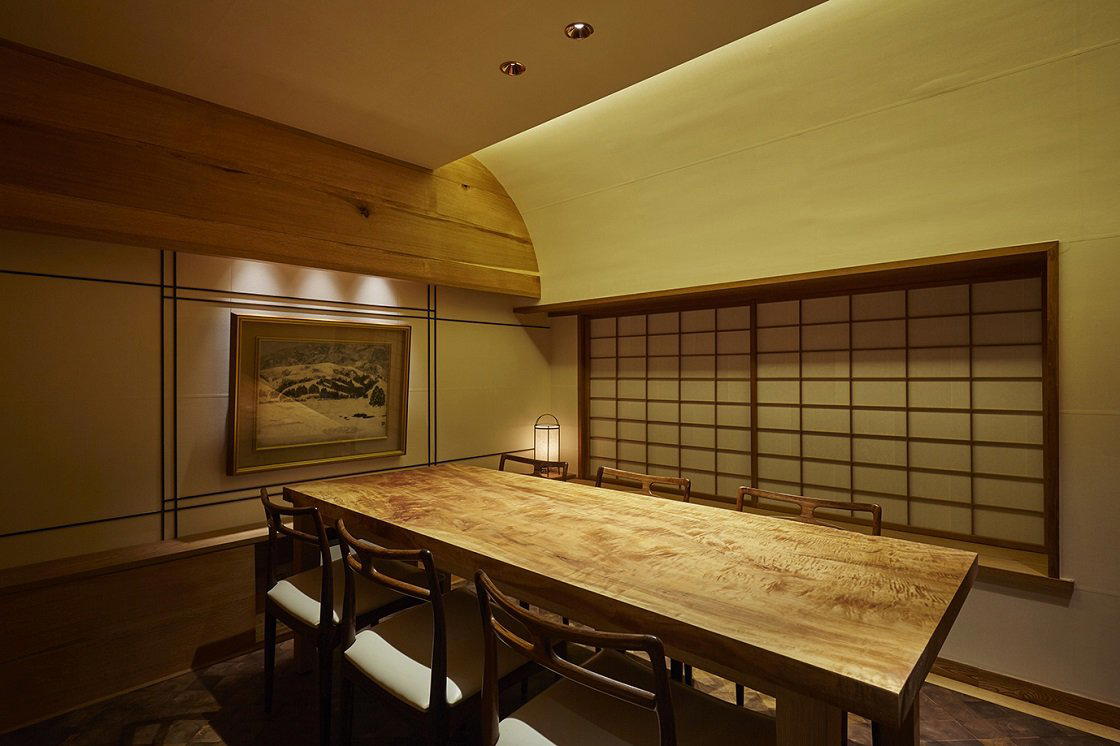
ラチェルバ occupies a precise address in Osaka's Kita Ward, where Dojimahama's riverside character sets the mood before the first course arrives. The restaurant positions itself within Osaka's serious Italian dining tier, where multi-course progression and ingredient discipline define the format.

Pearl is the En Primeur Club membership app, where members save venues, book tables and use the concierge.
Where the Meal Begins Before You Sit Down
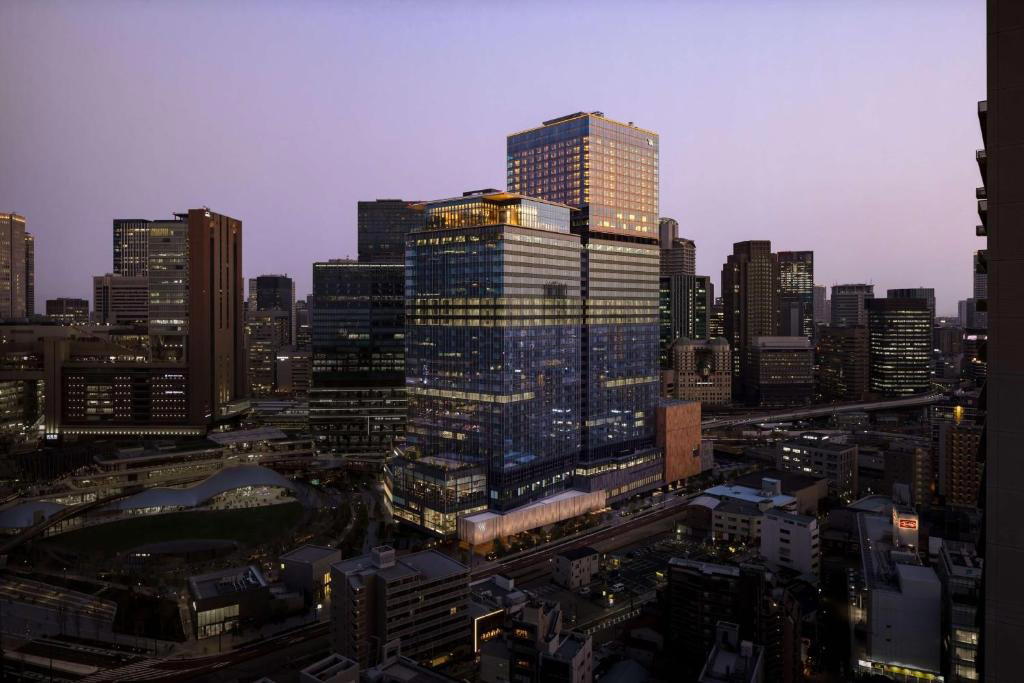
In Osaka's Kita Ward, the stretch of Dojimahama running along the river carries a particular weight. This is not the frenetic Dotonbori corridor that most first-time visitors default to, it is quieter, more considered, and home to a tier of restaurants whose clientele arrive knowing what they want. ラチェルバ (Lacerba) sits at 1 Chome-2-1 Dojimahama, and the address itself functions as a statement of positioning: far enough from the tourist circuits to signal intent, close enough to the city's commercial core to remain accessible from any major Osaka base.
Osaka has long maintained a parallel track to Tokyo in serious dining. The city's kuidaore tradition, the idea that one spends until ruin on food, is more than folklore; it explains a local appetite for dining ambition that extends well beyond Japanese cuisine. The Italian fine-dining tier here has developed its own coherence, with kitchens that treat multi-course progression with the same structural seriousness you find at kaiseki counters. ラチェルバ operates inside that logic. The dining experience is framed as a sequence, not a selection.
The Architecture of a Multi-Course Meal
Italian fine dining in Japan has undergone a distinct evolution from its original import. By the late 1990s and through the 2000s, the country's most technically rigorous Italian kitchens began diverging from their European counterparts in a specific way: Japanese sourcing discipline, the obsessive attention to seasonal produce, to prefecture-level ingredient provenance, fused with classical Italian structure to produce something that reads as Italian in format but Japanese in procurement logic. The result is a tasting progression that tends to move with more deliberate pacing than you would find in comparable Milan or Rome restaurants, with courses calibrated to arrive at intervals that allow the previous dish to settle.
This format places high demands on the sequencing decisions made before service begins. The arc of a meal at this level typically moves from lighter, more acidic preparations, crudo or raw compositions that open the palate, through pasta courses that carry the structural weight of the meal, toward proteins and then into dessert progressions that resist sweetness for as long as possible. Restaurants in Osaka's serious Italian tier, including ラチェルバ, treat this arc not as convention but as argument: each course is a position staked about what should follow it.
For context across the Kansai region, the same structural ambition appears at akordu in Nara, which applies European fine-dining frameworks to deeply local sourcing. Osaka's own kaiseki tradition, visible at counters like Ajikitcho Bunbuan and Ajihei Sonezaki, operates on a parallel multi-course logic that cross-pollinated with the city's European kitchens over decades. That cross-pollination is part of what makes Osaka's Italian fine dining distinct from Tokyo's equivalent tier.
Dojimahama and the Kita Ward Dining Context
Kita Ward concentrates a significant share of Osaka's high-end restaurant addresses, with Dojimahama forming one of its more refined pockets. The riverside setting matters practically as well as atmospherically: the area draws business diners and destination visitors in roughly equal measure, which shapes the rhythm of service at restaurants in the vicinity. Weekday evenings tend to run more formally; weekend seatings carry a different energy, with groups arriving for occasions rather than routine business entertainment.
For visitors placing ラチェルバ inside a broader Osaka itinerary, the Kita Ward location makes it logistically direct alongside other key addresses. HAJIME in Osaka represents the best of the city's French fine-dining tier from a nearby base. Calendrier and Aka to Shiro offer alternative European frameworks operating at comparable ambition levels. Those building a multi-day Kansai dining itinerary should also factor in Gion Sasaki in Kyoto, roughly 15 minutes by shinkansen, and Goh in Fukuoka for those extending south.
The wider Osaka dining scene is documented in our full Osaka Shi restaurants guide, which maps the city's key addresses by neighbourhood and format.
Italian Fine Dining as a Japanese Category
It is worth understanding that Italian fine dining in Japan functions as its own distinct category, not an approximation of European models but a genre with its own standards and peer comparisons. The reference points that matter to serious diners in this space are other Japanese-Italian kitchens, not what is happening in Florence or Naples. At the top of this category nationally, the benchmark counters in Tokyo attract the same booking intensity as omakase sushi, Harutaka in Tokyo illustrates how that level of focus applies across Japanese fine-dining formats. Globally, the structural commitment to a multi-course tasting format with precise sequencing connects to what restaurants like Le Bernardin in New York City and Atomix in New York City represent in their respective categories: kitchens where the meal's arc is as deliberate as any individual dish.
ラチェルバ positions within the Osaka tier of this national category. Alongside Az, it forms part of a cohort of Osaka restaurants applying European fine-dining structure with the ingredient focus and service discipline the city's dining culture demands.
Planning Your Visit
Know Before You Go
- Address: 1 Chome-2-1 Dojimahama, Kita Ward, Osaka, 530-0004, Japan
- Area: Dojimahama, Kita Ward, riverside, business district proximity
- Format: Multi-course Italian fine dining; tasting progression format
- Booking: Reservation recommended; specific booking method not confirmed, search current availability through Japanese reservation platforms
- Hours: Not confirmed, verify directly before visiting
- Nearby references: Birdland in Sakai for a contrast in format; HAJIME in Osaka for top-tier French comparison
Frequently asked questions
Is ラチェルバ child-friendly?
ラチェルバ occupies a riverside address in Kita Ward, one of Osaka's more formal dining pockets, and the multi-course Italian format it operates within generally assumes an adult-oriented pace and setting. Families with older children who are comfortable at a structured, course-by-course table should check the venue's official channels to confirm suitability. The Dojimahama location is not a casual neighbourhood trattoria, and that distinction matters when planning.
What's the overall feel of ラチェルバ?
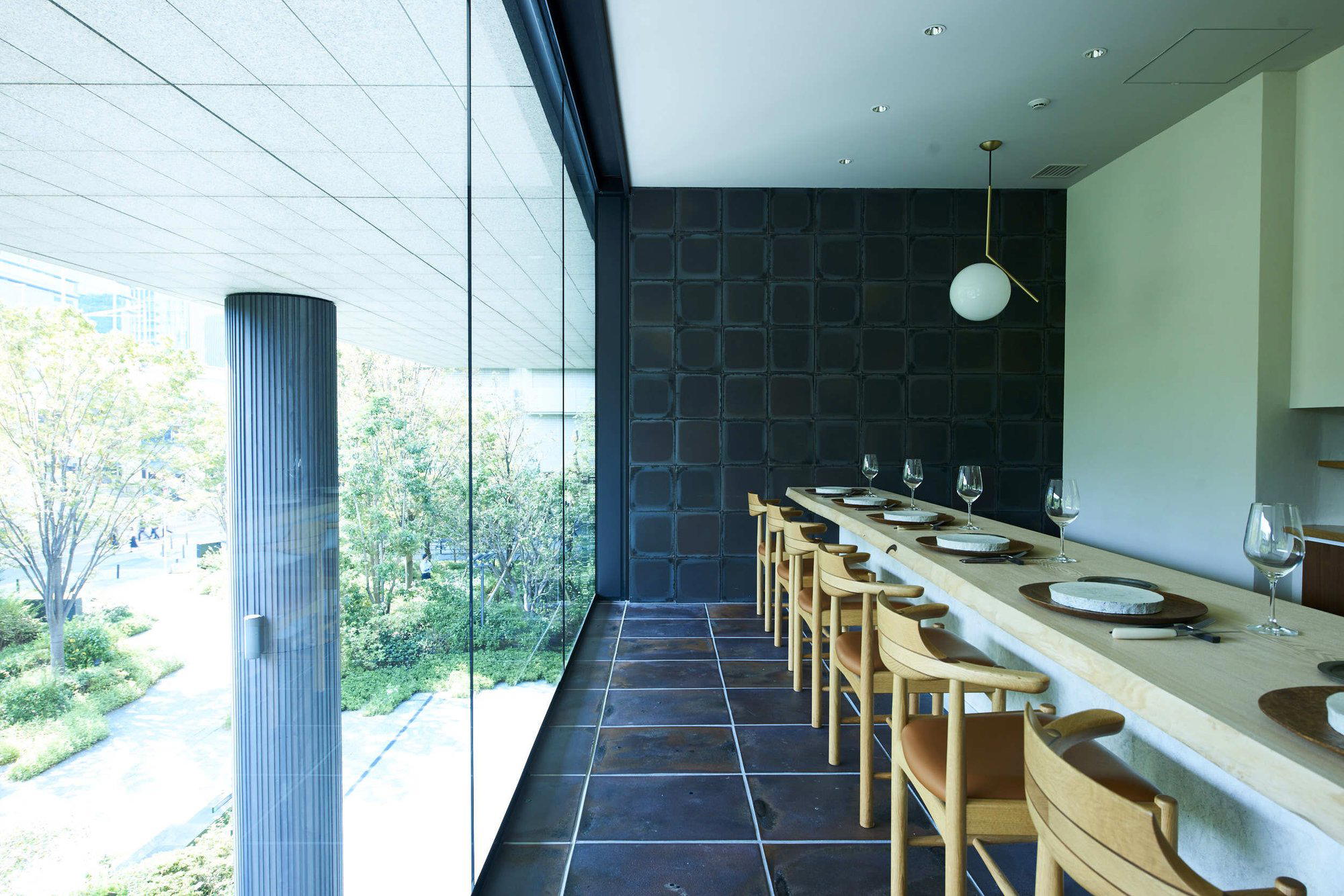
The setting on Dojimahama in Osaka's Kita Ward signals intent before you arrive: this is a riverfront address associated with considered, formal dining rather than the high-volume energy of Dotonbori. Italian fine dining in Japan has developed its own grammar of service and pacing, and ラチェルバ sits within that tradition, composed, course-driven, and attentive to the architecture of a full meal rather than à la carte flexibility.
How does Italian fine dining at ラチェルバ differ from European Italian restaurants?
Italian fine dining in Japan, particularly in Osaka's Kita Ward, functions as a distinct category rather than a direct transplant of European models. Kitchens in this tradition typically adapt Italian structure, antipasto through dolce, to Japanese expectations of precision, seasonal sourcing, and service cadence, producing something that diverges meaningfully from a Roman or Milanese counterpart. ラチェルバ's Dojimahama address places it within this Japanese-Italian lineage, where the meal's architecture often carries as much weight as any single ingredient.
What's the best thing to order at ラチェルバ?
What is consistent across Japanese-Italian fine dining at this address tier in Kita Ward is a structured multi-course progression, the format itself is the point of entry. Confirming the current menu directly with the venue before your visit is the practical approach.
What's ラチェルバ's location?
ラチェルバ is located at 1 Chome-2-1 Dojimahama, Kita Ward, Osaka, 530-0004, Japan, Osaka Shi.
What's the best way to book ラチェルバ?
For formal dining at this level in Osaka's Kita Ward, reservations typically run through the restaurant directly or via a concierge service; walk-in availability at Dojimahama addresses in this category is limited. Checking with your hotel concierge or a Japan-based reservation platform is the most reliable route.
What do critics highlight about ラチェルバ?
Its placement on Dojimahama in Kita Ward, a stretch that concentrates a notable share of Osaka's high-end restaurant addresses, provides contextual positioning within the city's serious dining tier. Confirmed editorial coverage, if available, is best sought through current Osaka dining guides or publications covering the Kansai Italian fine dining scene.
Comparison Snapshot
Comparable venues nearby, for context on price, style, and recognition.
| Venue | Cuisine | Price | Awards | Notes |
|---|---|---|---|---|
| ラチェルバThis venue (the venue you are viewing) | Modern Innovative Italian | $100–150 | Tabelog 100 #94 | Not listed |
| エキ ポンテベッキオ | Neapolitan Pizza Trattoria | $20–30 | Michelin Plate | Kita |
| La Cicerchia | Authentic Marche Italian | $50–100 | Michelin Bib Gourmand | Nishi |
| 新地やま本 | Modern Japanese Kaiseki Omakase | $300–500 | 1 Michelin Star | Kita |
| Hachi | Binchōtan-Grilled Japanese Fine Dining | Not listed | Not listed | Tennōji |
| Pizzeria da Tigre | Authentic Neapolitan Pizza | $10–20 | 50 Top Pizza Asia-Pacific #19 | Nishi |
Recognition history
Dated appearances from independent guides and award organizations, with the underlying list record or original source where available.
Tabelog 100 #94 · No. 94
Tabelog · Tabelog 100 - Innovative / Creative cuisine - 2025