
Sapporo’s sushi culture is inseparable from Hokkaido seafood, but its serious counters are not all priced like Tokyo trophy rooms. Sushi Dokoro Ichii belongs to the city’s compact, reputation-led tier: a Tabelog Sushi EAST “Tabelog 100” selection in 2025, with a small counter-and-box-seat format and a fish-first identity in Susukino.
Pearl is the En Primeur Club membership app — saves, bookings, and concierge access live there. Same editors, same standards.
- Address
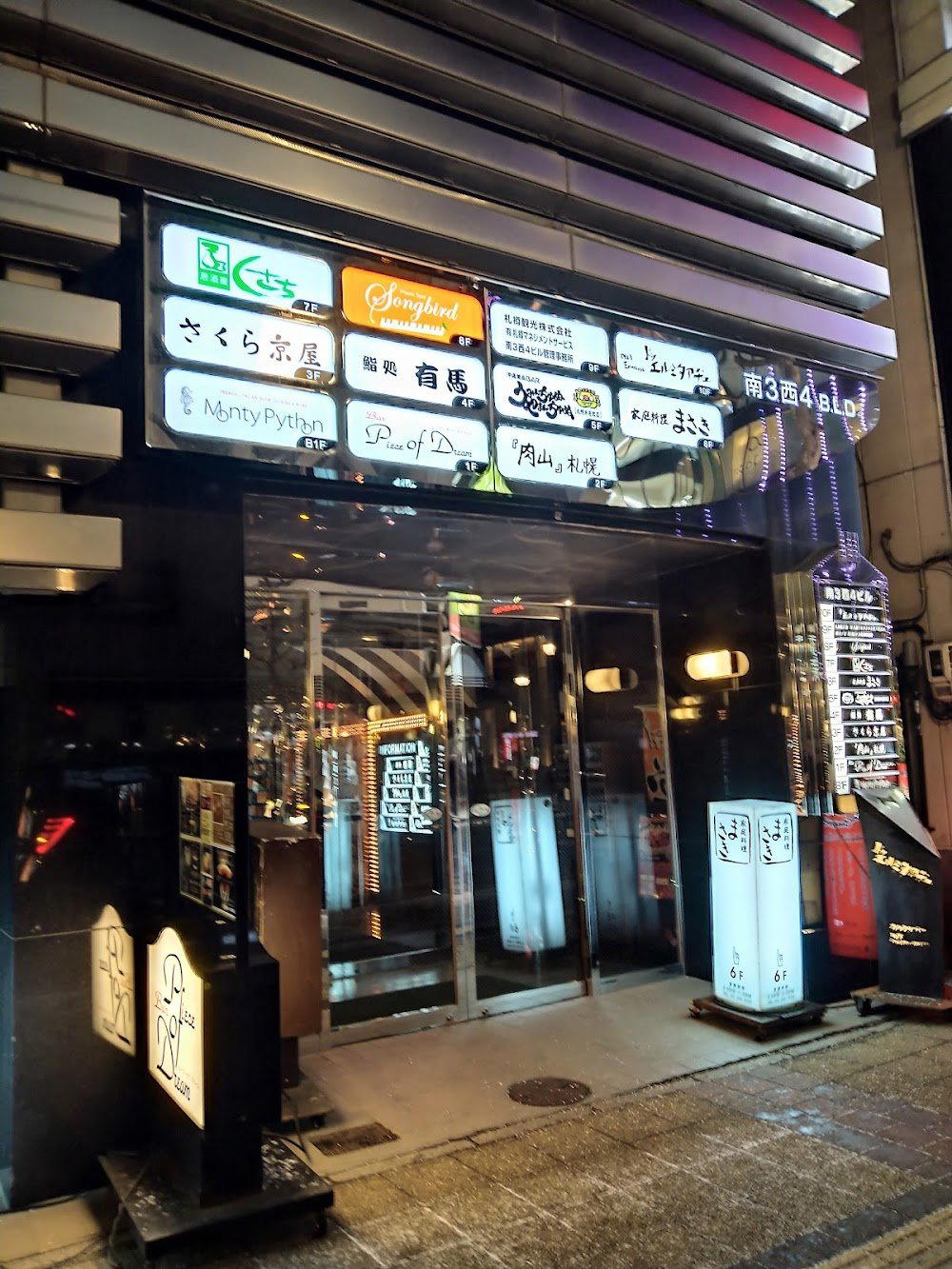
- 北海道札幌市中央区南四条西4 第5グリーンビル 1F
- Phone
- +81112322321
- Website
- ichii445.blog42.fc2.com
 Saves & bookings on Pearl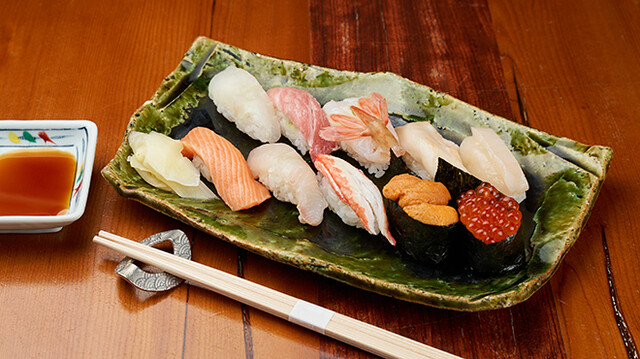
Susukino frames sushi differently from Ginza: less ceremonial quiet, more northern city after dark, with low buildings, station exits, small elevators, and rooms where the counter is close enough for pace to matter more than spectacle. In Sapporo, serious sushi starts with Hokkaido’s fishing geography. Cold-water seafood, local sake, and a dining culture at ease in compact rooms give the city’s counters a grammar distinct from Tokyo’s auction-led prestige economy.
Sushi Dokoro Ichii sits within that grammar. Recognition in the 2025 Tabelog Sushi EAST “Tabelog 100” places it in a national field that rewards consistency and diner confidence rather than international theater. In Sapporo, that matters: a sushi counter is judged as much by its handling of local seafood and sake as by luxury signals. Its Tabelog score of 3.69 is not headline-making alone, but with repeat Hyakumeiten selections in 2021, 2022, and 2025, it shows sustained local and regional credibility.
A Susukino sushi counter shaped by Hokkaido fish and sake
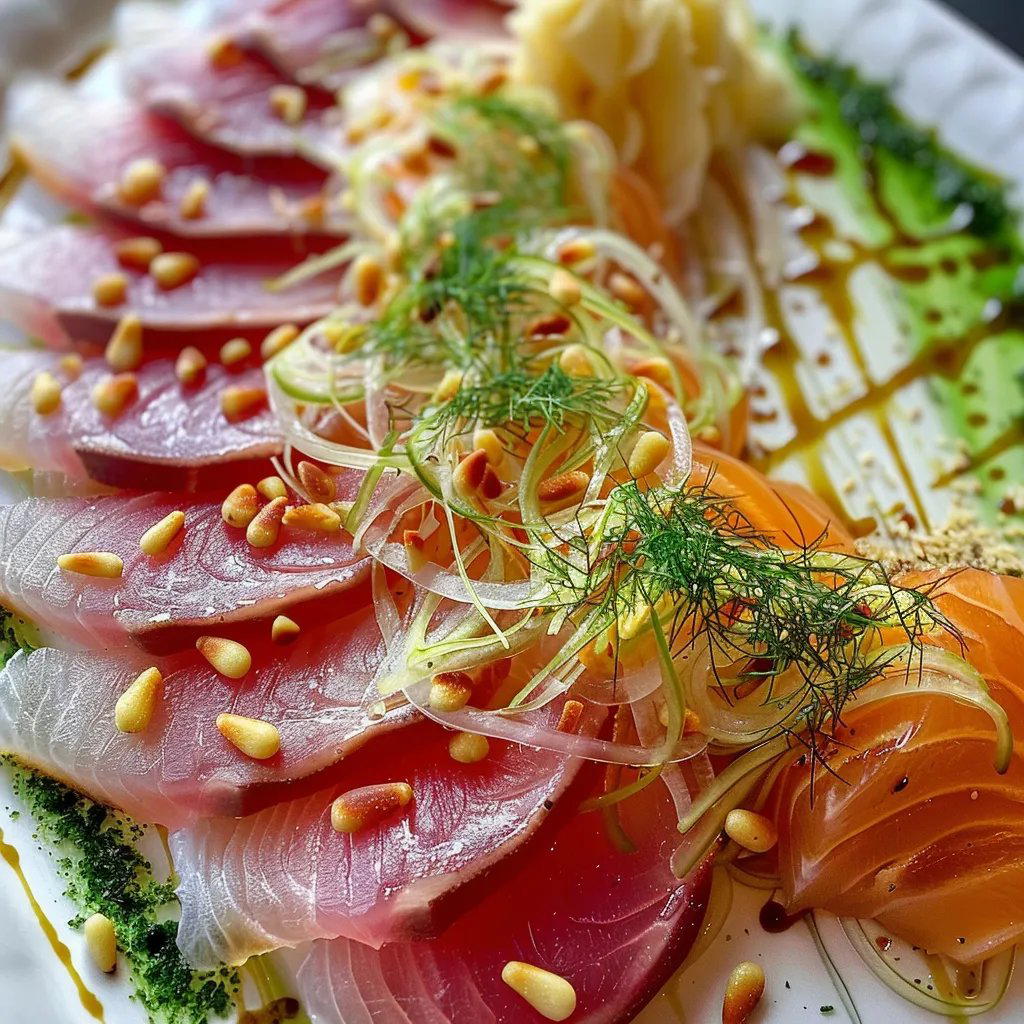
Hokkaido sushi has an advantage that can become a trap. The product is strong enough that weaker counters can lean on origin alone, naming crab, uni, scallop, or seasonal white fish as if geography were technique. Stronger rooms treat raw material as the starting point. Here, the public identity is deliberately narrow: sushi, a stated focus on fish, and drinks spanning nihonshu, shochu, wine, with particular attention to sake. That says more about the intended meal than a long menu description.
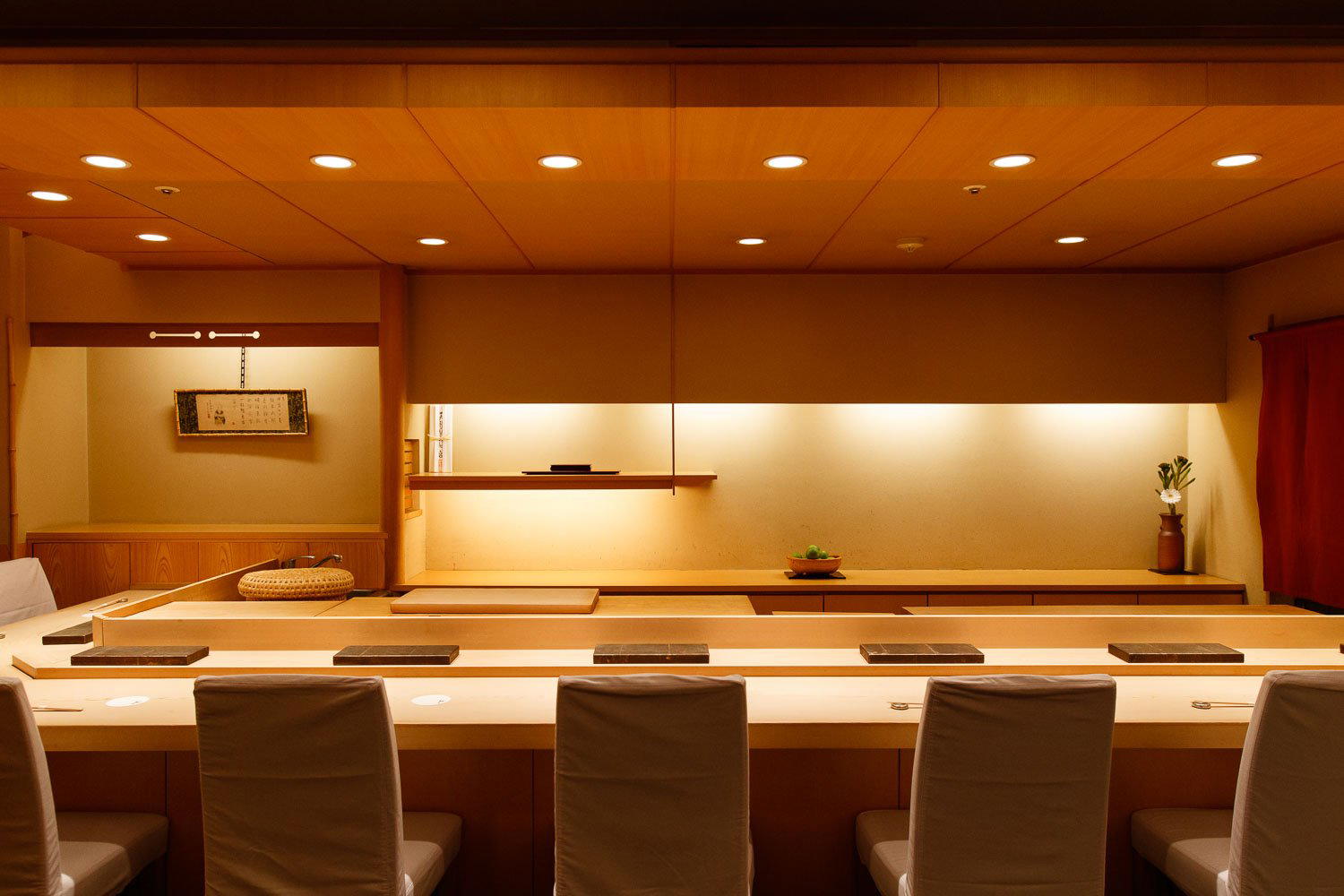
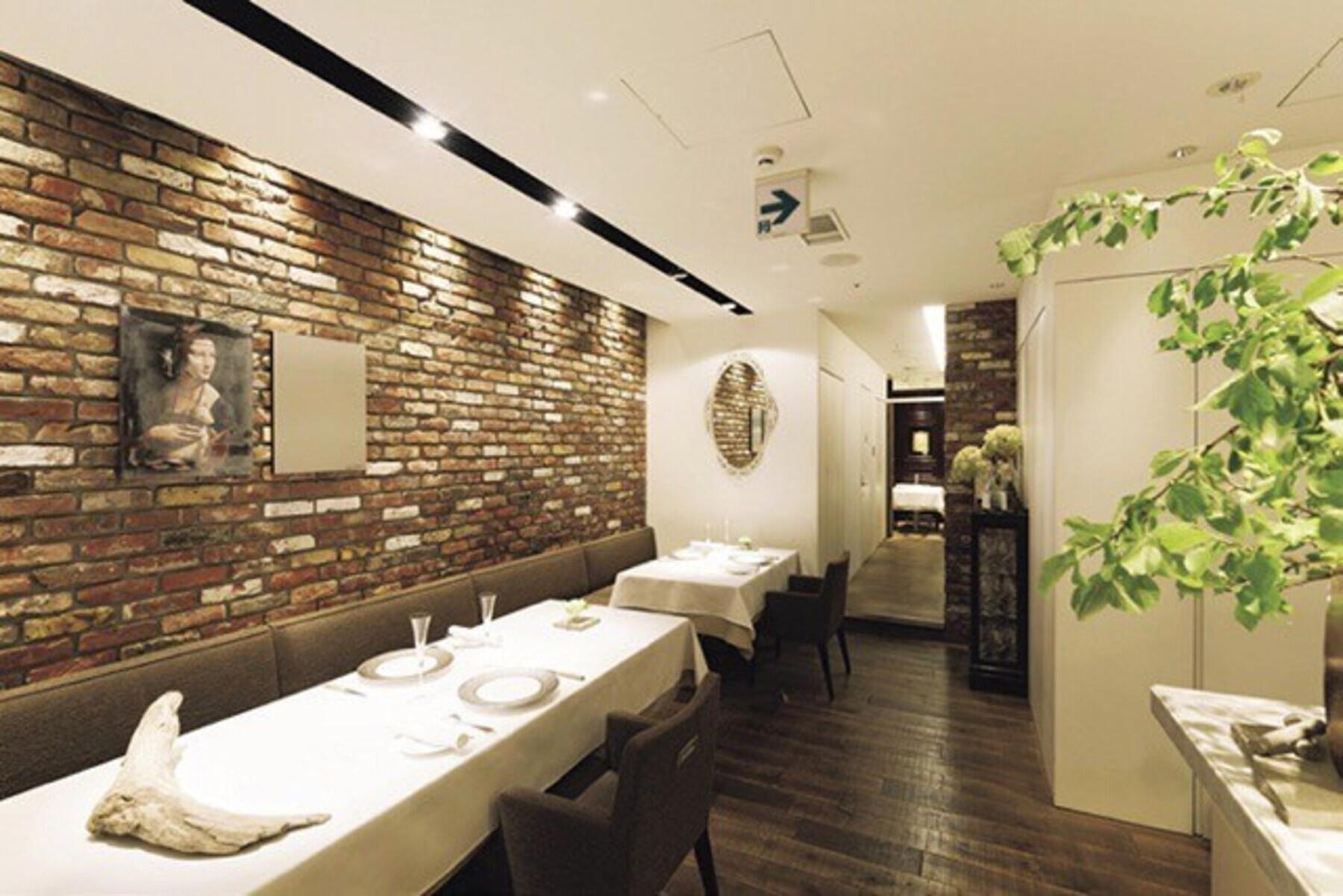
The format reinforces it. A small sushi restaurant with counter seating changes dinner’s rhythm: fewer distractions, direct timing, and a closer relationship between rice, fish, temperature, and pacing. Box seats give the address broader Sapporo usefulness than a counter-only omakase room, but the critical appeal remains the sushi-counter register. This is not the city’s soup curry, ramen, or izakaya lane; it is for decisions about seafood handling and sake alignment.
That distinction places it within Sapporo dining. A visitor might use 175°DENO Tantanmen Sapporo kitaguchi ten for a spice-and-noodle read, or compare curry culture through [Curry Senmon Ten] Maruyama Kyoju., Ajanta Indo Curry Ten, and Ajanta Sohonke. Sushi Dokoro Ichii answers another question: how Sapporo’s seafood reputation translates when the meal is disciplined, compact, and counter-led rather than built around abundance.
Recognition here signals consistency, not imported glamour
Tabelog Hyakumeiten lists carry weight in Japan because they are rooted in domestic dining behavior, not fly-in prestige. Selection for Sushi EAST in 2025 puts the restaurant in an eastern Japan sushi cohort; prior selections in 2021 and 2022 show it was not a single-year spike. For travelers, that pattern is more useful than vague fame: the restaurant has stayed visible to a demanding audience across multiple cycles.
Within the Sapporo comparison set, price and category separate sushi from casual staples. soup curry Suage+ sits in the everyday, lower-priced soup-curry bracket; masa is positioned at a higher dinner spend; Arima is another sushi reference; Sushikin remains part of the local sushi conversation by name. Sushi Dokoro Ichii occupies a middle-premium lane for Sapporo sushi: serious enough for award recognition, not framed like Tokyo’s internationally chased counters.
That makes it useful for travelers who want Sapporo sushi with third-party recognition, without needing a trophy reservation. Expect regional confidence. Hokkaido gives the counter a deep seafood vocabulary; Hyakumeiten selections indicate diners have found the execution persuasive over time. Those signals carry more substance than décor language or chef mythology.
The city context extends beyond dinner. Sapporo rewards category-led planning: sushi for seafood precision, curry for spice and local habit, ramen or tantanmen for late-day appetite, bakeries or cafés for quieter daytime registers. Aigues Vives sits in that wider Hokkaido food map, while Our full Sapporo restaurants guide is the cleaner way to build a cross-category route. For the rest of the trip architecture, use Our full Sapporo hotels guide, Our full Sapporo bars guide, Our full Sapporo wineries guide, and Our full Sapporo experiences guide.
Where it fits in a Japan dining itinerary
For travelers moving through Japan, Sapporo sushi is not a lesser version of Tokyo sushi. The point differs. Tokyo often concentrates status, lineage, and auction-market mythology; Sapporo’s advantage is proximity to Hokkaido product and a more direct dining culture. The restaurant is strongest read that way: not as a monument, but as a compact Susukino room with repeated domestic recognition and a fish-led identity.
A broader national itinerary can carry different registers without forcing every meal into one luxury frame. A beef-focused meal such as -Grilled beef Sukiyaki- KAMAKURA TANUKIAN 鎌倉 たぬき庵 in Kamakura, a Tokyo charcoal-and-tuna address like. 鮪と炭火焼き うお炭 秋葉原店 in Tokyo.cafe in Osaka.know in Kumamoto, (Shoku) Vietnam in Kawasaki, and [ki:] in Kyoto each show a different side of the country’s dining range. Outside Japan, sake and rice culture travel in other forms at Jōdo Saké Bar in Los Angeles and Onigiri Time in Pasadena, but Sapporo is anchored by cold northern waters and the immediacy of a small sushi counter.
The verdict is practical: choose this restaurant when recognition, scale, and regional seafood logic matter more than ceremony. It has the signals serious diners look for: repeat Tabelog 100 selection, compact seating, a fish-forward identity, and a sake-aware drinks offering. In a city that pulls visitors toward ramen, crab halls, and soup curry, this is the sushi choice for a focused Susukino dinner built around Hokkaido’s strongest culinary asset.
Price and Recognition
Comparable venues to calibrate price, style, and recognition.
| Venue | Cuisine | Price | Notes |
|---|---|---|---|
| Sushi Dokoro IchiiThis venue — the venue you are viewing | Chūō, Seasonal Hokkaido Sushi Counter | $$$ | Not listed |
| TOMOSHIBI | Not listed | $$$ | Chūō, Innovative Hokkaido Kaiseki with Japanese–Western Fusion |
| å¤ä»å±±ä¹ | Chūō, Traditional Japanese Kaiseki | $$$ | Not listed |
| 鮨菜 和喜智 | Chūō, Traditional Japanese Kaiseki | $$$ | Not listed |
| Sumika | Chūō, Japanese Yakiniku | $$$ | Not listed |
| Kin Zushi | Chūō, Traditional Sapporo Sushi Counter | $$$ | Not listed |
Recognition history
Dated appearances from independent guides and award organizations, with the underlying list record or original source where available.
Tabelog 100 #32 · No. 32
Tabelog · Tabelog 100 - Sushi - EAST - 2025

At a Glance
- Cozy
- Intimate
- Classic
- Date Night
- Solo
- After Work
- Special Occasion
- Casual Hangout
- Chefs Counter
- Standalone
- Sake Program
- Beer Program
- Extensive Wine List
- Local Sourcing
- Sustainable Seafood
A classic, softly lit neighborhood sushi counter with just six counter seats and one table, creating an intimate, relaxed atmosphere where guests interact closely with the chef and okami rather than a flashy high-end setting.