田万里 sits on Katamachi's main dining corridor in central Kanazawa, a city whose food culture has long occupied a distinct position between Kyoto's kaiseki formalism and the Noto Peninsula's coastal produce. With the address placing it in one of the city's most active restaurant blocks, it draws visitors looking for a grounded, locally rooted experience in a scene that rewards careful navigation.
Pearl is the En Primeur Club membership app — saves, bookings, and concierge access live there. Same editors, same standards.
- Address
- 片町1丁目11-21, 金沢市, 石川県, 920-0981
- Directions
- Get directions
 Saves & bookings on Pearl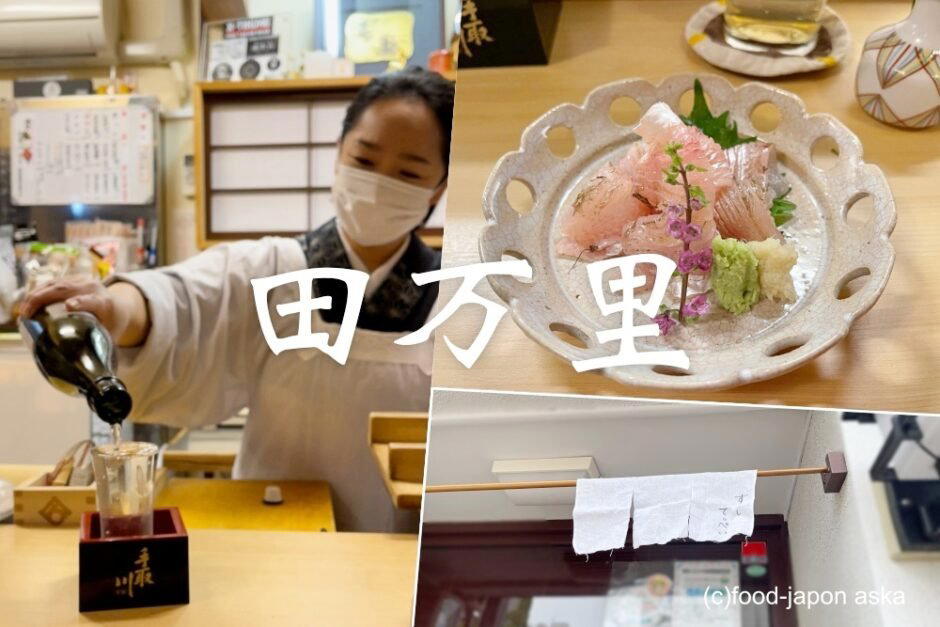
Katamachi and the Shape of Kanazawa Dining
Kanazawa has spent decades resisting the idea that Japanese fine dining belongs exclusively to Tokyo or Kyoto. The city's food culture is built on a different premise: proximity to Noto seafood, access to Kaga vegetables grown in volcanic soil, and a merchant-class aesthetic that historically valued craft over spectacle. Katamachi, the central entertainment and dining district where 田万里 holds its address at 片町1丁目11-21, is the corridor where that culture becomes most legible for visitors. The block runs through izakayas, specialist counters, and restaurants working across formats from yakitori to kaiseki, placing 田万里 in direct conversation with a dense and competitive local dining environment.
That environment has changed considerably over the past decade. Kanazawa's 2015 Shinkansen connection to Tokyo shortened travel time to roughly two and a half hours and shifted the city's restaurant economy almost immediately. Properties that had operated on loyal local custom began reckoning with a more international, food-literate visitor base. Reservation pressure increased at specialist counters. Prices at the upper tier moved to reflect Tokyo-comparable demand. The city's dining scene did not homogenize, but it did stratify more visibly, and venues in Katamachi found themselves either repositioning toward the new visitor profile or doubling down on neighbourhood regulars. Understanding where 田万里 fits inside that shift is the first editorial task for any reader planning a table here.
A Scene in Transition: What Kanazawa's Evolution Means for Tables Like This
The post-Shinkansen adjustment in Kanazawa produced a recognizable pattern across Japanese regional cities: a small number of venues gained national recognition and began drawing allocated bookings months ahead, while a larger middle tier absorbed the overflow and adapted their formats to visitor expectations. Venues like Dokkan and Budoonomori Les Tonnelles represent different points on that spectrum, one rooted in traditional Kaga cooking and the other applying a French lens to local ingredients. The comparison is useful because it maps the range of choices a visitor to Katamachi actually faces.
In that context, 田万里 occupies a position worth examining carefully. The address places it inside the most densely served restaurant block in the city, which means its longevity in that location is itself a form of evidence. Katamachi does not sustain underperforming venues quietly; the competition from adjacent counters and the foot traffic from the broader entertainment district creates natural selection pressure. Any table that holds its position on this strip across multiple seasons is answering something the local diner keeps asking. Across Japan's regional cities, from Goh in Fukuoka to akordu in Nara, the venues that survive post-tourism-boom recalibration tend to be those with a distinct identity that resists easy substitution.
The Kanazawa Counter Tradition and Where 田万里 Sits Within It
Kanazawa's dining tradition encompasses a broader range of formats than its kaiseki reputation suggests. The city has serious yakitori, strong Chinese-influenced counters, and a sweets culture anchored in venues like Amanatto Kawamura that draw visitors specifically for craft confectionery rooted in Kaga tradition. At the opposite end of the accessibility range, Go! Go! Curry represents the city's proprietary contribution to Japanese curry culture, a format that originated here and expanded nationally. This spread matters because it positions 田万里 not as an isolated destination but as one entry point into a layered and internally diverse food city.
The kaiseki counters that anchor the upper tier, including Hakuichi and the well-regarded rooms that draw comparisons to Gion Sasaki in Kyoto or Harutaka in Tokyo, set a benchmark for ingredient sourcing from which any serious Kanazawa table is implicitly measured. The Noto Peninsula seafood supply, disrupted and then partially restored following the January 2024 earthquake, remains the defining input variable for any restaurant working with the region's coastal produce. Venues that source Noto ingredients carry a specific provenance argument. Those that do not face a different positioning question.
Beyond Kanazawa, the broader regional dining circuit includes significant counters in cities like Nanao and further afield in Sapporo and Takashima, all operating within a Japanese regional dining circuit that serious visitors increasingly build itineraries around rather than treating each city as a standalone stop. At the level of international comparison, counters like Le Bernardin in New York City or Atomix demonstrate how regional-to-national cooking identities translate into sustained critical recognition. The Kanazawa equivalent is still being written, and 田万里's position on Katamachi is part of that ongoing draft.
Planning a Visit: What the Address Tells You
The Katamachi address at 片町1丁目11-21 puts 田万里 within walking distance of Kanazawa Station's main dining catchment and directly adjacent to the evening entertainment belt that runs through the Katamachi crossing. For visitors building a day around the Higashi Chaya geisha district or the Kenroku-en garden, the restaurant sits at a natural evening endpoint: a 15-to-20 minute walk from both, or a short taxi from either. The area operates on evening hours, with the block becoming noticeably active from early evening through late night. Visitors arriving from Osaka via the Thunderbird limited express or from Tokyo on the Hokuriku Shinkansen are typically in Kanazawa in time for a dinner reservation the same day, which makes evening-focused planning direct for most itineraries. For wider Kanazawa context, the full Kanazawa restaurants guide maps the city's dining options across formats and price tiers. Comparable regional experiences worth considering for a broader Hokuriku itinerary include the dining rooms in Nishikawa Machi and specialist counters like Birdland in Sakai and HAJIME in Osaka for visitors extending their Japan trip south.
Cuisine and Awards Snapshot
| Venue | Cuisine | Awards |
|---|---|---|
| 田万里This venue — the venue you are viewing | This venue | Not listed |
| Kataori | Kaiseki | Kaiseki |
| Respiracion | Innovative Spanish | Innovative Spanish |
| Sushi Kibatani | Chinese | Chinese |
| Zeniya | Kaiseki | Kaiseki |
| Hamagurizaka Maekawa | Yakitori | Yakitori |
Continue exploring
More in Kanazawa
Restaurants in Kanazawa
Browse all →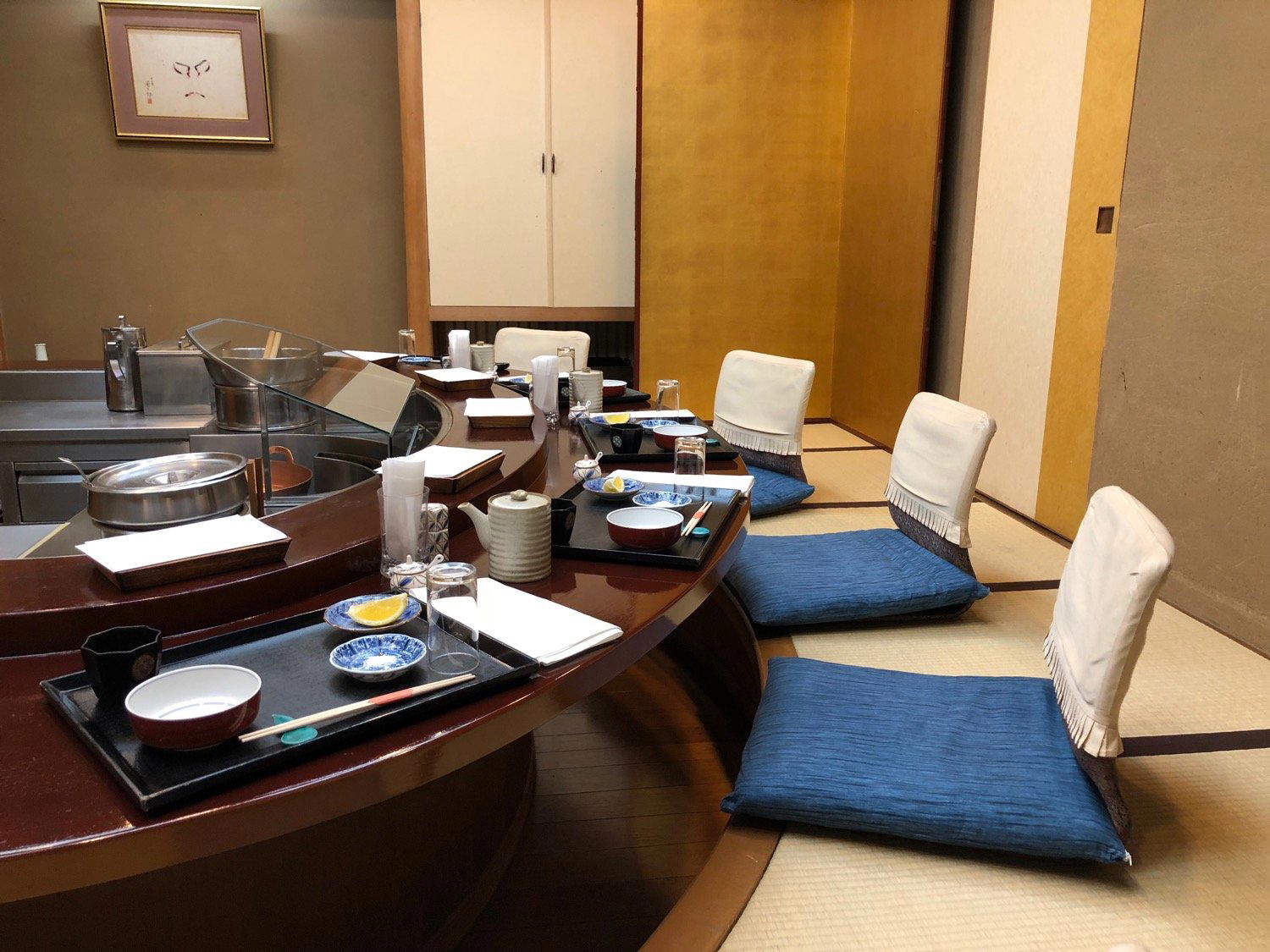
Bars in Kanazawa
Browse all →
Hotels in Kanazawa
Browse all →
Wineries in Kanazawa
Browse all →
At a Glance
- Cozy
- Classic
- Intimate
- Solo
- After Work
- Casual Hangout
- Business Dinner
- Chefs Counter
- Standalone
- Sake Program
Warm, intimate L-shaped counter setting with a nostalgic, local feel and a convivial proprietress-led atmosphere.
Know Before You Go
- Getting there
- 片町1丁目11-21, 金沢市, 石川県, 920-0981