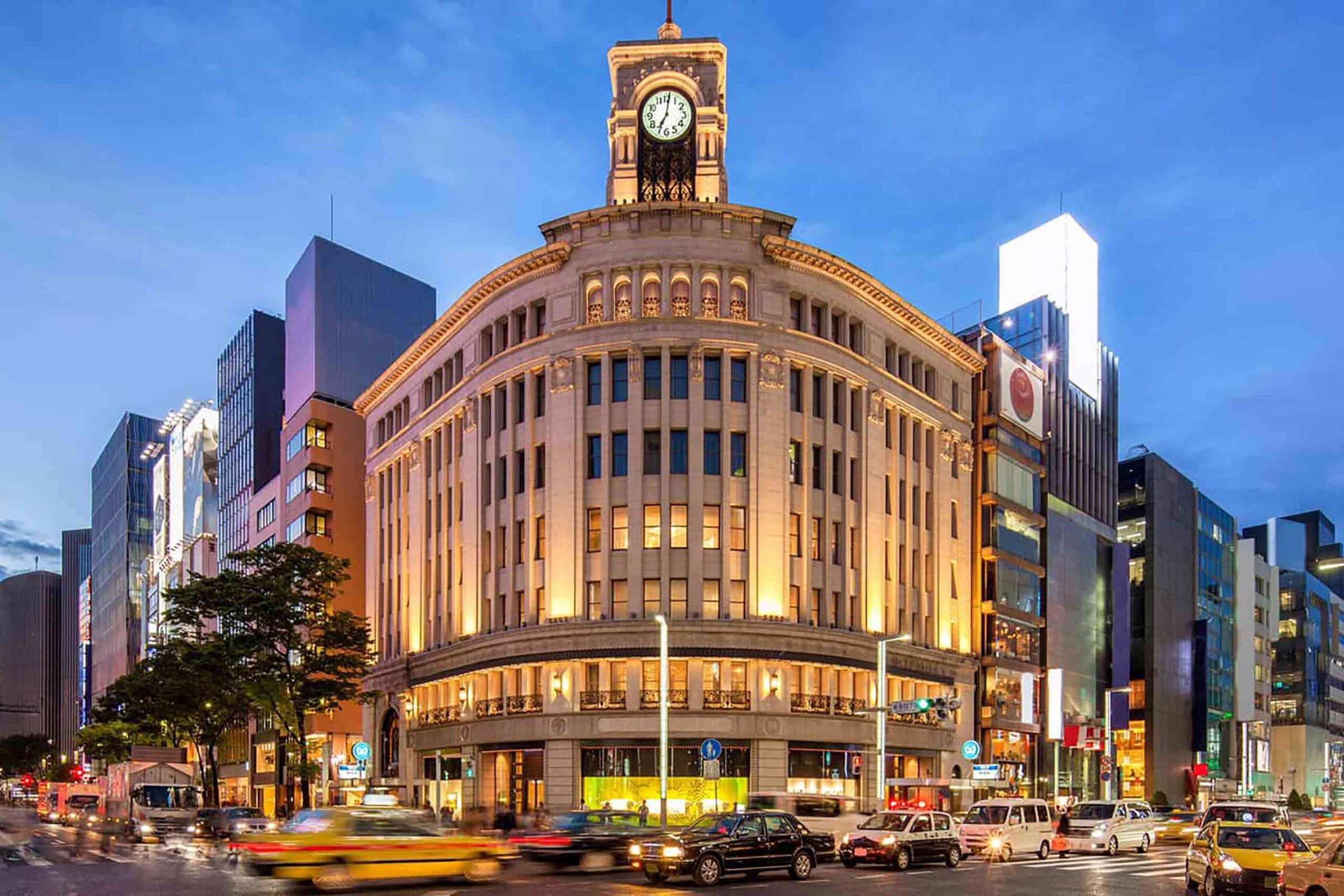
Located on the seventh block of Ginza's main commercial spine, ギンザ カンセイ occupies a second and third floor address in the Fujitaka Building, a positioning typical of the neighbourhood's more considered dining rooms, where elevation above street level signals intent. The restaurant sits within Ginza's dense concentration of high-commitment counter dining, placing it in a comparable set defined by craft, seasonality, and reservation depth rather than visibility.
Pearl is the En Primeur Club membership app — saves, bookings, and concierge access live there. Same editors, same standards.
- Address
- Japan, 〒104-0061 Tokyo, Chuo City, Ginza, 7 Chome−12−1 藤高ビル2F3F
- Phone
- +81362643319
- Website
- ginzakansei.com
- Directions
- Get directions
 Saves & bookings on Pearl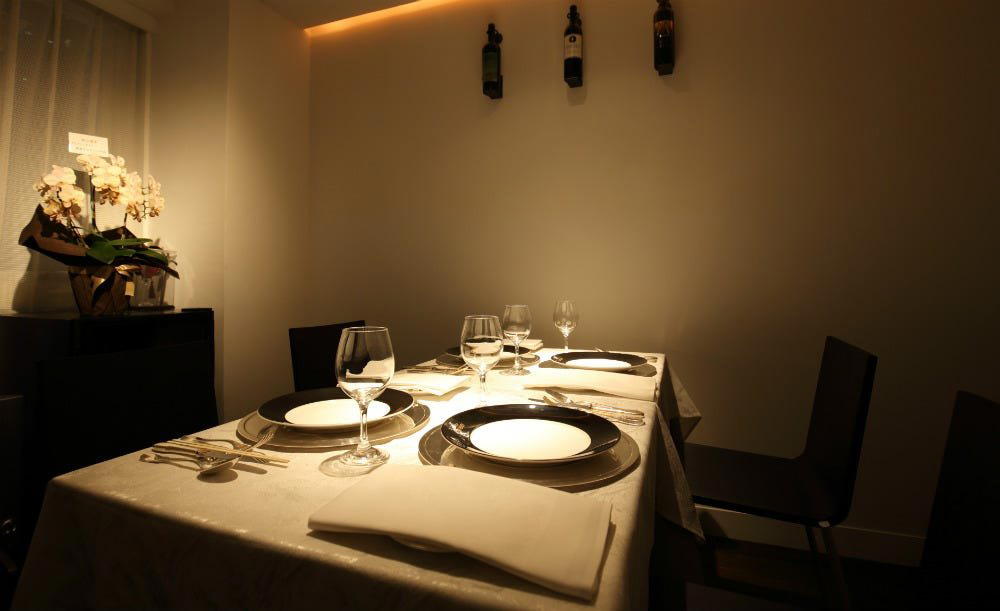
Ginza's Counter Dining Tradition and Where カンセイ Sits Within It
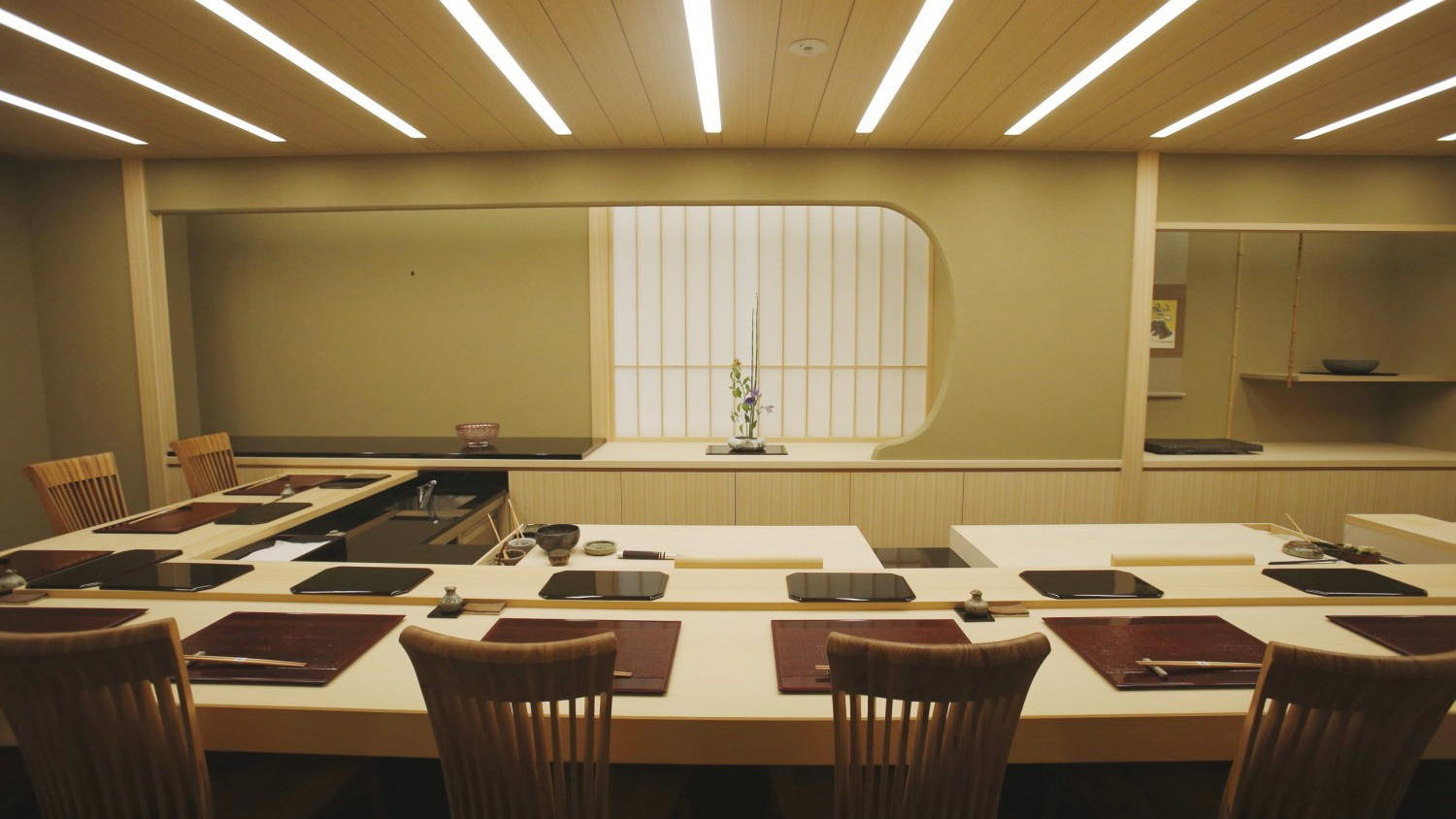
Ginza has functioned as Tokyo's premium dining corridor for well over a century, and the neighbourhood's current restaurant character owes as much to that accumulated history as to any recent wave of openings. The district's upper tier today is dominated by counter formats: omakase sushi, kaiseki, and specialist Japanese cuisine rooms where the physical proximity between kitchen and guest is itself a statement of intent. These are not restaurants that hide their technique behind closed kitchen doors. The counter is the argument.
ギンザ カンセイ holds an address on 7-chome, deep into the block structure of Ginza's main axis, in the Fujitaka Building on the second and third floors. That vertical positioning is characteristic of how serious dining rooms have long organised themselves in this neighbourhood: street level belongs to retail and casual formats, while the restaurants worth seeking out tend to occupy the floors above, reached by elevator or narrow staircase. The climb is part of the self-selection process. Diners who arrive already know what kind of evening they are committing to.
The Cultural Weight of Japanese Counter Dining
To understand what a Ginza restaurant of this address tier is doing, it helps to understand what Japanese counter dining asks of both parties. The format descends from traditions in which the itamae, the chef working directly in front of guests, exercises complete editorial control over what is served and in what order. The omakase model, where the guest entrusts the meal's direction to the kitchen, is not simply a tasting menu equivalent of the kind found in European fine dining. It carries a different relationship to time, to seasonal ingredient cycles, and to the physical act of service.
In this context, Ginza addresses carry specific weight. The neighbourhood's association with premium Japanese dining stretches back to the Meiji and Taisho eras, when the area became Tokyo's primary site of encounter with Western goods and ideas, while simultaneously consolidating its identity as a place where traditional Japanese craft was performed at the highest level. That dual character persists. Restaurants like Harutaka and RyuGin operate within this tradition, the former as a benchmark omakase sushi counter, the latter as one of the city's most scrutinised kaiseki rooms. Both compete in a tier where reservation lead times and Michelin recognition are the primary signals of standing.
The French dining tradition in Tokyo, represented by rooms such as L'Effervescence, Sézanne, and Crony, has developed its own logic in the city over the past three decades, but the counter dining culture rooted in Japanese technique remains the neighbourhood's structural core.
Ginza Within Tokyo's National Fine Dining Network
Tokyo does not operate as a dining island. The city's premium restaurants exist in active conversation with rooms across Japan, and chefs, techniques, and ingredient relationships move fluidly between the capital and regional centres. HAJIME in Osaka and Gion Sasaki in Kyoto represent the Kansai anchor of this network, while akordu in Nara and Goh in Fukuoka extend it further. Regional specialists such as 一本木 看花制 in Nanao, 夕仙山乃 in Sapporo, 湖辺庄屋 in Takashima, and 庄羽屋 in Nishikawa Machi illustrate how far the commitments of Japanese counter dining extend beyond Tokyo's ring roads.
That national scope matters for anyone planning a Japan itinerary around serious dining. Ginza is a natural anchor, the density of high-commitment rooms within a few blocks is unmatched anywhere in the country, but it sits at the summit of a network, not apart from it. Rooms like Birdland in Sakai and Bistro Ange in Toyohashi serve as useful reference points for how specialist formats operate outside the major metropolitan centres.
For international comparison, the counter-omakase model has been transplanted to other cities with varying degrees of fidelity. Atomix in New York City applies Korean fine dining principles to a similarly controlled multi-course format, while Le Bernardin represents the Western fine dining tradition that Japanese counter dining is sometimes positioned against. The differences in philosophy are instructive: where Western tasting menus tend to foreground the chef's creative narrative, Japanese omakase foregrounds the ingredient and the season.
Planning Your Visit
The Fujitaka Building address at 7-12-1 Ginza places the restaurant at Japan, 〒104-0061 Tokyo, Chuo City, Ginza, 7 Chome−12−1 藤高ビル2F3F, with reservations essential and an average spend of about $150 per person. The second and third floor positioning means the entrance is not immediately visible from street level, so first-time visitors should confirm the building name before arrival. As with most rooms operating in this tier of Ginza dining, advance reservation is the expected approach rather than the exception.
Know Before You Go
- Address: 藤高ビル 2F・3F, 7-12-1 Ginza, Chuo City, Tokyo 〒104-0061
- Nearest stations: Ginza (Tokyo Metro), Shimbashi (JR/Toei)
- Floor: Second and third floor of the Fujitaka Building, look for building signage, not street-level restaurant frontage
- Booking: Advance reservation strongly advised for this tier of Ginza dining room; walk-in availability is not confirmed
- Price range: About $150 per person
A Quick Peer Check
Comparable venues nearby, for context on price, style, and recognition.
| Venue | Cuisine | Price | Notes |
|---|---|---|---|
| ギンザ カンセイThis venue — the venue you are viewing | French Fine Dining | $$$$ | Not listed |
| トワヴィサージュ | Modern French Fine Dining | $$$$ | Chūō |
| La Maison du Chocolat Marunouchi ten | French Chocolate Boutique & Patisserie | $$$$ | Chiyoda |
| ル・サロン・プリべ | Modern French Fine Dining | $$$$ | Minato |
| ジランドール | Modern French Brasserie | $$$$ | Shinjuku |
| スブリム | Nordic-French Fusion | $$$$ | Minato |





At a Glance
- Elegant
- Sophisticated
- Intimate
- Special Occasion
- Business Dinner
- Private Dining
- Sake Program
Current opening hours
- Monday
- 12–10 PM
- Tuesday
- 12–10 PM
- Wednesday
- 12–10 PM
- Thursday
- 12–10 PM
- Friday
- 12–10 PM
- Saturday
- 12–10 PM
- Sunday
- Closed
Hours can change for holidays and private events. Last verified .
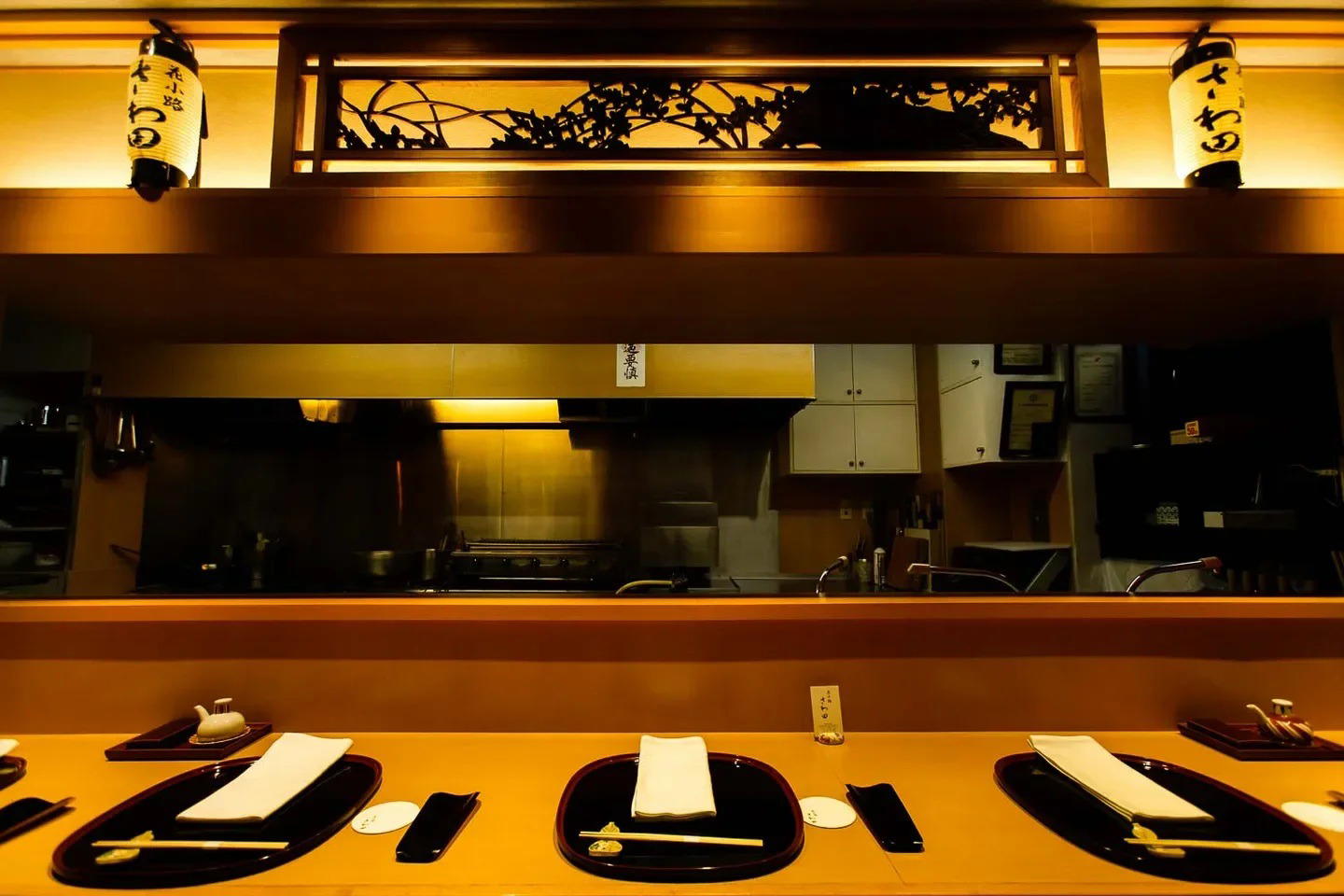
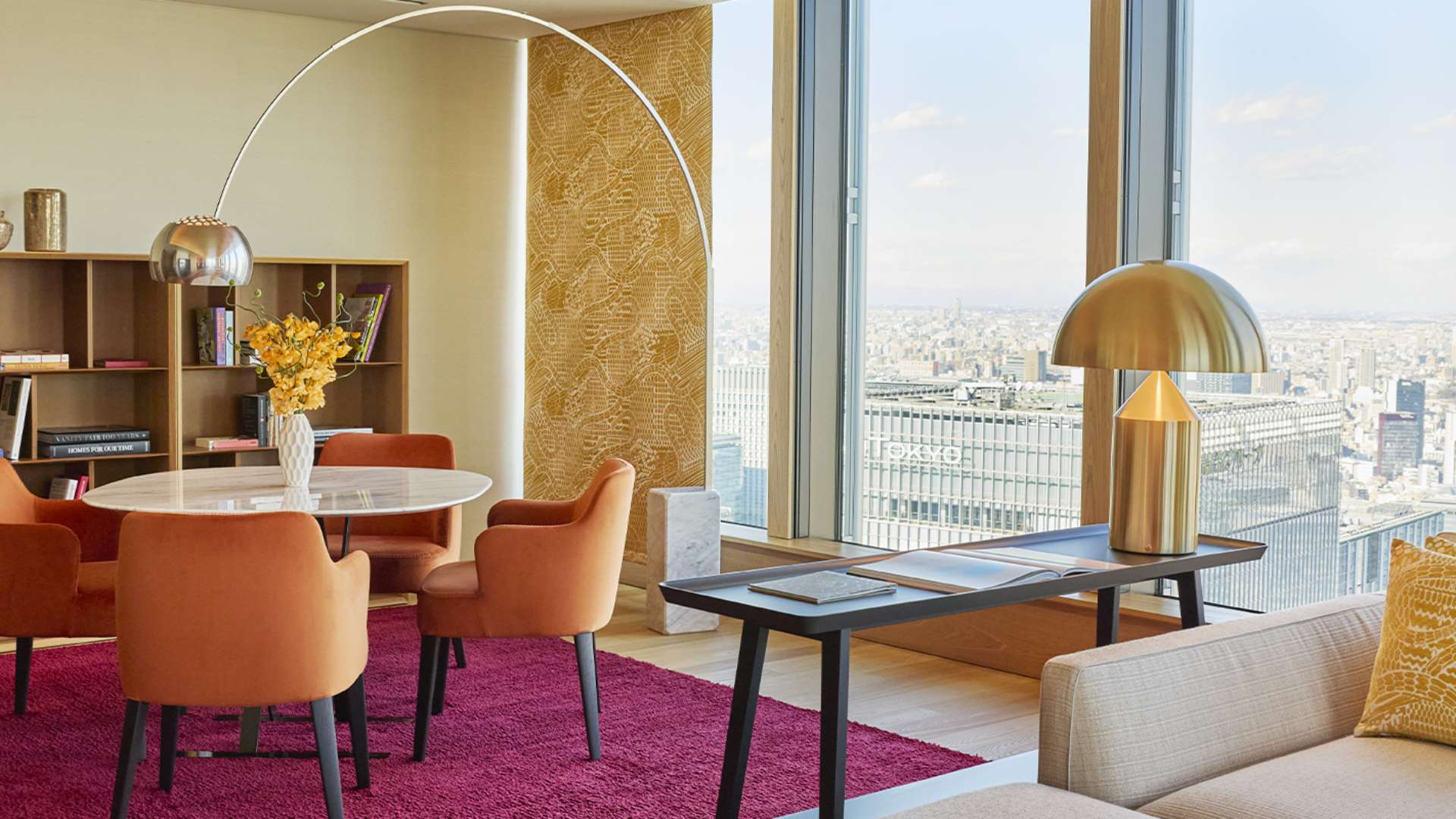
Sophisticated and refined atmosphere in an intimate private dining setting.