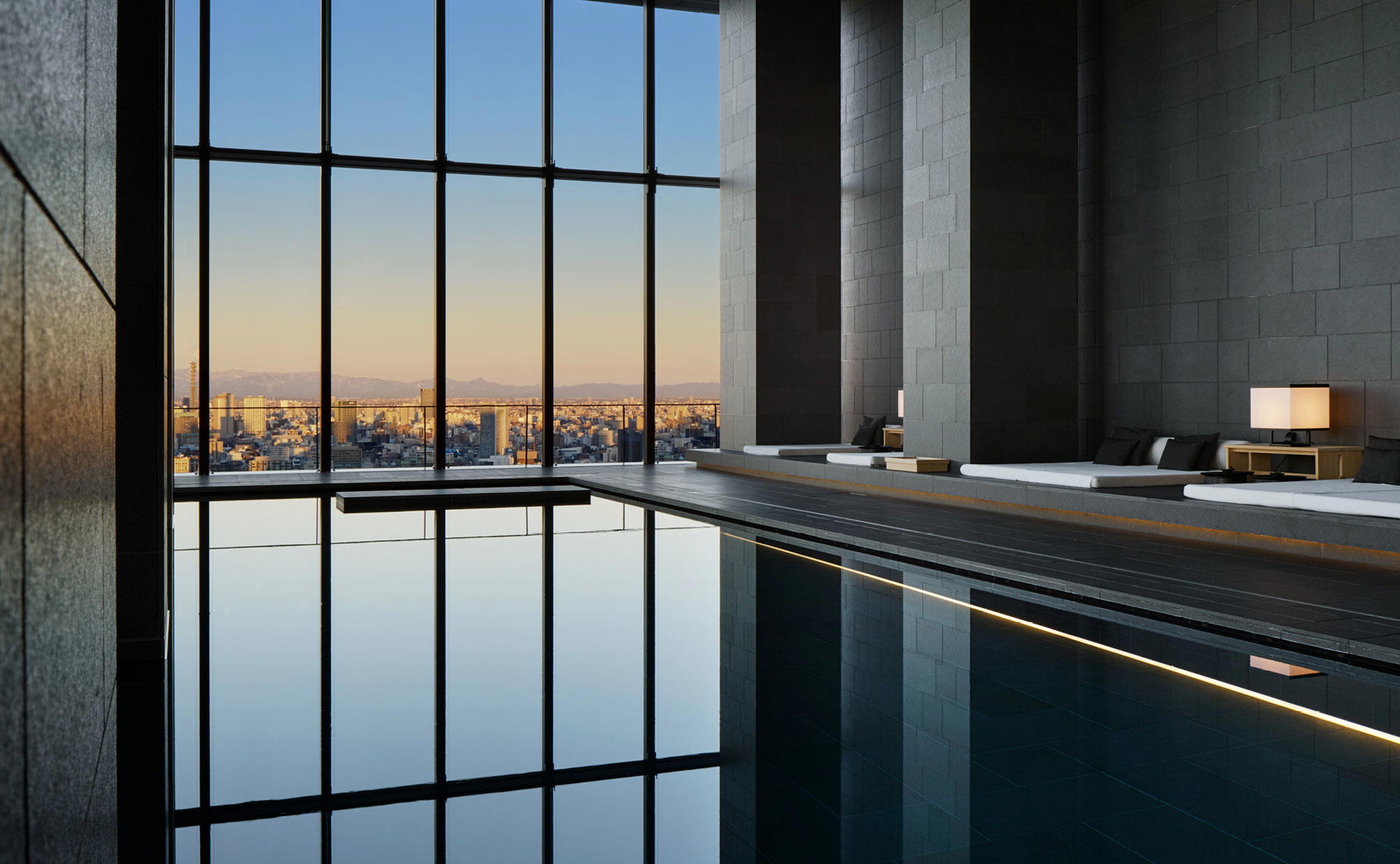
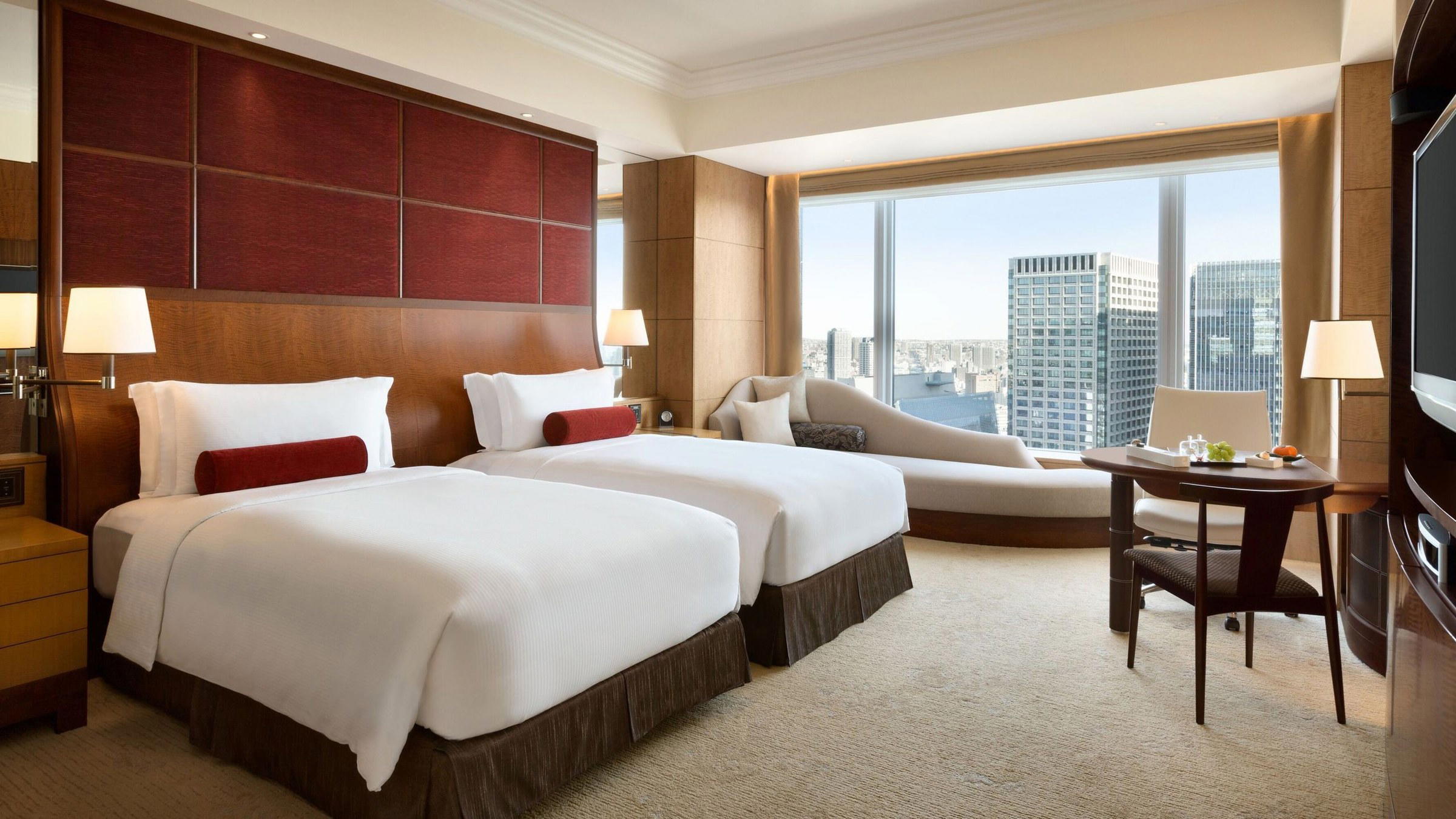
On the 35th floor of Marunouchi's丸ビル, サンス・エ・サヴール occupies one of Tokyo's more quietly serious perches for French cuisine. The room sits above the business district's grid with views that reward a lingering dinner, and the kitchen works within a tradition that prizes sourcing discipline over spectacle. For the bracket of French fine dining that Tokyo has quietly developed over decades, this address warrants attention.
Pearl is the En Primeur Club membership app — saves, bookings, and concierge access live there. Same editors, same standards.
- Address
- Japan, 〒100-0005 Tokyo, Chiyoda City, Marunouchi, 2 Chome−4−1 丸ビル 35F
- Phone
- +81352202701
- Website
- hiramatsurestaurant.jp
- Directions
- Get directions
 Saves & bookings on Pearl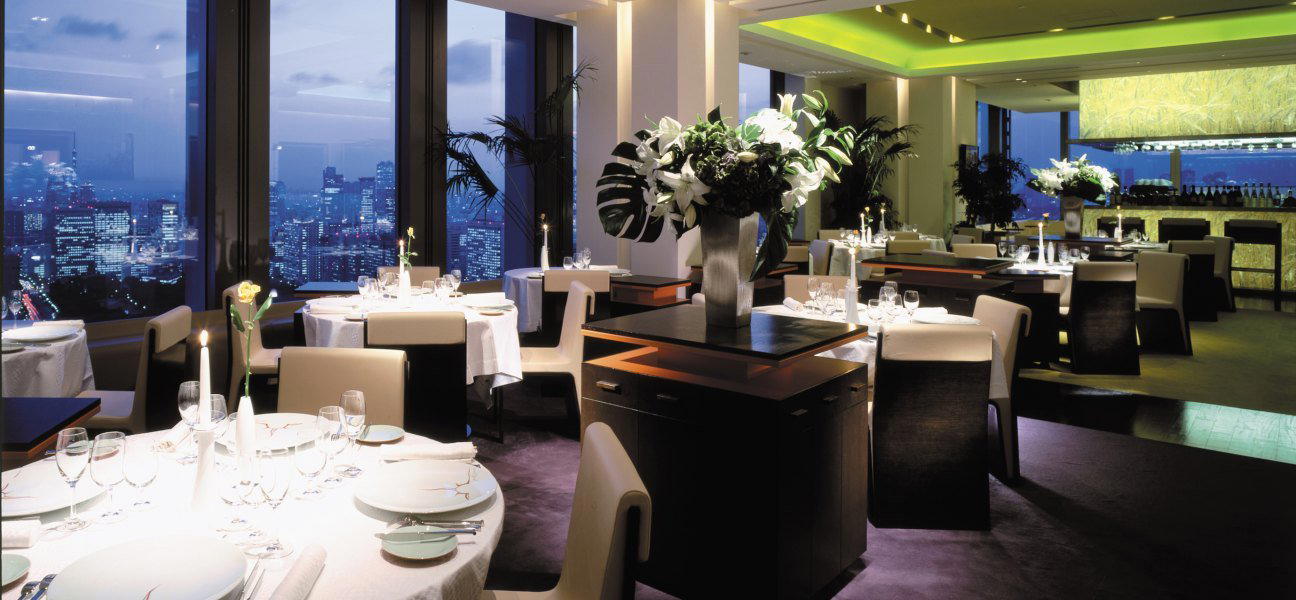
French Sourcing at Altitude: What the 35th Floor Tells You About Tokyo's Ingredient-Led Dining
Tokyo's French restaurant tier developed over decades, beginning with chefs who trained in France and returned to Japan with a specific kind of discipline, one that treated ingredient sourcing not as a supporting act but as the primary argument of a menu. That tradition is now embedded in how the city's serious French kitchens operate, from neighbourhood bistros in Aoyama to counter-format restaurants in Ginza. サンス・エ・サヴール, on the 35th floor of the 丸ビル in Marunouchi, belongs to that lineage, and its address, above Tokyo Station's business district, is itself a signal about the kind of clientele and expectations the kitchen is built around.
The name translates from French as 'senses and flavours.' In the tradition of French cuisine as it has been interpreted and refined in Tokyo, that means the kitchen's credibility rests on what it sources and how those ingredients are handled, not on theatrical presentation or portion engineering. In Tokyo, some restaurants foreground technique as performance, while others place technique in service of the ingredient. Venues such as L'Effervescence and Sézanne have built significant reputations in the latter camp, and Crony represents the more inventive hybrid. サンス・エ・サヴール occupies a position in this broader conversation.
The Marunouchi Address and What It Implies
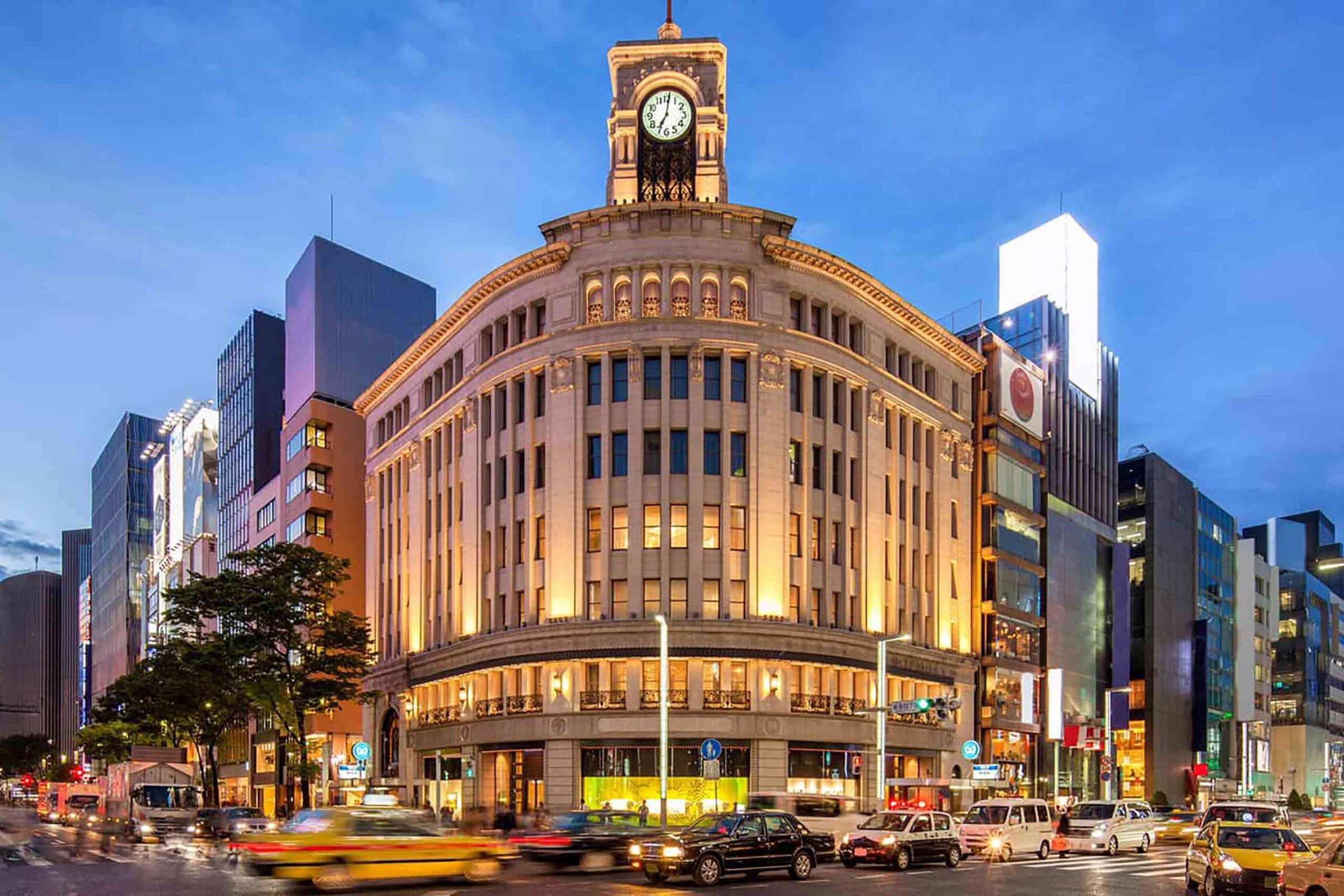
Location in Tokyo carries more information than a postcode. Marunouchi is the city's financial and corporate core, clustered around Tokyo Station and populated by headquarters, luxury retail, and a dining tier calibrated to expense accounts and serious business entertaining. Restaurants that succeed here over time do so because they hold up under repeated visits by guests who know exactly what they are comparing them to. The 丸ビル has housed a range of dining formats across its floors, and the 35th-floor position gives any kitchen there a view that becomes part of the room's identity, the city spread at that elevation carries a different weight than a ground-floor streetfront.
This matters for ingredient-led French dining, because the Marunouchi clientele tends to have reference points. A guest who regularly travels to Paris or Lyon, or who dines at Le Bernardin in New York City, brings calibrated expectations. The kitchen at this altitude is not cooking for novelty-seekers; it is cooking for a room that will notice if the sourcing is generic or if the produce has been mishandled. That context sharpens what the kitchen must deliver.
Sourcing as the Editorial Argument
French cuisine in Japan has long benefited from an ingredient environment that, in many categories, surpasses what is available in France itself. Japanese wagyu, seasonal fish from Toyosu, and vegetables grown by producers who supply exclusively to specific kitchen relationships are not incidental advantages. They are the reason why Tokyo's French restaurants can make sourcing claims that are structurally different from their European counterparts. A tasting menu built around Hokkaido dairy products, for instance, operates with a different raw material than the same format in Lyon. Similarly, the availability of notable domestic seafood creates menu possibilities that a Parisian kitchen would need to import at cost.
This ingredient context frames the dining proposition at サンス・エ・サヴール. The French technique serves as a lens for Japanese produce, and the combination is not a compromise between two traditions, it is a discipline in itself, one that Tokyo has spent decades developing. For comparison, consider how HAJIME in Osaka handles the same intersection at the highest technical tier, or how akordu in Nara approaches European frameworks through a regional Japanese lens. These are not isolated experiments; they reflect a systematic approach to sourcing that runs through Japan's serious dining culture, from the two-Michelin-star rooms of Tokyo down to focused independents in prefectural cities.
The same logic operates in kaiseki, where Japan's formal culinary tradition has long treated seasonal sourcing as the primary discipline. RyuGin, working in the kaiseki register, and Harutaka, in sushi, both demonstrate how ingredient provenance anchors the menu structure. French kitchens in Tokyo have absorbed this discipline into their own framework.
Context Beyond Tokyo: Japan's Broader Sourcing Network
Understanding where Tokyo's fine dining ingredients originate requires looking beyond the city's boundaries. The supply networks that feed high-end kitchens in Marunouchi extend to fishing ports in Kyushu, agricultural cooperatives in Tohoku, and specialty producers across prefectures. Goh in Fukuoka benefits from proximity to Kyushu's fishing resources; Gion Sasaki in Kyoto draws on Kansai's vegetable-growing traditions. Tokyo aggregates from all of these, and a French kitchen positioned in Marunouchi at the premium end of the market will typically have access to consistent supply chains.
Further afield, producers in less-trafficked prefectures are increasingly relevant to how serious kitchens build their seasonal calendars. Restaurants such as 一本木 布川製 in Nanao and 湖隣荘 in Takashima operate within these regional supply contexts, while 羽根屋 in Nishikawa Machi and 大地乃蔵之 in Sapporo illustrate how Hokkaido and Tohoku produce enters the fine dining pipeline. The comparison with Atomix in New York City or Bistro Ange in Toyohashi underscores how differently ingredient sourcing functions across markets, Tokyo's domestic supply depth is a structural asset that shapes every ambitious kitchen in the city. and Birdland in Sakai offers an instructive comparison point for how a single-product sourcing focus can define a restaurant's entire identity.
Know Before You Go
- Address: 丸ビル 35F, 2-4-1 Marunouchi, Chiyoda-ku, Tokyo 〒100-0005
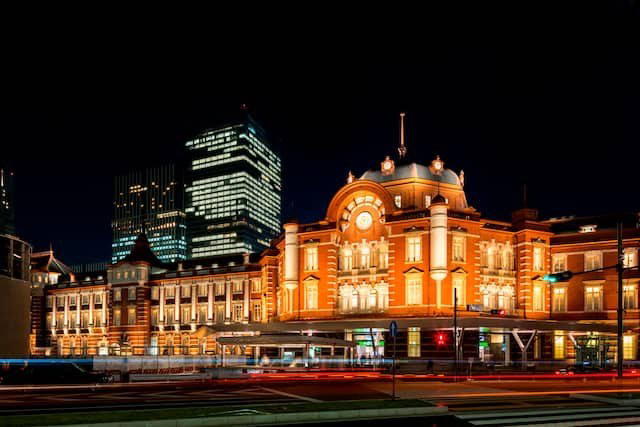
- Getting There: Directly connected to Tokyo Station's Marunouchi South Exit; no street navigation required once inside the station complex.
- Floor: 35th floor of 丸ビル, use the dedicated restaurant-floor elevators inside the building.
- Booking: For a Marunouchi address at this level, advance reservation is advisable; same-day availability is not reliable for dinner service.
- Dress Code: Smart casual is the expected dress code.
- Price Tier: Around $200 per person.
Recognition, Side-by-Side
Comparable venues nearby, for context on price, style, and recognition.
| Venue | Cuisine | Price | Notes |
|---|---|---|---|
| サンス・エ・サヴールThis venue — the venue you are viewing | プルセル兄弟監修モダンフレンチ | $$$$ | Not listed |
| モナリザ 丸の内店 | Modern French Fine Dining | $$$$ | Chiyoda |
| プレーガ トウキョウ | Modern French Seasonal Cuisine | $$$$ | Chiyoda |
| ラトラス | Classical French Fine Dining | $$$$ | Shinjuku |
| ラトリエ ドゥ ジョエル・ロブション | Modern French Counter Dining | $$$$ | Minato |
| ギンザ カンセイ | French Fine Dining | $$$$ | Chūō |





At a Glance
- Elegant
- Sophisticated
- Scenic
- Modern
- Date Night
- Business Dinner
- Special Occasion
- Celebration
- Panoramic View
- Private Dining
- Sake Program
- Skyline
Current opening hours
- Monday
- 11 AM–3:30 PM, 6–10:30 PM
- Tuesday
- 11 AM–3:30 PM, 6–10:30 PM
- Wednesday
- 11 AM–3:30 PM, 6–10:30 PM
- Thursday
- 11 AM–3:30 PM, 6–10:30 PM
- Friday
- 11 AM–3:30 PM, 6–10:30 PM
- Saturday
- 11 AM–3:30 PM, 5:30–10:30 PM
- Sunday
- 11 AM–3:30 PM, 5:30–10 PM
Hours can change for holidays and private events. Last verified .
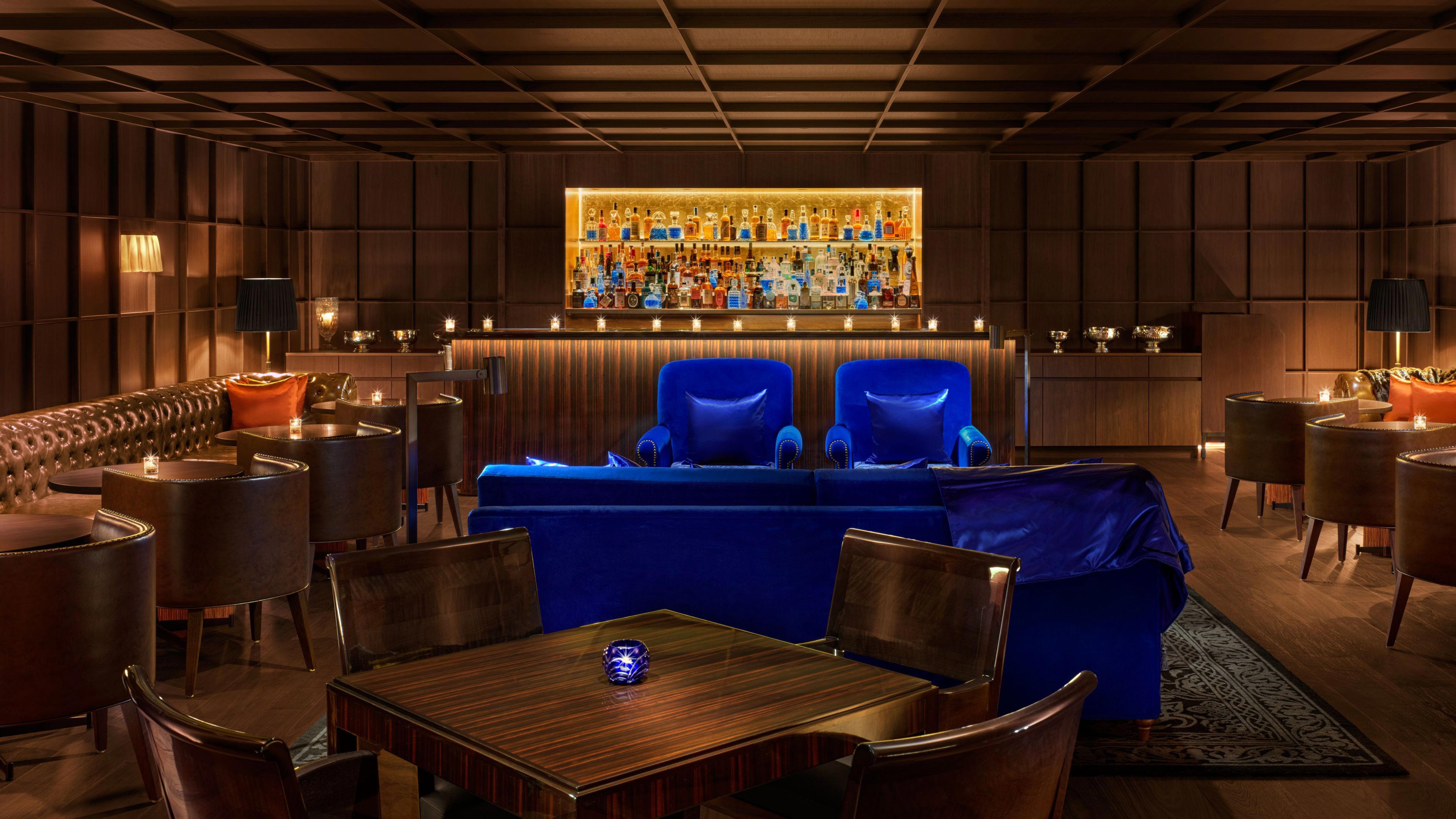
丸ビル35階の大きな窓から東京を一望できる洗練されたコンテンポラリー空間