Sushi Sora Daechi
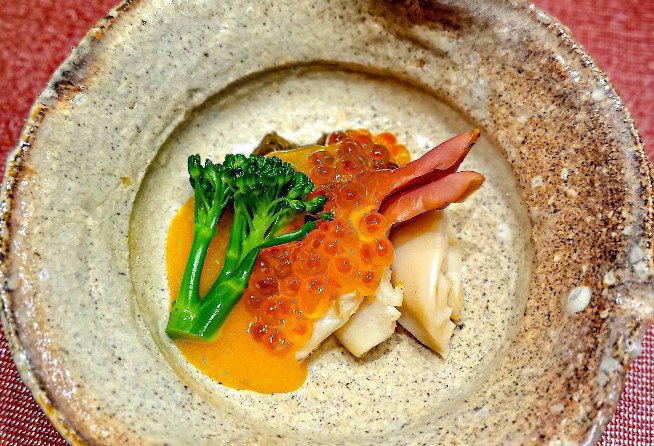
Sushi Sora Daechi operates from Gangnam's Daechi neighbourhood, placing a Japanese omakase format inside one of Seoul's most demanding dining districts. The venue sits within a city scene that has shifted steadily toward precision-led, counter-format Japanese dining, and its Daechi address positions it against a comparable set where ingredient sourcing and kitchen discipline drive the conversation rather than spectacle.
Pearl is the En Primeur Club membership app — saves, bookings, and concierge access live there. Same editors, same standards.
- Address
- 33 Samseong-ro 85-gil, Gangnam District, Seoul, South Korea
- Phone
- +82 2-567-8200
- Website
- 7-star.net
- Directions
- Get directions
 Saves & bookings on Pearl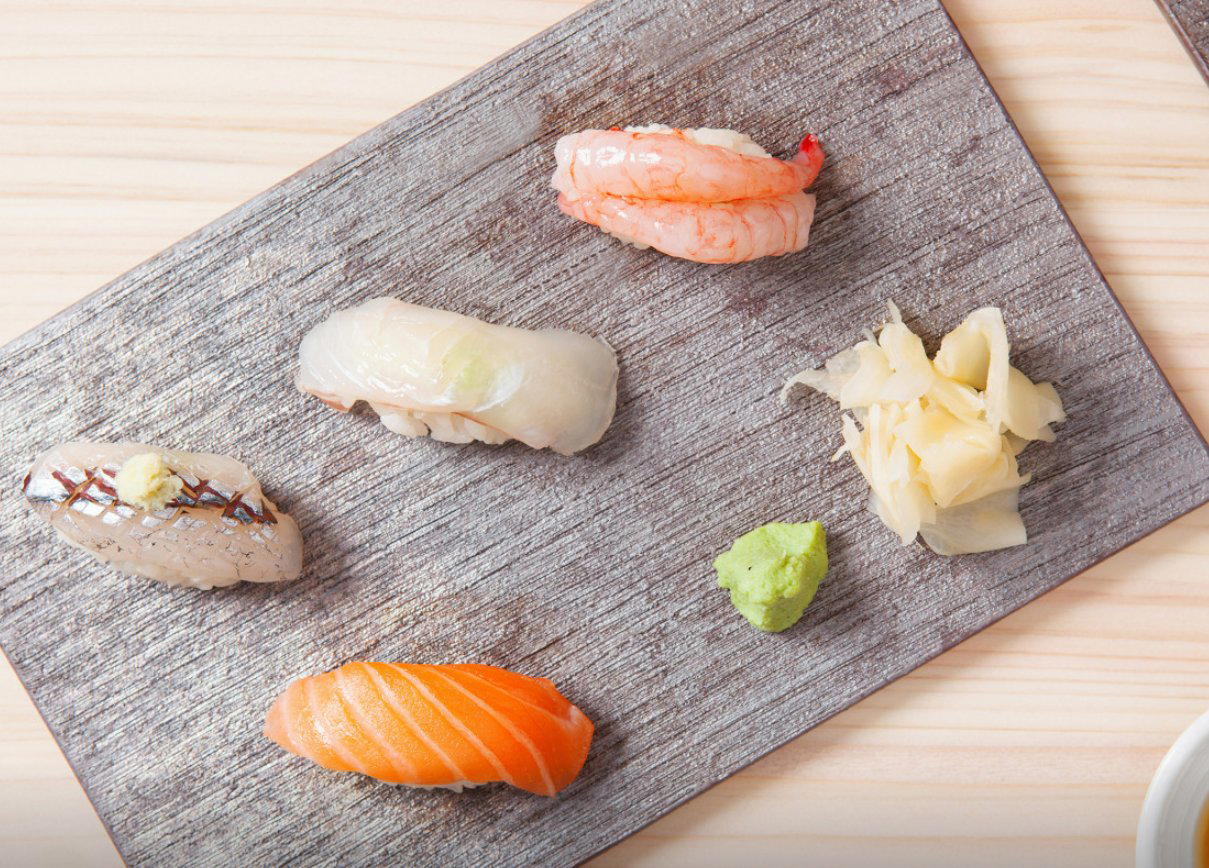
Omakase in Gangnam: What Daechi Says About Seoul's Japanese Dining Shift
Counter-format Japanese dining in Seoul has undergone a structural change over the past decade. What began as a niche imported from Tokyo, a handful of seats, a set progression of fish and rice, minimal theatre, has become one of the city's most competitive restaurant categories. Gangnam's Daechi neighbourhood, a district better known for its hagwon academies and residential density than its restaurant culture, has quietly absorbed several of these operations, including Sushi Sora Daechi at 33 Samseong-ro 85-gil. The address is telling: Daechi draws a local clientele with high disposable income and specific expectations, and the venues that land here tend to calibrate accordingly.
This matters because Seoul's omakase scene has not simply grown, it has stratified. At the entry level, sushi counters have proliferated across Mapo and Yongsan, often importing frozen product and compressing the format into 60-minute seatings. At the upper end, a smaller cohort of counters has moved in the opposite direction: tighter seat counts, longer progressions, and ingredient sourcing that traces directly to Japanese wholesale markets or Korean domestic suppliers with comparable standards. Sushi Sora Daechi's placement in Daechi positions it toward the latter bracket, where proximity to a residential premium-income base substitutes for the visibility of Cheongdam or Apgujeong.
How Seoul's Omakase Category Reached This Point
The evolution of Japanese dining in Seoul is inseparable from the city's broader fine dining trajectory. In the early 2010s, the attention fell on Korean chefs returning from European kitchens, opening tasting-menu restaurants that would eventually produce the Michelin-recognised tier now represented by venues like Mingles, Jungsik, and Soigné. Japanese counter dining ran parallel to that movement but received less critical attention, partly because the format is harder to localise into a Korean culinary identity, and partly because the leading examples operated quietly, relying on word-of-mouth rather than press outreach.
By the late 2010s, that dynamic had shifted. Seoul's Michelin Guide began recognising Japanese restaurants alongside Korean and contemporary venues, and the omakase format became aspirational in a way it hadn't been before. Demand outpaced supply at the upper tier, which in turn created pricing pressure: counters that might have operated at mid-range pricing began anchoring closer to the premium bracket as reservation competition intensified. Venues like alla prima and Kwonsooksoo demonstrate how Seoul's appetite for precision-driven formats has extended well beyond any single cuisine category. The omakase counter is one expression of that appetite, its most concentrated one.
Sushi Sora Daechi enters this context as a venue that has positioned itself in a neighbourhood where the dining room's draw is less about destination foot traffic and more about serving a community that already knows what it wants. That's a different operating logic from a Cheongdam counter that benefits from passing awareness among tourists and business diners. It implies a more stable, repeat-visit clientele and a menu that earns loyalty rather than initial curiosity.
The Daechi Neighbourhood and What It Demands
Daechi is not where Seoul's food media attention concentrates. The critical gaze tends to fall on Seongsu, Itaewon, and the Gangnam blocks closer to the luxury retail corridors. But that distance from the media circuit has a functional advantage: restaurants in Daechi operate with less pressure to perform novelty. The neighbourhood's dining culture is driven by regulars, by local business entertaining, and by residents who have both the means and the knowledge to detect when a kitchen is coasting.
This creates a different set of pressures from those facing venues in higher-visibility districts. A Daechi counter doesn't need to attract a first-time diner who discovered it on a travel list, it needs to hold the attention of someone who has been eating Japanese food seriously for years and who will notice when rice temperature drifts or when a transition between courses loses its logic. In that sense, the neighbourhood functions as a quality filter. Venues that survive in Daechi without media amplification tend to be doing something technically right.
For broader Korean dining context across the country, the EP Club covers everything from Mori in Busan to Badang Lounge in Jeju and regional specialists like Gobojeong Galbi in Suwon and Hwangnam Bread in Gyeongju.
Planning Your Visit
The restaurant's address at 33 Samseong-ro 85-gil places it in the southern Gangnam grid, accessible via Daechi or Dogok subway stations on Line 3. Reservations are essential. Dress expectations at this category of venue in Seoul lean toward smart casual at minimum, the counter format and price point carry an implicit formality even without a stated code.
For comparison, international omakase travellers familiar with New York's counter scene, venues like Atomix or the precision-seafood format of Le Bernardin, will find Seoul's upper-tier counters operate with comparable seriousness but a different pacing logic.
The full EP Club Korea coverage extends to 88돼지 in Jeju, Black Pork BBQ in Seogwipo, Hinode in Seogwipo, Doosoogobang in Suwon, Dining Room in Busan, and Gyeongju Wonjo Kongguk in Gyeongju. Seoul's innovative end of the spectrum is well represented by Soigné and alla prima for those who want to triangulate the city's full range before committing to an itinerary.
Style and Standing
Comparable venues nearby, for context on price, style, and recognition.
| Venue | Cuisine | Price | Notes |
|---|---|---|---|
| Sushi Sora DaechiThis venue — the venue you are viewing | Japanese Sushi Omakase | $$$$ | Not listed |
| ê°ë¯¼ì² ë ì¤í ë | Modern Japanese Omakase | $$$$ | 압구정동 |
| ìµê°ë¤ì¤ë¸ë²ì¯ì¹¼êµì ì±ìì§ìì | Edomae Sushi Omakase | $$$$ | 응봉동 |
| Joo Ok (주옥) | Modern Korean Royal Court Cuisine | $$$$ | Jung-gu |
| ì °ëíë¼ì´ë¹í¤ì¹ | Authentic Japanese Omakase | $$$$ | 이태원동 |
At a Glance
- Elegant
- Sophisticated
- Intimate
- Date Night
- Special Occasion
- Chefs Counter
- Sake Program
- Sustainable Seafood
Current opening hours
- Monday
- 11:30 AM–10 PM
- Tuesday
- 11:30 AM–10 PM
- Wednesday
- 11:30 AM–10 PM
- Thursday
- 11:30 AM–10 PM
- Friday
- 11:30 AM–10 PM
- Saturday
- 11:30 AM–10 PM
- Sunday
- Closed
Hours can change for holidays and private events. Last verified .
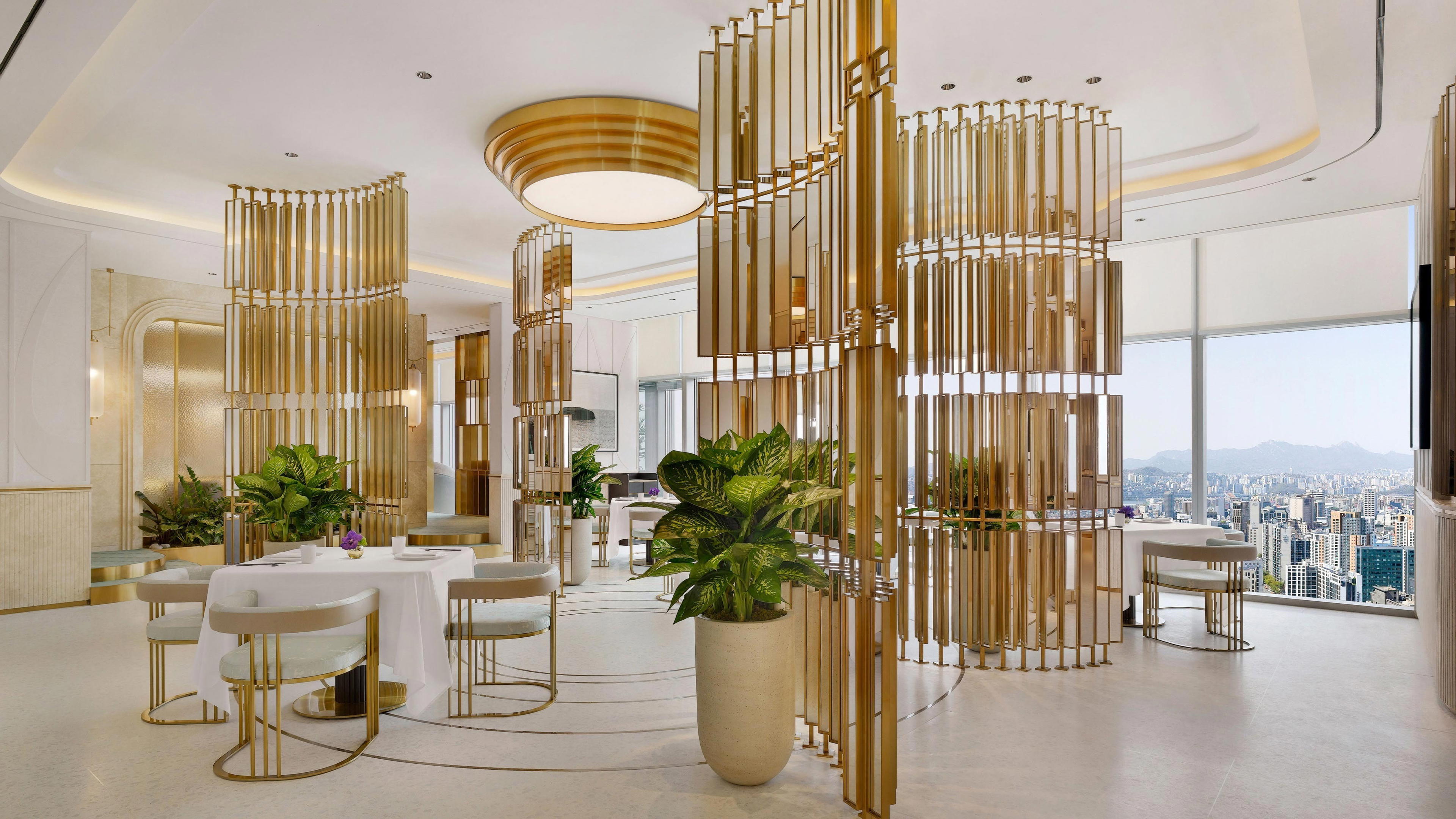
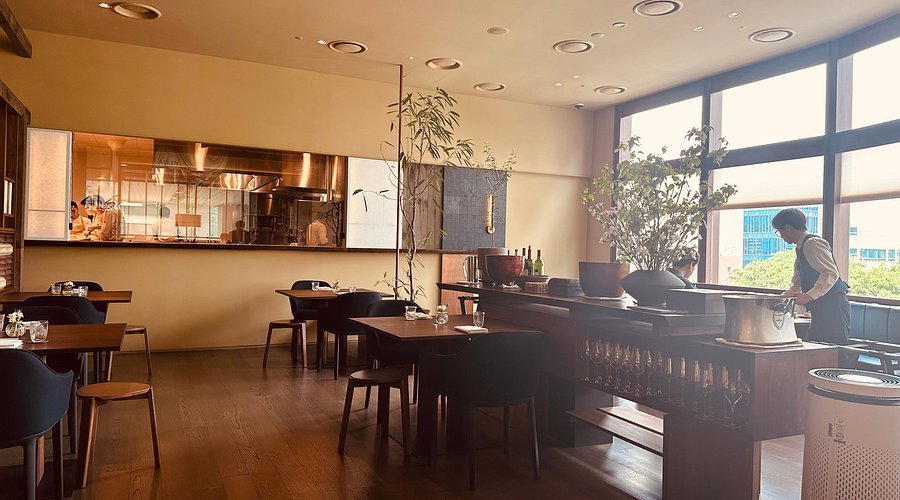
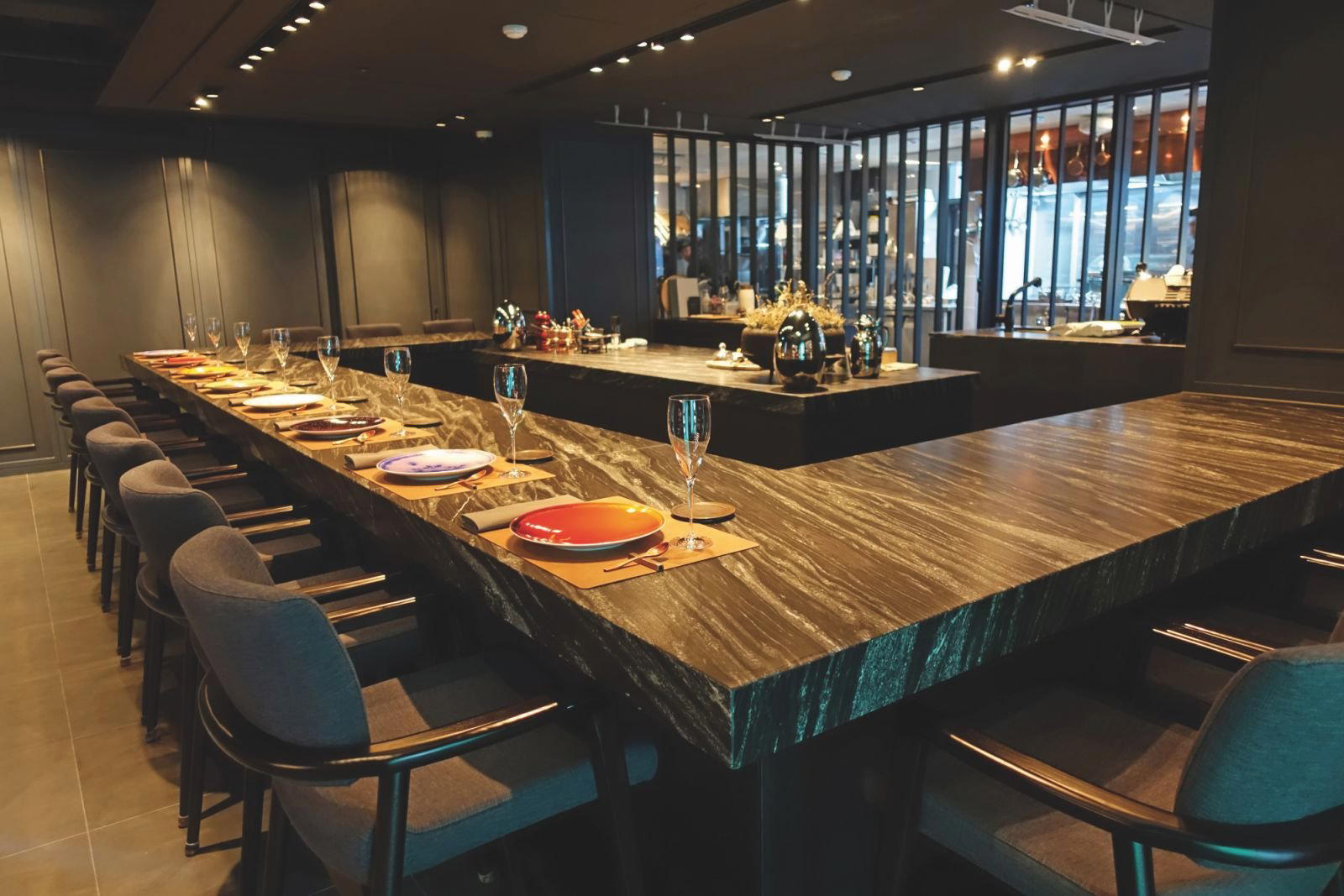
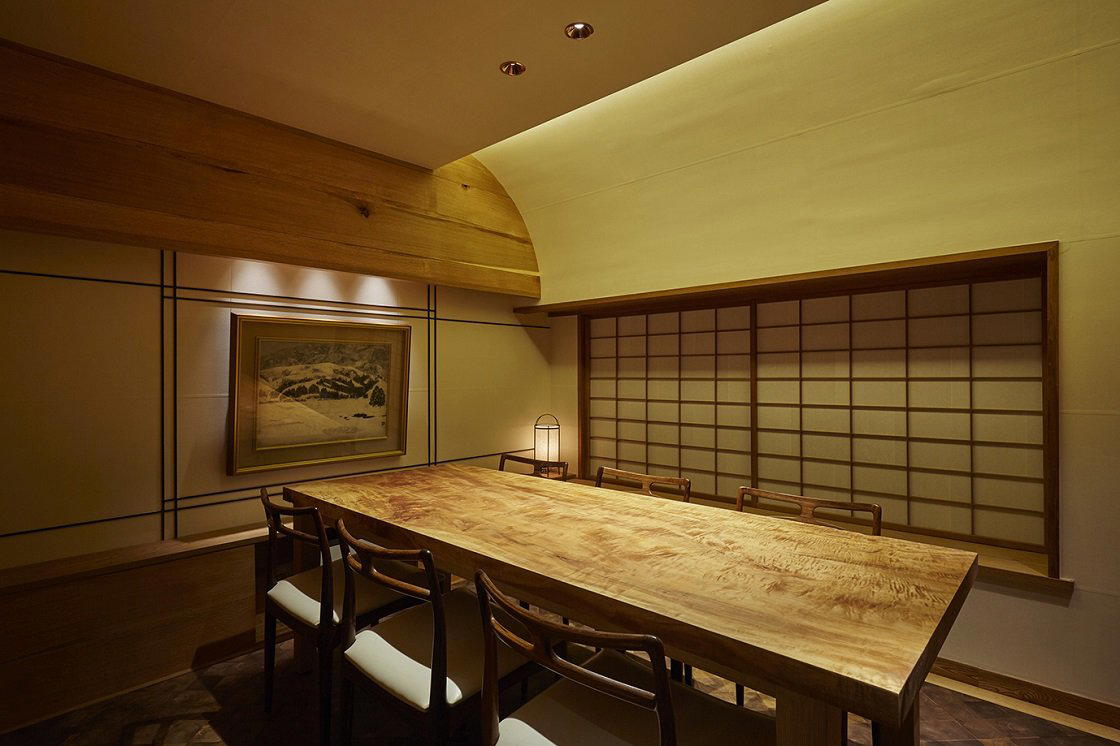
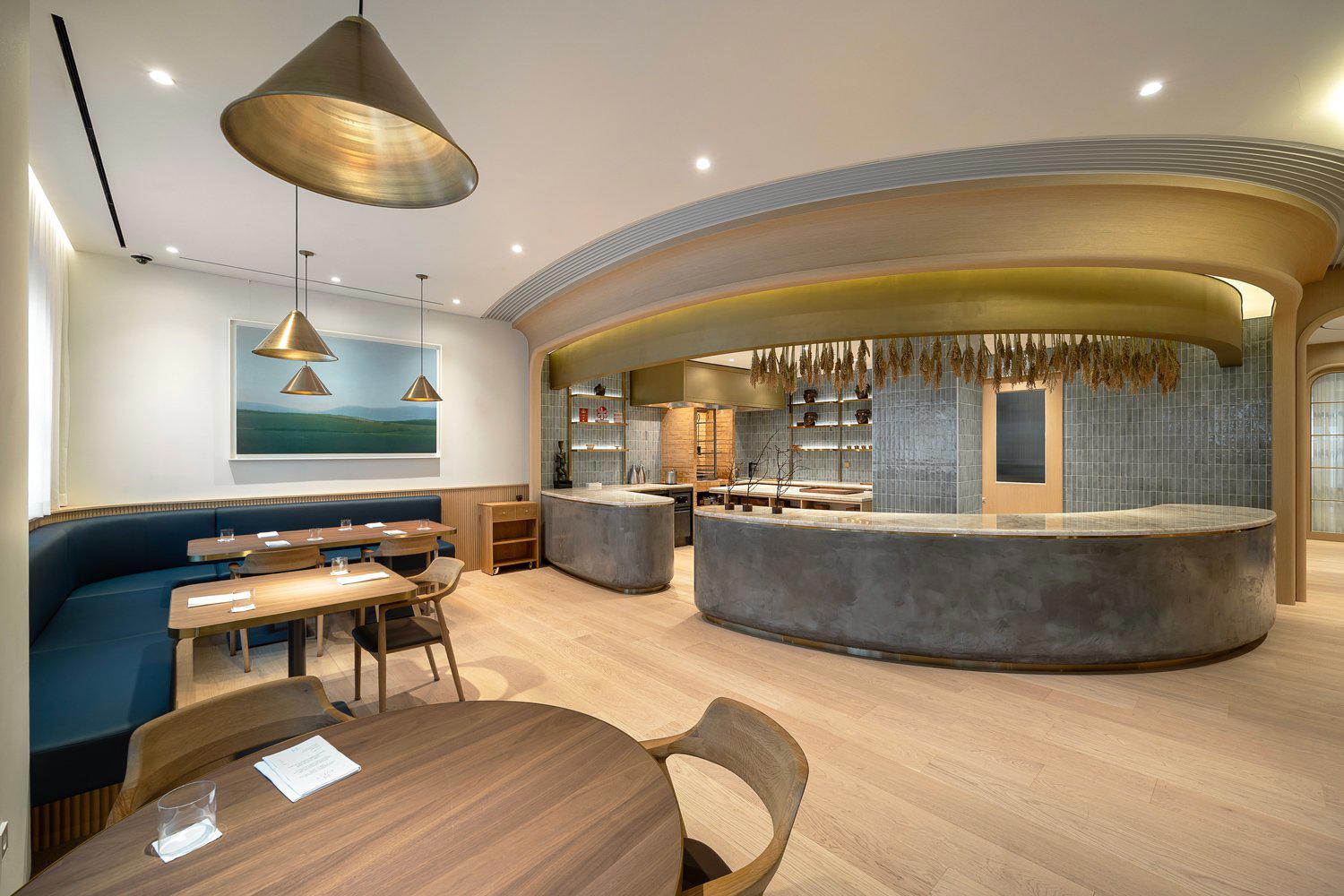
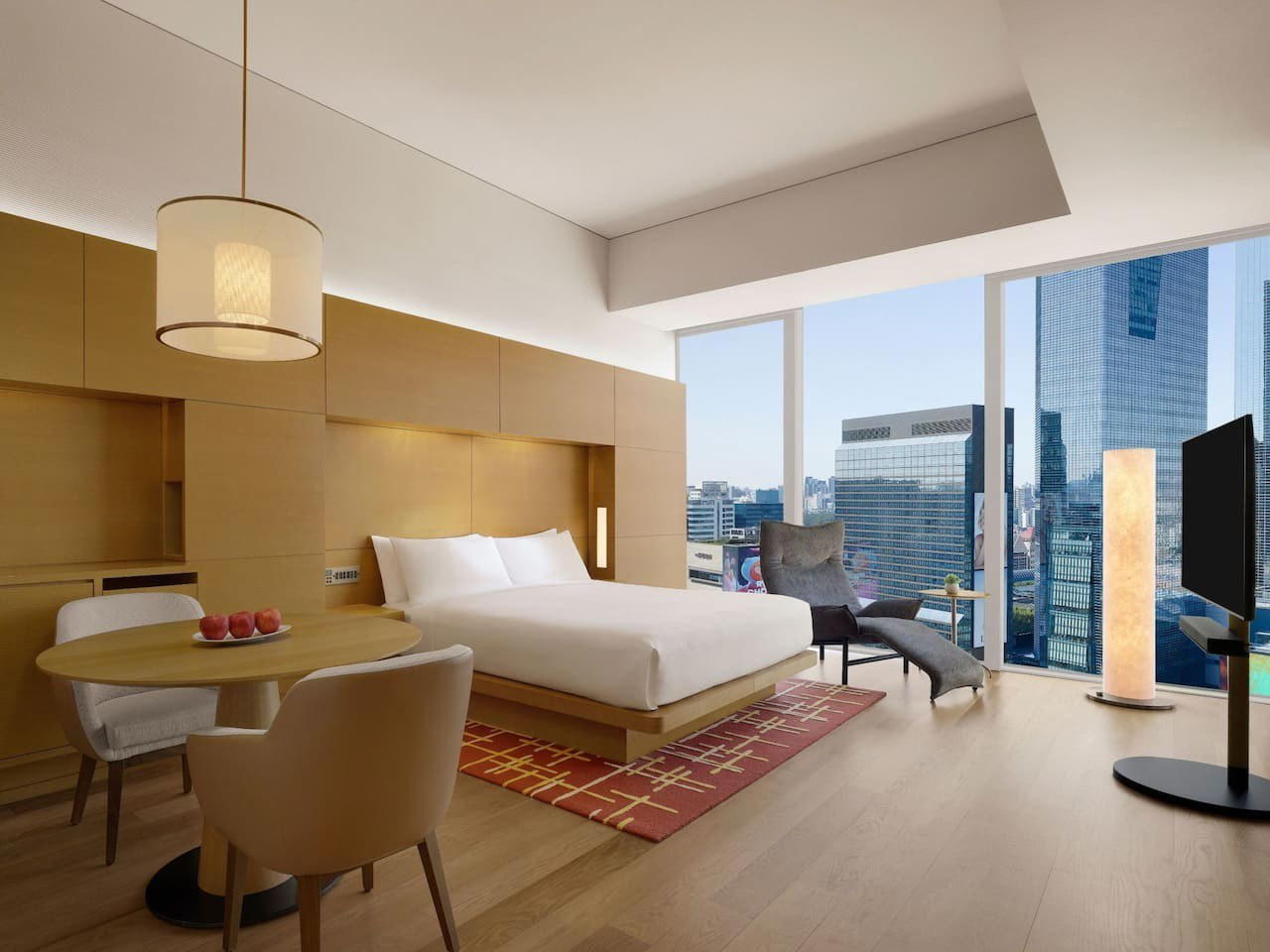
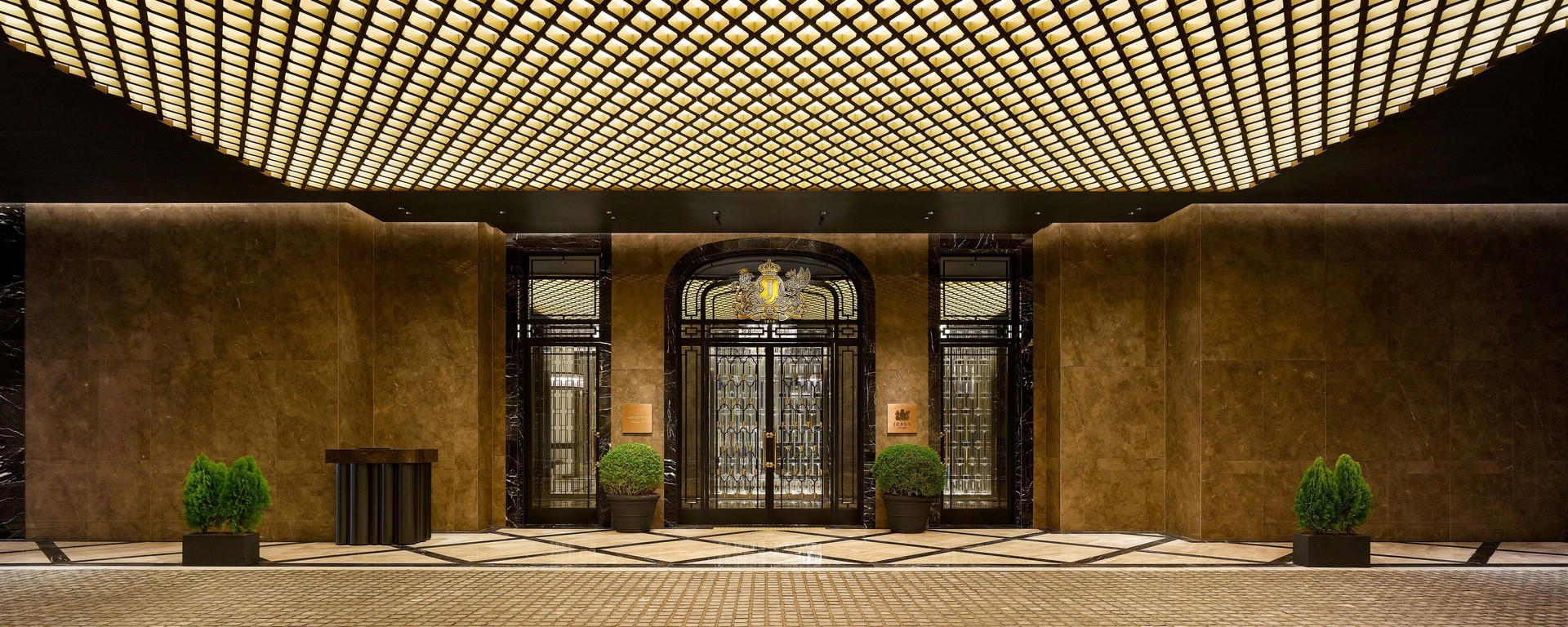
Chill and sophisticated sushi counter atmosphere focused on the artistry of sushi preparation.