Our verdict
In Ota, Gunma — a city better known for its automotive industry than its restaurant scene — コンヴィヴィアリテ イチノセ represents the kind of regional dining destination that rewards deliberate travel. The name itself signals an intent: convivialité, the French word for conviviality, placed in a context far removed from the urban fine-dining circuits of Tokyo or Osaka. For those tracing serious cooking beyond Japan's major cities, it belongs on the itinerary alongside our full Ota restaurants guide.

Pearl is the En Primeur Club membership app — saves, bookings, and concierge access live there. Same editors, same standards.
- Address
- 1321-1 Tadakaricho, Ota, Gunma 373-0011, Japan
- Phone
- +81276495784
- Hours
- Mon–Sat 12–3 PM, 6–10 PMSun Closed
- Website
- restaurant.ikyu.com
- Directions
- Get directions
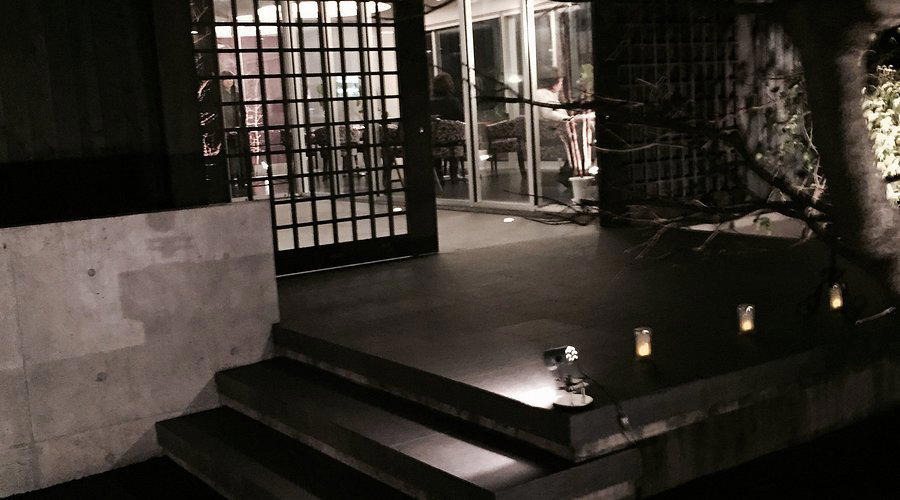
Gunma on the Plate: Why Regional Positioning Matters
Japan's most-discussed restaurants cluster predictably — Tokyo's omakase counters, Kyoto's kaiseki rooms, Osaka's innovation-led tables like HAJIME. The further you move from those gravitational centres, the more a restaurant's existence becomes an editorial argument in itself. Ota sits in Gunma Prefecture, roughly 80 kilometres northwest of Tokyo by rail, and its dining scene is shaped less by tourism than by the practical tastes of a working industrial city. Against that backdrop, a French-inflected name — コンヴィヴィアリテ イチノセ, at 1321-1 Tadakaricho, is a deliberate departure from the expected.
This is the pattern that defines serious regional cooking across Japan: chefs and operators who could pursue recognition in a major urban market instead choose to build something rooted, often sourcing from the prefecture's agricultural output rather than importing credibility from elsewhere. Gunma's geography supports this. The prefecture produces a significant share of Japan's konjac, cabbage, leeks, and shiitake mushrooms, and its cattle-raising tradition, centred on Joshu Wagyu, gives any kitchen oriented toward local sourcing genuine raw material to work with.
The Sourcing Argument in Gunma Cuisine
In the current conversation about where Japanese fine dining is heading, ingredient provenance has become a primary differentiator. This is not a trend confined to Tokyo. Across the country's secondary cities, from Fukuoka, where Goh has built recognition on Kyushu sourcing, to Nara, where akordu anchors its European framework in local produce, the strongest regional tables are the ones that treat geography as the menu's foundation rather than its footnote.
Gunma's position at the intersection of mountain and Kanto plain gives it an agricultural variety that urban restaurants frequently source from at a distance. A kitchen in Ota, operating within the prefecture, has proximity advantages that no Tokyo address can replicate, shorter supply chains, relationships with smaller producers, and seasonal alignment that reflects what the land actually offers rather than what the market will bear. The French conviviality signalled by コンヴィヴィアリテ イチノセ's name suggests a format that puts the table and its shared experience first, which in practice tends to foreground produce over technique as spectacle.
Compare this to the sourcing philosophies embedded in established Japanese fine dining: Gion Sasaki in Kyoto operates within a kaiseki tradition that is inseparable from the seasonal produce of the Kyoto basin; Harutaka in Tokyo builds its sushi counter around relationships with specific fish markets and tsukiji-adjacent suppliers. Regional restaurants that earn sustained attention do so by developing equivalent specificity within their own geography.
Format and Setting in an Industrial City
Arriving in Ota, the restaurant district context differs markedly from the polished neighbourhoods that frame Tokyo destinations or the historic streetscapes of Kyoto and Kanazawa. Industrial cities develop their dining culture organically, often producing venues with stronger craft conviction and lower theatrics than their urban counterparts. This is the environment in which places like Bistro Ange in Toyohashi and Birdland in Sakai have carved out positions, not through location prestige, but through a focused offer that rewards the effort of finding them.
The French vocabulary of コンヴィヴィアリテ, convivialité implies a table-centred warmth, a meal designed around collective ease rather than individual performance, points toward a dining room where atmosphere is generated by the people at the table rather than the design of the space. In smaller cities, this approach tends to produce a loyal local following before it attracts outside attention, which is the opposite trajectory of many urban openings that launch into visibility and then sustain it. The address in Tadakaricho places the restaurant in a residential-commercial zone typical of Gunma's secondary cities, neither tourist-adjacent nor deliberately obscure.
Regional Fine Dining at a Distance from the Circuits
The restaurants that EP Club tracks in Japan's non-metropolitan prefectures share a structural similarity: they operate outside the inspection circuits that concentrate Michelin coverage in Tokyo, Kyoto, and Osaka, which means recognition, when it comes, tends to arrive through word-of-mouth and the kind of deliberate travel that serious eaters document. 一本杉 川嶋 in Nanao, 湖邸岳乃 in Takashima, and 若鮎屋 in Nishikawa Machi all sit in this category, regionally significant, less visible to the international dining press, and often better for it.
For comparison, the most formally recognised tables in Japan, say Le Bernardin in New York or Atomix, which operates at the intersection of Korean and fine dining in Manhattan, carry accumulated institutional weight. Regional Japanese restaurants operate in a different register, where the legitimacy comes from the food and the room rather than from the trophy cabinet. That dynamic is not a deficit; for certain travellers, it is the point.
Planning a Visit to コンヴィヴィアリテ イチノセ
Ota is accessible from Tokyo via the Tobu Isesaki Line, with Ota Station serving as the main rail hub; journey time from Asakusa is approximately 75 minutes on limited express services. The restaurant's address at 1321-1 Tadakaricho is outside central walking distance from the station, so local taxi or rideshare is the practical option. Reservation details and current hours are best confirmed directly, as the venue's contact information is not listed through major online booking platforms at the time of writing. Visitors combining this with broader Gunma travel, the prefecture is also home to Kusatsu Onsen, one of Japan's highest-rated hot spring resorts, will find the itinerary logic direct. See our full Ota restaurants guide for wider context on the city's dining options.
Frequently asked questions
Is コンヴィヴィアリテ イチノセ okay with children?
The restaurant's address in Ota's Tadakaricho puts it in a quieter district removed from the casual family dining strips of central Gunma cities. Fine dining venues at this positioning in Japan typically operate at a pace and formality that suits adults, though the venue has not published an explicit children's policy. Contacting the restaurant directly before visiting with young children is advisable.
Is コンヴィヴィアリテ イチノセ formal or casual?
The French-derived name — convivialité translates roughly as 'conviviality' or 'togetherness' — suggests a tone that leans toward warmth over stiff formality, but the fine dining format in a regional Japanese context still implies a dress standard above everyday casual. Arriving smart is a reasonable baseline for any table-service restaurant operating at this level in Gunma.
Why is コンヴィヴィアリテ イチノセ located in Ota rather than a larger city like Maebashi or Takasaki?
Ota sits in the southeastern corner of Gunma, closer to the Tochigi and Saitama borders than to the prefecture's administrative centre, making it an unconventional base for a fine dining operation. Restaurants that plant themselves in industrial cities like Ota rather than Gunma's more visited hubs tend to reflect a deliberate commitment to a local clientele and regional sourcing networks rather than destination-driven foot traffic. The address at 1321-1 Tadakaricho places the restaurant within a working district, reinforcing that positioning.
What's the signature dish at コンヴィヴィアリテ イチノセ?
Gunma's culinary identity draws heavily on its agricultural output — including konnyaku, wheat-based products, and mountain vegetables — so regional sourcing likely shapes the menu direction. For current dish details, reaching the restaurant directly or checking a recent local review is the most reliable approach.
What part of town is コンヴィヴィアリテ イチノセ in?
コンヴィヴィアリテ イチノセ is located at 1321-1 Tadakaricho, Ota, Gunma 373-0011, Japan, Ota.
Do they take walk-ins at コンヴィヴィアリテ イチノセ?
No booking policy is publicly documented for コンヴィヴィアリテ イチノセ. Restaurants operating at the fine dining tier in Ota — a city without the high walk-in foot traffic of Tokyo or Osaka — often require advance reservations given limited seating. Making contact before travelling from Tokyo, approximately 75 minutes via the Tobu Isesaki Line from Asakusa, is the practical minimum.
How It Stacks Up
Comparable venues nearby, for context on price, style, and recognition.
| Venue | Cuisine | Price | Awards | Notes |
|---|---|---|---|---|
| コンヴィヴィアリテ イチノセThis venue — the venue you are viewing | Modern French Fine Dining | $100–150 | Not listed | Not listed |
| Asperges (アスペルジュ) | Biei Vegetable French | Not listed | Not listed | 美瑛町 |
| ランタンポレル | Modern French | $50–100 | Not listed | Minato |
| 青山ブション アミュゼ | French Bistro with Italian influences | $50–100 | Not listed | Minato |
| レザンファン ギャテ | Modern French Terrine Specialist | $100–150 | Tabelog 100 #54 | Shibuya |
| カラペティバトゥバ! | Modern French Bistro with Spanish, Italian & Indian Influences | $100–150 | Not listed | Minato |
Continue exploring
More in Ota
Restaurants in Ota
Browse all →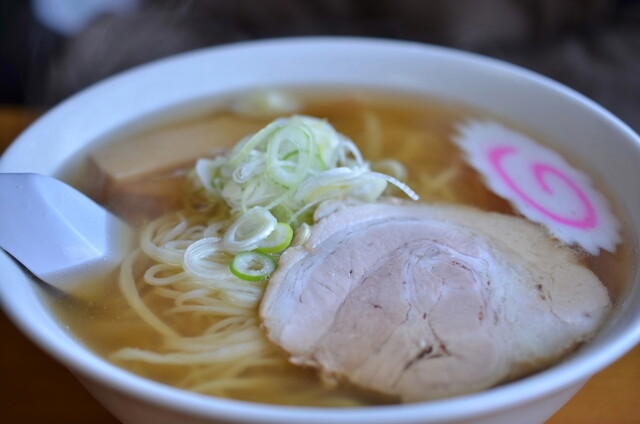
Hotels in Ota
Browse all →
Wineries in Ota
Browse all →
Details
- Elegant
- Sophisticated
- Cozy
- Intimate
- Date Night
- Special Occasion
- Private Dining
- Sake Program
- A La Carte
- Wine
Current opening hours
- Monday
- 12–3 PM, 6–10 PM
- Tuesday
- 12–3 PM, 6–10 PM
- Wednesday
- 12–3 PM, 6–10 PM
- Thursday
- 12–3 PM, 6–10 PM
- Friday
- 12–3 PM, 6–10 PM
- Saturday
- 12–3 PM, 6–10 PM
- Sunday
- Closed
Hours can change for holidays and private events. Last verified .
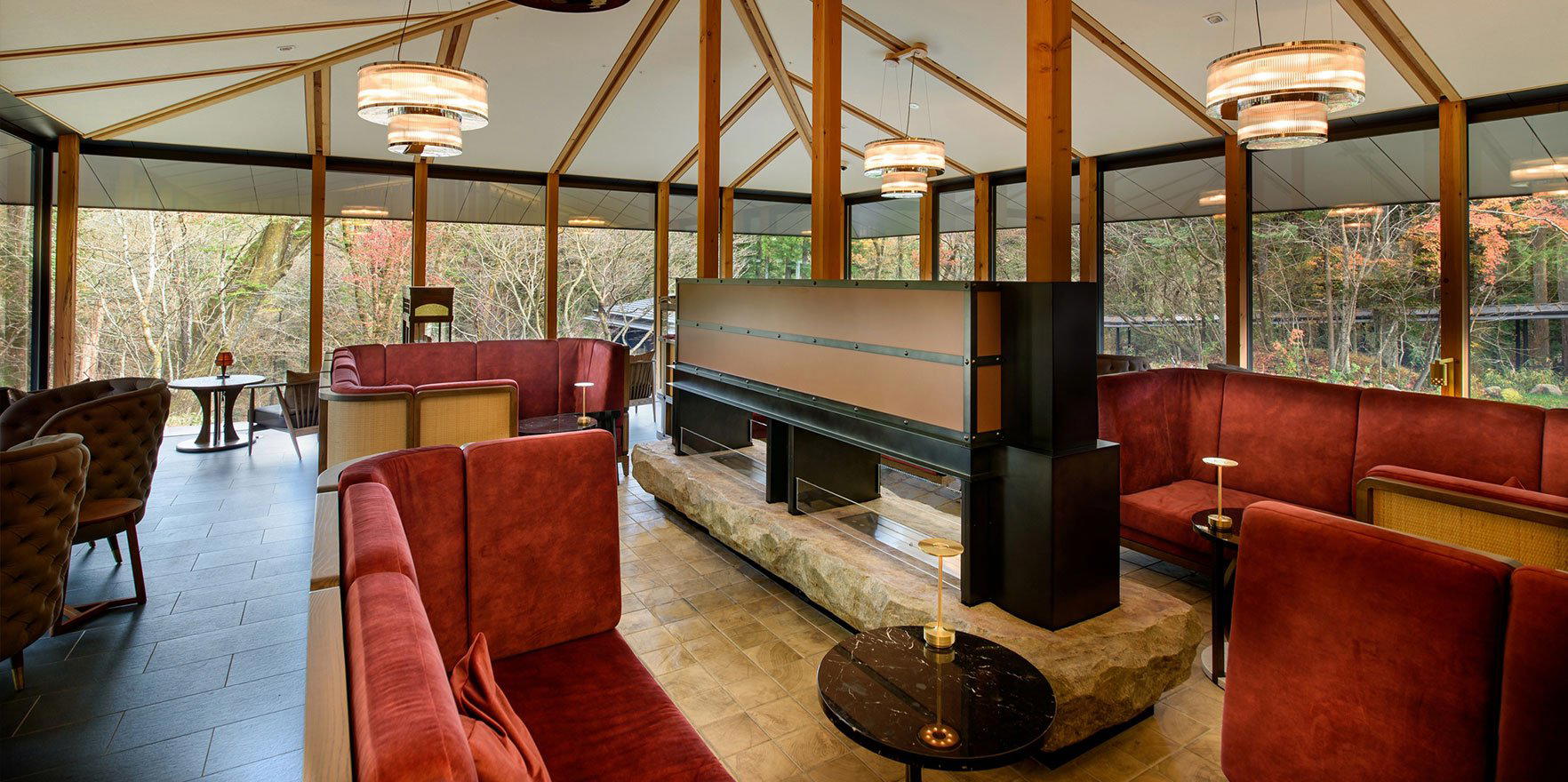
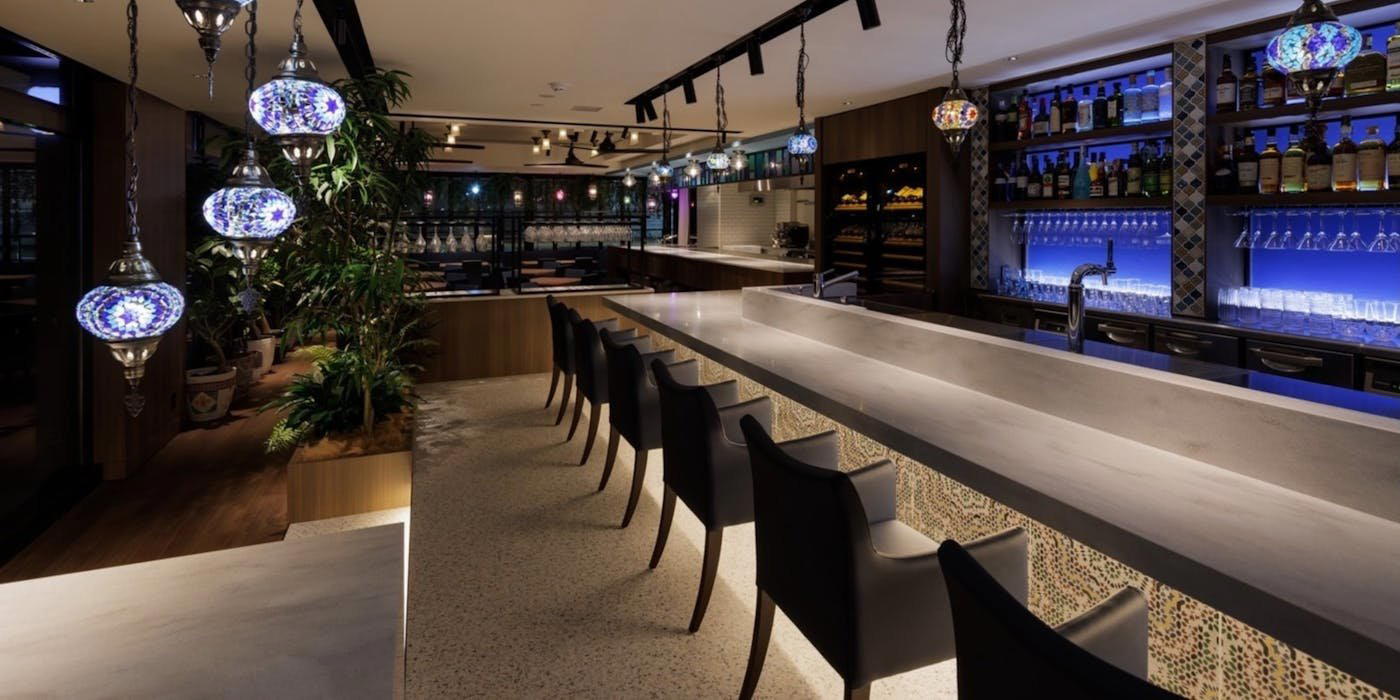
Monochrome-based stylish interior with a relaxing, healing atmosphere.