
Tabelog Silver #83
Our verdict
Mokkosu places Takasaki in Japan’s serious tempura conversation rather than treating the city as a stop between Tokyo and hot-spring country. The draw is a compact, reservation-only tempura format with seven counter seats, Tabelog Award Silver recognition in 2026, and a sourcing-led idiom built around fish, sesame oil, sake, shochu and wine.

Pearl is the En Primeur Club membership app — saves, bookings, and concierge access live there. Same editors, same standards.
- Address
- 426-7 Nakaoruimachi, Takasaki, Gunma 370-0033, Japan
- Phone
- +81 27-395-8807
- Hours
- Mon–Tue 6:30–10 p.m.Wed ClosedThu–Sat 6:30–10 p.m.Sun 5:30–10 p.m.
- Website
- tempuramokkosu.com
- Directions
- Get directions
The menu
What to order
- Freshly fried tempura
- Sea urchin tempura
Approach matters in Japanese tempura: a small room, a short counter, the hush that comes before oil and batter start doing their work. In Takasaki, where much of the dining conversation usually turns toward soba, ramen, beef and casual regional cooking, Mokkosu shifts the register. The room is built around seven counter seats and a special room, a scale that puts the cooking within close range rather than turning dinner into theatre for a crowd.
That scale also explains why the restaurant belongs in a different category from much of Takasaki’s everyday dining. Local comparison points such as Sumibi Yakiniku Ichiba Jejuya Honten and Yakiniku Sumikou sit in the JPY 6,000 to JPY 7,999 dinner bracket, while The Good Bear Burger and Teuchi Soba Maizuru occupy a lower spend band. Mokkosu sits higher, with dinner listed at JPY 20,000 to JPY 29,999 and review-based spend reaching JPY 40,000 to JPY 49,999. In practical terms, this is not a casual add-on to a Takasaki night out; it is the meal around which the evening is built.
Tempura as sourcing discipline, not batter technique alone
Tempura at this level is often misread as a question of lightness. The better way to read it is as a sourcing discipline: fish quality, vegetable seasonality, oil management and serving rhythm all have to line up. Mokkosu’s public description points to freshly fried tempura made with 100 percent Taihaku sesame oil, with an emphasis on ingredient flavor. That matters because Taihaku, a pale sesame oil, is used in serious tempura houses for its clean profile; it lets the ingredient lead rather than pushing toasted sesame character into every bite.
The ingredient cue is reinforced by the restaurant’s own category markers: tempura and Japanese cuisine, with a stated focus on fish. That places the cooking within the counter-tempura lineage where seafood timing is as important as batter control. The point is not excess variety. The point is sequence: ingredients handled one by one, served while temperature and texture are still doing useful work.
Takasaki is not Tokyo’s Ginza or Nihonbashi, where counter tempura competes inside a dense luxury cluster. Its advantage is different. A small house restaurant in Gunma can feel more destination-specific because the decision to go there is deliberate. The restaurant’s recognition sharpens that point: Tabelog Award Silver in 2026, Bronze in 2023, 2024 and 2025, plus selection for Tabelog Tempura 100 in 2022, 2023 and 2025. Those signals put it in a national conversation for tempura rather than a purely local one.
A counter format that changes the meaning of a regional dinner
The counter is the critical format here. Seven seats create a narrow margin for timing, pacing and guest flow, which is exactly why tempura benefits from it. Unlike sushi, where the craft is often framed around rice temperature and knife work, tempura depends on the immediate afterlife of frying. A larger room dilutes that immediacy. A compact counter preserves it.
The special room and private-room option complicate the usual counter-only assumption. Private rooms in Japanese dining often serve group needs, family meals or business privacy, but tempura is strongest when the distance between fryer and guest remains short. For diners choosing between formats, the counter is the more revealing version of the restaurant’s argument. The special room is useful for privacy; the counter better explains why the place has earned national tempura recognition.
Drinks direction also reads classically Japanese rather than global-luxury by default: sake, shochu and wine are all listed, with particular attention to sake and shochu. That combination suits tempura’s structure. Sake can follow fish and vegetables without overpowering them; shochu gives a drier, leaner route through oil; wine brings acidity and texture when the pairing is handled with restraint. The list details are not published here, so the meaningful point is the beverage grammar rather than a named bottle.
How to place Mokkosu inside Takasaki's dining map
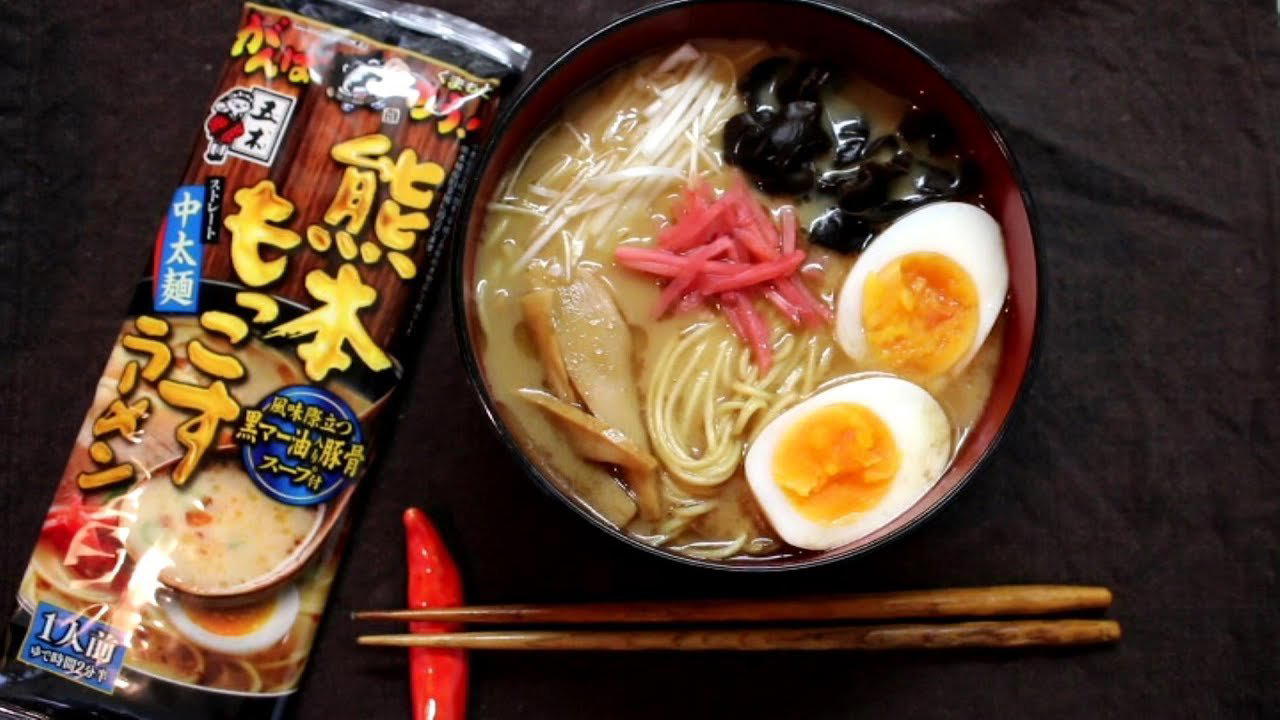
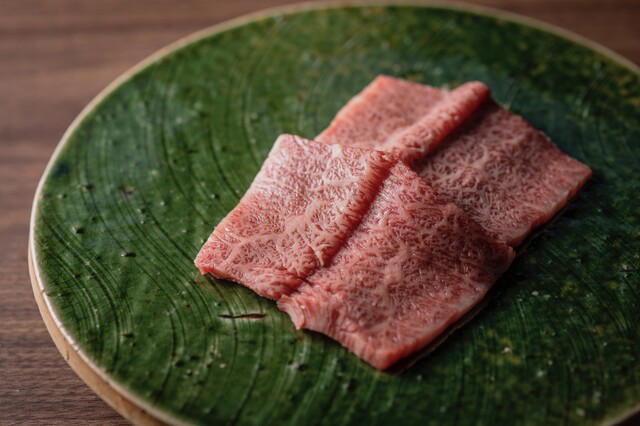
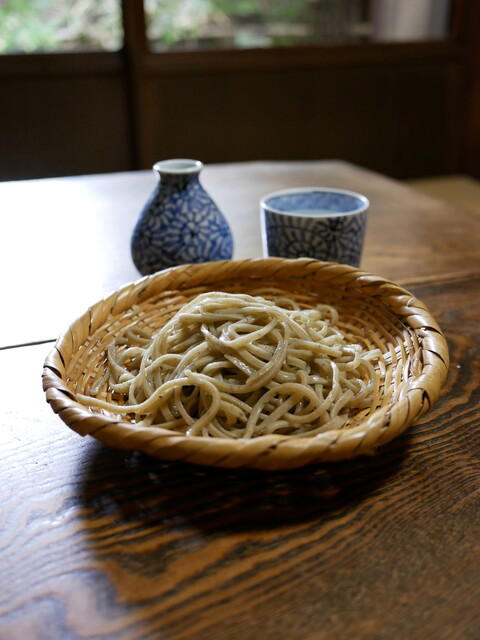
Takasaki’s food identity is wider than a single prestige counter. Ramen remains a local habit, and restaurants such as Chuka Soba Narugami Shokudo and Jikaseimen Kuromatsu help explain the city’s noodle culture. Soba has its own lane, with Bommi Sobakiri giving another expression of grain, water and handwork. Meat-led meals occupy a separate social register, from Beef Laboratory to BRAZIL GRILL. Against that spread, Mokkosu is the precision option: smaller, pricier, slower to treat casually.
For a broader city read, use Our full Takasaki restaurants guide alongside Our full Takasaki hotels guide, Our full Takasaki bars guide, Our full Takasaki wineries guide and Our full Takasaki experiences guide. The useful planning move is to treat the restaurant as the anchor for a Gunma evening rather than as a convenient side trip between other stops.
Japan’s broader dining field shows how specialized regional rooms can carry as much editorial weight as urban dining rooms when the format is disciplined. For contrast across categories, compare it with -Grilled beef Sukiyaki- KAMAKURA TANUKIAN 鎌倉 たぬき庵 in Kamakura. 鮪と炭火焼き うお炭 秋葉原店 in Tokyo.cafe in Osaka.know in Kumamoto, (Shoku) Vietnam in Kawasaki and [Curry Senmon Ten] Maruyama Kyoju. in Sapporo. Outside Japan, Jōdo Saké Bar in Los Angeles and Onigiri Time in Pasadena show how Japanese formats translate abroad, but Mokkosu’s argument is more specific: a small Gunma counter using tempura to make origin, oil and timing visible.
The editorial case is clear. Takasaki has plenty of meals that explain local appetite; Mokkosu explains how a regional city can support a nationally recognized specialist. The Silver award gives the restaurant credibility, but the stronger reason to care is the format: fish-led tempura, pale sesame oil, minimal seating and a price band that separates it from casual local dining. For travelers already crossing Gunma, it is the kind of reservation that changes the hierarchy of the itinerary.
Frequently asked questions
Is Mokkosu a family-friendly restaurant?
Yes. the public record lists children as welcome, and the restaurant is marked as suitable for family occasions. It also has a private room for up to 5 people, which makes a dinner at 426-7 Nakaoruimachi easier to manage with a small group. Check the venue's official channels for the latest details.
What kind of setting is Mokkosu?
Mokkosu is a reservation-only house restaurant with 7 seats, including a counter and a special room. The setting is deliberately tight, with a tatami room, non-smoking policy, and parking on site. That format suits a tempura meal where pace and seating matter as much as the food.
What time does Mokkosu open and close?
Hours at Mokkosu: Mon, Tue, Thu, Fri, Sat, Sun 17:30 - 22:30.
What part of town is Mokkosu in?
Mokkosu is located in Takasaki.
What's the defining dish or idea at Mokkosu?
Tempura is the point here, and the Tabelog records frame it around freshly fried pieces made with 100% Taihaku sesame oil. The restaurant is also recognised as a Tabelog Award 2026 Silver winner and was selected for Tabelog Tempura "Tabelog 100" in 2025, 2023, and 2022. Expect the menu to be built around fish and ingredient-led cooking rather than elaborate flourishes.
How It Stacks Up
Comparable venues by cuisine and price in the same metro.
| Venue | Cuisine | Price | Awards | Notes |
|---|---|---|---|---|
| MokkosuThis venue — the venue you are viewing | Premium Tempura | $300–500 | Tabelog Silver #83 | Not listed |
| Beef Laboratory | High-end Wagyu Yakiniku | $50–100 | Tabelog 100 #15 | Iizuka-cho |
| ファン・ダルクオーレ | Chinese-Italian Fusion Fine Dining | $100–150 | Tabelog 100 #29 | Minami Takasaki |
| Teuchi Soba Maizuru | Handmade soba & izakaya | $30–50 | Tabelog 100 #56 | Takasaki |
| Sumibi Yakiniku Ichiba Jejuya Honten | Charcoal-grilled Yakiniku & Donburi | $50–100 | Tabelog 100 #18 | Takasaki |
| Mikumano | Japanese Teppanyaki & Kaiseki | $150–200 | Not listed | Yanagawacho |
Recognition history
Dated appearances from independent guides and award organizations, with the underlying list record or original source where available.
Tabelog Silver #83
Tabelog
Full recognition history (3 entries)
Tabelog Bronze
Tabelog
Tabelog 100 #45 · No. 45
Tabelog · Tabelog 100 - Tempura - 2025
Continue exploring
More in Takasaki
Restaurants in Takasaki
Browse all →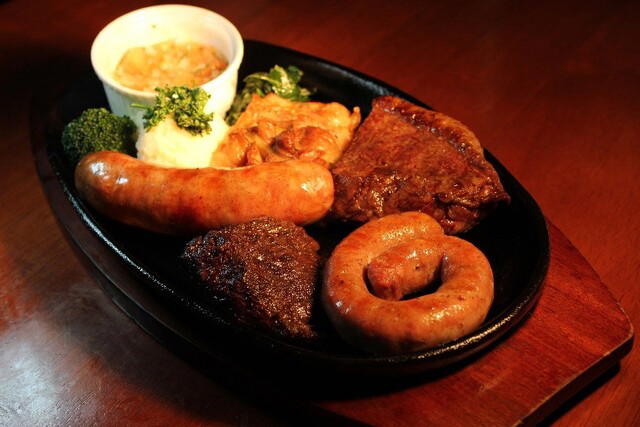
Hotels in Takasaki
Browse all →
Wineries in Takasaki
Browse all →
Details
- Elegant
- Intimate
- Sophisticated
- Special Occasion
- Celebration
- Date Night
- Chefs Counter
- Open Kitchen
- Private Dining
- Sake Program
- Local Sourcing
- Sustainable Seafood
- Counter Dining
- Set Menu
- Omakase
- Sake
- Shochu
- Wine
- Allergy Accommodating
Current opening hours
- Monday
- 6:30–10 p.m.
- Tuesday
- 6:30–10 p.m.
- Wednesday
- Closed
- Thursday
- 6:30–10 p.m.
- Friday
- 6:30–10 p.m.
- Saturday
- 6:30–10 p.m.
- Sunday
- 5:30–10 p.m.
Hours can change for holidays and private events. Last verified .
Simple, refined counter-focused space with tatami room option; relaxing atmosphere emphasizing ingredient-focused craftsmanship.