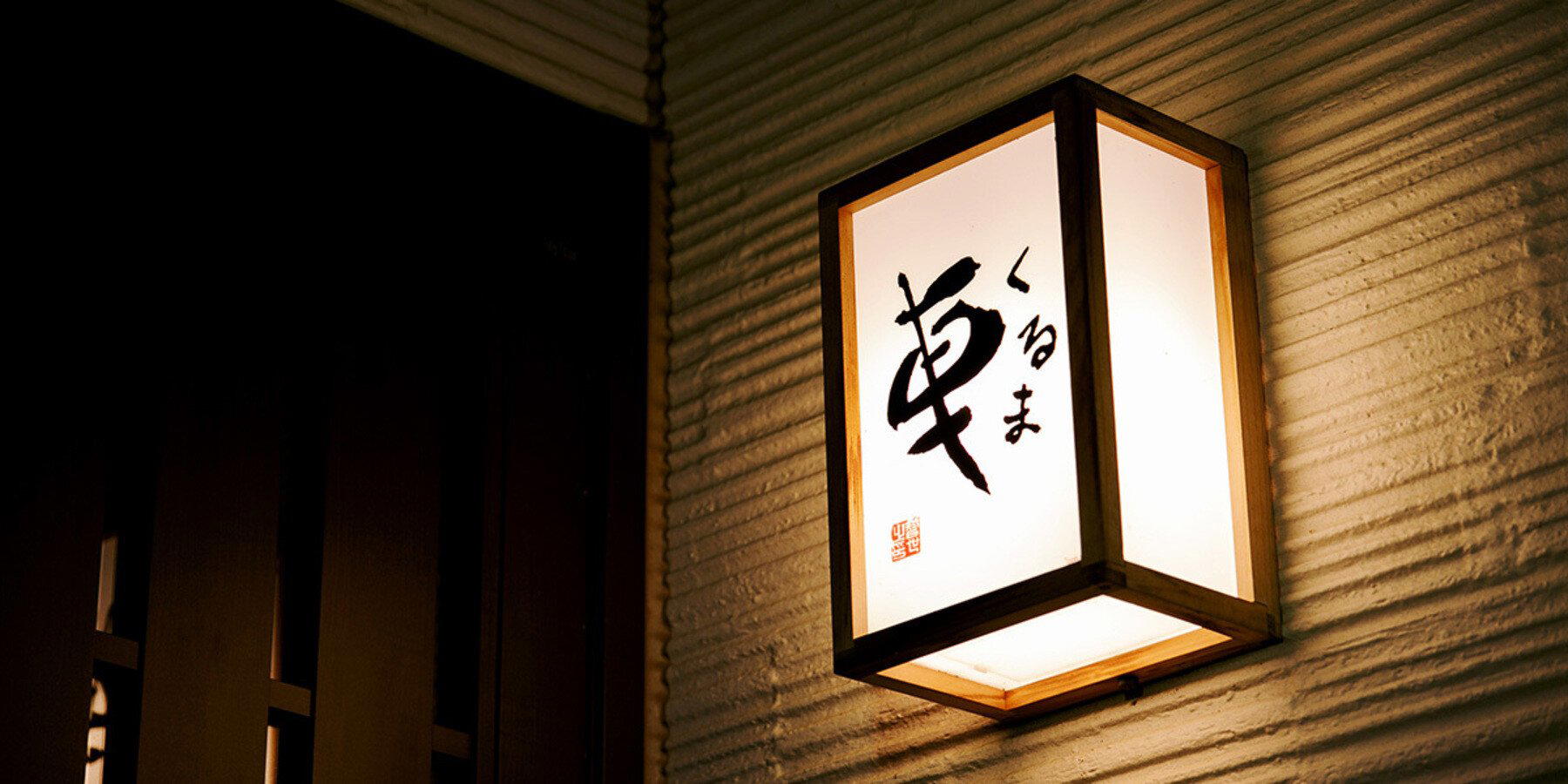
Kuruma

Tabelog Bronze #214
Our verdict
Kuruma puts Tatebayashi into Japan’s serious tempura conversation: a 12-seat, reservation-only counter and private-room format with Tabelog Award Bronze recognition in 2025 and 2026. The draw is not urban spectacle but ingredient-led tempura in Gunma, with budgets that place it closer to destination dining than casual local eating.

Pearl is the En Primeur Club membership app, where members save venues, book tables and use the concierge.
The menu
What to order
- Live Shrimp Tempura
- Anago Tempura
- Seasonal Vegetable Tempura
Approaching a house restaurant in the rice-field belt of Tatebayashi changes the frame for tempura. The usual big-city cues are absent: no hotel lobby, no Ginza corridor, no parade of restaurant signs. That matters, because tempura at this level is often judged by proximity to metropolitan prestige, while Gunma asks a different question: can a rural setting sharpen the focus on produce, fish, oil, timing and restraint?
Kuruma answers from inside a small-format room: 12 seats in total, including an eight-seat counter and one private room for six to eight. The category is tempura, but the deeper story is sourcing discipline. Japan’s serious tempura counters succeed when the batter functions less as coating than as a brief argument for season, temperature and ingredient condition. A listing that emphasizes fish, sake, shochu and wine places the meal in that ingredient-first register rather than in the broader, mixed-menu washoku lane.
Gunma tempura with destination-level signals
Tatebayashi is not a default stop for luxury dining itineraries in Japan, which is precisely why the recognition carries weight. The restaurant has Tabelog Award Bronze recognition for 2025 and 2026, and it was selected for Tabelog Tempura 100 in 2022, 2023 and 2025. Those signals put it in a national conversation around specialist tempura rather than only a local Gunma one.
The pricing reinforces that position. Published budgets sit at JPY 10,000–14,999 for lunch and JPY 15,000–19,999 for dinner, with review-based spending shown higher at dinner. In Tatebayashi, that separates the counter from everyday eating and puts it nearer to a planned dining trip. Compare the city’s range: Fuku Yoshi occupies a far more casual price band, while Sushi Megumi sits in a similar spend range but belongs to a different craft tradition. Sushi Obana gives Tatebayashi another sushi reference point. Kuruma’s relevance is that tempura, not sushi, carries the destination argument here.
That distinction matters. Sushi counters often foreground fish provenance, rice temperature and aging. Tempura shifts the drama to frying sequence, moisture control and how ingredients behave under heat. In a region with agricultural surroundings, the rural setting is not decorative; it supports the restaurant’s editorial identity as an ingredient-led tempura counter outside the usual urban axis.
A small counter where procurement shapes the meal
The reservation policy reveals more about the format than a long manifesto would. The restaurant operates by reservation, with weekend bookings requested two days in advance because of procurement. That is a practical note, but it also explains the cooking style: tempura at this level depends on controlled purchasing rather than large inventory. The kitchen is not built for walk-in volume; it is built around a limited number of guests and a planned sequence.
The room’s structure also changes how to read the experience. Eight counter seats suit diners who want to watch the craft unfold, while the private room makes the address less rigid than many specialist counters. Family use is explicitly supported, including babies, preschoolers and school-age children, which is unusual enough in premium Japanese counter dining to affect the decision. The house also allows BYO drinks, while listing sake, shochu and wine as in-house options, so the drinks program appears flexible rather than ceremonial.
Service rules are crisp. The restaurant is non-smoking inside, credit cards are accepted, electronic money and QR payments are not, and the service charge is included in the meal price. Dress guidance is casual within common sense, with a clear request to avoid strong perfume. For tempura, that last point is not etiquette theater. Fragrance interferes with the quiet details of oil, steam and ingredient aroma, and serious counters tend to treat scent as part of the room’s discipline.
How to place it in a Tatebayashi itinerary
Strongest case for eating here is not convenience. It is the chance to see how a specialist Japanese format behaves away from the prestige circuits of Tokyo, Kyoto and Osaka. Tatebayashi’s dining map is compact but varied enough to reward comparison: tempura here, sushi elsewhere, and casual local meals at a different spend. For a wider look at the city, use our full Tatebayashi restaurants guide, then build the rest of the trip around our full Tatebayashi hotels guide, our full Tatebayashi bars guide, our full Tatebayashi wineries guide and our full Tatebayashi experiences guide.
Readers mapping Japan through specialist dining rather than city checklists can also use the contrast between regional formats: beef sukiyaki at -Grilled beef Sukiyaki- KAMAKURA TANUKIAN 鎌倉 たぬき庵 in Kamakura, tuna and charcoal cooking at. 鮪と炭火焼き うお炭 秋葉原店 in Tokyo, café culture at.cafe in Osaka, contemporary dining at.know in Kumamoto, Vietnamese cooking at (Shoku) Vietnam in Kawasaki, curry specialization at [Curry Senmon Ten] Maruyama Kyoju. in Sapporo, Kyoto minimalism at [ki:] in Kyoto, beef-focused dining at #肉といえば松田 奈良本店 in Kashihara, sake-bar context at Jōdo Saké Bar in Los Angeles and Japanese casual form at Onigiri Time in Pasadena.
The editorial read is clear: this is a small, procurement-sensitive tempura address with national recognition, a rural Gunma setting and enough practical structure to make the meal manageable for more than counter purists. For travelers who already understand why tempura is a discipline rather than a side category, Kuruma gives Tatebayashi a serious reason to enter the route.
Frequently asked questions
Is Kuruma good for families?
Yes. Kuruma in Tatebayashi welcomes children, including babies, and it has private rooms for 2 to 8 guests plus 12 total seats. That setup makes it workable for family dinners without giving up the counter format.
What's the vibe at Kuruma?
The room is compact, with 8 counter seats, a private room, tatami seating, and parking on site. Tabelog lists it as a stylish, relaxing space in a house restaurant setting in Tatebayashi, Gunma.
What are the opening hours for Kuruma?
Hours at Kuruma: Mon, Tue, Fri, Sat, Sun 11:30 - 14:00 17:30 - 22:00.
Where exactly is Kuruma?
Kuruma is located in Tatebayashi.
What do critics highlight about Kuruma?
The clearest trust signals are the Tabelog Bronze Award for 2025 and 2026, plus selection in Tabelog Tempura 100 in 2022, 2023, and 2025. Critics also point to the reservation-only format, the 12-seat scale, and the fact that service charge is included in the meal price.
Comparable venues nearby, for context on price, style, and recognition.
| Venue | Cuisine | Price | Awards | Notes |
|---|---|---|---|---|
| KurumaThis venue (the venue you are viewing) | Modern Japanese Tempura | $150–200 | Tabelog Bronze #214 | Not listed |
| Sushi Megumi | High-End Sushi Omakase | $100–150 | Tabelog 100 #22 | Tatebayashi |
| Sushi Obana | Premium Edomae Omakase | $300–500 | Not listed | Tatebayashi |
| Fuku Yoshi | Tonkatsu / Japanese Comfort Food | $10–20 | Tabelog 100 #93 | Tatebayashi |
| Shunsuke | Edomae Sushi Omakase | $200–300 | Tabelog Silver #125 | Suginami |
| Sushi Inomata (鮨 猪股) | Edomae-style Omakase Sushi | $300–500 | Not listed | 幸町 |
Recognition history
Dated appearances from independent guides and award organizations, with the underlying list record or original source where available.
Tabelog Bronze #214
Tabelog
Full recognition history (3 entries)
Tabelog Bronze
Tabelog
Tabelog 100 #35 · No. 35
Tabelog · Tabelog 100 - Tempura - 2025
Continue exploring
More in Tatebayashi
Restaurants in Tatebayashi
All restaurants in Tatebayashi →
Bars in Tatebayashi
Browse all →
Wineries in Tatebayashi
Browse all →
Details
- Intimate
- Quiet
- Elegant
- Minimalist
- Special Occasion
- Solo
- Chefs Counter
- Open Kitchen
- Byob
- Local Sourcing
- Counter Dining
- Tasting Menu
- Sake
- Wine
Current opening hours
- Monday
- 11:30 AM–2 PM, 5:30–10 PM
- Tuesday
- 11:30 AM–2 PM, 5:30–10 PM
- Wednesday
- Closed
- Thursday
- 5:30–10 PM
- Friday
- 11:30 AM–2 PM, 5:30–10 PM
- Saturday
- 11:30 AM–2 PM, 5:30–10 PM
- Sunday
- 11:30 AM–2 PM, 5:30–10 PM
Hours can change for holidays and private events. Hours as of .
Restrained and purposeful interior with warm wood surfaces and focused task lighting that emphasizes food over décor; intimate counter setting places diners within arm's reach of the open fryer and plating area, creating direct sight lines to the chef's technique.