別邸仙寿庵 is a ryokan-style property in Minakami, Gunma Prefecture, positioned where the Tanigawa valley narrows toward the mountains. The property sits within Japan's premium hot-spring inn tier, where kaiseki dining, private onsen access, and deliberate seclusion define the offering. It draws travellers seeking the structured calm of a traditional Japanese retreat at a serious remove from urban density.

Pearl is the En Primeur Club membership app — saves, bookings, and concierge access live there. Same editors, same standards.
- Address
- 谷川614, みなかみ町, 群馬県, 379-1619
- Directions
- Get directions
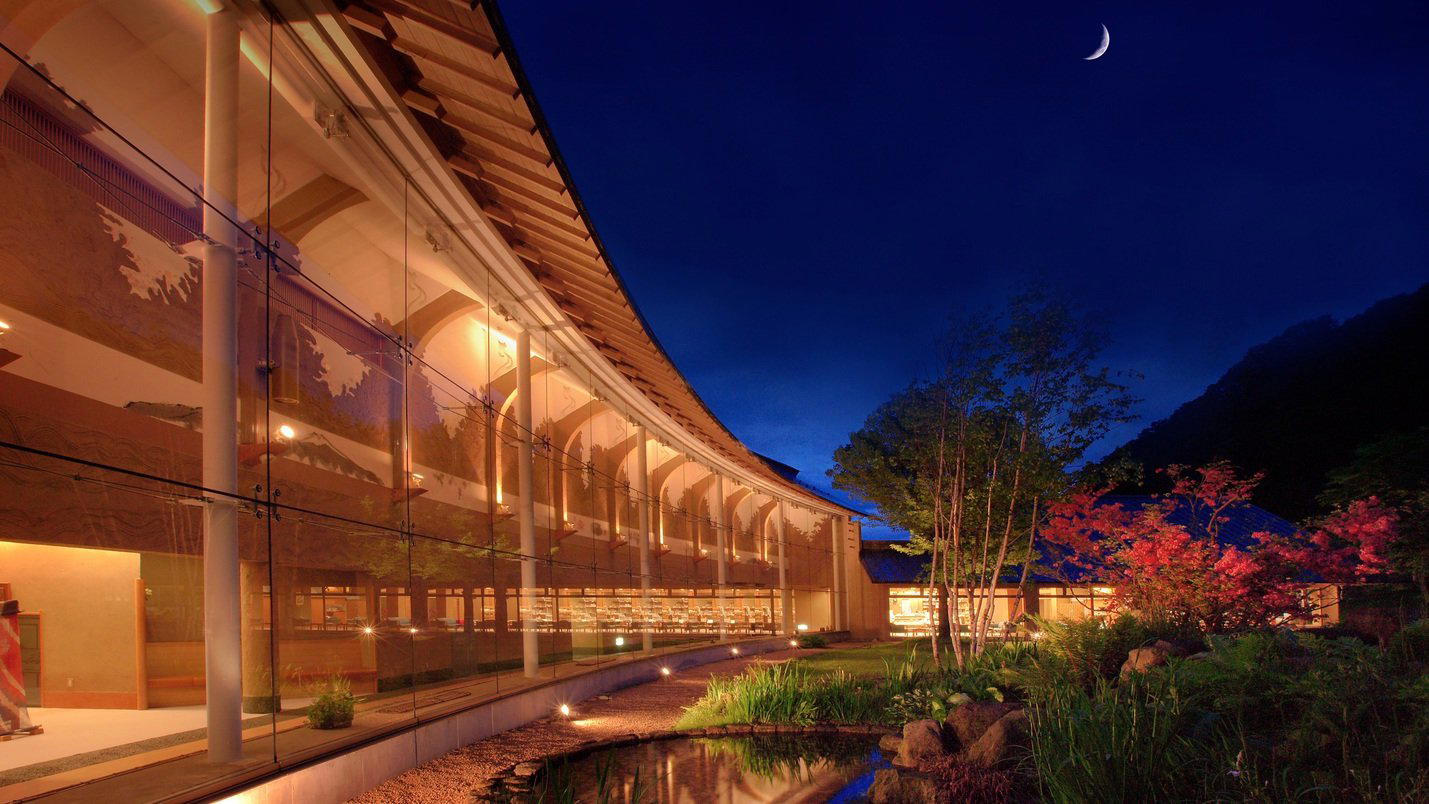
Where the Tanigawa Valley Sets the Register
Approaching Minakami from Tokyo, the Shinkansen deposits you at Jomo-Kogen and the mountains begin to assert themselves almost immediately. By the time the road narrows toward Tanigawa, the air has changed. This is the physical context for Bettei Senjuan — a property whose address in the Tanigawa district of Minakami-machi, Gunma Prefecture, places it inside one of Japan's most storied onsen corridors. The setting is not incidental. At this tier of Japanese hospitality, the landscape does structural work: it frames the silence, justifies the seclusion, and provides the thermal water that anchors the entire stay format.
Minakami sits roughly two hours north of Tokyo by rail and road, making it close enough for a two-night escape from the capital but sufficiently removed that the rhythm of the city does not follow. For travellers calibrating their itinerary, that proximity places Minakami in direct conversation with better-known onsen destinations. Gora Kadan in Hakone and Asaba in Izu serve a similar Tokyo-adjacent function, but Minakami's Tanigawa geography — more rugged, less trafficked by domestic day-trippers, tends to attract guests who prioritise altitude and quiet over resort infrastructure.
The Ryokan Dining Format: What Kaiseki Means at This Level
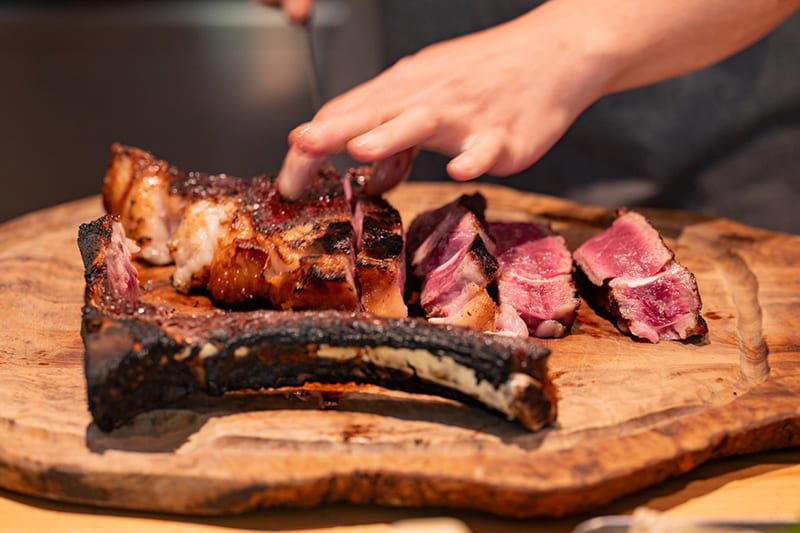
In premium ryokan of this category, the dining programme is not a separate decision from the room booking, it is the same decision. Guests commit to a full-board or near-full-board format that structures the day around two set meals: a multi-course kaiseki dinner and a morning spread that mirrors the evening's discipline with different ingredients. This format, standard across Japan's upper-tier ryokan, places the kitchen at the centre of the hospitality proposition in a way that few Western hotel formats replicate.
Kaiseki at this level follows a seasonal logic that is genuinely non-negotiable. The menu shifts not just by season but by micro-season, tracking the availability of specific river fish, mountain vegetables, and aged ferments that define Gunma's larder. A property in the Tanigawa valley has access to freshwater sources and upland forage that distinguish its table from coastal ryokan further south. This is the structural advantage of mountain kaiseki: ingredients carry altitude and cold-water provenance that coastal equivalents cannot reproduce.
For travellers comparing this format with the dining programmes at properties like Araya Totoan in Kaga or Nishimuraya Honkan in Kinosaki, the key variable is regional identity. Kaga and Kinosaki draw on Sea of Japan seafood traditions; Minakami's cuisine is oriented toward the mountains and rivers of Gunma. Neither is lesser, they are simply cooking from different geographies.
Onsen and the Architecture of Stillness
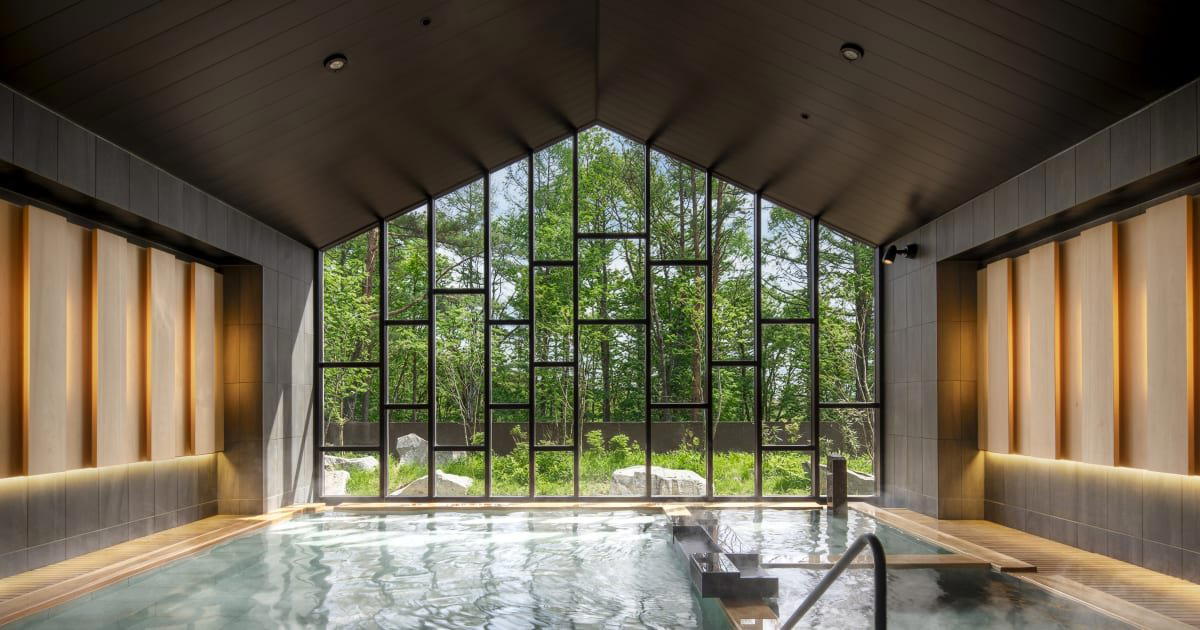
Japan's top-tier ryokan have moved steadily toward private bathing configurations over the past two decades. The logic is direct: guests paying at the upper end of the market prefer exclusive access to thermal water, and properties with the land to accommodate private rotenburo (outdoor baths) have used that as a primary differentiator. The Tanigawa valley provides the geological conditions, and the spatial separation between structures, that make this format credible.
The onsen water in the Minakami area is classified among Japan's 100 Famous Hot Springs, a designation that carries weight in domestic travel culture. For international guests, the relevant fact is simpler: the water quality and mineral content here are considered among the highest-rated in the Kanto-adjacent region. Properties that offer private access to this water, rather than shared communal bathing only, occupy a specific premium position in the onsen ryokan hierarchy.
This positions Bettei Senjuan within a cohort of properties, including Zaborin in Kutchan and ENOWA Yufu in Yufu, where private onsen access and architectural integration with the natural setting are defining features rather than added amenities. At this level, the bath is not a wellness offering in the hotel-industry sense; it is the primary reason the property exists where it does.
The Room Format and Its Relationship to the Dining Hour
Traditional ryokan rooms at the premium tier are built around a sequence rather than a specification. The futon is laid while guests are at dinner; the morning bath precedes breakfast; the meal times are set in advance and rarely optional. This structured cadence distinguishes the ryokan format from the flexibility model of international luxury hotels. For travellers accustomed to ordering room service at will and eating on their own schedule, the ryokan represents a fundamentally different contract: the property manages the day, and the guest surrenders clock autonomy in exchange for a programme of considerable depth.
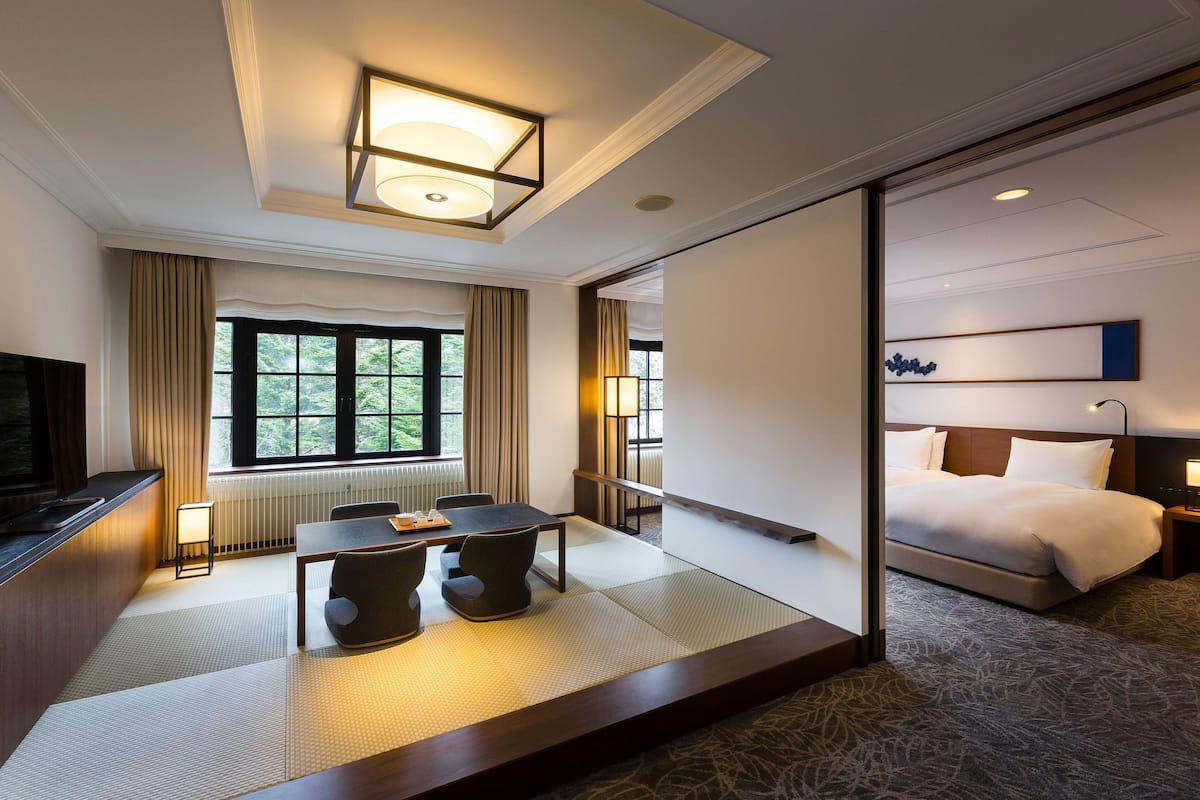
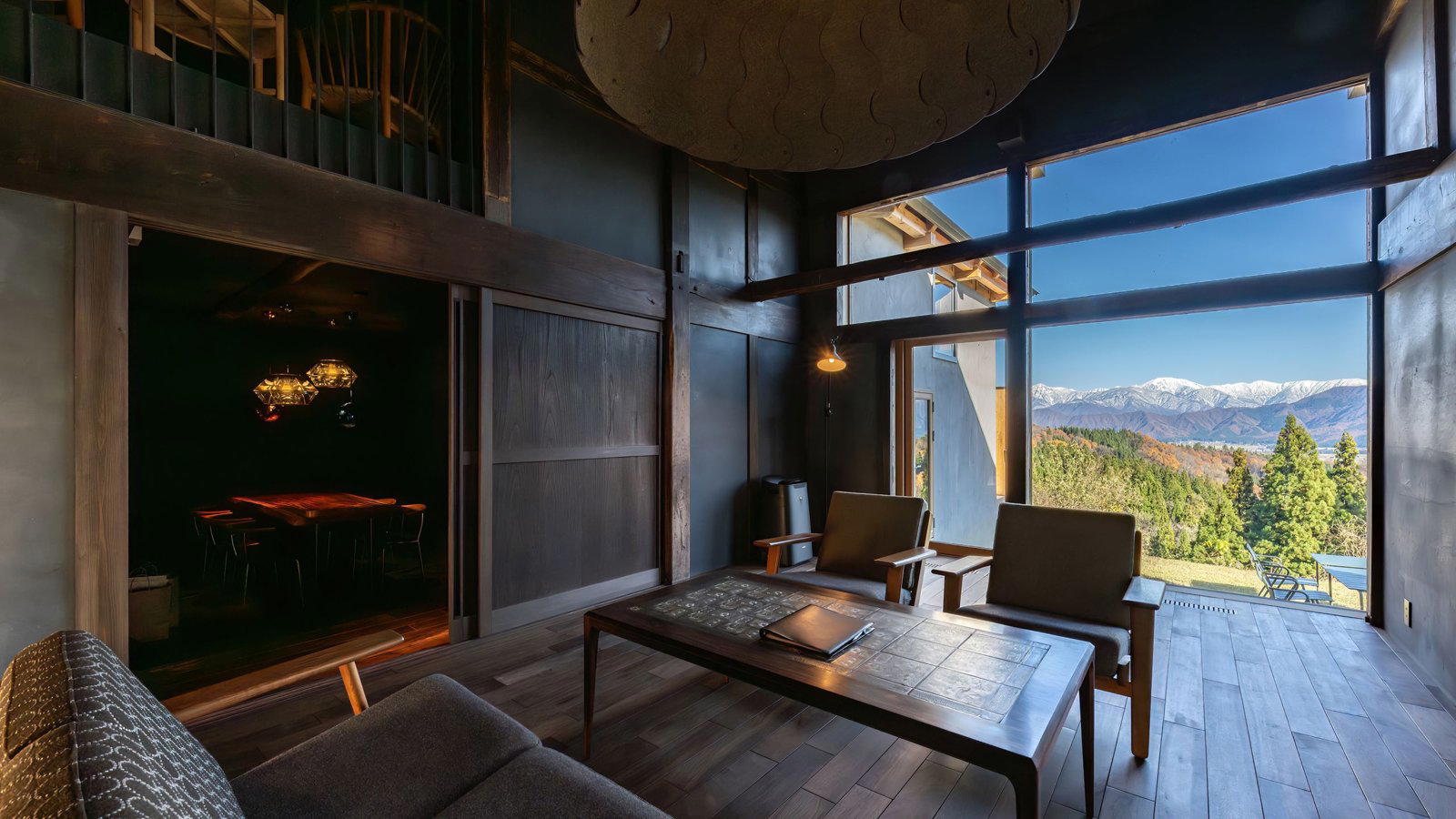
Rooms at properties in this category, traditional Japanese-style with tatami, sliding shoji screens, and views oriented toward the valley, are designed to make the outdoor context visible from every resting position. Comparable properties in the same format include Fufu Nikko in Nikko and Fufu Kawaguchiko near Mount Fuji, both of which use the same spatial philosophy: the window is the artwork, and the room exists to frame it.
Planning a Stay: What to Know
Minakami is accessible from Tokyo's Jomo-Kogen Shinkansen station, from which the property is reached by taxi or arranged transfer, a journey of roughly thirty to forty minutes depending on road conditions. The Tanigawa area sees significant snowfall from December through February, which transforms the valley aesthetically but requires planning around road access and winter driving conditions. Spring and autumn are the most competitive booking periods, when foliage and seasonal ingredients align to produce the most layered version of the kaiseki programme.
Ryokan at this level in Japan typically require full-board booking (meals included in the room rate), with arrivals in the mid-afternoon and departures before late morning. Direct contact with the property or booking through a specialist agent is the standard approach for international guests; machine-translated web interfaces and phone reservations in Japanese remain the norm at traditional properties of this type. Travellers planning a Japan circuit can contextualise Bettei Senjuan against urban luxury alternatives: Bvlgari Hotel Tokyo and HOTEL THE MITSUI KYOTO in Kyoto represent the urban end of the same premium travel bracket, while properties like Amanemu in Mie and Benesse House in Naoshima occupy adjacent positions in the nature-integrated luxury tier.
For a broader view of what the region offers across categories, our full Minakami guide covers the area's dining, onsen, and outdoor context in detail.
Cost and Credentials
| Venue | Awards |
|---|---|
| 別邸仙寿庵This venue — the venue you are viewing | Not listed |
| Bvlgari Hotel Tokyo | 3 Michelin Keys · World's 50 Best #24 |
| Aman Kyoto | 2 Michelin Keys · World's 50 Best #74 |
| Aman Tokyo | 2 Michelin Keys · World's 50 Best #11 |
| Amanemu | 3 Michelin Keys · La Liste Top Hotels |
| Four Seasons Hotel Tokyo at Otemachi | 3 Michelin Keys · La Liste Top Hotels |
Continue exploring
More in Minakami
Hotels in Minakami
Browse all →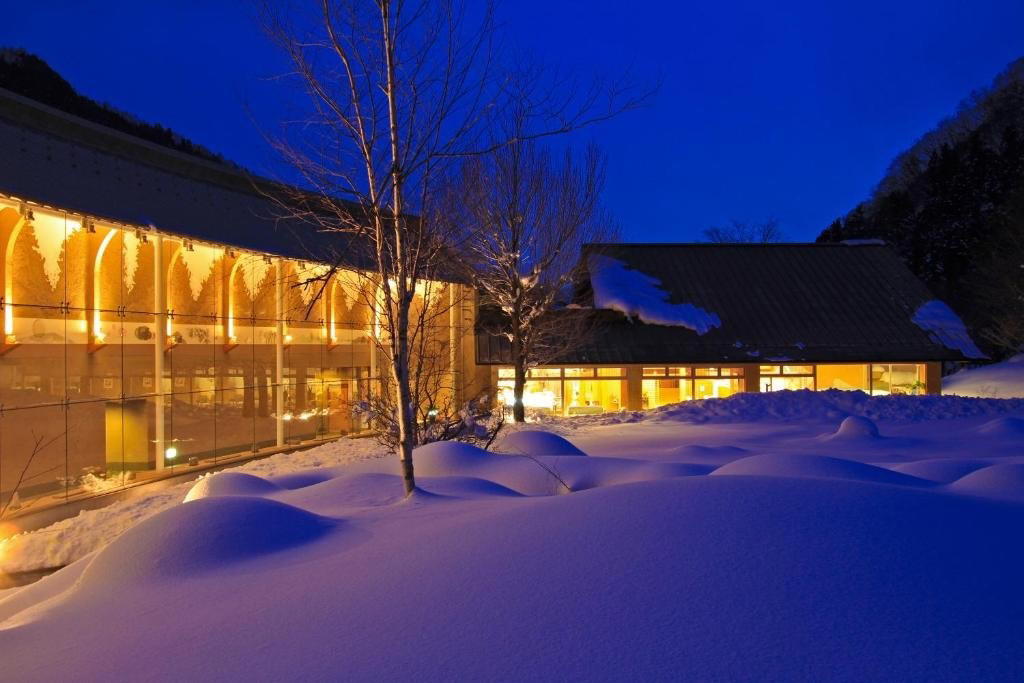
Details
- Quiet
- Scenic
- Elegant
- Intimate
- Cozy
- Romantic Getaway
- Honeymoon
- Wellness Retreat
- Anniversary
- Weekend Escape
- Panoramic View
- Private Villa
- Wi Fi
- Room Service
- Concierge
- Sauna
- Massage
- Spa
- Mountain
- Garden
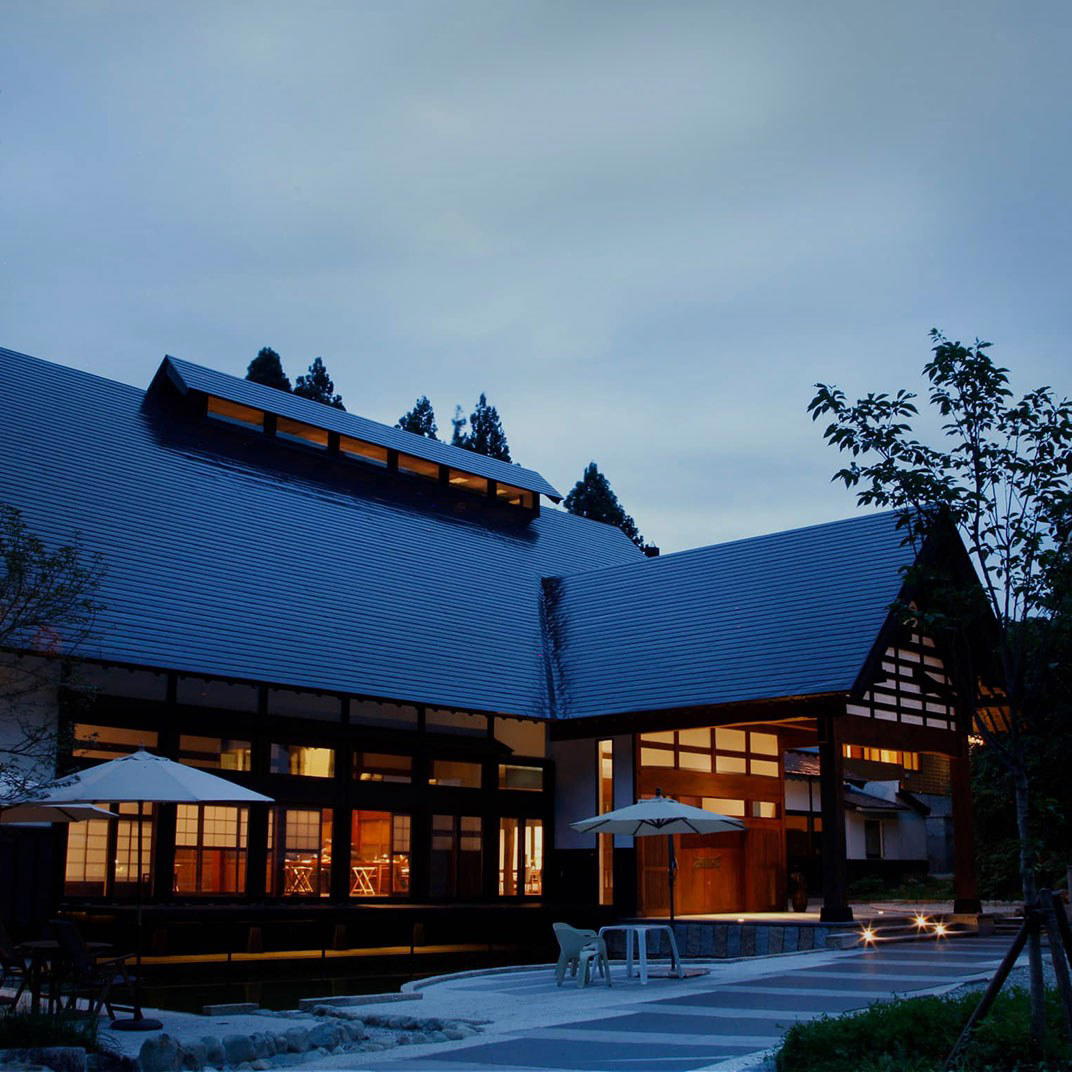
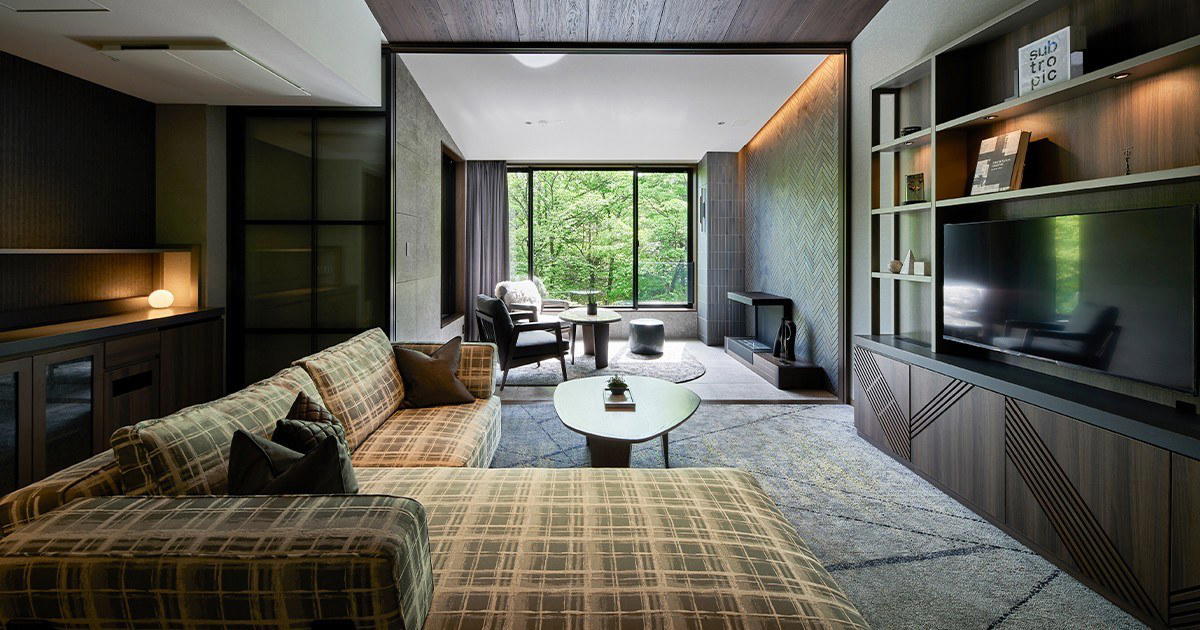
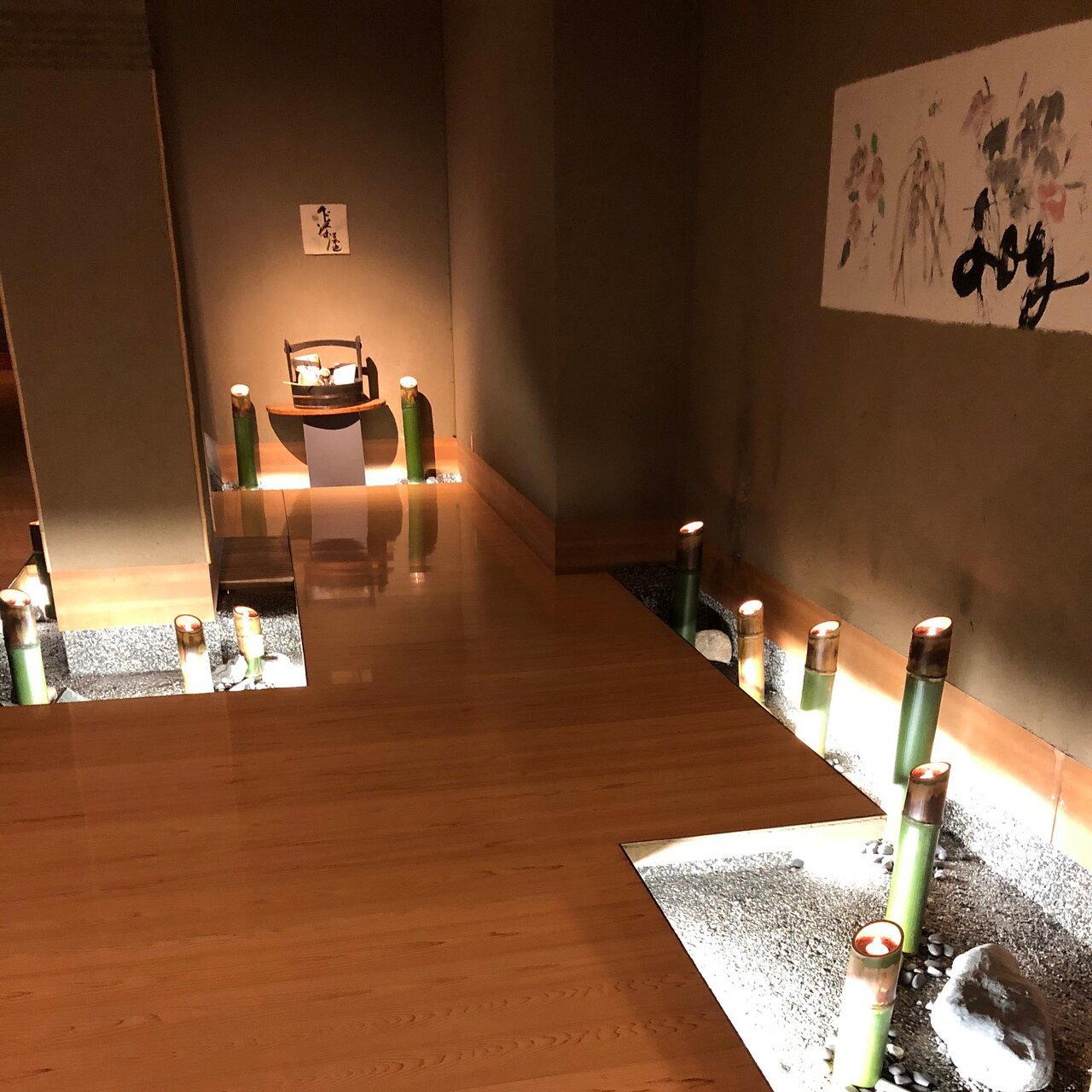
Serene and elegant with modern architecture blending traditional elements, curved corridors, and panoramic mountain views creating a peaceful, nature-immersed atmosphere.