
Tabelog 100 #24
Our verdict
Tokushima’s yakiniku scene rewards places that treat beef as a local-night-out ritual rather than a luxury performance. Shokurakuen sits in that lane with Tabelog 100 Yakiniku WEST recognition in 2025, a compact 33-seat room, and a grill-table format that makes sourcing, smoke, and pacing central to the meal.

Pearl is the En Primeur Club membership app — saves, bookings, and concierge access live there. Same editors, same standards.
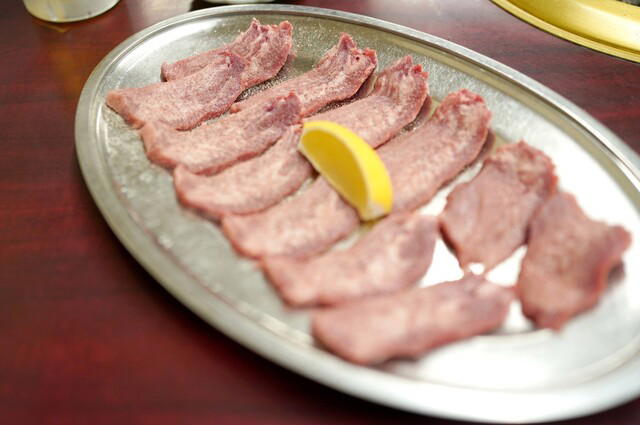
The first read is not ceremony but heat: the practical appeal of yakiniku, the low rhythm of evening service, and the intimacy of a meal built around grilled beef rather than spectacle. Tokushima does not have the dense high-end yakiniku map of Osaka or Tokyo, so a recognized grill restaurant here carries a different weight. It has to make sense for local regulars, visiting diners, and groups who want the social tempo of shared fire without turning dinner into theatre.
Shokurakuen belongs to that category. Its 2025 Tabelog Hyakumeiten recognition places it inside a regional conversation that stretches beyond Tokushima, but the appeal is more grounded than trophy-driven. Yakiniku in western Japan often lives or dies by sourcing discipline and cut management: not just whether the beef is expensive, but whether the restaurant understands how fat, lean texture, sauce, and grill timing behave at the table. That is the useful lens here.
Beef-first yakiniku in a city better known for regional comfort food
Tokushima dining has a broad casual base: ramen shops, izakaya counters, small drinking rooms, and grills that fit the after-work rhythm of the city. The local restaurant map includes drink-led addresses like Izakaya Harubo, and lower-spend neighborhood options such as Ishikawa Shoten and Ponzu. Against that backdrop, yakiniku occupies a more deliberate dinner slot: group-friendly, protein-focused, and paced by the grill rather than by the kitchen pass.
The ingredient question matters because yakiniku gives the diner less cover than many cooked cuisines. At a shared grill, marbling, trim, thickness, and seasoning are exposed quickly. Heavy sauce can only hide so much; over-cut beef dries, under-managed fat flares, and weak supporting orders reveal themselves fast. A 2025 Tabelog Hyakumeiten selection does not tell the whole story, but it is a meaningful signal in a category where repeat local use and comparative scrutiny tend to be unforgiving.
This is also where Shokurakuen separates from the city’s more general drinking-and-dining options. NAMAIKI sits elsewhere in Tokushima’s dining spread, while the yakiniku format here narrows the proposition: beef, grill, drinks, and a table arranged around conversation. Yakiniku does not need excess performance to work; it needs enough structure to handle smoke, fat, salt, and sauce across a full table.
A focused grill meal with regional-award credibility
The focused nature of the format is part of the experience. Yakiniku meals can keep energy close without becoming anonymous, and the category gives a clue to how the restaurant functions socially. This is not the hush of an omakase counter. It is a table-driven meal where the evening advances through ordering, grilling, sharing, and drinking, with the diners doing part of the cooking themselves.
Recognition in the 2025 Tabelog Hyakumeiten selection strengthens the case. In Japan’s user-review culture, that kind of placement matters because yakiniku is a crowded, highly comparable category. Diners are not judging only hospitality or ambience; they are comparing meat quality, value, portion logic, and how well the restaurant supports the table’s own cooking rhythm.
For travelers, the editorial point is not that Tokushima suddenly competes with Japan’s largest yakiniku markets on density. It does not. The point is that a city with a smaller premium dining map can still produce specialist rooms with enough consistency to register regionally. Shokurakuen is useful precisely because it gives visitors a beef-focused Tokushima dinner that is neither a generic chain experience nor a formal tasting-menu commitment.
How to place it in a Tokushima dining itinerary
For a short stay, the decision is category-led. Choose ramen when the priority is speed and local staple culture; choose izakaya when drinks and small plates matter more than a main event; choose yakiniku when the evening should revolve around shared beef and a slower table. That makes this restaurant a stronger fit for pairs or groups than for diners trying to compress several stops into one night.
The broader Tokushima plan should also account for how compact the city’s dining choices can feel compared with Kansai’s larger centers. A smart itinerary might place Shokurakuen on the night reserved for a longer dinner, with lighter meals elsewhere. For wider planning, use Our full Tokushima restaurants guide alongside Our full Tokushima hotels guide, Our full Tokushima bars guide, Our full Tokushima wineries guide, and Our full Tokushima experiences guide.
Readers comparing Japanese dining formats beyond Tokushima may also find useful contrasts in other dining rooms across Japan and abroad. The comparison is less about similarity than about format: grill, bar, café, curry, rice, and drinking-room experiences each ask for a different kind of appetite.
Frequently asked questions
Can I bring kids to Shokurakuen?
Shokurakuen is a yakiniku restaurant in Tokushima. The shared-grill format can be social and table-focused, so families should consider the pace and setting before booking.
What's the overall feel of Shokurakuen?
It is best understood as a Tokushima yakiniku restaurant built around shared grilling rather than formal ceremony. Its 2025 Tabelog Hyakumeiten recognition gives it regional credibility without turning it into a formal dining room.
How much does it cost to eat at Shokurakuen?
Pricing at Shokurakuen is listed as JPY 5,000 - JPY 5,999 View spending breakdown.
What days is Shokurakuen closed?
Specific closing days are not provided here; check the restaurant directly before going.
What's the address for Shokurakuen?
Tokushima.
Fast Comparison
Comparable venues by cuisine and price in the same metro.
| Venue | Cuisine | Price | Awards | Notes |
|---|---|---|---|---|
| ShokurakuenThis venue (the venue you are viewing) | Japanese Yakiniku / BBQ | Not listed | Tabelog 100 #24 | Not listed |
| Izakaya Harubo | Seafood-focused Japanese Izakaya | $30–50 | Tabelog 100 #21 | Akitamachi / Chuodori, Tokushima |
| NAMAIKI | Meat Kappo Bar | $30–50 | Not listed | Ginza |
| 食士わたなべ | Traditional Japanese Kaiseki | $50–100 | Not listed | 籠屋町 |
| Inotani Honten | Tokushima-style ramen | $1–10 | Tabelog 100 #82 | .null |
| Ishikawa Shoten | Yakitori & chicken dishes | Not listed | Tabelog 100 #79 | Tokushima |
Recognition history
Dated appearances from independent guides and award organizations, with the underlying list record or original source where available.
Tabelog 100 #24 · No. 24
Tabelog · Tabelog 100 - Yakiniku - WEST - 2025
Continue exploring
More in Tokushima
Restaurants in Tokushima
All restaurants in Tokushima →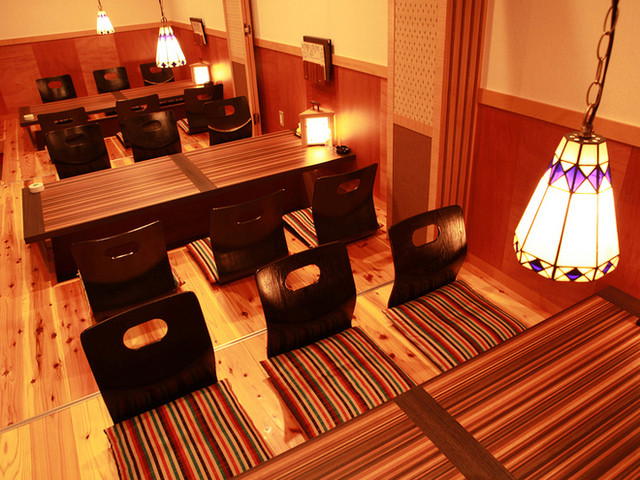
Hotels in Tokushima
Browse all →
Details
- Classic
- Cozy
- Group Dining
- Family
- Casual Hangout
- Standalone
- A La Carte
- Family Style
Current opening hours
- Monday
- 5:30–10 PM
- Tuesday
- 5:30–10 PM
- Wednesday
- 5:30–10 PM
- Thursday
- 5:30–10 PM
- Friday
- 5:30–10 PM
- Saturday
- 5:30–10 PM
- Sunday
- Closed
Hours can change for holidays and private events. Last verified .
Warm, familiar neighborhood yakiniku atmosphere with a long-established, family-style feel.