Located on Noboricho in Hiroshima's Naka Ward, 永山 occupies a quieter register within the city's serious dining tier. The restaurant sits in a neighbourhood where traditional craftsmanship and postwar reconstruction have long coexisted, giving it a particular kind of local grounding that sets it apart from Hiroshima's more visible dining addresses. For visitors working through the city's finer restaurants, it belongs on the shortlist alongside peers like Chiso Sottakuito and Eizan.
Pearl is the En Primeur Club membership app — saves, bookings, and concierge access live there. Same editors, same standards.
- Address
- 10-3 Noboricho, Naka Ward, Hiroshima, 730-0016, Japan
- Phone
- +817043524891
- Website
- eizan.jp
 Saves & bookings on Pearl
Noboricho and the Quieter Side of Hiroshima Dining
Hiroshima's serious dining scene does not announce itself the way Osaka's or Tokyo's does. The city has rebuilt itself with a kind of deliberate restraint since 1945, and that restraint has filtered into how its leading restaurants operate: lower profiles, stronger neighbourhood roots, a preference for earning reputation through regulars rather than press cycles. Noboricho, the address where 永山 is found at 10-3 in Naka Ward, sits in this quieter register of the city. The street runs through a part of central Hiroshima where older craft traditions and postwar pragmatism sit side by side, and where a restaurant can occupy a building for years before visitors from outside the prefecture take notice.
That kind of address shapes a dining experience before the meal even begins. Arriving in Noboricho, you are not in a restaurant district with queues and lit signage competing for attention. The neighbourhood context here functions as a kind of filtering mechanism: the people eating at 永山 are, by and large, people who already know why they are there. That is a different starting condition from the tourist-facing end of Hiroshima's dining market, and it produces a different atmosphere in the room.
Hiroshima's Dining Tier and Where 永山 Fits
Within Hiroshima, serious Japanese dining has consolidated around a recognisable set of addresses. Chiso Sottakuito, Eizan, and Denko Sekka each represent different points along the spectrum from traditional Japanese formats to more contemporary approaches. CHILAN and MASUKI extend the city's range further. 永山 occupies its own position in this set, one defined substantially by its Noboricho location rather than by volume or visibility. In a city where the dining tier is genuinely compact relative to Japan's larger metros, a restaurant with consistent local patronage and a discreet address carries weight that is harder to quantify but easy to perceive.
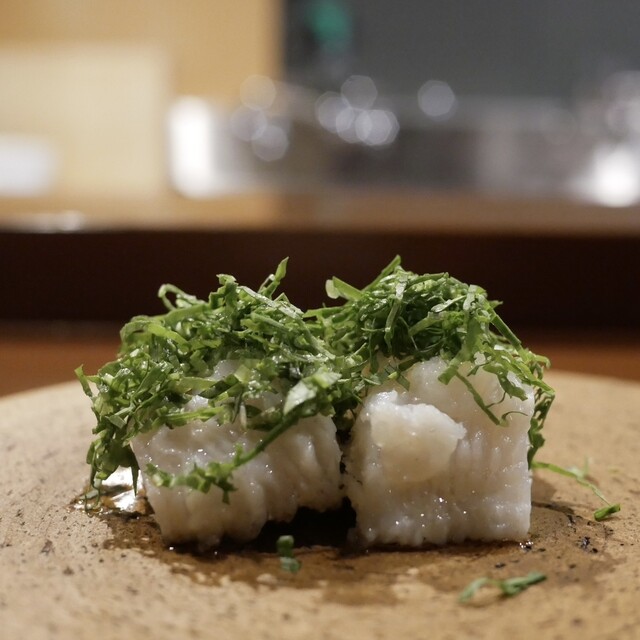
The broader comparison is instructive. Restaurants operating in this register across Japan's secondary cities tend to compete on depth of technique and consistency rather than on novelty or concept. You find parallels at addresses like Goh in Fukuoka or Abon in Ashiya, where local credibility is the primary currency. In Hiroshima specifically, the sea-to-table logic is strong: the Seto Inland Sea provides oysters, anago (conger eel), and small fish that appear across the city's better kitchens in ways that make Hiroshima's serious dining feel distinctly regional rather than generically Japanese. Any kitchen operating at this level in Naka Ward is drawing from that same supply network, which means the ingredients themselves carry provenance that more urban-anonymous restaurants cannot replicate.
What the Neighbourhood Means for the Experience
Eating in Noboricho rather than in one of Hiroshima's more central or tourist-adjacent districts carries practical implications. The pace of an evening here tends toward the measured; there is no foot traffic pressure, no sense that a table needs turning. Hiroshima's compact geography means that Noboricho is not difficult to reach from the city's main transit points, but it requires a degree of intentionality that changes how guests arrive. People do not stumble into restaurants on this street.
That intentionality compounds across a visit to Hiroshima. The city draws visitors primarily for historical and memorial reasons, and many travellers limit their dining choices to the most visible options near Peace Memorial Park or Hiroshima Station. The restaurants that matter to the city's own eating public are often a short distance from those circuits but require a slightly different itinerary. 永山's Noboricho address is precisely that kind of slight divergence, and the divergence is worth making.
Placing 永山 in a Wider Japanese Context
Japan's regional dining has matured considerably over the past decade, driven partly by the Michelin Guide's expansion into cities beyond Tokyo and Osaka, and partly by a generation of chefs who trained at high-level addresses and then returned to or settled in secondary cities. This has made places like Hiroshima, Fukuoka, and Nara genuinely interesting for serious eating rather than merely adequate. Gion Sasaki in Kyoto, HAJIME in Osaka, and Harutaka in Tokyo sit at the upper end of the national tier; akordu in Nara and affetto akita in Akita show what serious cooking looks like when it takes root in smaller cities. 永山 belongs to the regional layer of this ecosystem, where local knowledge and ingredient access matter more than national profile.
The point is that a restaurant in Noboricho operates within a context that visitors from outside Japan, or even from Tokyo, often underestimate. The infrastructure for serious eating in Hiroshima is real: there are suppliers, there are trained cooks, and there are regular guests with expectations shaped by years of eating at the city's better tables. Restaurants like Aji Arai in Oita, Akakichi in Imabari, and Ajidocoro in Yubari District all function within this same regional-serious tier across western and northern Japan.
Planning a Visit
Reaching 永山 at 10-3 Noboricho, Naka Ward is direct from central Hiroshima. The Naka Ward address places it within the city's most navigable zone, reachable by tram or on foot from the main commercial areas. Given the restaurant's profile among local regulars rather than walk-in traffic, checking availability ahead of arrival is advisable; neighbourhood-rooted Japanese restaurants at this level rarely hold open tables without some prior notice, particularly on weekends or around local events. Visitors combining 永山 with other Hiroshima addresses in the serious-dining tier will find the geography works in their favour: the city is compact enough that two strong meals in a day are logistically manageable.
Compact Comparison
Comparable venues nearby, for context on price, style, and recognition.
| Venue | Cuisine | Price | Notes |
|---|---|---|---|
| 永山This venue — the venue you are viewing | Naka, Hiroshima-style Okonomiyaki | $$ | |
| ハナワイン | Naka, Japanese Wine Bar | $$ | |
| Denko Sekka | Minami-ku, Hiroshima-Style Okonomiyaki | $$ | |
| NIKUTAMA Yokogawa hiroshima honten | $$ | Nishi, Natural-wine Hiroshima okonomiyaki & teppan kitchen | |
| Soraya | Naka, Japanese Standing Bar | $$ | |
| Tyra Restaurant | Naka, Cafe with Japanese fusion | $$ |
Continue exploring
More in Hiroshima
Restaurants in Hiroshima
Browse all →
Bars in Hiroshima
Browse all →
At a Glance
- Lively
- Casual
- Casual Hangout
- Group Dining
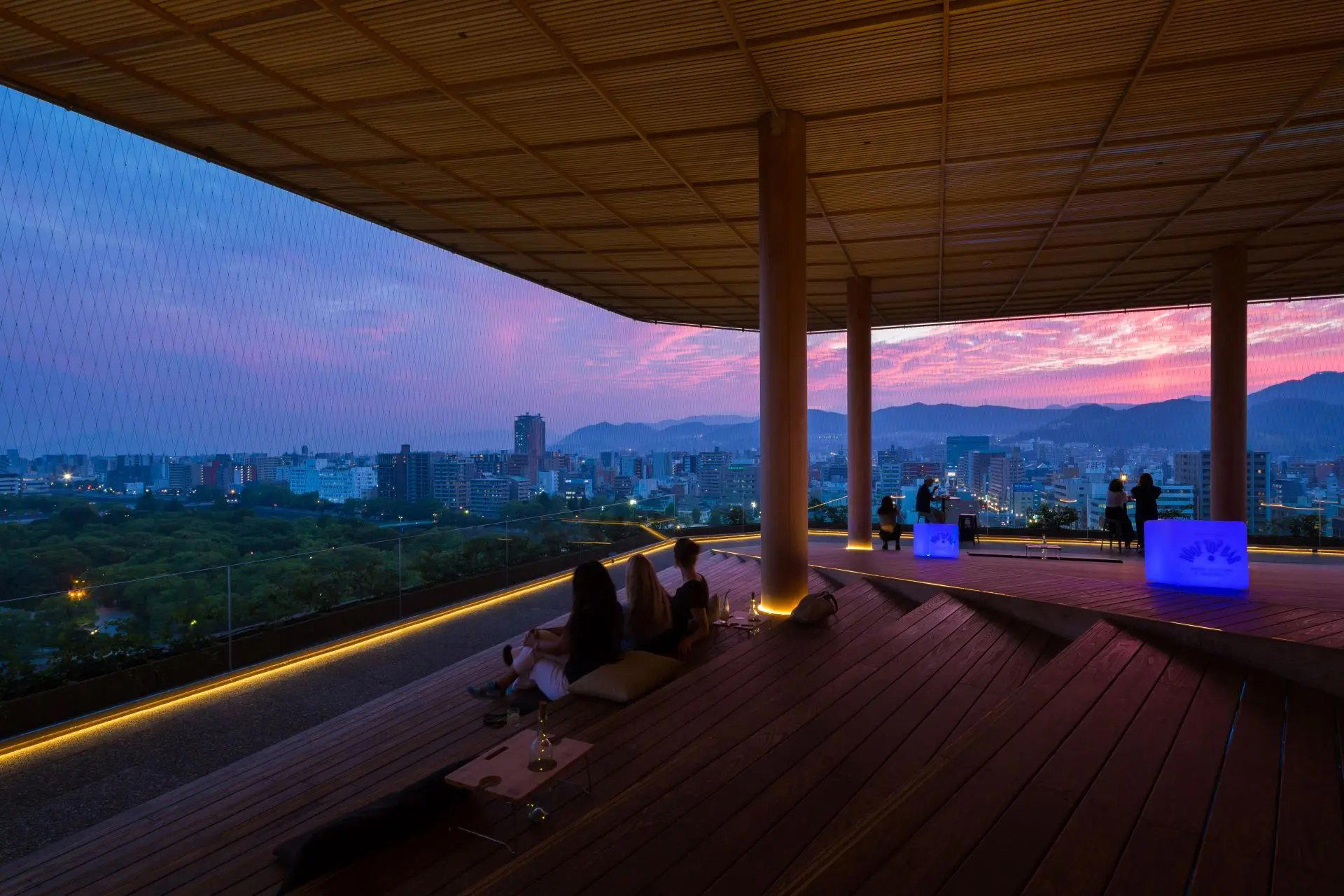
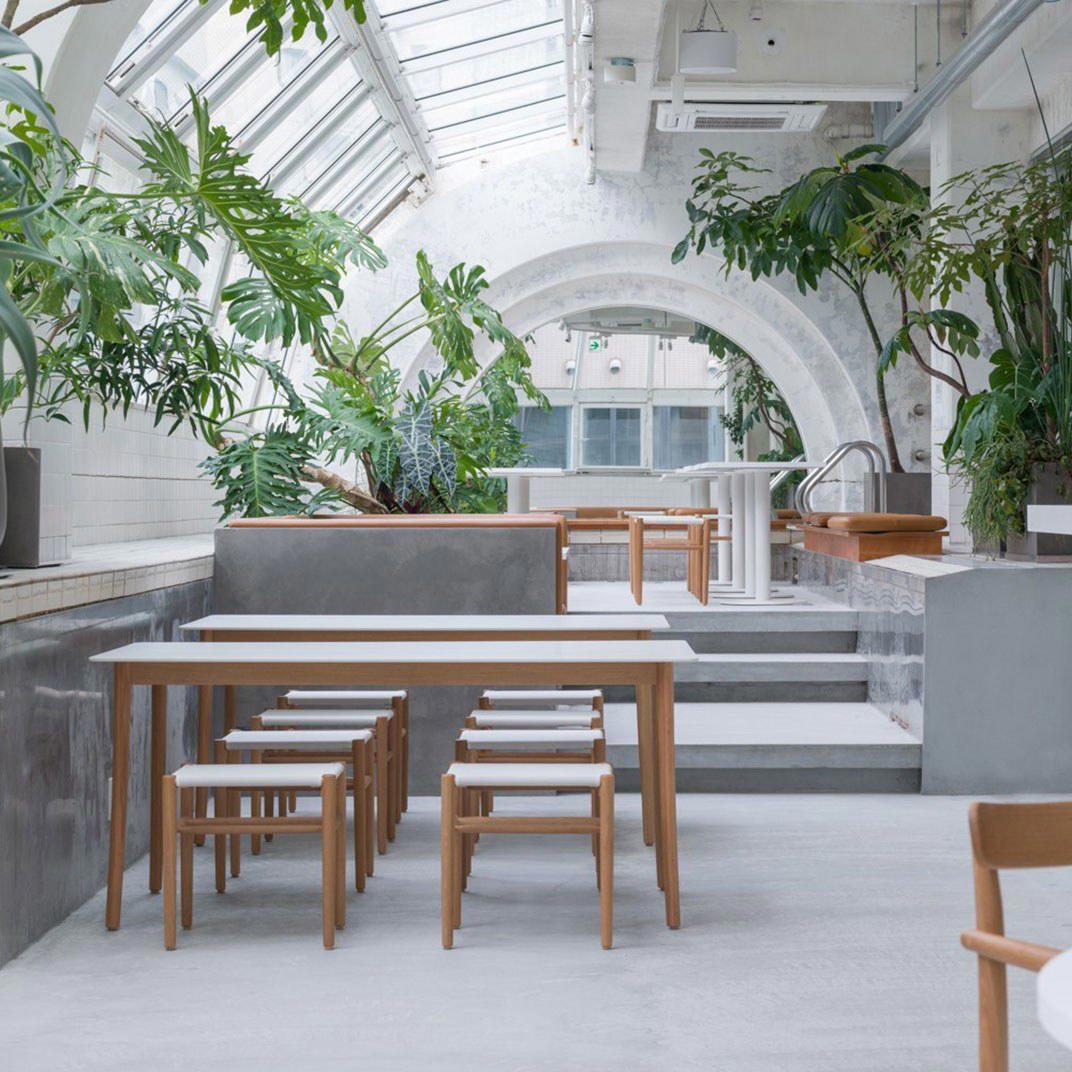
Casual teppanyaki atmosphere with hot griddles at tables and friendly service.