
Tabelog 100 #90
Our verdict
宝来軒 sits in Fukuoka's Yakuin neighbourhood, a residential quarter that rewards those who look beyond the city's more trafficked dining corridors. The address alone, a quiet block in Chuo Ward, signals the kind of understated register that defines much of Fukuoka's serious dining culture. Yakuin's low-key streets have become a reliable address for restaurants that prioritise craft over visibility.

Pearl is the En Primeur Club membership app, where members save venues, book tables and use the concierge.
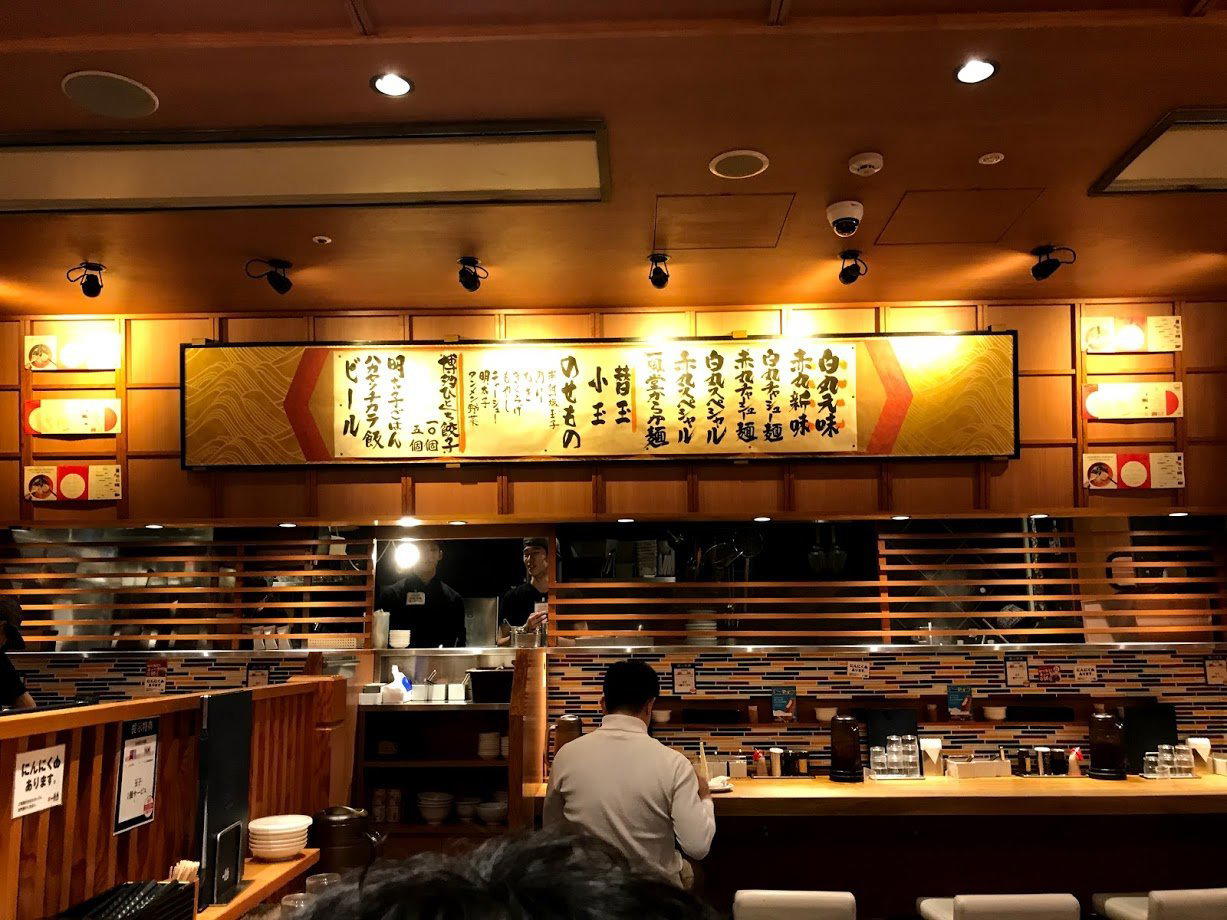
Yakuin and the Quiet Side of Fukuoka's Dining Culture
Fukuoka's reputation as a food city tends to get anchored to Nakasu's yatai stalls and the ramen shops of Hakata, but the more considered dining happens in residential pockets to the south and west. Yakuin, the neighbourhood where 宝来軒 is addressed on Chome-6-28, is one of those pockets. The streets here are calmer, the signage more restrained, and the implicit contract with the diner is different: you arrive because you have sought the place out, not because it caught your eye from a busy avenue. That dynamic shapes the entire rhythm of a meal in this part of Chuo Ward. For context on how this neighbourhood fits into the wider city, the full Fukuoka restaurants guide maps the distinct character of each dining corridor.
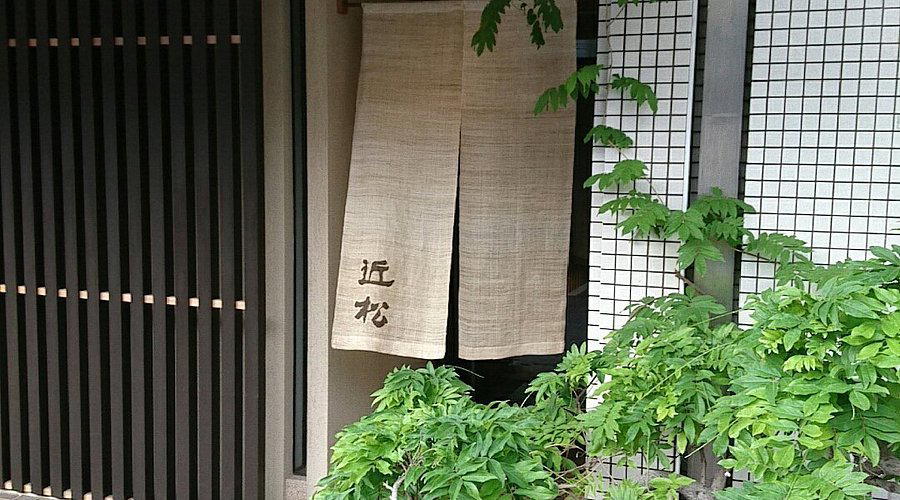
This is not incidental. In Japanese dining culture, particularly in cities outside Tokyo and Osaka, the physical approach to a restaurant carries its own ritual weight. The act of finding the place, often on a quieter residential street, with nothing more than a small noren curtain or a modest lantern to mark the entrance, is part of the experience itself. It sets the tempo before you have sat down. Fukuoka's mid-tier and upper-mid-tier dining scene has preserved this quality better than most Japanese cities of comparable size, in part because the city has not been subject to the same volume of international tourist pressure that has pushed some of Kyoto's and Tokyo's quieter addresses into higher visibility.
The Dining Ritual at This Address
Restaurants in the Yakuin quarter tend to operate on the assumption that the guest understands the customs without being instructed. In Japan's more traditional dining formats, this means arrival close to the stated reservation time, a deliberate pace through courses, and an attention to the physical objects of the meal: the ceramic, the lacquerware, the small seasonal garnish that signals what month you are eating in. Whether 宝来軒 operates within a formal kaiseki structure or a more informal Japanese format, the neighbourhood context suggests a dining culture that is attentive rather than performative. This is the kind of address that rewards patience and attention over speed.
The broader Fukuoka dining scene offers useful comparison points. Chikamatsu represents the city's sushi tradition, where counter seating and precise sequencing define the meal's architecture. Asago occupies a different register. Goh (French) shows how European technique has been absorbed into Fukuoka's culinary vocabulary. And Bekk and Beef Taigen speak to the city's appetite for focused, single-category excellence. Each of these addresses occupies a distinct tier and format, and each operates within its own ritual logic. Understanding where 宝来軒 sits within that range requires knowing the neighbourhood as much as the cuisine.
What the Address Tells You
In Japan, a restaurant's location within a neighbourhood is often a more reliable signal of its positioning than its marketing materials. A ground-floor address on a commercial strip signals one kind of operation; a quieter block in a residential ward signals another. Yakuin, as a district, has accumulated a density of craft-focused restaurants and specialist food businesses that position it as one of Fukuoka's more considered dining destinations. This is the neighbourhood where residents with a sustained interest in food tend to eat regularly, rather than where visitors arrive for a single high-profile evening.
Comparable dynamics play out in other Japanese cities. Gion Sasaki in Kyoto occupies a similar residential-quiet register within its city's dining geography. akordu in Nara operates in a smaller city context but with the same logic of neighbourhood-as-signal. Further afield, HAJIME in Osaka demonstrates how a single address can carry significant weight within a national dining conversation. And across the Japan dining circuit, addresses like 一本木 石川割烹 in Nanao, 夕仙山乃 in Sapporo, 湖畔荘庵 in Takashima, and 鷹羽屋 in Nishikawa Machi show how regional dining culture maintains its own distinct character independent of the major metropolitan centres.
Planning Your Visit
The Yakuin neighbourhood is accessible from central Fukuoka, the Nishitetsu Tenjin Omuta Line serves Yakuin station, which places the area within easy reach of Tenjin and Hakata. For visitors cross-referencing Fukuoka's dining options with other Japanese cities, the rhythms of meal service here are consistent with what you encounter at serious addresses across the country: dinner services are typically two-seating or reservation-only, with a pace that assumes you are not rushing on to another engagement. Reservations at this type of address in Fukuoka should be arranged in advance where possible, particularly for weekend evenings when the neighbourhood's restaurants see higher demand from local diners.
For those building a broader Japan itinerary that extends beyond Fukuoka, comparable attention to reservation logistics applies at Harutaka in Tokyo and at focused specialists like Birdland in Sakai and Bistro Ange in Toyohashi. For international comparison on what a focused, high-craft dining ritual looks like at the upper end of the market, Le Bernardin in New York City and Atomix in New York City offer useful reference points, though the register in Yakuin is likely quieter and more interior-facing than either of those addresses.
Frequently asked questions
Is 宝来軒 suitable for children?
Yakuin's dining culture operates on an expectation of quiet and ritual awareness that younger children may find difficult to meet. The address at 1 Chome-6-28 Yakuin places it in a residential quarter where restaurants tend to run small and unhurried. Families with older children who understand a measured pace will find it more appropriate than those with toddlers or infants.
What part of town is å®æ¥è¨ in?
å®æ¥è¨ is located at 1 Chome-6-28 Yakuin, Chuo Ward, Fukuoka, 810-0022, Japan, Fukuoka.
Can I walk in to å®æ¥è¨?
Reservations are recommended for å®æ¥è¨ in Fukuoka. Confirm current policy via the venue's official channels.
What's å®æ¥è¨ best at?
å®æ¥è¨ is best approached by focusing on the core concept and signature offerings.
Category Peers
Comparable venues nearby, for context on price, style, and recognition.
| Venue | Cuisine | Price | Awards | Notes |
|---|---|---|---|---|
| 安春計This venue (the venue you are viewing) | Japanese Izakaya | Not listed | Tabelog 100 #90 | Not listed |
| pain stock | Japanese Bakery Cafe | $1–10 | Tabelog 100 #83 | Higashi |
| 鮨 行天 | Traditional Washoku | Not listed | Not listed | Chūō |
| Motsunabe Rakutenchi Tenjin Imaizumi So-Honten | Hakata Motsunabe | $20–30 | Not listed | Chūō |
| 鮨 唐島 | Kyushu-Style Edomae Omakase | $200–300 | Tabelog Bronze #165 | Chūō |
| Yakitori Benkei Nishijin ten | Traditional Yakitori & Kushiyaki | $20–30 | Tabelog 100 #79 | Sawara |
Recognition history
Dated appearances from independent guides and award organizations, with the underlying list record or original source where available.
Tabelog 100 #90 · No. 90
Tabelog · Tabelog 100 - Sushi - WEST - 2025
Continue exploring
More in Fukuoka
Restaurants in Fukuoka
All restaurants in Fukuoka →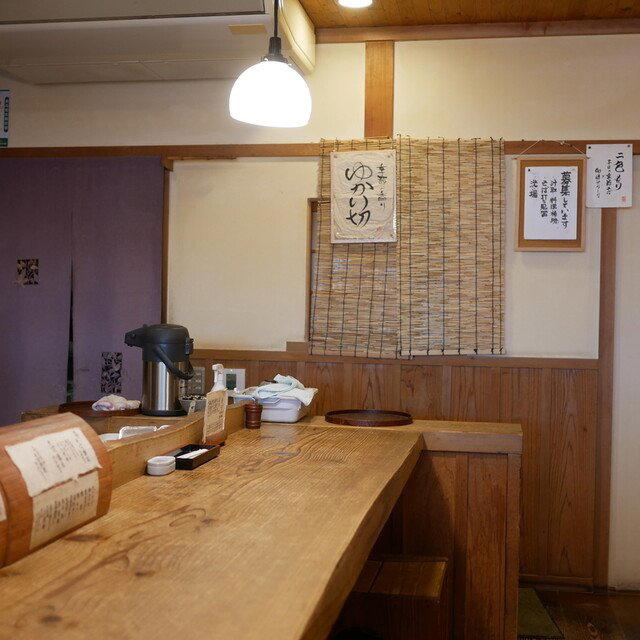
Details
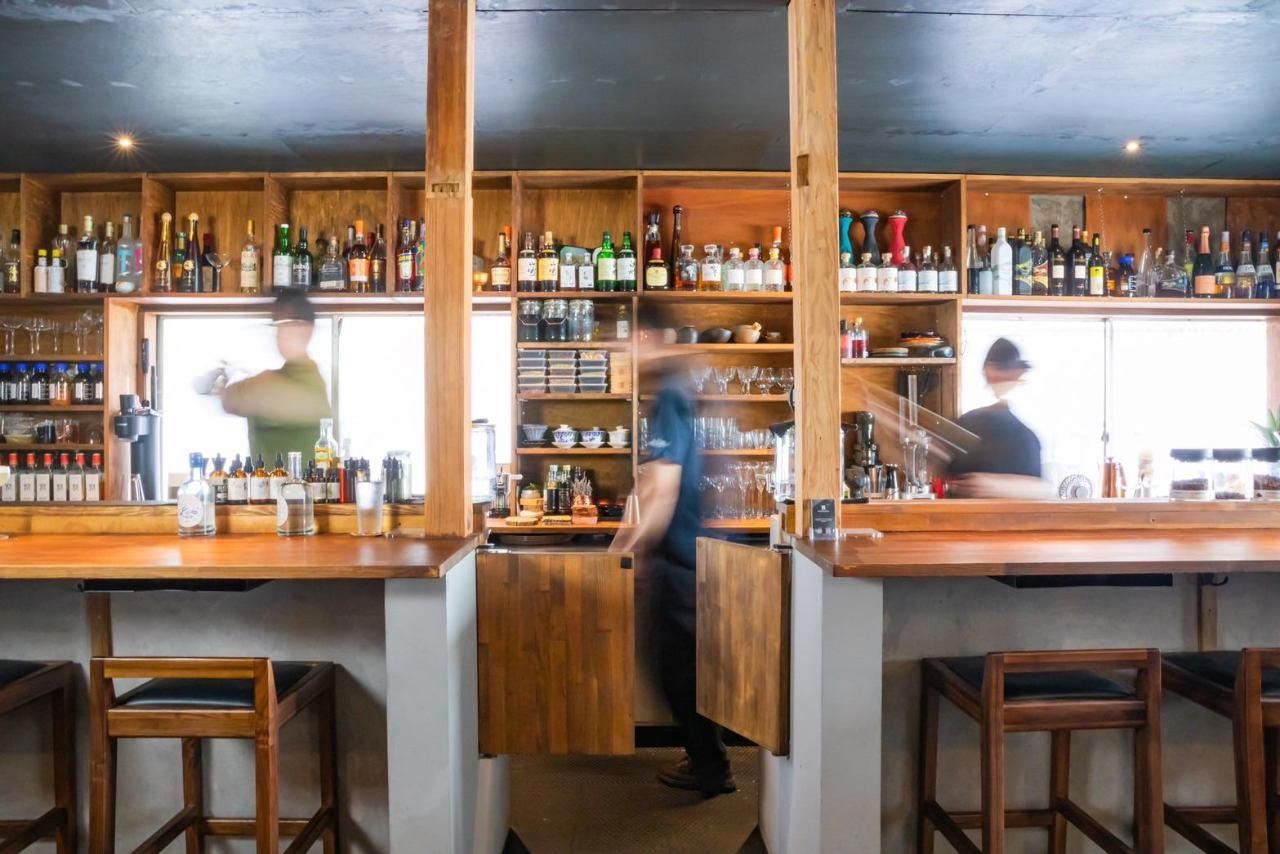
Cozy and casual atmosphere.