Located in Fukuoka's Hirao district, 鮨 衛天 sits within a neighborhood that rewards deliberate attention over convenience. The surrounding streets carry the quiet of a residential enclave, while the restaurant itself participates in a Fukuoka sushi tradition that has drawn serious attention from critics across Japan. Expect the focused counter format that defines the city's most considered raw-fish dining.
Pearl is the En Primeur Club membership app — saves, bookings, and concierge access live there. Same editors, same standards.
- Address
- 1 Chome-2-12 Hirao, Chuo Ward, Fukuoka, 810-0014, Japan
- Phone
- +81925212200
- Website
- gyoten.jp
 Saves & bookings on Pearl
Hirao, Quiet Streets, and the Case for Fukuoka Sushi
Fukuoka's dining reputation is built on hakata ramen and casual izakaya energy, but that framing undersells a parallel tradition: a cluster of sushi counters operating at a level that draws visitors from Osaka and Tokyo rather than the reverse. The Hirao district, in Chuo Ward, is where that quieter version of the city's food culture tends to concentrate. Residential in character, low on foot traffic, and free of the tourist density that presses through Tenjin and Hakata, Hirao positions its restaurants as destinations chosen deliberately rather than stumbled upon. 鮨 衛天, situated at 1 Chome-2-12 Hirao, occupies exactly that kind of address, the sort you look up before you leave the hotel rather than discover by walking.
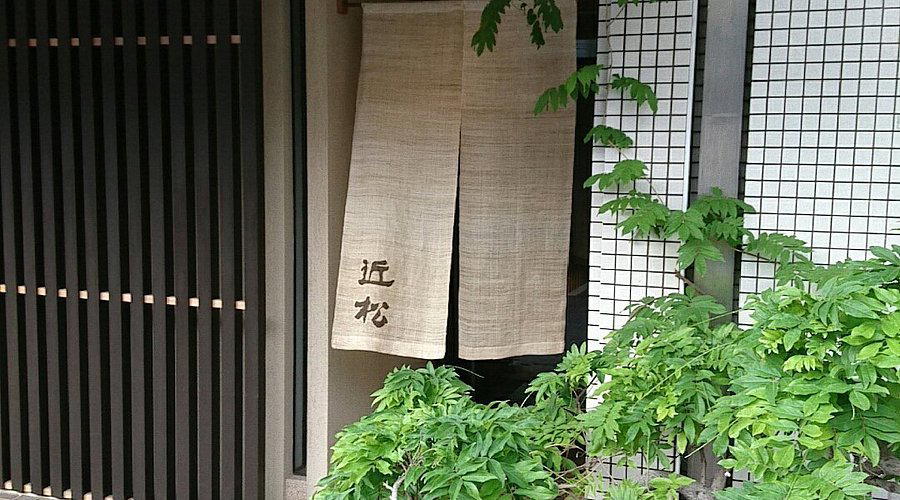
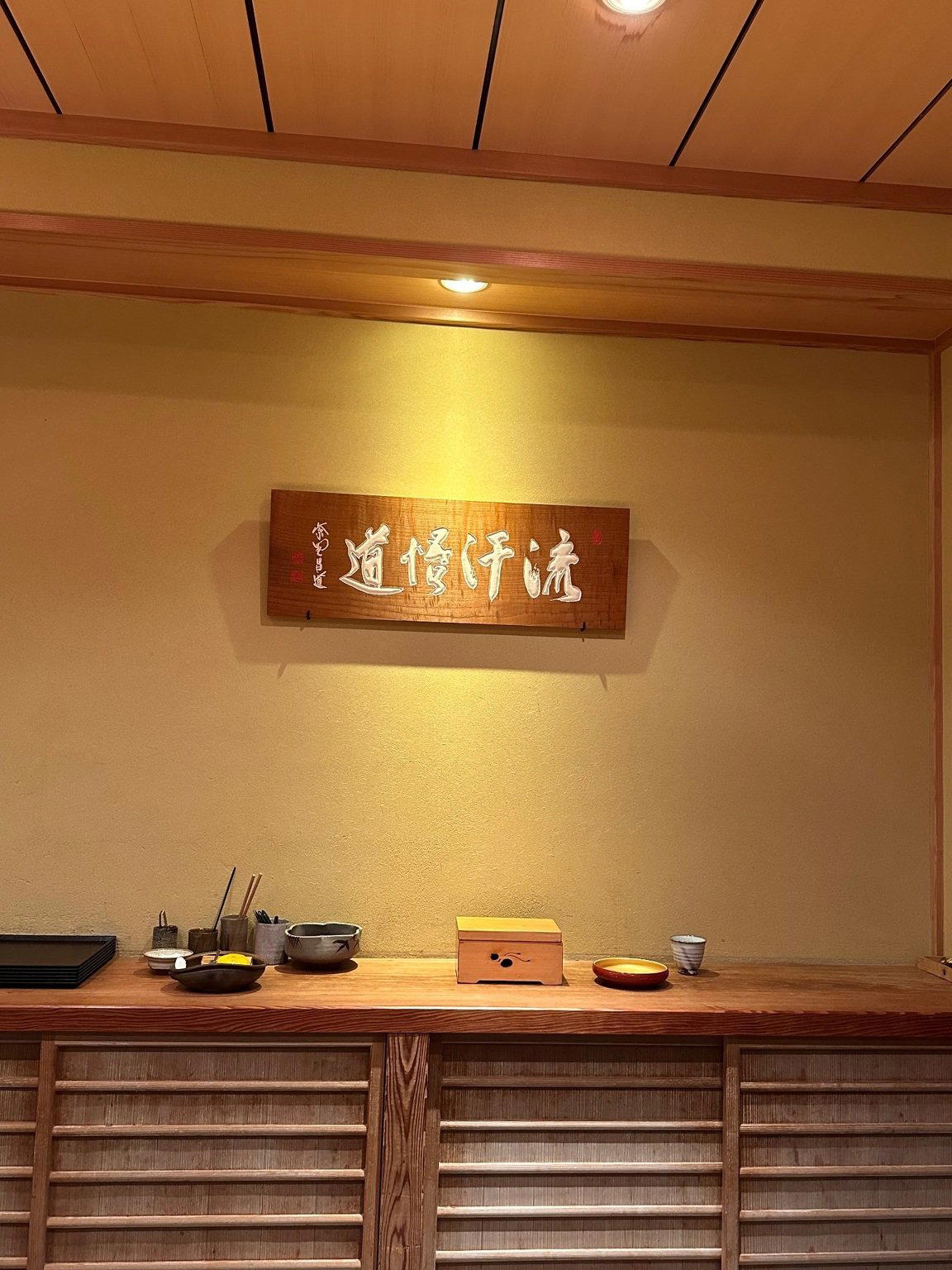
The approach to a counter of this type in Japan carries its own set of signals. Narrow entrance, controlled lighting at the threshold, the specific temperature difference between street air and the interior, these are not decorative choices but a genre grammar. Japan's premium sushi counters have refined their physical formats over decades into something close to a ritual architecture, and Fukuoka's better rooms participate in that convention. What distinguishes the city's version is a proximity to Kyushu's fishing sources: the Genkai Sea and the waters around Tsushima Island supply ingredients that have shorter travel times than what reaches the Tokyo market, and that logistical fact has real consequences for what arrives on the counter.
What the Counter Format Communicates
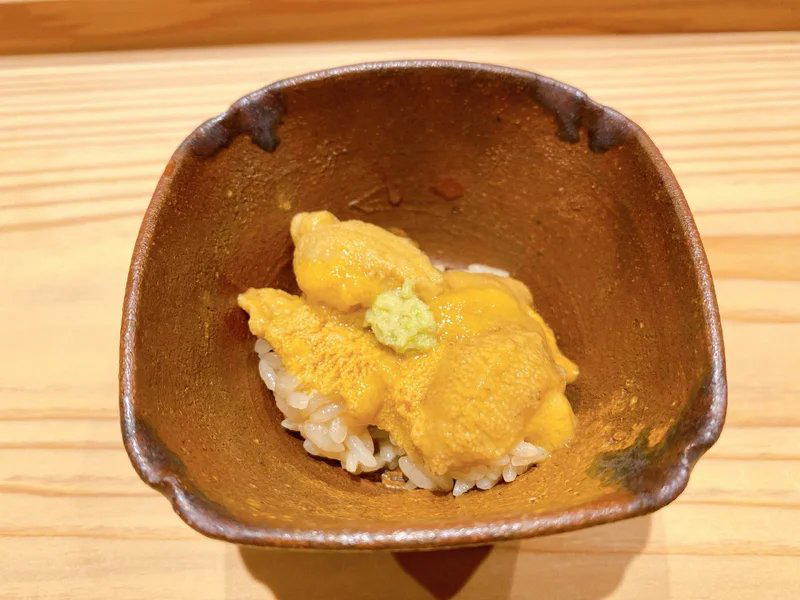
In the broader context of Japanese fine dining, the sushi counter is the format that most aggressively removes variables. There is no table between guest and chef, no extensive menu to parse, no set of decisions that dilutes the primary exchange. The omakase structure, leaving the sequence to the chef, compresses the dining experience into something more like a conversation conducted in fish and rice. Fukuoka's sushi scene, operating in a city that is large enough to sustain serious culinary ambition but compact enough that word travels fast, has developed a cohort of counters where that format is practiced with precision.
For comparison, venues like Chikamatsu (Sushi) represent Fukuoka's commitment to this tradition at a serious level, and the city's sushi culture holds its own when measured against the counter dining available at places like Harutaka in Tokyo or the kaiseki-adjacent precision of Gion Sasaki in Kyoto. The competitive reference points for a counter in Hirao are not local ramen shops but restaurants across Kyushu and Kansai where the same seriousness about sourcing and technique applies.
The Sensory Register of This Neighborhood and Format
The sensory experience of Hirao itself is part of the context for any meal in the area. The streets around 1 Chome operate at a lower ambient volume than Fukuoka's central districts, less traffic, fewer commercial signs competing for attention. Arriving at a destination counter in this kind of setting sharpens focus before you even sit down. There is something about walking through residential quiet that calibrates expectations differently than emerging from a busy transit hub directly into a restaurant.
Inside a properly run sushi counter, the dominant sensory fact is restraint: minimal fragrance so it does not interfere with the fish, temperature carefully managed so that proteins are served at the moment they are most expressive, sound controlled to the specific soft percussion of knife on board and the particular sound vinegared rice makes when it is pressed. These are not incidental details, they are the result of deliberate decisions made over time and sustained by discipline. Japan's counter dining culture has been consistent on this point for generations, and the better rooms in Fukuoka maintain that standard.
Fukuoka's Dining Context: Placing This Counter
Within Fukuoka's broader dining map, a sushi counter in Hirao sits in a different register than the city's other serious restaurants. Goh (French) represents the city's French-influenced fine dining, while Bekk and Asago address different points on the dining spectrum. Beef Taigen (Beef泰元) serves a separate function entirely. The point is that Fukuoka's serious dining is distributed across formats and neighborhoods in a way that requires some navigation, the Hirao counter is not adjacent to any other obvious destination, which means a visit requires the city to be approached as a multi-stop proposition rather than a single-district sweep.
Across Japan more broadly, the standard for counter dining has been set high by venues like HAJIME in Osaka, and the reach of that standard extends into regional cities in ways that sometimes surprise visitors who assume the top tier is concentrated in Tokyo. akordu in Nara, Abon in Ashiya, and Aji Arai in Oita each demonstrate how seriously Kansai and Kyushu's regional dining scenes are taken on their own terms. Beyond Japan, international visitors familiar with the focused counter format at Le Bernardin in New York City or the deliberate seasonality practiced at Lazy Bear in San Francisco will find the underlying logic at a Fukuoka sushi counter recognizable, even if the specific vocabulary is entirely different.
The regional context extends further into venues like affetto akita in Akita, aki nagao in Sapporo, and Ajidocoro in Yubari District, evidence that Japan's serious dining culture is distributed across prefectures in ways that reward travellers who look beyond the major city circuits. Akakichi in Imabari makes the same point for Shikoku.
Planning a Visit
The Hirao address places 鮨 衛天 within Chuo Ward, accessible from central Fukuoka without significant transit complexity. As with most serious sushi counters in Japan, the practical advice is consistent regardless of specific venue: contact in advance, communicate dietary restrictions at the point of booking rather than on arrival, and approach the timing with some flexibility given that omakase sequences are not clock-precise. Reservations are recommended, and the counter follows these hours: Mon to Fri, 6 to 9 PM; Sat and Sun, 12 to 1:30 PM and 6 to 9 PM.
Same-City Peers
Comparable venues nearby, for context on price, style, and recognition.
| Venue | Cuisine | Price | Notes |
|---|---|---|---|
| 鮨 行天This venue — the venue you are viewing | Traditional Washoku | , | |
| Nakasu Yatai Kibun | Japanese Izakaya | $$ | Hakata |
| Shokudo Nizakana Shonen | Japanese Seafood Set Meals | $$ | Hakata |
| Tsukune Seisakusho | Tsukune-focused Japanese Izakaya | $$ | Sawara |
| Motsunabe Rakutenchi Tenjin Imaizumi So-Honten | Hakata Motsunabe | $$ | Chūō |
| Soba Ozaki | Traditional Soba Noodle Shop | $$ | Chūō |
At a Glance
- Special Occasion
- Open Kitchen
- Sake Program
- Local Sourcing
elegant and formal with emphasis on hospitality and seasonal presentation