
Nishijin’s yakitori culture is built around close counters, modest spending, and the rhythm of skewers coming off charcoal rather than formal tasting-menu choreography. Yakitori Benkei Nishijin ten sits in that practical Fukuoka register, with Tabelog Yakitori WEST 100 selections in 2024 and 2025, counter seating, sake and shochu, and a dinner spend listed at JPY 3,000–3,999.
Pearl is the En Primeur Club membership app — saves, bookings, and concierge access live there. Same editors, same standards.
- Address
- 14-32 Sohara, Sawara Ward, Fukuoka, 814-0005, Japan
- Phone
- +81 92-843-9525
- Website
- tabelog.com
 Saves & bookings on Pearl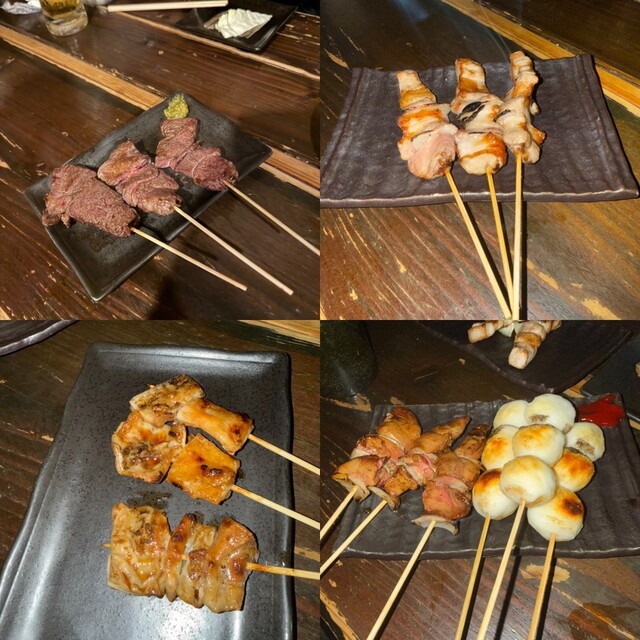
In Nishijin, yakitori is not ceremony but an evening habit: counter seats, smoke, skewers moving in batches, and drinks that suit salt, tare, and char. That is the value proposition at Yakitori Benkei Nishijin ten. It fits Fukuoka’s style of eating well without making dinner a major transaction, a useful counterpoint to the city’s better-known ramen, seafood, and izakaya circuits.
The Sawara Ward address places it west of the central Tenjin-Hakata axis, which matters. Fukuoka rewards travellers who leave the obvious zones: Tenjin offers density, Hakata transport convenience, and neighbourhoods such as Nishijin keep a local rhythm. Readers comparing districts can use Our full Fukuoka restaurants guide for the wider map, then place this room in the city’s lower-priced, high-frequency yakitori lane rather than the destination omakase category.
Nishijin yakitori, priced for repeat eating rather than spectacle
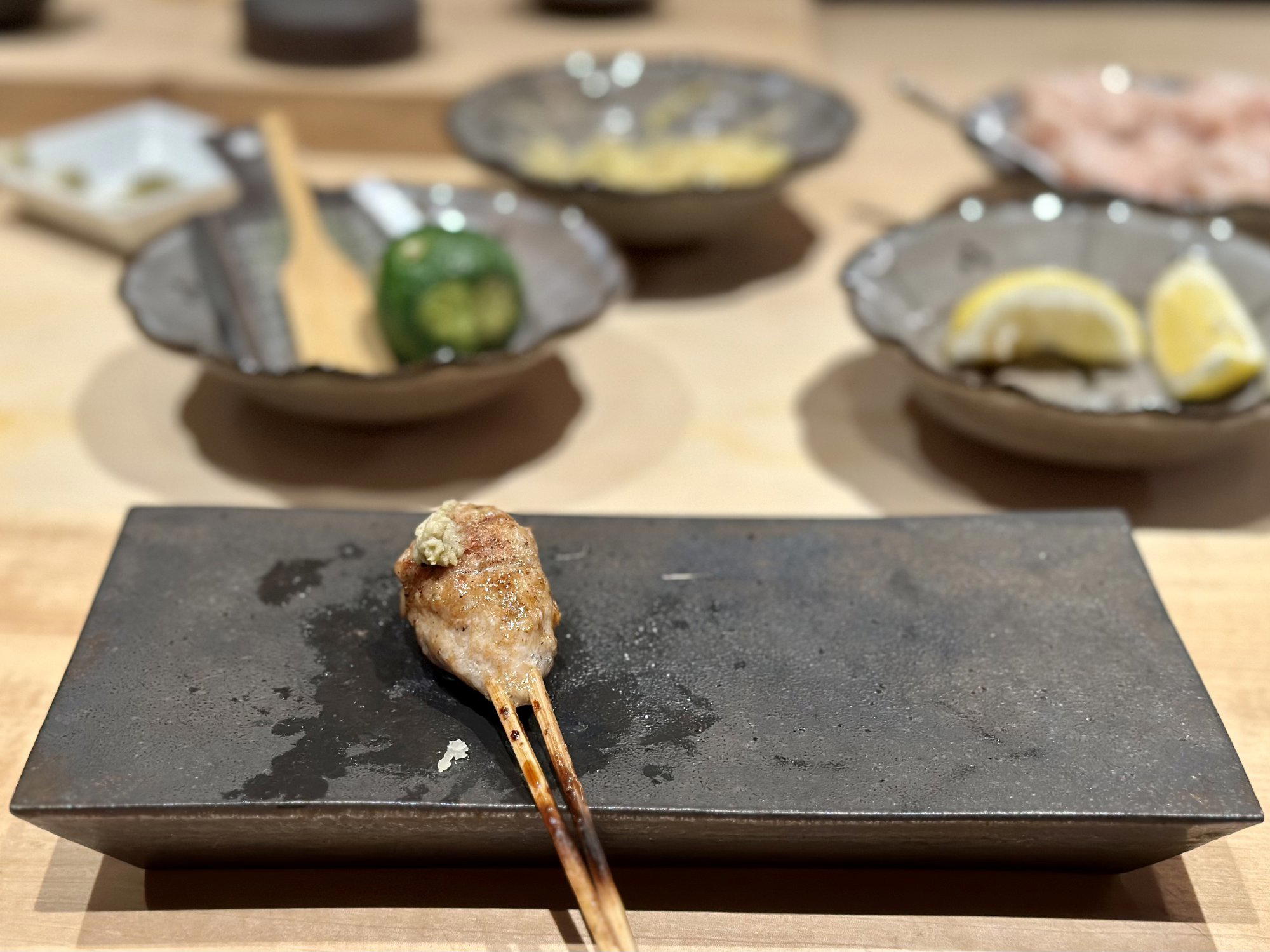
Yakitori’s strength in Japan is range. At one end are chef-led counters where rare breeds, course sequencing, and wine pairings push the format toward fine dining. At the other are neighbourhood shops with a sharper point: grilled chicken skewers and kushiyaki, drinks, and a bill that does not punish a midweek dinner. Yakitori Benkei Nishijin ten sits in the second tradition, with listed dinner spend at JPY 3,000–3,999. That bracket is central to its appeal.
Against nearby Fukuoka comparison points, the pricing reads disciplined rather than cheap. Rojiura Sakaba Gompoji and Tsukune Seisakusho sit higher, at JPY 4,000–4,999 for dinner, while Nishishin Hatsuki Honten and Shokudo Shiotosake share the same JPY 3,000–3,999 band. Bajo So is lower, at JPY 1,000–1,999. The decision is clear: not the lowest-cost stop in the area, but a yakitori-counter format at a spend level accessible for repeat local use.
The award signal sharpens that reading. Selection for Tabelog’s Yakitori WEST 100 in both 2024 and 2025 places the restaurant in a regional yakitori conversation, not merely a neighbourhood-convenience category. Its Tabelog score is listed at 3.61, enough in the Japanese review ecosystem to suggest a serious local following without implying the formality or scarcity of a luxury counter. The takeaway is not that awards make the meal grander; it is that this price tier carries more credibility than the spend suggests.
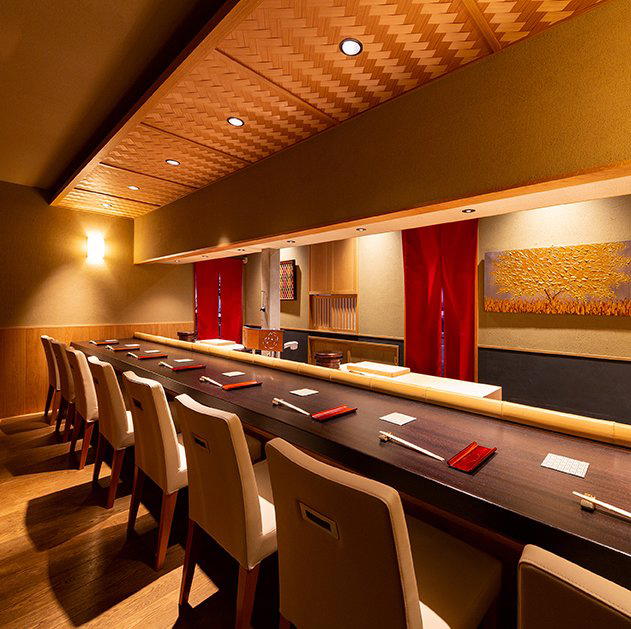
Counter seating keeps the focus on grill, drink, and pace
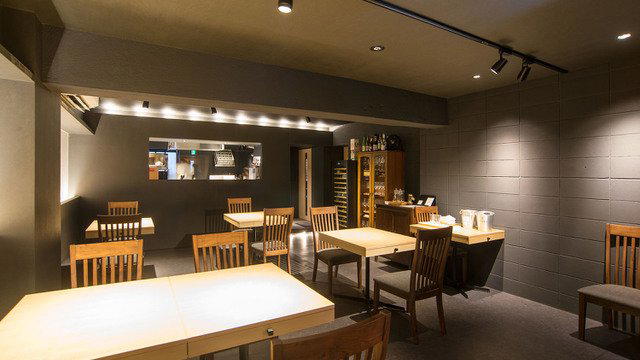
Counter seating is the right physical grammar for this yakitori. It narrows the meal to essentials: ordering in small rounds, drinking alongside the grill, and letting the evening move skewer by skewer. The drinks list is framed around sake and shochu, a more natural fit than a broad international wine program. For visitors used to tasting menus, the adjustment is mental as much as culinary: the rhythm is incremental, not scripted.
Informality should not be confused with looseness. Yakitori and kushiyaki require timing, heat control, and a clear sense of when different cuts should leave the grill. Fukuoka’s better casual counters often win loyalty through consistency rather than novelty, which is how the format earns a place in a premium travel itinerary. A traveller can spend heavily elsewhere, then use a counter like this to understand how local dining works on an ordinary night.
Practical conditions shape the audience. Reservations are available, private rooms are not, and private use is unavailable, so the experience depends on shared room energy rather than seclusion. Smoking is allowed, important for sensitive travellers and a reminder that some Japanese neighbourhood restaurants follow norms different from hotel-dining expectations. Parking is unavailable, and Nishijin Station is the relevant transit reference, making the subway cleaner than a car-based plan.
Payment also affects value. Credit cards, electronic money, and QR code payments are listed as unavailable, so cash planning is essential. In a city where high-end sushi and modern Japanese counters increasingly use prepayment systems and concierge booking, a cash-based yakitori room signals an older, more local operating style. That can be charming, but only if travellers arrive prepared.
Where it fits in a Fukuoka eating itinerary
Fukuoka rewards breadth. A strong itinerary might move from South Indian cooking at 106 South Indian Fukuoka tenjin ten to curry at Afterglow, old-school local cooking at Aji Dokoro Taro Gen Sougyou ten, fried horse mackerel at Aji Furai Shokudo Kaba, and pork cutlet culture at Aji no Katsueda. Yakitori plays a different role: less range on the plate, more repetition, heat, and drink.
For a full city plan, restaurant choices should sit alongside sleep, drinking, and culture rather than operate alone. Use Our full Fukuoka hotels guide for base selection, Our full Fukuoka bars guide for after-dinner drinking, Our full Fukuoka wineries guide for wine-focused detours, and Our full Fukuoka experiences guide for daytime structure. Nishijin makes better sense when the day is not overloaded with formal dining.
Readers comparing Japanese casual formats beyond Fukuoka can triangulate the appeal through other regional entries: beef sukiyaki at -Grilled beef Sukiyaki- KAMAKURA TANUKIAN 鎌倉 たぬき庵 in Kamakura, tuna and charcoal grilling at. 鮪と炭火焼き うお炭 秋葉原店 in Tokyo, café culture at.cafe in Osaka, contemporary dining at.know in Kumamoto, Vietnamese cooking at (Shoku) Vietnam in Kawasaki, specialist curry at [Curry Senmon Ten] Maruyama Kyoju. in Sapporo, sake-bar context at Jōdo Saké Bar in Los Angeles, and rice-ball focus at Onigiri Time in Pasadena. The common thread is not luxury; it is specialization at a readable price.
The strongest case for Yakitori Benkei Nishijin ten is restraint. Its reputation rests on yakitori and kushiyaki, a counter format, drinks that match the grill, and Tabelog regional recognition that validates the address without changing its everyday character. For a Fukuoka traveller, that combination is more useful than another polished room with a larger bill.
Where the Accolades Land
Comparable venues by category and price.
| Venue | Cuisine | Price | Notes |
|---|---|---|---|
| Yakitori Benkei Nishijin tenThis venue — the venue you are viewing | Traditional Yakitori & Kushiyaki | $$ | Not listed |
| Tori Noya | Miyazaki-style charcoal-grilled chicken izakaya | $$ | Chūō |
| Mengekijo Genei (麺劇場 玄瑛) | Hakata Tonkotsu Ramen | $$ | Yakuin |
| Koryoriya Sono Hen | Seasonal Japanese Izakaya & Obanzai | $$ | Hakata |
| Rojiura Sakaba Gompoji | Japanese Izakaya | $$ | Sawara |
| Motsunabe Rakutenchi Tenjin Imaizumi So-Honten | Hakata Motsunabe | $$ | Chūō |
Recognition history
Dated appearances from independent guides and award organizations, with the underlying list record or original source where available.
Tabelog 100 #79 · No. 79
Tabelog · Tabelog 100 - Yakitori - WEST - 2025
At a Glance
- Lively
- Cozy
- Energetic
- Classic
- Casual Hangout
- After Work
- Solo
- Group Dining
- Late Night
- Date Night
- Chefs Counter
- Standalone
- Sake Program
- Beer Program
Current opening hours
- Monday
- 6–11 PM
- Tuesday
- 6–11 PM
- Wednesday
- 6–11 PM
- Thursday
- 6–11 PM
- Friday
- 6–11 PM
- Saturday
- 6–11 PM
- Sunday
- 6–11 PM
Hours can change for holidays and private events. Last verified .
Bustling, casual neighborhood yakitori with a long counter facing the grill, close-set seating, and a lively, smoke-scented atmosphere ideal for solo diners or small groups of friends.