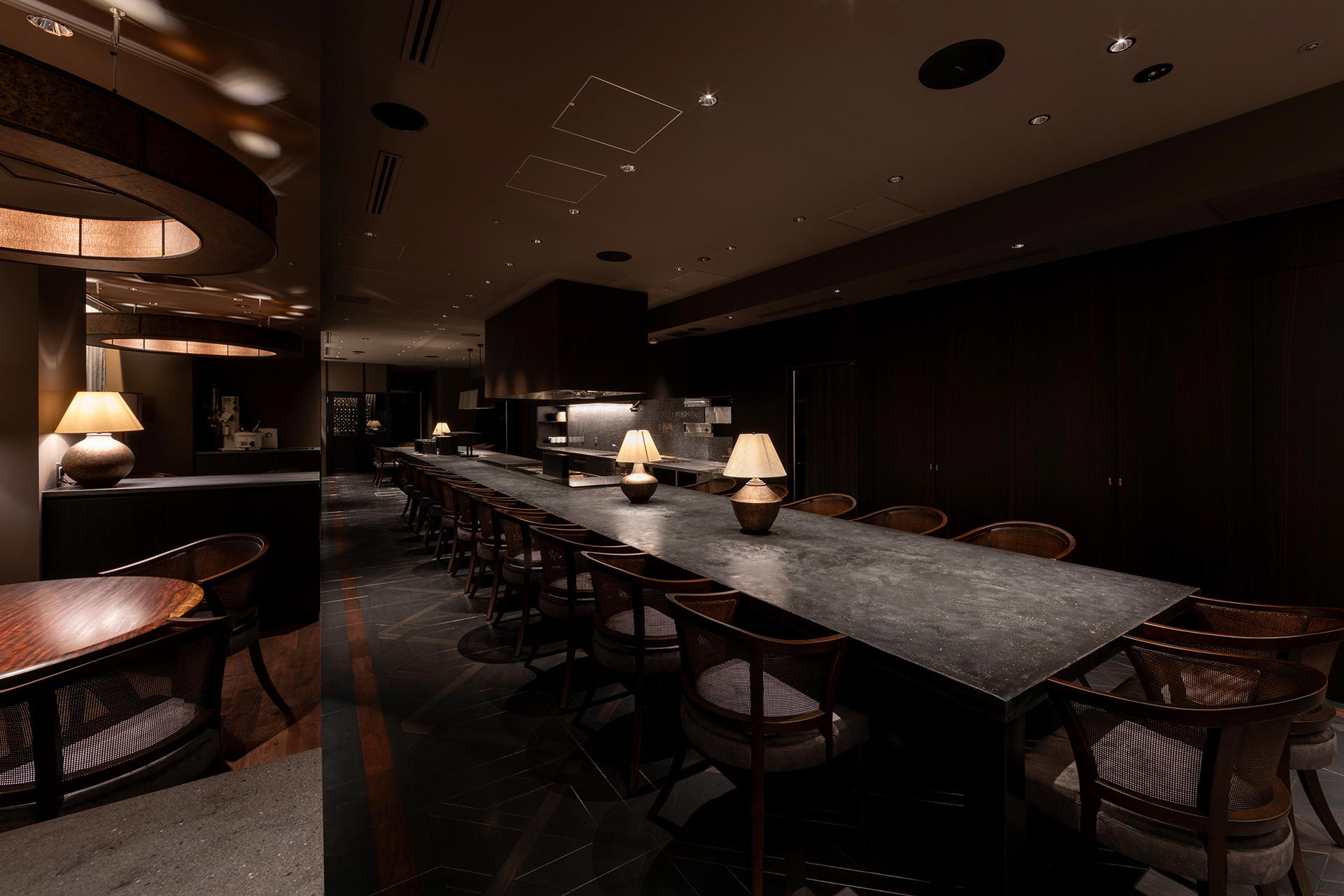
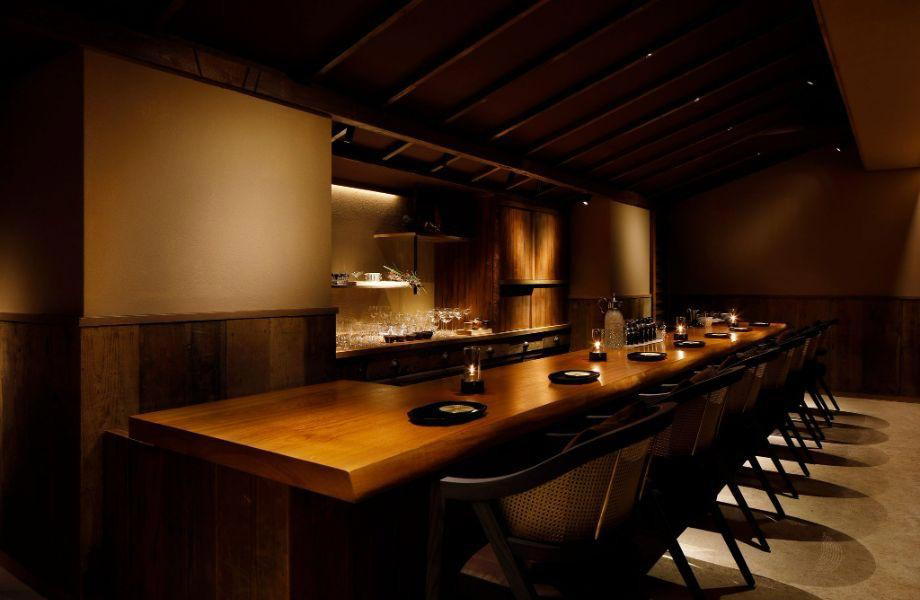
Our verdict
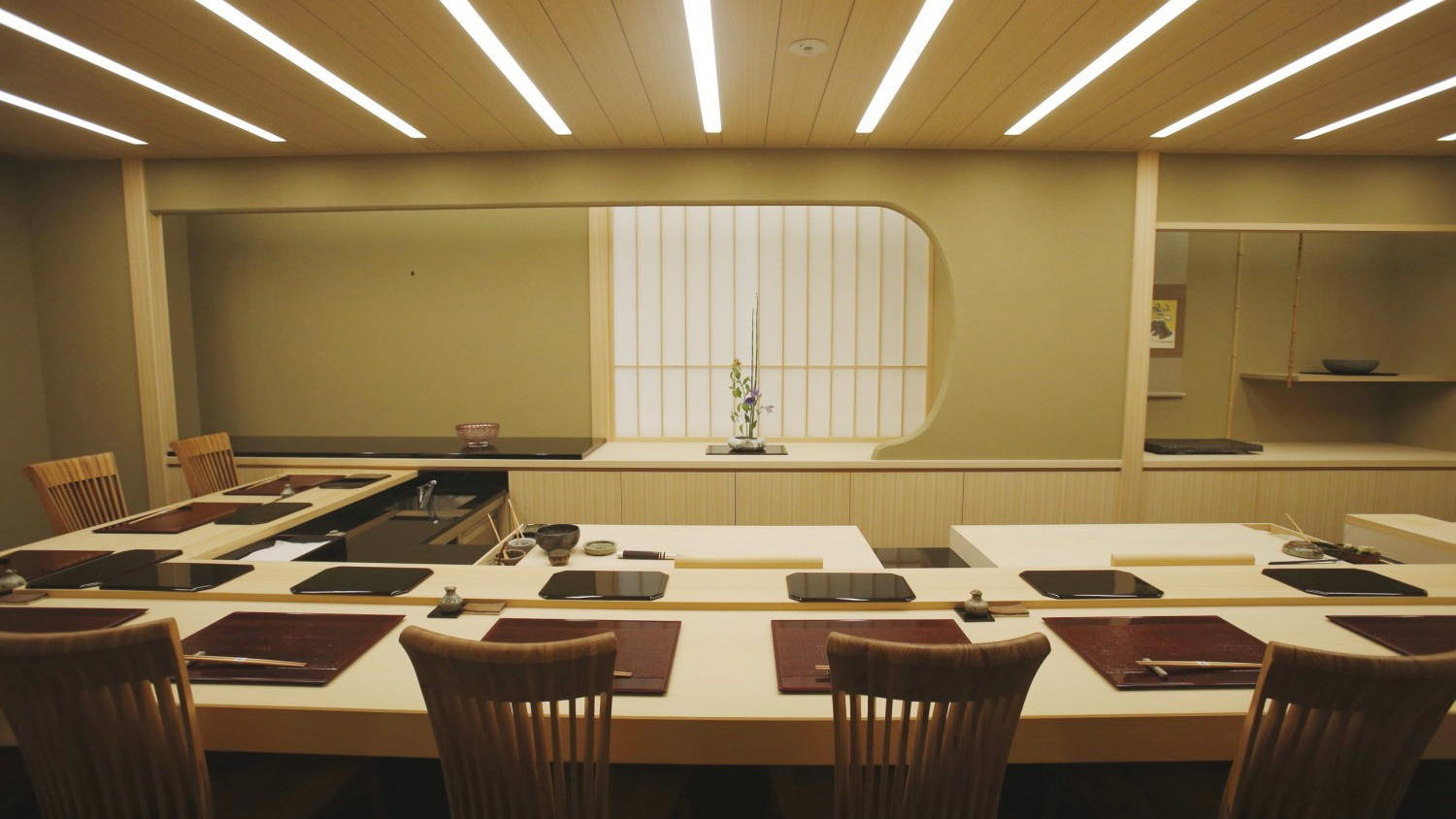
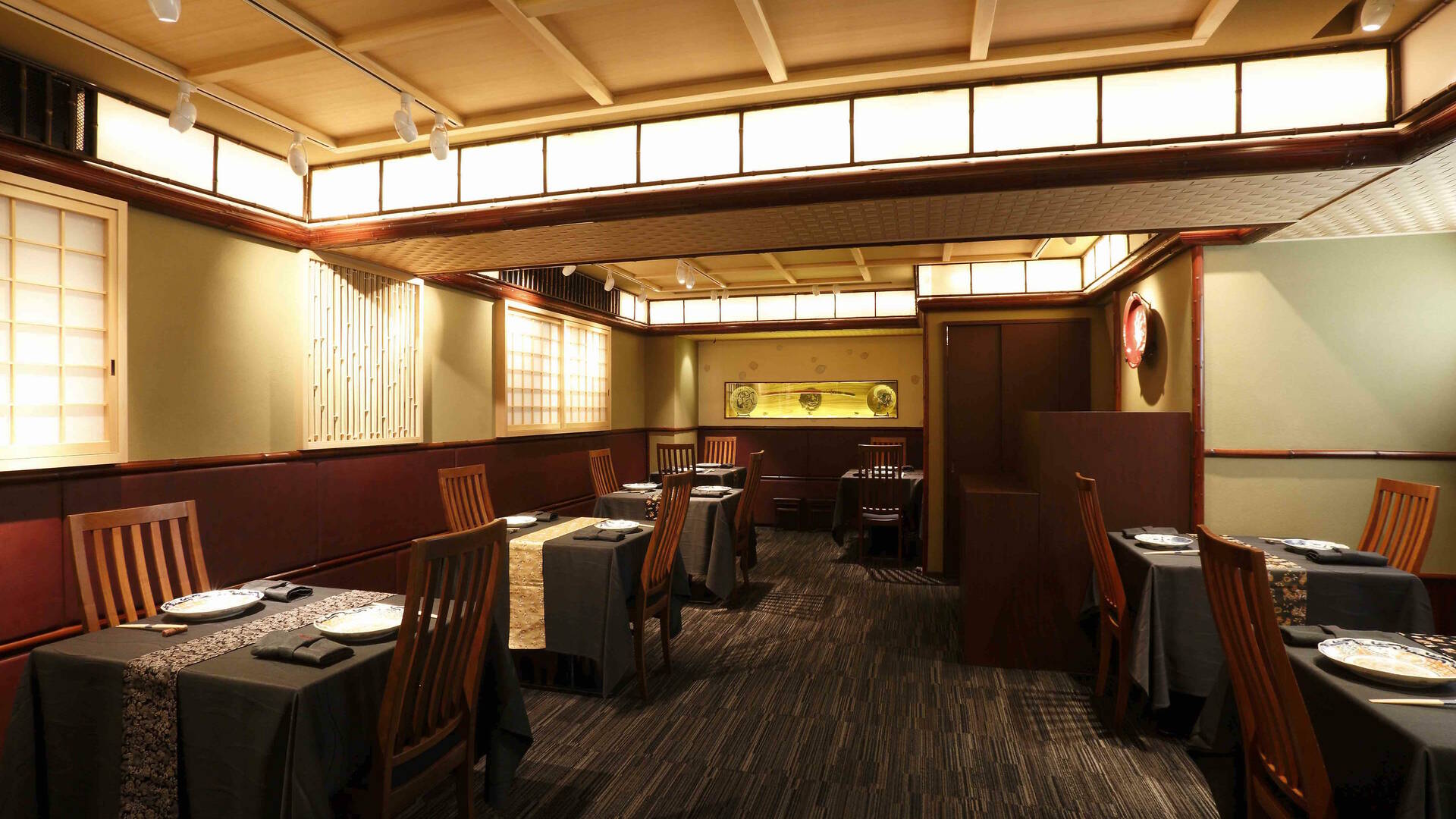
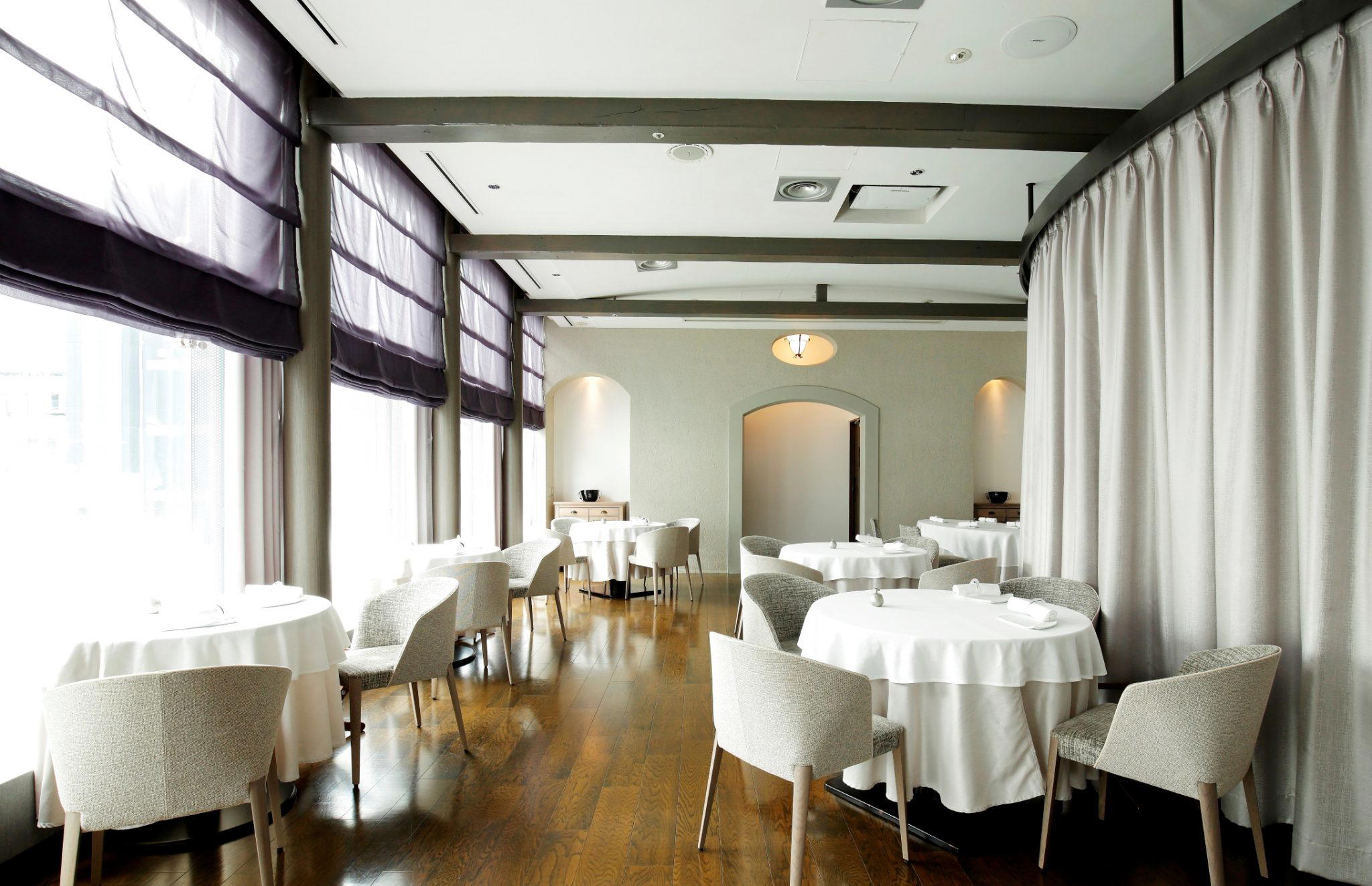
Tradition kept with a delicate modern touch

Pearl is the En Primeur Club membership app — saves, bookings, and concierge access live there. Same editors, same standards.
- Address
- Japan, 〒105-0003 Tokyo, Minato City, Nishishinbashi, 1 Chome−18−8 報徳ビル 1階
- Phone
- +81 3-6812-7168
- Directions
- Get directions
Nishishinbashi and the Geometry of the Tokyo Dining Room
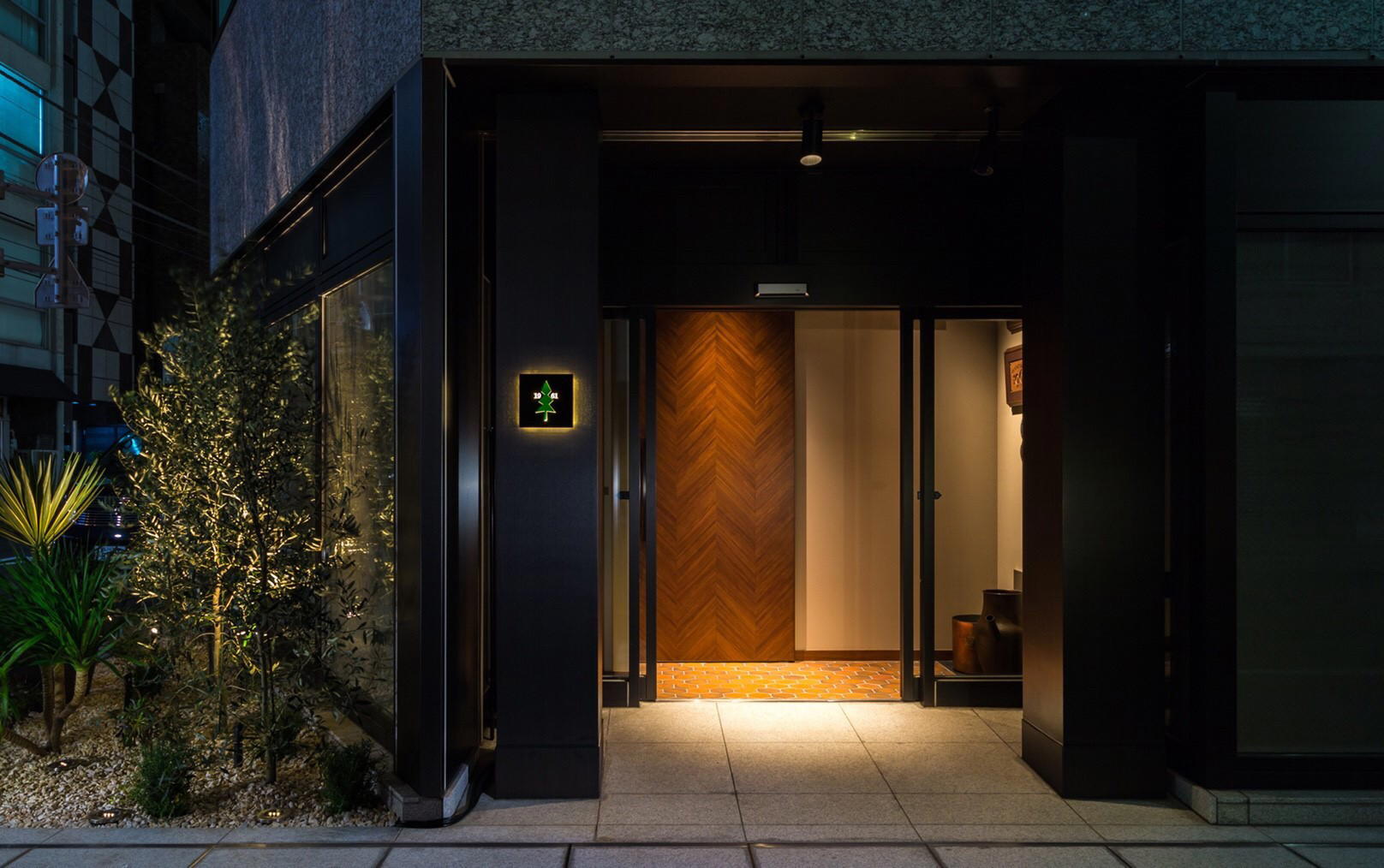
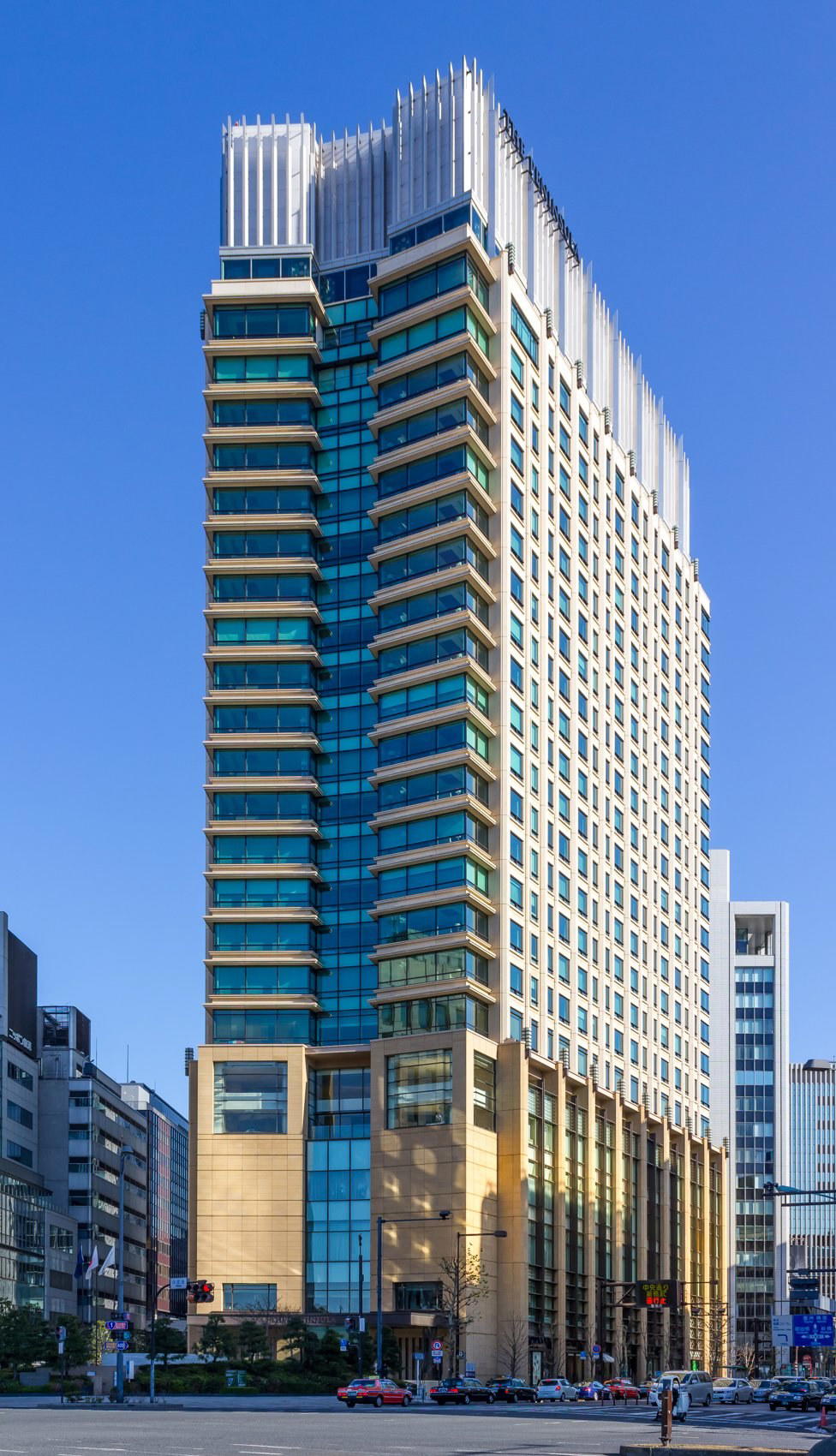
Minato ward's Nishishinbashi district sits between the corporate towers of Shinbashi and the quieter residential gradient that edges toward Toranomon. The neighbourhood is not a dining destination in the way Ginza or Azabu-Juban are, which is precisely what makes it useful as a lens for understanding how Tokyo's premium restaurant tier actually operates. The city's most considered rooms are not always where visitors expect to find them. They occupy mid-rise office buildings, unmarked elevator landings, and single-floor addresses where the street-level signage tells you almost nothing about what waits above. 峡享 sits within this geography, at a Nishishinbashi address on the first floor of the Kyotoku Building.
The Cultural Weight of the Dining Format
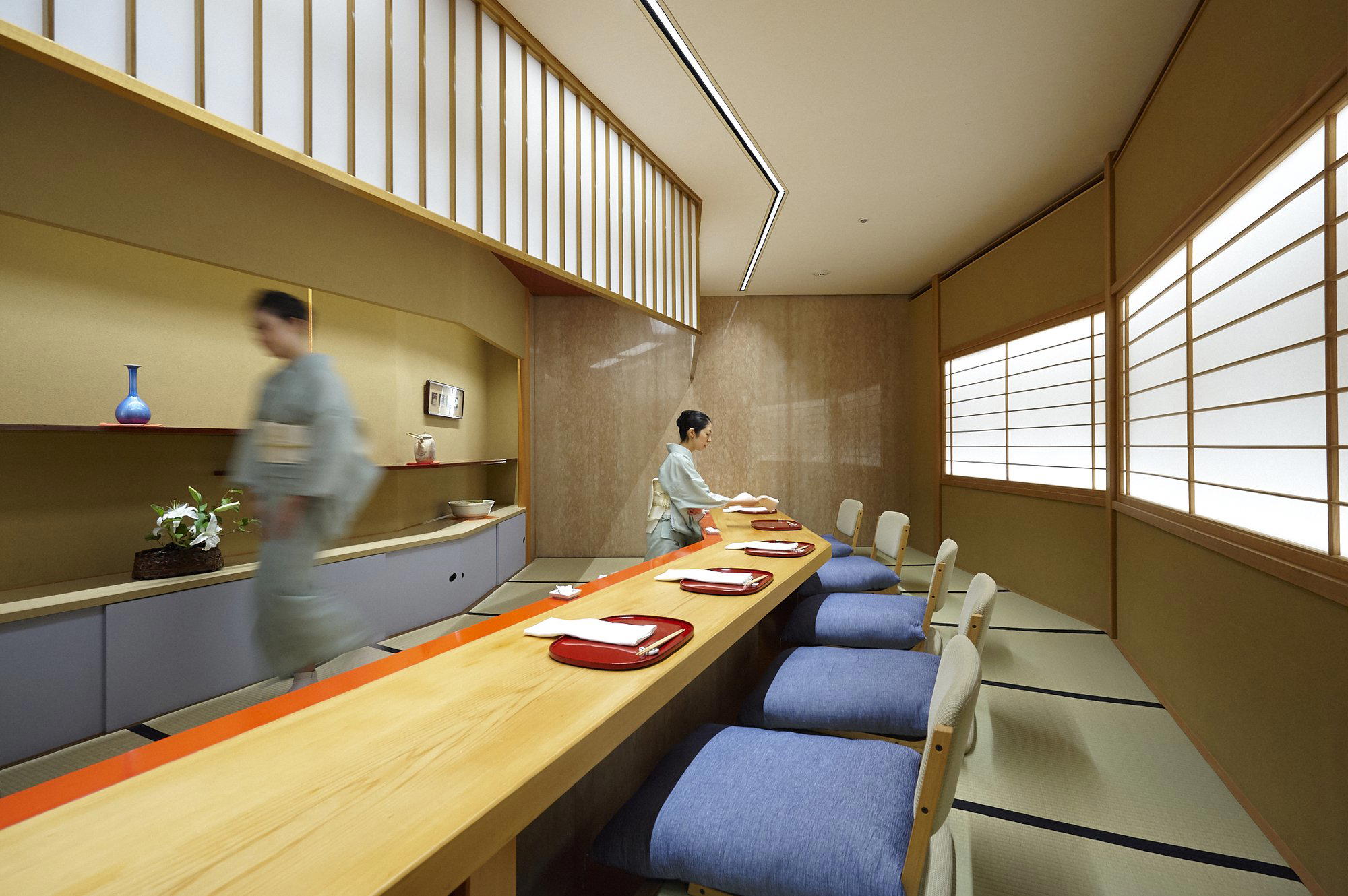
Before focusing on any single room, it helps to understand the broader format tradition that shapes premium Japanese dining in Tokyo. The capital has long operated on a model in which the chef-led counter or intimate dining room functions as a closed circuit: the kitchen is visible, the sourcing is spoken aloud, and the meal unfolds at a pace set by the kitchen rather than the guest. This is not simply an aesthetic preference. It reflects a specific relationship between cook and diner that has roots in both kaiseki protocol and the Edo-period culture of the kappo counter, where the chef works in full view and the exchange between kitchen and table is considered part of the experience itself.
That format has migrated across cuisine categories. Tokyo now has French kitchens operating on kaiseki timing, sushi counters borrowing kappo informality, and Japanese kitchens absorbing European technique without abandoning the structural logic of the multi-course progression. Venues like RyuGin and L'Effervescence sit at that intersection, as does Sézanne, which applies French seasonal logic through a distinctly Tokyo filter. 峡享 joins a wider Tokyo tier in which the format itself carries cultural meaning, independent of any single menu.
Nishishinbashi addresses in the premium dining category tend to serve a clientele that is largely domestic, professional, and repeat-visiting. This contrasts with the Ginza or Shinjuku end of the market, where international foot traffic and tourism-adjacent bookings make up a larger share of covers. Counter restaurants in this district, and in adjacent pockets of Minato ward, typically maintain tighter seat counts and rely on word-of-mouth and reservation networks rather than broad visibility. The room functions as a known quantity within a specific social circuit before it becomes discoverable to visitors from outside it.
Harutaka in Ginza offers a useful point of comparison: a counter that built its reputation through allocation and lineage rather than media positioning. Crony operates with similar structural logic on the French-innovative side of the market. What these venues share is a format discipline that prioritises the meal over the brand.
The Broader Japan Premium Circuit
Tokyo does not exist in isolation as a premium dining city. The circuit that serious diners follow through Japan now connects Osaka, Kyoto, Fukuoka, and regional destinations into a coherent itinerary logic. HAJIME in Osaka represents the technical ambition of the Kansai approach. Gion Sasaki in Kyoto anchors the kaiseki tradition in its most formal register. Goh in Fukuoka demonstrates how regional cities have developed their own premium tiers rather than simply mirroring the capital. Away from the main urban centres, addresses like 一本杉川嶋 in Nanao and 湖畔荘 in Takashima show that Japan's fine dining geography extends well beyond the city limits.
Within Tokyo itself, the Nishishinbashi address connects 峡享 to the quieter, professionally-oriented end of Minato ward's dining scene rather than to the tourist-indexed hotel restaurant tier. That distinction matters for how to approach the booking and what to expect from the room. For visitors building a Japan itinerary that moves between Tokyo and the regions, our full Tokyo restaurants guide maps the capital's premium tier by neighbourhood and format type.
Format Discipline and the Question of Cultural Continuity
One of the defining tensions in Tokyo's premium dining scene is how kitchens negotiate between cultural inheritance and contemporary technique. Japan's food culture places significant value on continuity: the transmission of method from senior cook to junior, the loyalty to a single ingredient source across seasons, the resistance to innovation for its own sake. This is visible at the highest levels of Japanese cuisine globally. At Atomix in New York and Le Bernardin in New York City, Japanese and French culinary discipline each produce their own version of this commitment to continuity over novelty.
In Tokyo, that tension plays out differently across format categories. The kappo and kaiseki traditions reward patience with a technique and a sourcing network. Venues that hold to this model, resisting the pressure to reinvent the menu for seasonal press cycles, tend to develop the kind of quiet authority that keeps regulars returning across years rather than months.
Comparable regional operations like 鶴羽屋 in Nishikawa Machi and 夕木山乃 in Sapporo demonstrate how this philosophy extends through Japan's regional dining culture, not just its metropolitan centres. Akordu in Nara offers another data point: European technique applied within a deeply Japanese cultural and ingredient framework, operating at a level that earns it consideration alongside the capital's premium tier. Birdland in Sakai and Bistro Ange in Toyohashi round out a picture of Japan's provincial dining scene that rewards exploration beyond the major cities.
Planning Your Visit
The information currently available for 峡享 does not include confirmed hours, a published booking channel, or a price range from a verified source. What the address record confirms is a Nishishinbashi location in Minato ward, accessible from Shinbashi Station on the JR Yamanote and Tokaido lines, and from Toranomon Station on the Tokyo Metro Ginza Line. For Minato ward counter restaurants at this level, direct contact via phone or a Japanese-language reservation platform is the standard approach; third-party booking aggregators cover this tier unevenly. Arriving without a reservation at a first-floor counter in this district is possible but not reliable, particularly at dinner service on weekday evenings when the professional clientele from the surrounding office buildings represents the core booking block.
Reservations: Location: 1-18-8 Nishishinbashi, Minato City, Tokyo 105-0003, Kyotoku Building 1F. Access: Shinbashi Station (JR/Tokyo Metro) or Toranomon Station (Tokyo Metro Ginza Line).
Frequently asked questions
What's the must-try dish at 峡享?
Can I walk in to 峡享?
What's the signature at 峡享?
Is 峡享 suitable for visitors unfamiliar with Japanese counter dining formats?
Style and Standing
Comparable venues nearby, for context on price, style, and recognition.
| Venue | Cuisine | Price | Awards | Notes |
|---|---|---|---|---|
| 味享This venue — the venue you are viewing | Not listed | Not listed | Not listed | Not listed |
| Wakana Sushi | Traditional Japanese Sushi | $20–30 | Not listed | Higashi Nagasaki |
| Calical Shimbashi honten | Indian Curry | $1–10 | Tabelog 100 #51 | Minato |
| Rose Bakery Marunouchi | British-influenced bakery cafe | $10–20 | Tabelog 100 #61 | Chiyoda |
| La Precieuse Kioicho ten | Cake Shop / Café | Not listed | Tabelog 100 #12 | Chiyoda |
| AU BON VIEUX TEMPS Nihonbashi takashimaya ten | Dining | Not listed | Tabelog 100 #89 | Chūō |