
Sendai’s serious yakitori culture has a compact, reservation-led address in Sumiyaki Okagesan, where charcoal grilling is treated with the pacing and restraint of a multi-course Japanese meal. The draw is not spectacle but format: a small room, a yakitori omakase structure, and Tabelog Award 2026 Bronze recognition that places it firmly in Japan’s evidence-backed dining conversation.
Pearl is the En Primeur Club membership app — saves, bookings, and concierge access live there. Same editors, same standards.
- Address
- 11-2 Kimachi, Aoba Ward, Sendai, Miyagi 981-0932, Japan
- Phone
- +81223417039
- Website
- tablecheck.com
- Directions
- Get directions
 Saves & bookings on Pearl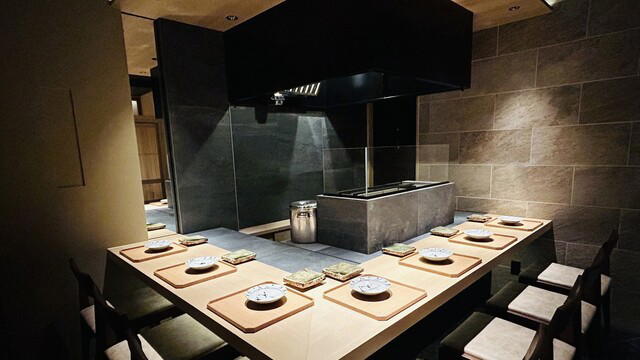
In a small house restaurant in Aoba Ward, the meal is built around proximity: counter seating, charcoal heat, and the measured rhythm of skewers arriving one by one. Yakitori at this level is not casual bar food with better chicken. It borrows from the same discipline that gives kaiseki its authority: sequence, temperature, restraint, and the sense that each course has a job to do before the next one appears.
Sendai is better known nationally for beef tongue, seafood access, and the food culture of Miyagi than for a dense luxury yakitori scene. That makes Sumiyaki Okagesan more interesting. Its Tabelog Award 2026 Bronze recognition and selection for Tabelog Yakitori EAST “Tabelog 100” in 2023 and 2024 put a compact regional counter into a national category usually dominated by larger dining capitals. For travelers using Our full Sendai restaurants guide, it represents a narrower, more demanding version of the city’s dining map.
Yakitori paced like a multi-course Japanese meal
The omakase format changes the way yakitori reads. A skewer house with à la carte ordering lets appetite drive the meal; a fixed sequence lets the kitchen control progression. That distinction matters. The pleasure is not only in smoke and fat but in the order of lean, rich, crisp, and restorative elements, the same aesthetic logic that underpins Japanese multi-course dining even when the medium is chicken over charcoal rather than lacquer bowls and seasonal ceramics.
At this tier, the grill is a form of editing. Salt, tare, doneness, and resting time become the vocabulary, and the counter format makes the labor visible without turning it into theater. Sumiyaki Okagesan works within that contemporary Japanese pattern: small capacity, omakase control, and a room where the meal depends on attention rather than menu browsing. The presence of sake, shochu, and wine on the drinks side also signals a broader shift in serious yakitori, where pairings are no longer limited to beer and highballs.
The Tabelog score of 4.11 is a useful signal because Japanese user-rating culture is conservative at the high end. Numbers above four are not handed out casually, and awards in yakitori categories tend to favor consistency over novelty. Bronze status in 2026 does not make the restaurant a museum piece; it marks a dining format that has earned repeat scrutiny in a category where small technical faults are easy to notice.
A small-room counter culture rather than restaurant spectacle
Nine seats change the social contract. A counter-led yakitori room asks for patience, low volume, and a willingness to follow the kitchen’s timing. That is part of the appeal. The house-restaurant setting removes the grand-entry drama of urban fine dining and replaces it with a more Japanese form of seriousness: fewer seats, closer cooking, and a meal shaped by shared pace.
This is also where etiquette becomes more than formality. Fragrance restrictions, smoke-free rules, and an adult-oriented policy are not arbitrary refinements; they protect a narrow sensory register. Charcoal cooking carries aroma, and yakitori depends on small differences in heat, seasoning, and fat. Strong perfume can flatten that. A room of this scale has little margin for distraction.
For Sendai, the format sits apart from the city’s broader hospitality rhythm. Visitors building a trip might pair a focused dinner here with lodging research through Our full Sendai hotels guide, drinking plans via Our full Sendai bars guide, and daytime cultural planning in Our full Sendai experiences guide. Wine-focused travelers can also scan Our full Sendai wineries guide, though yakitori’s strongest pairing logic here remains Japanese spirits, sake, and carefully chosen wine rather than cellar ceremony.
Where it fits in a Japan-wide dining itinerary
Travelers often misread regional Japan by treating Tokyo as the default measure and everything else as a detour. Sendai rewards a different approach. Its stronger meals are often compact, specialized, and less performative, with quality expressed through category discipline rather than international branding. In that context, Sumiyaki Okagesan is useful because it gives the city a high-precision yakitori point on the map without pretending to be a broad tasting-menu restaurant.
For a wider Japan itinerary, its role is category-specific. It belongs in the same planning conversation as tightly focused restaurants where the format is the point: 1000, Yakitori (Grilled chicken skewers) in Yokohama and Yakitori Koto, Yakitori (Grilled chicken skewers) in Fukuoka for yakitori travelers, or more broadly with regional dining addresses such as -Grilled beef Sukiyaki- KAMAKURA TANUKIAN 鎌倉 たぬき庵 in Kamakura, . 鮪と炭火焼き うお炭 秋葉原店 in Tokyo.cafe in Osaka.know in Kumamoto, (Shoku) Vietnam in Kawasaki, and [Curry Senmon Ten] Maruyama Kyoju. in Sapporo. These are not substitutes for one another; they show how Japanese dining trips are often built from precise formats rather than broad luxury categories.
Within Sendai itself, the city’s range is better understood through contrast in genre, not through a single hierarchy. A traveler might look at achaar, Ademain, Ako, ankoya Ekimae ten, and Baisaou to see how varied the city’s serious food map becomes once it moves beyond the obvious local signatures. The restaurant is the charcoal-and-counter entry in that argument: small, controlled, and better suited to diners who value sequence over choice.
Cuisine-First Comparison
Comparable venues nearby, for context on price, style, and recognition.
| Venue | Cuisine | Price | Notes |
|---|---|---|---|
| Sumiyaki OkagesanThis venue — the venue you are viewing | Yakitori Omakase with Takasaka Chicken | $$$ | Not listed |
| Sendai Gyuu Yakiniku Hana Gyuu | Sendai wagyu yakiniku in private rooms | $$$ | Aoba Ward |
| Senrei Zushi JR sendai eki 3 kai ten | Standing sushi counter with Sanriku seafood | $$ | Aoba-ku |
| Sushi Mino | Sushi Omakase | $$$ | Kokubuncho |
| Yakiniku Kotora - Clisroad | Premium Wagyu Yakiniku | $$ | Clisroad Shopping Street |
| Izakaya Chocho | Traditional Japanese Izakaya with Fresh Seafood | $$ | Kokubuncho, Aoba Ward |
Recognition history
Dated appearances from independent guides and award organizations, with the underlying list record or original source where available.
Tabelog Bronze #335
Tabelog
Continue exploring
More in Sendai
Restaurants in Sendai
Browse all →
Hotels in Sendai
Browse all →

Wineries in Sendai
Browse all →
At a Glance
- Intimate
- Cozy
- Elegant
- Date Night
- Special Occasion
- Open Kitchen
- Chefs Counter
- Sake Program
Current opening hours
- Monday
- Closed
- Tuesday
- Closed
- Wednesday
- Closed
- Thursday
- 5–11 PM
- Friday
- 5–11 PM
- Saturday
- 5–11 PM
- Sunday
- 5–11 PM
Hours can change for holidays and private events. Last verified .
Relaxing counter seating atmosphere in a house-style setting, focused on the grilling experience.