

Yakitori Koto holds a Tabelog Award 2026 Bronze and a place in the Tabelog yakitori WEST 100 for 2025, operating from a 14-seat counter and private room on the second floor of Watanabedori Place in Fukuoka's Chuo Ward. Dinner runs JPY 10,000 to 14,999, reservations are required and must be made personally via Tablecheck, and the kitchen focuses on Miyazaki Oshioka Jidori chicken aged and refined through daily experimentation.
Pearl is the En Primeur Club membership app — saves, bookings, and concierge access live there. Same editors, same standards.
- Address
- Watanabedori Place, 202 5 Chome-2-10 Watanabedori, Chuo Ward, Fukuoka, 810-0004, Japan
- Phone
- +81 50-1724-5155
- Website
- tabelog.com
- Directions
- Get directions
 Saves & bookings on Pearl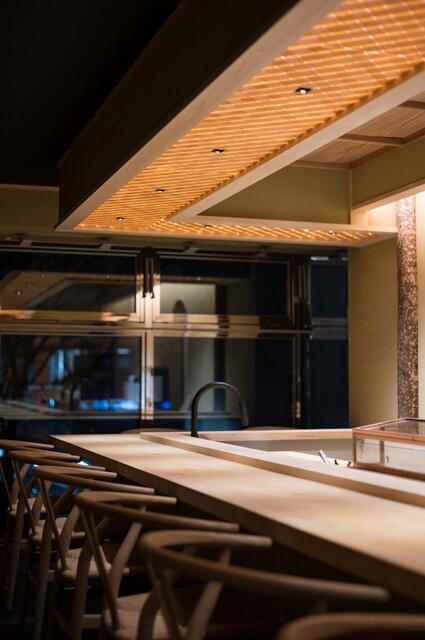
Fukuoka's Yakitori at the Serious End
Yakitori occupies an unusual position in Japan's dining hierarchy. Nationally, the format ranges from standing-room izakaya counters charging a few hundred yen per skewer to reservation-only rooms where the bird's provenance, aging method, and charcoal management produce evening bills that sit comfortably alongside kaiseki. Fukuoka, a city with its own deeply entrenched street-food culture centered on yatai stalls and tonkotsu ramen, has nonetheless developed a tier of specialist yakitori rooms that operate by the logic of the latter category. Yakitori Koto, which opened in April 2024 on the second floor of Watanabedori Place in Chuo Ward, entered that tier immediately and has accumulated the recognition to prove it: a Tabelog Award 2026 Bronze and selection for the Tabelog yakitori WEST 100 in 2025, within roughly eighteen months of opening.
That trajectory matters because it situates Koto within a broader pattern visible across Japan's second-tier cities. Fukuoka is not Tokyo or Kyoto, and its fine-dining scene operates by different rules. In Tokyo, a yakitori counter in Ginza or Shinjuku competes on lineage, technique, and a dense dining field where Michelin attention is routine. In Kyoto, the instinct is toward refinement and restraint, with tradition weighted heavily. Fukuoka's better restaurants, by contrast, tend to move faster, adapt sooner, and attract a local clientele that rewards ambition over pedigree. Koto's stated focus on daily experimentation with Miyazaki Oshioka Jidori chicken, aged to order, is a Fukuoka answer to a question that Tokyo and Kyoto would approach more conservatively.
The Room and the Format
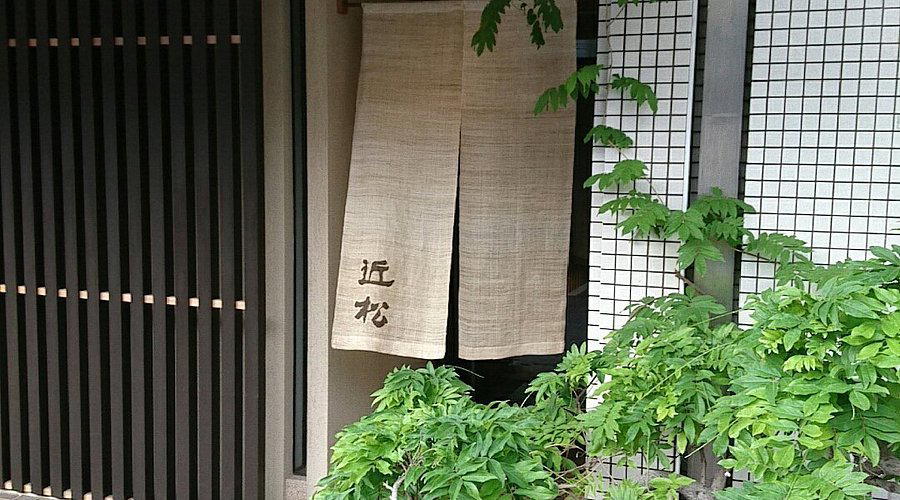
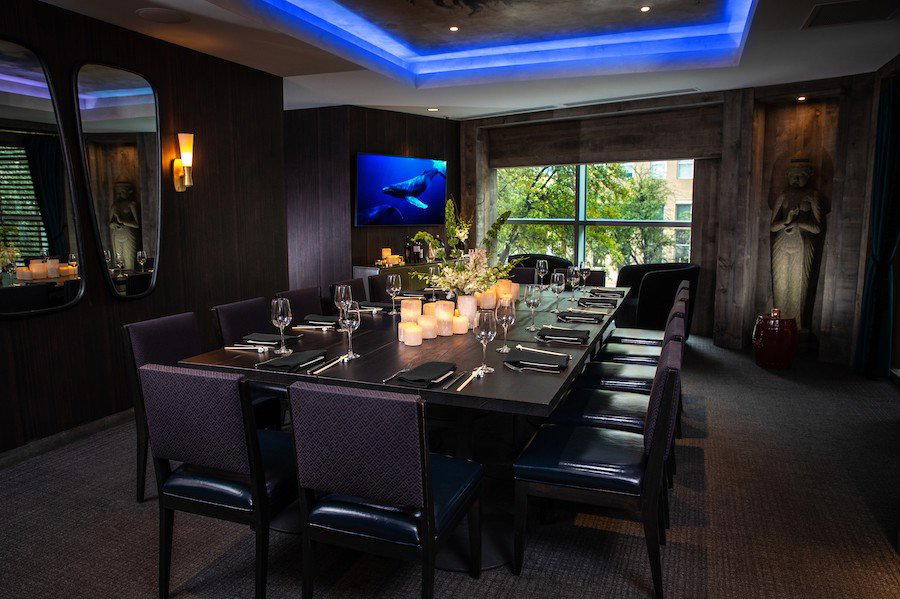
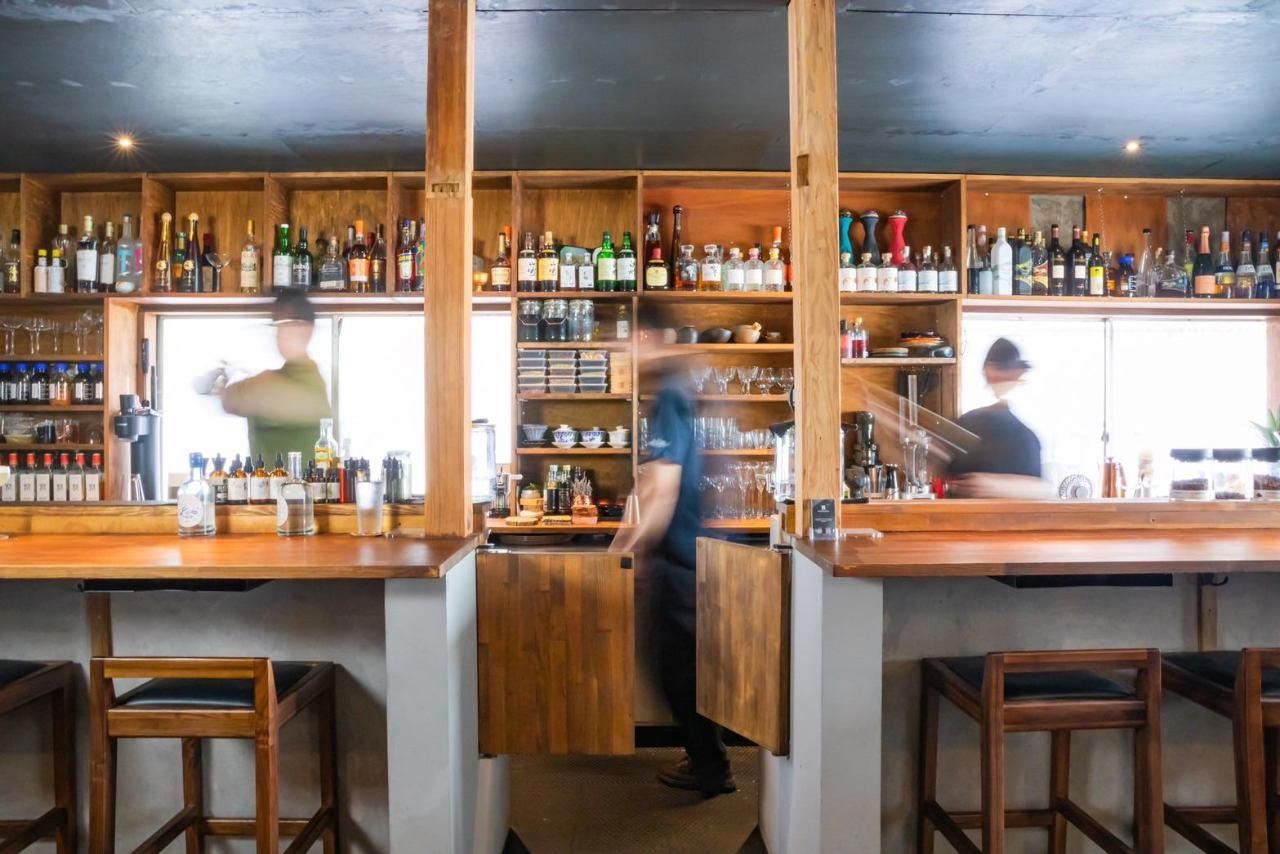
The venue holds fourteen seats in total: ten at the counter and four in a private room. At that scale, every service is effectively a single sitting, and the counter format places guests directly in front of the grill work. The address is Watanabedori Place, 202 5 Chome-2-10 Watanabedori, Chuo Ward, Fukuoka, 810-0004, Japan. The Tenjin Minami area sits just south of Fukuoka's central Tenjin district, close enough to the city's main commercial and dining spine to attract a business-oriented crowd, but removed from the highest-footfall zone. Tabelog lists business occasions as one commonly recommended use case for Koto, and the private room capacity for four supports that pattern.
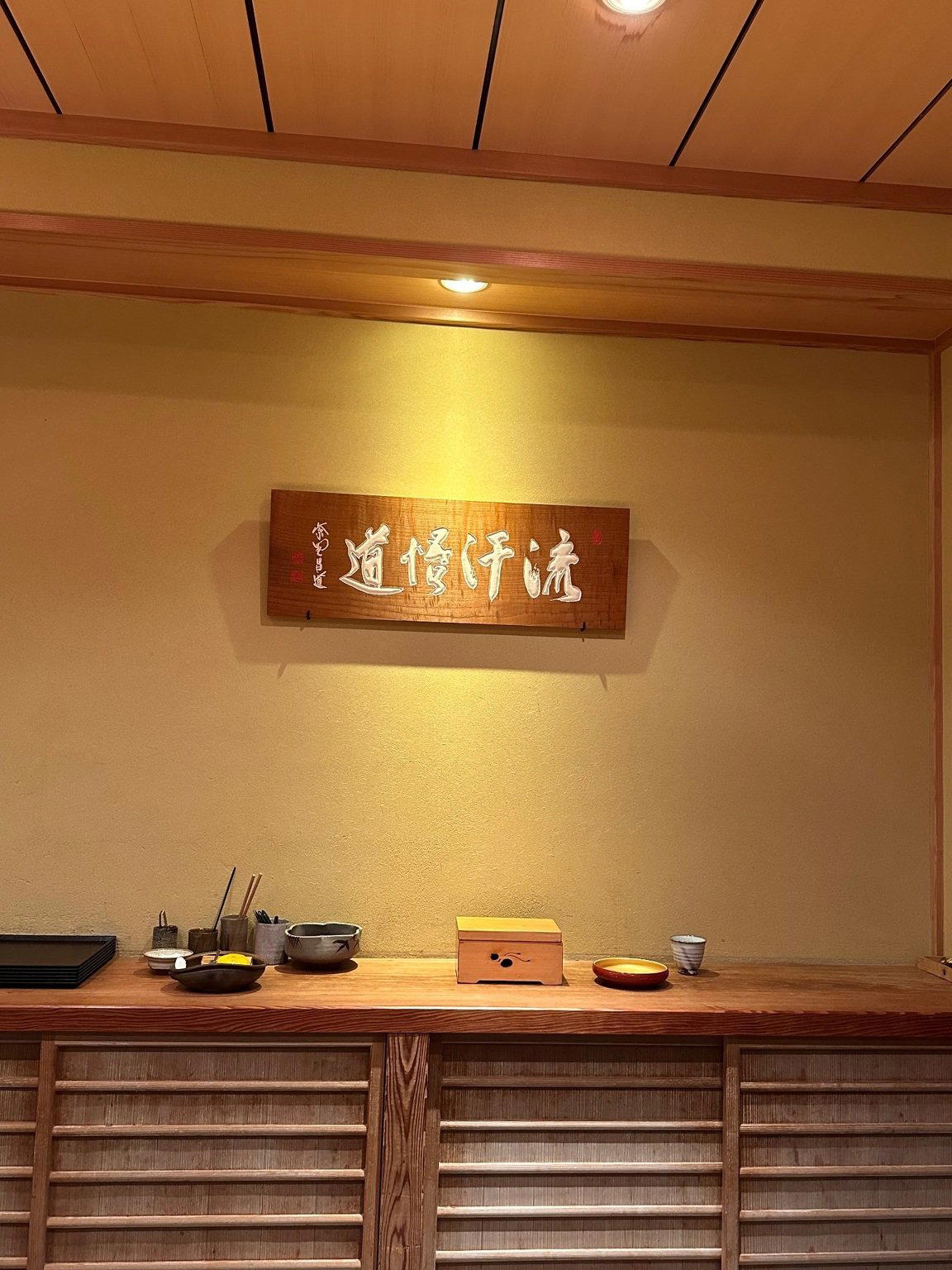
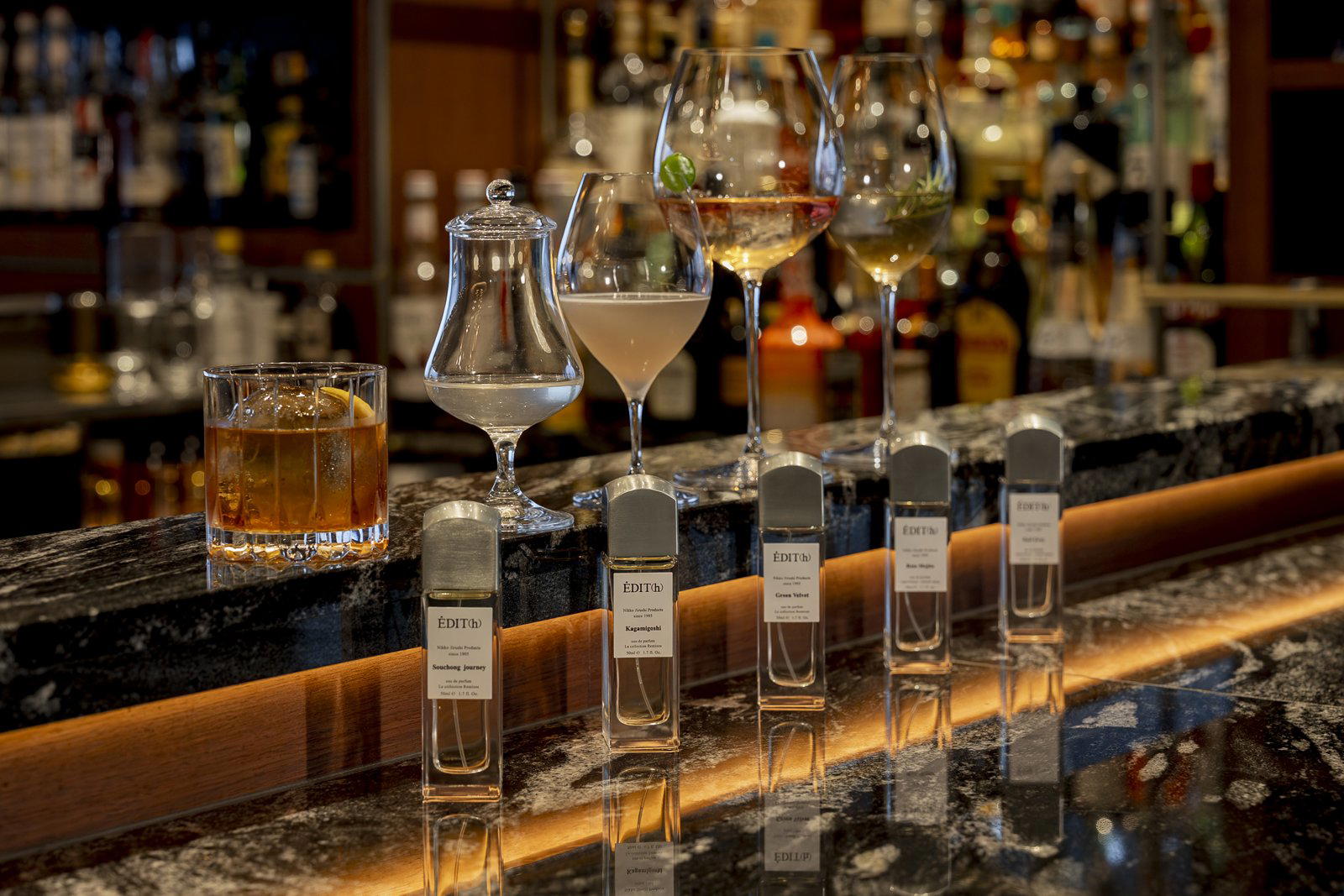
The room itself is described as stylish and spacious for its seat count, with counter seating as the primary configuration. No perfume is permitted at the table, a policy that signals the kitchen's attention to aromatic environment, which matters when charcoal smoke and ingredient fragrance are the defining sensory register of the format. The drink program runs to sake, shochu, and wine, with the Tabelog listing noting particular care around the wine selection. That combination of Japanese spirits and a wine-focused list reflects a wider movement in Japan's serious yakitori rooms, where pairing ambitions have expanded beyond the traditional shochu-and-beer baseline. For comparison with Fukuoka's other serious dining formats, Goh (French) and Chikamatsu (Sushi) represent the city's French and sushi tiers respectively.
The Ingredient Argument: Miyazaki Oshioka Jidori
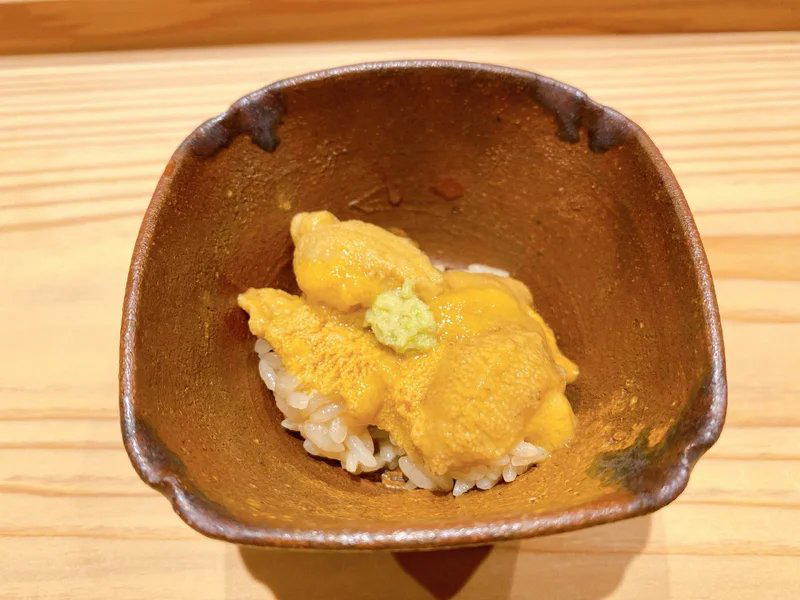
Japan's premium yakitori rooms have progressively narrowed their sourcing arguments. Whereas earlier generations of high-end yakitori might have rotated between multiple regional breeds depending on season or availability, the current direction favors a single-provenance commitment, often to a named jidori breed, as the conceptual spine of the menu. Miyazaki Oshioka Jidori is a free-range breed from Miyazaki Prefecture, in the south of Kyushu, bred under specific conditions that produce a firmer, more flavorful flesh profile than standard commercial chicken. Sourcing from within Kyushu is also a geographic argument: Fukuoka sits at the northern tip of the island, and the short supply chain from Miyazaki to Fukuoka aligns with the city's longstanding habit of drawing on Kyushu-regional producers rather than defaulting to mainland sourcing.
The aging element adds a separate technical dimension. Dry-aging or controlled-resting of poultry at this level of Japanese yakitori is not universal; it requires cold-chain precision and daily assessment. The venue's description of the process as ongoing experimentation rather than fixed protocol suggests the menu evolves as the kitchen refines its understanding of the ingredient. That framing is closer to a research-driven kitchen posture than to a set tasting menu built around stable signatures. For readers interested in how other serious Japanese rooms across the country approach sourcing and format discipline, Gion Sasaki in Kyoto and Harutaka in Tokyo offer useful comparative reference points in their respective cities, while HAJIME in Osaka demonstrates what a different kind of ingredient-driven ambition looks like in Kansai.
Fukuoka vs. Tokyo vs. Kyoto: Speed, Tradition, and the Newcomer Advantage
The metropolitan divide in Japanese fine dining is real and consequential for how you read a venue like Koto. Tokyo's leading yakitori rooms, particularly in the Ginza-Shimbashi corridor, compete in a market where multi-decade histories and Michelin stars function as the baseline proof of seriousness. The cooking at that tier is often highly codified, with innovation occurring within tight stylistic boundaries. Kyoto's approach is even more conservative: tradition and seasonal alignment are the governing criteria, and a room that opened in 2024 would need several years of sustained excellence before the city's critics would treat it as a reference point.
Fukuoka operates differently. The city's dining culture has always had a faster metabolism, from the overnight yatai stalls on the Nakasu riverbank to the speed with which ramen shops and yakitori counters rotate through the city's food press. A new room that earns a Tabelog 4.10 and two national-level recognitions within its first operating year is not unusual in Fukuoka; it is exactly how the city's better restaurants tend to announce themselves. The downside of that velocity is that it compresses the trust horizon. Koto's 2026 Bronze sits at a Tabelog score of 4.10, which is a credible position. The interesting question is where it sits in another two or three years, once the ingredient program has accumulated more consistency data and the kitchen's experimentation has had more runway. Other Fukuoka rooms worth following in parallel include Asago, Bekk, and Chiso Nakamura, each operating at the serious end of their respective formats.
Planning Your Visit
Koto is reservation-only, and the venue specifically asks guests to avoid third-party booking agents entirely, requesting instead that reservations be made personally via Tablecheck. The cancellation policy is firm: no-shows or cancellations without notice carry a 100% charge, as do cancellations within one day. Within three days the charge drops to 50%, and within seven days to 20%. Given the fourteen-seat capacity, those terms are standard for rooms of this format, where a single no-show represents a meaningful portion of the evening's covers. For a room that earned Tabelog recognition this quickly, booking several weeks ahead is advisable, particularly for weekend slots and the four-seat private room.
Dinner service runs from 18:00 to 23:00 daily, with last orders at 22:00. The average spend based on reviews is JPY 10,000 to 14,999 per person. Credit cards are accepted (Visa, Mastercard, JCB, Amex, Diners Club), but electronic money and QR code payments are not. No parking is available on-site, though coin parking lots are nearby. The closest transit is Tenjin Minami Station on the Nanakuma Line, a two-minute walk. The no-perfume policy is noted on the venue's own listing and should be taken seriously.
For context on the wider Fukuoka dining scene, our full Fukuoka restaurants guide covers the city's major formats and price tiers. If you are planning a longer stay, the Fukuoka hotels guide, bars guide, and experiences guide are useful companion reading. Readers with an interest in how the yakitori format plays out in other Japanese cities can consult Sumiyaki Okagesan in Sendai for a northern-Japan point of comparison. For those extending their Japan itinerary more broadly, akordu in Nara and 1000 in Yokohama offer further reference points across the archipelago's serious-dining tier, and our Fukuoka wineries guide is worth consulting if you want to understand the local wine interest that venues like Koto are beginning to reflect in their drink programs. For those curious how a format-driven room at a completely different price point and cultural context operates, Le Bernardin in New York City and 6 in Okinawa are useful international and domestic contrasts.
Price and Recognition
Comparable venues nearby, for context on price, style, and recognition.
| Venue | Cuisine | Price | Notes |
|---|---|---|---|
| Yakitori KotoThis venue — the venue you are viewing | Chūō, Yakitori | $$$ | Not listed |
| Tokishirazu | Not listed | $$$ | Chūō, Creative Japanese Izakaya-style Dining |
| Nishishin Hatsuki Honten | Not listed | $$$ | Sawara, Traditional Wagyu Shabu-shabu & Sukiyaki |
| Asago | Chūō, Authentic Sarashina Soba | $$$ | Not listed |
| Mashiko | Chūō, High-end Yakitori Counter | $$$ | Not listed |
| 井本 | Chūō, Traditional Japanese | $$$ | Not listed |
Recognition history
Dated appearances from independent guides and award organizations, with the underlying list record or original source where available.
Opinionated About Dining Top Restaurants in Japan Recommended
Opinionated About Dining
Tabelog Bronze #207
Tabelog
Tabelog 100 #5 · No. 5
Tabelog · Tabelog 100 - Yakitori - WEST - 2025
At a Glance
- Cozy
- Intimate
- Sophisticated
- Classic
- Date Night
- Special Occasion
- Business Dinner
- Solo
- Chefs Counter
- Standalone
- Sake Program
- Local Sourcing
Current opening hours
- Monday
- 6–11 PM
- Tuesday
- 6–11 PM
- Wednesday
- 6–11 PM
- Thursday
- 6–11 PM
- Friday
- 6–11 PM
- Saturday
- 6–11 PM
- Sunday
- 6–11 PM
Hours can change for holidays and private events. Last verified .
A relaxed, intimate Japanese setting with counter-focused seating and a calm, refined atmosphere.