Our verdict
ガイーナ occupies the second floor of the Marukei Kankou Building in Nagoya's Meieki district, a station-adjacent neighborhood where dining rooms have quietly shifted in ambition over the past decade. Positioned in a city that runs a distinct restaurant culture separate from Tokyo or Osaka, it sits among a cohort of Nagoya venues that reward repeat visits over first impressions.

Pearl is the En Primeur Club membership app — saves, bookings, and concierge access live there. Same editors, same standards.
- Address
- Japan, 〒450-0002 Aichi, Nagoya, Nakamura Ward, Meieki, 4 Chome−4−31 Marukei Kankou Building, 2F
- Phone
- +81525411818
- Hours
- Mon ClosedTue–Sat 5–11 PMSun 5–10 PM
- Website
- gaina-group.com
- Directions
- Get directions
The menu
What to order
- 鉄板焼きシーザーサラダ
- 塊の牛タン鉄板ソテー
- トリュフとマッシュルームの濃厚カルボナーラ
Meieki's Second Floor and What It Says About Nagoya Dining
The approach to ガイーナ tells you something about how dining ambition operates in Nagoya. The Meieki district, fanning out from the western exit of Nagoya Station, is a neighborhood of business hotels, mid-rise office buildings, and ground-floor izakayas that do not advertise much. The Marukei Kankou Building fits that pattern: a low-profile address on a side street at 4 Chome-4-31 in Nakamura Ward, second floor, with no street-level spectacle. In a city where restaurants routinely sit above convenience stores or behind unmarked doors, this is not a drawback. It is a signal about where the place locates its confidence.
Nagoya sits in an odd position in Japan's dining hierarchy. It generates enough business travel and resident wealth to sustain serious restaurant culture, yet it rarely appears in the same breath as Tokyo, Osaka, or Kyoto when critics map Japan's dining geography. That gap between reality and reputation has made the city's mid-tier and specialist operators more interesting to watch over time. Venues do not survive on tourist traffic here. They survive on locals who come back, and that creates a different kind of pressure on quality and consistency than you find in destination dining districts. For more on how Nagoya's scene is structured, the full Nagoya restaurants guide maps the city's key dining neighborhoods and categories.
The Evolution of a Meieki Address
Japan's dining districts near major transit hubs have gone through a recognizable cycle over the past two decades. The initial phase: izakayas and chain restaurants absorbing commuter traffic. The second phase: independents finding that rent proximity to a major station is viable if you carve out a specific niche rather than compete on volume. Meieki has moved through both of those phases, and the dining rooms that remain in the area today tend to have either consolidated a loyal local base or found a format specific enough to attract deliberate visitors rather than passing trade.
ガイーナ sits in that second group. Nagoya's restaurant culture rewards that stability differently than Tokyo does. In the capital, a venue without current award recognition or social media momentum can disappear from the conversation quickly. In Nagoya, the conversation is smaller and longer, and a consistent second-floor address in Meieki can accumulate a reputation over years without ever appearing on a national list. That dynamic is worth understanding before visiting.
For reference points on how Japanese restaurants at different tiers have evolved their positioning, Harutaka in Tokyo and Gion Sasaki in Kyoto both illustrate how top-end Japanese dining has consolidated around format discipline and multi-year reputation. HAJIME in Osaka shows the trajectory available to venues that pursue international award recognition from a non-Tokyo base. ガイーナ operates in a quieter register than any of those, which is not a criticism, but a description of the competitive tier it occupies.
Where ガイーナ Sits in Nagoya's Dining Spread
Nagoya's dining scene has its own distinct geography. The city is known nationally for a cluster of local specialties, including miso katsu, hitsumabushi eel, and kishimen noodles, that have generated dedicated specialist operators. Atsuta Horaiken represents the institutionalized end of that tradition with hitsumabushi. The city also sustains a range of Italian and European-influenced rooms, including Bacio, cucina Wada, Chez Kobe, and Cucina Italiana Gallura, which collectively indicate that the city's dining middle has diversified well beyond its regional identity.
Beyond Nagoya, Japan's regional dining has developed strong individual nodes. Goh in Fukuoka and akordu in Nara both demonstrate how cities outside the main urban corridor have built serious dining identities. Across Japan more broadly, venues in less-visited locations, including 一本杉川嶋 in Nanao, 夕咲乃 in Sapporo, 湖邸庵 in Takashima, 庄羽屋 in Nishikawa Machi, and Birdland in Sakai, are shifting the assumption that quality concentrates only in major metropolitan centers. ガイーナ belongs to that broader pattern of regional dining operating on its own terms. For international comparison, Le Bernardin in New York City and Atomix in New York City illustrate the different pressures that come with operating in a high-visibility dining market, where consistent critical attention raises the stakes on every service.
Planning a Visit
ガイーナ is located at 4 Chome-4-31 Meieki, Nakamura Ward, Nagoya, on the second floor of the Marukei Kankou Building. The Meieki address places it within walking distance of Nagoya Station, which makes it accessible whether you are arriving by shinkansen or navigating the city by subway. Because no booking method, hours, or current pricing data is available through EP Club's database at the time of writing, the practical recommendation is to visit in person or research current contact information through local dining aggregators before making a trip specifically. The Meieki district has enough dining density that the visit to the area is worth planning even if ガイーナ turns out to require advance planning or has limited availability on a given evening.
Frequently asked questions
Does ガイーナ work for a family meal?
The Meieki address in Nakamura Ward puts ガイーナ within easy reach of Nagoya Station, which makes logistics straightforward for groups travelling together.
What's the vibe at ガイーナ?
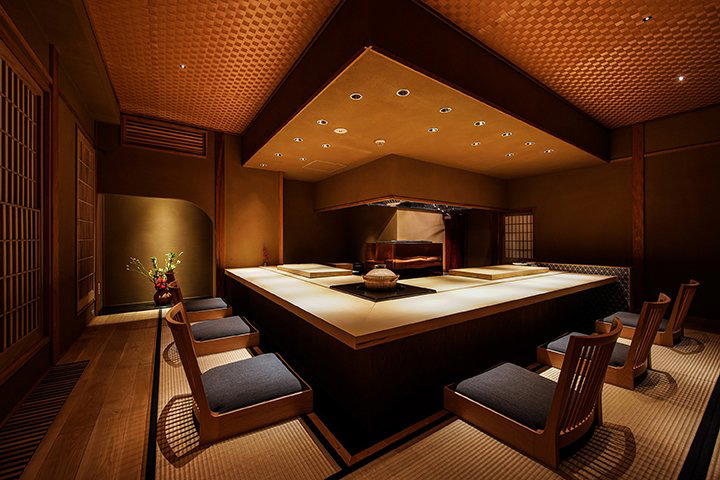
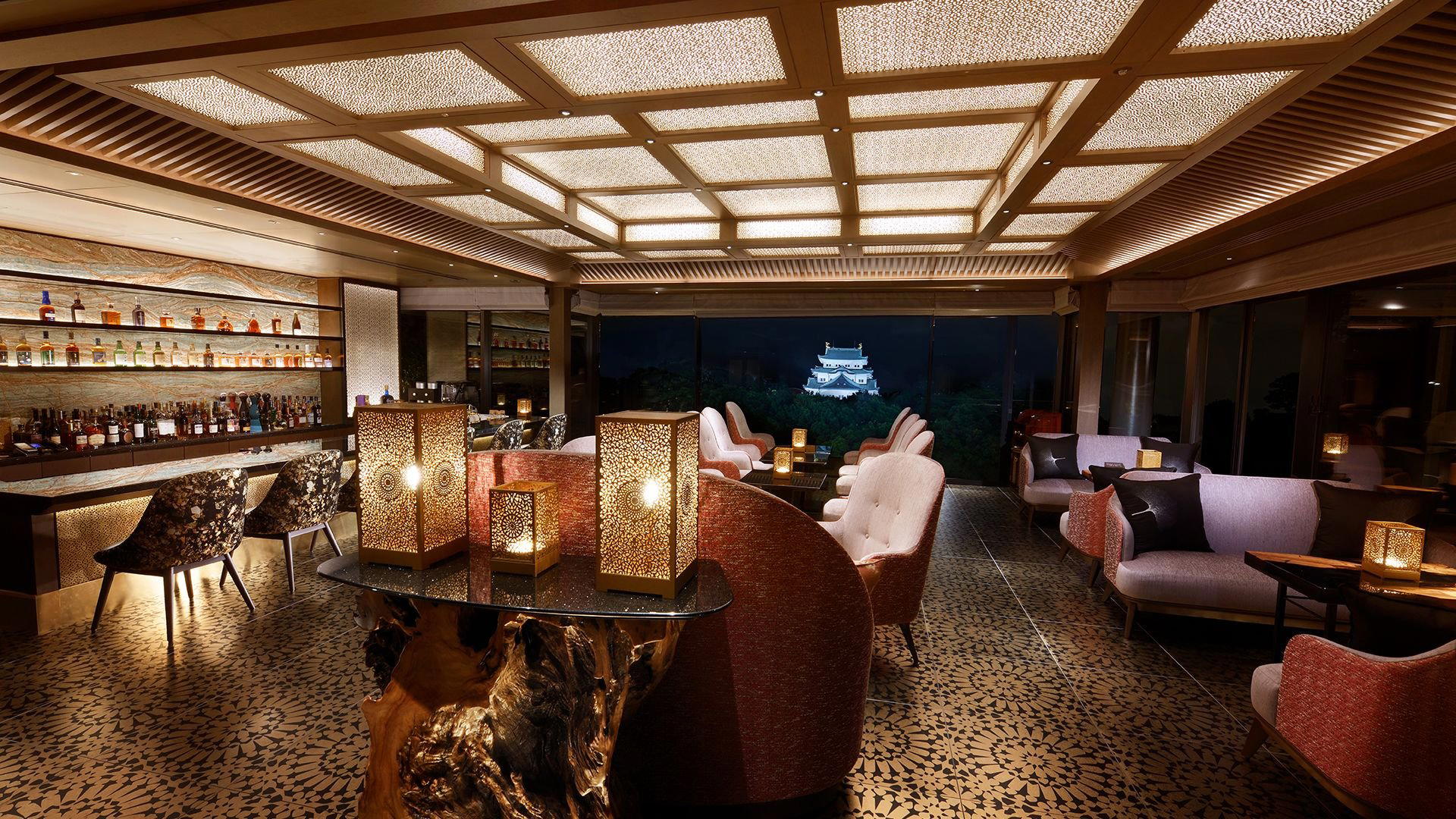
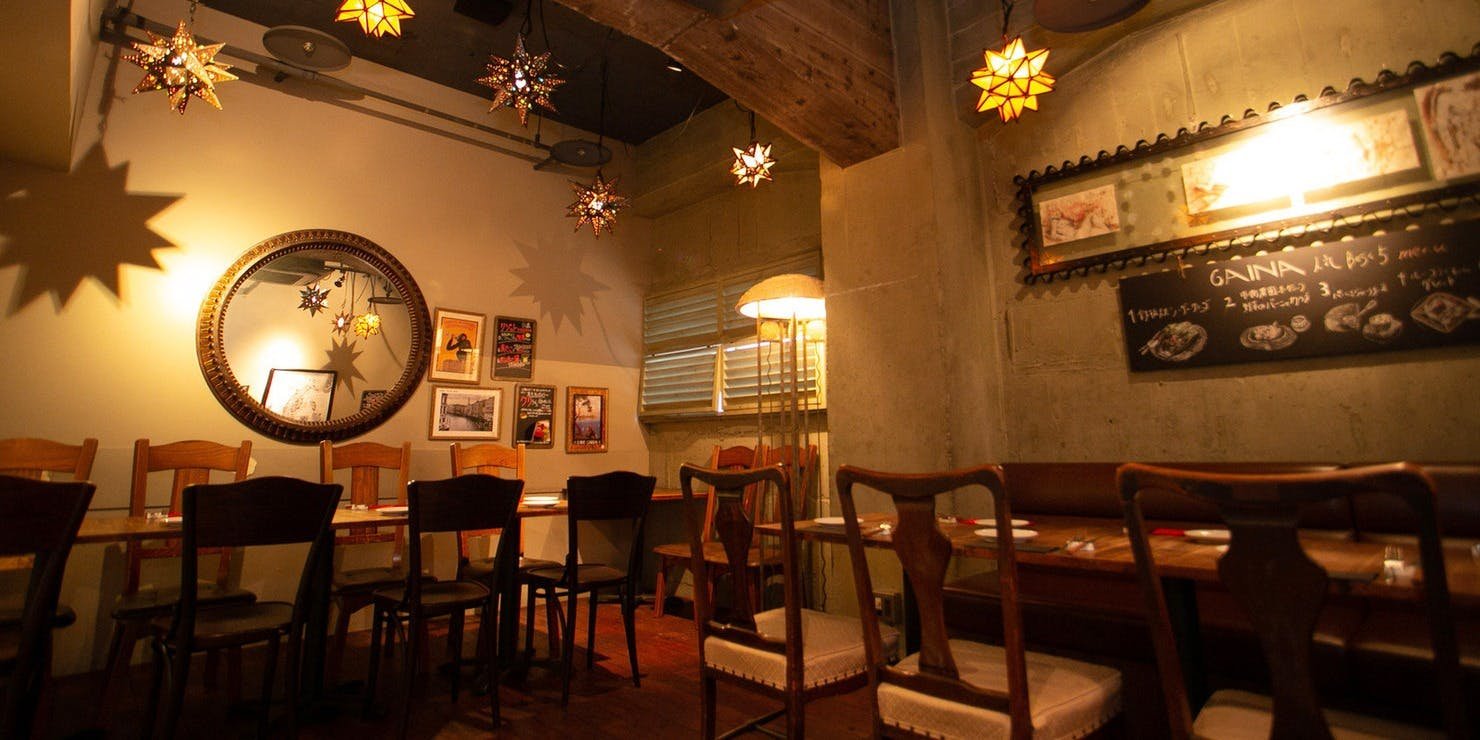
ガイーナ sits on the second floor of the Marukei Kankou Building in Meieki, a district that has shifted over the past decade from straightforward izakaya territory toward a more considered dining register. Second-floor positioning in this part of Nagoya tends to signal a deliberate dining room rather than a casual street-level drop-in. The neighbourhood context is commercial and transit-adjacent, which shapes the clientele toward after-work and destination diners rather than a tourist circuit.
Is ガイーナ easy to reach from Nagoya Station?
ガイーナ is located at 4 Chome-4-31 Meieki, Nakamura Ward, which places it in the immediate Meieki district fanning out from the western side of Nagoya Station. The address in the Marukei Kankou Building, second floor, is walkable from the station without requiring additional transit. For visitors arriving by Shinkansen or local rail, Meieki is one of the most accessible dining districts in the city.
What do regulars order at ガイーナ?
Nagoya's broader dining identity includes miso katsu, hitsumabushi, and tebasaki, so regional staples are worth asking about when you visit. The best approach is to ask staff directly what the kitchen is currently focusing on.
Where do I go for ガイーナ?
ガイーナ is located at Japan, 〒450-0002 Aichi, Nagoya, Nakamura Ward, Meieki, 4 Chome−4−31 Marukei Kankou Building, 2F, Nagoya.
Compact Comparison
Comparable venues nearby, for context on price, style, and recognition.
| Venue | Cuisine | Price | Awards | Notes |
|---|---|---|---|---|
| ガイーナThis venue — the venue you are viewing | Teppanyaki Italian | $50–100 | Not listed | Not listed |
| Baci | Italian Fine Dining | $100–150 | Tabelog 100 #86 | Higashi, Italian Fine Dining |
| オステリア リュウ | Northern Italian Osteria | $50–100 | Tabelog 100 #12 | Chikusa, Northern Italian Osteria |
| Enoteca Pinchiorri | Not listed | Not listed | Not listed | Nakamura, Modern Tuscan-Italian Fine Dining |
| Siculamente | Sicilian Italian | $50–100 | Tabelog 100 #94 | Naka, Sicilian Italian |
| ヴィチーノ | Modern Natural Italian | $50–100 | Tabelog 100 #32 | Chikusa, Modern Natural Italian |