
Nagoya’s serious Italian dining tier is broader than pasta-and-wine comfort, and Siculamente sits in the tighter Sicilian lane: seafood-minded, wine-conscious, and small-room in scale. Its Tabelog Italian EAST 100 selection in 2025, plus earlier Tabelog Award Bronze recognition in 2017 and 2018, place it among the city’s more closely watched Italian counters and dining rooms.
Pearl is the En Primeur Club membership app — saves, bookings, and concierge access live there. Same editors, same standards.
- Address
- 愛知県名古屋市中区千代田2-3-6
- Website
- tabelog.com
 Saves & bookings on Pearl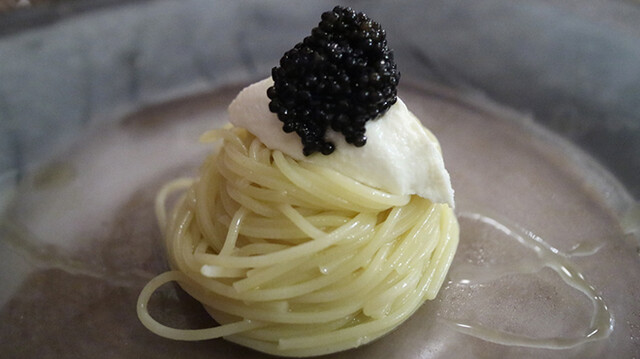
Approaching the Chiyoda side of Naka-ku, Nagoya’s restaurant tempo shifts from station-front efficiency to smaller, house-scale dining rooms. That setting suits Sicilian cooking, which reads best when conversation, wine service, and a sequence of seafood-led plates can move without ceremony. Siculamente works in that register: compact, serious, and more concerned with rhythm than spectacle.
Nagoya rewards restaurants with a clear proposition. In Italian dining, the split is visible: casual trattoria familiarity, polished regional Japanese-Italian cooking, and a smaller group asking diners to treat Italian cuisine with the attention given to sushi, kappo, or French tasting formats. This address belongs to the latter group, not by inflating the experience but by narrowing its appeal: Sicilian cuisine, fish as a defining thread, and a drinks program giving both wine and nihonshu room at the table.
Sicilian cooking in Nagoya, viewed through fish and pacing
Sicily is often flattened abroad into citrus, capers, and sun-drenched shorthand. In Japan, the more interesting translation is structural. Island cooking deals with fish, salt, acidity, bitter greens, preserved ingredients, and the practical intelligence of coastal markets. In Nagoya, where diners already understand seasonality through Japanese formats, Sicilian cooking can land with less explanation than in cities treating regional Italian food as novelty.
Siculamente’s public identity points directly at that fish-led reading of Italian cuisine. It should not be judged against casual seafood pasta houses. The better comparison is with compact, high-intent Italian rooms in Nagoya where the meal depends on sequence, temperature, wine cadence, and front-of-house timing. Locally, Link occupies a similar dinner price band, while Japan no Italian Ryori Ten sai moves higher. Bistrot L'Ampoule and Masaka sit lower on spend, making them different decisions rather than direct substitutes.
The award history supports that positioning. Selection for Tabelog Italian EAST 100 in 2025 is a meaningful public signal in Japan’s restaurant culture, where user attention, repeat dining, and category-specific lists matter beyond tourist-facing rankings. Earlier Tabelog Award Bronze recognition in 2017 and 2018 adds a longer arc: this is not a room appearing briefly on a fashionable list, but one with sustained attention across several Nagoya dining cycles.
The quieter value is the room's coordination
The assigned theme here is not named-chef mythology; the revealing story is coordination. A 16-seat dining room leaves little margin for disconnected service. Tables, kitchen pace, drinks advice, and guest expectations must move together, especially when a restaurant signals both wine focus and sake availability. Italian dining in Japan often becomes more compelling when the beverage side is not forced into a single European template. Nihonshu can suit fish, salt, and acidity when handled with restraint, while wine remains the natural spine for regional Italian cooking.
That team dynamic separates a compact Italian restaurant from a pleasant neighbourhood dinner. In a small room, front-of-house regulates the meal, not just delivers plates. The kitchen can commit to a full-course Sicilian format only if the floor knows when to slow the table, when to move it, and how much explanation the diner needs. Too much narration turns regional cuisine into a lecture; too little makes it feel generic. The stronger version sits between those poles, where the diner understands the logic without being handed a manifesto.
Nagoya need not copy Tokyo’s luxury restaurant grammar. The city has enough corporate dining, destination gastronomy, and neighbourhood loyalty to support serious rooms without making every dinner feel like a trophy reservation. Siculamente fits that civic pattern: intimate, not precious; ambitious, not defined by imported grandeur. Its Sicilian frame gives it a clearer point of view than broadly “Italian” menus trying to cover the whole peninsula in one evening.
How it fits into a Nagoya dining itinerary
For travellers building a Nagoya dining run, this is the Italian booking to place alongside the city’s Japanese formats rather than after them. The appeal is how regional Italian cooking can echo Japanese dining habits: attention to fish, controlled portions, and a course-by-course progression that rewards patience. Diners wanting a looser, lower-spend evening have other local options; those comparing serious Italian rooms should weigh it against Link and higher-priced Japan no Italian Ryori Ten sai, then decide how much formality and spend they want.
The practical read is simple: small capacity changes the stakes. A room of this scale does not absorb walk-in uncertainty like a large trattoria, and a full-course format benefits from arriving ready to follow the pace rather than treating the meal as a quick stop between bars. The absence of private rooms also matters for group planning, though private use is possible at a scale suited to the whole restaurant rather than a corner table. For couples or small groups, the draw is a controlled evening with enough beverage range to avoid one script.
For broader planning, start with Our full Nagoya restaurants guide, then layer in nearby dining references such as 1022, 451, Aaron, Alan., and All Day Dining Montmartre. City logistics can be rounded out through Our full Nagoya hotels guide, Our full Nagoya bars guide, Our full Nagoya wineries guide, and Our full Nagoya experiences guide.
Travellers extending the Japan dining map can compare category choices beyond Nagoya: -Grilled beef Sukiyaki- KAMAKURA TANUKIAN 鎌倉 たぬき庵 in Kamakura. 鮪と炭火焼き うお炭 秋葉原店 in Tokyo.cafe in Osaka.know in Kumamoto, (Shoku) Vietnam in Kawasaki, and [Curry Senmon Ten] Maruyama Kyoju. in Sapporo. For a wider Japanese-influenced dining lens outside Japan, Jōdo Saké Bar in Los Angeles and Onigiri Time in Pasadena show how format, beverage, and specificity travel differently across cities.
The Minimal Set
Comparable venues to anchor price and recognition.
| Venue | Cuisine | Price | Notes |
|---|---|---|---|
| SiculamenteThis venue — the venue you are viewing | Naka, Sicilian Italian | $$$ | Not listed |
| Cucina Italiana Selvaggio | Not listed | $$$ | Higashi, Japanese-Style Italian Fine Dining |
| Ecco | Nishi, Seasonal Italian | $$$ | Not listed |
| ヴィチーノ | Chikusa, Modern Natural Italian | $$$ | Not listed |
| Aroma-fresca Nagoya | Not listed | $$$ | Naka, Seasonal Italian Fine Dining with Extensive Wine List |
| cucina Wada | Naka, Seasonal Italian | $$$ | Not listed |
Recognition history
Dated appearances from independent guides and award organizations, with the underlying list record or original source where available.
Tabelog 100 #94 · No. 94
Tabelog · Tabelog 100 - Italian - EAST - 2025
Continue exploring
More in Nagoya
Restaurants in Nagoya
Browse all →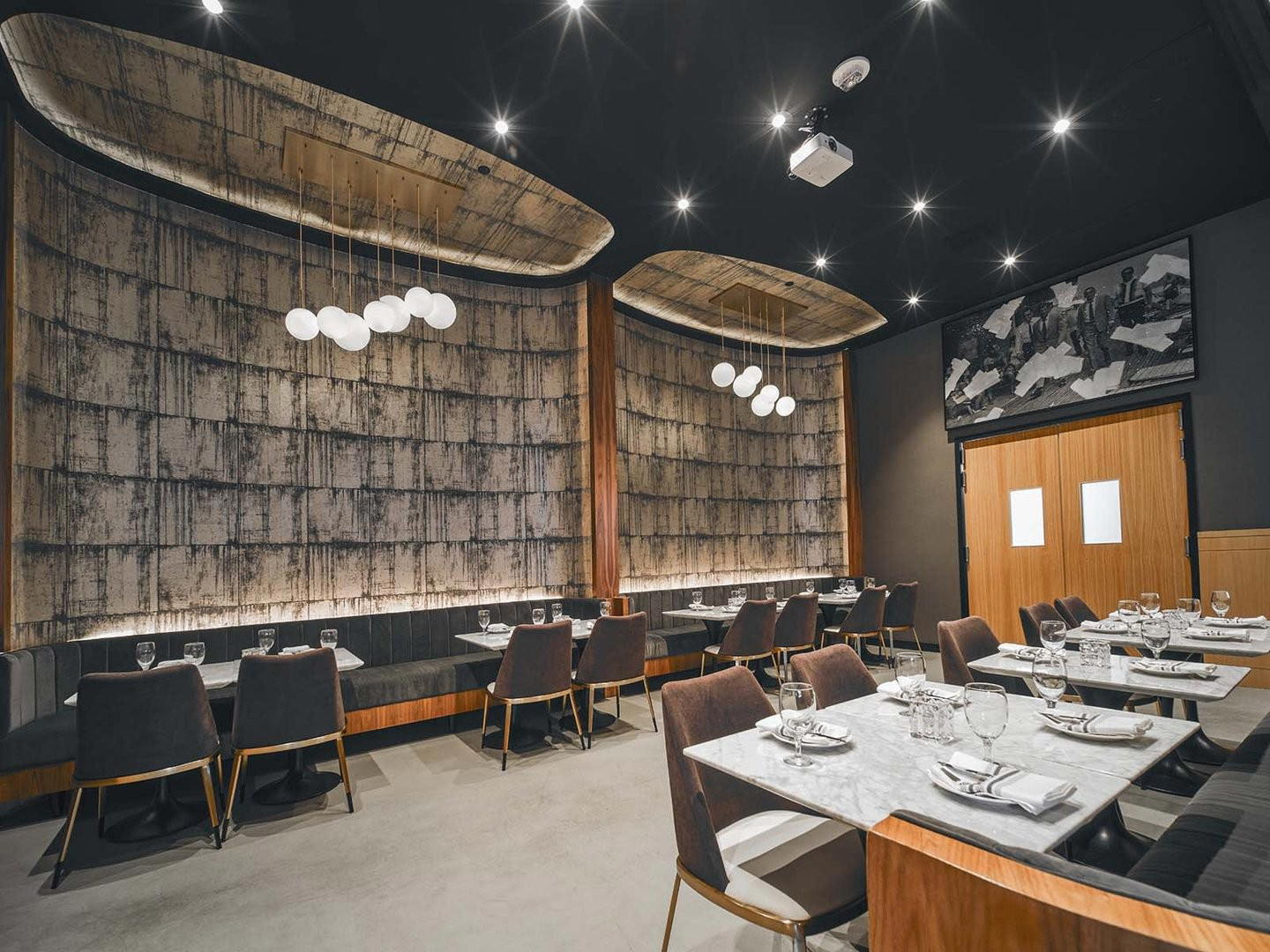


At a Glance
- Cozy
- Intimate
- Rustic
- Classic
- Family
- Celebration
- Special Occasion
- Group Dining
- Standalone
- Design Destination
- Sake Program
- Local Sourcing
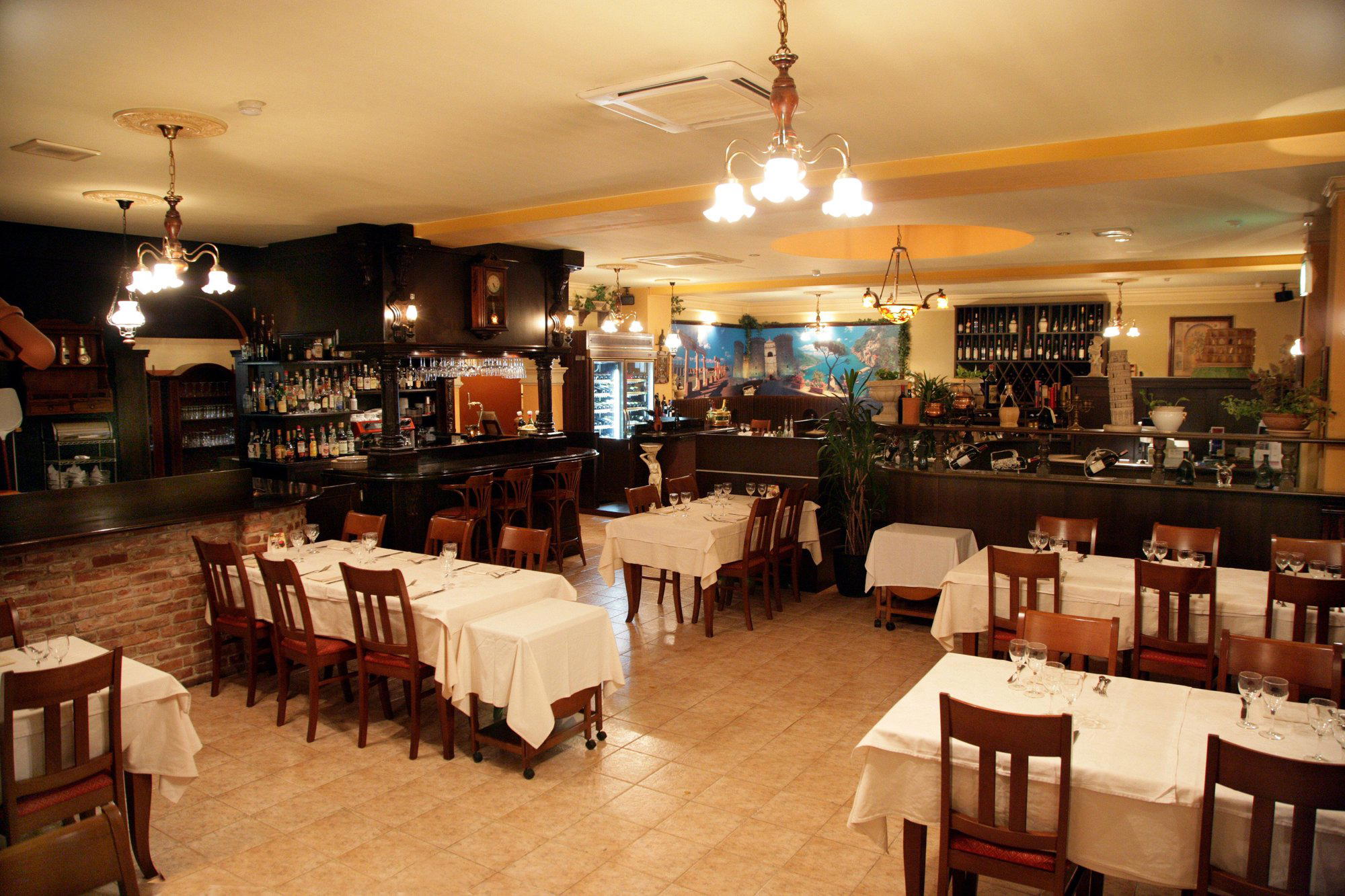
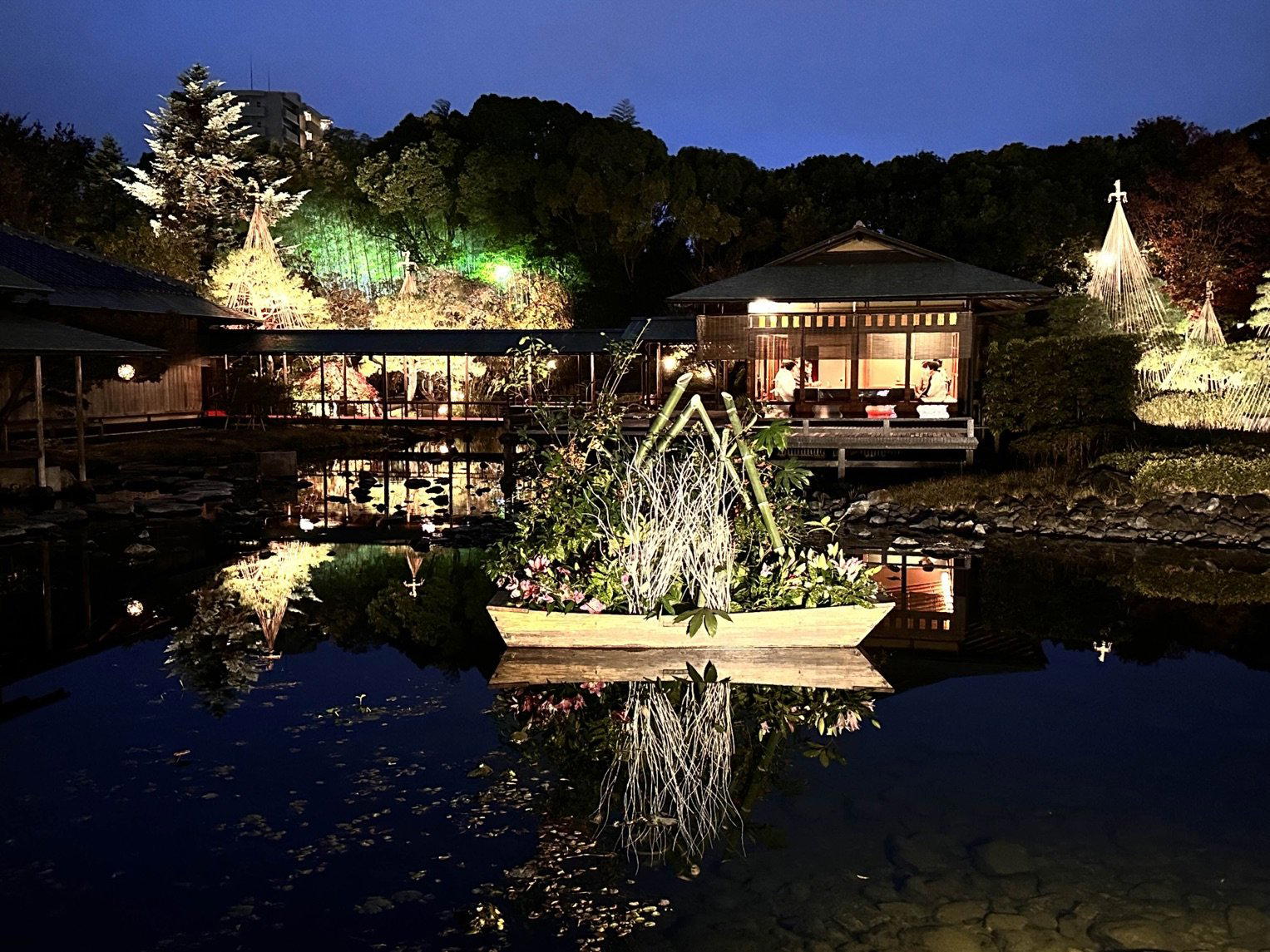
Warm, cozy, and intimate, with wood-heavy décor and a nostalgic antique European feel that gives it the feel of a secluded hideaway.