Tabelog 100 #32
Our verdict
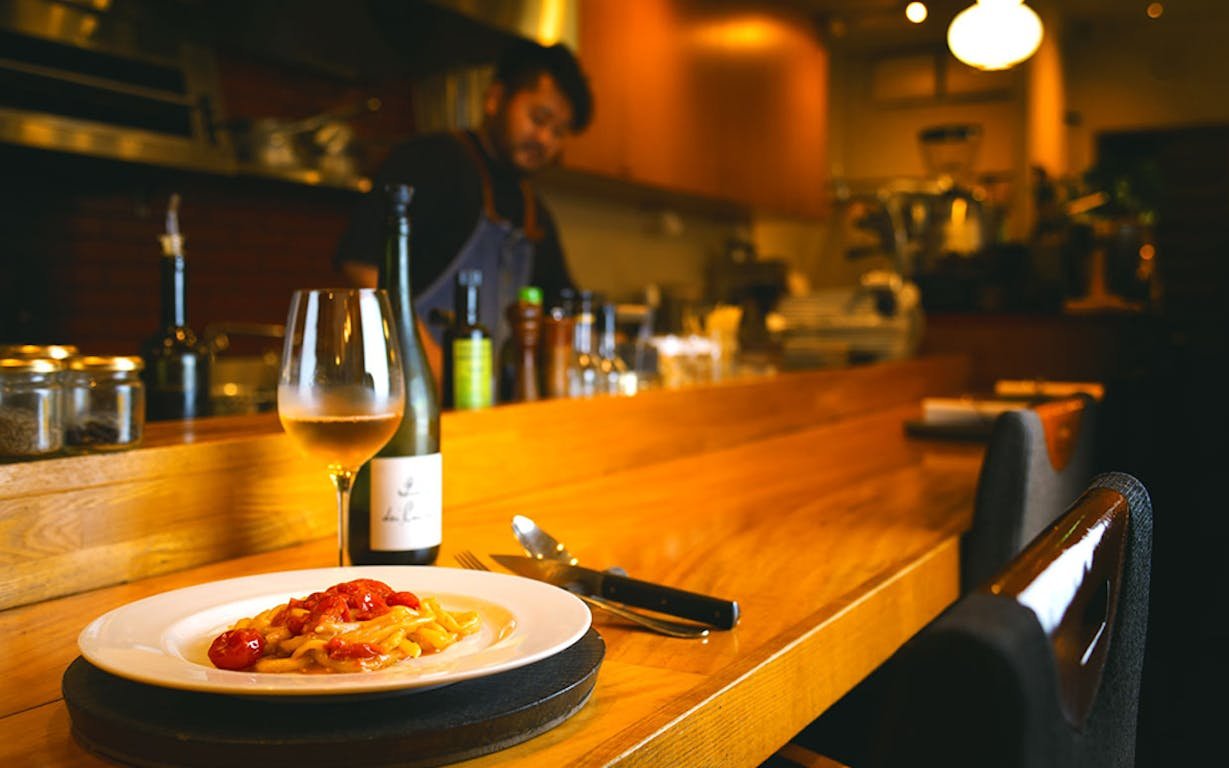
ヴィチーノ serves Modern Natural Italian with an omakase course, local sourcing, and an open kitchen. Leisurely pacing and conversational noise suit a long lunch or dinner.

Pearl is the En Primeur Club membership app, where members save venues, book tables and use the concierge.
Chikusa Ward After Dark: How Nagoya’s Neighbourhood Dining Scene Sets the Stage
The residential stretch of Chikusa Ward, east of Nagoya’s central grid, operates on a different register than the Sakae dining corridor. Streets here are quieter, foot traffic is local rather than tourist-led, and restaurants tend to reflect the preferences of the people who live within walking distance rather than those arriving by shinkansen. It is in this context that ヴィチーノ (Vicino) occupies a low-key address on Haruokatori in the 7-chome block of Chikusa Ward, its name, Italian for “nearby” or “neighbour”, functioning almost as a statement of intent about the relationship a local restaurant should have with its surroundings.
Nagoya’s dining scene has long been framed through its own regional identity: miso-braised dishes, kishimen noodles, and the tebasaki tradition that sets it apart from Osaka’s street-food culture or Tokyo’s omakase density. But the city also sustains a layer of European-influenced neighbourhood restaurants, particularly Italian, that occupy the space between casual trattoria and formal ristorante. For context, venues like Bacio, cucina Wada, and Cucina Italiana Gallura each occupy distinct positions within that broader category in Nagoya, and ヴィチーノ appears to sit within the same neighbourhood-anchored tier rather than the city’s more formal European dining set represented by venues like Chez Kobe.
The Lunch and Dinner Divide: Where the Real Difference Lives
In Japanese neighbourhood restaurants of this type, the gap between lunch and dinner service is rarely just about timing. It reflects a structural decision about who the restaurant is for at each hour of the day. Lunch in venues like this typically draws a mixed crowd: office workers from nearby addresses, local residents with a midday window, and first-time visitors testing the room before committing to an evening booking. The menu and pricing at lunch tend to compress the kitchen’s range into accessible set formats, a pasta course, a main, a small dessert, that allow the restaurant to move volume without sacrificing craft.
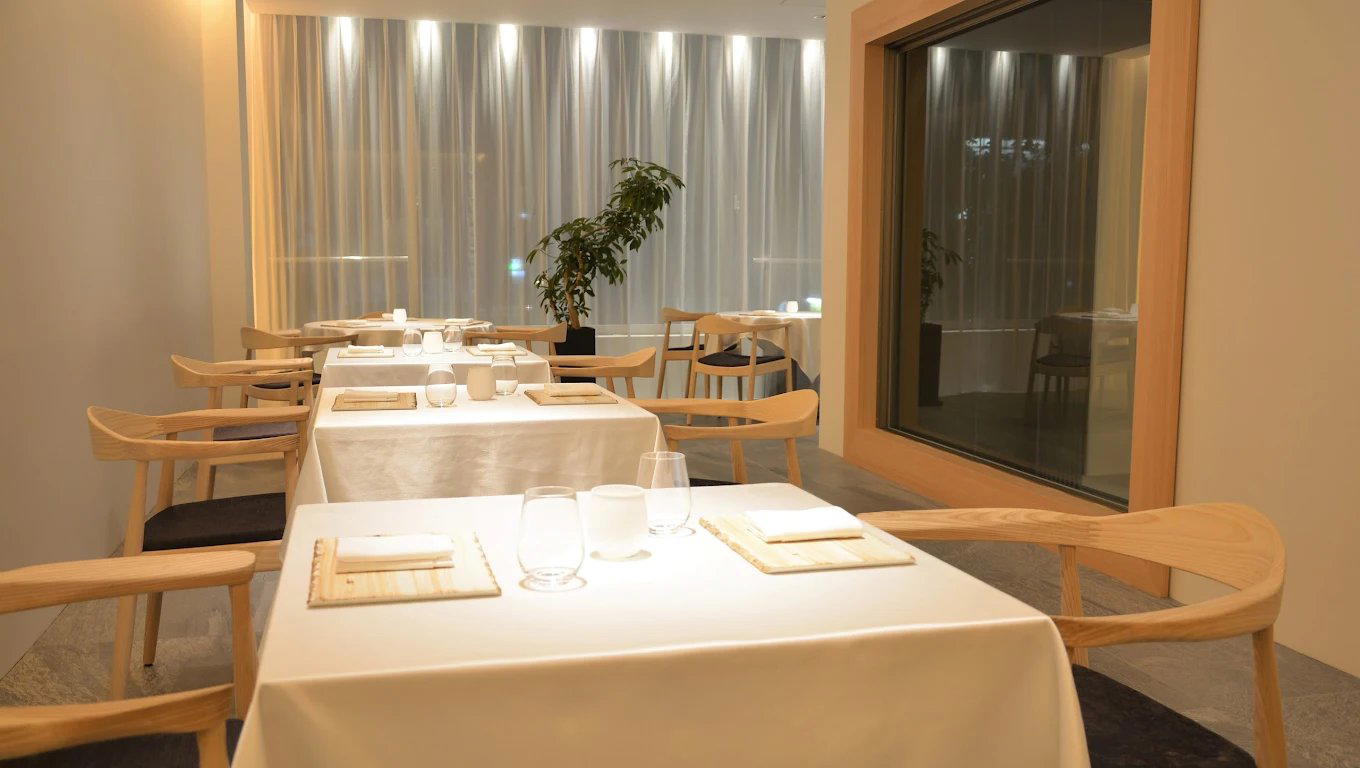
Evening service in a neighbourhood Italian of this scale shifts the dynamic significantly. The pace slows, the room’s character asserts itself more fully, and the kitchen can execute at a pace that allows for more considered plating and ingredient handling. Regulars who know the menu arrive at dinner with intentions; they are not exploring the room for the first time. This distinction between exploratory lunch and habitual dinner is one of the defining patterns of neighbourhood restaurant culture across Japan, visible at venues ranging from Osaka’s HAJIME at one end of the formality scale to casual neighbourhood formats at the other. At the dinner hour, the character of a small room, its acoustic register, its lighting, the distance between tables, becomes the product as much as the food itself.
For Nagoya specifically, this lunch-dinner structure also intersects with the city’s strong morning and midday dining culture. Nagoya’s famous “morning service” tradition, in which coffee shops serve substantial food with a morning drink, has historically shaped expectations around the value and generosity of daytime eating. A neighbourhood restaurant competing in that context tends to price lunch with an eye toward perceived value rather than pure margin, which can make the daytime service a more accessible entry point than dinner.
What the Chikusa Address Signals
Location in Chikusa Ward places ヴィチーノ within a residential zone that favours repeat local custom over destination dining traffic. This is a different proposition from a venue near Nagoya Station or in Sakae’s entertainment belt. The Chikusa address implies that the restaurant’s economic model depends on regulars: people who return weekly or monthly, who understand the rhythm of the kitchen, and who do not need the room to explain itself to them on every visit. Contrast this with a more tourist-adjacent address like that of Atsuta Horaiken in Atsuta Ward, which serves visitors making a specific pilgrimage to a historically documented dish, or with destination-tier venues like Harutaka in Tokyo or Gion Sasaki in Kyoto that draw nationally and internationally.
The Italian name Vicino reinforces this positioning. It signals proximity and familiarity rather than ambition or aspiration. Across Japan, Italian has become one of the dominant categories for exactly this kind of neighbourhood anchor, versatile enough to satisfy both weeknight pasta cravings and celebratory weekend dinners, accessible enough in format that it does not require the guest to understand a specific culinary tradition before walking in. Japanese-Italian cooking in this register often incorporates local seasonal produce and regional proteins while maintaining Italian structural logic in courses and flavour profiles. This fusion sensibility, now decades established in Japan, appears most coherently in mid-tier neighbourhood restaurants that can adapt their sourcing to what is available locally without the constraints of a high-formality concept. For editorial comparisons in Japan’s wider Italian dining category, akordu in Nara and regional venues like Goh in Fukuoka illustrate how European-influenced cooking adapts through Japanese regional contexts at different price and formality tiers.
Planning a Visit
The physical address, 7 Chome-58 Haruokatori, Chikusa Ward, Nagoya, Aichi, places the restaurant in a walkable residential block. Given the neighbourhood character, arriving by subway on the Higashiyama Line toward Chikusa Station is the practical approach for visitors not based locally. Given the scale implied by the venue’s category and address, advance contact is advisable for evening visits rather than assuming table availability. Our full Nagoya restaurants guide covers the broader dining context across the city’s wards for those building a wider itinerary.
Frequently asked questions
Is ヴィチーノ a family-friendly restaurant?
ヴィチーノ sits in a residential block of Chikusa Ward, a neighbourhood that draws primarily repeat local custom rather than destination or tourist traffic. That setting tends to favour a quieter, routine-oriented dining environment. Families living in or near Haruokatori are the more natural fit here than groups seeking a celebratory or high-energy outing.
What is the atmosphere like at ヴィチーノ?
Chikusa Ward operates on a noticeably slower register than the Sakae dining corridor closer to central Nagoya. At 7 Chome-58 Haruokatori, the surroundings are residential and walkable, which tends to shape restaurants toward regulars rather than drop-in visitors. Expect a setting built around familiarity and neighbourhood rhythm rather than spectacle.
Is ヴィチーノ worth visiting for dinner if you are staying in central Nagoya?
The Haruokatori address in Chikusa Ward places ヴィチーノ east of Nagoya's central grid, making it a deliberate rather than incidental stop from the Sakae or Nagoya Station areas. Restaurants in this part of the city typically earn their following through consistency with locals rather than destination appeal. If neighbourhood dining away from the main corridors is what you are after, this address fits that model.
What do regulars order at ヴィチーノ?
What the Chikusa Ward address does indicate is a restaurant model structured around repeat local patronage, where the lunch and dinner divide often reflects distinct offerings aimed at a settled neighbourhood clientele rather than a rotating tourist audience.
Where is ヴィチーノ located?
ヴィチーノ is located at Japan, 〒464-0847 Aichi, Nagoya, Chikusa Ward, Haruokatori, 7 Chome−58 vicino, Nagoya.
Cost and Credentials
Comparable venues nearby, for context on price, style, and recognition.
| Venue | Cuisine | Price | Awards | Notes |
|---|---|---|---|---|
| ヴィチーノThis venue (the venue you are viewing) | Modern Natural Italian | $50–100 | Tabelog 100 #32 | Not listed |
| Lilla | Italian Fine Dining | Not listed | Tabelog 100 #11 | Higashi, Italian Fine Dining |
| オステリア リュウ | Northern Italian Osteria | $50–100 | Tabelog 100 #12 | Chikusa, Northern Italian Osteria |
| prospero | Modern Italian | $50–100 | Tabelog 100 #46 | Naka, Modern Italian |
| Bacio | Tuscan Italian with Local Aichi Ingredients | $150–200 | Tabelog 100 #75 | Higashi, Tuscan Italian with Local Aichi Ingredients |
| Aroma-fresca Nagoya | Seasonal Italian Fine Dining with Extensive Wine List | $50–100 | Tabelog 100 #29 | Naka, Seasonal Italian Fine Dining with Extensive Wine List |
Recognition history
Dated appearances from independent guides and award organizations, with the underlying list record or original source where available.
Tabelog 100 #32 · No. 32
Tabelog · Tabelog 100 - Italian - EAST - 2025