
1 Michelin Key
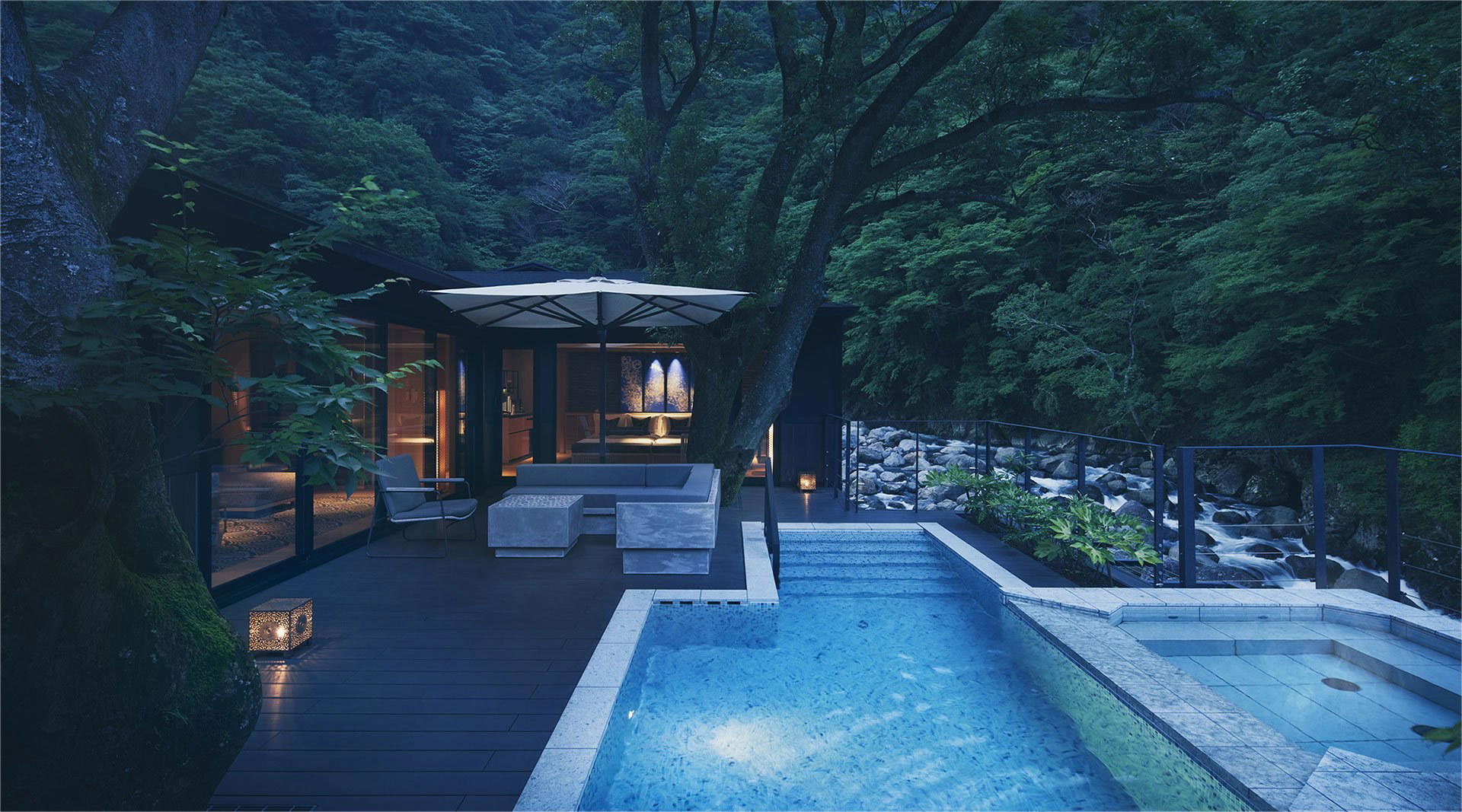
A 20-room property in Hakone's Sengokuhara district that operates on the model of a French auberge rather than the ryokan tradition dominant across the region. Every room includes a spring-fed onsen bath, and the kitchen draws on European culinary traditions using locally sourced ingredients. The property earned a Michelin 1 Key in 2024, placing it within a select tier of recognised small-scale retreats in Japan.

Pearl is the En Primeur Club membership app — saves, bookings, and concierge access live there. Same editors, same standards.
- Address
- 1245-337 Sengokuhara, Hakone, Ashigarashimo District, Kanagawa 250-0631
- Phone
- +81 460-83-8981
- Website
- hiramatsuhotels.com
- Directions
- Get directions
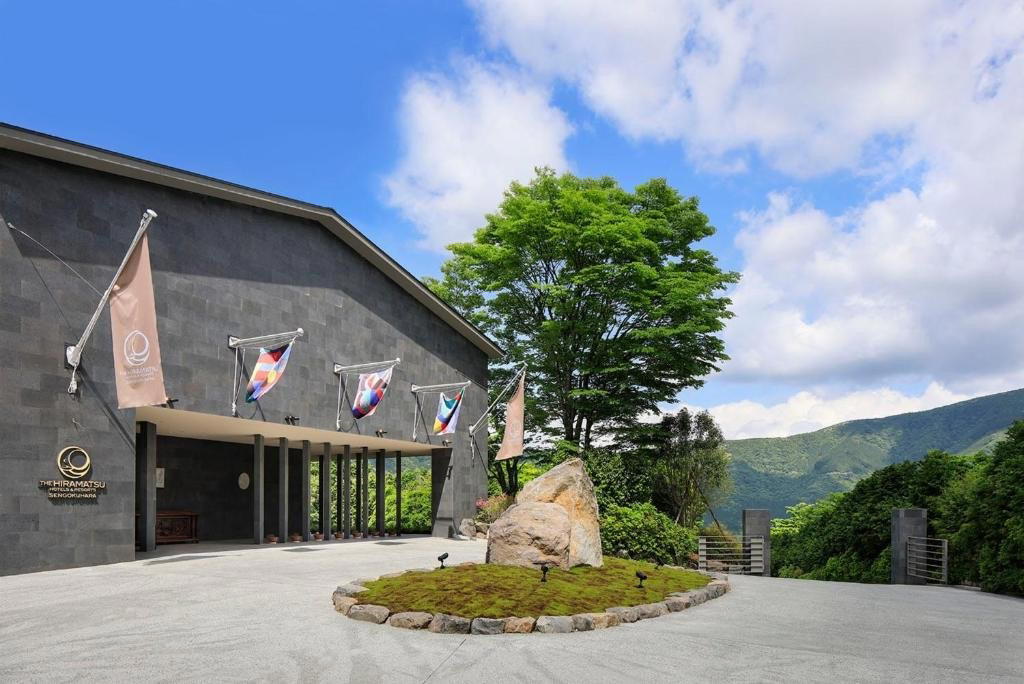
A French Auberge in Volcanic Country
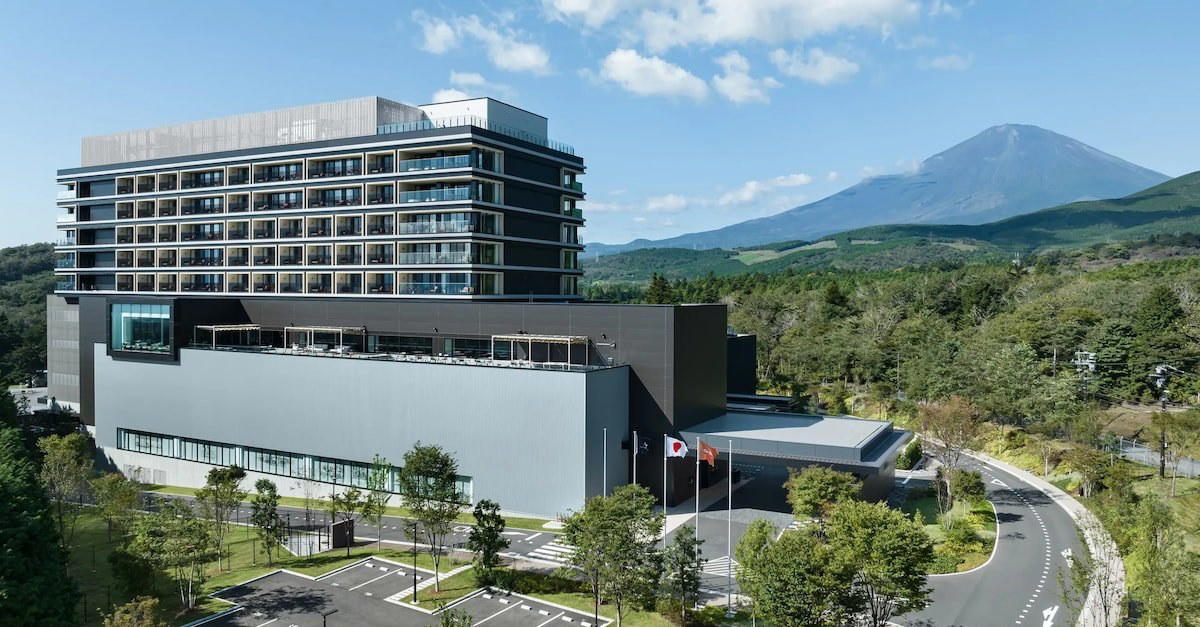
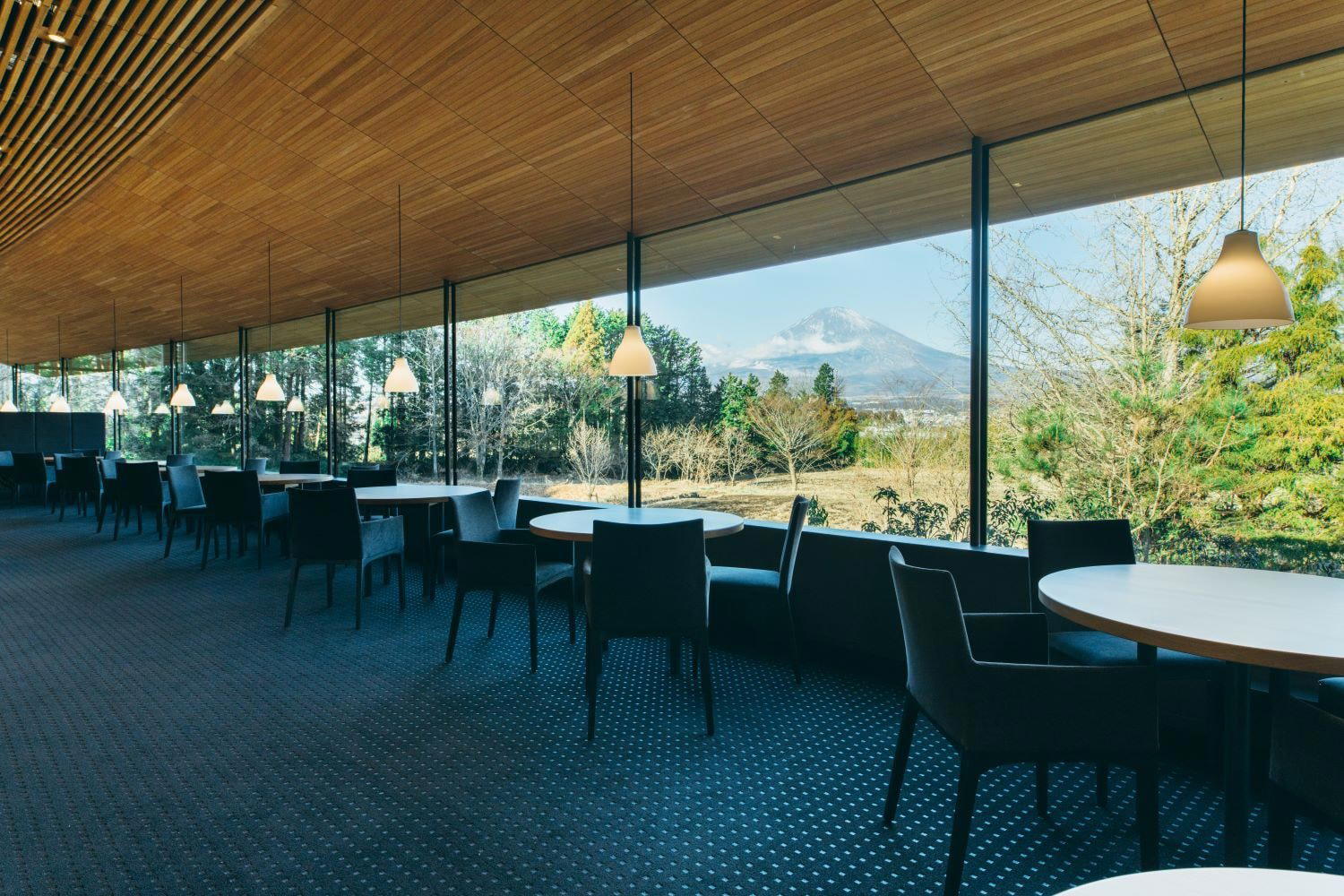
Sengokuhara sits in the higher, quieter reaches of the Hakone caldera zone, separated from the more trafficked resort corridors around Gora and Miyanoshita by elevation, road geometry, and a distinct atmospheric character. The plateau draws low cloud in the cooler months, and the surrounding pampas grass fields shift through green, silver, and pale gold depending on season — the late-autumn silver grass bloom, typically peaking in October, brings visitors specifically for that reason. It is into this environment that The Hiramatsu Hotels and Resorts Sengokuhara has positioned itself, not as a ryokan working within Hakone's dominant onsen-inn tradition, but as something closer to a Burgundian auberge transplanted to Japanese volcanic terrain.
That choice of format carries real consequences for how the property functions and who it attracts. The French auberge model centres the dining room as seriously as the accommodation, treats the surrounding landscape as larder and context simultaneously, and favours a contained guest count that allows kitchen and front-of-house to operate as a coherent whole. With 20 rooms, The Hiramatsu Sengokuhara sits at a scale that supports this approach. The property earned a Michelin 1 Key in 2024, a designation introduced by the Michelin Guide to recognise hotels offering a high-quality stay experience — an acknowledgement that places it in a distinct tier within Hakone's accommodation options, alongside properties like Gora Kadan and Fufu Hakone.
The Auberge Tradition and What It Means Here
The French auberge, inn with serious kitchen, has a long history of placing fine dining in rural or semi-rural contexts, treating proximity to producers and landscape as a competitive advantage rather than a liability. Properties in the Loire, the Dordogne, and Provence built reputations on exactly this logic: fewer rooms, attentive service ratios, and a kitchen that takes local ingredients seriously enough to earn regional or national recognition. When that model travels to Japan, it acquires a specific tension: onsen culture, kaiseki tradition, and the aesthetic expectations of the Japanese luxury inn market create a different set of guest reference points.
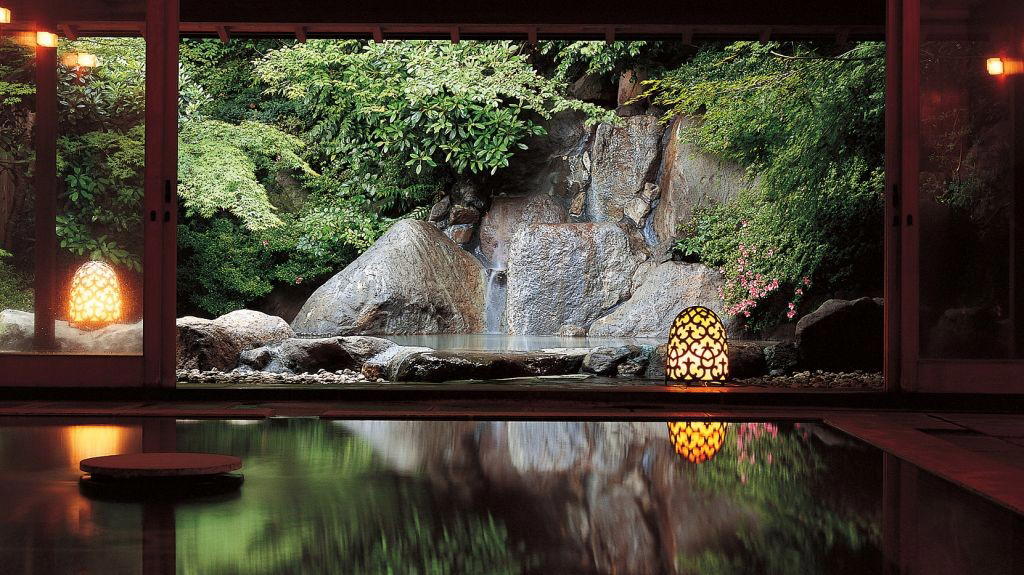
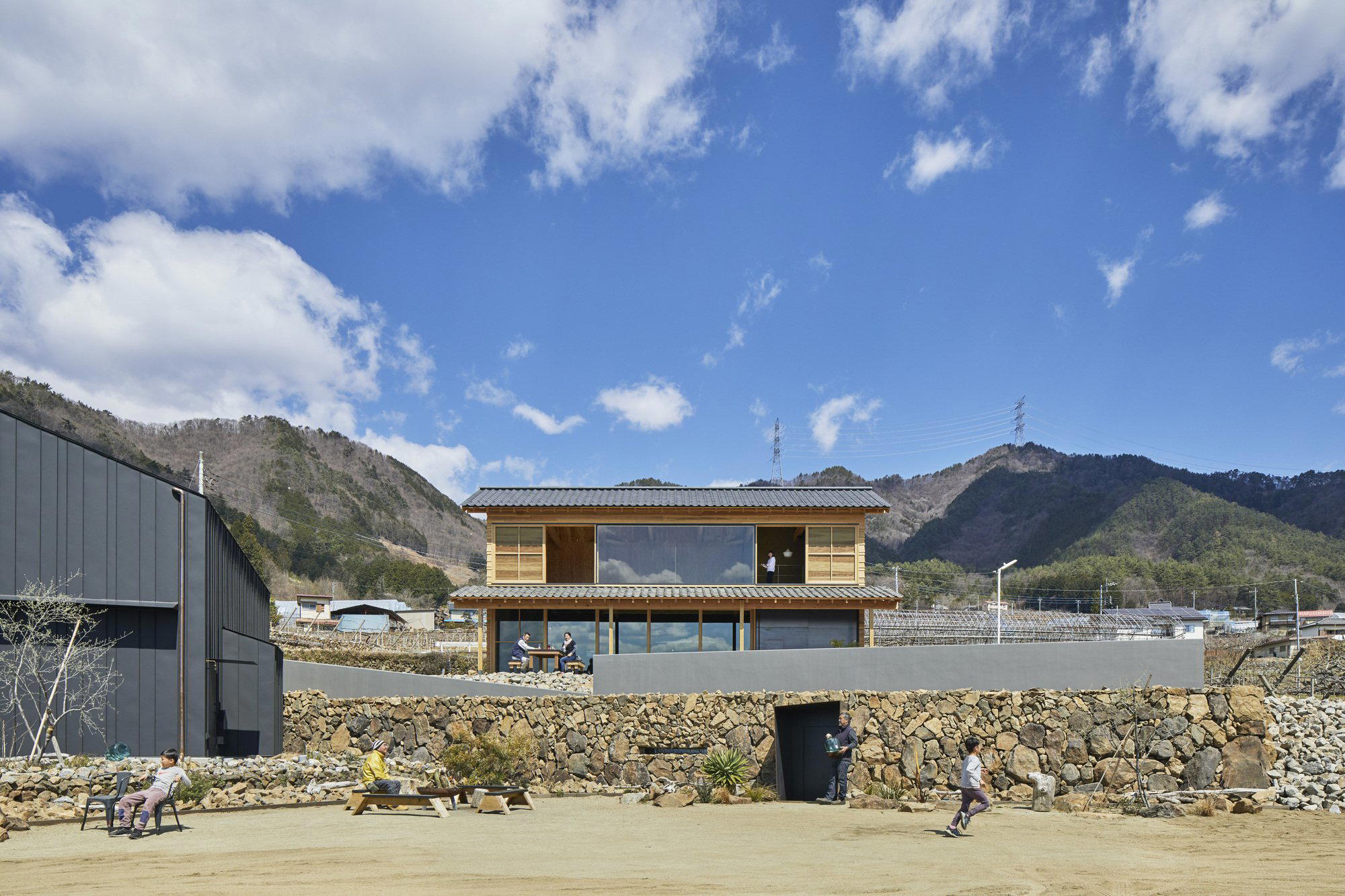
The Hiramatsu group's answer at Sengokuhara is not to ignore the Japanese context but to operate in deliberate counterpoint to it. Each of the 20 rooms includes a spring-fed onsen bath, an acknowledgement of where the property sits geographically and what guests arriving in Hakone are, in part, seeking. But the room layouts follow Western configurations rather than the tatami-and-futon format typical of ryokan properties in the area. Some rooms orient toward views of the Hakone caldera; others face the cedar and broadleaf woodland that edges the property. The visual register shifts depending on the room, and the caldera-view option carries the more dramatic orientation.
Kitchen and Cuisine
Dining program runs on European foundations with French and Italian culinary traditions as the primary references. The kitchen works with locally sourced ingredients, Hakone and the surrounding Kanagawa and Shizuoka prefectures produce strong agricultural and seafood supply chains, from Sagami Bay fish to highland vegetables, applied through European technique rather than Japanese culinary grammar. Chef Suguru Urushibara leads the kitchen with a specialisation in both French and Italian registers, which gives the menu a degree of range across that broader European tradition rather than committing to a single national cuisine.
This approach places the property in a small but coherent subset of high-end Japanese retreats that use European culinary frameworks as their primary mode. It is a different proposition from properties working within kaiseki tradition, and the guest who books The Hiramatsu Sengokuhara should understand that the dining room operates closer to a French country restaurant with serious sourcing than to the sequential small-course logic of washoku. For guests already familiar with the Hiramatsu group's broader portfolio, which has included European-format restaurants in Tokyo and elsewhere in Japan, the approach will carry recognisable consistency.
Among Hakone's accommodation tier, this positions the property differently from Hakone Gora Karaku and Hoshino Resorts KAI Sengokuhara, both of which operate within more explicitly Japanese hospitality frameworks, and from Nazuna Hakone Miyanoshita, which draws on a different register of Japanese design and culinary tradition. The Hiramatsu model is the clearest European-format outlier in the Sengokuhara district specifically.
Sengokuhara and How to Arrive
Sengokuhara is reachable from Hakone-Yumoto station, the main rail gateway into the Hakone area from Tokyo's Odakyu line, via the Hakone Tozan bus network, the Sengokuhara route takes approximately 40 minutes from the station. From central Tokyo, the Romancecar limited express from Shinjuku reaches Hakone-Yumoto in around 85 minutes, making the property feasible as a one-night trip for Tokyo-based travellers or as part of a longer Hakone circuit. By car, the Tomei Expressway via Gotemba gives access from the east; the drive from central Tokyo runs approximately 90 minutes under reasonable traffic conditions.
The Sengokuhara plateau is leading visited between late spring and mid-autumn, when access roads are clear and the surrounding landscape is at its most active. The pampas grass season in October draws concentrated visitor numbers to the plateau's open fields, and this period warrants earlier booking than other times of year. Winter in the caldera zone brings cold temperatures and occasional snow, which affects both road access and the character of the onsen experience considerably, guests who prioritise soaking in a snow-adjacent landscape will find winter a considered choice rather than a deterrent.
Contextualising Within Japan's Small-Retreat Tier
Across Japan, the category of high-quality small-scale retreat has expanded significantly in the past decade. Properties like Zaborin in Kutchan, Asaba in Izu, and Araya Totoan in Kaga each occupy specific positions within that tier, differentiated by culinary approach, design language, and relationship to Japanese hospitality tradition. Benesse House on Naoshima extends the category into art-integrated hospitality. Amanemu in Mie brings the Aman model to a Japanese onsen context. ENOWA Yufu works the Kyushu volcanic terrain with a contemporary design approach.
What distinguishes The Hiramatsu Sengokuhara within this broader tier is its commitment to the European dining model as the primary differentiator, rather than design, art, or Japanese cultural programming. For travellers building itineraries that already include HOTEL THE MITSUI KYOTO or Bvlgari Hotel Tokyo and want a counterpoint in a natural landscape setting, the Sengokuhara property offers a tonal shift without sacrificing recognition standards. The Michelin 1 Key designation provides the benchmark. Broader itineraries across Japan might also consider Nishimuraya Honkan in Kinosaki, Sekitei in Hatsukaichi, Fufu Kawaguchiko, Fufu Nikko, Halekulani Okinawa, Jusandi in Ishigaki, or ANA InterContinental Beppu depending on geography and preferences.
For further context on dining and accommodation across the region, our full Hakone guide covers the broader options. Those drawn specifically to the Sengokuhara district can also compare notes against Yama no Chaya, a neighbouring property with a different character entirely. Travellers curious about how European-format hospitality translates across different cultural contexts might find useful reference points in Aman Venice or Aman New York, where the tension between a strong local context and a distinct hospitality framework plays out differently but with related logic. The Fifth Avenue Hotel in New York City offers another point of comparison for those interested in boutique properties that operate within a clearly defined editorial sensibility.
Practical Notes
The property holds 20 rooms across Western-format layouts, with onsen baths fed from natural spring sources in each room. The address is 1245-337 Sengokuhara, Hakone, Ashigarashimo District, Kanagawa 250-0631. Availability should be confirmed directly with the Hiramatsu group, as no current room availability is listed through third-party channels. Guests combining the stay with broader Hakone sightseeing should account for the plateau's distance from the Hakone Open Air Museum and Owakudani, both of which require additional transport from Sengokuhara.
City Peers
Comparable venues nearby, for context on price, style, and recognition.
| Venue | Cuisine | Price | Awards | Notes |
|---|---|---|---|---|
| The Hiramatsu Hotels & Resorts SengokuharaThis venue — the venue you are viewing | Exclusive luxury auberge-style resort centered around gourmet dining and onsen experiences | $1,000–1,500 | 1 Michelin Key | Not listed |
| Fufu Hakone | Small luxury hot spring resort set in Hakone mountains with distinctive room designs inspired by Japanese nature. | Not listed | 1 Michelin Key | Gora |
| Hoshino Resorts KAI Sengokuhara | Contemporary Japanese ryokan blending traditional hospitality with modern luxury and artistic expression; positioned as a creative retreat centered on art, nature, and wellness. | $750–1,000 | Not listed | Sengokuhara, Hakone |
| Hakone Gora Karaku | Modern Japanese ryokan with luxury onsen facilities | Not listed | 1 Michelin Key | Gora |
| Nazuna Hakone Miyanoshita | Contemporary ryokan with traditional Japanese design elements and cultural authenticity | $200–300 | Not listed | Miyanoshita |
| Yama no Chaya (山の茶屋) | Traditional Japanese ryokan built into mountainside surrounded by bamboo and river gorge. | Not listed | Not listed | Tonosawa |
Recognition history
Dated appearances from independent guides and award organizations, with the underlying list record or original source where available.
Michelin 1 Key
Michelin
Full recognition history (3 entries)
Michelin 1 Key
Michelin
Michelin 1 Key
Michelin
Continue exploring
More in Hakone
Hotels in Hakone
Browse all →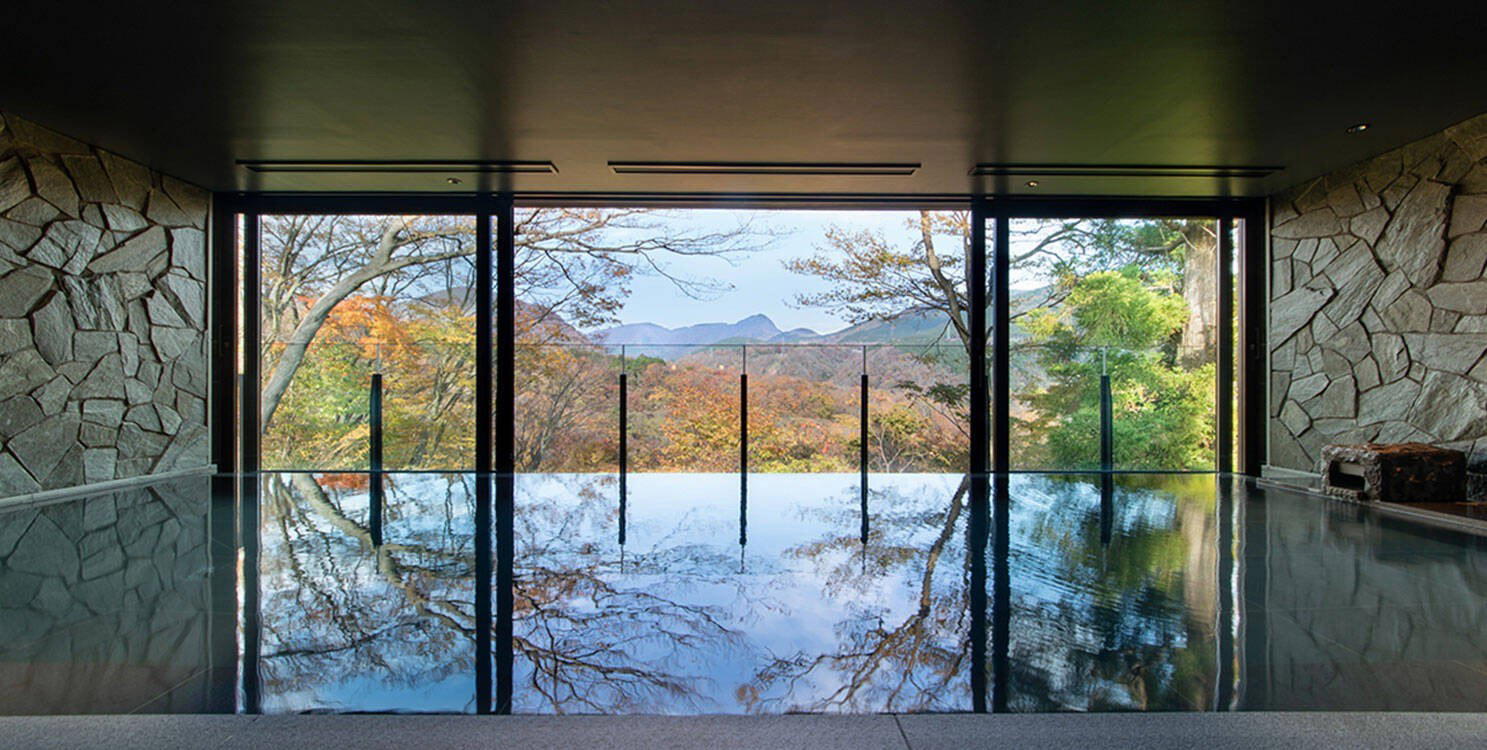
Bars in Hakone
Browse all →
Restaurants in Hakone
Browse all →
Wineries in Hakone
Browse all →
Details
- Romantic
- Elegant
- Sophisticated
- Quiet
- Scenic
- Honeymoon
- Romantic Getaway
- Wellness Retreat
- Anniversary
- Weekend Escape
- Panoramic View
- Private Villa
- Destination Spa
- Spa
- Fitness Center
- Room Service
- Concierge
- Wi Fi
- Restaurant
- Valet Parking
- Mountain
- Garden
- Wheelchair Accessible
- Elevator
Refined and serene atmosphere with modern art, soft lighting, soundproof rooms, and views of mountains or gardens creating a peaceful, elegant retreat.