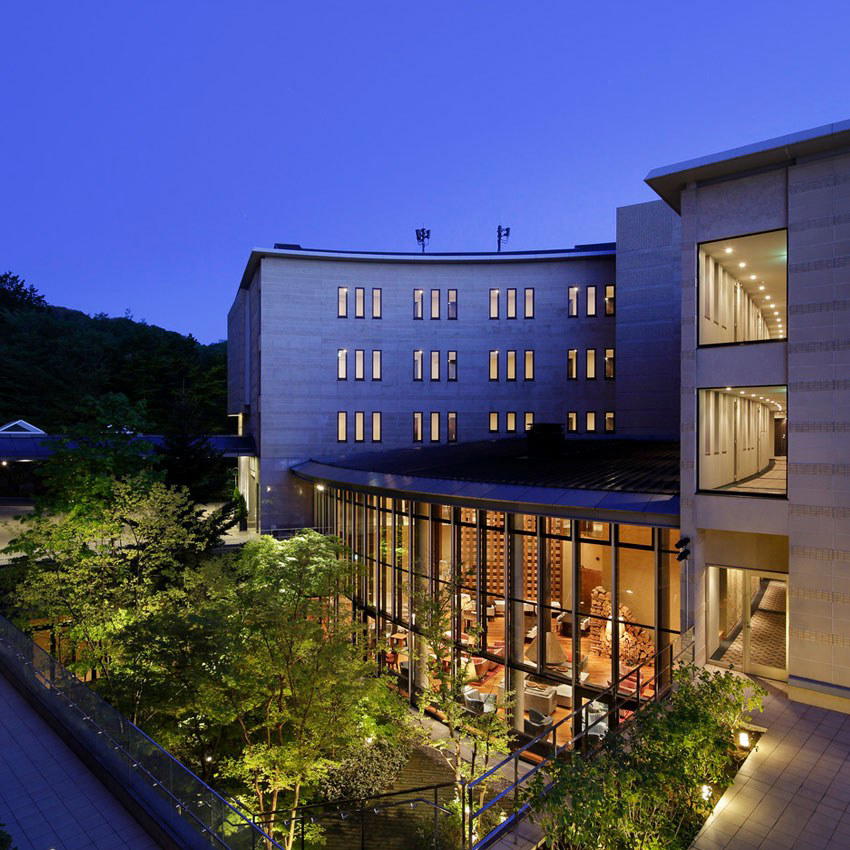
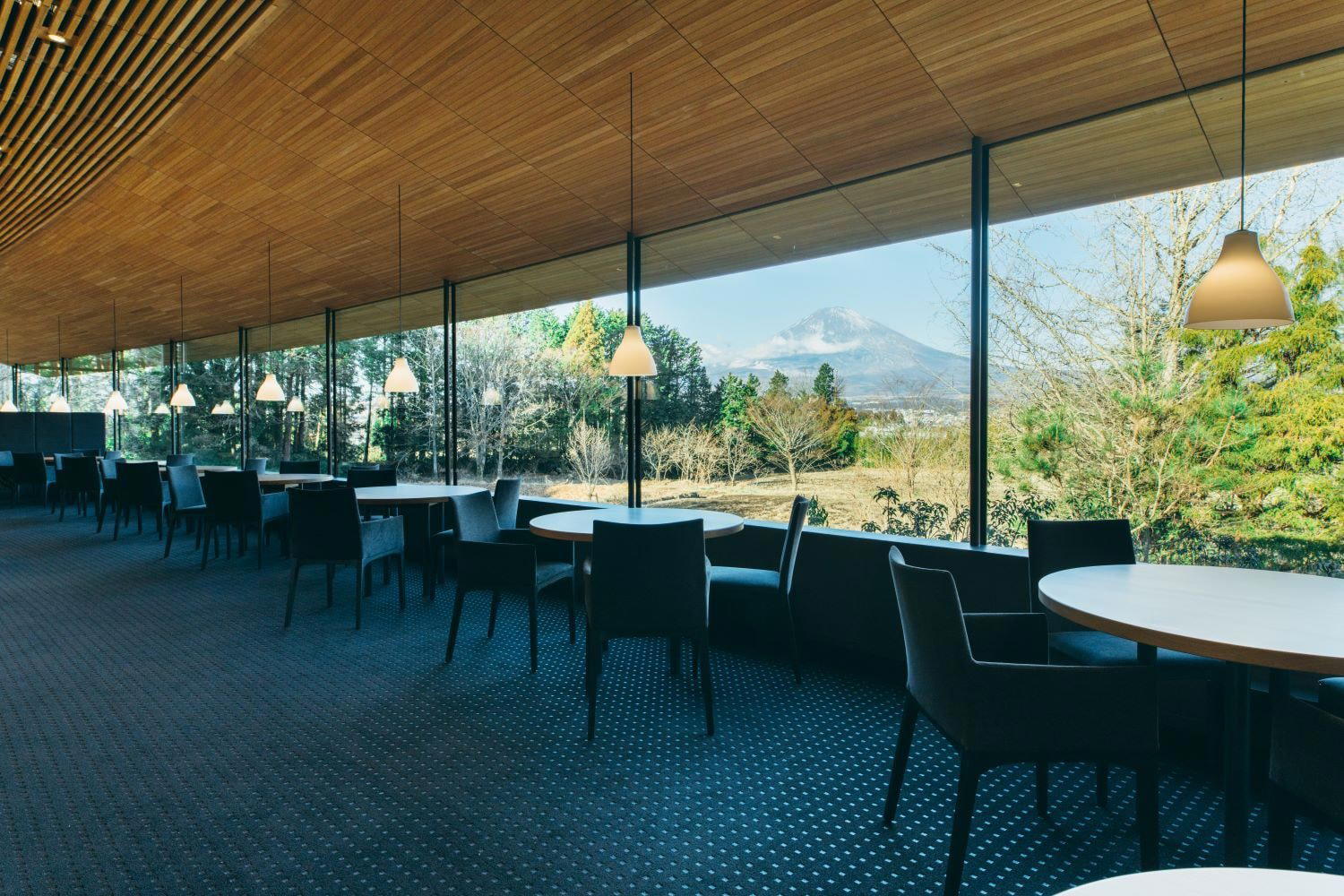
KAI Sengokuhara sits in Hakone's Sengokuhara plateau, where mist-laced highland scenery frames one of the Hoshino Resorts group's onsen ryokan properties. The address places it at a remove from the more visited Gora corridor, positioning it within a quieter tier of Hakone accommodation. For travellers prioritising thermal bathing, kaiseki dining, and a measured pace over resort-scale facilities, this is a coherent choice.

Pearl is the En Primeur Club membership app, where members save venues, book tables and use the concierge.
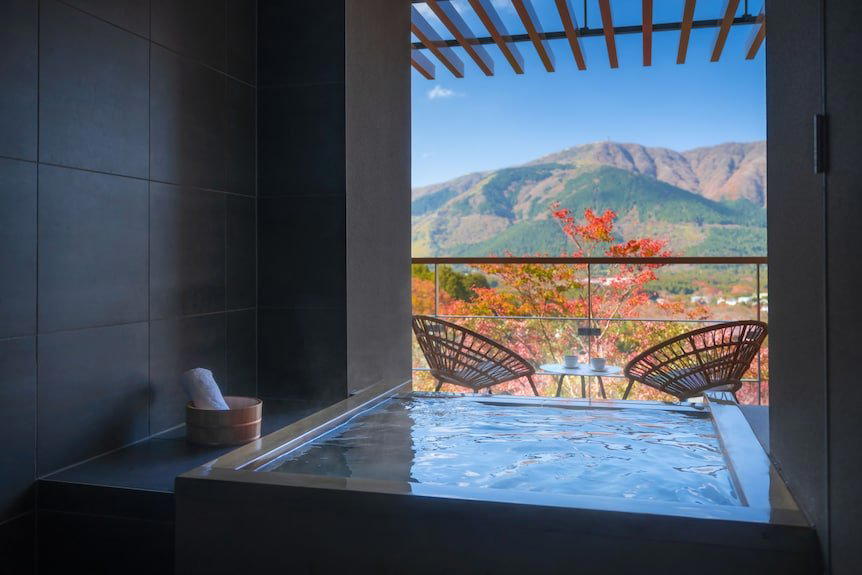
Where Hakone's Highland Character Meets Thermal Retreat
Sengokuhara sits at the northern end of the Hakone caldera, roughly a thousand metres above sea level, where the plateau opens into pampas grass fields that shift colour with the seasons. The approach from Gora or Hakone-Yumoto, most commonly by road, since the Hakone Tozan line does not reach this far, passes through a landscape that feels measurably quieter than the rail-accessible corridors where many of Hakone's most visited properties cluster. This geographic remove is not incidental. It shapes the rhythm of a stay at Hoshino Resorts KAI Sengokuhara from arrival onward.
The KAI brand, operated by Hoshino Resorts, occupies a defined position within Japan's onsen ryokan market. It sits above the mid-market but below the ultra-premium tier occupied by properties such as Gora Kadan, which carries decades of independent prestige and a guest list built on surgical discretion. KAI Sengokuhara, by contrast, offers a more programmatic interpretation of the ryokan format: structured, consistent across the group's properties, and calibrated for guests who want traditional aesthetics without the uncertainty of a purely independent inn. Within Hakone specifically, it competes for a different guest than Fufu Hakone or Hakone Gora Karaku, both of which skew toward design-forward boutique positioning.
The Onsen Question, and Why Sengokuhara Matters for It
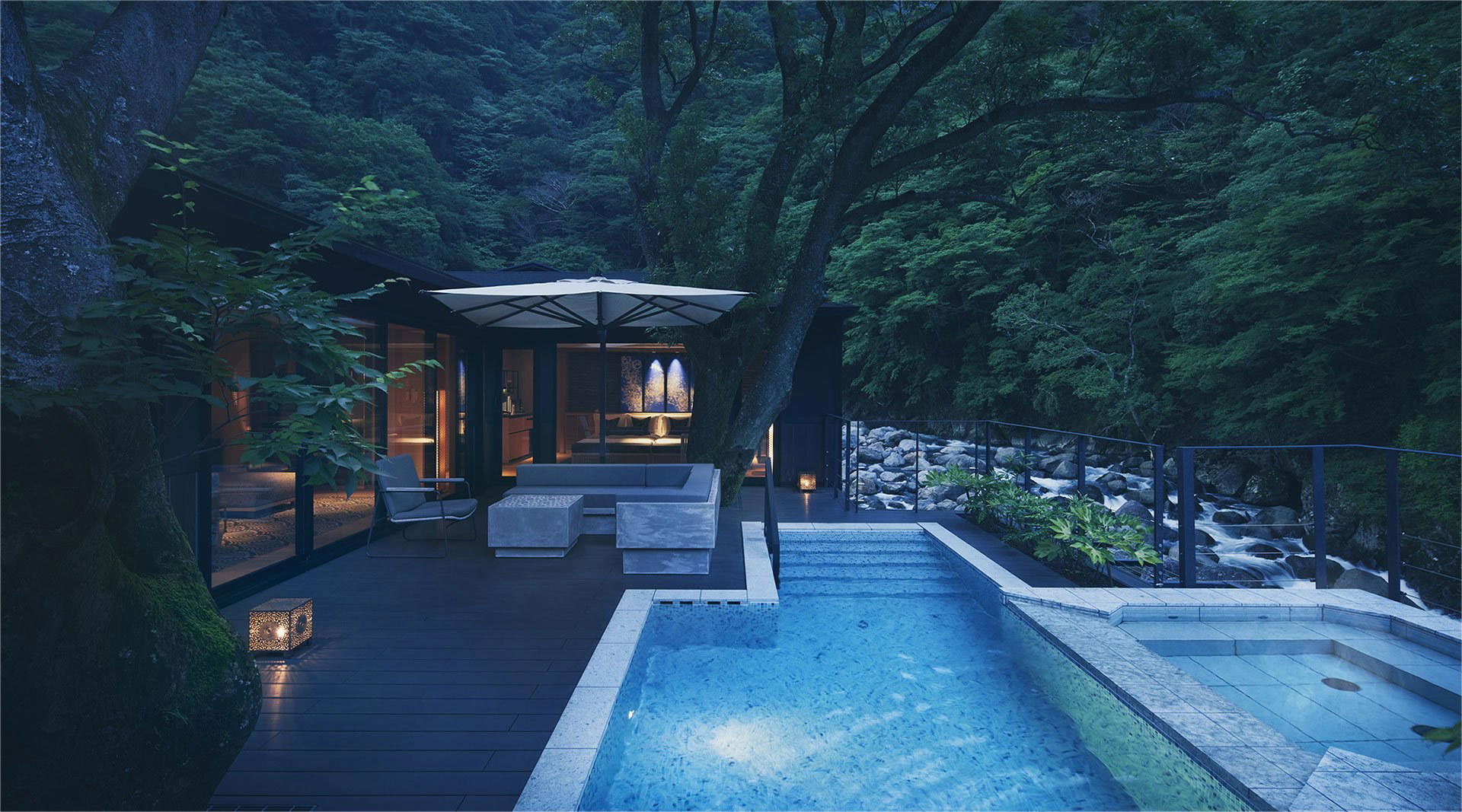
Hakone's thermal spring system is extensive and geologically varied. Different zones of the caldera produce waters with distinct mineral compositions, temperatures, and reputations. Sengokuhara's springs have historically drawn visitors seeking relief from fatigue and muscular tension, and the area's relative altitude contributes to a cooler ambient temperature that makes outdoor bathing more atmospherically compelling, particularly in autumn and winter. At KAI Sengokuhara, access to onsen bathing is woven into the structural logic of the stay rather than offered as an add-on. This is the baseline expectation at any credible ryokan in the area, but the Hoshino group's operational consistency means the thermal facilities here are maintained to a reliable standard across seasons.
The broader pattern in Japanese onsen wellness has shifted over the past decade. Domestic and international guests alike now arrive with a more considered understanding of what they are looking for: not just hot water, but a sequence of thermal experience, rest, and food that constitutes genuine recovery rather than performative relaxation. Properties competing in this space, from Amanemu in Mie at the far premium end to independent kominshuku at the entry level, are all responding to the same underlying demand. KAI Sengokuhara sits in the organised middle of that range, with the operational backing of a national group and the locational specificity of Sengokuhara's particular highland character.
Kaiseki and the Role of Food in the Retreat Arc
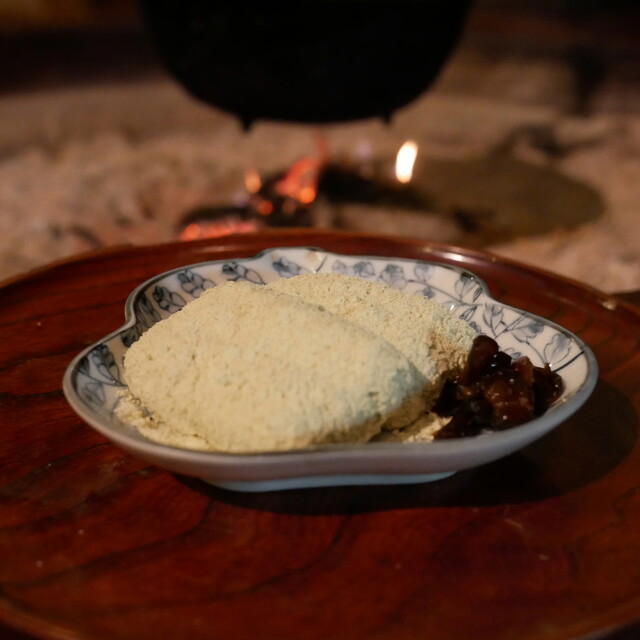
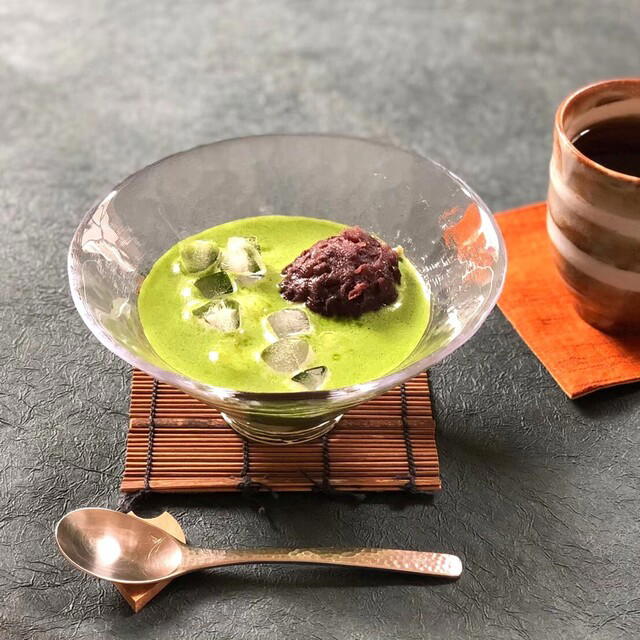
The ryokan tradition frames dinner and breakfast as inseparable from the stay itself, not as separate restaurant visits. Kaiseki, the multi-course format built around seasonal ingredients and precise preparation, functions here as the nutritional counterpart to thermal bathing: both are slow, sequential, and oriented toward a particular quality of attention. Across Hoshino Resorts' KAI properties, the group has pursued regional sourcing as a programmatic commitment, drawing ingredients from Kanagawa prefecture and adjacent growing areas to ensure the food reflects the geography rather than simply replicating a generic luxury hotel menu.
Connection between this approach and the wellness frame is not incidental. Guests who come to Sengokuhara for thermal recovery are, in most cases, also eating more deliberately than they would in a city restaurant context. The kaiseki format enforces a pace, a course arrives, is consumed, the next follows, that operates in direct contrast to the speed of urban dining. This structural deceleration is part of what the ryokan format sells, and it is delivered here through the food as much as through the baths.
For Hakone visitors weighing dining options beyond their accommodation, our full Hakone restaurants guide maps the broader scene, including options in Gora, Miyanoshita, and along the Odakyu corridor.
Positioning Within Sengokuhara's Property Set
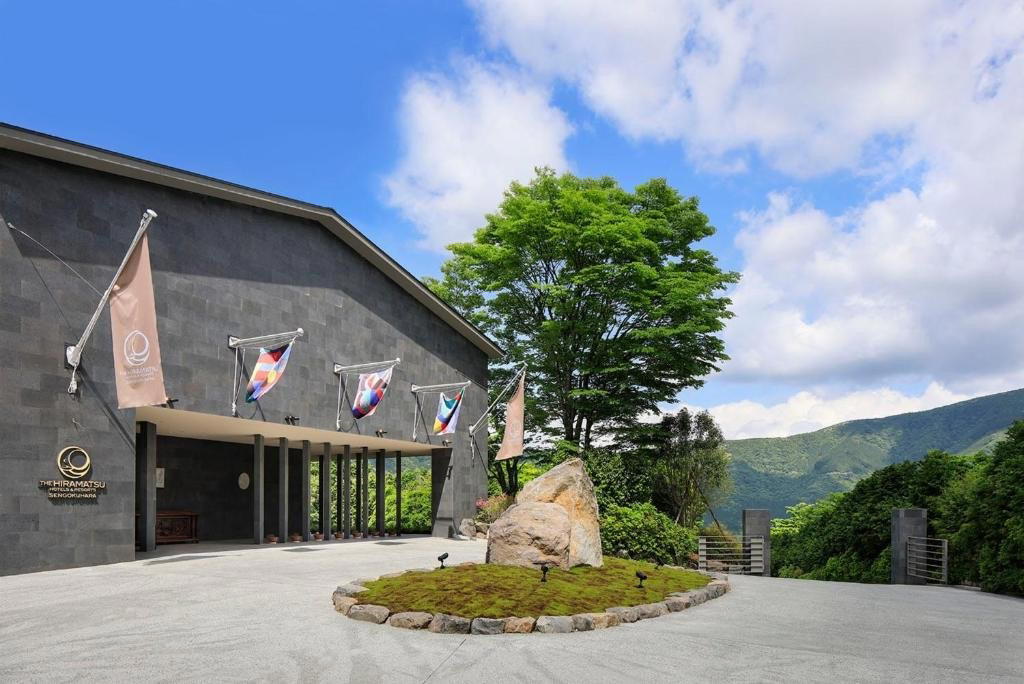
Sengokuhara supports a small but coherent cluster of premium properties, each with a distinct identity. The Hiramatsu Hotels and Resorts Sengokuhara draws from a French-influenced hospitality tradition and positions itself toward guests who want European-adjacent luxury in a Japanese mountain setting. Nazuna Hakone Miyanoshita and Yama no Chaya both occupy smaller, more intimate footprints. KAI Sengokuhara's advantage within this set is group reliability: Hoshino Resorts has refined its ryokan operating model across dozens of properties nationally, and that experience translates into service consistency that purely independent inns cannot always match at scale.
Guests coming from Tokyo, roughly ninety minutes by Romancecar from Shinjuku to Hakone-Yumoto, should factor in additional travel time to reach Sengokuhara, since the final leg requires a bus or hired vehicle. This is not a property that rewards spontaneous arrival. It functions better as a planned two-night stay, with at least one full day given over entirely to the thermal and rest programme rather than sightseeing.
Japan's Ryokan Retreat Circuit, Where KAI Sengokuhara Fits
Across Japan, the premium onsen ryokan category has deepened over the past several years as both domestic travel recovered and international interest in slow-travel formats accelerated. Properties like Zaborin in Hokkaido and Asaba in Izu occupy the upper tier of this circuit, with capacities well below thirty rooms and decades of institutional reputation. Araya Totoan in Kaga and Nishimuraya Honkan in Kinosaki-cho operate as regional anchors in their respective areas. KAI Sengokuhara belongs to the accessible-premium tier of this circuit: more structured than a family-run inn, more affordable than the allocation-controlled properties at the leading, and consistently delivered across repeat visits. For guests building a Japan itinerary that includes time in Kyoto and Tokyo, a two-night stay at KAI Sengokuhara functions as a deliberate decompression point rather than a competing attraction. The property asks for a different kind of engagement from its guests, and that distinction is its clearest editorial argument.
Planning Your Stay
Sengokuhara's pampas grass season peaks in mid-October, when the Sengokuhara Susuki-no-Hara fields draw significant day-trip traffic from the Odakyu line. Guests seeking quieter conditions around the property are better served by late November through February, when the plateau clears and outdoor bathing under cold air carries its own particular appeal. Advance booking through the Hoshino Resorts website is the standard route; demand is consistent year-round but concentrates around national holidays and the autumn foliage window, when availability at all Hakone properties tightens considerably.
Credentials Lens
| Venue | Price | Awards |
|---|---|---|
| Hoshino Resorts KAI SengokuharaThis venue (the venue you are viewing) | $750–1,000 | Not listed |
| Gora Kadan | Not listed | 3 Michelin Keys · La Liste Top Hotels |
| Fufu Hakone | Not listed | 1 Michelin Key |
| Hakone Gora Karaku | Not listed | 1 Michelin Key |
| The Hiramatsu Hotels & Resorts Sengokuhara | $1,000–1,500 | 1 Michelin Key |
| Nazuna Hakone Miyanoshita | $200–300 | Not listed |
Continue exploring
More in Hakone
Hotels in Hakone
All hotels in Hakone →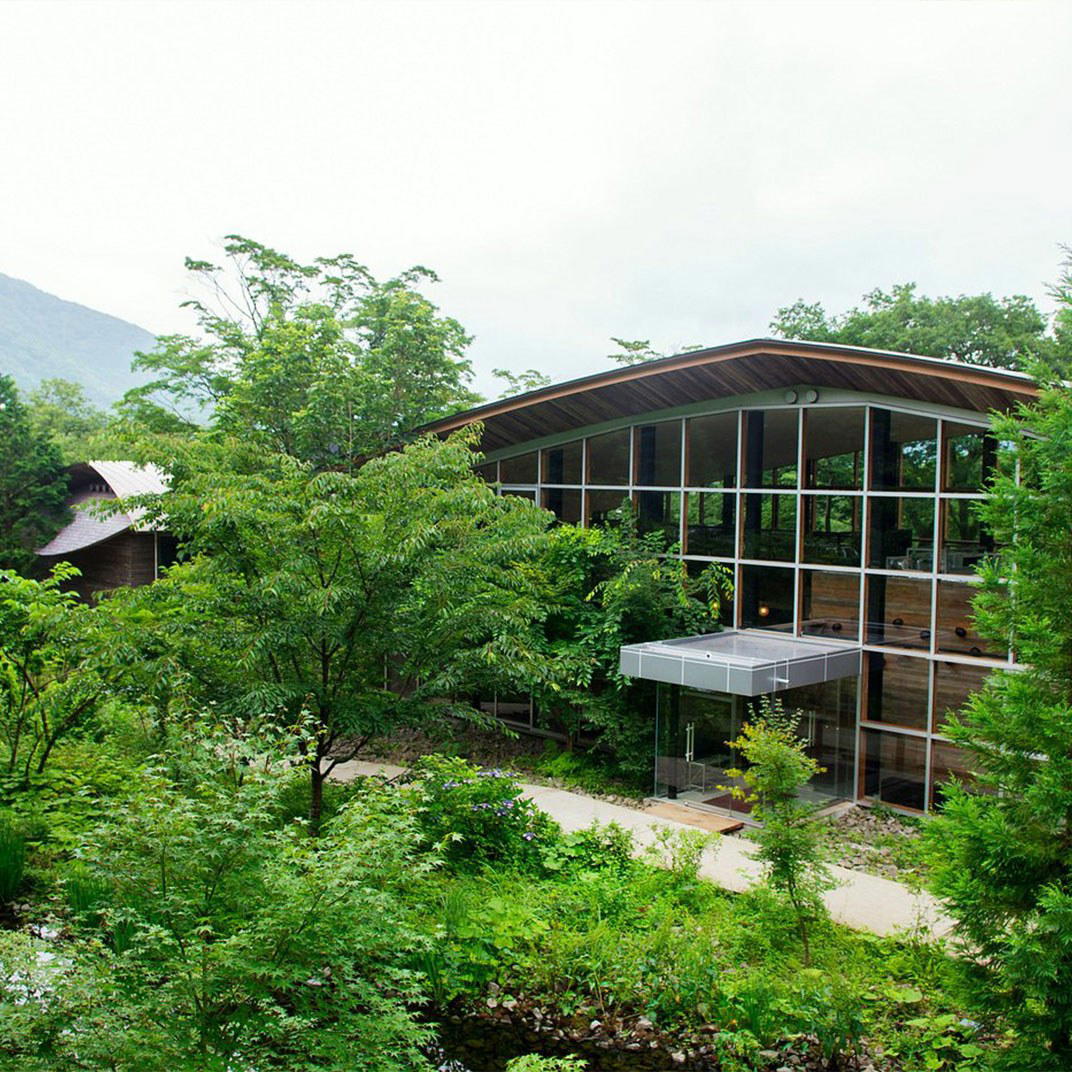
Bars in Hakone
Browse all →
Restaurants in Hakone
All restaurants in Hakone →
Wineries in Hakone
Browse all →
Details
- Romantic
- Quiet
- Elegant
- Scenic
- Intimate
- Romantic Getaway
- Wellness Retreat
- Anniversary
- Weekend Escape
- Destination Spa
- Panoramic View
- Private Dining
- Garden
- Terrace
- Design Destination
- Spa
- Wi Fi
- Room Service
- Concierge
- Mountain
- Garden
- Elevator
- Wheelchair Accessible
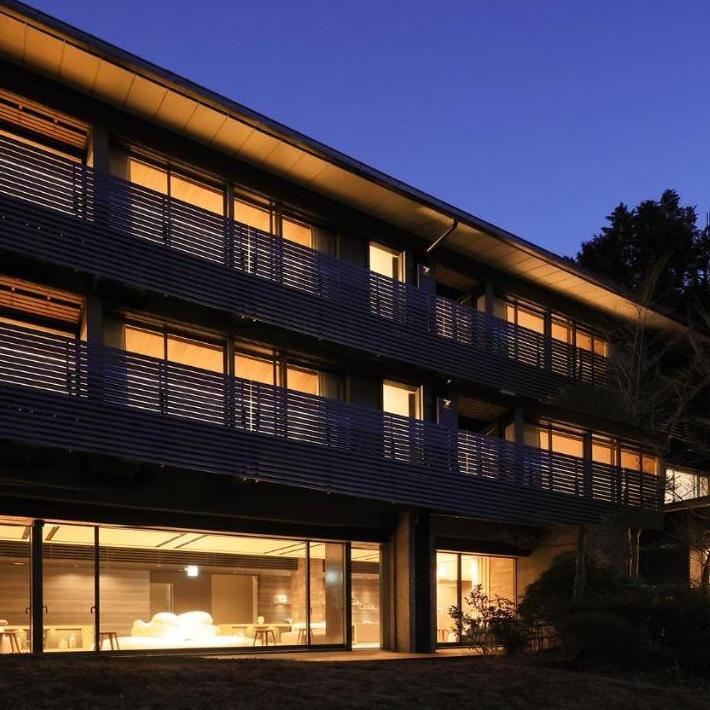
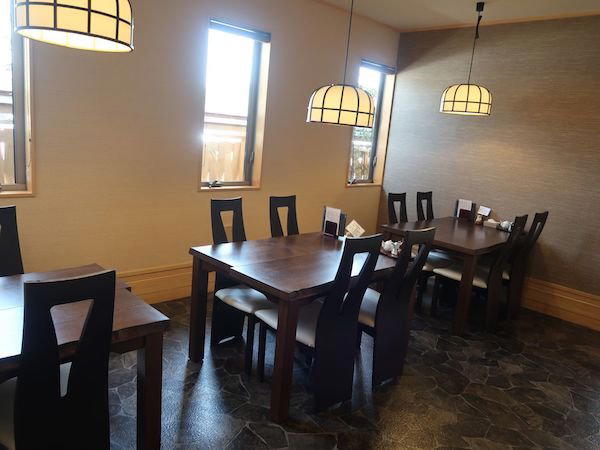
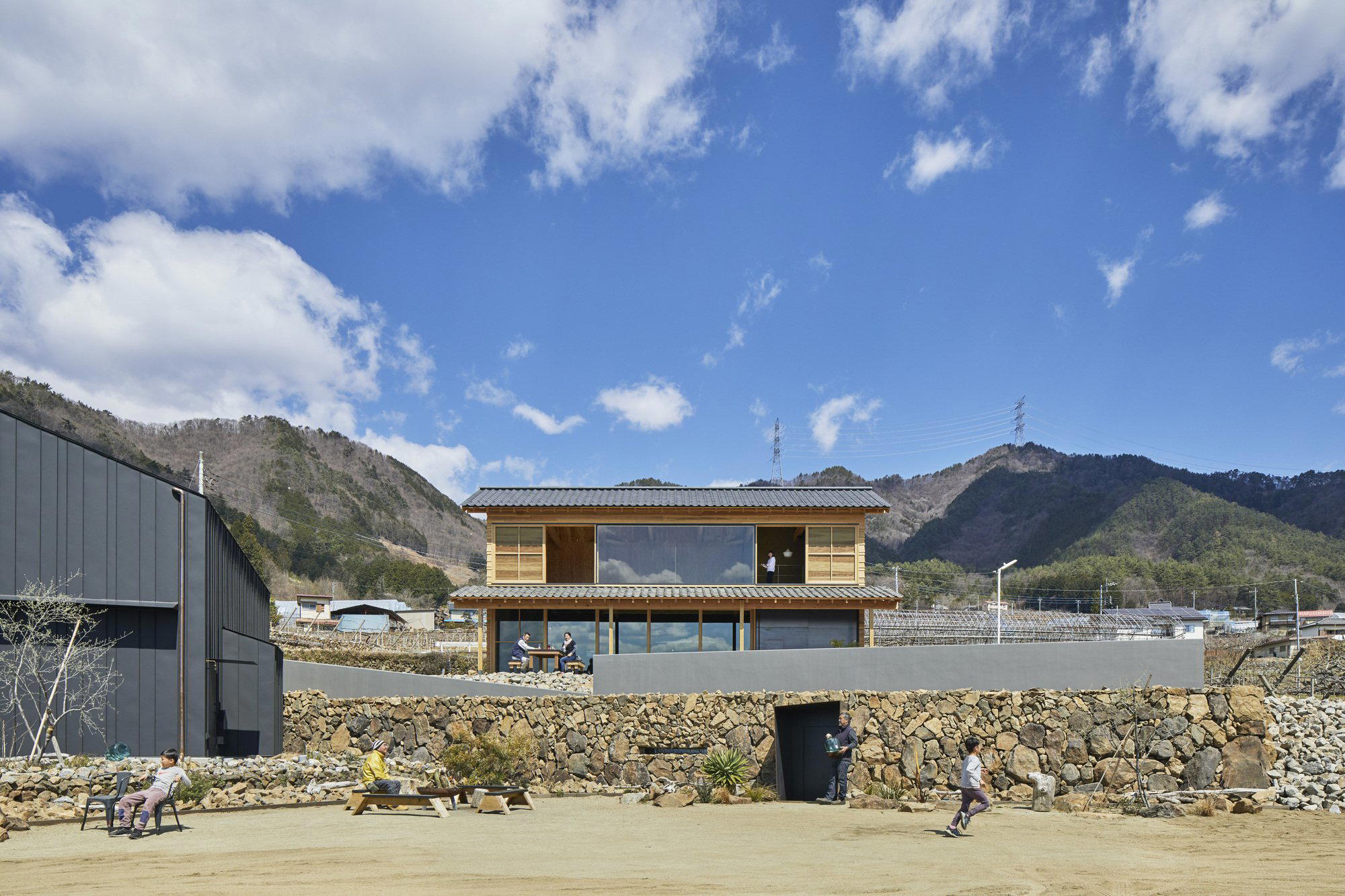
Warm and natural interior dominated by stone, wood, and earth tones with modern design; serene communal onsen gardens with illuminated stones that glow at night like a starry sky; artistic installations throughout create a contemplative, gallery-like atmosphere.