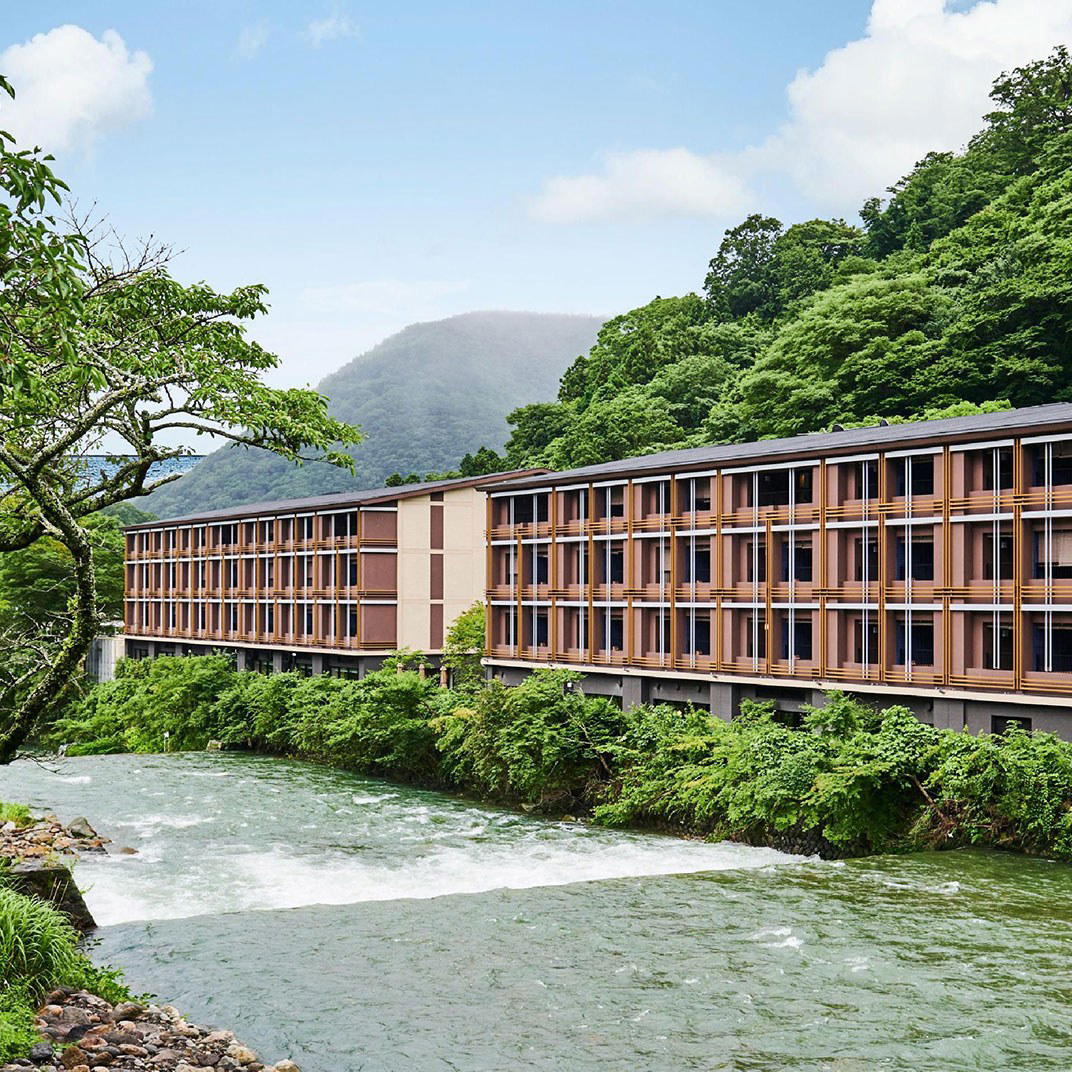
Nazuna Hakone Miyanoshita sits within the historic Miyanoshita quarter of Hakone, positioning itself among the region's smaller, design-conscious ryokan properties that prioritise spatial restraint over resort scale. The address places guests close to Miyanoshita's forested ridgelines and onsen heritage, a context that shapes the property's architectural and experiential logic. For travellers choosing between Hakone's larger portfolio of hot-spring retreats and its more intimate alternatives, Nazuna represents the quieter end of that spectrum.

Pearl is the En Primeur Club membership app, where members save venues, book tables and use the concierge.
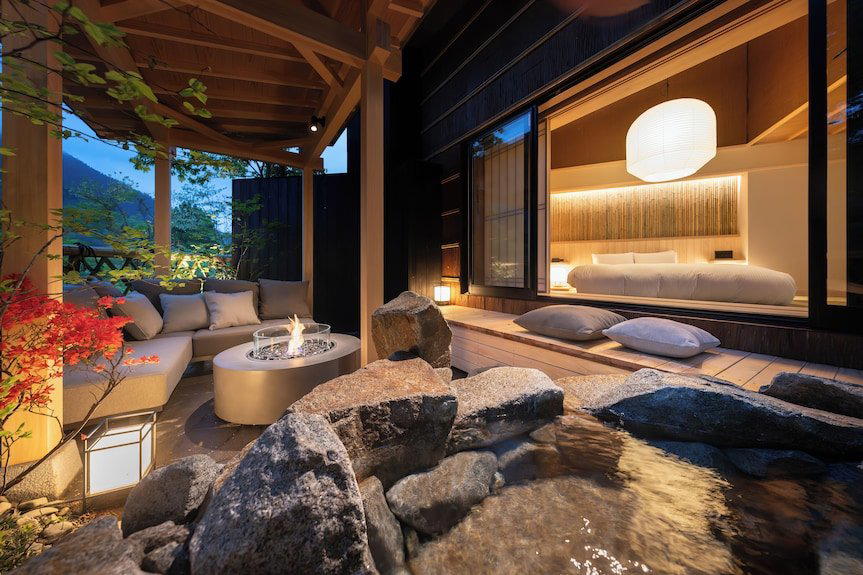
Miyanoshita's Architectural Tradition and Where Nazuna Sits Within It
The Miyanoshita district occupies a specific position in Hakone's long history of hospitality. Foreign visitors first arrived here in the Meiji era, drawn by the hot springs and mountain air, and the area accumulated a layer of architectural sedimentation that few other parts of Hakone can match: Meiji-period Western-influenced structures alongside traditional Japanese timber construction, the two styles occasionally occupying the same hillside. That physical history gives Miyanoshita a denser, more textured character than the newer resort zones further up the Hakone Tozan railway line toward Gora or Sengokuhara.
Nazuna Hakone Miyanoshita enters this context at the quieter, lower-capacity end of the district's accommodation spectrum. The Nazuna group operates across multiple Japanese destinations with a consistent design sensibility: properties with a small number of guest rooms, architecturally distinct from branded resort formats, and positioned for travellers who treat the building itself as part of what they are booking. Miyanoshita's address, at 1013-63 Kiga in Hakone's Ashigarashimo District, places the property within reach of the district's established onsen infrastructure while maintaining the separation from the main tourist corridor that smaller ryokan-format properties require to function on their own terms.
The Spatial Logic of a Low-Key Ryokan Format
Japan's premium ryokan sector has, over the past two decades, divided into two legible tiers. The first is the branded resort model, where groups like Hoshino Resorts or larger hotel operators bring international standards, consistent F&B; programming, and centralized booking systems to onsen destinations. Hoshino Resorts KAI Sengokuhara and Hakone Gora Karaku operate within that first tier. The second tier is the design-led independent or small-group property, where the architectural proposition and the sense of being somewhere specifically chosen, rather than categorically chosen, is the primary offer.
Nazuna operates in that second tier. The group's approach across its properties tends toward curated material choices, deliberate scale limitation, and an architectural identity that reads as considered rather than generic. In Hakone, where properties like Gora Kadan carry deep historical prestige and Fufu Hakone and The Hiramatsu Hotels & Resorts Sengokuhara occupy the upper tier of the design-conscious independent segment, Nazuna Miyanoshita competes on intimacy and specificity of place rather than on amenity breadth.
That spatial logic matters when you are choosing between Hakone's options. A property in Miyanoshita carries different environmental conditions than one in Sengokuhara's highland meadows or Gora's denser resort cluster. The forested slopes and the proximity to Miyanoshita's older architectural fabric set a particular tone on arrival, one that rewards guests who want the ryokan's relationship between interior and landscape to feel grounded in a specific geography rather than a generic mountain-retreat aesthetic.
Onsen Culture and What the Miyanoshita Address Implies
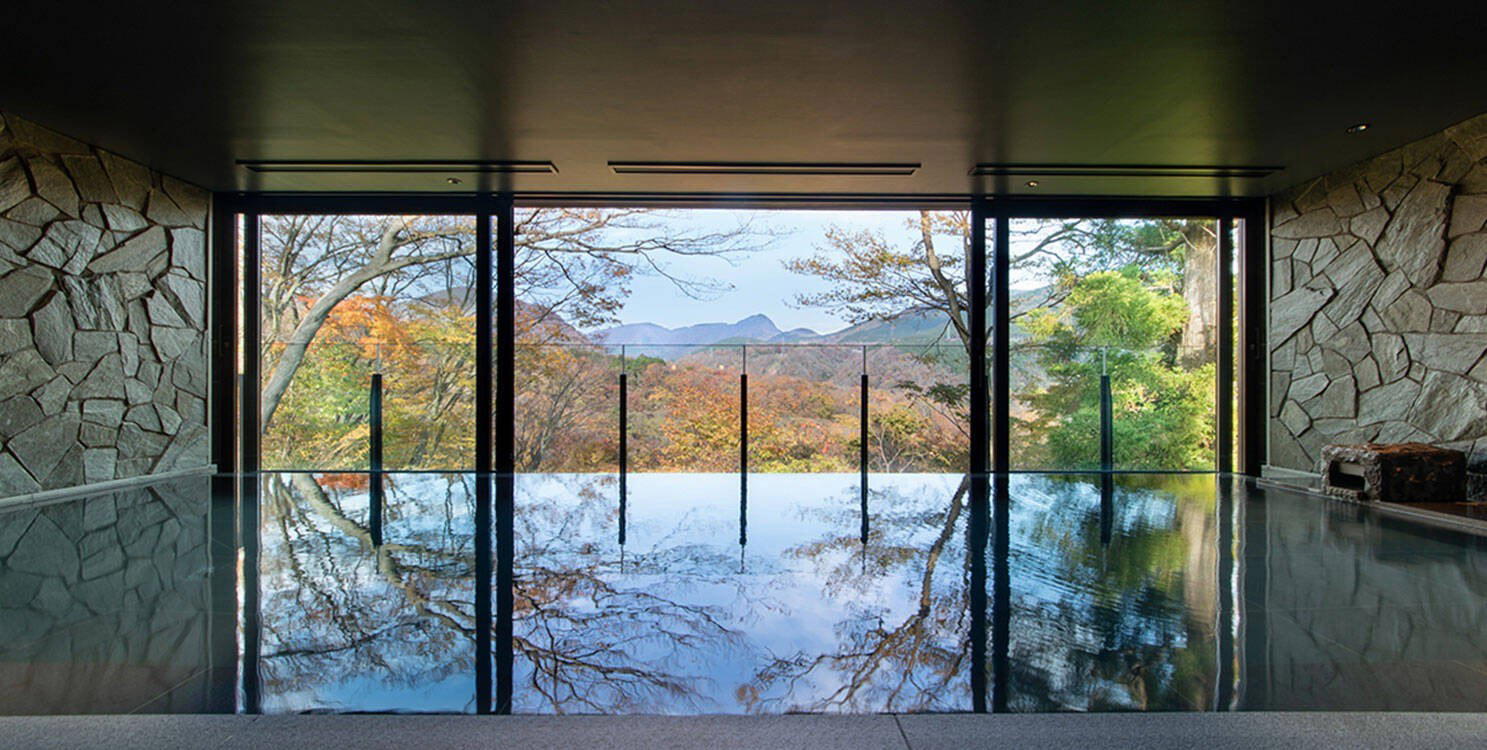
Hot-spring bathing in Hakone is not incidental to the stay; it is structurally central to why people come. Miyanoshita's waters have been in use since at least the late Edo period, and the area's onsen tradition predates the Western-style hotels that arrived in the Meiji era. For a property operating in this district, the quality and format of the bathing provision carries significant weight in how guests evaluate the stay relative to alternatives.
The broader Hakone onsen circuit encompasses several distinct spring types across the region's many valleys, and Miyanoshita's specific water composition differs from sources in other parts of the national park. Guests selecting a property here on the basis of onsen access are making a geographical choice, not just an accommodation choice. That distinction places the Nazuna Miyanoshita offer within a particular sub-geography of Hakone, distinct from the highland zone around Sengokuhara where properties like Yama no Chaya sit.
Planning a Stay: Logistics and Timing
Hakone is accessible from Tokyo in roughly 90 minutes via the Romancecar limited express from Shinjuku to Hakone-Yumoto, followed by the Hakone Tozan railway. Miyanoshita station is a stop on that mountain railway line, making the district more directly connected by rail than some of the more remote parts of the national park. For travellers arriving from Kyoto or Osaka, the approach typically routes through Tokyo, adding half a day to the transit. The leading periods to visit Hakone broadly align with the cherry blossom window in late March through April and the autumn foliage season in October through November, both of which compress demand and affect availability across all properties in the region.
For context on Hakone's broader dining and attraction scene, the EP Club Hakone guide maps the region's key areas and current dining options. Travellers considering Hakone as part of a wider Japan itinerary will find useful comparison properties in other regions: Asaba in Izu operates a comparable small-property ryokan format in a neighbouring region; Zaborin in Kutchan represents a Hokkaido counterpart to the design-conscious onsen ryokan category; and Araya Totoan in Kaga is a reference-point for how the most established independent ryokan properties operate within Japan's traditional hospitality framework.
For those whose itinerary begins or ends in Tokyo, the contrast between Hakone's ryokan register and the urban luxury tier is sharp: Bvlgari Hotel Tokyo sits at the opposite end of the Japanese luxury accommodation spectrum, while HOTEL THE MITSUI KYOTO offers a city-based alternative that draws on heritage architecture in a way that has some structural parallels to the Miyanoshita context.
Quick Comparison
A quick peer reference to anchor this venue in its category.
| Venue | Price | Awards |
|---|---|---|
| Nazuna Hakone MiyanoshitaThis venue (the venue you are viewing) | $200–300 | Not listed |
| Gora Kadan | Not listed | 3 Michelin Keys · La Liste Top Hotels |
| Fufu Hakone | Not listed | 1 Michelin Key |
| Hakone Gora Karaku | Not listed | 1 Michelin Key |
| The Hiramatsu Hotels & Resorts Sengokuhara | $1,000–1,500 | 1 Michelin Key |
| Hoshino Resorts KAI Sengokuhara | $750–1,000 | Not listed |
Continue exploring
More in Hakone
Hotels in Hakone
All hotels in Hakone →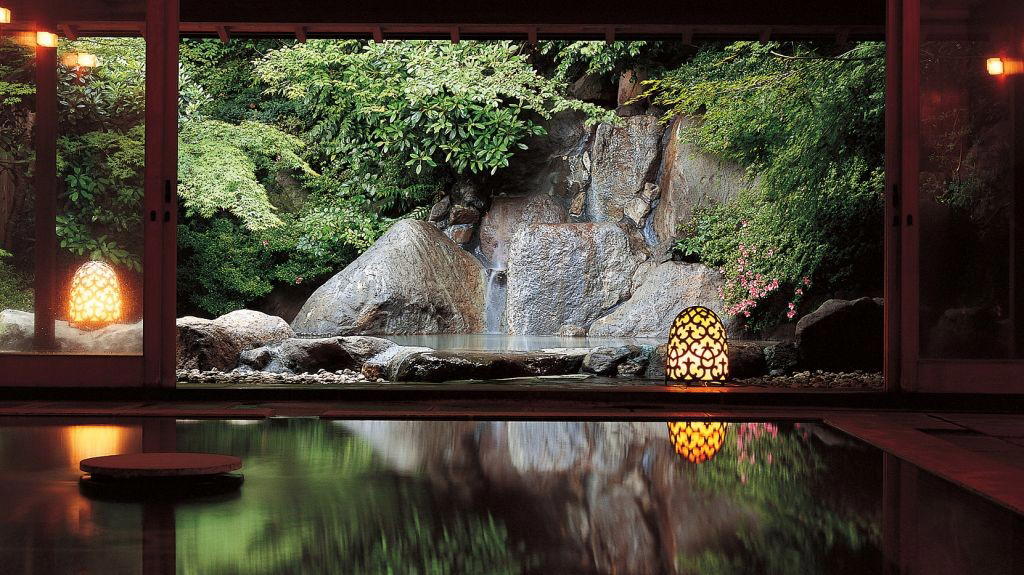
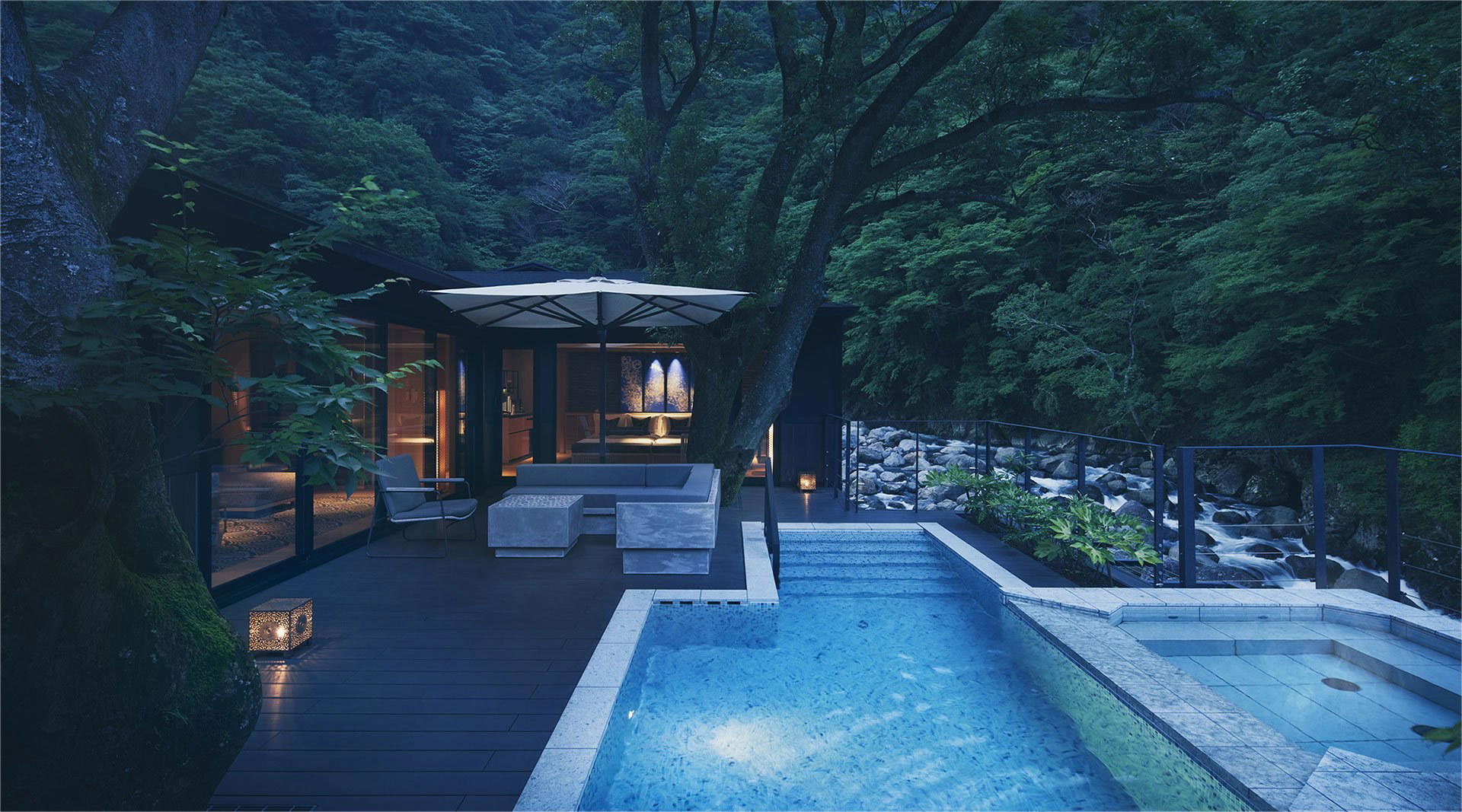
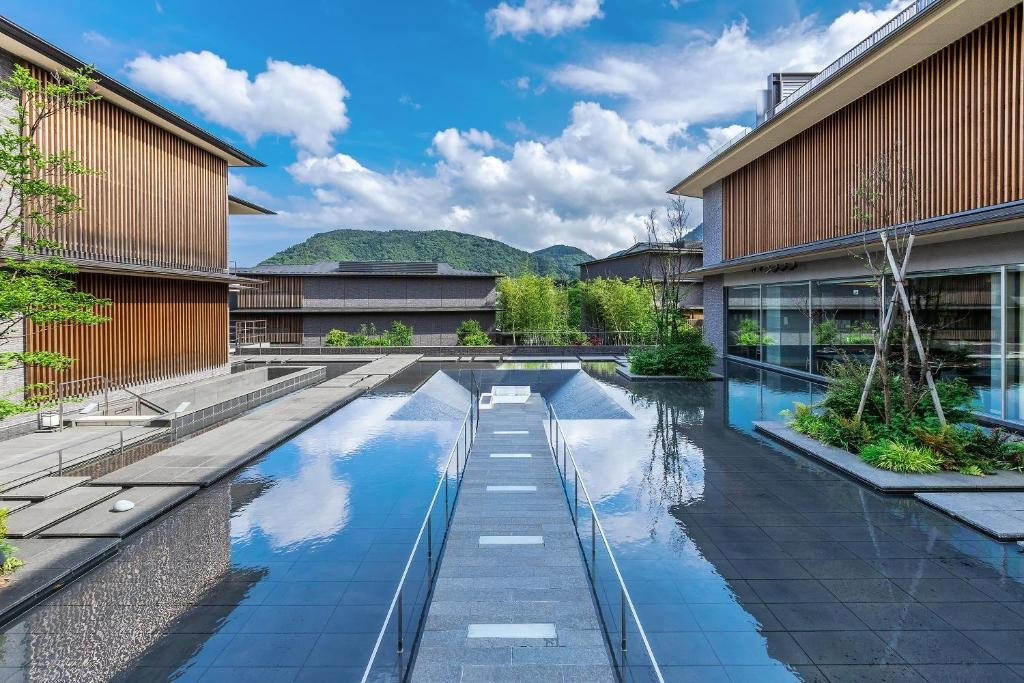
Bars in Hakone
Browse all →
Restaurants in Hakone
All restaurants in Hakone →
Wineries in Hakone
Browse all →
Details
- Romantic
- Quiet
- Classic
- Elegant
- Scenic
- Romantic Getaway
- Wellness Retreat
- Weekend Escape
- Garden
- Panoramic View
- Historic Building
- Design Destination
- Wi Fi
- Free Parking
- Room Service
- Concierge
- 24 Hour Front Desk
- Air Conditioning
- Mountain
- Garden
Serene and culturally immersive with traditional Japanese ryokan aesthetics, featuring burnt cedar exteriors, stone pathways, and lattice design elements that evoke Kyoto's historic townscape.