Centara Life Namba Hotel Osaka plants the Thai-headquartered Centara Life brand in one of Osaka's most densely connected commercial districts, offering a mid-scale international option within walking distance of Dotonbori and the Namba transport hub. The property sits in a city tier where efficient design, location, and value alignment matter more than grand amenities, positioning it as a practical base for visitors prioritising access over ceremony.
Pearl is the En Primeur Club membership app — saves, bookings, and concierge access live there. Same editors, same standards.
- Address
- 3 Chome-4-21 Shikitsuhigashi, Naniwa Ward, Osaka, 556-0012, Japan
- Phone
- +81 6-6556-6908
- Website
- centarahotelsresorts.com
- Directions
- Get directions
 Saves & bookings on Pearl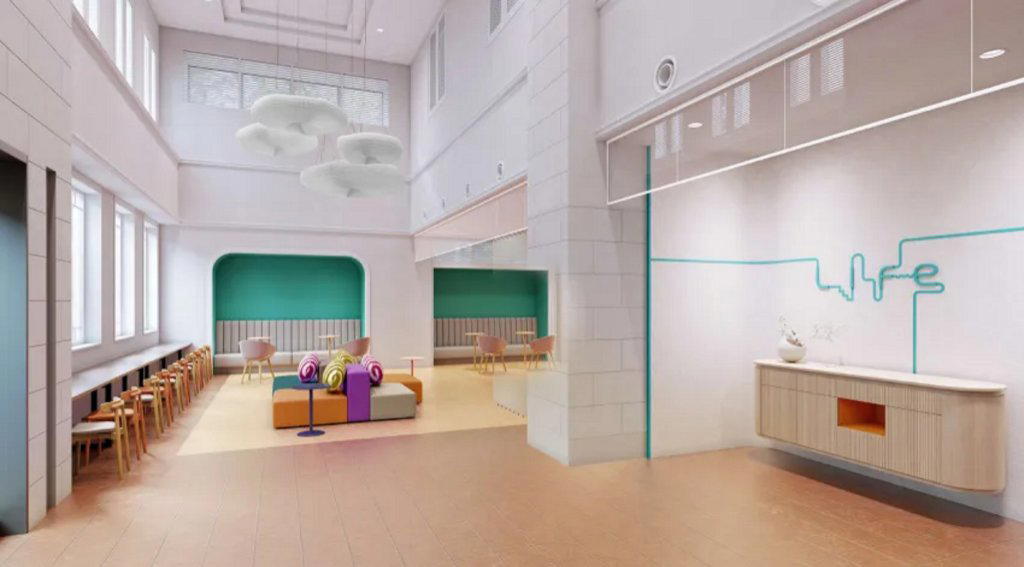
Namba's Mid-Scale Hotel Market and Where Centara Life Fits
Osaka's Namba district operates as one of Japan's most transit-saturated urban zones, where Midosuji Line access, the Nankai main line, and dense pedestrian corridors converge around Dotonbori and the surrounding shopping arcades. Hotels in this pocket compete primarily on location efficiency rather than architectural spectacle, and the tier that's grown fastest over the past decade is mid-scale internationally branded accommodation aimed at visitors who want reliable infrastructure without the premium overhead of properties like The Ritz-Carlton, Osaka or Four Seasons Hotel Osaka. Centara Life Namba Hotel Osaka occupies precisely that bracket: an internationally managed property positioned for the traveller who values connectivity and brand consistency over destination-level luxury.
The Centara Life sub-brand, operated by Thailand's Central Hotels and Resorts, represents the group's value-conscious arm, distinct from the full-service Centara Grand and boutique Centara Reserve tiers. Internationally, Centara has built its footprint across Southeast Asia, the Maldives, and now Japan, with Namba functioning as one of its earliest footholds in a Japanese market that has seen sustained inbound demand from across Asia. That regional brand positioning matters: Centara Life targets travellers already familiar with the parent group's operating standards, particularly from Thai and broader Asian origin markets, for whom consistency of service format carries significant weight.
The Physical Setting: Design Logic in a Dense Urban Grid
Namba's built environment doesn't reward architectural showmanship the way Osaka's waterfront or Midosuji boulevard might. The district is defined by commercial density, vertical stacking of retail and hospitality functions, and the practical geometry of a neighbourhood designed around foot traffic at street level. Hotels in this zone typically work with relatively constrained floor plates, and the more thoughtful properties channel that constraint into considered interior design rather than trying to manufacture grandeur their footprints can't support.
For a Centara Life property, the design register aligns with the brand's broader identity: efficient room layouts, consistent quality finishes, and public spaces calibrated for function rather than lingering. Travellers arriving from the Namba station complex will recognise this as a format common to well-managed urban hotels across Tokyo, Bangkok, and Singapore, where the city itself is the amenity and the room is a well-organised retreat from it. Those who want a property where the lobby functions as a destination in its own right are better directed toward W Osaka or Conrad Osaka, both of which invest significantly more in public-space atmosphere.
Osaka's mid-scale hotel stock has improved considerably since the early 2010s, driven partly by competitive pressure from the city's rising international profile and partly by the broader renovation cycle that preceded anticipated increases in inbound tourism. Centara Life Namba benefits from this general uplift: rooms in this category now arrive with better soundproofing, more considered lighting design, and more reliable Wi-Fi infrastructure than the equivalent tier managed a decade ago.
Location as the Core Proposition
The Namba positioning is, frankly, the property's most compelling argument. Dotonbori canal, the Kuromon Ichiba market, and the Shinsaibashi shopping corridor are all within a short walk. Takashimaya Osaka and the Namba Parks retail complex extend the immediate neighbourhood's commercial offer significantly. For first-time visitors to Osaka, this concentration means the learning curve for navigating the city is shorter: most of what draws people to Osaka is accessible on foot or within two stops on the Midosuji Line.
Comparative positioning across Osaka's hotel market is worth understanding clearly. The luxury tier, represented by properties including InterContinental Osaka and Hotel New Otani Osaka, sits in Umeda and along the northern axis, often in high-rise formats that trade Namba's street-level immediacy for skyline views and ballroom-scale amenities. Hotel Granvia Osaka anchors the Shin-Osaka and Umeda station cluster for business travel. Centara Life's Namba address offers the inverse trade: less vertical grandeur, more immediate access to the city's food and entertainment core. For leisure travellers whose itinerary is built around eating, shopping, and day-tripping on the Kintetsu or Nankai networks, that trade is rational.
Japan's broader hotel market context is also relevant. Visitors spending multiple nights in Kansai often pair an Osaka base with excursions to Kyoto or Nara, and Namba's transport links support that pattern more efficiently than some Umeda-based alternatives. Those extending further to ryokan-style accommodation, at Nishimuraya Honkan in Kinosaki-cho, or to smaller-scale retreats like Gora Kadan in Hakone, will find that Namba functions as a workable hub for initial nights before slower-paced accommodation. For broader Japan context across the luxury spectrum, Bvlgari Hotel Tokyo and HOTEL THE MITSUI KYOTO represent the country's upper tier, while properties like Amanemu in Mie, Benesse House in Naoshima, and ENOWA Yufu serve entirely different travel motivations.
Planning Your Stay
Namba hotels at this price point tend to book out during Golden Week (late April to early May), Obon (mid-August), and the autumn foliage period in November, when domestic Japanese travel peaks alongside sustained international demand. Booking two to three months ahead during those windows is standard practice. The district's restaurant density means that dining logistics are largely self-solving: Dotonbori and the surrounding streets offer everything from standing ramen counters to multi-floor kushikatsu specialists and long-established kappo dining rooms, with no need to pre-book transport to reach evening options. Guests planning day trips to Asaba in Izu-style ryokan territories or to Fufu Kawaguchiko in the Fuji region will find Osaka Namba a convenient same-day departure point via shinkansen from nearby Shin-Osaka.
A Quick Peer Check
Comparable venues nearby, for context on price, style, and recognition.
| Venue | Cuisine | Price | Awards | Notes |
|---|---|---|---|---|
| Centara Life Namba Hotel OsakaThis venue — the venue you are viewing | Lifestyle hotel blending modern design with Thai-inspired service and local Osaka flair. | $$ | Not listed | Not listed |
| Waldorf Astoria Osaka | Hotel | Not listed | Not listed | Kita |
| Hotel Noum OSAKA | Contemporary minimalist boutique hotel emphasizing comfort and authenticity with warm materials and curated local design elements. | $$ | 4-Star | Kita |
| Moxy Osaka Honmachi | lifestyle hotel in buzzy downtown district | $$ | 3-Star | Chūō |
| The Osaka Station Hotel, Autograph Collection | Railway-inspired luxury hotel in skyscraper directly connected to JR Osaka Station. | $$$$ | 5-Star | Kita |
| Sugata Hotel Osaka Shinsaibashi | Boutique hotel preserving independent Japanese identity within Marriott's Series collection. | $$ | 3-Star | Shinsaibashi |
Continue exploring
More in Osaka
Hotels in Osaka
Browse all →



Bars in Osaka
Browse all →


Restaurants in Osaka
Browse all →




Wineries in Osaka
Browse all →
At a Glance
- Modern
- Trendy
- Lively
- Family Vacation
- Business Trip
- Weekend Escape
- Rooftop Pool
- Wi Fi
- Room Service
- Skyline
- Wi Fi
- Room Service
Contemporary simplicity with warm tones, lively accents, and Osaka-inspired artwork blending modern design with urban energy.