




2 Michelin Keys · La Liste Top Hotels · Star Wine List
Built in 1818 and awarded a Michelin Key in 2024, the Hotel de Russie occupies a rare position on Via del Babuino, steps from the Spanish Steps, facing Piazza del Popolo, and concealing a 0.7-acre garden behind its understated façade. La Liste ranked it at 96 points in 2026. Across 122 rooms, the property delivers the kind of quietly confident hospitality that Rome's most discerning addresses have long made their signature.

Pearl is the En Primeur Club membership app, where members save venues, book tables and use the concierge.
A Façade That Withholds Judgment
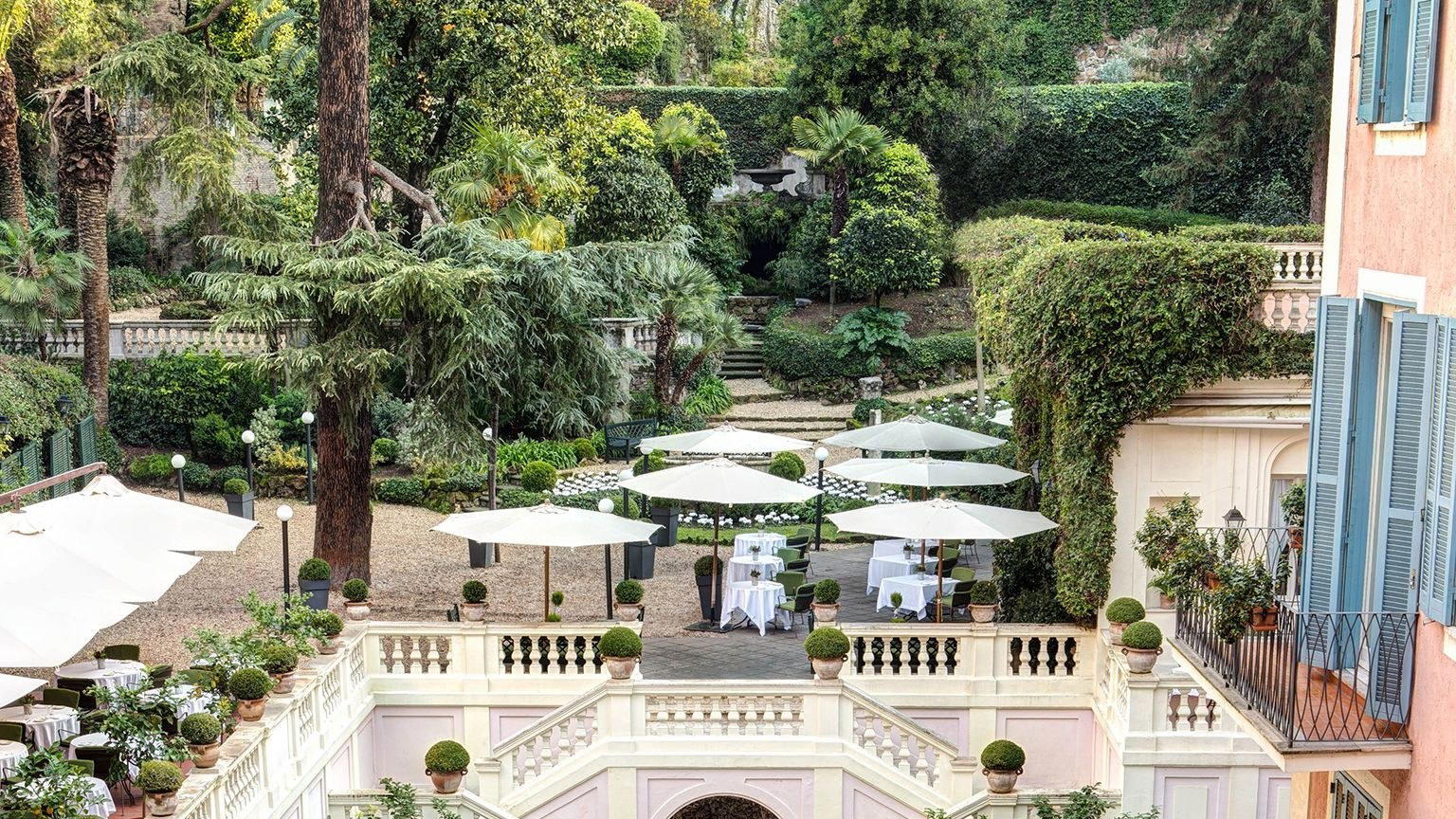
Via del Babuino connects Piazza del Popolo to the Spanish Steps, and along that corridor you find some of Rome's most confident retail and a handful of hotels that understand discretion as a form of authority. The Hotel de Russie, built in 1818 and carrying a Michelin Key since 2024, operates firmly in the latter register. From the street, the façade gives almost nothing away: no theatrical canopy, no doorman theatre, no architectural announcement. What it conceals, a 0.7-acre garden designed by Giuseppe Valadier, with palm trees, citrus plants, climbing roses, and views of the Pincio and Villa Borghese beyond, is precisely the point. In Rome's premium hotel tier, the willingness to let the interior do the talking has become its own signal.
The rate reflects that standing: rooms from approximately $1,864 per night place this at the upper register of the Roman market, comparable to the Hotel Eden and Hassler Roma, though each property occupies a distinct architectural and atmospheric position. The Bulgari Hotel Roma approaches the category from a design-forward angle; the Hotel de Russie approaches it through restraint and continuity.
The Garden as the Room You Didn't Book
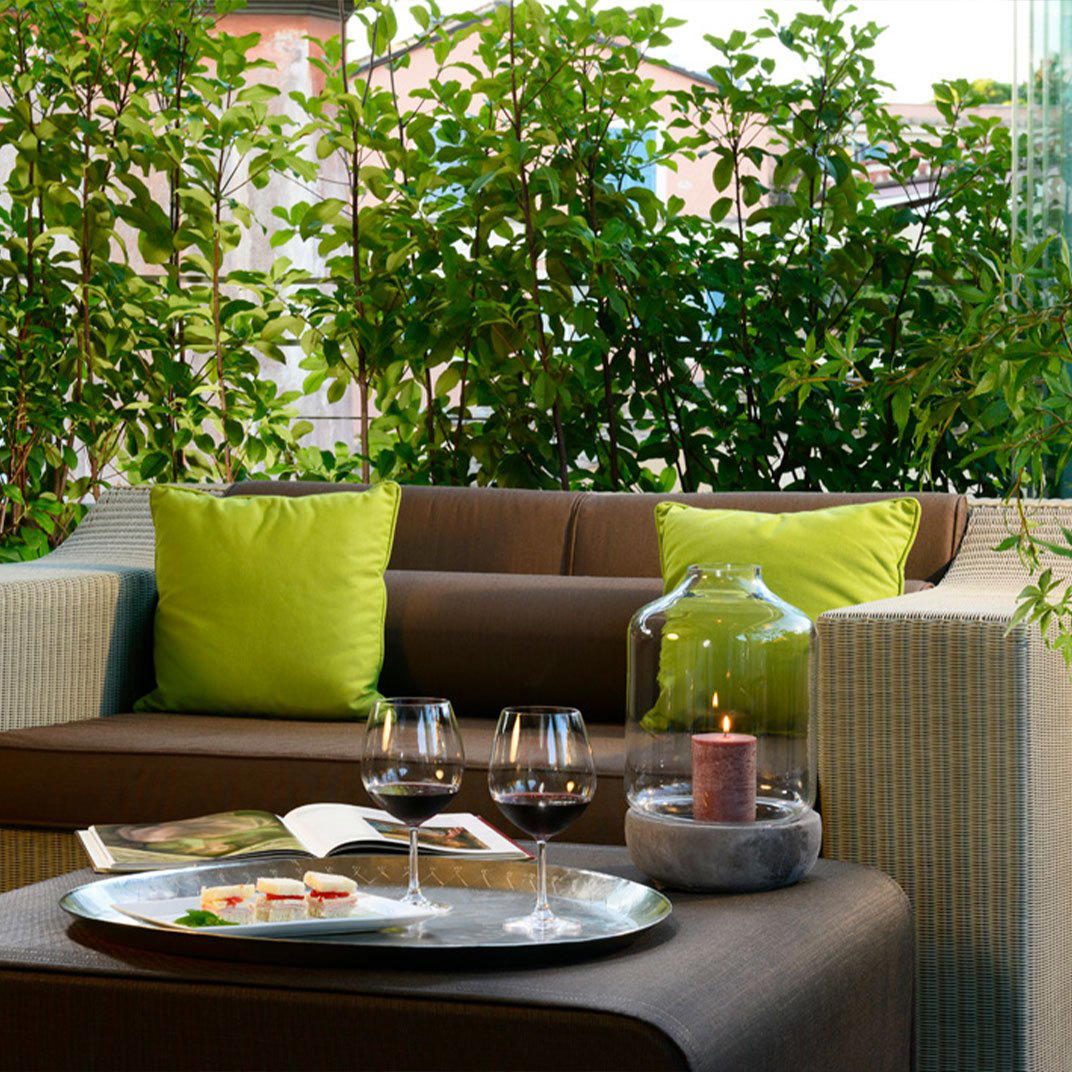
Rome's premium hotel garden is a scarce amenity. The city's density and the weight of its historic fabric mean that outdoor space at scale, genuinely planted, genuinely calm, is something most properties cannot offer regardless of rate. The Hotel de Russie's 0.7-acre garden, planted with palms, citrus, and climbing roses and framed by glimpses of ancient stonework, functions less as a hotel feature and more as a separate atmospheric argument for the stay itself.
In the warmer months, between late spring and early autumn, the garden anchors breakfast service on the patio: cornetti and milky espresso in the morning, Prosecco in the evenings with music drifting up from the piazza below. This is the seasonal window when the hotel's proposition is at its most complete, and it is the period most worth targeting for first-time stays. Rome's hotel season compresses sharply in July and August when heat reduces the garden's pleasure and the city fills with visitors on shorter itineraries. Late May, June, and September offer the strongest alignment between the property's strengths and the city's energy.
The garden has its own historical resonance. The anecdote of Pablo Picasso and Jean Cocteau plucking oranges from the trees on a sunny afternoon belongs to a longer tradition of the hotel as a site of cultural congregation, a tradition that has shifted, predictably, from artists to the models and film industry figures who now occupy that same social register. The library remains the axis of this quieter sociality: a place to sit with the International Herald Tribune and observe without being observed, which is a particular kind of Roman luxury.
Inside the 122 Rooms
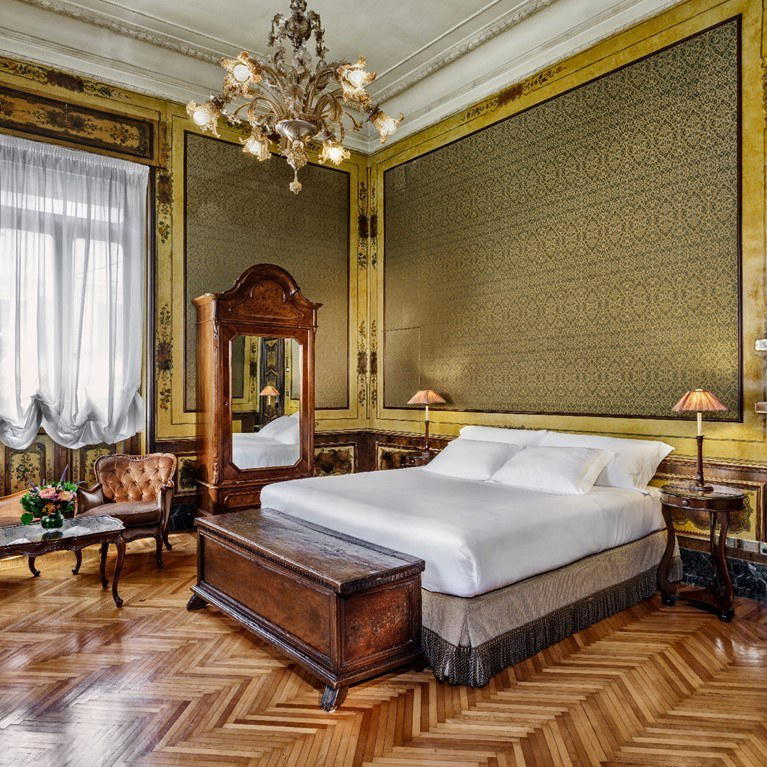
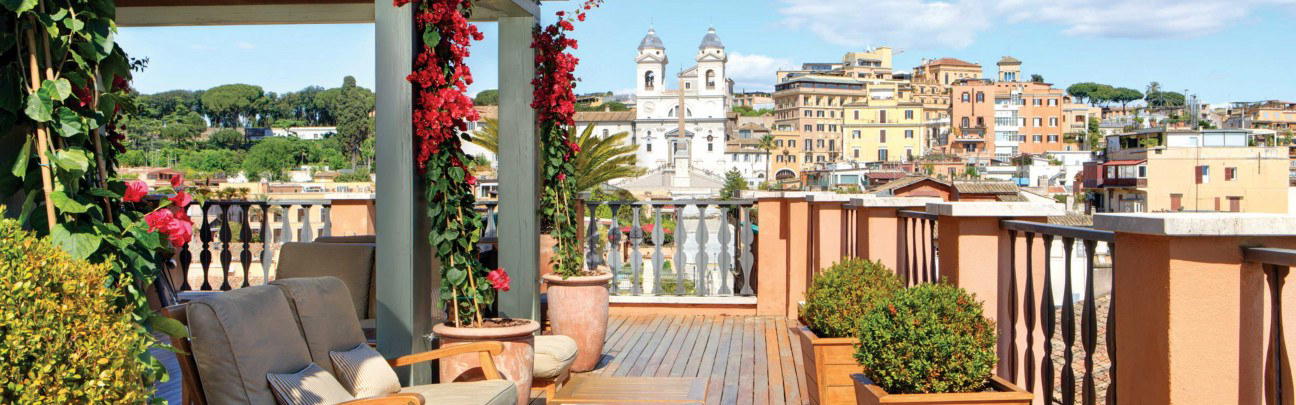
With 122 rooms, the Hotel de Russie operates at a scale that allows genuine service without the anonymity of the large convention hotels that dominate Rome's four-star category. The room count also enables meaningful differentiation across the building's various configurations: street-facing, garden-facing, and the terrace rooms that make the Spanish Steps proximity feel like a design decision rather than an accident of address.
The décor reads as modern without announcing itself as such, understatedly elegant is the operative phrase, which in practice means the rooms do not carry the heavy neoclassical furniture that weighs down some of the older Roman addresses. Clean lines, considered materials, and the absence of visual clutter are the signature. For a property in a building from 1818, that calibration between heritage and contemporary comfort is a solved problem here in a way it isn't always solved elsewhere. The Rocco Forte Hotels group, which operates the property, has developed a consistent approach to this balance across its European portfolio, visible also at Portrait Roma in the same city and at properties further afield.
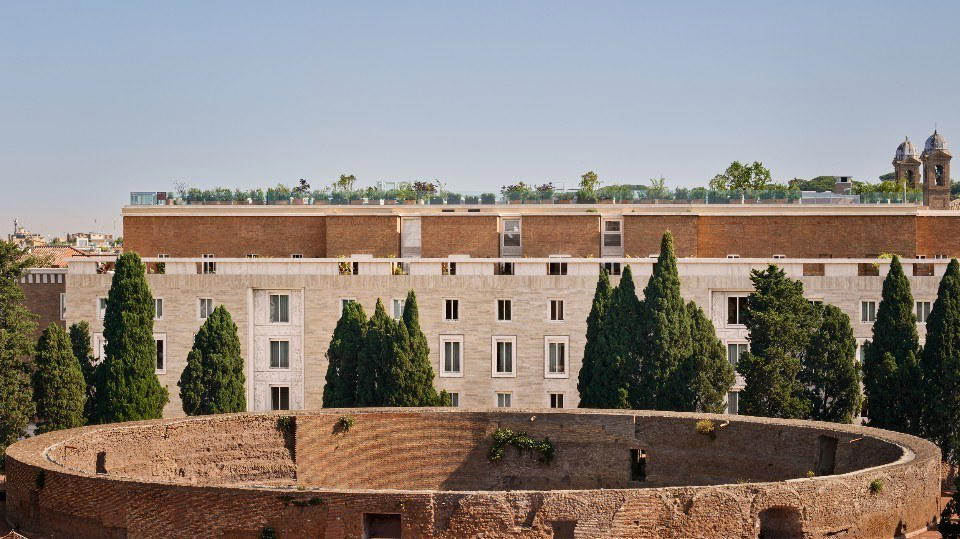
Garden-facing rooms and those with terrace access are the natural preference for stays in the May-to-September window. The garden view from an upper floor, with the Pincio and Villa Borghese visible in the middle distance and the planted terraces stepping down below, delivers a spatial experience that is genuinely difficult to replicate at other city-centre addresses. Street-facing rooms on Via del Babuino are quieter than the address suggests, Roman traffic noise is real, but the building manages it, and offer the proximity to the Spanish Steps and Piazza del Popolo without the premium that the leading garden-view configurations carry.
Positioning in the Roman Hotel Hierarchy
Rome's luxury hotel market has expanded meaningfully in recent years, with new openings and repositioned historic buildings adding options across the five-star tier. That expansion has clarified, rather than blurred, the distinctions between approaches. The Hotel de Russie belongs to a cohort defined by long operational history, address prestige, and a service model built on continuity rather than novelty. The Hotel Vilòn and JK Place Roma offer smaller-format alternatives with a sharper design identity; the Maalot Roma and Hotel Locarno operate in different price brackets with different service models.
For travellers building an Italian itinerary around properties with established credentials and a consistent quality floor, the Hotel de Russie fits a logical sequence. Comparable properties in other Italian cities include the Four Seasons Hotel Firenze in Florence, the Aman Venice, and the Passalacqua in Moltrasio, each operating in a premium tier with significant heritage components. For those extending south, Il San Pietro di Positano and Borgo Santandrea on the Amalfi Coast occupy the same confidence tier in their respective settings.
For Rome's dining context, our full Rome restaurants guide covers the neighbourhood-level specifics around Via del Babuino and the Piazza del Popolo quarter, where the hotel's location opens access to a distinct set of addresses separate from the heavier tourist concentration around the Colosseum and Trastevere.
Planning the Stay
The hotel's location on Via del Babuino, 9 places it within walking distance of the Spanish Steps and the Piazza del Popolo, with the Tridente neighbourhood's concentration of serious retail and galleries immediately accessible on foot. Arriving by car, the addresses closest to Piazza del Popolo are well served by the ZTL zone's geography, though as with all central Roman addresses, coordination with the hotel in advance on vehicle access is advisable. The La Liste 96-point rating (2026) and Michelin Key award (2024) provide the primary trust anchors for rate justification at approximately $1,864 per night. That figure positions the property in the same bracket as other Roman heritage addresses but below the entry point of the newer ultra-premium openings. Late spring through early autumn is the optimal booking window, with June and September offering the leading balance of garden weather, city energy, and manageable visitor volumes. For reference points beyond Rome, the Castello di Reschio in Lisciano Niccone, Rosewood Castiglion Del Bosco in Montalcino, and Borgo Egnazia in Savelletri di Fasano sit in a comparable tier for Tuscany and Puglia extensions. International comparisons that share the same heritage-plus-restraint positioning include The Fifth Avenue Hotel in New York City and Aman New York.
Accolades, Compared
Comparable venues nearby, for context on price, style, and recognition.
| Venue | Cuisine | Price | Awards | Notes |
|---|---|---|---|---|
| Rocco Forte Hotel de RussieThis venue (the venue you are viewing) | Luxury historic hotel with secret gardens | Not listed | 2 Michelin Keys · La Liste Top Hotels | Not listed |
| Rocco Forte Hotel De La Ville | Contemporary 18th-century palazzo blending classical Roman romance with modern zestful design | Not listed | 2 Michelin Keys · Forbes 5-Star | Campo Marzio |
| Orient Express La Minerva | Historic palace reimagined with Orient Express luxury. | Not listed | 2 Michelin Keys · World's 50 Best #66 | Pigna |
| Hotel Vilòn | Restored 16th-century historic mansion with Art Deco elements | Not listed | 1 Michelin Key · La Liste Top Hotels | Campo Marzio |
| Palazzo Talìa | Restored Renaissance palace blending historical architecture with modern luxury and informal elegance. | $500–750 | 2 Michelin Keys · Tablet Hotels Best New Hotel Designs (Europe) | Colonna |
| The St. Regis Rome | Grand historic palace blending noble heritage with modern luxury interiors | $500–750 | 2 Michelin Keys · La Liste Top Hotels | Castro Pretorio |
Recognition history
Dated appearances from independent guides and award organizations, with the underlying list record or original source where available.
Michelin 2 Keys
Michelin
La Liste Top Hotels
La Liste
Star Wine List
Star Wine List
Forbes 5-Star
Forbes
Virtuoso Luxury Hotel Partner
Virtuoso
Full recognition history (7 entries)
Michelin 2 Keys
Michelin
Michelin 1 Key
Michelin
Rocco Forte Hotel de Russie
Featured Guides
Continue exploring
More in Rome
Hotels in Rome
All hotels in Rome →
Bars in Rome
All bars in Rome →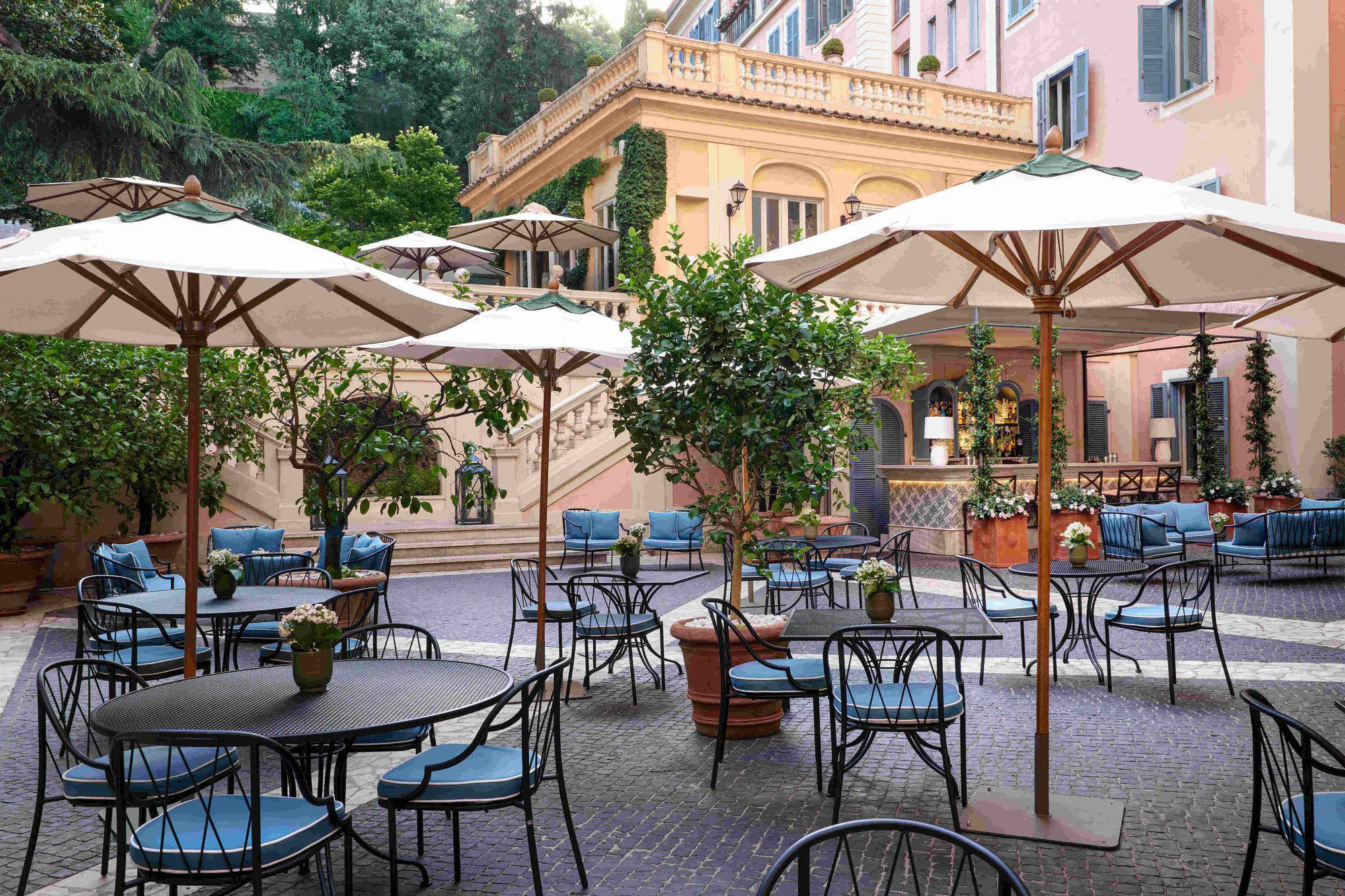
Restaurants in Rome
All restaurants in Rome →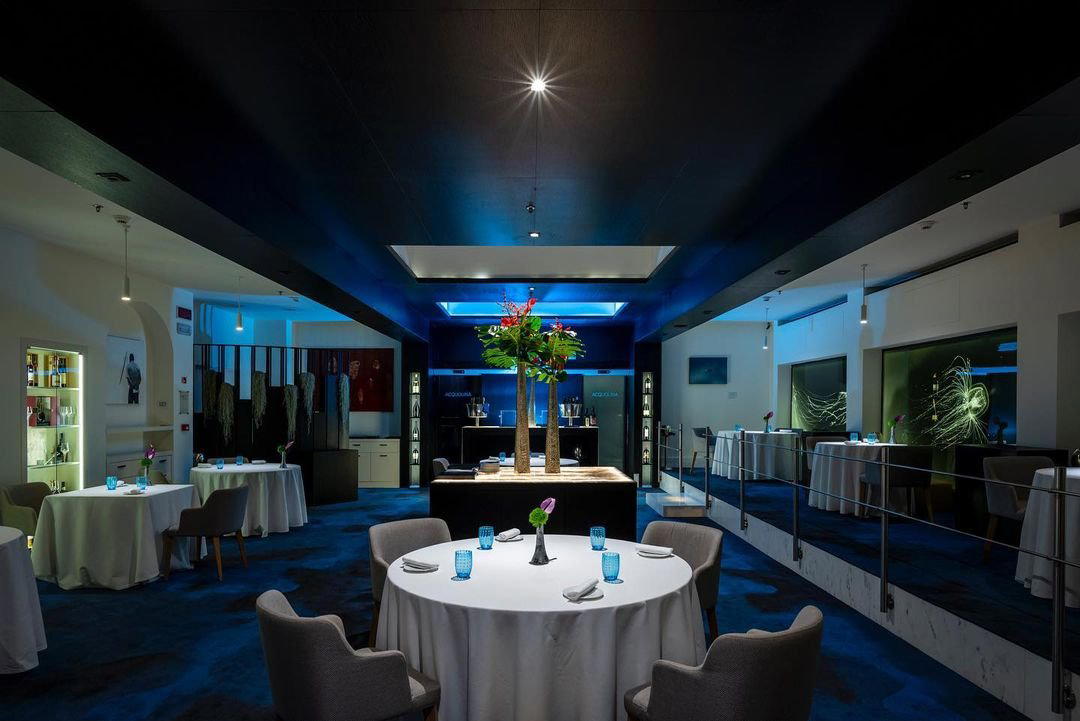

Details
- Elegant
- Sophisticated
- Ornate
- Romantic Getaway
- Honeymoon
- Anniversary
- Garden
- Historic Building
- Wi Fi
- Pool
- Spa
- Fitness Center
- Room Service
- Concierge
- Business Center
- Valet Parking
- Garden
- Elevator
- Wheelchair Accessible
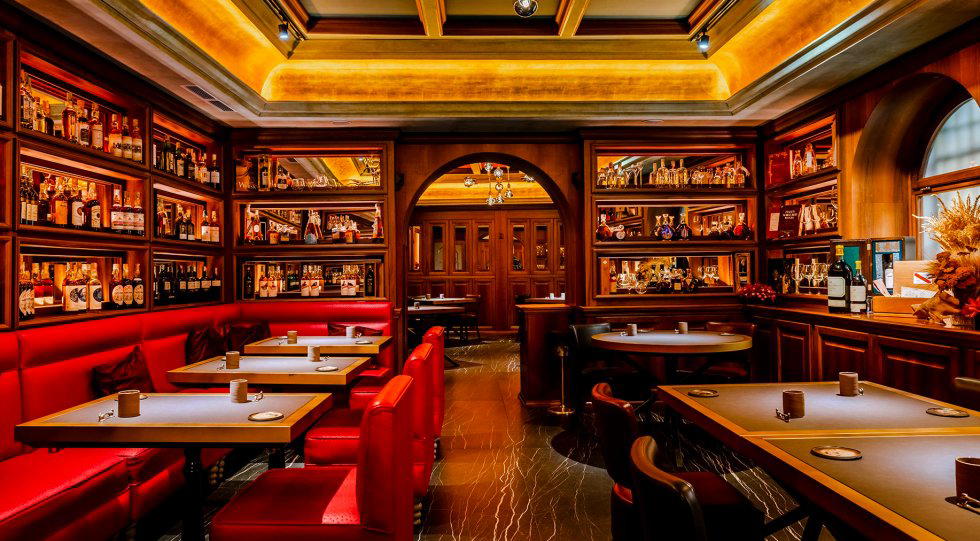
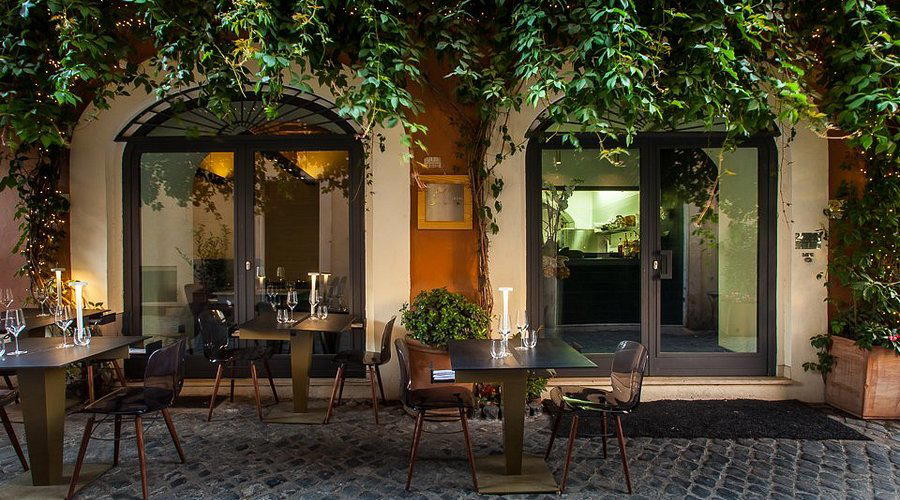
Elegant and serene atmosphere with stylish interiors, lush garden views, and a sense of refined luxury.