



A Michelin-starred address a short walk from Piazza Navona, Il Convivio Troiani has anchored Rome's fine-dining scene since the early 1990s. The Troiani brothers — Angelo in the kitchen, Giuseppe and Massimo in the dining room — built their reputation on personalised contemporary Italian cooking that honours regional tradition without being bound by it. A wine cellar of 3,600 labels, including vertical collections accessible by the glass via Coravin, makes it a serious destination for wine-focused diners.
Pearl is the En Primeur Club membership app — saves, bookings, and concierge access live there. Same editors, same standards.
- Address
- Vicolo dei Soldati, 31, 00186 Roma RM, Italy
- Phone
- +39 06 686 9432
- Website
- ilconviviotroiani.com
- Directions
- Get directions
 Saves & bookings on Pearl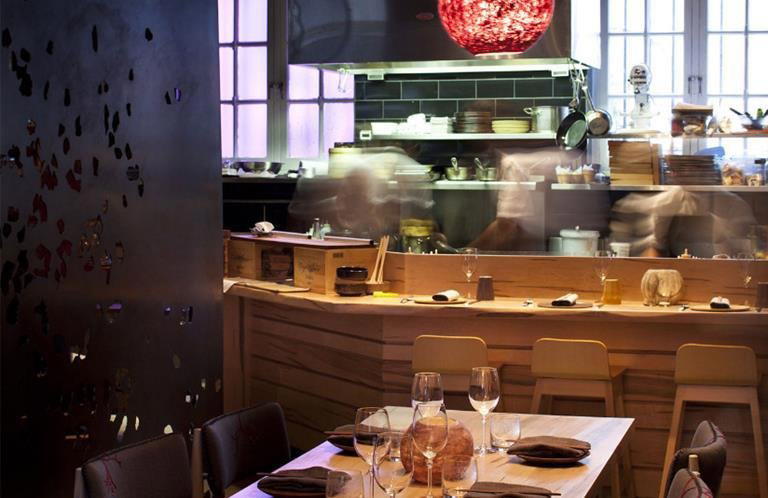
A Corner of the Centro Storico That Has Earned Its Place
Vicolo dei Soldati runs quietly off the bustle of Piazza Navona, and it is exactly the kind of street Rome keeps in reserve for those who stop looking at maps. The approach to Il Convivio Troiani does something that few restaurant arrivals in the centro storico manage: it situates you inside the city's older, slower register before you have crossed the threshold. The neighbourhood here is one of medieval lanes and travertine facades, and the restaurant inhabits that physical context without performing it. This is not a place that dresses itself in Roman nostalgia — it has been operating since the early 1990s, which gives it a history of its own to draw on.
Within Rome's Michelin-starred tier, the competitive field is smaller than visitors often expect. Our full Rome restaurants guide maps the spread, but the short version is that the city's starred contemporary Italian addresses — including two-starred Carter Oblio and one-starred Aroma, each occupy a distinct position by neighbourhood, format, and culinary register. Il Convivio Troiani, with its single Michelin star (confirmed 2024) and €€€€ price point, sits in the upper bracket of that field, pricing and positioning alongside peers rather than against entry-level contemporary Italian.
What a Three-Decade Kitchen Commitment Looks Like
Rome's fine-dining scene has historically rewarded a particular kind of restaurant: one with enough continuity to develop a recognisable cooking voice, but enough technical ambition to remain in conversation with what is happening elsewhere in Italy. Il Convivio Troiani occupies that narrow corridor. The kitchen, led by Angelo Troiani, draws primarily from the culinary traditions of Lazio and, through the brothers' Marche origin, from central Italy more broadly. The cooking moves between more or less orthodox readings of those traditions and revisited interpretations that introduce audacity without abandoning the source material.
The Troiani's Amatriciana is the clearest example of this approach in practice. On the menu since 1996, it is not presented as a heritage curiosity but as a working dish that has been refined over nearly three decades. Amatriciana, one of the four canonical Roman pasta preparations, is a dish that invites strong opinions among Romans, and keeping a personalised version on a starred menu for that length of time represents a considered editorial stance. The same logic applies to the local lamb preparations that appear across the menu: dishes rooted in Lazio's pastoral traditions, brought into a fine-dining format without losing their regional specificity. For context on how other Italian kitchens handle the tension between regional identity and contemporary technique, the menus at Dal Pescatore in Runate and Le Calandre in Rubano offer instructive comparisons.
Sourcing, Tradition, and the Ethics of the Plate
Contemporary fine dining's engagement with sustainability has largely moved on from broad statements about local sourcing toward more specific commitments: named producers, reduced-waste kitchen practice, and menus shaped by what the season and the supply chain can support rather than what the menu format demands. The cooking at Il Convivio Troiani, rooted as it is in the agricultural traditions of Lazio and the Marche, operates within a sourcing framework defined by regional specificity. The local lamb that appears on the menu is not merely a nostalgic gesture, lamb from the Roman countryside carries its own denominational character, and presenting it in a starred context makes an implicit argument about the value of regional provenance over international luxury ingredients.
This approach places Il Convivio Troiani within a broader shift in Italian fine dining toward what might be called ethical regionalism: the idea that the most coherent cooking is also the most geographically honest. Atelier Moessmer Norbert Niederkofler in Brunico represents one of the most rigorous expressions of this philosophy in Italy, and Osteria Francescana in Modena approaches it from a different angle, through the recontextualisation of Emilian tradition. Il Convivio Troiani's version is less ideologically stated but no less embedded: a three-decade commitment to central Italian ingredients, treated with technique but not stripped of their identity.
The wine program, developed under the direction of Massimo Troiani and managed at floor level by sommeliers Giacomo Scatolini and Luca Atzori, extends this logic into the cellar. A list of 3,600 labels and an inventory of 40,200 bottles represents serious resource allocation, and the decision to maintain vertical collections dating back to the 1990s is itself a form of curatorial restraint: preserving access to older vintages rather than cycling through current releases. The Coravin program, which allows wines from that archive to be served by the glass, democratises access to those verticals without requiring full-bottle commitment. It is a practical choice that also reflects a particular view of wine stewardship, one that treats the cellar as something to be shared rather than stockpiled. For those planning a trip focused on Italian wine beyond the plate, our full Rome wineries guide and the cellar at Enoteca Pinchiorri in Florence offer reference points for what depth looks like at the upper end of the Italian fine-dining wine program.
The Dining Room and What It Asks of You
Rome's centro storico concentrates a particular kind of fine-dining clientele: international visitors with serious intent, Roman professionals with long-standing relationships with specific tables, and the occasional international wine buyer who has made the pilgrimage to the cellar. Il Convivio Troiani has been serving across all three groups since the early 1990s, which shapes the atmosphere in ways that a newer address cannot replicate. The dining room carries the confidence of a place that does not need to announce itself. Service, managed at front-of-house by Massimo and Giuseppe Troiani, reflects the institutional knowledge that comes from more than three decades of the same family running the same room.
The format is dinner-only, running Tuesday through Saturday from 7:30 PM to 10:30 PM, with Sunday and Monday closed. This is a common structure among Rome's starred addresses, and it reflects the kitchen's orientation toward full evening service rather than a compressed lunch offering. For diners planning an evening in the centro storico, the proximity to Piazza Navona is logistically useful but should not be mistaken for casual accessibility, Il Convivio Troiani operates at €€€€ and warrants the same planning discipline as any European starred restaurant. Those looking for the neighbourhood's more accessible register should consider Novo Osteria or San Baylon. For the broader centro storico dining picture, Almatò and Diana's Place add further range to the neighbourhood's contemporary offer.
Wine pricing is marked at the moderate tier relative to the list's depth, a notable position for a cellar of this scale. The Coravin-by-the-glass option effectively lowers the entry point for verticals, making it possible to access 1990s Italian vintages without committing to a full bottle. For wine-focused visits, arriving with specific requests for the sommeliers is worthwhile; the depth of the list rewards preparation. Those travelling to Rome specifically for food and wine should also consult our full Rome bars guide and our full Rome hotels guide for the wider planning picture.
For comparable contemporary Italian addresses elsewhere in the country, Enrico Bartolini in Milan represents the multi-starred metropolitan counterpart, while internationally, César in New York City and Jungsik in Seoul show how the contemporary fine-dining format translates across different culinary cultures. The full Rome experiences guide covers the wider cultural context for visitors building a programme around a dinner at this level.
Price and Positioning
| Venue | Cuisine | Price | Awards |
|---|---|---|---|
| Il Convivio TroianiThis venue — the venue you are viewing | Contemporary | €€€€ | Michelin 1 Star |
| La Pergola | Italian, Mediterranean Cuisine | €€€€ | Michelin 3 Star |
| Enoteca La Torre | Creative | €€€€ | Michelin 2 Star |
| Il Pagliaccio | Contemporary Italian, Creative | €€€€ | Michelin 2 Star |
| Aroma | Modern Cuisine | €€€€ | Michelin 1 Star |
| Idylio by Apreda | Modern Italian, Italian Contemporary | €€€€ | Michelin 1 Star |
Recognition history
Dated appearances from independent guides and award organizations, with the underlying list record or original source where available.
Falstaff Restaurant - 95 Falstaff Points
Falstaff
Michelin 1 Star
Michelin
Star Wine List
Star Wine List
Wine Spectator Best of Award of Excellence
Wine Spectator
Michelin 1 Star
Michelin
Wine Spectator Best of Award of Excellence
Wine Spectator
Michelin 1 Star
Michelin
Continue exploring
More in Rome
Restaurants in Rome
Browse all →
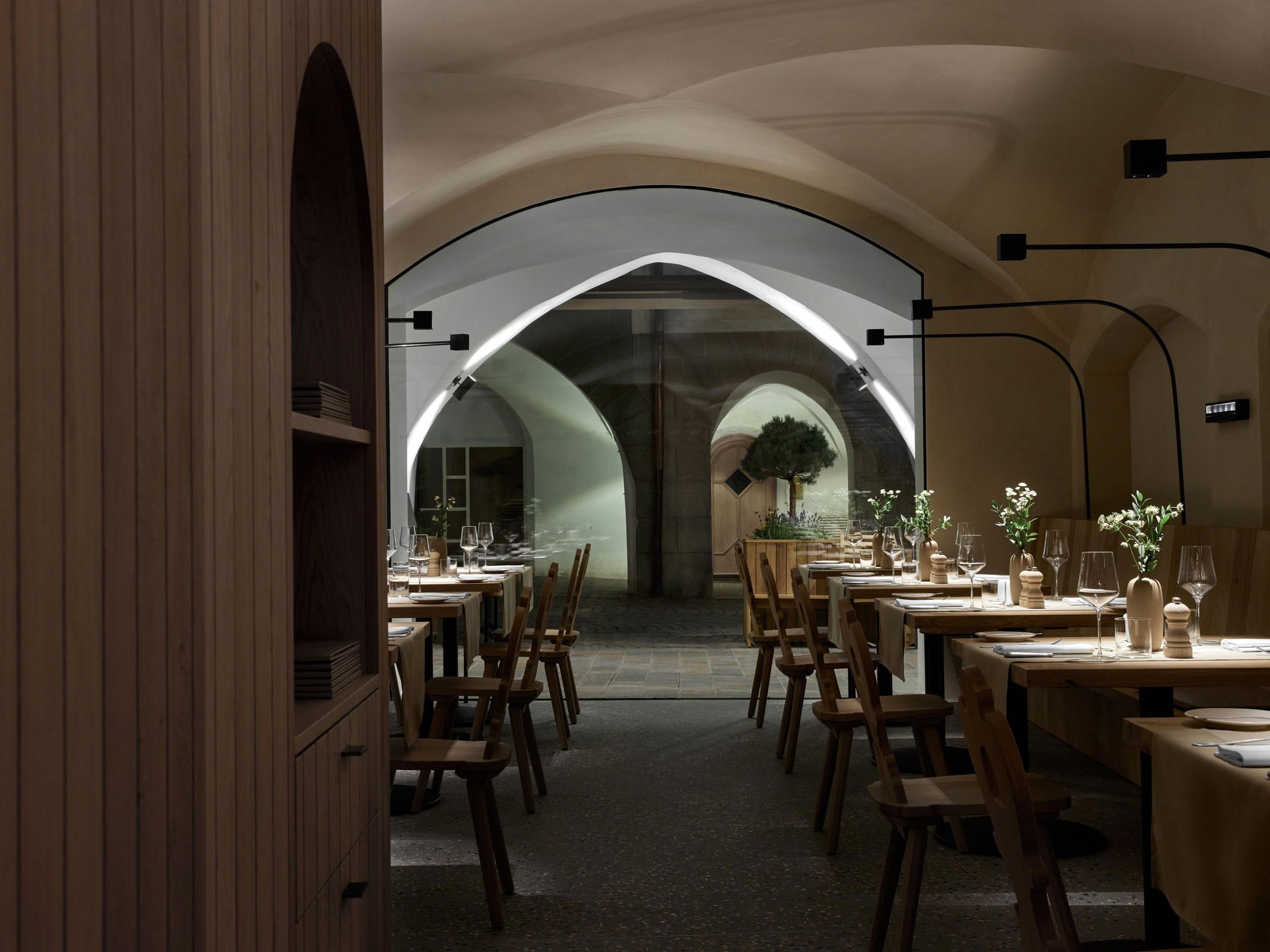
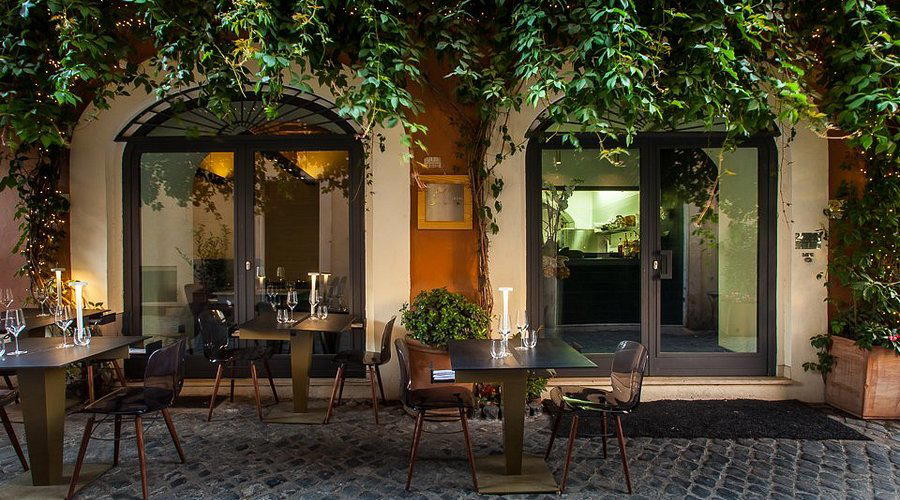
Bars in Rome
Browse all →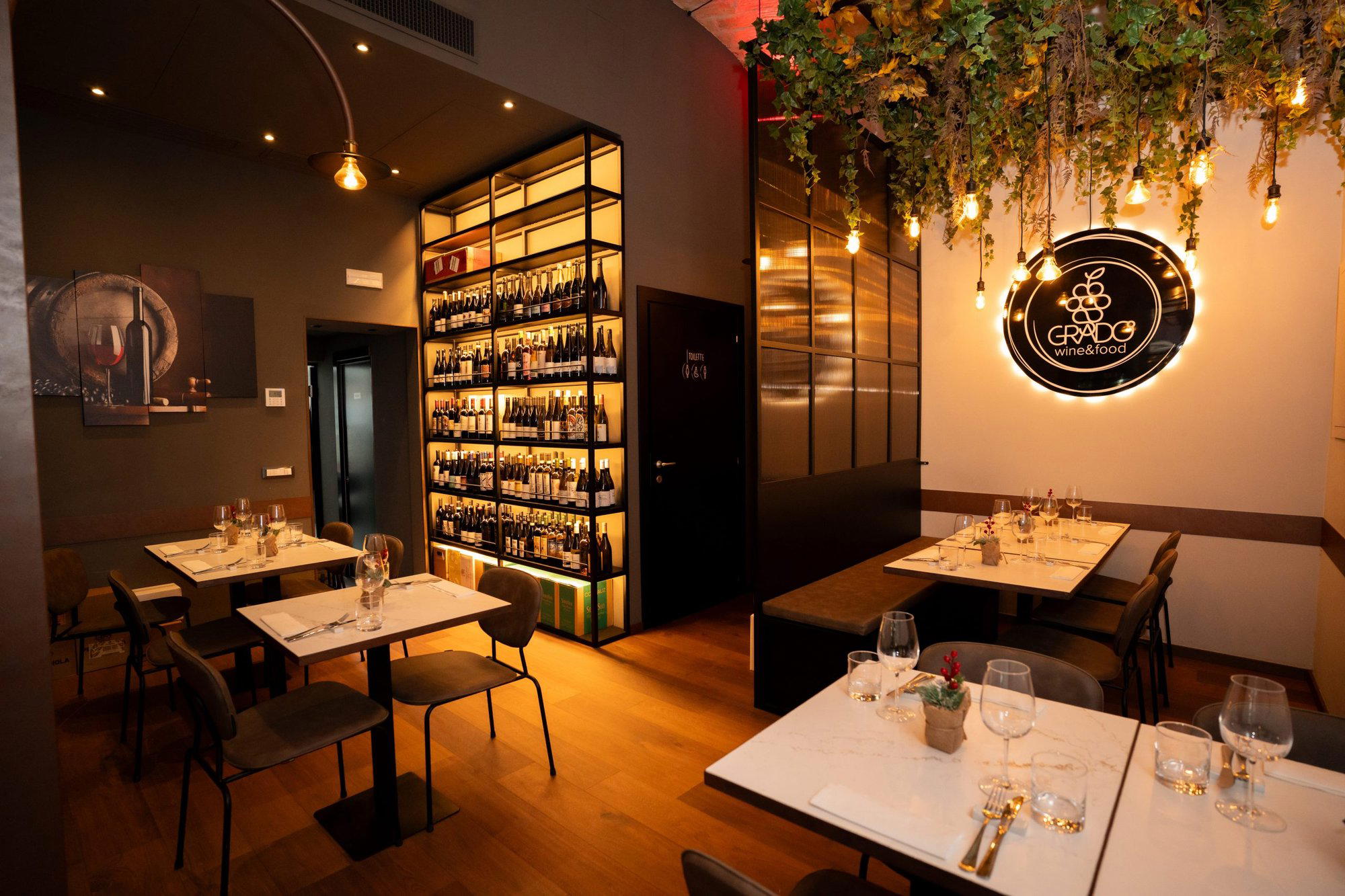
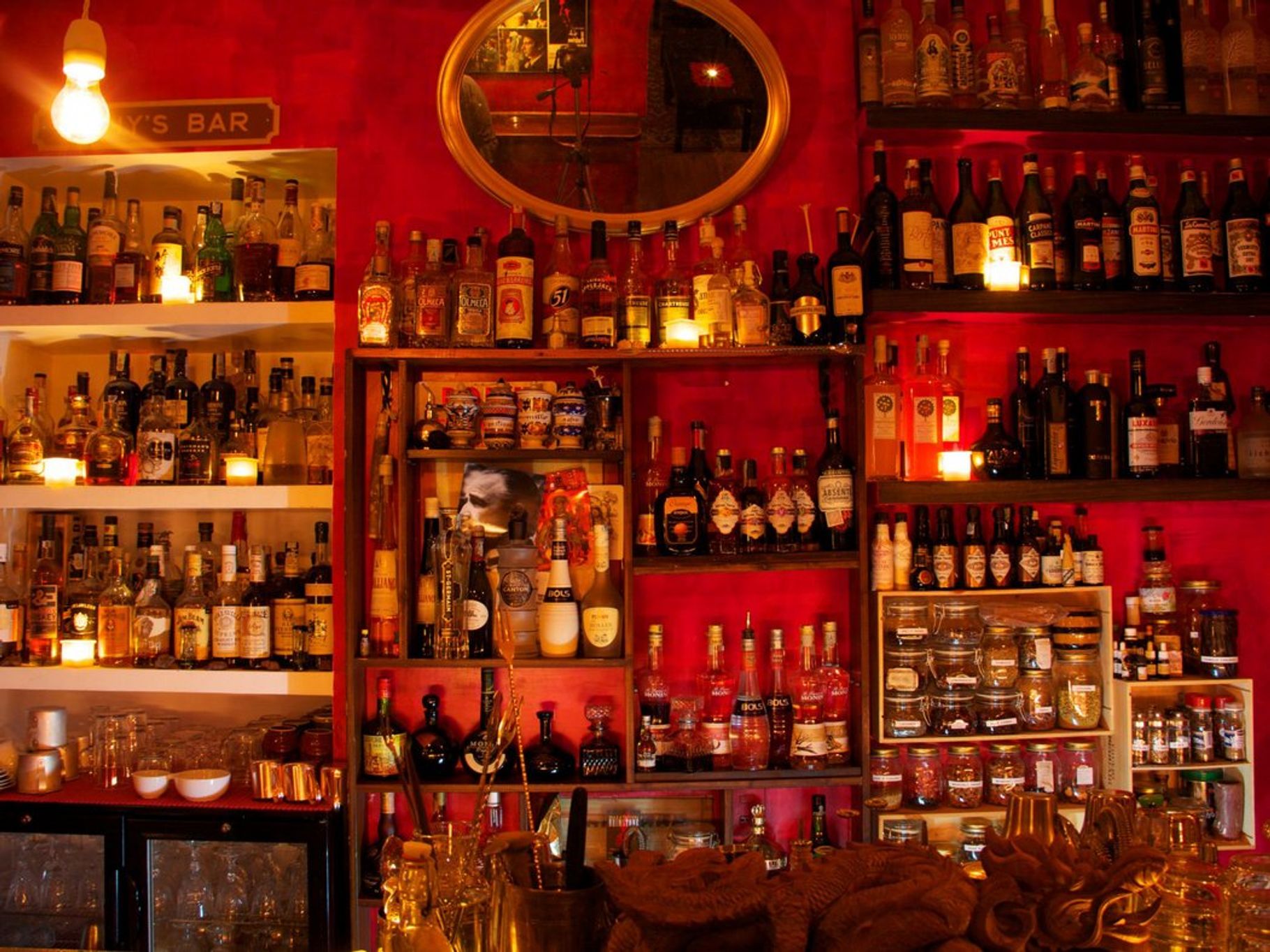
Hotels in Rome
Browse all →

At a Glance
- Elegant
- Intimate
- Sophisticated
- Classic
- Date Night
- Celebration
- Special Occasion
- Business Dinner
- Historic Building
- Open Kitchen
- Private Dining
- Extensive Wine List
- Sommelier Led
Current opening hours
- Monday
- 7:30–10:30 p.m.
- Tuesday
- 7:30–10:30 p.m.
- Wednesday
- 7:30–10:30 p.m.
- Thursday
- 7:30–10:30 p.m.
- Friday
- 7:30–10:30 p.m.
- Saturday
- 7:30–10:30 p.m.
- Sunday
- Closed
Hours can change for holidays and private events. Last verified .
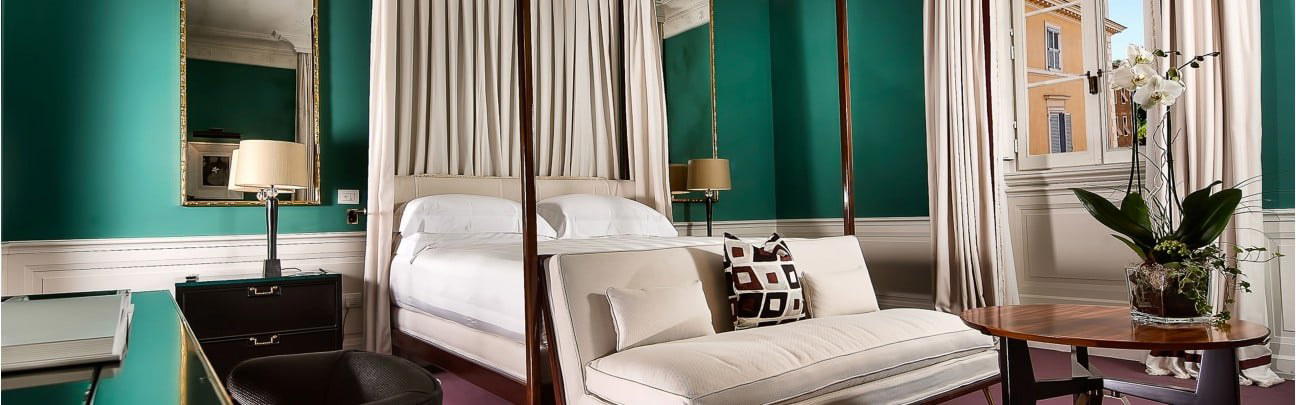
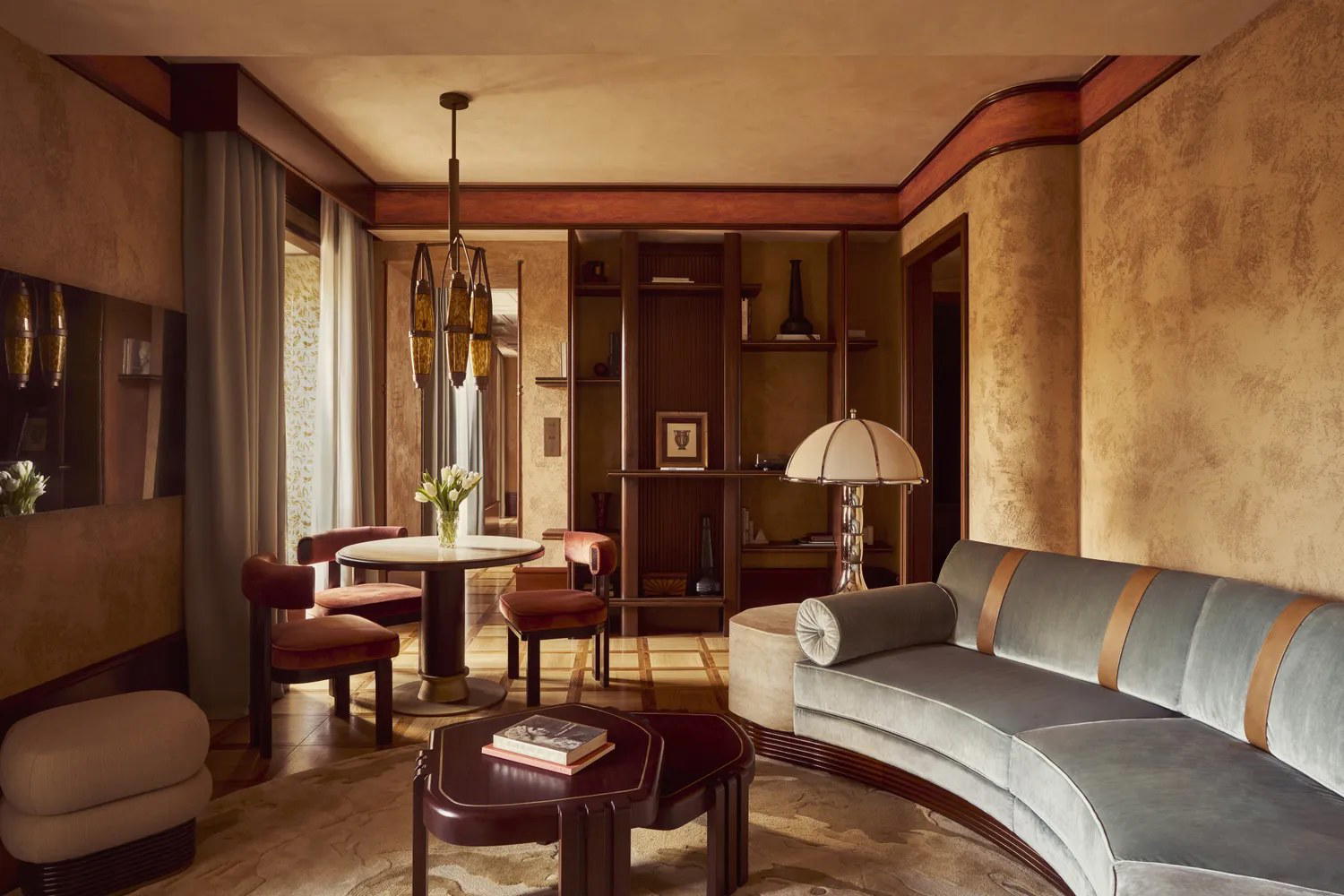
Elegant and intimate atmosphere with warm lighting and classic architectural details in a refined 16th-century setting, creating a sophisticated and welcoming environment.
Know Before You Go
- Getting there
- Vicolo dei Soldati, 31, 00186 Roma RM, Italy