



1 Michelin Key · Mr & Mrs Smith Seal of Approval · Tatler Listed in Best Hotels Asia-Pacific
An eight-room retreat on Bali's underdeveloped west coast, Lost Lindenberg translates the Lindenberg group's Frankfurt boutique sensibility into a jungle-and-black-sand setting that most Bali visitors never reach. Included in the Tatler Best Hotels Asia-Pacific 2025 list, it pairs treehouse architecture by Alexis Dornier and Maximilian Jencquel with proximity to Medewi, Bali's longest surf break, at a starting rate of around $381 per night.

Pearl is the En Primeur Club membership app, where members save venues, book tables and use the concierge.
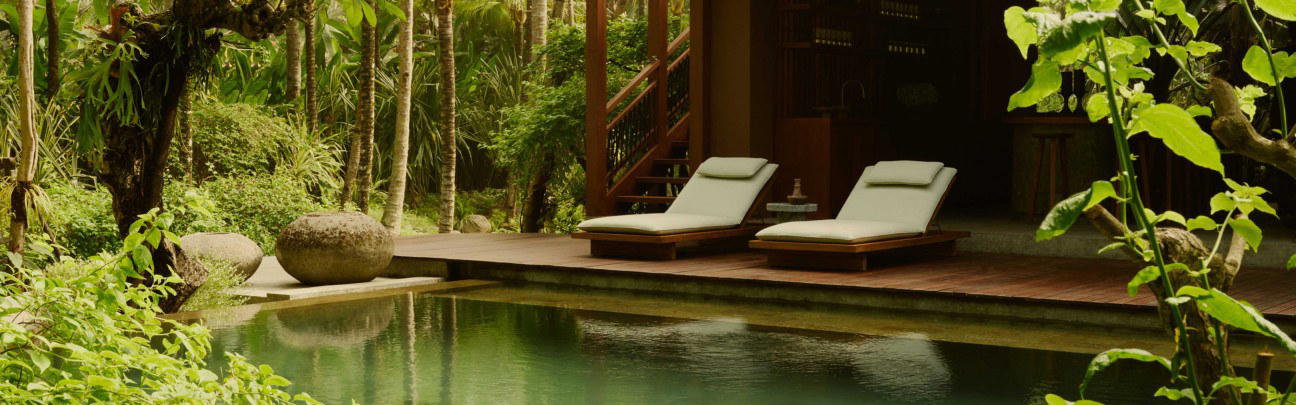
Where the Road Runs Out: Bali's West Coast and the Architecture of Restraint
Drive west from Seminyak past the rice terraces of Tabanan and the crowds begin to thin well before you reach Pekutatan. The coastline here is fringed by black lava-sand beaches rather than the pale stretches of the south, and the jungle pushes close to the road. It is the kind of place that feels genuinely remote not because it is inaccessible but because so few itineraries bother to point this far in that direction. Against that backdrop, Lost Lindenberg makes its case less through amenity stacking and more through a considered reading of where it actually sits.
Boutique hotels across Bali's premium tier have generally split into two camps over the past decade: large-footprint resort compounds clustered around Seminyak, Ubud, and Nusa Dua, and a smaller set of design-led properties that use limited room counts and deliberate location choices to occupy a different niche. Lost Lindenberg belongs firmly to the latter. With just eight rooms and a site pressed between jungle and ocean in the village of Pekutatan, it positions itself in the same broad conversation as properties like Bambu Indah in Banjar Badung or Desa Seni Baturiti in Tabanan, where low key count and material authenticity are the primary signals of quality rather than scale or brand recognition.
The Architecture: Treehouse Towers and refined Walkways
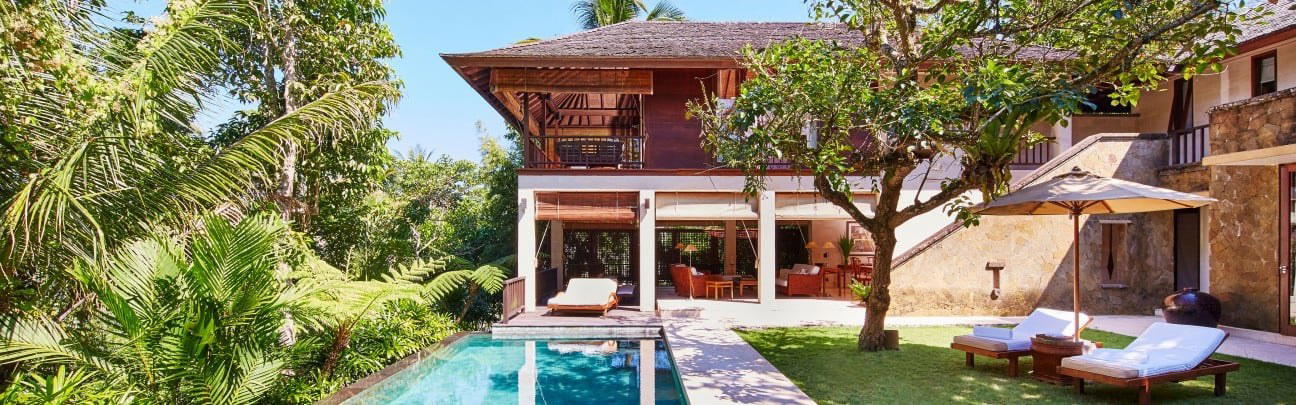
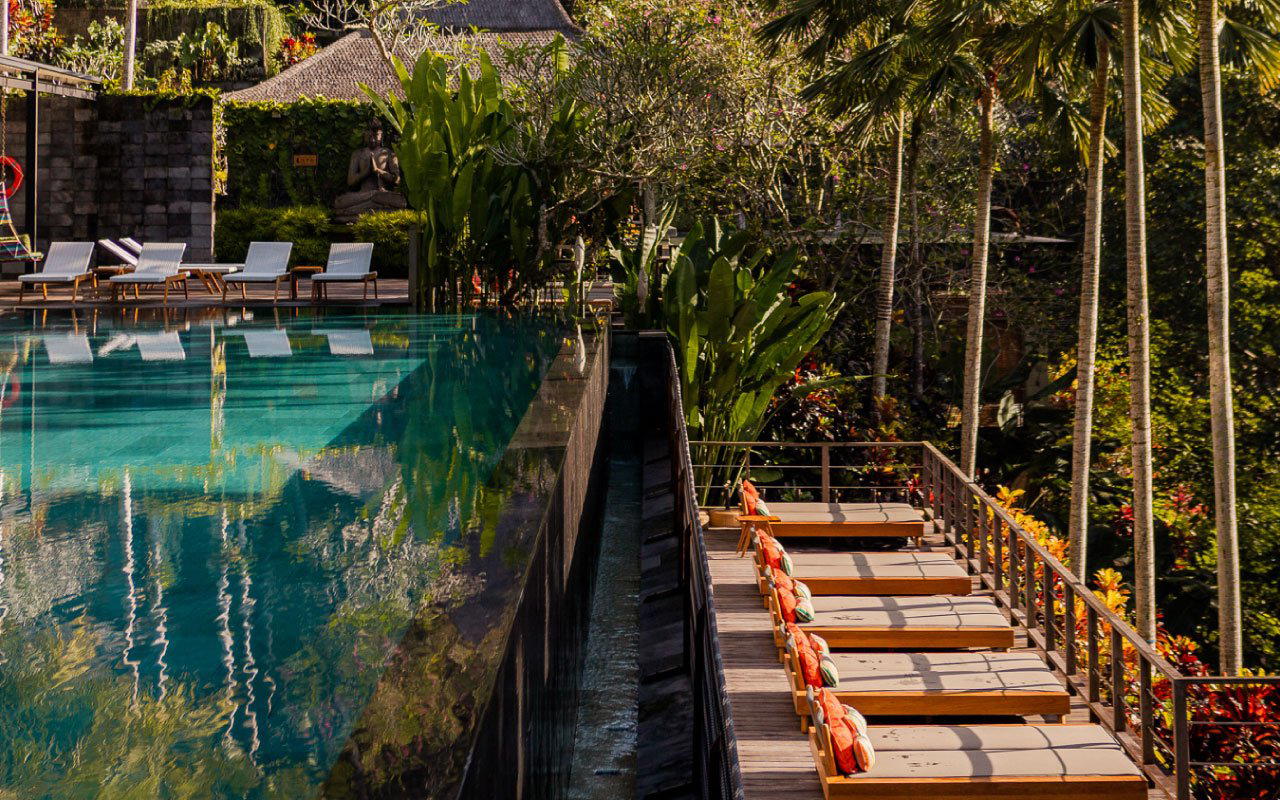
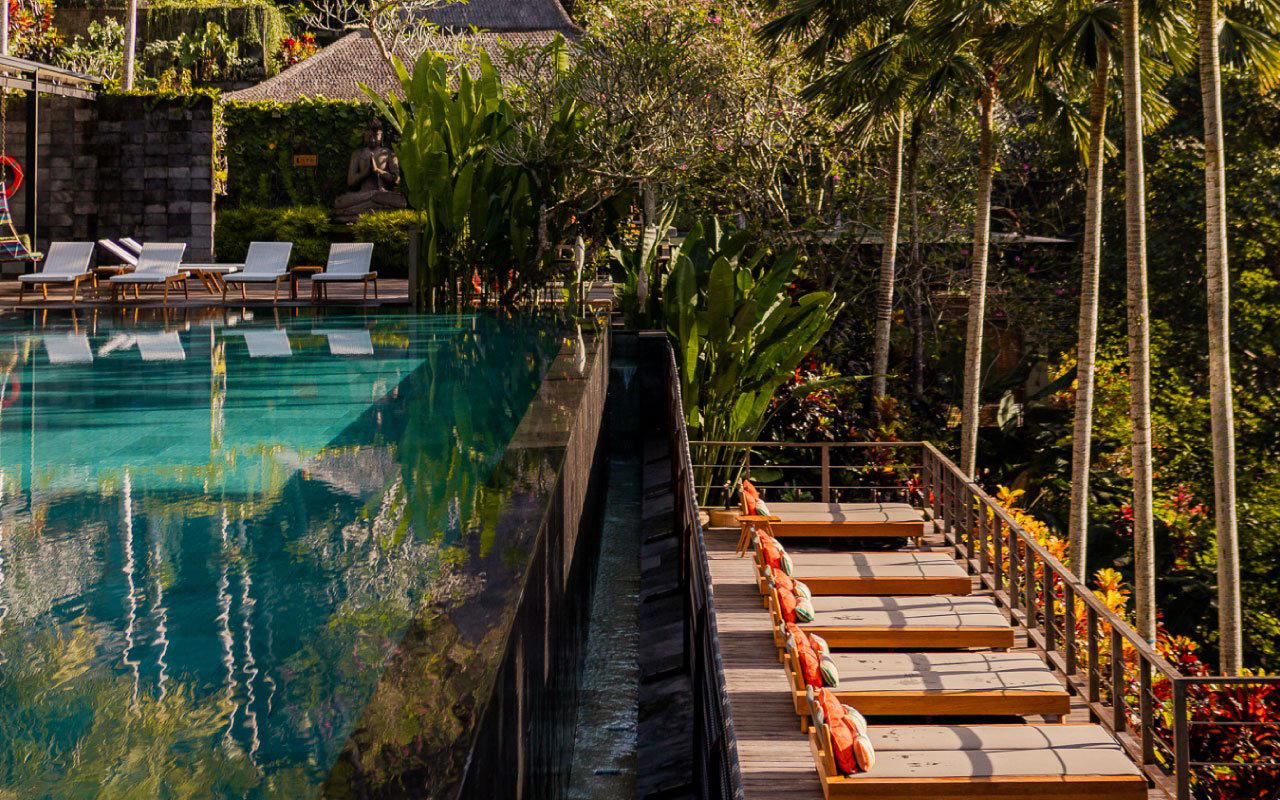
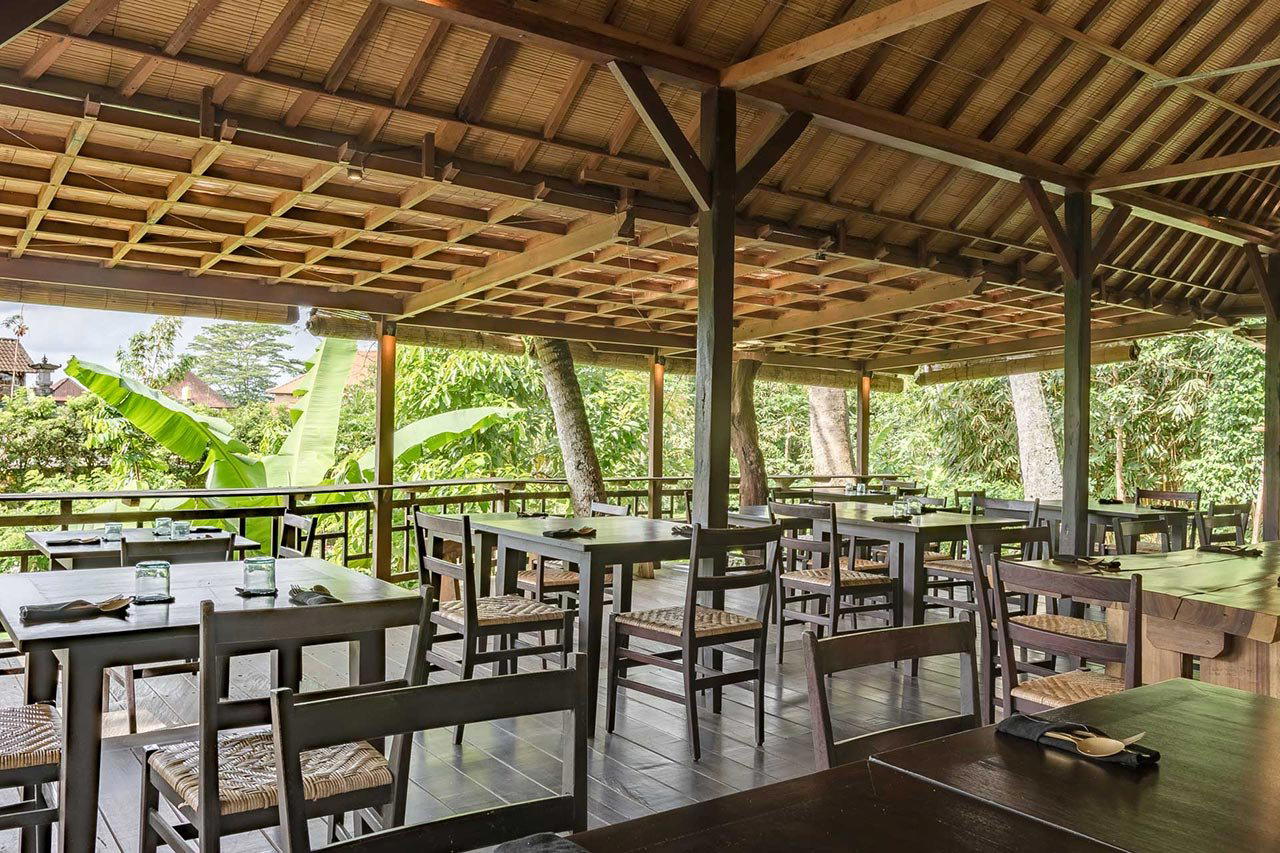
The design is the most legible thing about Lost Lindenberg, and it earns serious attention. Architects Alexis Dornier and Maximilian Jencquel have built a series of treehouse-like towers connected by refined walkways, a structural choice that does several things simultaneously. It minimises ground disturbance across the site, keeps the natural canopy largely intact, and creates a sense of arrival at each room that feels earned rather than transactional. The materials throughout are natural, which in this context means timber and stone used with enough care that the building reads as an extension of the site rather than an imposition on it.
That approach places the property in a specific architectural conversation happening across Indonesian hospitality. Dornier in particular has become one of the more referenced names in Bali's design-conscious property sector, and the treehouse format at Lost Lindenberg sits in dialogue with a broader regional interest in structures that respond to topography rather than flatten it. Where properties like Alila Villas Uluwatu use cliff-edge drama and poured concrete to make their architectural argument, Lost Lindenberg makes the opposite bet: timber, elevation, and restraint. The footprint is small enough that the hotel reads, from the beach, as something you might almost miss.
The eight-room count is worth pausing on. At that scale, the experience of a property changes structurally. Common areas feel genuinely quiet rather than managed, staff-to-guest ratios shift, and the surrounding environment remains audible in ways that larger developments actively work to screen out. That is not a minor aesthetic point but a functional one: the jungle at the back of the site and the black sand beach at the front are part of the product in a way that requires the building to stay out of the way. The architecture, to its credit, largely does.
Location Intelligence: Pekutatan and the Medewi Factor
Pekutatan sits in Kabupaten Jembrana, the administrative district that covers Bali's west coast, an area that receives a fraction of the visitor traffic directed at the island's more established corridors. That has practical consequences. The road north from the property reaches Medewi Beach in approximately ten minutes, and Medewi hosts what is documented as Bali's longest wave, a long left-hand point break that draws a specific, low-volume surf crowd rather than the learner-heavy lineups found closer to Kuta. For guests travelling specifically around surf, that positioning is significant and not replicable by any property sitting further south or east.
For guests not primarily motivated by surfing, the location requires a different kind of commitment. The black sand beach immediately fronting the property provides the primary external anchoring point, and electric bikes are available for coastal exploration, which extends the effective range without demanding car hire. Surf lessons are available on site, which broadens the surf proposition beyond those who arrive with existing skills. The surrounding area is characterised by working Balinese village life and temple infrastructure rather than the retail and restaurant density of areas like Seminyak or Ubud, a distinction that either reads as the point of the trip or as a constraint, depending entirely on what the guest came for.
Tatler's inclusion of Lost Lindenberg in its Leading Hotels Asia-Pacific 2025 list confirms that the property registers with the editorial tier that tracks design-led boutique accommodation across the region. Properties that make Tatler's list in the boutique and destination resort taxonomy are rarely there on amenity grounds alone.
On the Ground: Spa, Restaurant, and Daily Pace
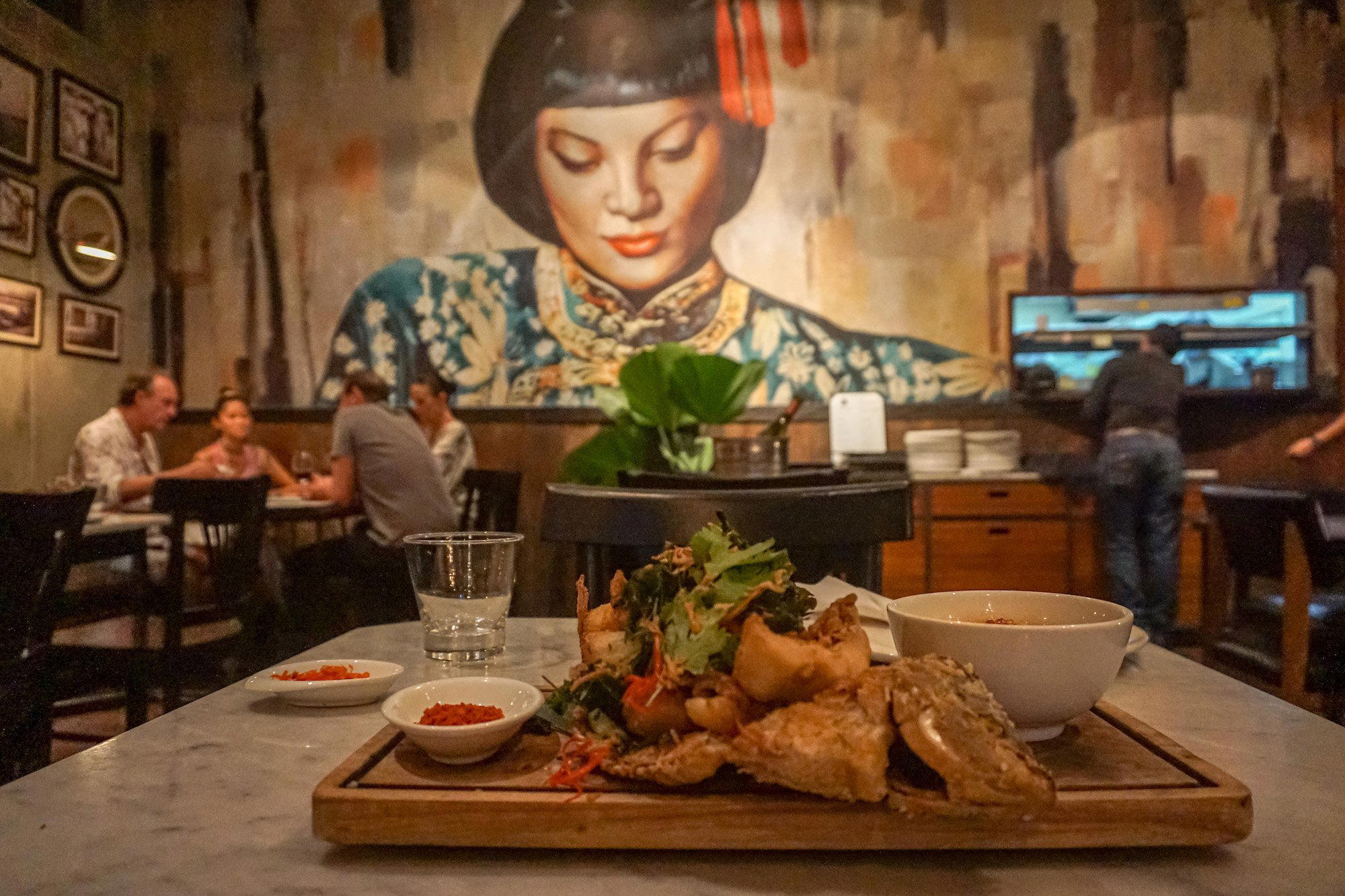
The on-site restaurant works from local produce sourced from and around the property, offering home-style Balinese fare rather than an internationally inflected menu. That is a coherent choice for a property of this scale and location, and it places the dining experience in the same register as the architecture: rooted in the immediate context rather than imported from somewhere else. A Balinese-style spa is also available, which in a property of eight rooms functions more as a dedicated retreat space than a scaled amenity.
The overall pace at Lost Lindenberg is genuinely slow by design. At a rate starting around $381 per night, it sits at a price point where the comparison set includes far larger properties with considerably more facilities. The value proposition rests entirely on the architecture, the location, and the scale. For guests seeking the beach-club density of the south, Potato Head Suites and Studios in Seminyak or Desa Potato Head in Denpasar represent a fundamentally different offer. For those drawn to the Ubud interior and its temple density, Mandapa, a Ritz-Carlton Reserve in Ubud occupies a higher service tier with river-valley positioning. Lost Lindenberg is not competing with either.
More useful comparisons sit across the region's smaller boutique tier. Nihi Sumba in East Nusa Tenggara and Kampung Sampireun Resort and Spa in Garut share the same basic logic: use a remote or less-trafficked site, build with local materials and low room counts, and let the setting carry the experience. Other properties worth knowing in the broader Indonesia context include Batur Natural Hot Spring in Kintamani, Hotel Komune and Beach Club Bali in Gianyar, VOUK Hotel and Suites in Nusa Dua, Villa Waru Nusa Lembongan, O in Badung, Padangbai in Karangasem, Amankila in Manggis, Amanjiwo in Magelang, Amanwana in Moyo Island, Amarterra Villas Resort in Nusa Dua, Bliss Sanctuary for Women in Canggu, and AYANA Resort Bali in Jimbaran. Further afield, the Lindenberg group's own Frankfurt origins provide an instructive counterpoint: those urban hotels operate in a completely different register, which makes the conceptual distance traveled by Lost Lindenberg all the more pronounced. For context on how Aman-tier design-led luxury plays out at larger scale, Aman New York and Aman Venice represent the same philosophy applied with significantly more resources. For city luxury at a comparable boutique scale, The Fifth Avenue Hotel in New York City and AYANA Midplaza Jakarta show how the format translates to urban contexts.
Lost Lindenberg's address on Jl. Ngurah Rai in Pekutatan, Kabupaten Jembrana, puts it well outside the gravitational pull of Bali's main tourist circuits. That is, without qualification, the reason to go. For more on what the surrounding area offers, see our full Pekutatan guide.
In Context: Similar Options
Comparable venues nearby, for context on price, style, and recognition.
| Venue | Cuisine | Price | Awards | Notes |
|---|---|---|---|---|
| Lost LindenbergThis venue (the venue you are viewing) | Contemporary tropical design blending traditional Balinese architecture with modern minimalism, emphasizing natural materials and sustainable construction. | $500–750 | 1 Michelin Key · Mr & Mrs Smith Seal of Approval | Not listed |
| Chapung Sebali | Eclectic fusion of traditional Indonesian architecture and contemporary Scandinavian styling with sustainability focus. | $300–500 | 1 Michelin Key | Ubud |
| Bisma Eight Ubud | Luxury boutique hotel blending contemporary Balinese craftsmanship with natural surroundings. | $200–300 | 1 Michelin Key · La Liste Top Hotels | Ubud |
| Samsara Ubud | Contemporary Balinese luxury resort blending traditional architecture with modern amenities in a secluded rainforest setting. | $300–500 | 1 Michelin Key · Preferred Hotels L.V.X. Collection | Payangan |
| The Purist Villas & Spa | Luxury boutique resort combining contemporary and traditional Indonesian architecture with fine textiles and local artifacts. | $300–500 | 1 Michelin Key | Kutuh Kaja |
| Bvlgari Resort Bali | Italian-Balinese fusion luxury resort perched on cliffs | $750–1,000 | 2 Michelin Keys · La Liste Top Hotels | Uluwatu |
Recognition history
Dated appearances from independent guides and award organizations, with the underlying list record or original source where available.
Michelin 1 Key
Michelin
Mr & Mrs Smith Seal of Approval
Mr & Mrs Smith
Small Luxury Hotels of the World Member
Small Luxury Hotels of the World
Tatler Listed in Best Hotels Asia-Pacific
Tatler
Full recognition history (5 entries)
Michelin 1 Key
Michelin
Continue exploring
More in Pekutatan
Hotels in Pekutatan
All hotels in Pekutatan →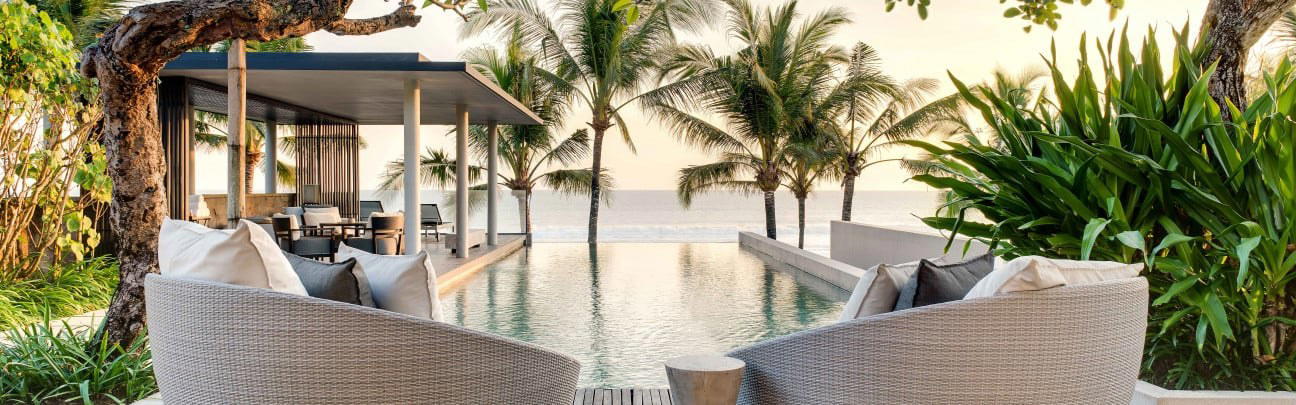
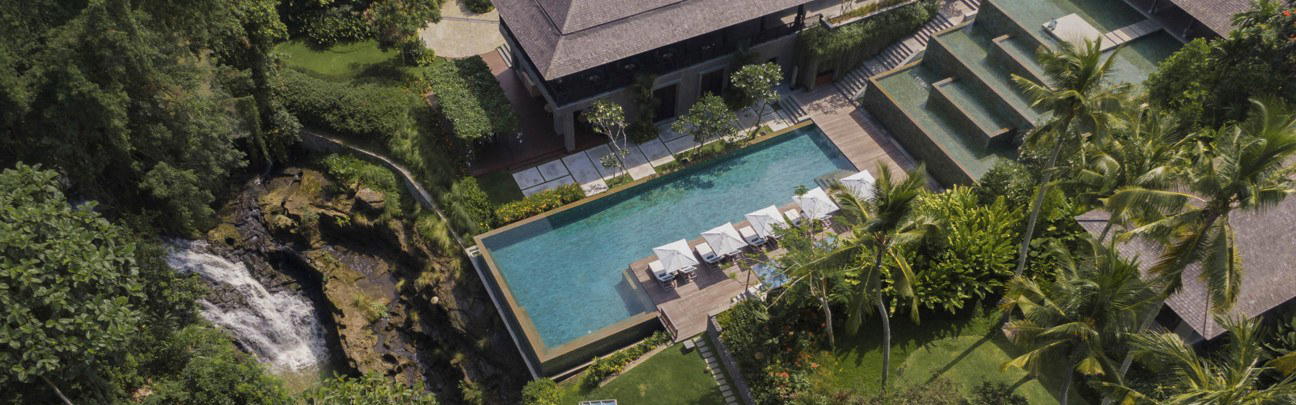
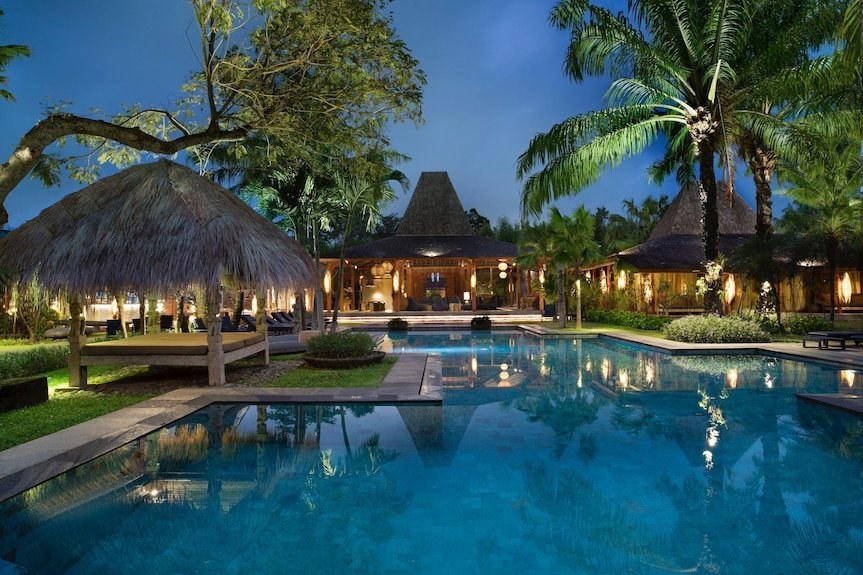
Bars in Pekutatan
Browse all →
Details
- Romantic
- Quiet
- Scenic
- Bohemian
- Romantic Getaway
- Wellness Retreat
- Honeymoon
- Weekend Escape
- Beachfront
- Destination Spa
- Garden
- Terrace
- Panoramic View
- Private Dining
- Wi Fi
- Pool
- Spa
- Beach Access
- Restaurant
- Bicycle Rental
- Waterfront
- Garden
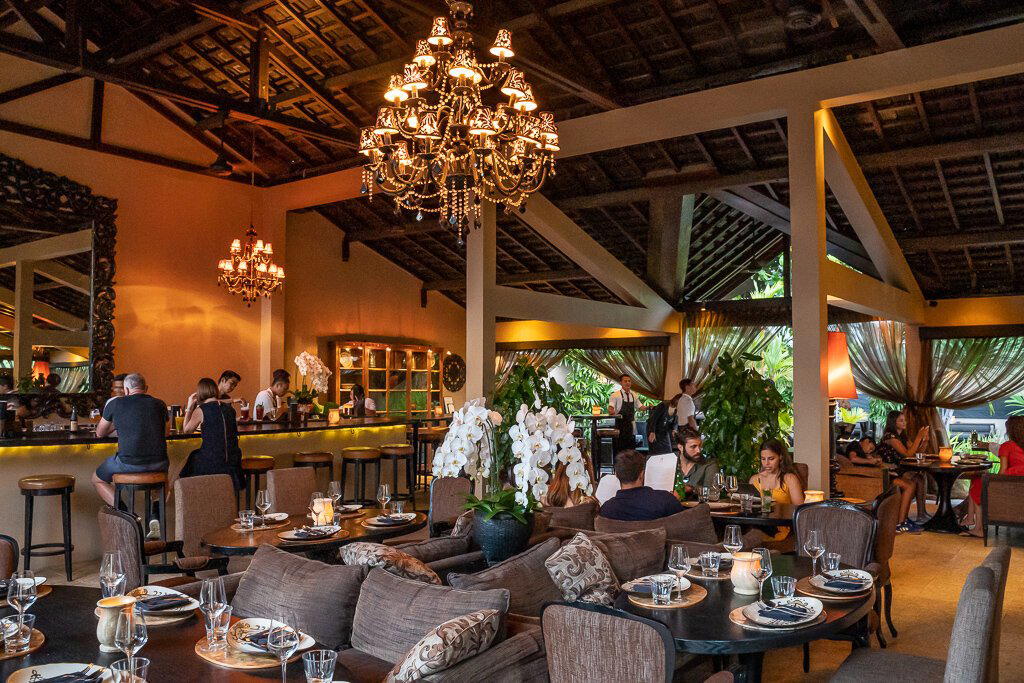
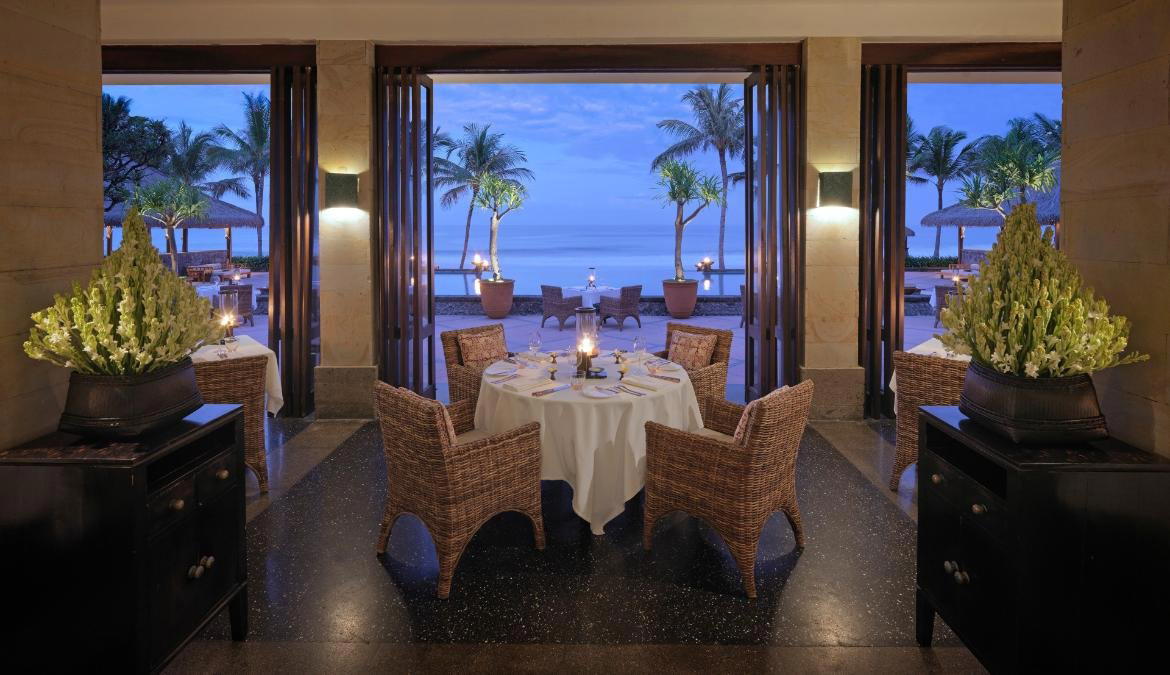
Serene and contemplative with natural materials, soft tropical lighting filtering through palm fronds, communal gathering spaces lit by sunset and bonfire glow, and the constant soundtrack of ocean waves and jungle sounds.