






Nihi Sumba belongs to the rare Indonesian resort category where architecture, isolation and outdoor programming carry equal weight. Across hundreds of coastal acres, its villa format, surf history and all-meals-included structure make it less a conventional beach resort than a self-contained Sumba stay with serious international recognition.
Pearl is the En Primeur Club membership app — saves, bookings, and concierge access live there. Same editors, same standards.
- Address
- Hoba Wawi, Wanokaka, West Sumba Regency, East Nusa Tenggara
- Phone
- +62 361 757149
- Website
- nihi.com
- Directions
- Get directions
 Saves & bookings on Pearl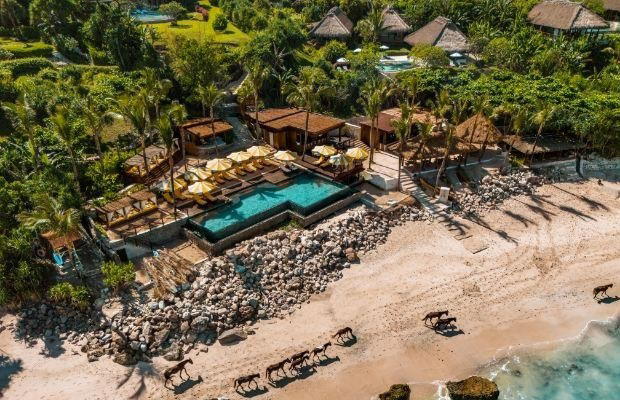
Nihi Sumba is a venue in Sumba with a verified casual dress code and confirmed Star Wine List recognition in 2026. The verified background for the property also links its story to Sumba’s Marapu ancestors, a secluded beach and surf culture. Beyond those points, specific operational details should be treated carefully unless confirmed directly with the venue.
For travellers comparing stays in Indonesia, Nihi Sumba can be considered alongside options such as Amanwana in Moyo Island and Cap Karoso. The useful distinction is not a claimed room count, acreage or facilities list, but whether the trip is centred on Sumba itself and on the confirmed details available for Nihi Sumba.
Setting, story and confirmed details
The hotel is best framed as a Sumba venue whose verified appeal is tied to place rather than to an urban hotel model. Specific claims about the number of villas, exact land area, named restaurants, facilities, inclusions or service formats are not stated here because they are not part of the available information.
That makes the editorial reading more restrained but also more useful. Instead of treating the hotel as a checklist of amenities, it should be approached as a Sumba-focused venue where the confirmed story, casual tone and wine-list recognition are the grounded reference points. Readers planning a trip should confirm current dining, activity, transfer and accommodation details directly with the property before booking.
Food and drink details should also be handled conservatively. The confirmed point is Star Wine List recognition in 2026; it is not enough to assert a full beverage program, specific venues, included meals, menus or service formats. For broader planning around the island, travellers can use other Sumba dining and experience resources, including Our full Sumba experiences guide.
Surf heritage without the barefoot cliché
The verified story around the hotel connects the property to Sumba’s Marapu ancestors, a secluded beach and the surf culture associated with the area. That gives the venue a clearer sense of place than a generic tropical resort description would.
For editorial purposes, the strongest grounded point is that hotel belongs in a Sumba conversation shaped by setting, casual style and surf-linked history. Travellers comparing it with other Indonesian options should avoid assuming that every venue operates in the same way. Amanwana, Cap Karoso, Innit Lombok and Plataran Komodo Resort & Spa are better treated as separate reference points rather than as interchangeable versions of the same stay.
Guests should confirm arrival logistics directly with the property and build the itinerary around current transport information.
How to place it within Indonesia's high-end hotel circuit
Within Indonesia’s high-end hotel landscape, the hotel is most safely described through the facts confirmed here: it is in Sumba, the dress code is casual, it has Star Wine List recognition for 2026, and its story is tied to the Marapu, a secluded beach and surf culture. Other claims about rankings, scores, memberships, prices, specific facilities, dining formats or exact scale are not included because they are not verified.
The editorial verdict is therefore deliberately focused: consider the hotel if the appeal is a Sumba venue with a casual tone, a surf-linked story and confirmed wine-list recognition. If the trip depends on precise restaurant formats, activity schedules, inclusions, transfers or accommodation specifications, confirm those details before committing. For the island-specific view, use other Sumba hotel and travel resources, and compare the hotel with nearby or regional options only where the comparison helps clarify the kind of trip you want.
In Context: Similar Options
Comparable venues by cuisine and price in the same metro.
| Venue | Cuisine |
|---|---|
| Nihi SumbaThis venue — the venue you are viewing | This venue |
Recognition history
Dated appearances from independent guides and award organizations, with the underlying list record or original source where available.
La Liste Top Hotels
La Liste
Star Wine List
Star Wine List
Virtuoso Luxury Hotel Partner
Virtuoso
Leading Hotels of World Member
Leading Hotels of World
Michelin 3 Keys
Michelin
Robb Report The 50 Greatest Luxury Hotels on Earth #7
Robb Report
Tatler Listed in Best Hotels Asia-Pacific
Tatler
World's 50 Best Best Hotels 51-100 #56
World's 50 Best
World's 50 Best Best Hotels #10
World's 50 Best
World's 50 Best Best Hotels #18
World's 50 Best
At a Glance
- Romantic
- Scenic
- Elegant
- Sophisticated
- Bohemian
- Honeymoon
- Romantic Getaway
- Wellness Retreat
- Family Vacation
- Beachfront
- Private Villa
- Destination Spa
- Waterfront
- Panoramic View
- Private Dining
- Infinity Pool
- Wi Fi
- Pool
- Spa
- Fitness Center
- Room Service
- Concierge
- Beach Access
- Waterfront
- Garden
- Wi Fi
- Pool
- Spa
- Fitness Center
- Room Service
- Concierge
- Beach Access
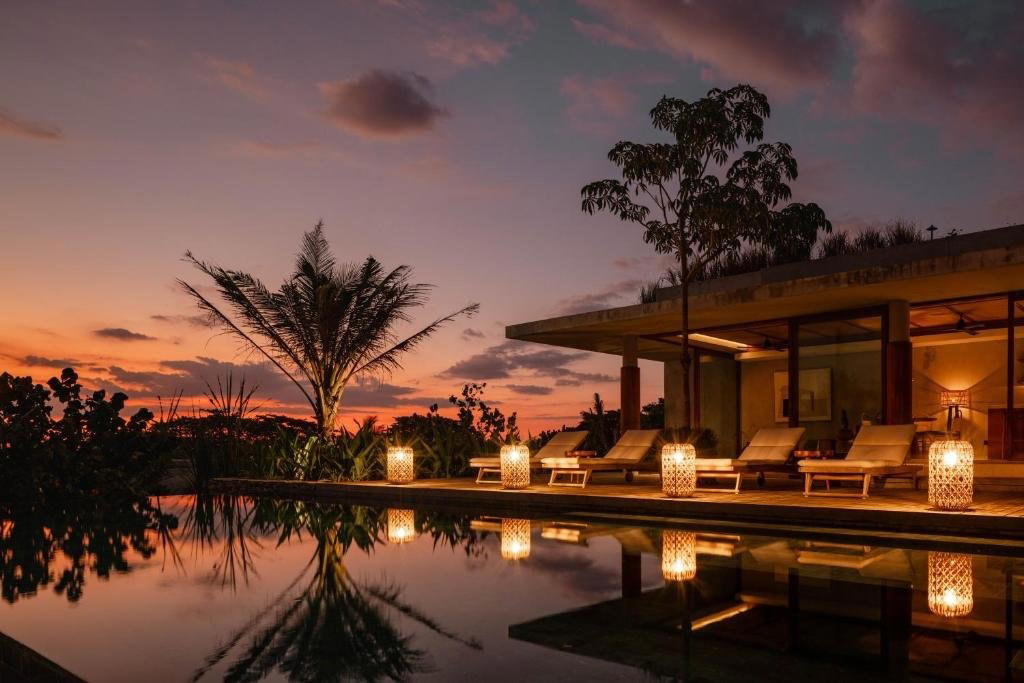
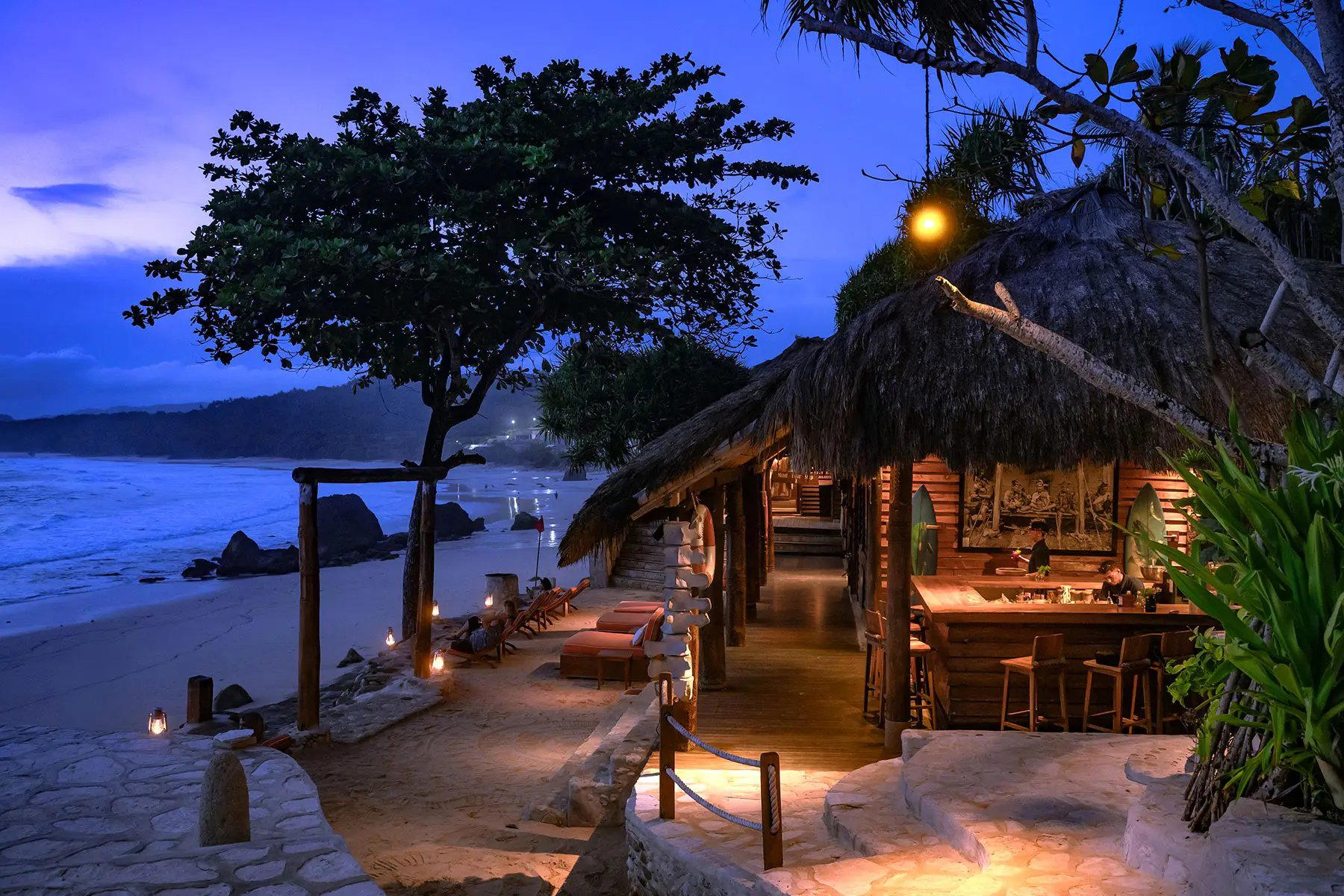
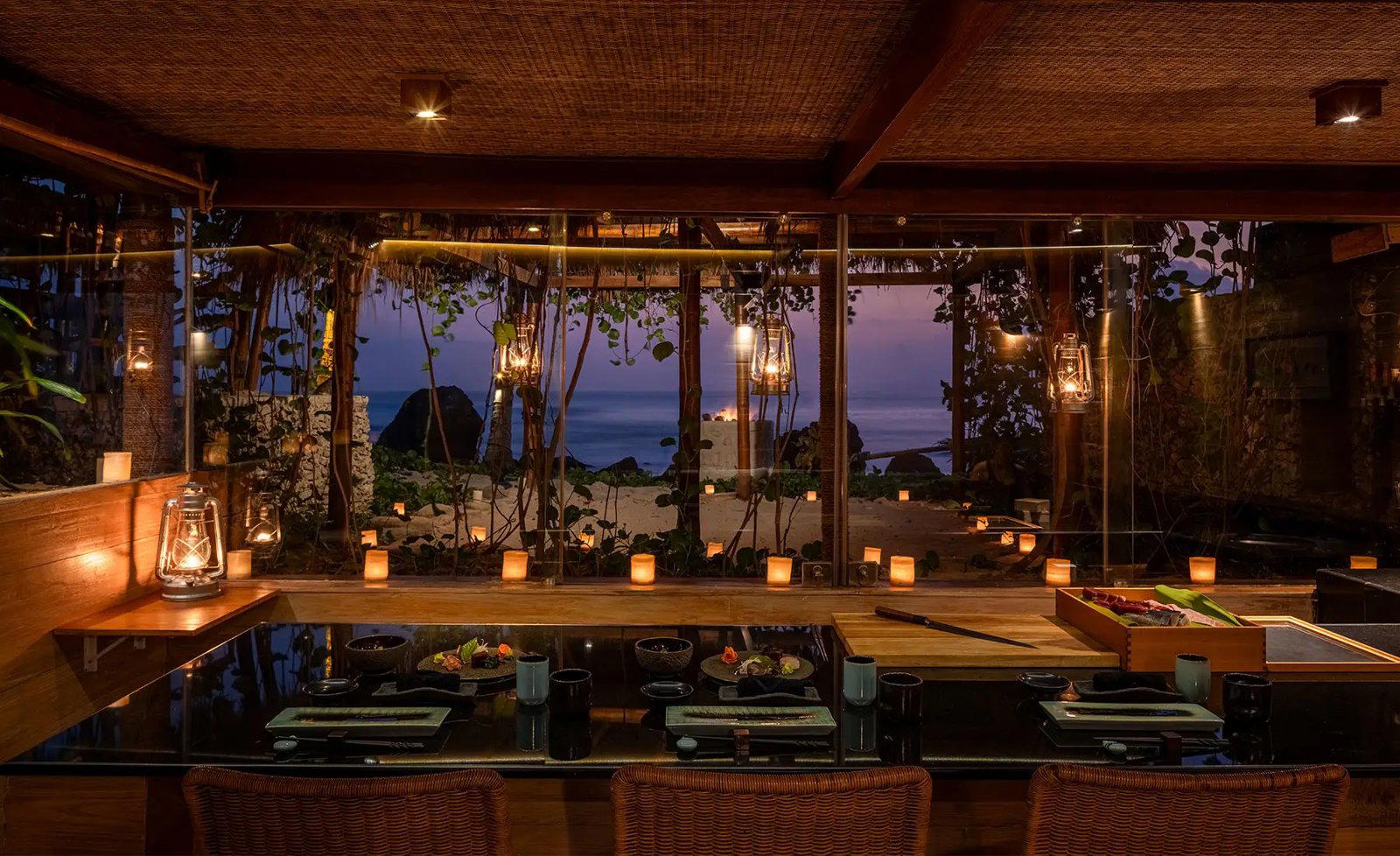
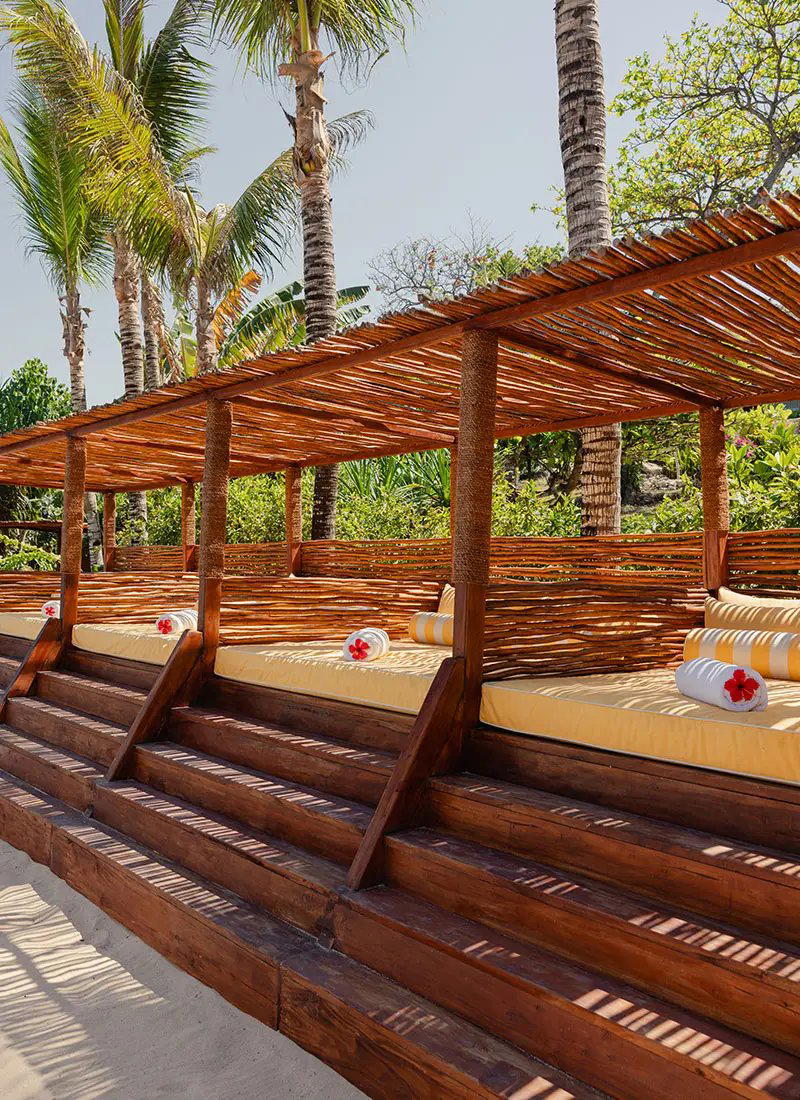
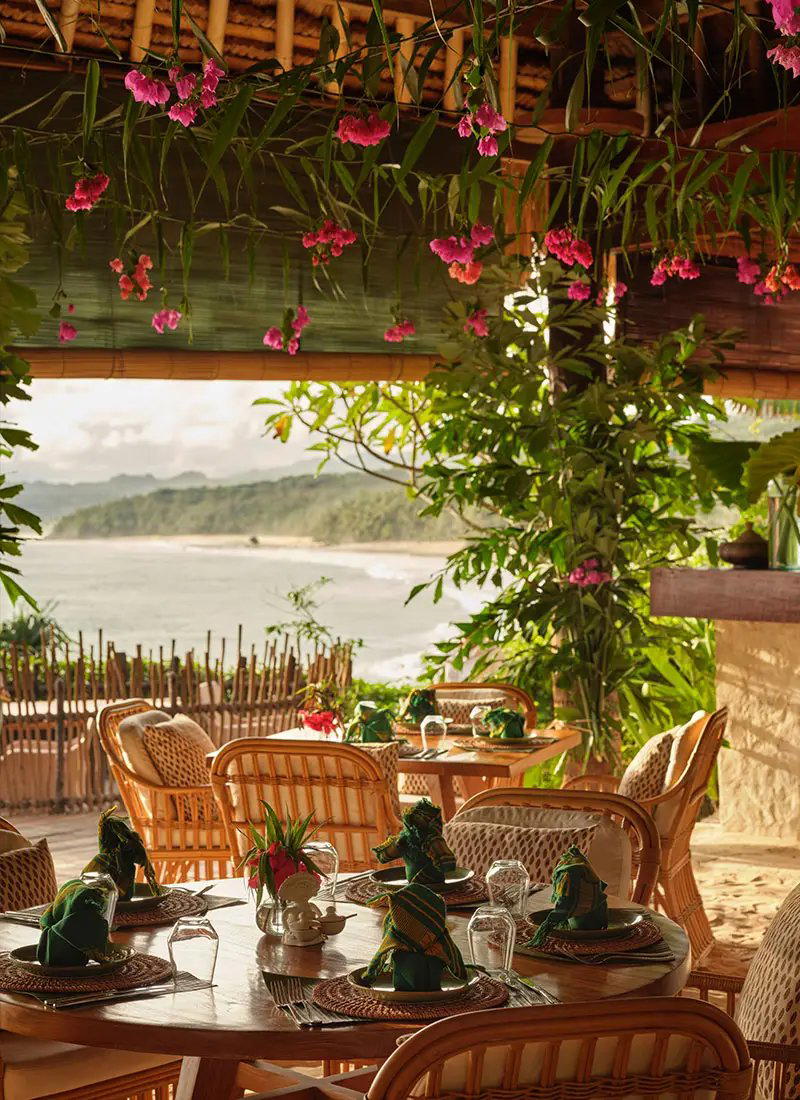
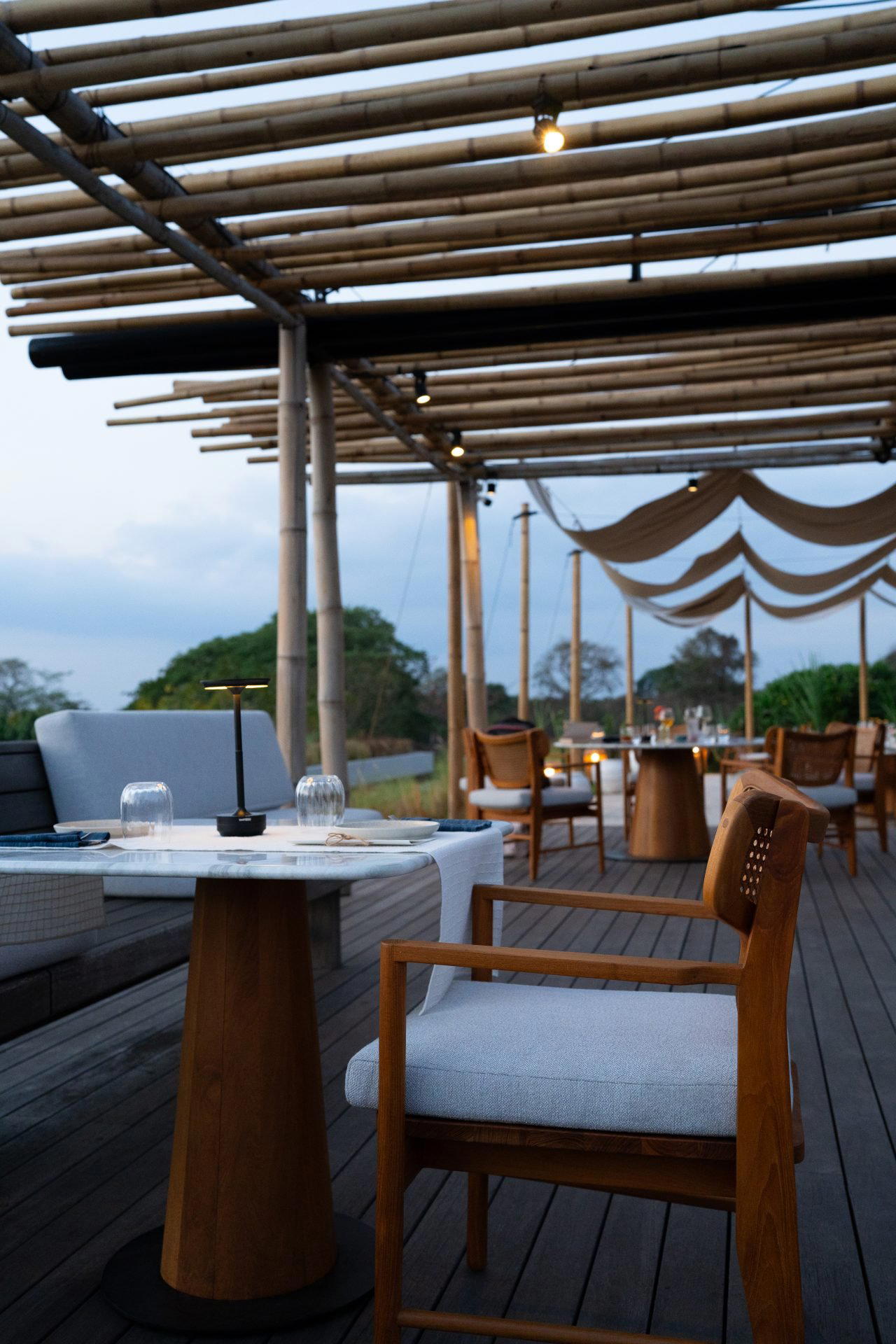
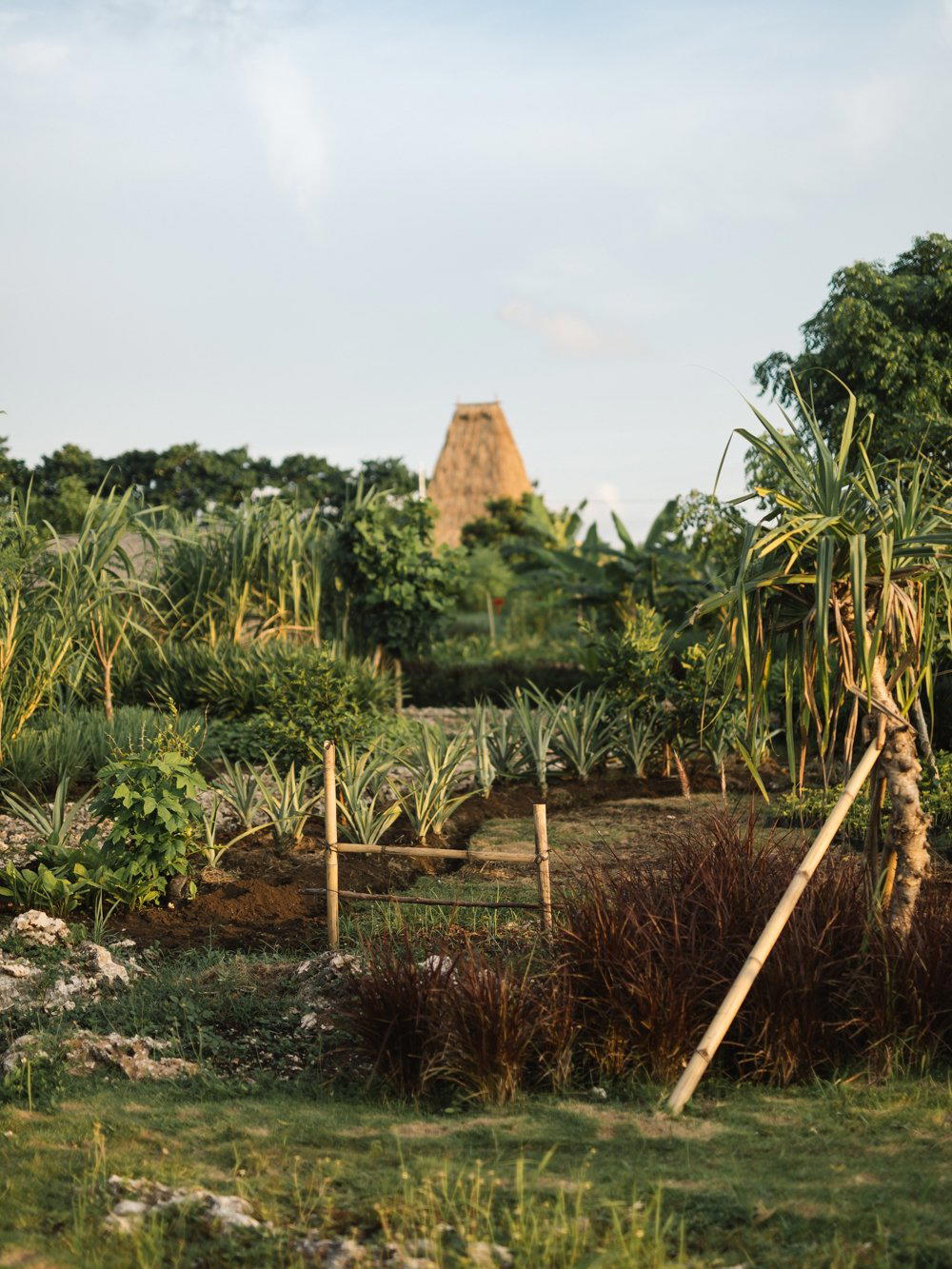
Serene and natural with open-air design, featuring traditional architecture integrated into lush jungle and beachfront settings, creating an intimate connection to the landscape.