Villa Waru Nusa Lembongan
Villa Waru sits on Nusa Lembongan, a small island reached by fast boat from Bali's Sanur Beach, where the pace of hospitality shifts from resort spectacle to something quieter and more architecturally considered. The property occupies a position on the island's western edge near Sunset Beach in Jungutbatu, placing it inside a small cohort of Lembongan accommodations that trade scale for setting. For travellers moving beyond Bali's main tourist corridor, it represents a distinct category of island stay.
Pearl is the En Primeur Club membership app — saves, bookings, and concierge access live there. Same editors, same standards.
- Address
- 8FC4+H68 Sunset beach, Jungutbatu, Kec. Nusa Penida, Lembongan island, Bali 80771, Indonesia
- Phone
- +62 812 3670 989
- Directions
- Get directions
 Saves & bookings on Pearl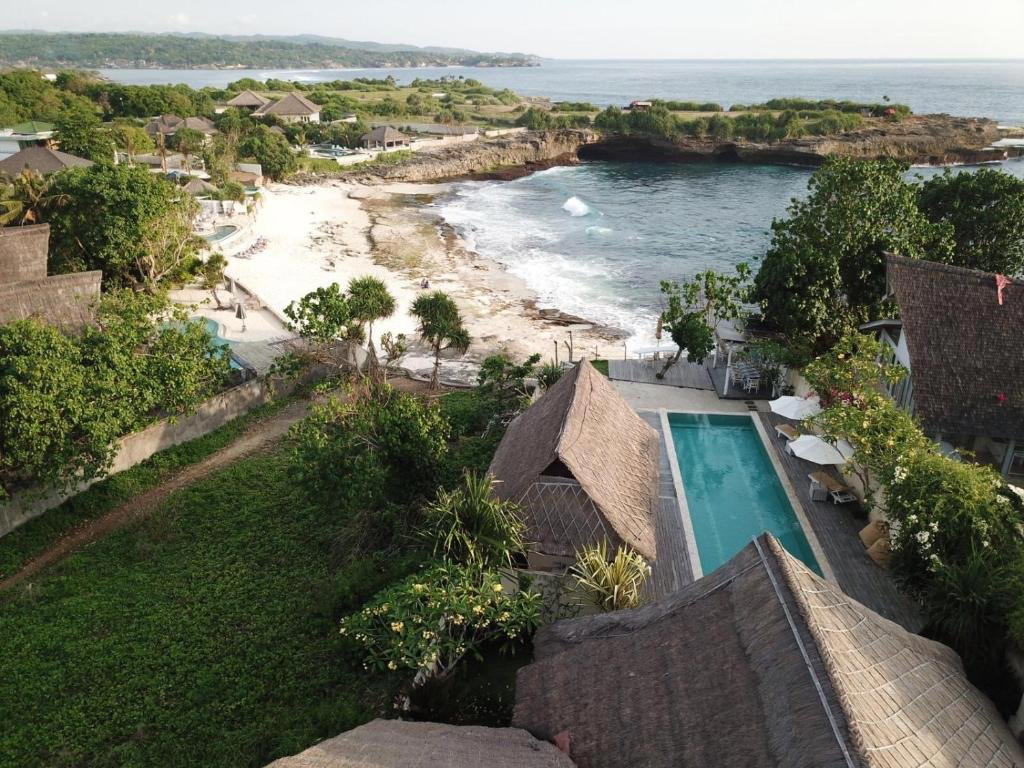
Where Nusa Lembongan's Accommodation Tier Separates Itself from Bali's Main Strip
The fast-boat crossing from Sanur to Nusa Lembongan takes roughly thirty-five minutes, and the distance it covers is more than nautical miles. Lembongan operates at a different register from the villa-and-resort density of Seminyak or Nusa Dua. The island's accommodation stock is smaller, the roads are narrow enough that motorbikes replace cars as the default transport, and the horizon from the western coast opens across the Badung Strait toward Bali's volcanic profile. Villa Waru sits within that western edge, addressed to Sunset Beach in the Jungutbatu village area.
Across the broader Indonesian archipelago, the split between large-footprint international resort brands and smaller, design-led properties has sharpened over the past decade. Properties like Mandapa, a Ritz-Carlton Reserve in Ubud or Alila Villas Uluwatu represent the larger, architecturally ambitious end of that spectrum, with the resources to commission significant design work and sustain full-service programming. Smaller island properties on Lembongan occupy a different niche, where the draw is proximity to the water, a reduced guest count, and an architectural relationship with the local environment rather than a branded amenity stack. Villa Waru positions itself in that smaller-property tier, on an island where the absence of large international hotel groups is itself a defining feature of the guest experience.
The Architecture of a Lembongan Stay
Nusa Lembongan's built environment reflects its geology and its relative remove from Bali's construction economy. The island's limestone base and seaweed-farming tradition shape what development looks like here: lower-rise, often open-sided structures that acknowledge the prevailing breezes and the salt air rather than sealing against them. The design vocabulary that works on Lembongan tends to emphasise thatch, natural stone, timber, and the kind of indoor-outdoor porosity that makes mechanical cooling optional for much of the year. Properties that fight against this environmental logic, importing the sealed-room, air-conditioned-corridor formula from larger resort contexts, tend to feel out of place on an island this scale.
The Jungutbatu area where Villa Waru sits has developed as one of Lembongan's more accessible coastal zones, with the kind of sunset orientation from Sunset Beach that makes western-facing terraces and open-plan living spaces the obvious architectural priority. Across the region, smaller villa properties in this price tier have moved toward structures that prioritise the view corridor and the transition between interior and exterior space over internal square footage. The logic is direct: guests on an island this size are not paying for what happens inside four walls; they are paying for the relationship between those walls and the water beyond them. For context on how Indonesian design-led properties approach this spatial philosophy at larger scale, Bambu Indah in Banjar Badung and Buahan, a Banyan Tree Escape in Payangan offer useful reference points, each working with the local material and environmental context of their respective sites rather than against it.
Lembongan's Position in the Bali Satellite Island Circuit
For travellers structuring an extended stay across the Indonesian islands, Nusa Lembongan functions as a pause between Bali and the Nusa Penida coast. The island's administrative address falls within the Nusa Penida sub-district of Klungkung Regency, though in practice it operates as its own distinct destination, smaller and more contained than Nusa Penida's dramatic clifftop terrain and significantly quieter than Bali's southern resort corridor. The marine environment around Lembongan, including the channel between the island and Nusa Ceningan, supports manta ray and reef dive sites that draw visitors whose primary interest is underwater rather than spa or dining programming. This positions Lembongan within a particular segment of Indonesian island travel, one that overlaps with, but does not replicate, the beach-and-pool villa category that dominates Seminyak bookings.
Travellers comparing Lembongan stays against Bali's main accommodation market will find that properties like Potato Head Suites and Studios in Seminyak or AYANA Resort Bali in Jimbaran operate in a fundamentally different context: larger site footprints, full-service food and beverage programming, and proximity to Bali's broader cultural and commercial infrastructure. The island stay trades those amenities for a reduced scale and a more direct engagement with the marine environment. Neither is objectively superior; they serve different travel objectives. For those extending further across the archipelago, Nihi Sumba in Sumba and Amanwana on Moyo Island illustrate how Indonesian island properties can be structured around a specific environmental or experiential logic at higher price tiers, each making the remoteness itself into the primary offer.
Planning a Stay: Practical Orientation
Reaching Nusa Lembongan requires a fast-boat departure from Bali, most commonly from Sanur Beach, with crossing times ranging from thirty to forty-five minutes depending on operator and sea conditions. Boat services run on published schedules, and timing an arrival for morning departures generally produces calmer crossing conditions than afternoon runs, when the Badung Strait can develop chop. The island itself does not support private car transport; motorbike rental or arranged transfers by local vehicle are the standard means of moving between the harbour area and the western beach zone where Villa Waru is located.
For travellers building a broader Indonesia itinerary that incorporates both Bali's more developed hospitality infrastructure and an island-stay component, properties like Amankila in Manggis, Hotel Komune and Beach Club Bali in Gianyar, or Desa Seni in Tabanan offer contextually distinct Bali-side bases before or after the Lembongan crossing.
Comparison Snapshot
Comparable venues nearby, for context on price, style, and recognition.
| Venue | Cuisine | Price | Awards | Notes |
|---|---|---|---|---|
| Villa Waru Nusa LembonganThis venue — the venue you are viewing | Beachfront private villa retreat | $$$$ | Not listed | Not listed |
| Camaya Bamboo Houses | Sustainable bamboo villas in rice terraces | $$$$ | Not listed | Selat |
| Hotel Komune and Beach Club Bali | Hotel | $$$ | Not listed | Gianyar |
| Abisena Wellness and Resort Ubud | Luxury wellness resort with private villas and attentive service in a jungle setting | $$$$ | Not listed | Tegallalang |
| PituRooms | micro-hotel with vertical stacking on narrow site | $ | 1-Star | Sidomukti |
| Goddess Retreats | Luxurious private villa wellness sanctuary | $$$$ | Not listed | Ubud |
Continue exploring
More in Lembongan Kawan
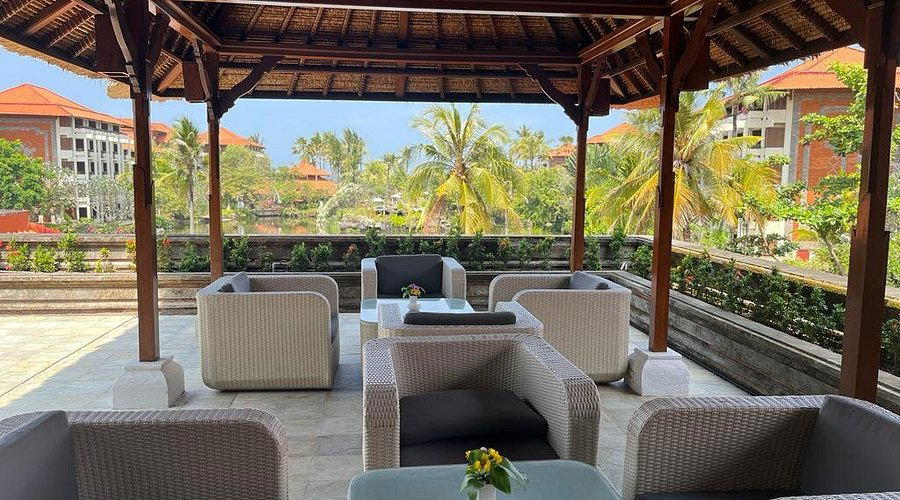
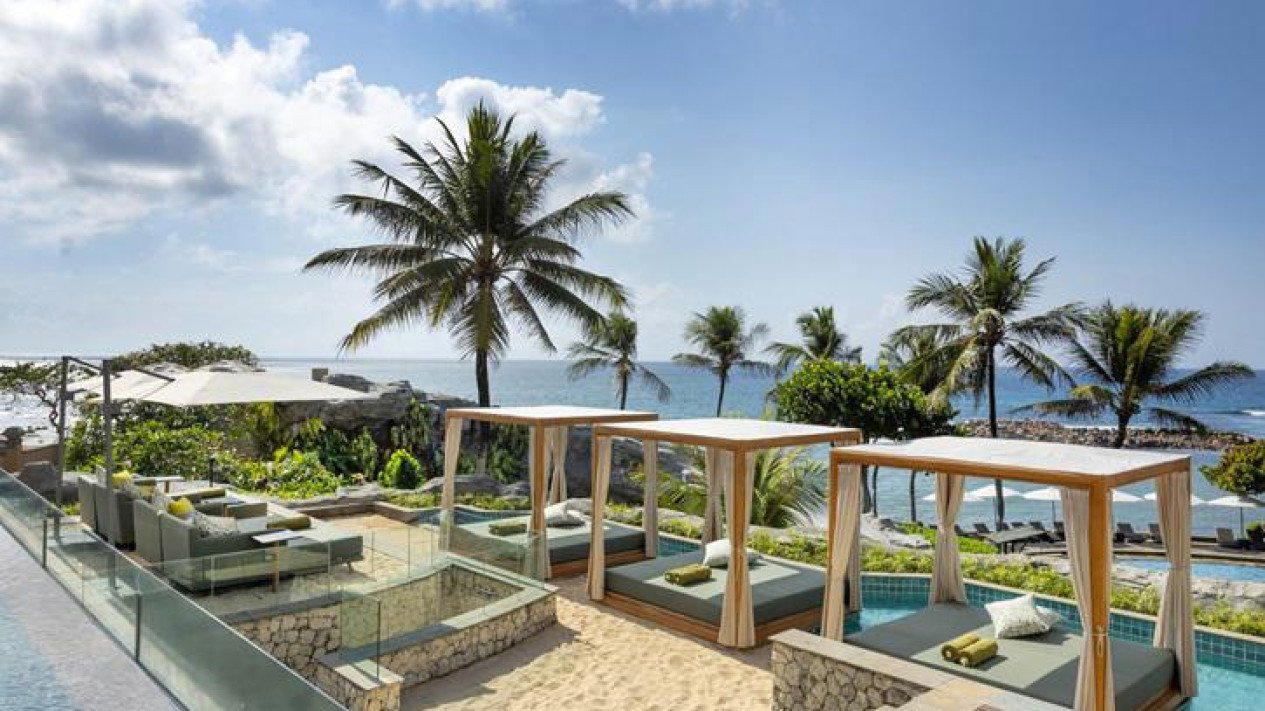
Hotels in Lembongan Kawan
Browse all →
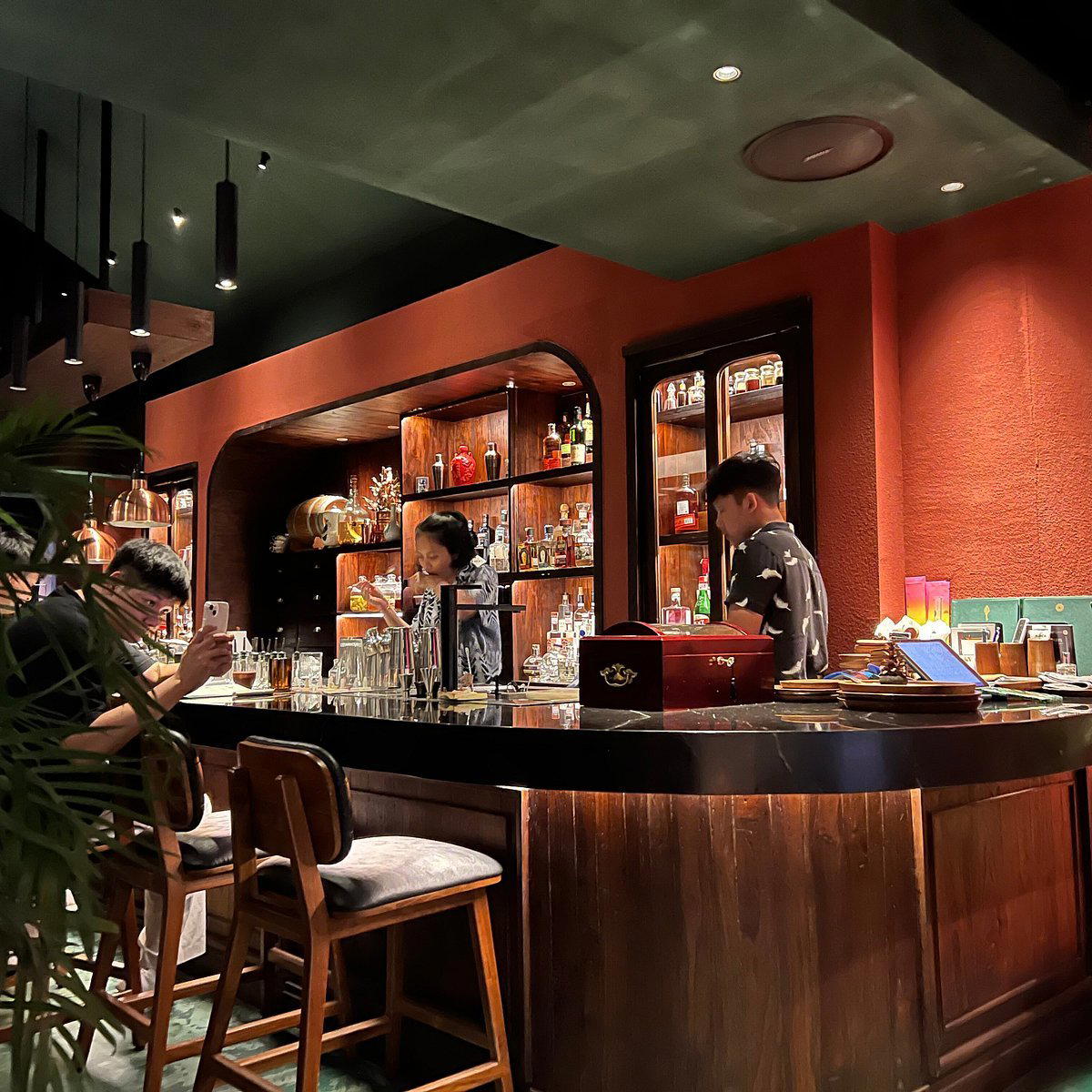
Bars in Lembongan Kawan
Browse all →
Restaurants in Lembongan Kawan
Browse all →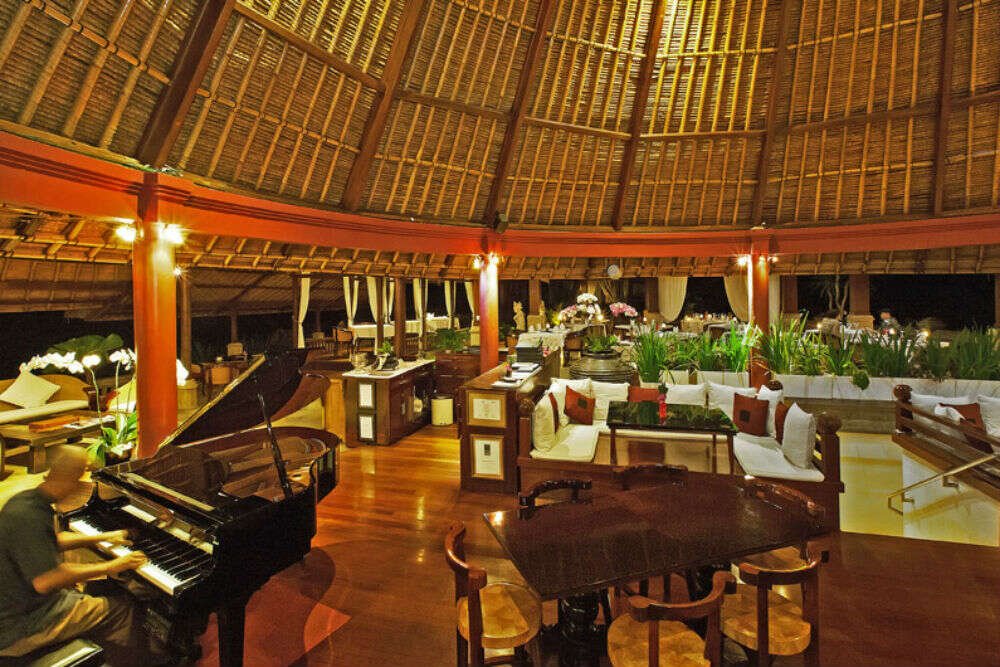
At a Glance
- Romantic
- Scenic
- Cozy
- Intimate
- Elegant
- Honeymoon
- Romantic Getaway
- Family Vacation
- Weekend Escape
- Beachfront
- Private Villa
- Panoramic View
- Wi Fi
- Pool
- Room Service
- Concierge
- Beach Access
- Breakfast Included
- Waterfront
- Garden
- Wi Fi
- Pool
- Room Service
- Concierge
- Beach Access
- Breakfast Included
Laidback beach-inspired décor with chic interiors, offering a relaxing atmosphere overlooking crashing waves and white sandy shores.