Our verdict
Akademi sits on Jalan Petitenget in Kerobokan Kelod, one of the corridors where Bali's serious dining conversation is most concentrated. Detailed booking and menu information should be confirmed directly with the venue.

Pearl is the En Primeur Club membership app, where members save venues, book tables and use the concierge.
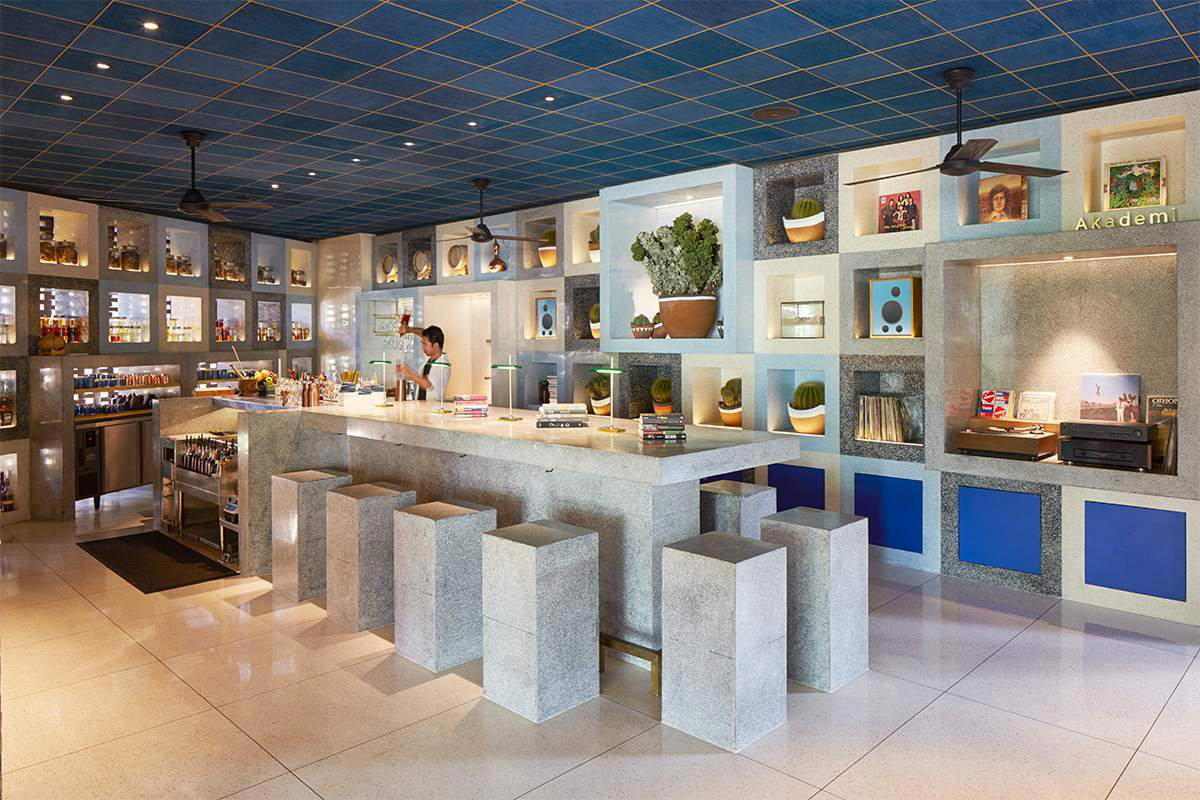
Where Kerobokan's Dining Ambition Takes Shape
Jalan Petitenget has become one of the more instructive addresses in Badung's dining circuit. The strip running through Kerobokan Kelod into Seminyak has, over the past decade, drawn a concentrated cluster of restaurants that take the room seriously: service that reads the table rather than recites a script, kitchens that treat local produce as a starting point rather than a decoration, and floor teams whose knowledge extends beyond the menu card. Akademi, at number 51B on that street, operates inside this competitive context. Its address alone signals a deliberate positioning within Bali's more considered dining tier, where a venue earns its reputation through consistency rather than novelty.
The broader Petitenget-Kerobokan corridor has separated itself from the Seminyak tourist strip by attracting operators who prioritise repeat visitors and word-of-mouth over foot traffic. That separation is meaningful: venues here tend to run tighter menus, more cohesive room concepts, and a front-of-house philosophy that treats the guest's time as a scarce resource. Akademi's location within this corridor puts it in conversation with that ethos, even as its specific format and team composition require confirmation directly with the venue.
The Collaboration Model That Defines the Room
In Indonesia's more accomplished dining rooms, the relationship between kitchen and floor is increasingly treated as a design problem, not an afterthought. At restaurants like August in Jakarta or Locavore NXT in Ubud, the front-of-house has become as technically trained as the kitchen: sommeliers who can explain fermentation decisions, floor staff who can articulate sourcing logic, and a service rhythm calibrated to match the pacing of the kitchen rather than the comfort of the staff. This team-dynamic model, where the interaction between chef, sommelier, and floor creates the guest's experience rather than any single element in isolation, has become a benchmark for serious Indonesian restaurants.
Akademi's positioning in Kerobokan places it within striking distance of that benchmark conversation. The name itself carries an academic register that suggests a venue interested in the discipline and process of hospitality, not just its output. Whether that translates to a structured tasting format, a wine program with genuine depth, or a floor team trained to narrate the menu rather than merely deliver it, the framework for that kind of operation exists in this part of Bali. Venues operating in the same Petitenget neighbourhood include Sarong Bali in Canggu and Cuca Restaurant, both of which have built reputations on the integration of kitchen ambition with front-of-house coherence. Akademi sits in that same neighbourhood tradition.
Bali's Dining Tier: Where Akademi Fits
Badung's restaurant market has stratified more sharply in recent years. At one end, high-volume beachfront venues continue to draw tourists through atmosphere and accessibility. At the other, a smaller cohort of restaurants has pursued a more deliberate model: shorter menus, better-trained staff, and a willingness to invest in the kind of consistency that converts first-time visitors into regulars. This upper tier is where Bali now competes in a regional context, and it's a tier that includes references well beyond the island. Comparable ambition in Indonesia's dining scene appears at Kahyangan in Gondangdia and Rumari in Jimbaran, where the commitment to craft extends across every element of the guest experience.
Internationally, the model of kitchen-floor collaboration as a defining competitive advantage is well-established. Operations like Le Bernardin in New York City and Lazy Bear in San Francisco have built their reputations in part on the degree to which the room functions as a unified team rather than a collection of individual performers. That standard is increasingly what separates Bali's serious dining tier from its more casual one, and it's the standard against which Akademi's address and apparent positioning invite evaluation.
The Kerobokan Context: Neighbourhood as Signal
Kerobokan Kelod is not a neighbourhood that over-explains itself. Unlike Seminyak's more curated retail-and-restaurant strip, or Canggu's louder, younger energy, Kerobokan operates at a lower volume. Venues here tend to rely on a loyal local following, expatriate regulars, and the kind of traveller who researches before they arrive. That audience tends to be less forgiving of inconsistency and more attentive to the details that signal whether a kitchen and floor are working in sync.
Other Badung venues that operate within this quieter, more deliberate register include Moksa in Bali, which has built a following around a plant-forward approach that requires both kitchen discipline and front-of-house conviction to execute credibly, and Bikini Restaurant Bali, which occupies a different register on the style spectrum but operates in the same general geography. The contrast between these venues illustrates the range of approaches now active in Badung, from the casual and concept-driven to the more formally considered.
For a wider view of what Badung's dining scene currently offers across price points and formats, the full Badung restaurants guide maps the territory in more detail. Other locally specific options in the surrounding area include Ayam Betutu Khas Gilimanuk, which represents the traditional Balinese register, and Barbacoa and Coco Bistro Tanjung Benoa, which operate in distinctly different format categories. The breadth of that list reflects how much ground Badung's dining scene now covers.
Planning Your Visit
Akademi is located at Jalan Petitenget No. 51B, Kerobokan Kelod, Kuta Utara, Badung, Bali. The address places it along one of the island's more active dining corridors, with direct access from both Seminyak and Canggu. Given that Kerobokan venues in this tier tend to draw regulars and pre-planned visitors rather than walk-in traffic, confirming booking availability directly with the venue before arrival is advisable. Venues nearby, including Cafe Organic Canggu in Banjar Badung and Jungle Fish Bali in Gianyar, offer useful reference points for understanding the broader dining geography of this part of the island.
For travellers arriving from further afield or building a broader Indonesian dining itinerary, comparable restaurants in other cities, including CARANO Masakan Padang in Bekasi and The Legian in Seminyak, provide useful context for the range of formats and price points active across the archipelago's dining scene.
Frequently asked questions
Where do I go for Akademi?
Akademi is located at Jl. Petitenget No.51B, Kerobokan Kelod, Kec. Kuta Utara, Kabupaten Badung, Bali 80361, Indonesia, Badung.
What kind of dining neighbourhood is Kerobokan Kelod, and how does Akademi's location on Jalan Petitenget reflect that?
Kerobokan Kelod occupies a middle register between Seminyak's retail-facing strip and Canggu's higher-volume scene, attracting venues that rely on repeat visitors rather than foot traffic. Jalan Petitenget specifically has drawn a concentration of deliberate dining addresses in Badung, making Akademi's placement at No. 51B a meaningful signal about its intended audience. The neighbourhood does not announce itself, which tends to filter for guests arriving with purpose rather than passing through.
What's the must-try dish at Akademi?
What the Jalan Petitenget address signals is a kitchen oriented toward deliberate, composed cooking rather than volume-driven menus. For current menu specifics, contacting the venue directly before visiting is the most reliable approach.
Is Akademi reservation-only?
Booking policy for Akademi has not been confirmed in available data. Along the Petitenget corridor in Kerobokan Kelod, the upper tier of Badung's dining rooms typically operates on reservations, particularly for evening sittings. Checking ahead is advisable before making the trip to Jl. Petitenget No. 51B.
Pricing, Compared
Comparable venues nearby, for context on price, style, and recognition.
| Venue | Cuisine | Price | Notes |
|---|---|---|---|
| AkademiThis venue (the venue you are viewing) | Innovative Indonesian Cocktails | $20–30 | Not listed |
| Barbacoa | Latin American BBQ | $30–50 | Kerobokan, Latin American BBQ |
| Shrimpis Restaurant | Fresh Seafood with Local Shrimp | $20–30 | Seminyak, Fresh Seafood with Local Shrimp |
| Warung Damar | Authentic Balinese & Indonesian | $20–30 | Kuta, Authentic Balinese & Indonesian |
| Mrs Sippy Bali | Mediterranean Poolside Grill | $30–50 | Seminyak, Mediterranean Poolside Grill |
| Lulu Bistrot | French Bistro | Not listed | Canggu, French Bistro |
Continue exploring
More in Badung
Restaurants in Badung
All restaurants in Badung →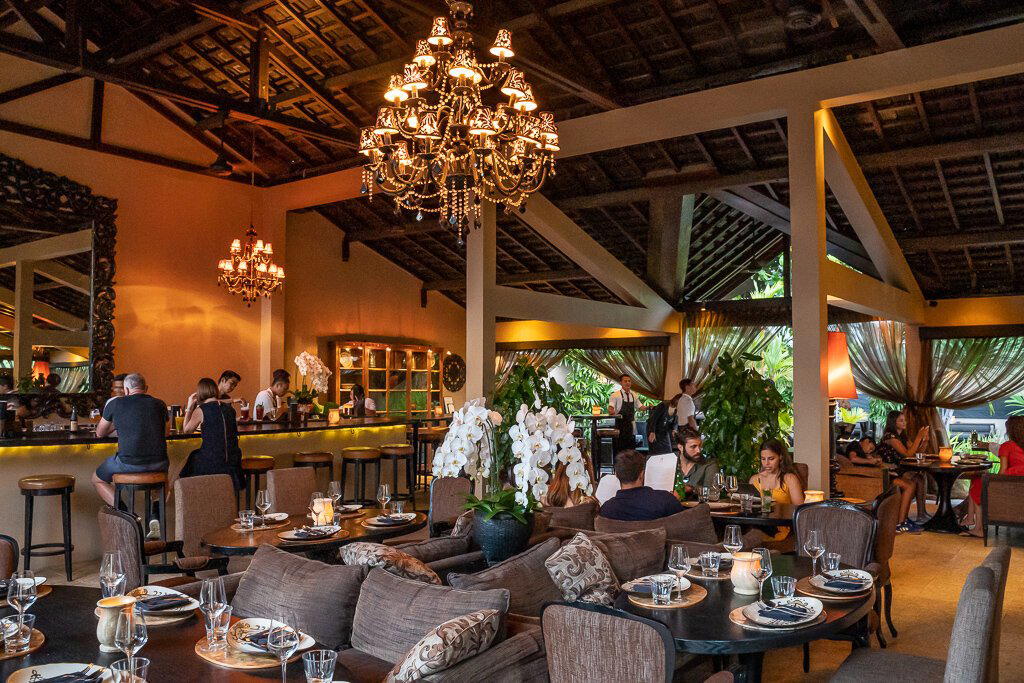
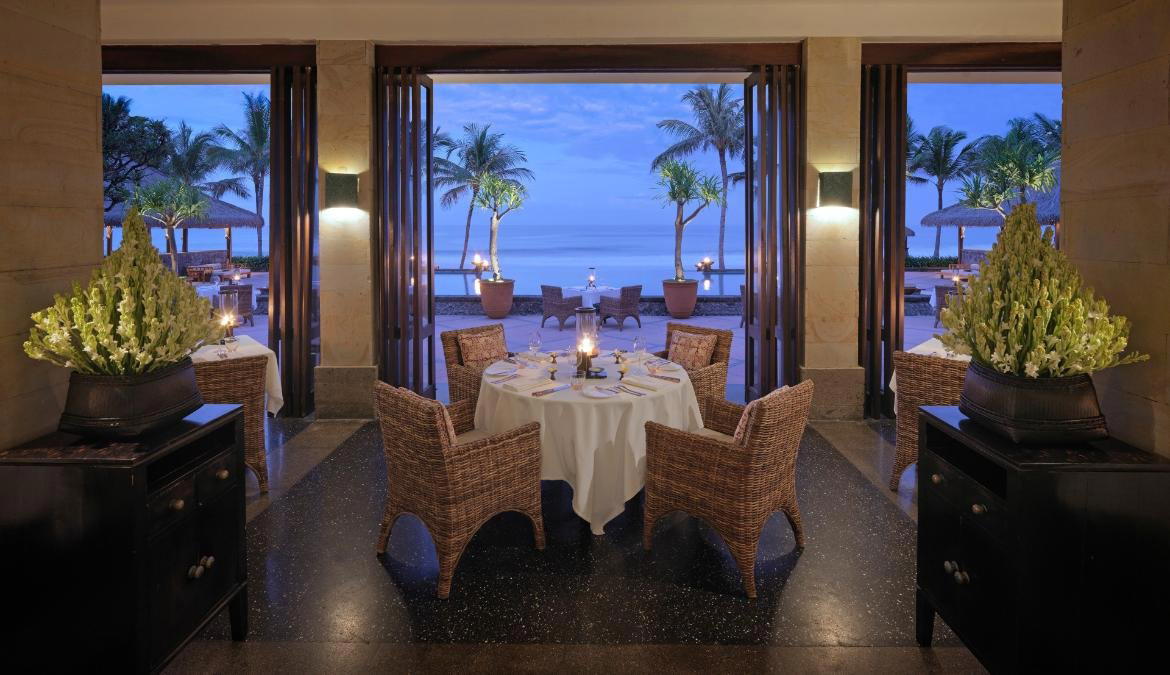
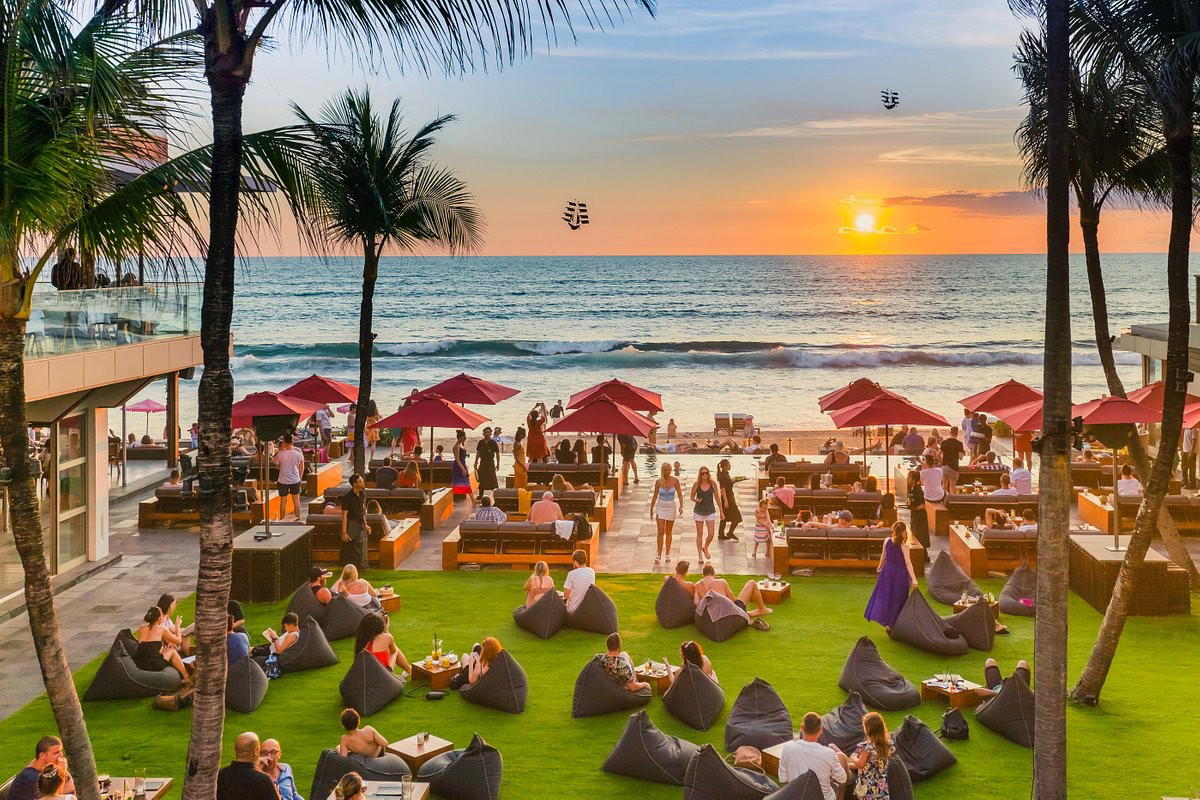
Bars in Badung
All bars in Badung →
Details
- Intimate
- Modern
- Trendy
- Sophisticated
- Date Night
- Casual Hangout
- Open Kitchen
- Craft Cocktails
- Natural Wine
- Local Sourcing
- Small Plates
- Craft Cocktails
Current opening hours
- Monday
- Closed
- Tuesday
- Closed
- Wednesday
- Closed
- Thursday
- 5–11:30 PM
- Friday
- 5–11:30 PM
- Saturday
- 5–11:30 PM
- Sunday
- Closed
Hours can change for holidays and private events. Last verified .
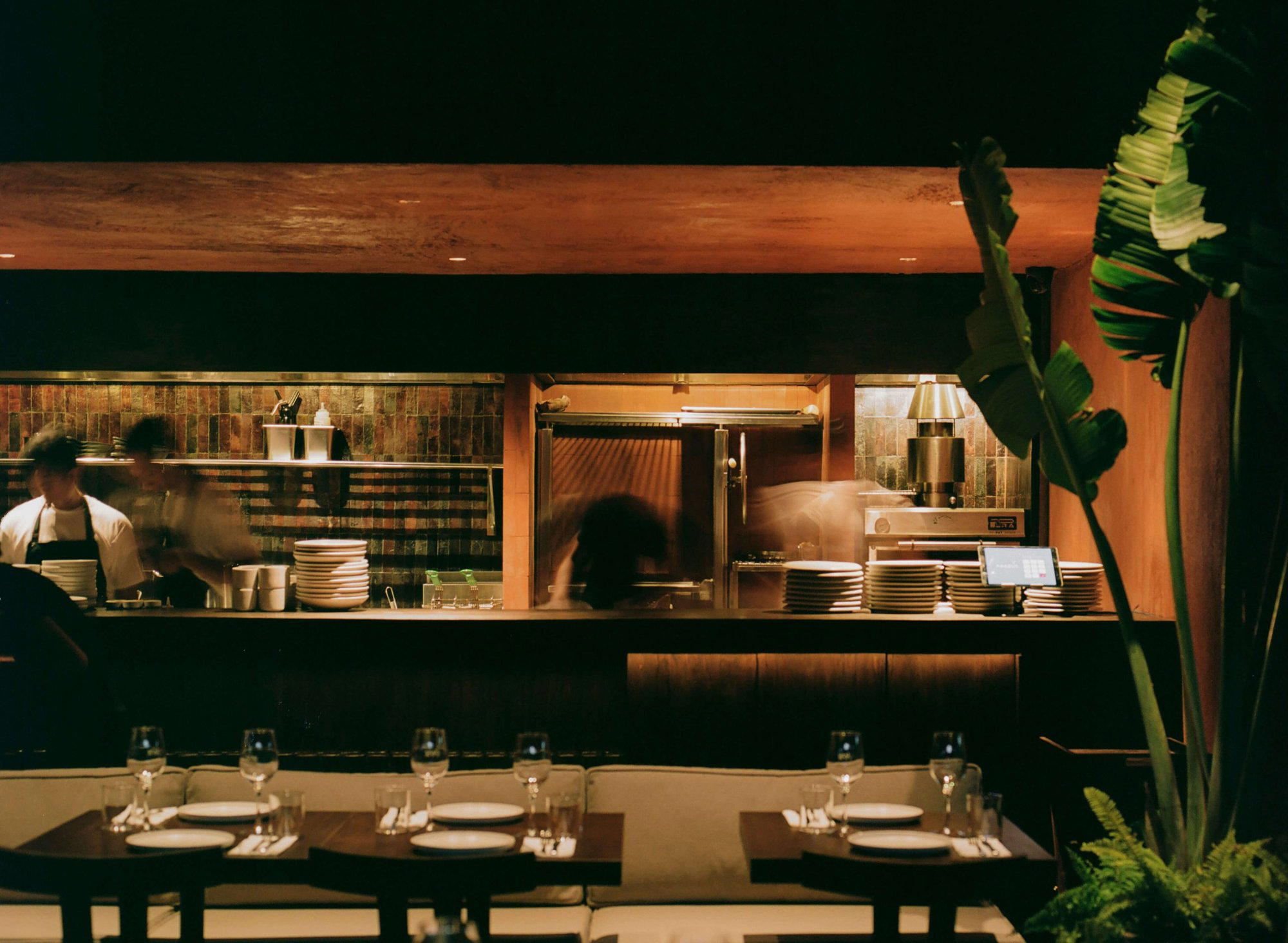
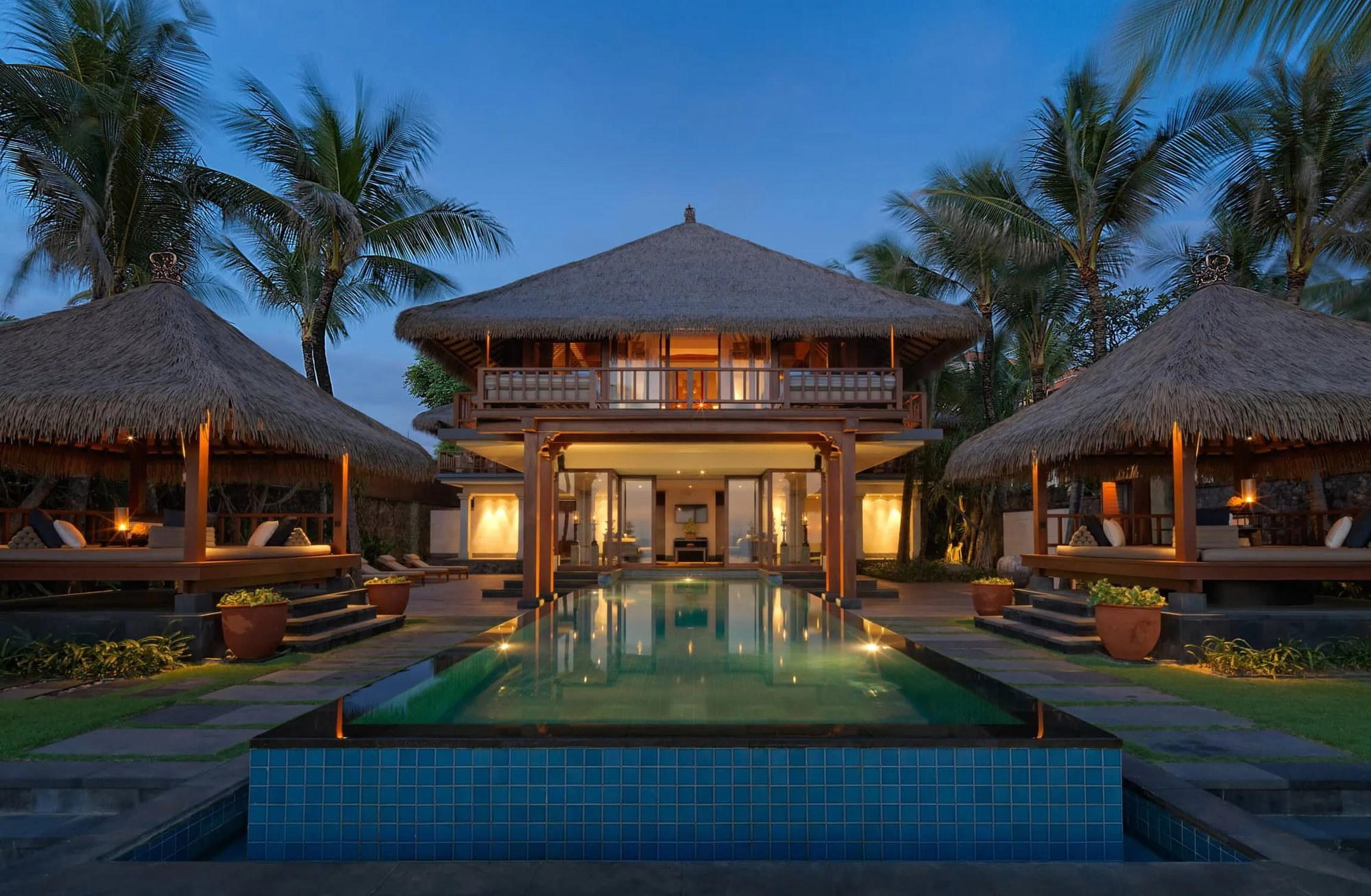
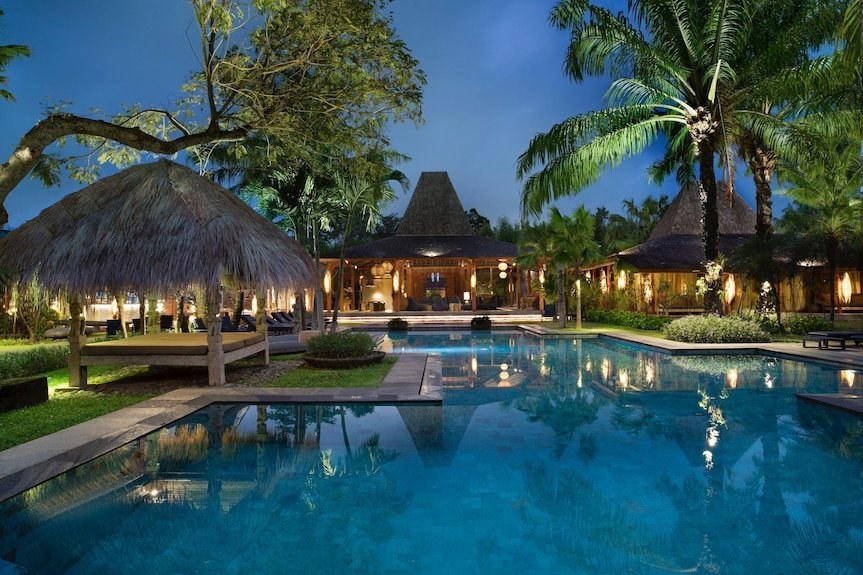
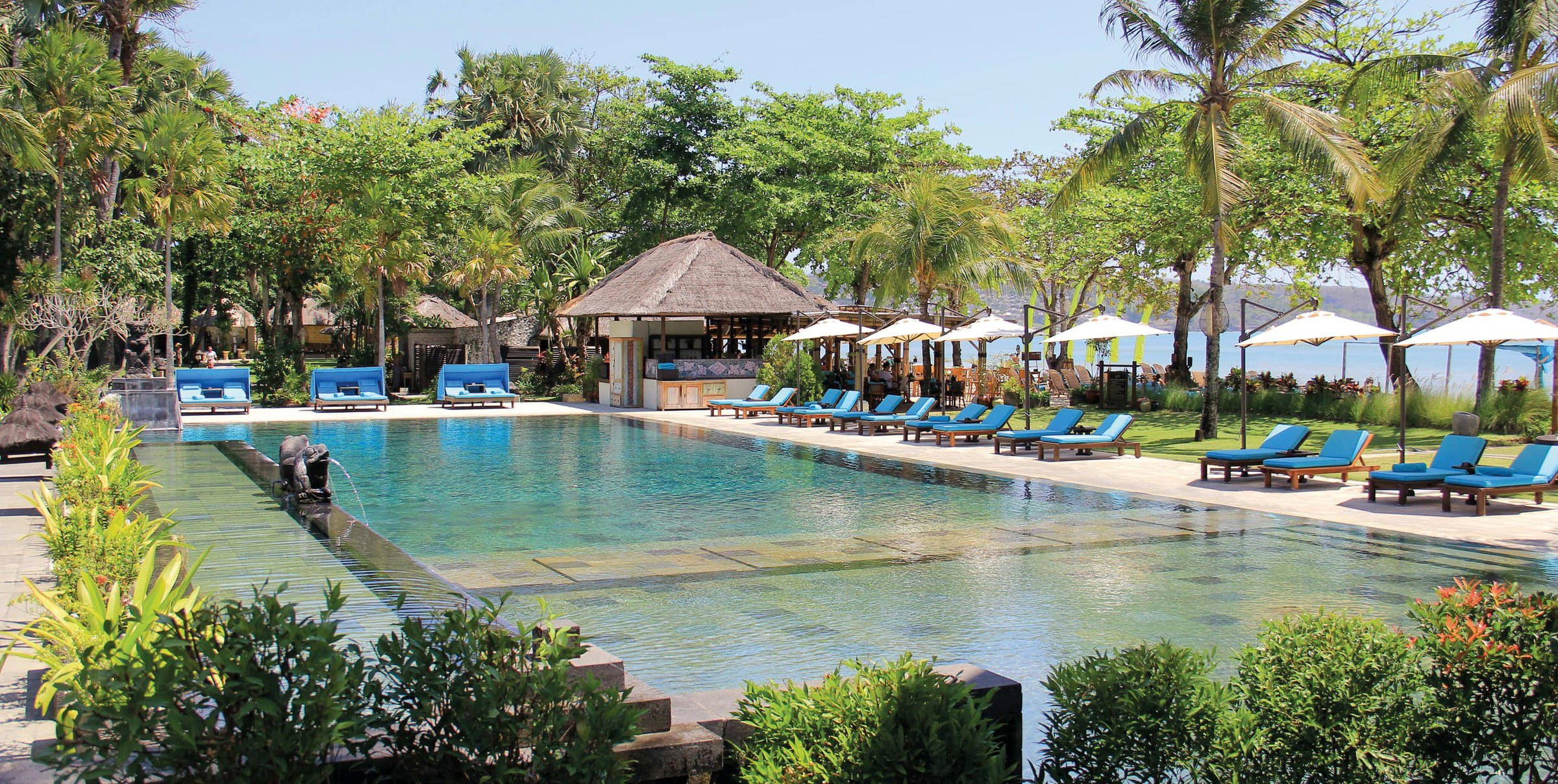
Modern, casual, and welcoming with a lively, futuristic atmosphere featuring inventive cocktails and natural wine.