Our verdict
Barbacoa occupies a grounded position on Petitenget Street in Kerobokan Kelod, one of Badung's most contested dining corridors, where Latin-influenced fire cooking and an open, architectural aesthetic place it alongside Bali's more concept-driven dining options. The space and its approach to live-fire formats situate it within a broader Seminyak-adjacent scene that rewards early booking and repeat visits.

Pearl is the En Primeur Club membership app, where members save venues, book tables and use the concierge.
The menu
What to order
- Suckling pig
- Charcoal-grilled steak
- Slow-cooked pork belly
Petitenget's Fire-Forward Dining Scene
Petitenget Street in Kerobokan Kelod has evolved from a secondary strip into one of Badung's most scrutinised restaurant corridors. The road connects Seminyak's saturated dining belt to the calmer northern pull of Canggu, and venues along it occupy an interesting middle ground: too considered for casual beach dining, too relaxed for the formal fine-dining tier that has consolidated further south. It is in this context that Barbacoa, at number 14, makes its case. The name signals a lineage in slow-fire, open-heat cooking traditions with roots across Latin America and the Iberian Peninsula, a technique now circulating through Bali's more ambitious kitchens as the island moves past its decade-long obsession with raw, plant-forward formats.
That shift matters for understanding where venues like Barbacoa sit in the current picture. Bali's dining scene has, over the past five years, become increasingly segmented: there are the legacy fine-dining establishments, the wave of tasting-menu operators (see Locavore NXT in Ubud for the sharpest example of that format), and then a growing cohort of concept-driven mid-registers that foreground technique and atmosphere over formal service hierarchies. Fire-cooking formats belong squarely in that third category, and in Bali, that category is gaining ground.
The Physical Container: Space as Signal
On Petitenget Street, where restaurant frontages compete hard for attention, architecture does a lot of persuasive work before a plate arrives. The design choices a venue makes at street level communicate something about its competitive positioning: a dark, intimate threshold says one thing; an open, airy frame says something entirely different. Fire-cooking formats carry their own spatial logic. An exposed kitchen or visible grill station is not decorative; it is functional theatre, a trust signal that what you are eating passed through heat you can see and smell.
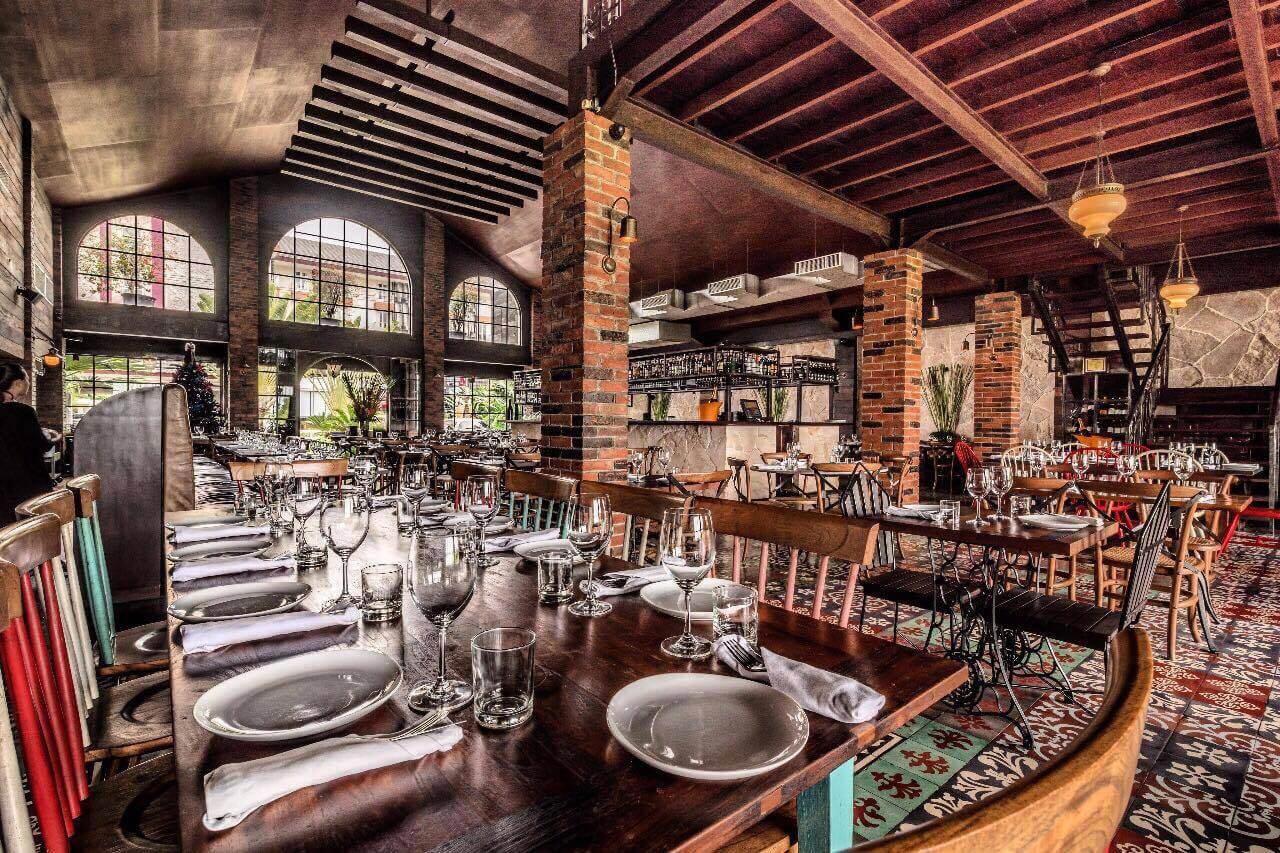
Barbacoa's address on Petitenget places it among venues that use physical space deliberately. The surrounding stretch has seen a gradual architectural refinement over recent years, as operators arriving from Europe and Australia brought expectations shaped by hospitality markets where interior design is treated as editorial rather than cosmetic. That influence is legible across the strip. Venues that opened or renovated in the past three to four years tend toward fewer tables, higher ceilings, and more deliberate material choices: raw concrete, reclaimed timber, open rafters. Barbacoa operates in that environment, where the physical container is part of the pitch to a dining public that reads design as competence.
The Kerobokan Kelod location is also practical intelligence for visitors. The area sits north of central Seminyak, which means slightly less evening traffic pressure and a neighbourhood character that runs closer to residential than resort. Guests arriving from Canggu or Seminyak by scooter or ride-hail will find the Petitenget corridor familiar; it is one of the most navigated restaurant streets in Badung.
Where Barbacoa Sits in the Bali Fire-Cooking Conversation
Open-fire and grill-forward dining has a specific context in Bali. The island's Hindu food traditions have always included ceremonial cooking over open flame, but the restaurant application of live fire as a premium technique arrived largely through the influence of visiting and expatriate chefs familiar with formats pioneered in Buenos Aires, San Sebastián, and, more recently, Copenhagen. The broader Indonesian archipelago has seen parallel moves: August in Jakarta represents how the most technically ambitious end of this has developed on the mainland, while Rumari in Jimbaran shows how it intersects with local seafood traditions further south in Bali.
Within Badung specifically, Barbacoa occupies a space that a handful of other concept-driven venues also claim. Cuca Restaurant has established the territory for creative, produce-led cooking in this part of the island, while Bikini Restaurant Bali demonstrates how a more social, drinks-forward format can coexist on the same strip. Barbacoa's barbacoa-derived framing positions it differently from both: the reference point is technique and tradition rather than a social format or ingredient story.
For context across the wider Badung dining picture, the full Badung restaurants guide maps where different dining formats concentrate. The Kerobokan-Petitenget axis holds a disproportionate share of Badung's more concept-driven mid-to-upper tier, with the southern Jimbaran and Nusa Dua areas skewing toward resort-dining and seafood formats, and the Canggu corridor carrying the health-forward and casual-social end of the market.
The Dining Style: Reading the Approach
The barbacoa tradition itself rewards some context. Across Mexico and Central America, barbacoa refers specifically to meat slow-cooked in pit heat, often wrapped in agave leaves, the process taking hours and producing a texture that dry heat or oven roasting cannot replicate. In the Iberian Peninsula, the cognate word carries similar resonances around patient, wood-fed cooking. Neither tradition requires elaborate technique in the European fine-dining sense; both require time, material knowledge, and restraint. Restaurants that invoke the term are making a claim about patience and process, which is a different value proposition from the precision-cooking tasting-menu format or the raw-ingredient showcase.
That distinction matters for how a diner should calibrate expectations. Fire-cooking venues at the serious end of the format share a competitive identity more with establishments like Lazy Bear in San Francisco, where technique and communal atmosphere combine, than with white-tablecloth formality. In Bali's context, where the dominant premium dining mode has been either resort-luxury or the tasting-menu format, a well-executed fire-cooking venue fills a distinct gap.
Other venues across Indonesia's dining scene offer useful comparison points. Moksa in Bali represents the plant-based end of Bali's considered-dining market. Sarong Bali in Canggu and Akademi each occupy adjacent positions in Badung's mid-to-upper tier. Further afield, Kahyangan in Gondangdia shows how the intersection of local tradition and considered technique reads in Jakarta's context.
Planning a Visit
Petitenget Street addresses are well served by ride-hail apps operating across Badung, and the Kerobokan Kelod area is reachable from Seminyak in under ten minutes outside peak evening hours. Visitors staying in Canggu will find the journey marginally longer but the route familiar. For a venue in this format and location, arriving with a reservation rather than walking in is advisable, particularly during Bali's high season between June and September and around the December-January peak. Contact details are available directly through the venue; the address at Petitenget St No. 14 is the consistent reference point for any reservation enquiry.
Those building a wider Badung itinerary around considered dining will find natural complements in Cafe Organic Canggu in Banjar Badung for daytime eating, Ayam Betutu Khas Gilimanuk for a different register of Balinese cooking tradition, and Coco Bistro Tanjung Benoa for the southern end of the regency. Jungle Fish Bali in Gianyar and The Legian in Seminyak round out a cross-section of what the broader area offers across formats and price registers.
Frequently asked questions
What's the address for Barbacoa?
Barbacoa is located at Petitenget St No.14, Kerobokan Kelod, Kuta Utara, Badung Regency, Bali 80361, Indonesia, Badung.
How does Barbacoa compare to other fire-cooking restaurants in Bali?
Open-fire and grill-forward restaurants in Bali are a growing but still relatively focused niche, concentrated largely in the Seminyak-Kerobokan belt. Barbacoa's positioning on Petitenget Street in Kerobokan Kelod puts it within the most scrutinised part of that corridor, where it draws on a named culinary tradition, barbacoa pit-cooking, rather than a general grill format. That specificity of concept is what separates it from the broader category of restaurants that feature a wood fire as a secondary element.
What do people recommend at Barbacoa?
Barbacoa's name anchors it firmly to the barbacoa tradition, a method of slow-cooking meat over pit heat originating in Mexico and Central America. That framing places fire-cooked and grill-forward preparations at the centre of the menu concept. On Petitenget Street in Kerobokan Kelod, it sits among Badung's more concept-driven venues, where the cooking approach is the point rather than a supporting detail.
Is Barbacoa reservation-only?
Barbacoa is located on Petitenget Street in Kerobokan Kelod, a corridor that runs at high demand during Bali's peak travel periods. Walk-ins may be possible at off-peak hours, but the density of traffic along this strip means that arriving without a booking on weekends or during high season carries real risk. Contacting the venue directly before your visit is the practical approach.
What's Barbacoa best at?
The venue's identity is built around fire-cooking technique, specifically the slow-heat pit tradition that the barbacoa name references. In Bali's grill-forward dining segment, that positions Barbacoa toward the more technique-specific end of the market rather than the broadly 'grilled everything' category. Its address at Petitenget Street No. 14 in Badung places it within a corridor where kitchen concept and physical space both carry weight.
The Essentials
Comparable venues nearby, for context on price, style, and recognition.
| Venue | Cuisine | Price | Notes |
|---|---|---|---|
| BarbacoaThis venue (the venue you are viewing) | Latin American BBQ | $30–50 | Not listed |
| Cuca Restaurant | Indonesian-Western Fusion Tapas | $30–50 | Jimbaran, Indonesian-Western Fusion Tapas |
| Mama San | Modern Southeast Asian Street Food | $30–50 | Kerobokan, Modern Southeast Asian Street Food |
| Bikini Restaurant Bali | Asian-inspired Modern Fusion | Not listed | Seminyak, Asian-inspired Modern Fusion |
| Warung Babi Guling Sari Dewi Bp. Dobil | Balinese Babi Guling | $1–10 | Nusa Dua, Balinese Babi Guling |
| Warung Nia Balinese Food & Pork Ribs | Balinese BBQ Pork Ribs | $10–20 | Seminyak, Balinese BBQ Pork Ribs |
Continue exploring
More in Badung
Restaurants in Badung
All restaurants in Badung →
Bars in Badung
All bars in Badung →
Details
- Rustic
- Lively
- Trendy
- Modern
- Group Dining
- Celebration
- Casual Hangout
- Open Kitchen
- Terrace
- Extensive Wine List
- Street Scene
- A La Carte
- Small Plates
- Vegetarian Friendly
- Vegan Options
- Gluten Free Options
Current opening hours
- Monday
- 12–11:30 PM
- Tuesday
- 12–11:30 PM
- Wednesday
- 12–11:30 PM
- Thursday
- 12–11:30 PM
- Friday
- 12–11:30 PM
- Saturday
- 12–11:30 PM
- Sunday
- 12–11:30 PM
Hours can change for holidays and private events. Last verified .
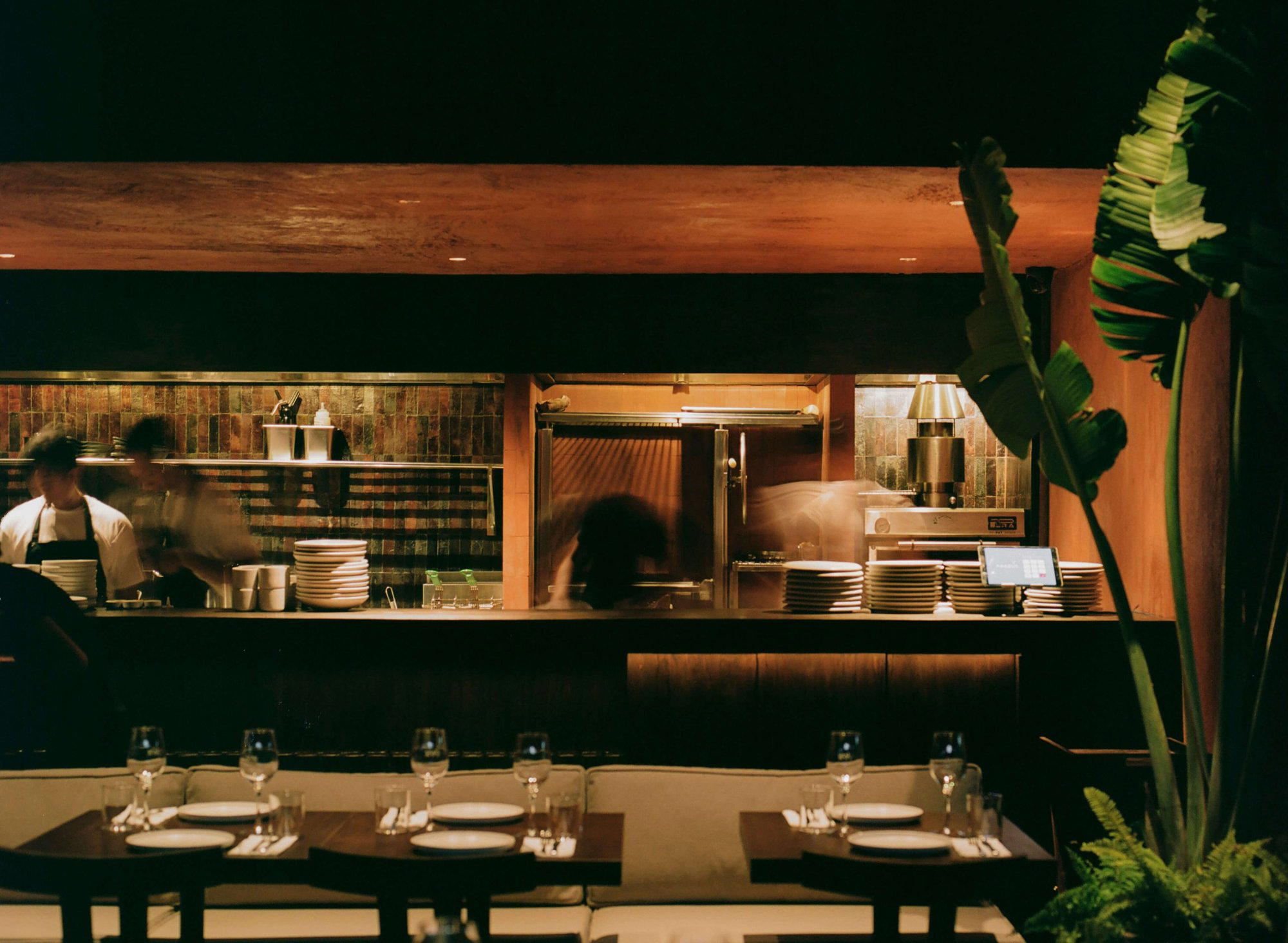
Rustic yet modern warehouse with exposed brick, wood beams, high ceilings, leather seating, and an energetic atmosphere from the open kitchen and street views.