Padangbai
Padangbai sits on Bali's eastern flank in Karangasem Regency, a working port town where the pace of Indonesian island life hasn't been smoothed out for tourism. The built environment here reads as functional before decorative, with ferry infrastructure, fishing boats, and a small crescent bay that draws travellers passing through to Lombok or the Gili Islands rather than those chasing resort amenities.
Pearl is the En Primeur Club membership app — saves, bookings, and concierge access live there. Same editors, same standards.
- Address
- Manggis, Karangasem Regency, Bali, Indonesia
- Directions
- Get directions
 Saves & bookings on Pearl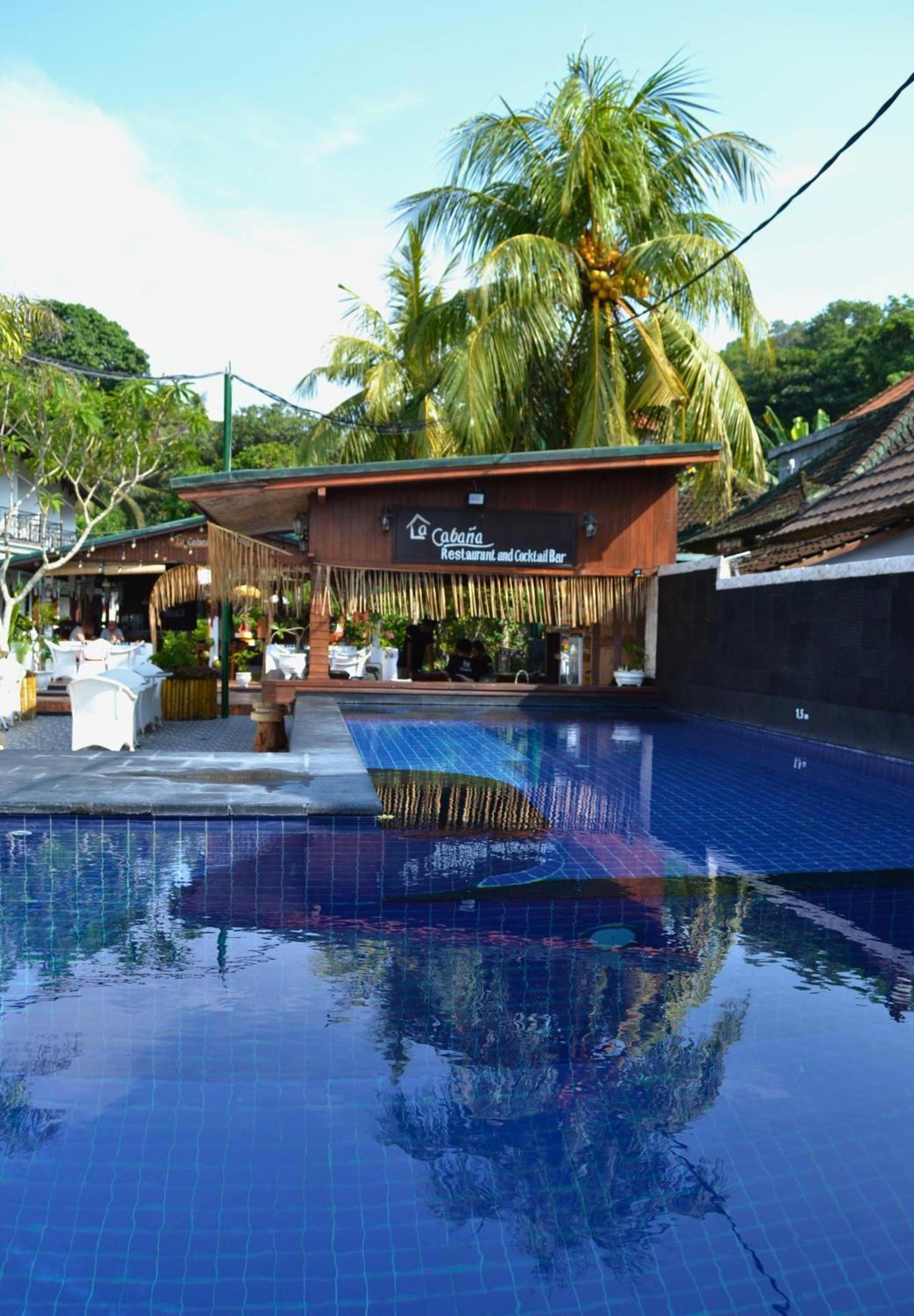
A Port Town That Hasn't Performed for Tourism
Padangbai is a 3-star hotel in Manggis, Karangasem Regency, Bali, Indonesia, with rates from about $37 per night. Most of Bali's coastal identity has been remade around the visitor: terraced clifftop pools at Alila Villas Uluwatu in Uluwatu, sculpted resort architecture at AYANA Resort Bali in Jimbaran, and design-led lifestyle properties like COMO Uma Canggu in Canggu that fold global aesthetics into tropical form. Padangbai, in the eastern regency of Karangasem, operates outside that register entirely. It is Bali's main ferry terminal for services to Lombok and the Gili Islands, and its built environment reflects that function honestly: the streets that slope toward the harbour are lined with guesthouses, small warungs, and dive outfitters whose signage faces outward toward the strait rather than inward toward a curated courtyard.
That functional quality is not a shortcoming in the conventional sense. In a region where architectural effort has been lavished on concealment, on creating properties that feel removed from the working world, Padangbai offers something rarer: a port settlement whose physical logic has not been reorganised around leisure. The approach to the bay from the main road through Manggis and the Karangasem interior gives you terraced land, a string of small temples, and then, abruptly, the shimmer of the Lombok Strait. The descent into the town is the arrival experience, and it requires nothing more than a clear day and a seat by the window.
The Architecture of a Working Bay
Karangasem Regency sits at Bali's far eastern edge, and its architectural character diverges from the resort corridors of the south and the rice-terrace romanticism that surrounds Mandapa, a Ritz-Carlton Reserve in Ubud. The built fabric here is denser, older in feel, and shaped by commerce as much as ceremony. Padangbai's harbour front reads like a compressed cross-section of Indonesian port life: ferry passenger halls, a clutch of travel agencies squeezed into narrow shopfronts, boats moored alongside in varying states of readiness.
The town's small crescent beach, Blue Lagoon Bay, sits to the east of the main ferry terminal and draws a quieter crowd than the harbour itself. The accommodation stock around it skews toward guesthouses and small boutique properties. Compared to the highly capitalised design statements delivered by properties like Amarterra Villas Resort Bali Nusa Dua, Autograph Collection in Bali, Padangbai's accommodation operates at a fundamentally different scale and with a different ambition. The premium here is access and proximity to the strait, not architectural spectacle.
For travellers who have come east through Bali via the Sidemen Valley or the Besakih temple complex, the transition into Padangbai registers as a shift in register: from contemplative interior landscape to active coastal infrastructure. The design environment shifts accordingly, away from the deliberate aesthetic gestures found at properties like Camaya Bamboo Houses in Selat, toward buildings that read as practical first. That plainness has its own coherence when read against the backdrop of the Lombok Strait at dawn.
Positioning Inside Eastern Bali's Travel Pattern
Eastern Bali's hospitality tier is thinner than the south's, and Padangbai occupies a specific position within it: a transit and diving hub rather than a destination resort. Travellers on the overland route between Ubud and Lombok typically spend one or two nights here, using the town as a base for dives on the Japanese wreck or the coral systems off Blue Lagoon, before boarding the fast boat or the ASDP ferry eastward. That pattern shapes everything about the town's physical layout, its guesthouses, its eating spots, and its pace.
Further east and northeast, the Indonesian archipelago opens into a different register of remote luxury. Properties like Nihi Sumba in Sumba, Amanwana in Moyo Island, and Plataran Komodo Resort & Spa in Labuan Bajo have defined a category of destination that requires significant travel effort and rewards it with ecological access. Padangbai is not in that tier; it is the gateway through which many of those journeys begin, the last Balinese town before the strait widens toward a different Indonesia.
Within Bali itself, the contrast with the west coast corridor is stark. Potato Head Suites & Studios in Seminyak and Desa Potato Head in Denpasar represent a design-forward, culturally programmed approach to Balinese hospitality that carries significant infrastructure and brand investment. Padangbai carries none of that weight. Its appeal is calibrated entirely differently, toward independence, access to the water, and the functional romance of a port that is still doing its original job.
Planning a Stay: What the Town Requires of You
The direct mountain route through Ubud and down the Sidemen Valley runs longer in distance but can be more consistent during peak season congestion. Most travellers arriving by private transfer will find the harbour area without difficulty; the town is compact enough that orientation takes less than an hour on foot.
Those planning onward travel to Lombok should note that the ASDP ferry operates a public service with no advance seat reservation system, while fast boat operators offer ticketed departures that can be pre-purchased. Checking in the night before departure is standard practice for early-morning crossings. The dive operators based along the main strip generally offer equipment rental and guided dives with advance notice of one day.
Travellers comparing a Padangbai stop against a broader eastern Bali itinerary that might include The Royal Purnama Bali in Sukawati or Hotel Tugu Lombok in Lombok should treat the town as a functional waypoint that carries its own low-key character, rather than trying to fit it into a luxury sequence. Its value is additive: the ferry crossing at sunrise, the dive sites in clear water, and the particular energy of a place that remains oriented toward a working sea rather than a resort swimming pool.
In Context: Similar Options
Comparable venues nearby, for context on price, style, and recognition.
| Venue | Cuisine | Price | Awards | Notes |
|---|---|---|---|---|
| PadangbaiThis venue — the venue you are viewing | boutique | $$ | 3-Star | Not listed |
| Berawa Village | modern apartment complex | $$ | 3-Star | Berawa |
| Villa Kampung Kecil | Traditional Javanese Joglo villas in a tropical garden compound | $$$ | 4-Star | Sanur |
| Novotel Bali Ngurah Rai Airport | Contemporary transit hotel with oasis-like amenities within airport premises | $$$ | 4-Star | Tuban |
| The Menjangan by LifestyleRetreats | Nature-inspired luxury retreat | $$$$ | 4-Star | West Bali National Park |
| Desa Seni Baturiti | Sustainable eco-resort with restored antique wooden homes blending tradition and modernity | $$$ | 5-Star | Baturiti |
At a Glance
- Quiet
- Scenic
- Cozy
- Romantic Getaway
- Wellness Retreat
- Weekend Escape
- Terrace
- Wi Fi
- Pool
- Room Service
- Waterfront
- Mountain
- Wi Fi
- Pool
- Room Service
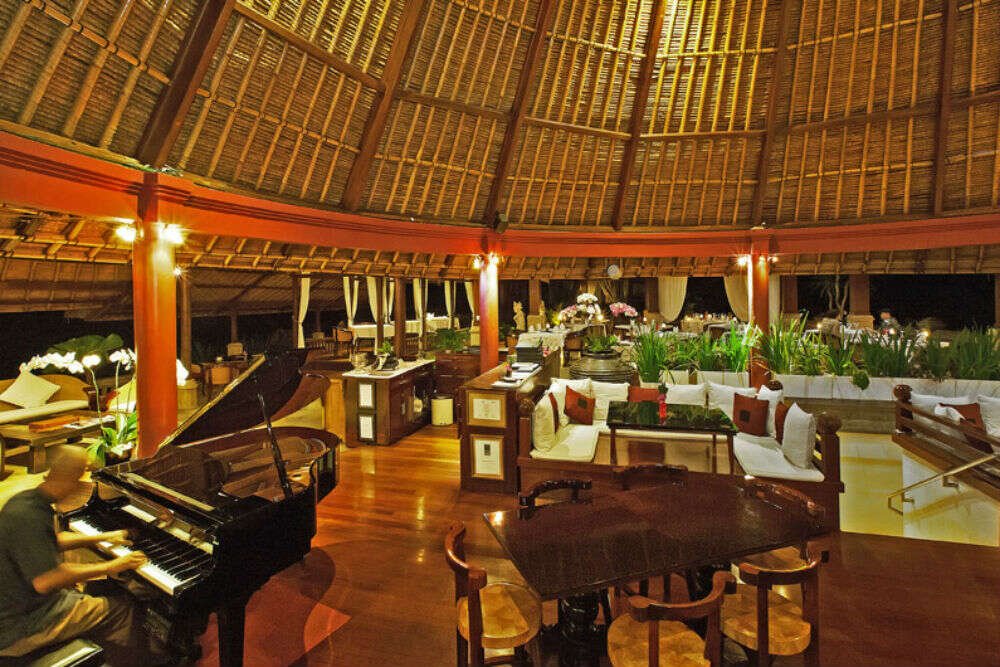
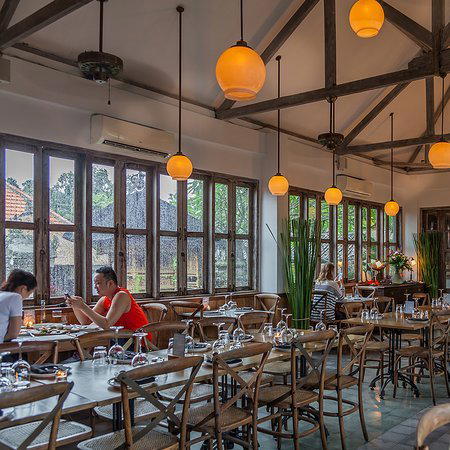
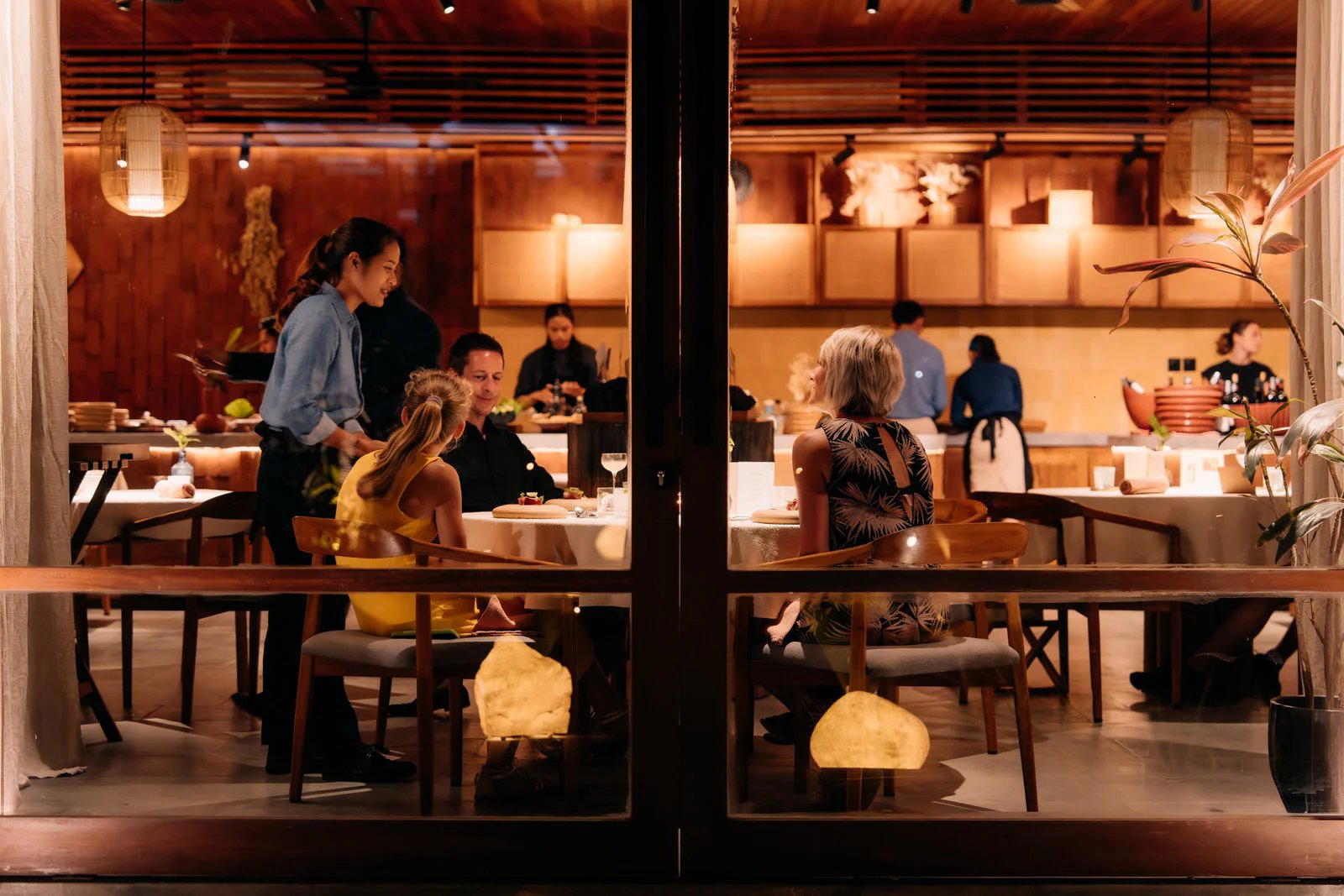
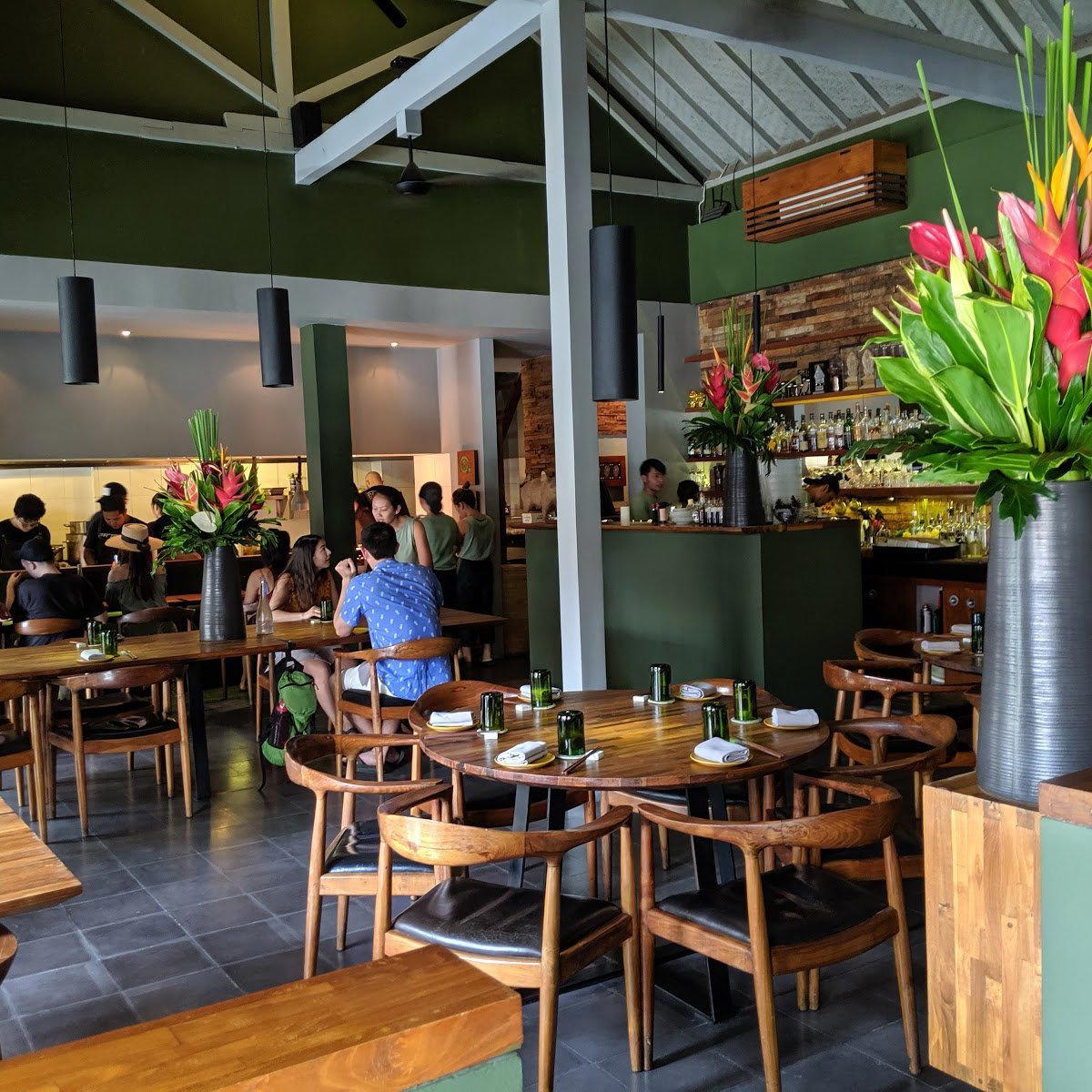
Serene and tranquil atmosphere surrounded by lush mountains and near quiet beaches.