
World's 50 Best #36
Potato Head Beach Club on Jalan Petitenget has placed on Asia's 50 Best Bars twice, ranking 36th in 2018 and 43rd in 2017, making it one of the few Bali venues to reach that tier of regional recognition.

Pearl is the En Primeur Club membership app, where members save venues, book tables and use the concierge.
Where Seminyak's Bar Scene Sets Its Benchmark
Bali's cocktail culture has followed a trajectory familiar across Southeast Asia: an early wave of sunset-deck bars oriented around rum punches and Bintang, followed by a sharper generation of venues that began treating spirits and technique with the same rigour as their counterparts in Singapore, Bangkok, or Jakarta. Potato Head Beach Club sits at that second generation's foundation in Seminyak, having appeared on the World's 50 Best Asia's Leading Bars list in both 2017 (ranked 43rd) and 2018 (ranked 36th). Those placements were not ceremonial. They positioned this Petitenget address within a competitive set that includes some of the most technically driven bars in the region, and they signalled to the broader industry that Bali could produce bar programmes worth the same critical attention as the continent's major cities.
The address itself is Jalan Petitenget No.51B, a stretch of road that functions as Seminyak's northern axis, threading between boutique hotels, design-led restaurants, and the kind of venues that serious travellers plan itineraries around. For context on the fuller dining and drinking picture along this corridor, our full Seminyak restaurants guide maps the area's key venues by neighbourhood and format.
The Back Bar as Editorial Statement
Across Asia's award-recognised bars, the depth of a spirits collection increasingly functions as a statement of intent. A back bar curated with range and specificity tells you more about a programme's ambitions than any menu description. This matters particularly in beach-adjacent venues, where the gravitational pull toward high-volume, low-consideration service is strong. The bars that resist that pull and invest in serious curation earn a different kind of guest: one who arrives with questions rather than just orders.
Potato Head's recognition on the Asia's 50 Best list in consecutive years suggests a programme that was doing precisely this during a formative period for regional bar culture. The 2018 ranking of 36th represents an improvement on the previous year's 43rd, a direction that correlates with deepening rather than diluting. In the regional context of that era, bars achieving that kind of upward movement were typically those doubling down on spirits depth, technique, and the coherence of their menu logic rather than broadening their appeal to capture more casual footfall.
For comparison points in Indonesia's wider bar scene, Carrots Bar in Jakarta represents the capital's approach to considered cocktail programming, while No. 11 (Eleven Jakarta) in South Jakarta has built its reputation through a different format discipline. Bali's own bar geography also includes The Night Rooster in Ubud and Night Rooster in Gianyar, venues operating in a more intimate register that contrasts with Potato Head's scale and beach-club format.
The Physical Environment and What It Signals
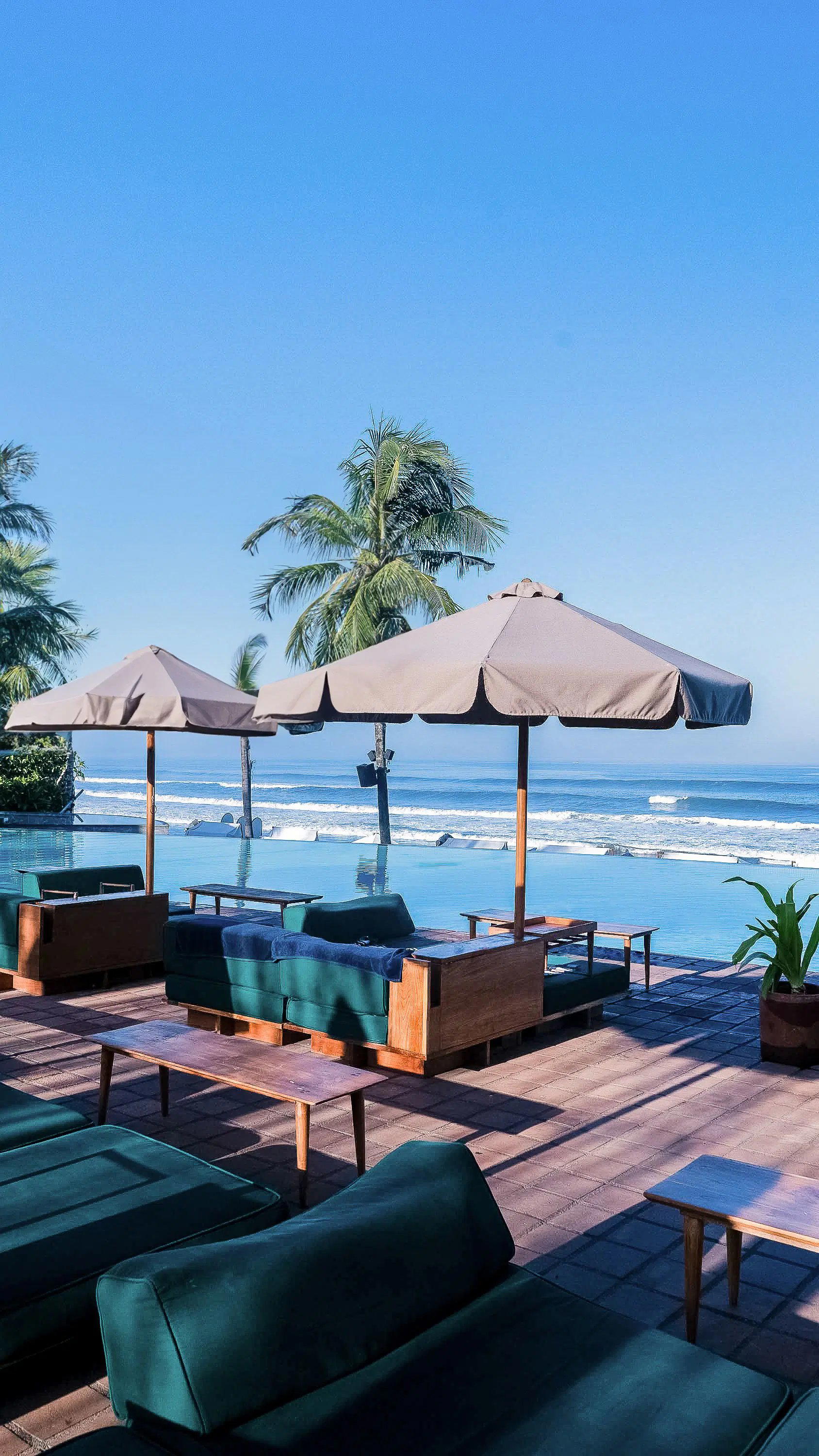
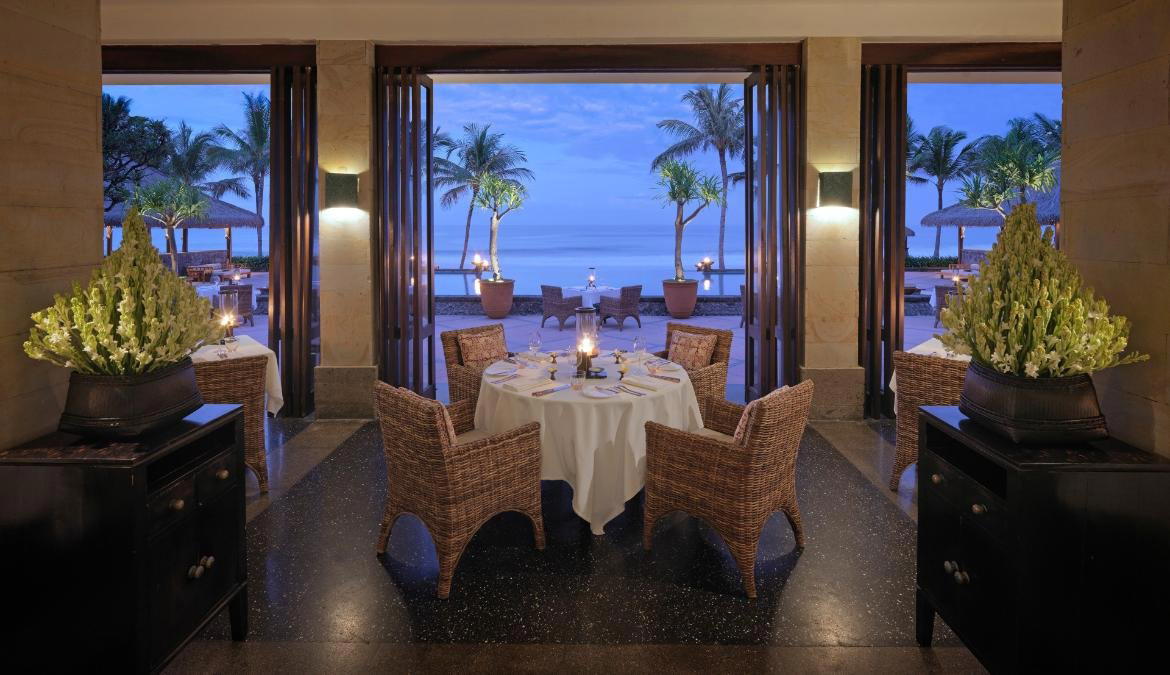
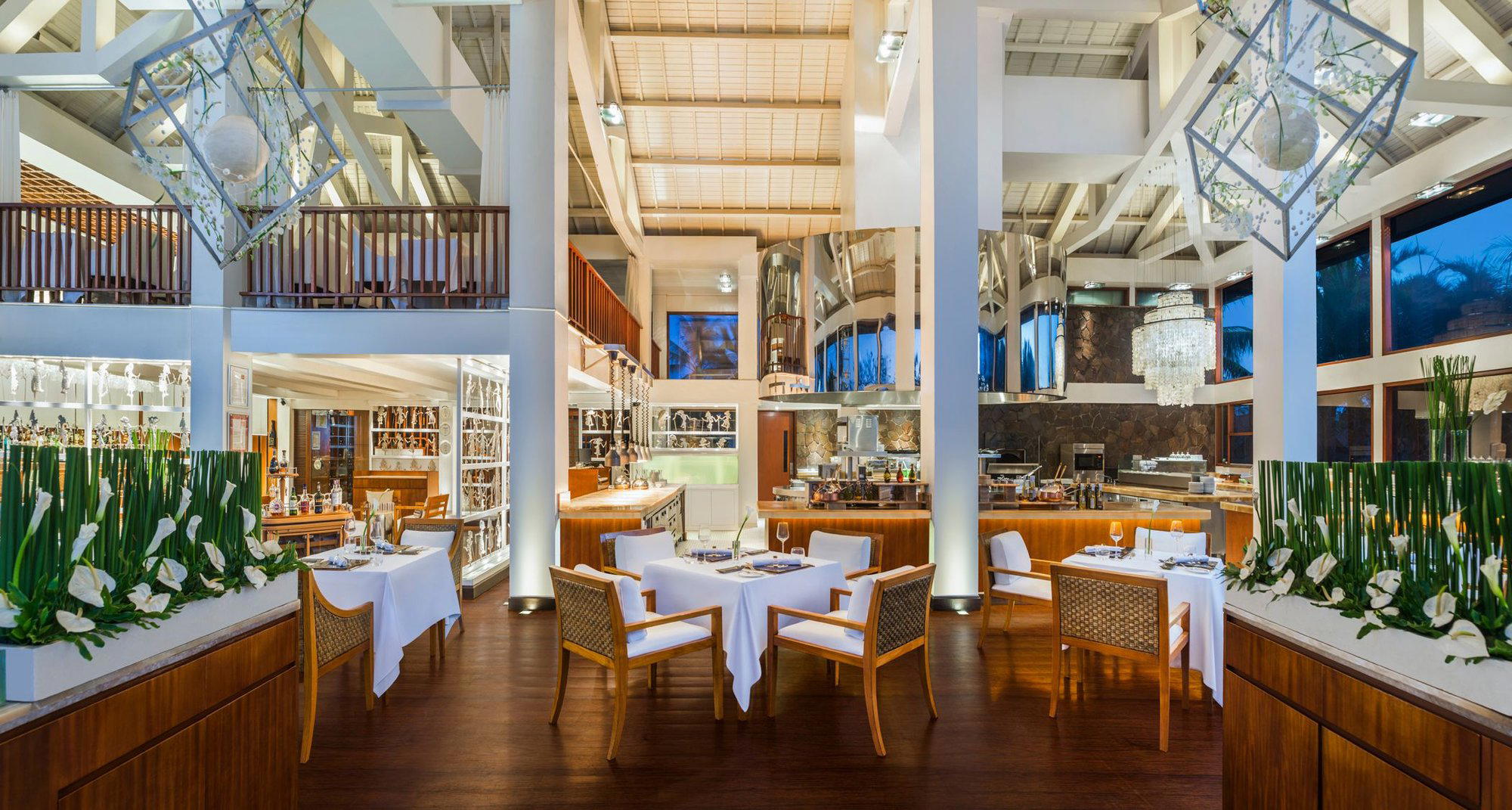
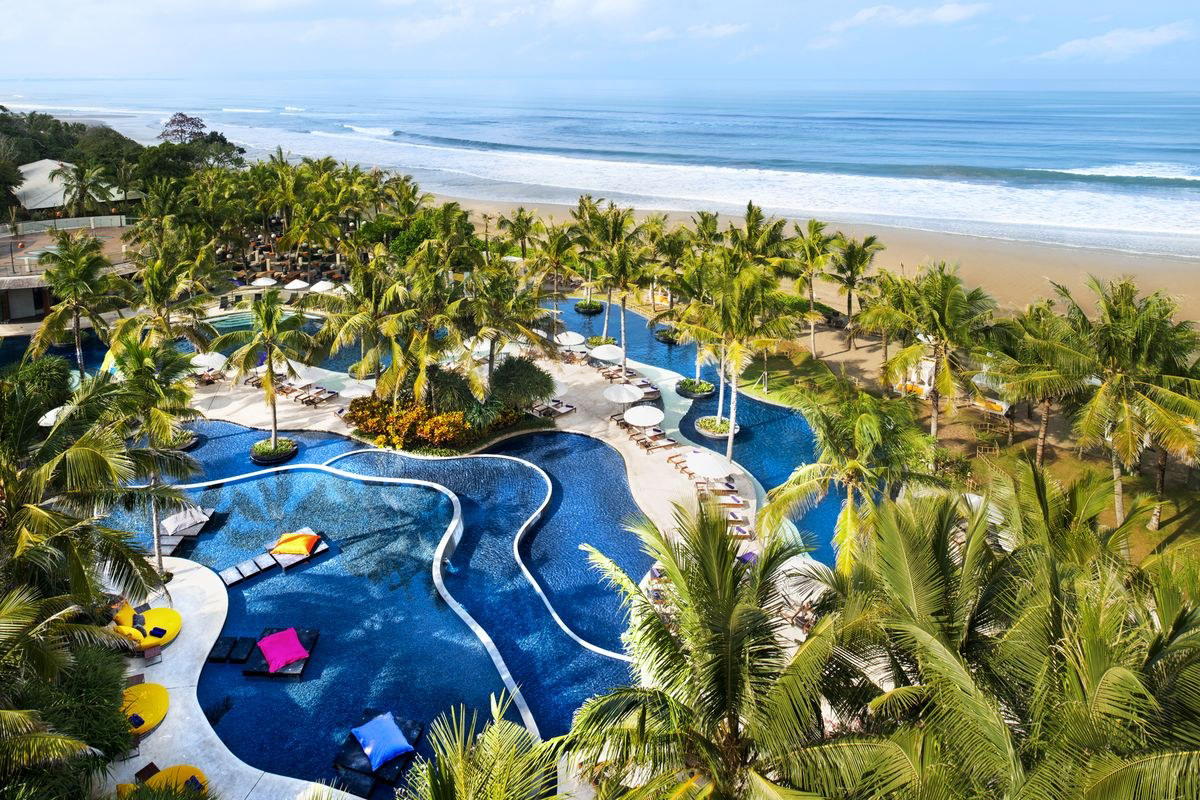
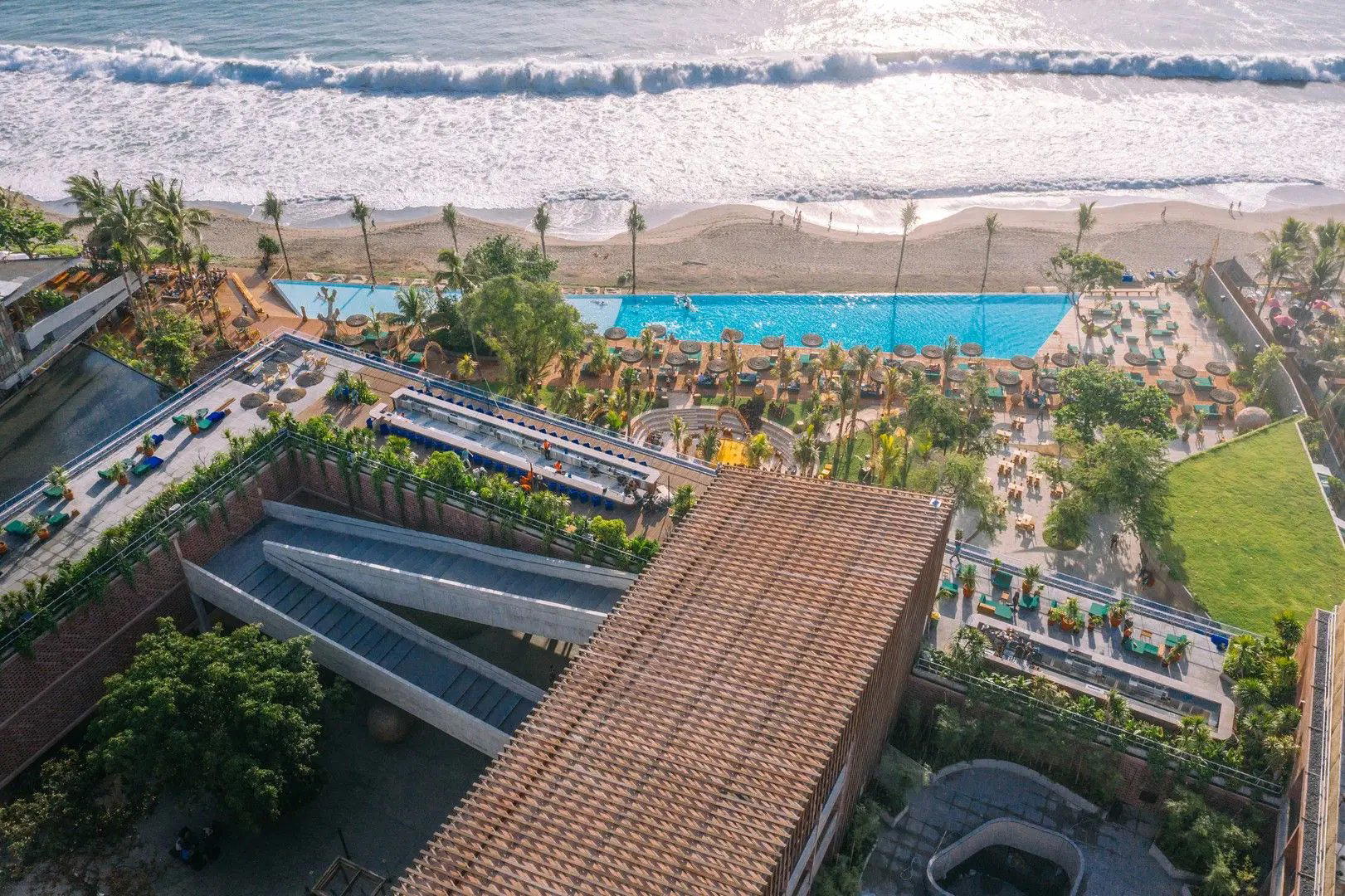
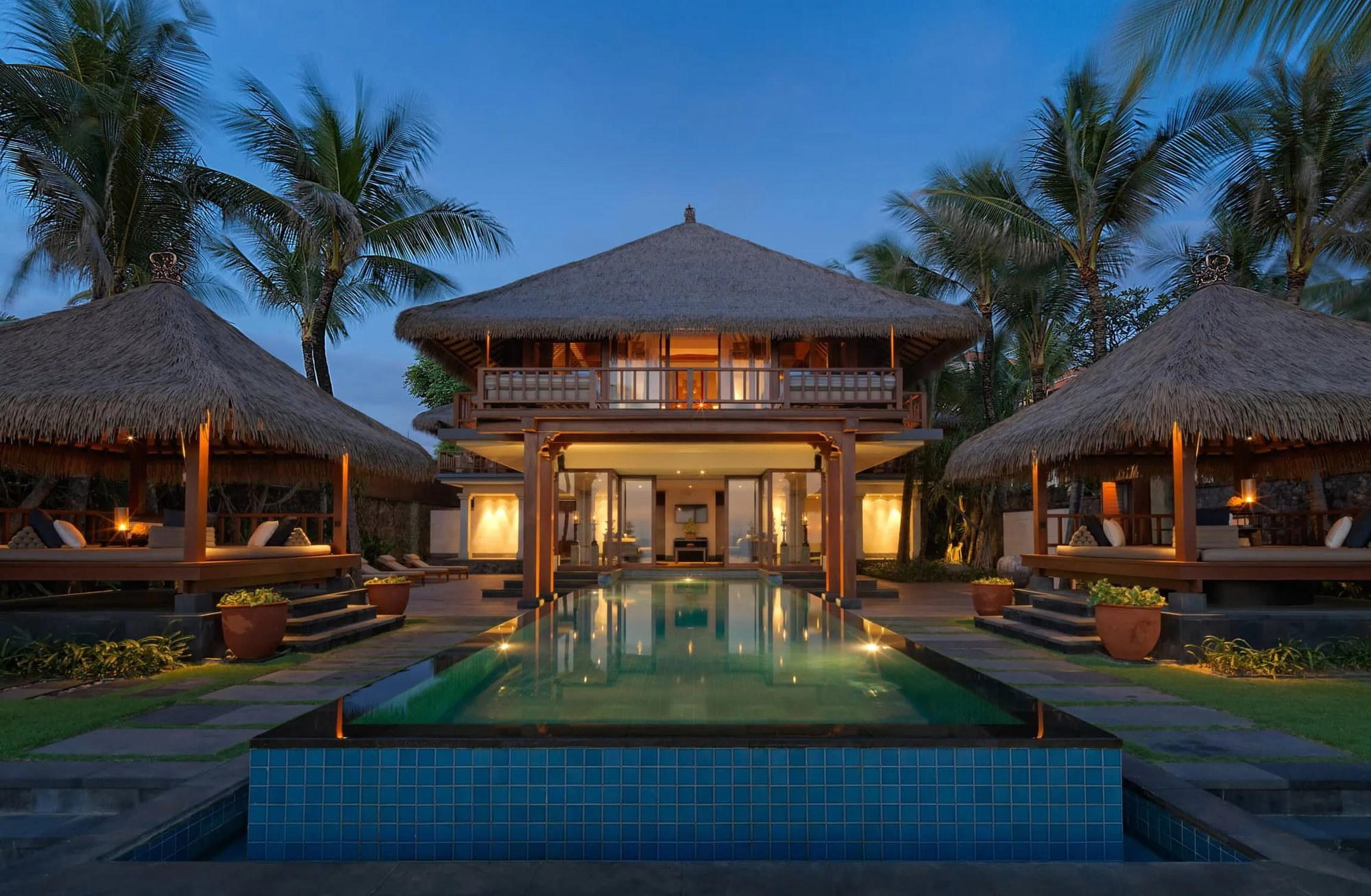
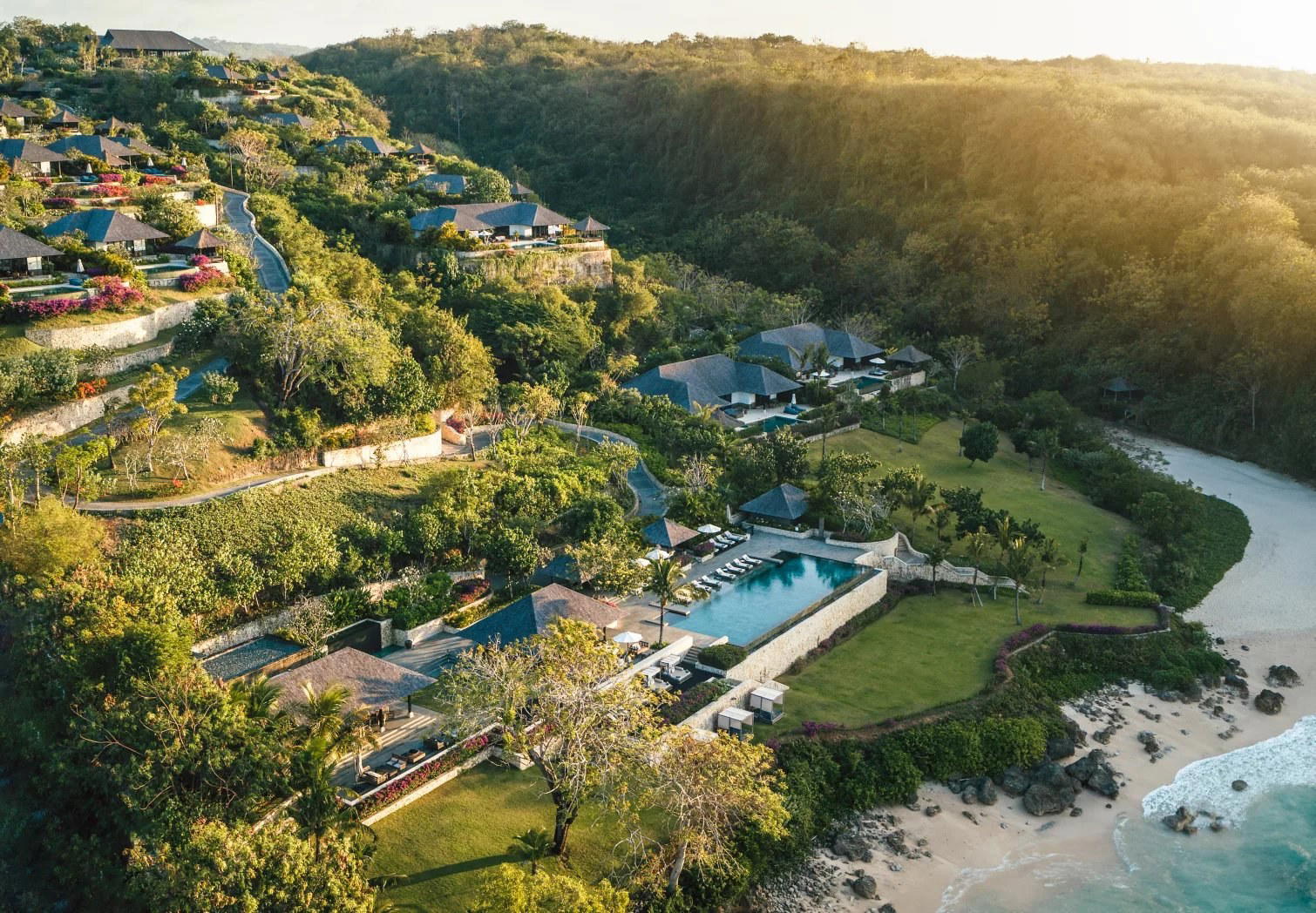
The approach along Petitenget prepares you for scale. The structure is large, deliberately so, and the architecture incorporates repurposed wooden doors sourced from across Java, a design decision that has attracted as much attention as the bar programme itself. The venue opens toward the Indian Ocean, and the relationship between interior space and outdoor terracing defines how people move through it across an evening.
This format, open-air beach club with serious food and drink programming embedded within it, is a distinct category in Southeast Asian hospitality. It differs from the rooftop bar format that dominates Singapore and Bangkok because the horizon is genuinely present rather than implied, and it differs from the intimate cocktail bar format because scale is part of the offering. Most bars operating at this scale show rating attrition as the review base widens. Maintaining 4.6 across that sample size indicates that the operation holds its standards outside of peak conditions.
Comparable venues operating in the beach-club-meets-serious-bar register across the region are rare. Ku de Ta on Seminyak's beachfront represents the closest local peer in terms of format ambition, though the two properties occupy different positions in the competitive set. Internationally, the challenge of serious cocktail programming within a leisure-oriented environment is addressed differently by venues like Bar Leather Apron in Honolulu, which prioritises intimacy and depth over scale, or Kumiko in Chicago, which brings Japanese spirits sensibility to a considered small-format room. The Potato Head approach, integrating programme depth within a high-capacity beach environment, is a less common model and one that requires different operational thinking.
Seminyak's Premium Tier and Where Potato Head Sits
Seminyak has stratified considerably over the past decade. The area now contains everything from casual warung dining to venues with international award recognition, and understanding which tier a venue occupies helps calibrate expectations.
Within walking distance along and around Petitenget, you encounter a cross-section of what the area has built: Métis in Banjar Badung brings a French-Mediterranean dining approach with its own bar culture, while Bikini Restaurant Bali in Badung operates in a lighter, more casual register. The neighbourhood rewards those who treat it as a circuit rather than a destination for a single stop.
For anyone building a drinks itinerary that spans formats and geographies, it is worth understanding how Potato Head's regional recognition compares. Venues like Jewel of the South in New Orleans and Julep in Houston represent programme-led bars in the American context where history and spirits specificity are the editorial frame. What Potato Head demonstrates is that equivalent programme seriousness is compatible with a beach-facing, high-volume format when the infrastructure and intention are present.
Planning Your Visit
The Petitenget address is leading reached by hired driver or scooter from central Seminyak, a short journey that avoids the parking constraints that apply to most of this strip during peak evening hours. Sunset timing draws the largest crowds, and arriving slightly before or after the hour of maximum footfall gives you better access to the bar itself rather than the terrace. Given the volume of guests the venue handles, the cocktail programme operates across multiple bar stations, so positioning matters more here than at a single-counter format. Those interested in the spirits depth of the back bar are better served by direct conversation with bar staff during quieter service windows, typically earlier in the evening before the beach-club momentum takes over.
Peers in This Market
Comparable venues nearby, for context on price, style, and recognition.
| Venue | Cuisine | Price | Awards | Notes |
|---|---|---|---|---|
| Potato Head Beach ClubThis venue (the venue you are viewing) | hotel_bar | $50–100 | World's 50 Best #36 | Not listed |
| KU DE TA | Modern Asian Fusion Beach Club | $50–100 | World's 50 Best #35 | Seminyak |
Recognition history
Dated appearances from independent guides and award organizations, with the underlying list record or original source where available.
World's 50 Best Asia's Best Bars #36
World's 50 Best
Full recognition history (2 entries)
World's 50 Best Asia's Best Bars #43
World's 50 Best
Continue exploring
More in Badung
Bars in Badung
All bars in Badung →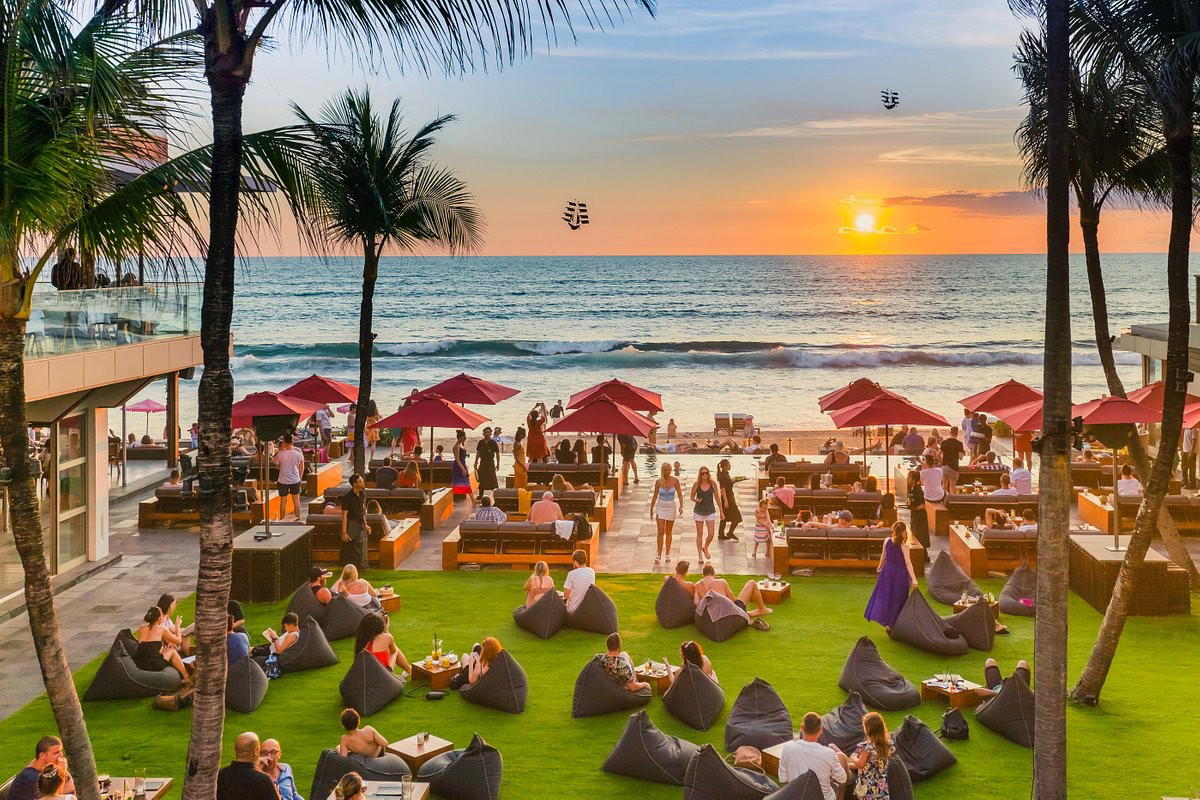
Restaurants in Badung
All restaurants in Badung →
Details
- Lively
- Trendy
- Scenic
- Modern
- Date Night
- Group Outing
- Casual Hangout
- Rooftop
- Live Music
- Waterfront
- Terrace
- Outdoor Terrace
- Lounge Seating
- Craft Cocktails
- Waterfront
Current opening hours
- Monday
- 10 AM–12 AM
- Tuesday
- 10 AM–12 AM
- Wednesday
- 10 AM–12 AM
- Thursday
- 10 AM–12 AM
- Friday
- 10 AM–2 AM
- Saturday
- 10 AM–2 AM
- Sunday
- 10 AM–12 AM
Hours can change for holidays and private events. Hours as of .
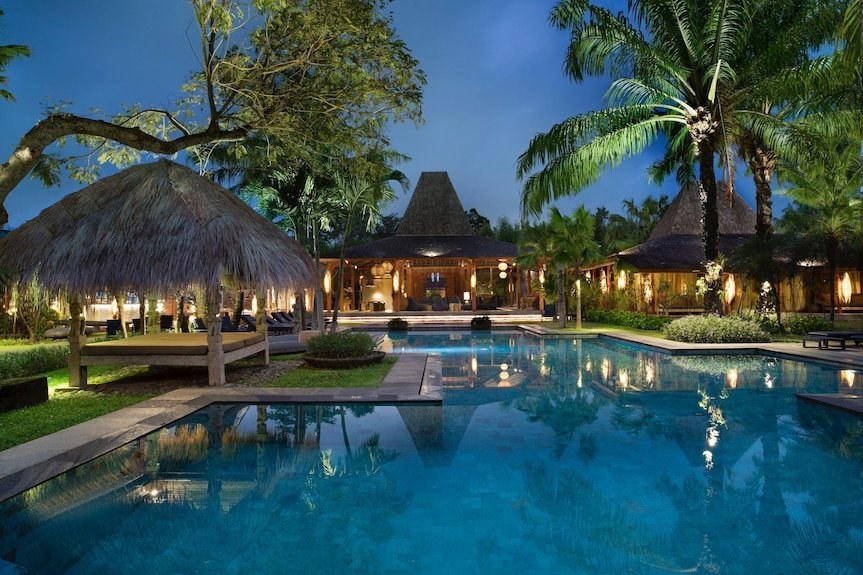
Laid-back luxurious vibe with chill music, ocean sounds, and atmospheric lighting around the infinity pool.