
Michelin Selected
Kyo no Ondokoro Nishijin Bettei #5 is a Michelin Selected property in Kyoto's Nishijin weaving district, placing it among a small tier of design-led accommodations that trade on neighbourhood authenticity rather than central-district convenience. Kamigyo-ku's quiet residential streets give the stay a different register than the temple-circuit hotels to the east, closer to local rhythm than tourist infrastructure.

Pearl is the En Primeur Club membership app — saves, bookings, and concierge access live there. Same editors, same standards.
- Address
- Japan, 〒602-8462 Kyoto, Kamigyo Ward, Tatekameyacho, 265-1
- Phone
- +81 75-241-1188
- Website
- kyo-ondokoro.kyoto
- Directions
- Get directions
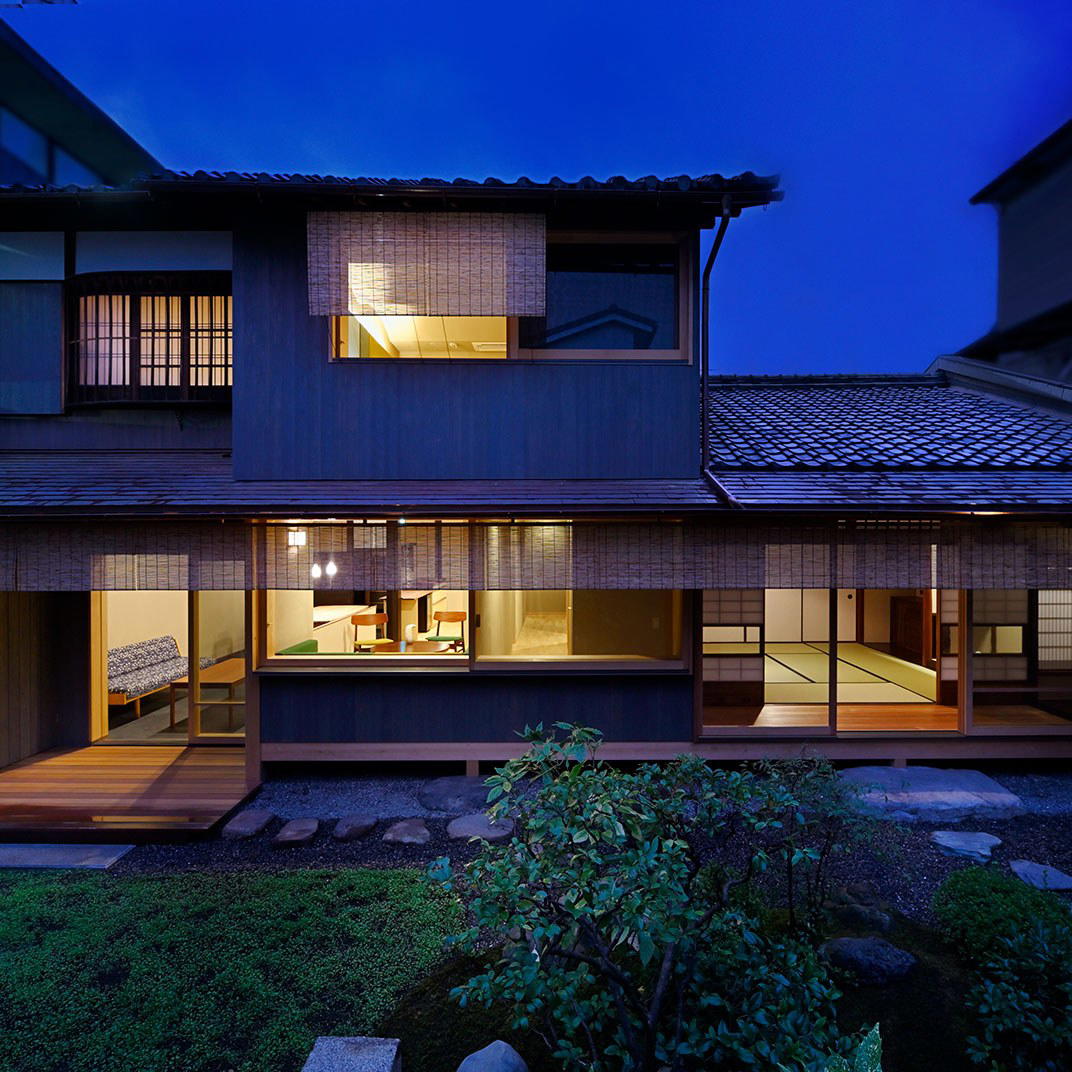
Staying in Nishijin: What the Address Actually Means
Kyoto's accommodation market has split clearly over the past decade. On one side sit the large international properties clustered around Kawaramachi, Gion, and the station corridor. On the other, a quieter cohort of small-format stays has taken root in residential wards, where the city's working texture remains largely intact. Nishijin belongs firmly to the second category. Once the centre of Japan's silk-weaving industry, the district occupies the northwestern quadrant of central Kyoto, in Kamigyo-ku, well north of the tourist-dense Higashiyama corridor. The sound here is different: narrower streets, fewer tour groups, the occasional clatter of a Nishijin-ori loom through a workshop wall.
Kyo no Ondokoro Nishijin Bettei #5, addressed at 265-1 Tatekameyacho, sits inside this context. The property holds Michelin Selected status on the 2025 Michelin Hotels list, placing it in a recognised tier of smaller, character-driven stays that the guide distinguishes from its starred restaurant counterparts on the basis of comfort, design, and an identifiable sense of place. Selection here is not a restaurant star; it signals that the property met editorial criteria for quality and personality across the guide's hotel evaluation framework.
The Nishijin District and What It Adds to a Stay
The neighbourhood argument for Nishijin is direct for a certain kind of traveller. The Nishiki textile tradition dates to the Heian period, and while industrial weaving has contracted dramatically, the district still holds family workshops, small dye houses, and the Nishijin Textile Center, which functions as both museum and demonstration space. A morning walk here covers a different Kyoto than the one documented in most travel photography: machiya townhouses in varying states of renovation, shotengai shopping streets operating at local rather than tourist pace, and proximity to Kitano Tenmangu shrine, which hosts a monthly antiques market on the 25th.
For the category of small inn or machiya-conversion stay, location in a residential ward like this one creates a different baseline experience than equivalent properties in Gion or Higashiyama. The trade-off is distance from the eastern temple circuit; the return is a neighbourhood that has not been curated for visitors. Travellers who have already done Kyoto's standard itinerary often find the northwestern wards more interesting on a return trip precisely because they require more engagement. Kinkaku-ji is walkable or a short bus ride north. Nijo Castle sits to the south. The address is functional without being central.
Where This Property Sits in the Kyoto Accommodation Tier
Kyoto's premium accommodation market now includes a wide range of formats. At the top of the price and recognition scale sit properties like Aman Kyoto and Hoshinoya Kyoto, both operating at rates that position them against the international luxury tier and offering a level of service infrastructure that comes with large staffing ratios. Below that, the market includes design-led machiya conversions, smaller boutique properties, and the Michelin Selected tier, where Nishijin Bettei #5 operates. This is not the same competitive set as a full-service hotel. The Michelin Selected designation covers properties evaluated on different terms: character, craft, and a coherent sense of place tend to matter more than breadth of amenity.
Comparable properties in the Kyoto orbit include Higashiyama Shikikaboku, which occupies a different neighbourhood with stronger proximity to eastern Kyoto's temple corridor, and Hotel Kanra Kyoto, which takes a more hotel-conventional approach. The Kyo no Ondokoro brand itself operates multiple bettei properties across Kyoto, each positioned as a discrete unit within a specific neighbourhood, which differentiates the model from a standard ryokan or boutique hotel operating a single property. The numbering system (#5) reflects a distributed, house-by-house approach to accommodation that has precedent in the machiya-conversion sector.
For those comparing across Japan's broader small-inn market, useful reference points include Nishimuraya Honkan in Kinosaki-cho, a traditional ryokan operating at a different scale and in an onsen town context, and Zaborin in Kutchan, which represents the design-forward end of the small Japanese inn format in a mountain setting. Gora Kadan in Hakone and Asaba in Izu represent the classical ryokan tradition at higher price points. Within Kyoto itself, Four Seasons Hotel Kyoto and HOTEL THE MITSUI KYOTO occupy the full-service luxury end of the market.
Practical Orientation for Staying Here
The Tatekameyacho address in Kamigyo-ku places the property in the northern part of central Kyoto, within reasonable distance of Karasuma subway line stations. The Nishijin area is served by bus routes connecting to central Kyoto and the main temple circuits, which is the standard transport mode for this part of the city. Kyoto's bus network is extensive but can be slow during peak tourist periods, particularly in cherry blossom season (late March to mid-April) and autumn foliage season (mid-November). Outside those windows, the city moves considerably more freely and the residential neighbourhood character of Nishijin is easier to appreciate without crowds. Booking well in advance is advisable for either peak period regardless of property type.
Precise details on rates, room configuration, and direct booking channels were not available at the time of writing. The Michelin Hotels guide listing provides a starting reference point for verification. For broader context on Kyoto's accommodation and dining options, the EP Club Kyoto Prefecture guide covers the full range of properties across price tiers and neighbourhoods. Those comparing against other Kyoto options should also consider eph KYOTO, GRANBELL HOTEL KYOTO, and Candeo Hotels Kyoto Karasuma Rokkaku across different format and price points.
Nearby-ish Comparables
| Venue | Price | Awards |
|---|---|---|
| Kyo no Ondokoro Nishijin Bettei #5This venue — the venue you are viewing | $500–750 | Michelin Selected |
| Nazuna Kyoto Gosho | $300–500 | Michelin Selected |
| Nohga Hotel Kiyomizu Kyoto | Not listed | Michelin Selected |
| Yoshida Sanso | $1,000–1,500 | Michelin Selected |
| KIKOKUTEI Bekkan | $300–500 | Michelin Selected |
| Maana Kiyomizu | $300–500 | Michelin Selected |
Recognition history
Dated appearances from independent guides and award organizations, with the underlying list record or original source where available.
Michelin Selected
Michelin
Continue exploring
More in Kyoto
Hotels in Kyoto
Browse all →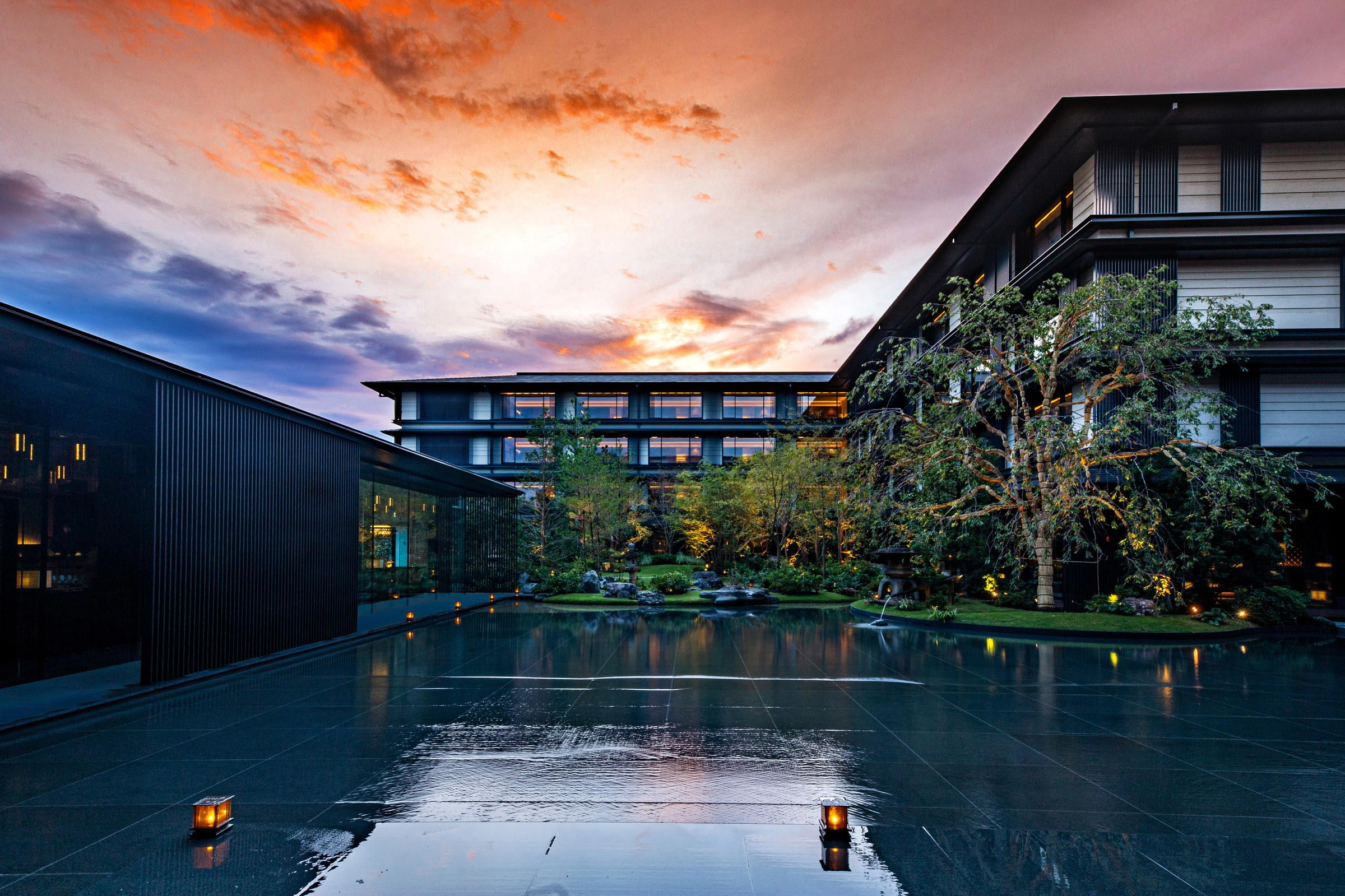
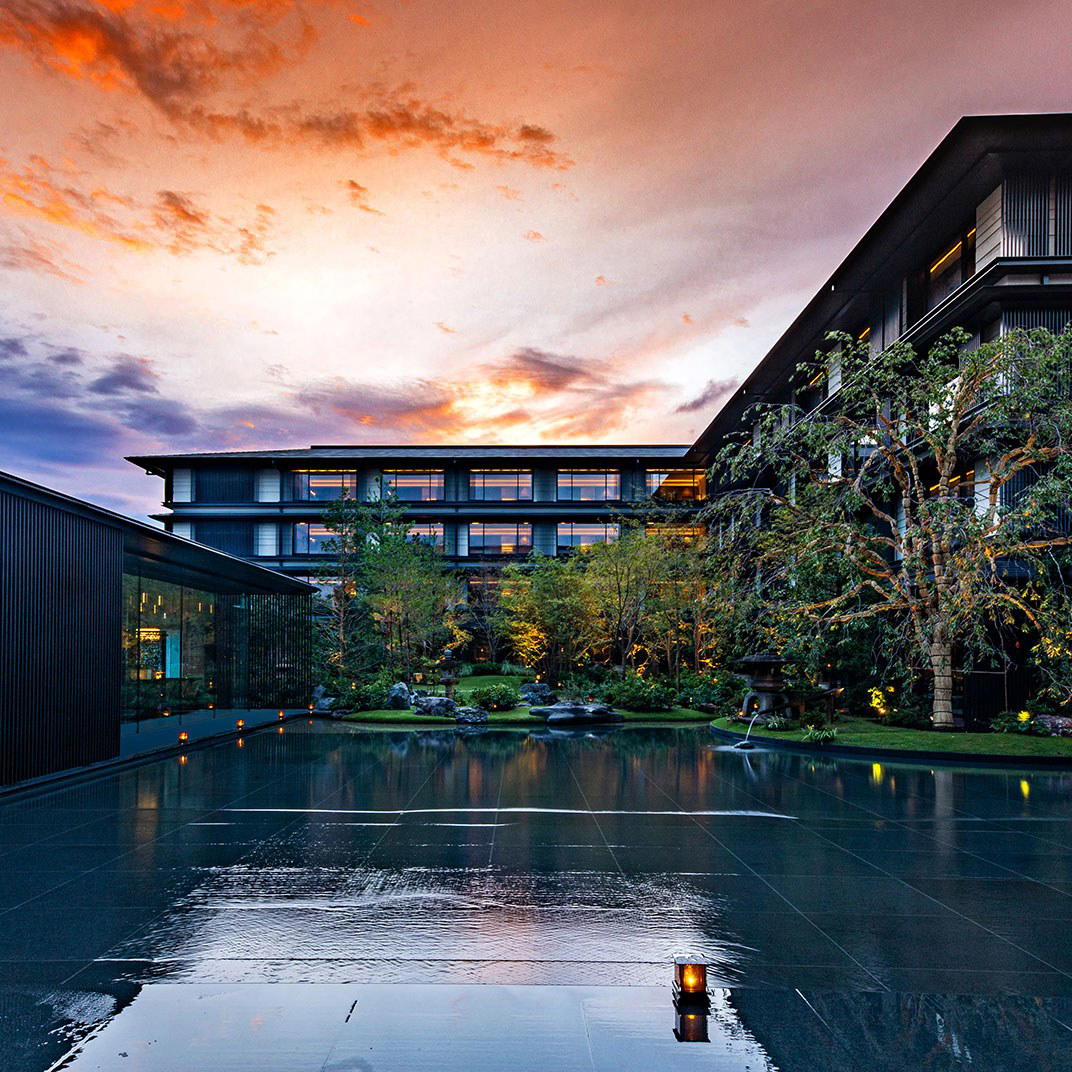
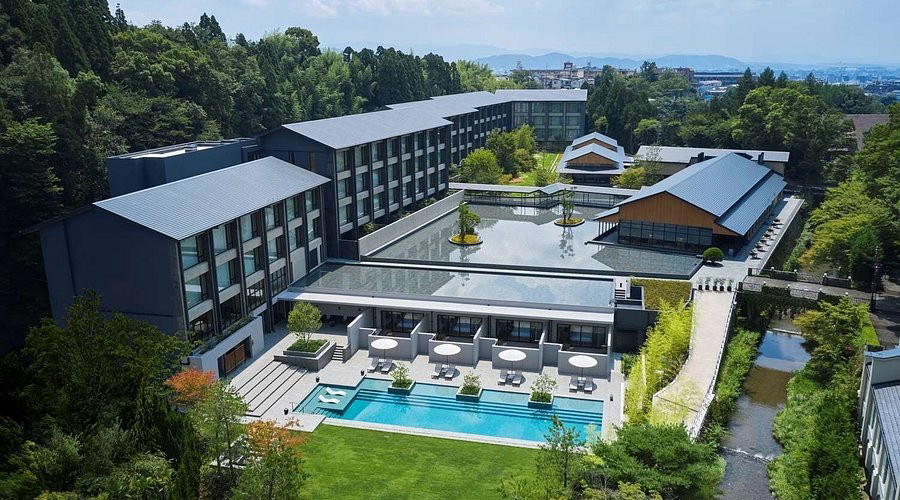
Bars in Kyoto
Browse all →
Restaurants in Kyoto
Browse all →
Wineries in Kyoto
Browse all →
Details
- Quiet
- Elegant
- Classic
- Cozy
- Group Retreat
- Weekend Escape
- Family Vacation
- Private Villa
- Historic Building
- Garden
- Terrace
- Wi Fi
- Parking
- Air Conditioning
- Garden
- Street Scene
A spacious, elegant machiya atmosphere that blends historical craftsmanship with modern comfort, featuring preserved timber and refined textile art, a central courtyard, and a calm, residential feel.