KAI Miyajima belongs to Hiroshima’s quieter side of hospitality: a stay shaped less by urban spectacle than by island approach, water, shrine culture, and the measured grammar of Japanese innkeeping.
 Request Booking on Pearl
Pearl is the En Primeur Club membership app — saves, bookings, and concierge access live there. Same editors, same standards.
Arrival by water changes the register
The approach to Miyajima alters the pace before a room key is involved. Hiroshima’s city grid gives way to ferry movement, salt air, wooded slopes, and the visual discipline of an island whose cultural identity is inseparable from Itsukushima Shrine and the Seto Inland Sea. In this setting, hospitality is judged less by lobby theatre than by how quietly a property handles transition: from mainland transport to island arrival, from sightseeing traffic to evening calm, from public shrine routes to private rest. KAI Miyajima sits inside that slower frame, which makes design and atmosphere the central questions rather than amenity count alone.
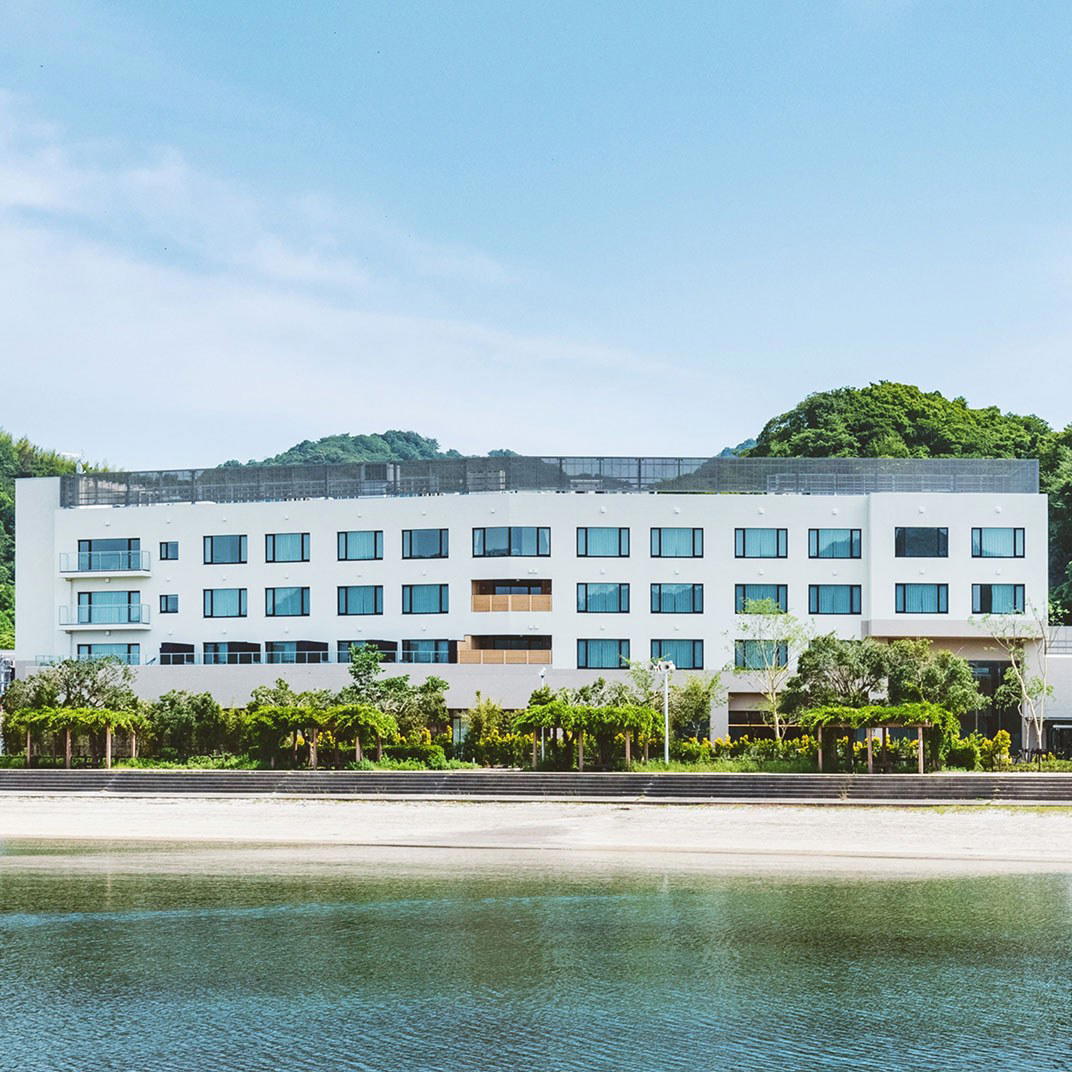
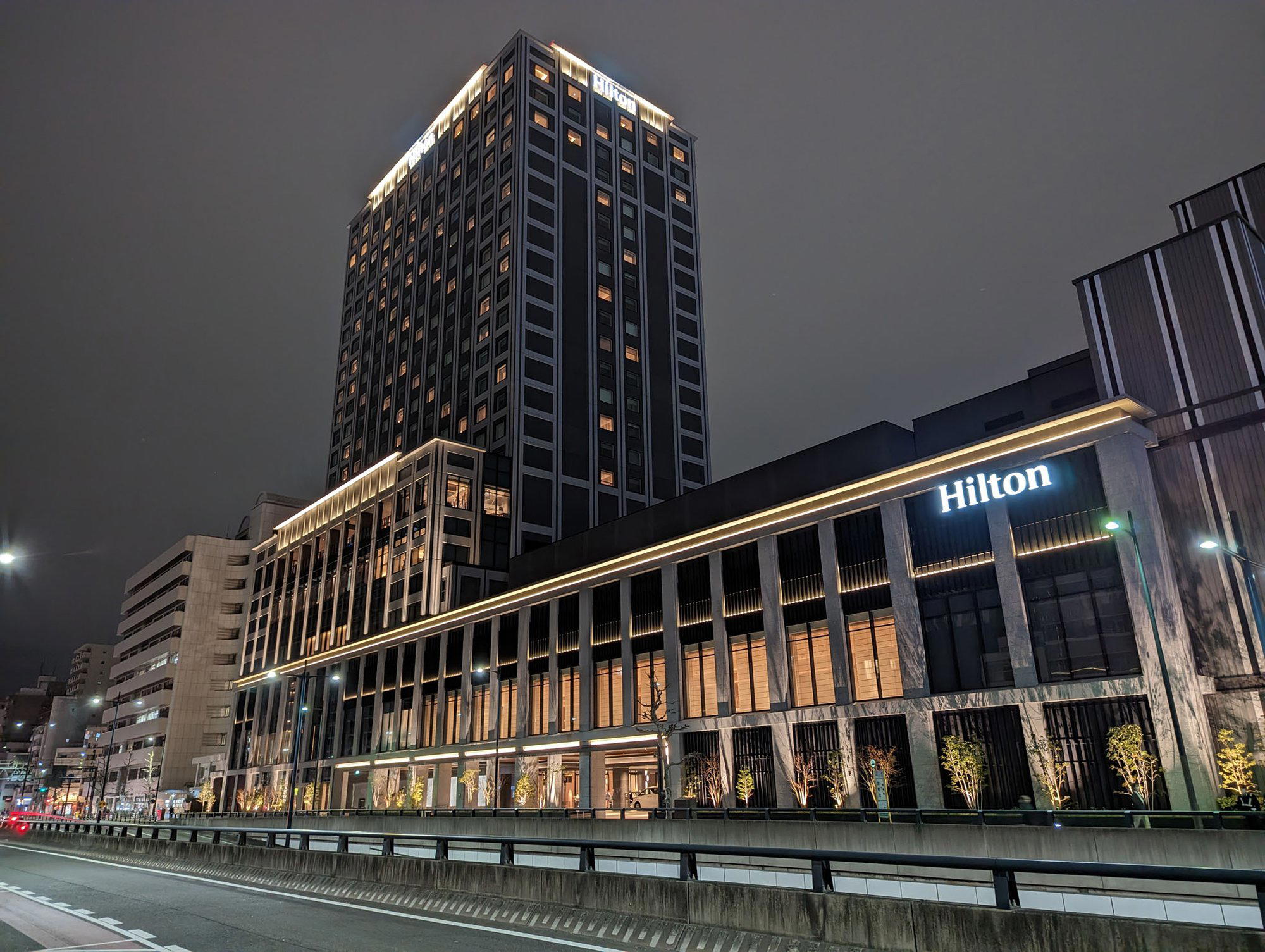
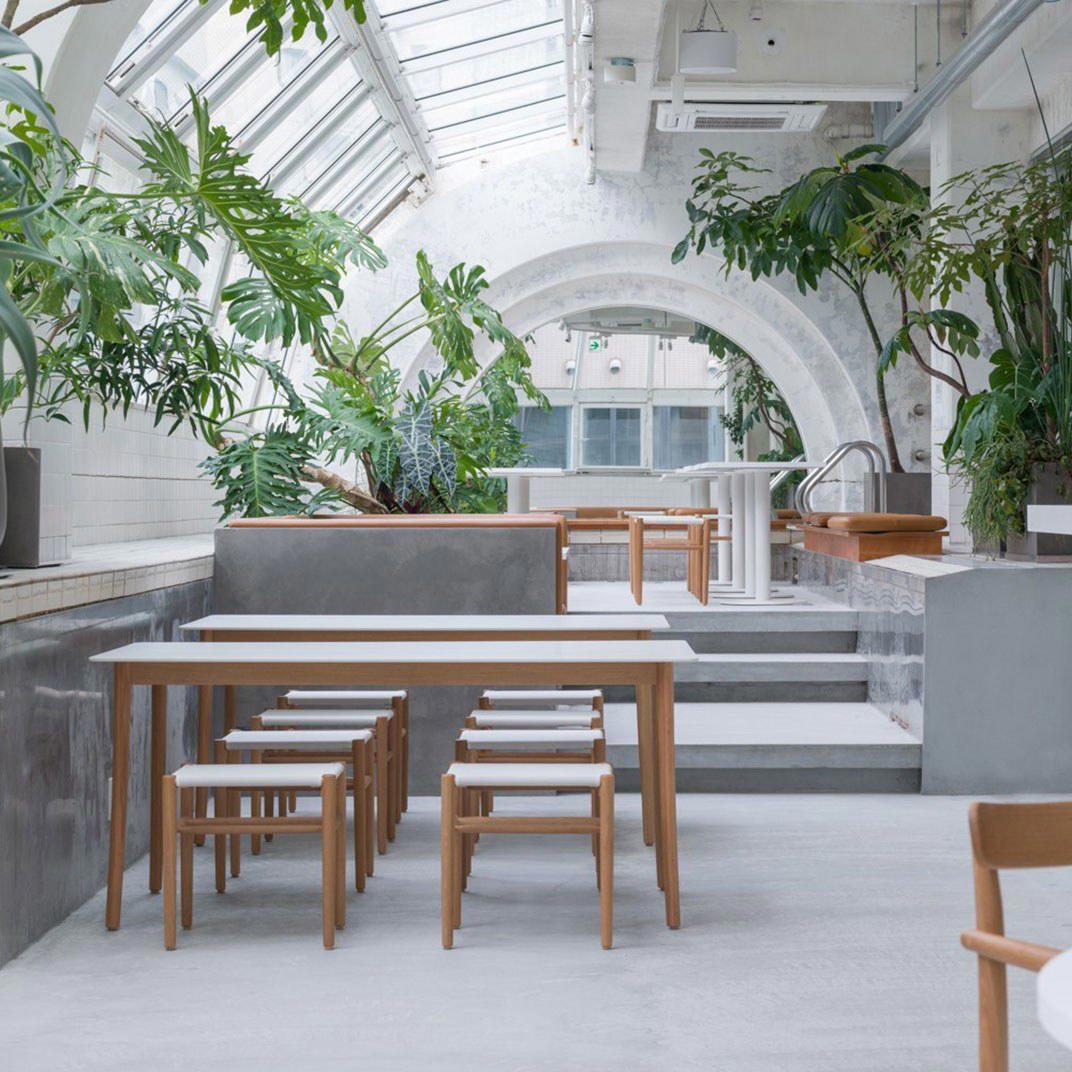
That distinction matters in Hiroshima, where the hotel scene divides into three readable categories. There are city-based properties built around access, meeting space, and urban convenience, such as Hilton Hiroshima. There are more design-led urban stays that interpret the city through smaller formats, including KIRO Hiroshima by THE SHARE HOTELS. Then there is the coastal and island tier, where water, bath culture, and landscape rhythm carry more weight; Etajimasou Hotel & SPA Hiroshima is a useful local comparison on that side of the map. Miyajima belongs to the last conversation, but with an additional layer: the island’s sacred-site gravity changes what luxury can credibly look like.
Design is the story, not decoration
Japanese resort design often becomes lazy shorthand abroad: tatami, timber, lanterns, and a vague promise of calm. On Miyajima, that approach would read thin. The island demands a more disciplined spatial language because visitors arrive with strong visual references already in mind: vermilion shrine architecture, tidal flats, forested hills, stone paths, deer moving through public space, and the constant modulation of light over the Inland Sea. A property here has to work with restraint. Too much visual performance competes with the place; too little character reduces the stay to generic ryokan pastiche.
The stronger architectural argument for KAI Miyajima is therefore contextual rather than decorative. The appeal lies in how an island stay can compress several Japanese traditions into one sequence: arrival by boat, shoes-off domestic scale, bathing culture, kaiseki-adjacent seasonal dining, and rooms oriented around pause rather than throughput. What can be said with confidence is that the property sits in a destination where physical setting is not a backdrop. It is the operating logic.
This puts it in a different comparable set from Japan’s metropolitan luxury hotels. Bvlgari Hotel Tokyo in Tokyo represents the capital’s international, high-design hotel language, while HOTEL THE MITSUI KYOTO in Kyoto draws on urban heritage and garden composition. Island ryokan design has a narrower margin for error. The building must not only shelter the guest; it has to slow the guest down enough for tides, shrine hours, and the mountain silhouette to register.
Miyajima rewards low-volume hospitality
Hiroshima’s hotel demand is often discussed through peace tourism, conference travel, and city access, but Miyajima follows a different clock. Day visitors dominate the island during daylight hours, particularly around shrine routes and ferry windows. After the last heavy wave of visitors returns to the mainland, the island becomes a more intimate destination. That evening shift is the reason staying on Miyajima rather than commuting from Hiroshima city changes the trip. The value is temporal: access to quieter hours, softer light, and a less crowded relationship with the shrine precinct and waterfront.
Within that pattern, KAI Miyajima reads as a stay for travellers who want the island after the tour buses thin out, not for those treating Hiroshima as a single-night logistics stop. The record does not list a booking method, phone number, website, or hours, so planning should be handled with caution rather than assumption. The practical point is still clear: this is not a venue to approach like a casual restaurant or a walk-up attraction. Miyajima accommodation rewards advance organisation because ferry timing, luggage movement, meal schedules, and shrine-area crowds all shape the experience.
That low-volume sensibility connects the property to Japan’s stronger ryokan addresses, though each destination frames it differently. Gora Kadan in Hakone sits inside a hot-spring resort tradition close to Tokyo. Asaba in Izu is tied to onsen culture and classical innkeeping. Kamenoi Besso in Yufu belongs to Kyushu’s slower spa-town rhythm. Miyajima’s version is shrine-adjacent and maritime, which gives the stay a different emotional temperature.
Food, ceremony, and the Hiroshima table
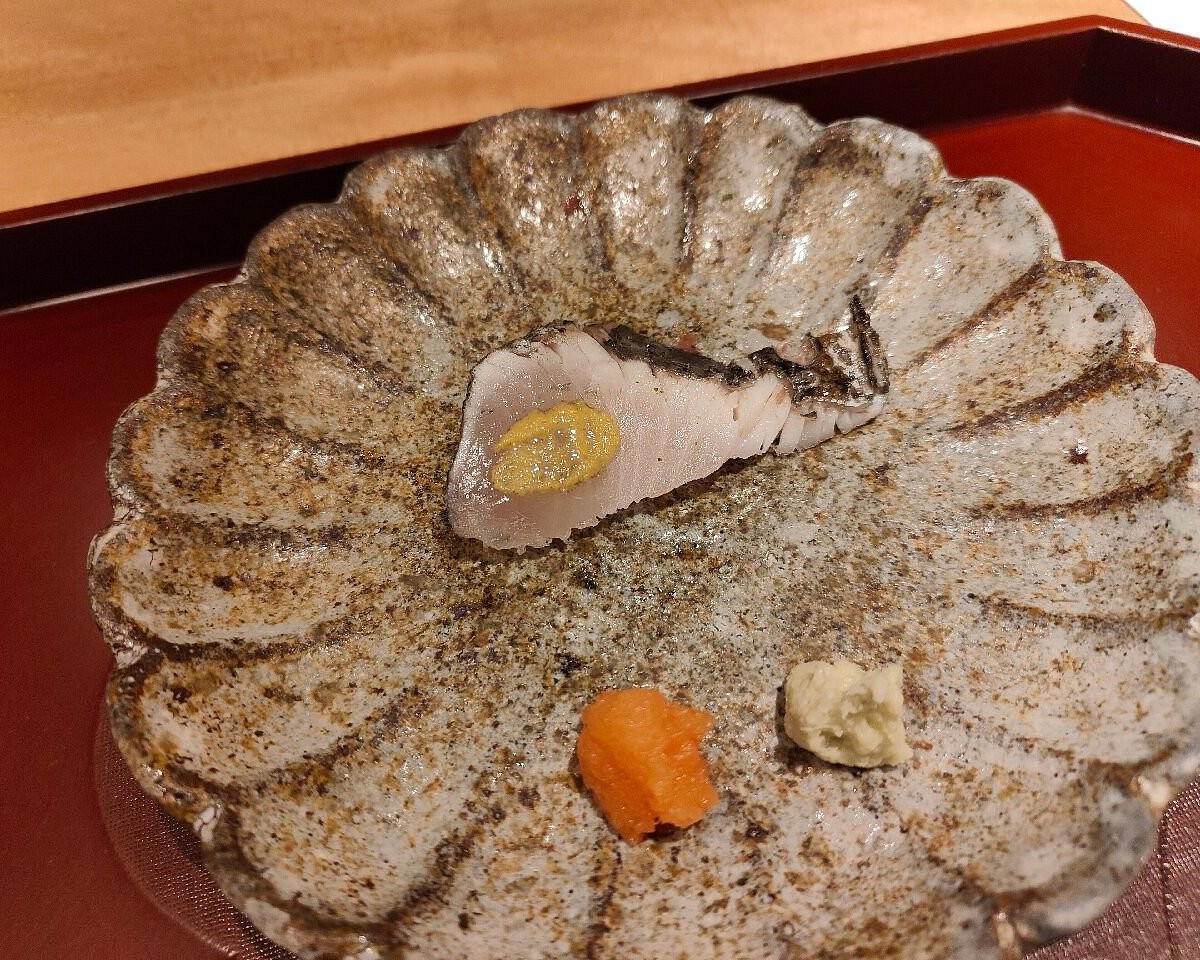
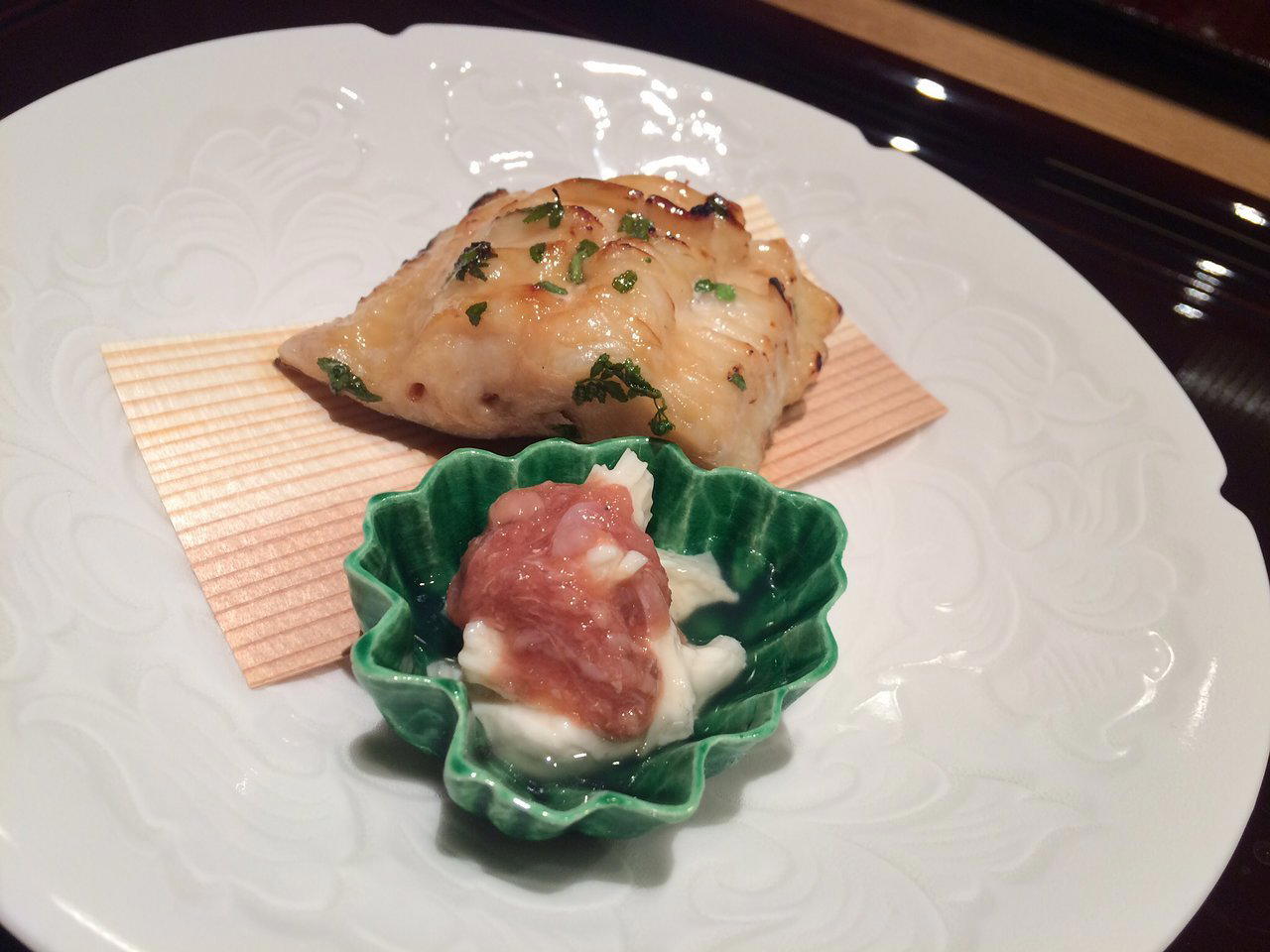
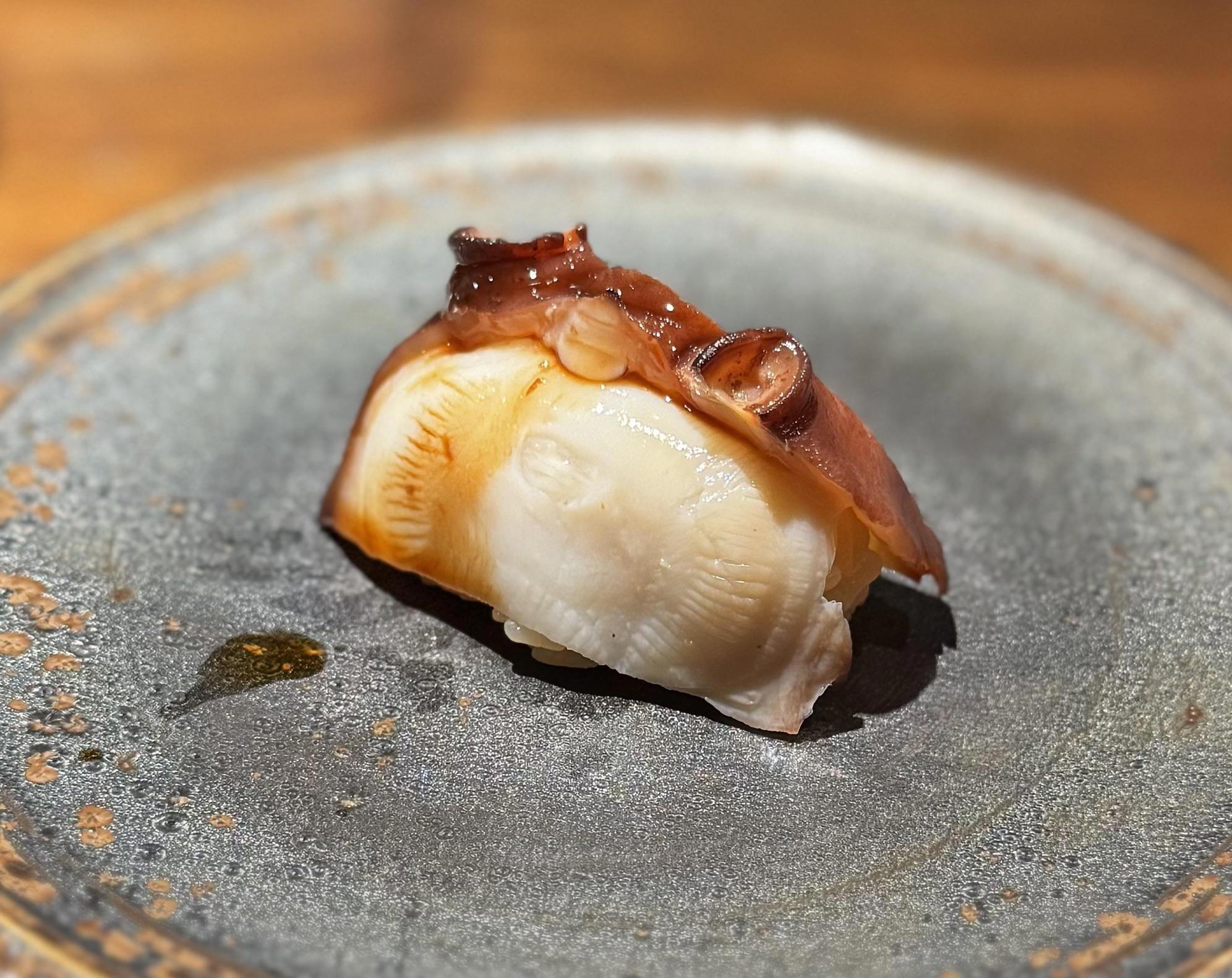
That absence matters, because inventing menu detail would mislead the reader. The editorial context, however, is useful. Hiroshima’s food identity is shaped by oysters from the Seto Inland Sea, okonomiyaki culture in the city, citrus and seafood across the wider region, and a dining style that often moves between informal counters and polished ryokan meals. On Miyajima, food is also tied to guest scheduling. Island stays usually compress dinner, bathing, and evening walks into a tighter rhythm than urban hotels.
Dining is part of the architecture of time. A ryokan meal is not only a sequence of plates; it structures the evening. The guest returns from shrine paths, changes pace, eats according to house timing, and then moves toward bathing or rest. KAI Miyajima should be assessed within that Japanese inn tradition rather than against Hiroshima city restaurants. For readers building a broader itinerary, the city’s dining options belong in Our full Hiroshima restaurants guide, while island accommodation should be judged by how well it supports a slower, more place-bound evening.
This is also where comparisons to destination resorts elsewhere in Japan become useful. Amanemu in Mie frames coastal luxury through space, wellness, and resort architecture. Zaborin in Kutchan shifts the conversation toward snow country, privacy, and thermal bathing. Fufu Nikko in Nikko operates near another range of shrine culture. Miyajima’s dining and design expectations should sit between those reference points: regional, quiet, and inseparable from the site.
How it fits a Hiroshima itinerary
A strong Hiroshima trip should not treat every night the same way. The city centre is practical for museums, restaurants, bars, rail access, and late returns. Miyajima asks for a different allocation of time, ideally when the traveller can arrive without rushing and leave space for evening and morning atmosphere. The planning logic is simple: use the city for density, then use the island for deceleration. That is where KAI Miyajima has its clearest role.
Travellers comparing categories should separate needs before comparing properties. If the priority is an urban base, consult Our full Hiroshima hotels guide. If the trip is built around drinking rooms and late-night movement, Our full Hiroshima bars guide will be more relevant for the city portion. Regional drink and producer research belongs in Our full Hiroshima wineries guide, while cultural formats, island time, and guided activities are better matched to Our full Hiroshima experiences guide. The point is not to force Miyajima into every itinerary. It works when the traveller gives it enough time to feel different from Hiroshima city.
Japan has several properties where the destination’s identity does much of the heavy lifting. Sekitei in Hatsukaichi-shi offers a nearby reference for ryokan-minded travellers in the wider area. Benesse House in Naoshima shows how art, architecture, and island geography can become a single hospitality argument. Nishimuraya Honkan in Kinosaki-cho belongs to a classic hot-spring town, while Jusandi in Ishigaki and Halekulani Okinawa in Okinawa speak to Japan’s southern resort register. These comparisons sharpen the decision: Miyajima is not beach resort, ski retreat, or art-island hotel. It is a sacred-island stay shaped by ferry arrival, shrine proximity, and restraint.
Who should choose this style of stay
The right guest is not chasing lobby spectacle or a checklist of branded facilities. The stronger fit is a traveller who values sequence: arrive, slow down, eat on a schedule, bathe, sleep near the water, wake before the day-trip rush gathers force. That rhythm is common to good ryokan travel, but Miyajima adds the pressure of a famous cultural site. The stay succeeds when the building, service tempo, and meal structure do not compete with that setting.
For travellers who prefer contemporary destination hotels, other Japanese references may be more aligned. Fufu Kawaguchiko in Fujikawaguchiko is shaped by Mount Fuji tourism and private-view expectations. Urban-luxury collectors may look first to Tokyo and Kyoto rather than Hiroshima. International comparisons also clarify the genre: The Fifth Avenue Hotel in New York City belongs to maximal city design, Hôtel de Paris Monte-Carlo in Monte Carlo to grand European palace hospitality, and Badrutt's Palace Hotel in St. Moritz to Alpine social history. Miyajima requires a quieter reader of luxury.
The trust signal here is contextual rather than award-led. Instead, confidence comes from the destination itself: Miyajima is one of Japan’s established cultural travel settings, and Hiroshima’s hospitality map clearly separates city access from coastal and island stays. The hotel belongs to the latter category, where atmosphere, design restraint, and timing outweigh sheer scale.
Planning notes
Treat the stay as accommodation-led rather than walk-in-led, and confirm current access, meal arrangements, arrival timing, and luggage handling through verified booking channels before travel. Miyajima involves ferry movement from the mainland, and that logistical layer makes same-day improvisation less reliable than it would be in central Hiroshima. The more sensible approach is to place the island night deliberately within a wider itinerary, not as an afterthought after a full city day.
In Context
Comparable venues nearby, for context on price, style, and recognition.
| Venue | Price | Awards | Notes |
|---|---|---|---|
| KAI MiyajimaThis venue — the venue you are viewing | $$$$ | Not listed | Not listed |
| Etajimasou Hotel & SPA Hiroshima | $$$ | Not listed | Etajima, Modern ryokan-style with ocean views and natural integration |
| KIRO Hiroshima by THE SHARE HOTELS | $$ | 3-Star | Naka, Modern boutique in repurposed hospital building |
| Hilton Hiroshima | $$$ | 4-Star | Naka, Contemporary urban hotel with skyline views |
| Kiya Ryokan | $$$$ | Not listed | Honmachi Oute, Restored historic hatago-style ryokan with modern updates |
| Awai Togakushi | $$$$ | Not listed | Togakushi, Decentralized auberge in restored historic buildings |
At a Glance
- Scenic
- Elegant
- Modern
- Quiet
- Romantic
- Sophisticated
- Romantic Getaway
- Honeymoon
- Weekend Escape
- Wellness Retreat
- Anniversary
- Family Vacation
- Waterfront
- Panoramic View
- Destination Spa
- Historic Building
- Wi Fi
- Pool
- Spa
- Business Center
- Waterfront
- Mountain
- Wi Fi
- Pool
- Spa
- Business Center
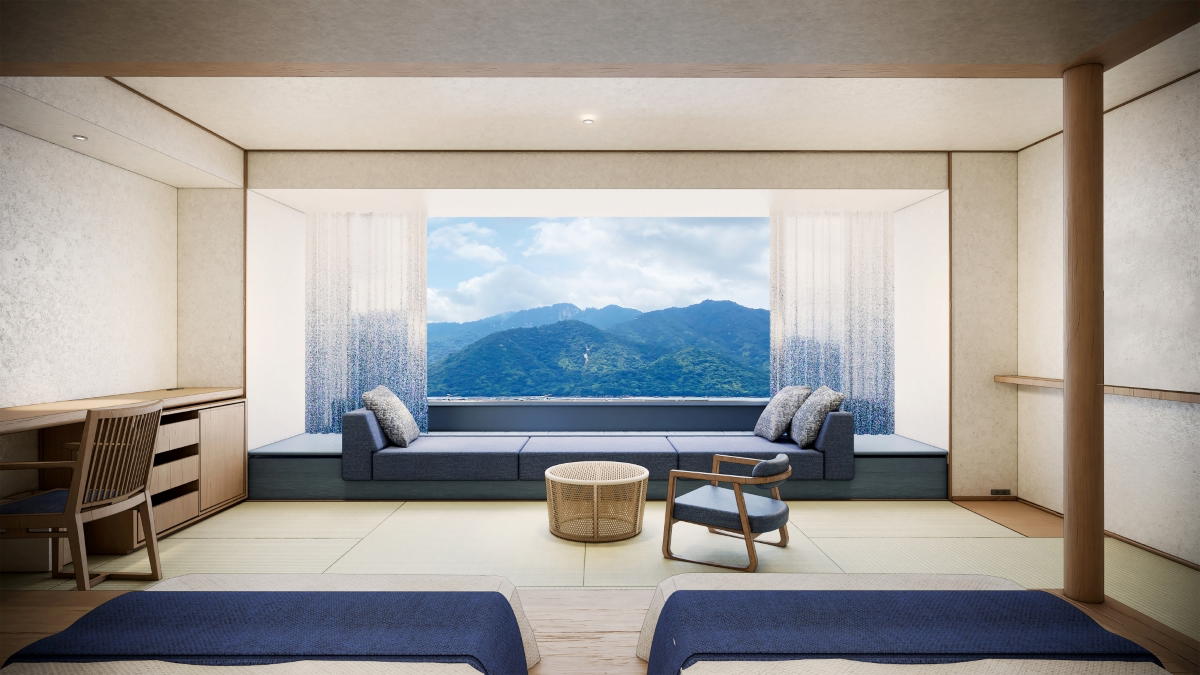
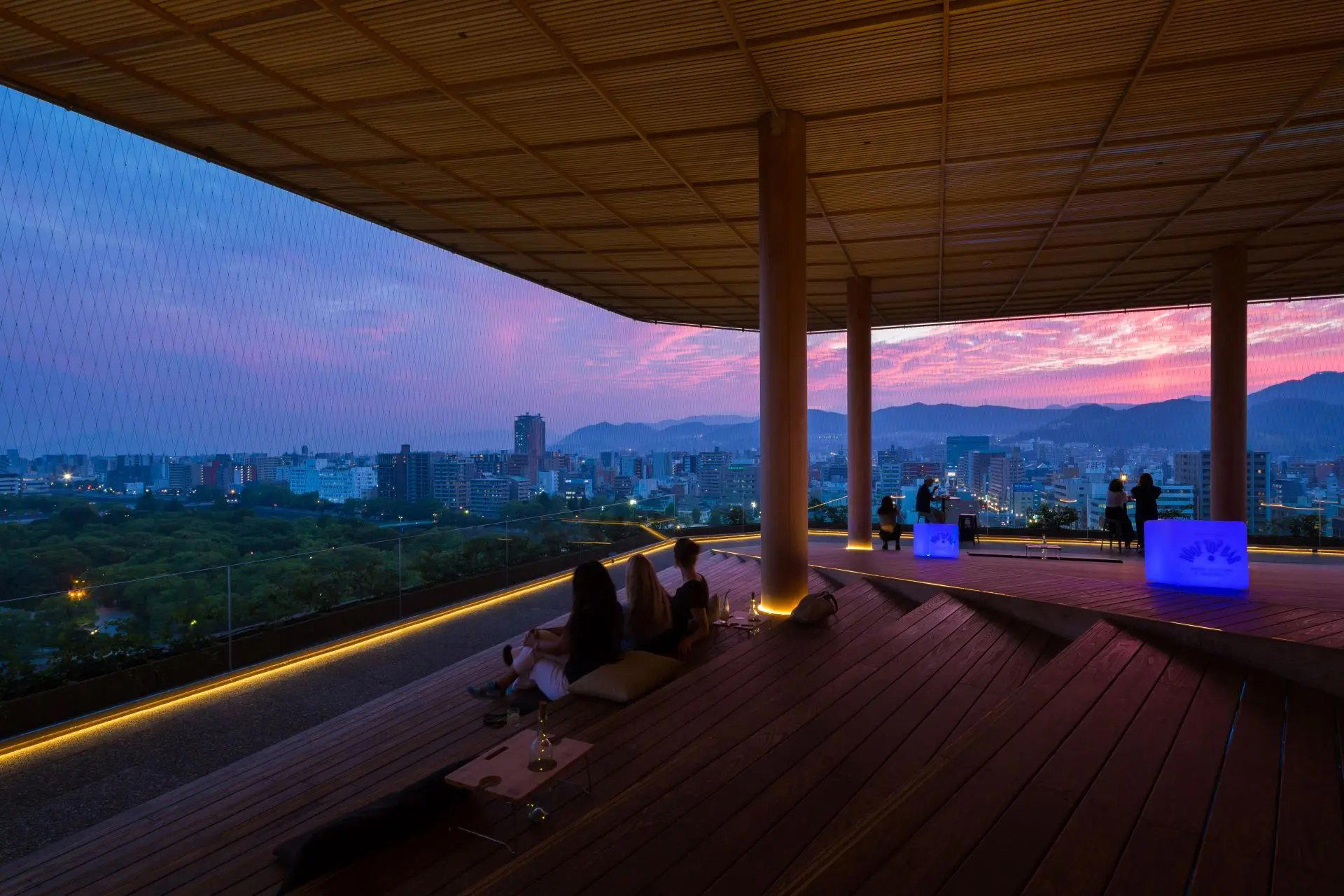
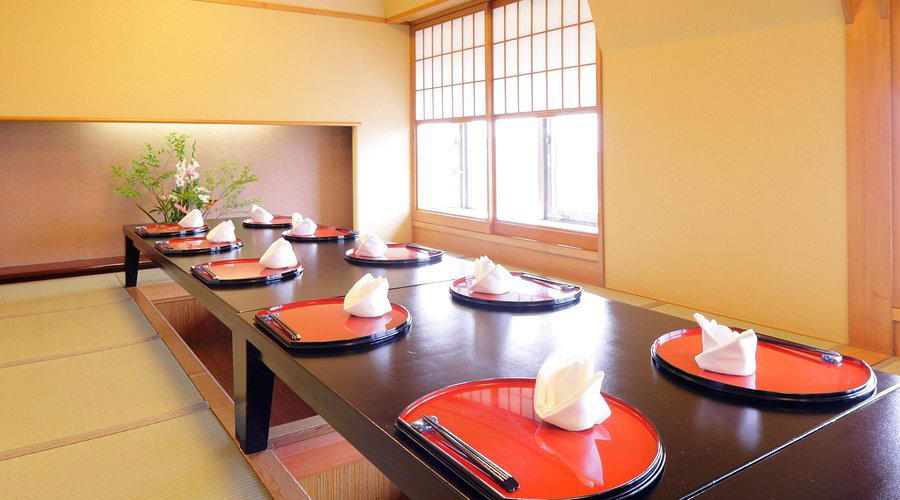
A contemporary take on a traditional hot spring ryokan, with tatami throughout, calm ocean and mountain vistas, and softly lit bathing and sauna areas designed for deep relaxation and immersion in Setouchi’s culture and seascape.