Hotel de Windketel
Hotel de Windketel occupies a converted water tower on Watertorenplein in Amsterdam's Westerpark district, placing it firmly outside the canal-belt hotel circuit. The industrial bones of the building set it apart from the city's period townhouse properties, making it a reference point for adaptive-reuse hospitality in the Netherlands. Practical details including room categories, dining, and booking are best confirmed directly with the property.
Pearl is the En Primeur Club membership app — saves, bookings, and concierge access live there. Same editors, same standards.
- Address
- Watertorenplein 8-C, 1051 PA Amsterdam, Netherlands
- Phone
- +31 6 52433463
- Website
- windketel.nl
- Directions
- Get directions
 Saves & bookings on Pearl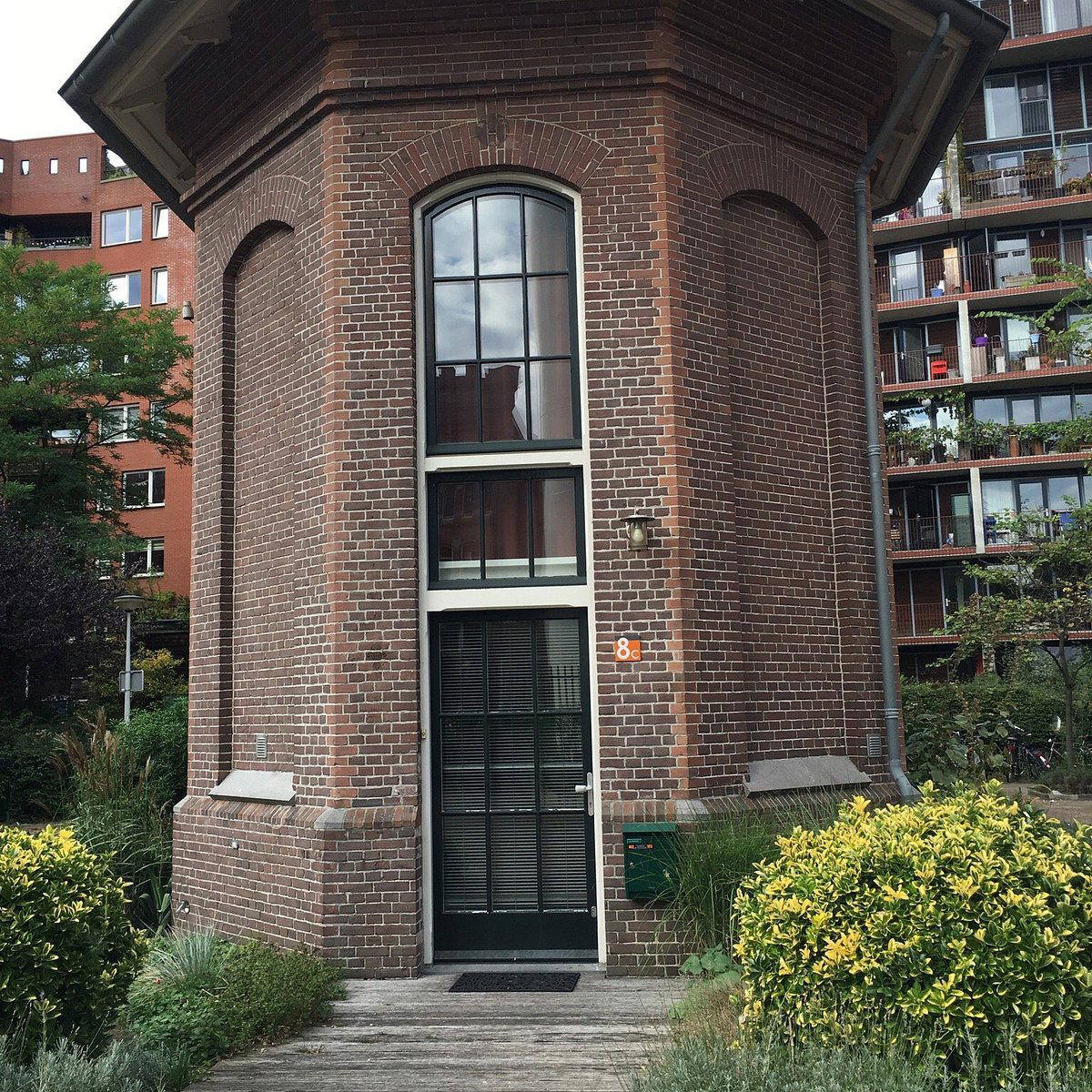
A Water Tower in Westerpark: What This Address Signals
Amsterdam's hotel geography has a clear fault line. On one side sits the canal belt, where properties like Canal House, De L'Europe Amsterdam, and Andaz Amsterdam Prinsengracht trade on the visual grammar of seventeenth-century gabled architecture and waterside addresses. On the other sits a smaller category of properties that occupy repurposed industrial structures, positioning themselves through architectural drama rather than heritage proximity. Hotel de Windketel belongs to that second group.
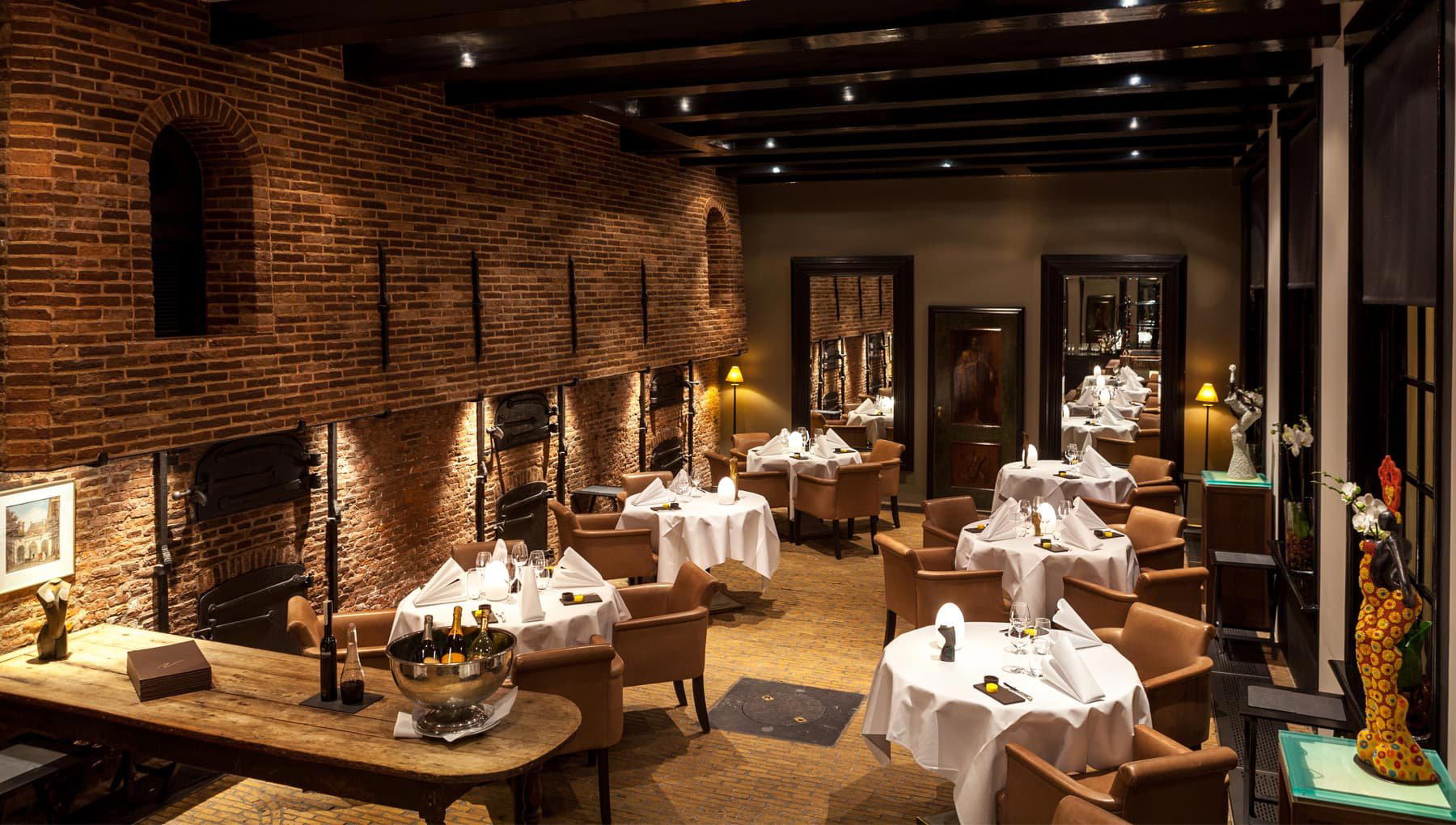
The address, Watertorenplein 8-C, anchors the property to the Westerpark neighbourhood, a district that shifted from post-industrial neglect to one of Amsterdam's more actively programmed residential and cultural zones over roughly two decades. The square itself takes its name from the water tower, windketel translates loosely as wind boiler or pressurised vessel, that defines the building. Adaptive-reuse hospitality of this kind has become a recognisable format across Northern European cities, where former factories, pumping stations, and municipal infrastructure have been converted into accommodation. In Amsterdam specifically, the model has produced some of the city's more architecturally coherent hotels, where the original structure does the narrative work that period furniture does elsewhere.
Where This Property Sits in Amsterdam's Accommodation Spectrum
Amsterdam's accommodation market has stratified considerably. The upper tier is anchored by properties with significant renovation investment and international brand support, such as Conservatorium in the Museumkwartier or De L'Europe Amsterdam on the Amstel. A second, more design-led tier of independent boutique properties, including Breitner House and Décor Canal House, competes on character over category. Hotel de Windketel occupies a position in that second tier, where the building's industrial conversion is the primary differentiator rather than proximity to the Rijksmuseum or a canal-front terrace.
For travellers who have already worked through the canal-belt circuit, Westerpark offers a different orientation to the city. The neighbourhood's food and culture infrastructure has grown substantially: the Westergasfabriek complex, a short walk from Watertorenplein, hosts markets, events, and permanent food and drink operators that reflect the area's demographic shift toward younger, locally rooted residents and creative businesses. Staying in this district means engaging with a version of Amsterdam that functions at a different register from the tourist-dense centre.
Properties that compete with Hotel de Windketel for the design-conscious, neighbourhood-oriented traveller include De Pijp Boutique Hotel to the south and Conscious Hotel Amsterdam City (The Tire Station), another adaptive-reuse property that converted a former tire station. The comparison is useful: Amsterdam has developed a coherent subgenre of hotels built on industrial repurposing, and each property within it makes a different argument about what that framework delivers.
Dining in the Neighbourhood Context
The editorial angle on any hotel's food programme depends on what surrounds it. For properties in the canal belt, the dining offer is often an internal affair, partly because the neighbourhood around them is saturated with tourist-facing restaurants that compete on convenience rather than quality. In Westerpark, the calculus is different. The local restaurant scene has matured in ways that make the neighbourhood worth eating around, not just sleeping in.
What this means for the hotel's dining programme is that it operates in a district where guests have credible external options within walking distance, a dynamic that typically pushes in-house dining toward either genuine quality or a deliberately casual format that complements rather than competes with the neighbourhood offer. The Westergasfabriek and its surrounding blocks have attracted operators across multiple formats, from daytime cafes to more considered evening programmes.
The Broader Netherlands Context
For travellers combining Amsterdam with other Dutch destinations, the Netherlands has a well-developed hotel infrastructure beyond the capital. The country's rail network makes day-trip or short-stay combinations practical: Inntel Hotels Amsterdam Zaandam sits just north of the city, while De Librije in Zwolle represents the kind of destination restaurant-with-rooms format that draws food-focused travellers inland. Further south, Château Neercanne in Maastricht and Château St. Gerlach in Valkenburg aan de Geul serve travellers approaching from Belgium or Germany. Near the coast, Grand Hotel Huis ter Duin in Noordwijk aan Zee covers the North Sea beach market. In The Hague, De Plesman Hotel The Hague is the relevant reference, while Central Park Voorburg handles the suburban commuter belt between the two cities. For airport-adjacent stays, citizenM Schiphol Airport is the established design-led option, and citizenM Rotterdam covers the second city. Smaller, more rural properties like Landgoed Hotel Het Roode Koper in Leuvenum, Bij Jef in Den Hoorn, and Posthoorn in Monnickendam serve travellers who want to move outside the urban core entirely. For those extending travel beyond the Netherlands, 2L de Blend Hotel in Utrecht is the relevant Utrecht reference, and international comparisons for adaptive-reuse or design-led properties could include The Fifth Avenue Hotel in New York City, Aman New York, or Aman Venice for reference points in what premium adaptive-reuse can deliver at the upper end of the market.
Planning Your Stay
Watertorenplein 8-C is in the Westerpark district, roughly two kilometres northwest of Amsterdam Centraal. Tram connections from the centre reach the neighbourhood in under fifteen minutes, and the area is cyclable from most central hotels. Room categories, pricing, and current availability are subject to change.
Budget Reality Check
Comparable venues nearby, for context on price, style, and recognition.
| Venue | Price | Awards | Notes |
|---|---|---|---|
| Hotel de WindketelThis venue — the venue you are viewing | $$$ | Not listed | Not listed |
| Hotel Not Hotel | $$ | Not listed | De Wester Quartier, quirky art concept hotel |
| Zoku Amsterdam | $$ | Not listed | Weesperbuurt, Hybrid hotel-apartment for extended stays targeting traveling professionals. |
| De Pijp Boutique Hotel | $$$ | 3-Star | Van der Helstpleinbuurt, Boutique hotel in lively urban district with park views and gaming amenities. |
| Kimpton De Witt Amsterdam | $$$$ | Not listed | Nieuwendijk Noord, Boutique hotel blending sophisticated luxury with whimsical design in a mix of historic and modern buildings. |
| Décor Canal House | $$$ | Not listed | Elandsgrachtbuurt, Boutique canal house hotel blending historic grandeur with contemporary luxury. |
Continue exploring
More in Amsterdam
Hotels in Amsterdam
Browse all →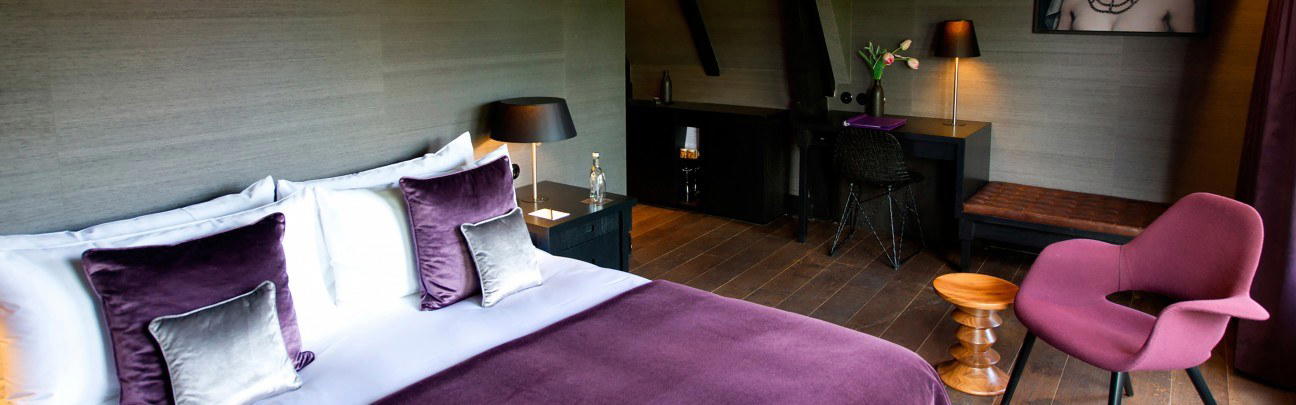
Bars in Amsterdam
Browse all →
Restaurants in Amsterdam
Browse all →
Wineries in Amsterdam
Browse all →
At a Glance
- Cozy
- Industrial
- Modern
- Romantic
- Intimate
- Romantic Getaway
- Weekend Escape
- Historic Building
- Garden
- Terrace
- Wi Fi
- Air Conditioning
- Garden
- Wi Fi
- Air Conditioning
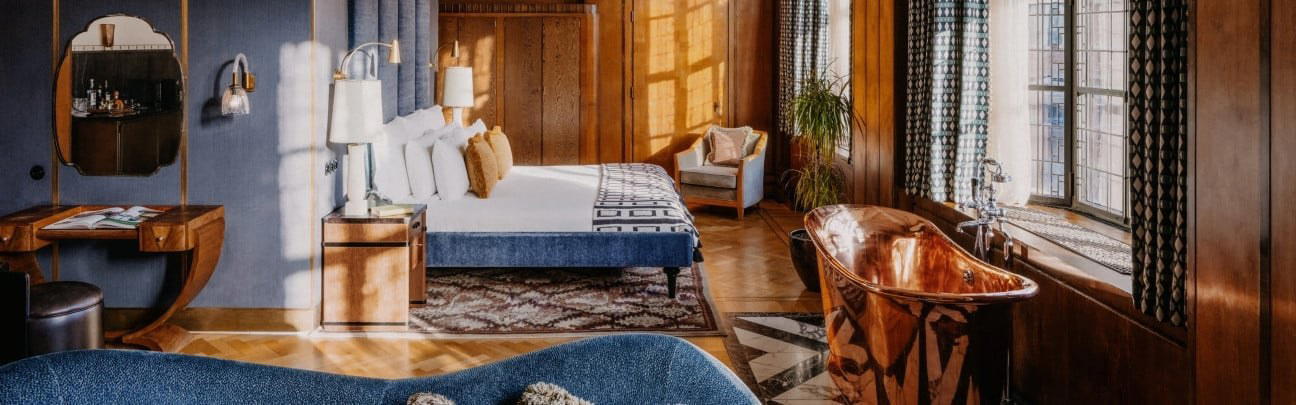
Airy and light-filled living spaces with floor-to-ceiling windows, elegant curtains for privacy, cozy underfloor heating, and a romantic attic bedroom under skylights.