InterContinental Amstel Amsterdam


Opened in 1867 on the banks of the Amstel river, the InterContinental Amstel Amsterdam occupies a tier of its own among the city's grand hotels: 79 oversized rooms and suites, a riverfront restaurant with serious culinary credentials, and a 150-year track record of hosting heads of state and cultural figures. It sits southeast of the canal ring, within a five-minute walk of the Royal Theater Carré and a short tram ride from the museum quarter.
Pearl is the En Primeur Club membership app — saves, bookings, and concierge access live there. Same editors, same standards.
- Address
- Professor Tulpplein 1, 1018 GX Amsterdam
- Phone
- +31 20 622 6060
- Website
- ihg.com
- Directions
- Get directions
 Saves & bookings on Pearl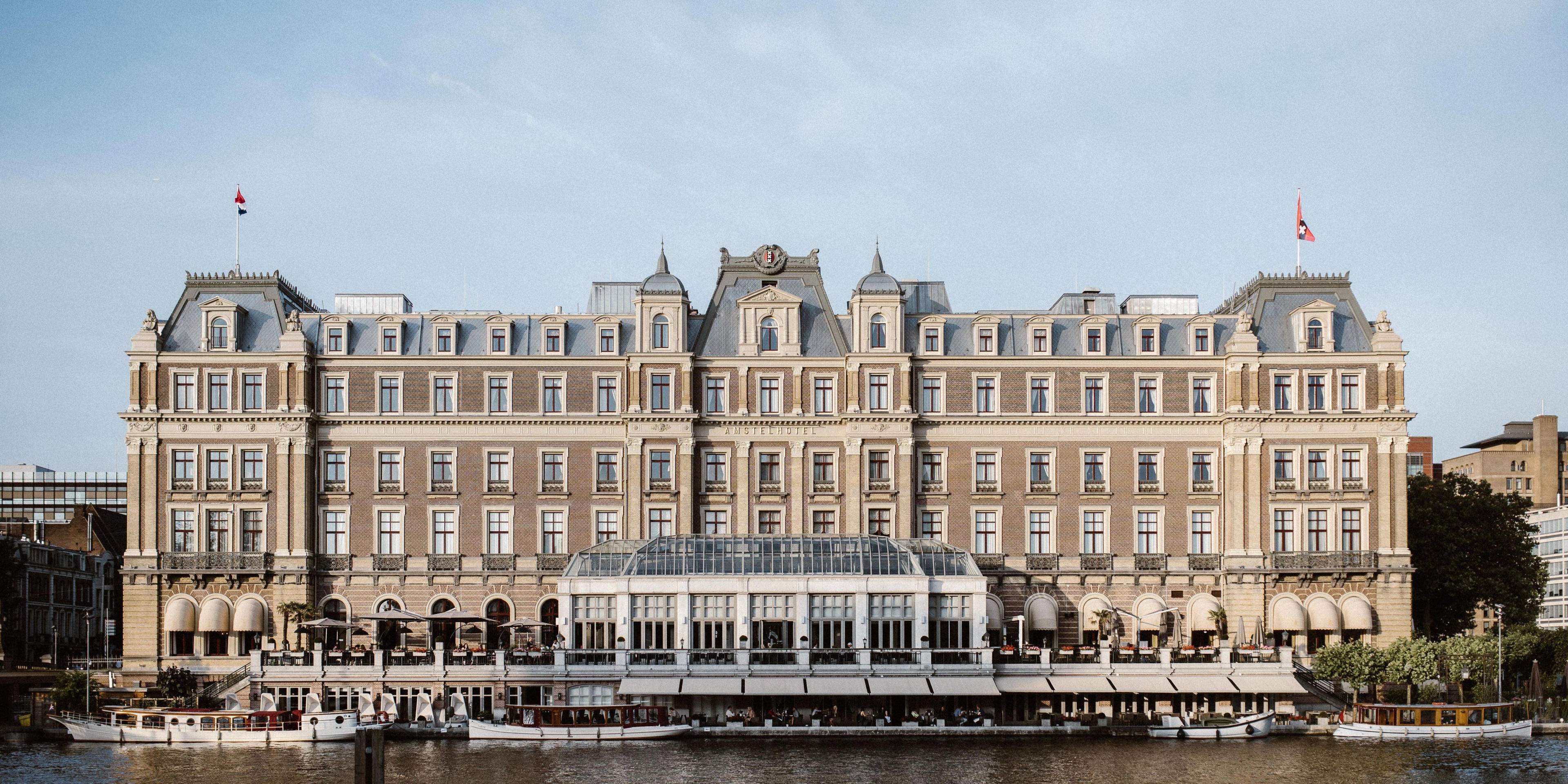
A River Address With Historical Weight
Amsterdam's five-star hotel market divides fairly cleanly between two traditions: the converted canal-house properties spread across the Grachtengordel, and the purpose-built grand hotels that predate the modern luxury category entirely. The InterContinental Amstel Amsterdam belongs firmly to the second group. The InterContinental Amstel Amsterdam is a five-star hotel in Amsterdam, located at Professor Tulpplein 1. Opened in 1867, the building faces the Amstel river directly, its French-Renaissance façade rising above the water with the kind of institutional confidence that comes from 150 years of continuous operation. Approaching by water taxi or on foot along the river, the scale of the building reads less like a hotel and more like a civic monument, which, in many respects, it has become.
That historical footprint shapes how the property sits relative to its Amsterdam peers. Where Andaz Amsterdam Prinsengracht and Canal House draw their character from the intimacy of narrow canal-side architecture, and where the Conservatorium trades on its adaptive-reuse identity, the Amstel operates on a register of formal grandeur that those properties do not attempt to match. The entry staircase, the double-height public rooms, the river-facing terraces, the architecture is making a specific argument about what a hotel should be, and it has been making that argument for a century and a half.
The Wine Program and La Rive
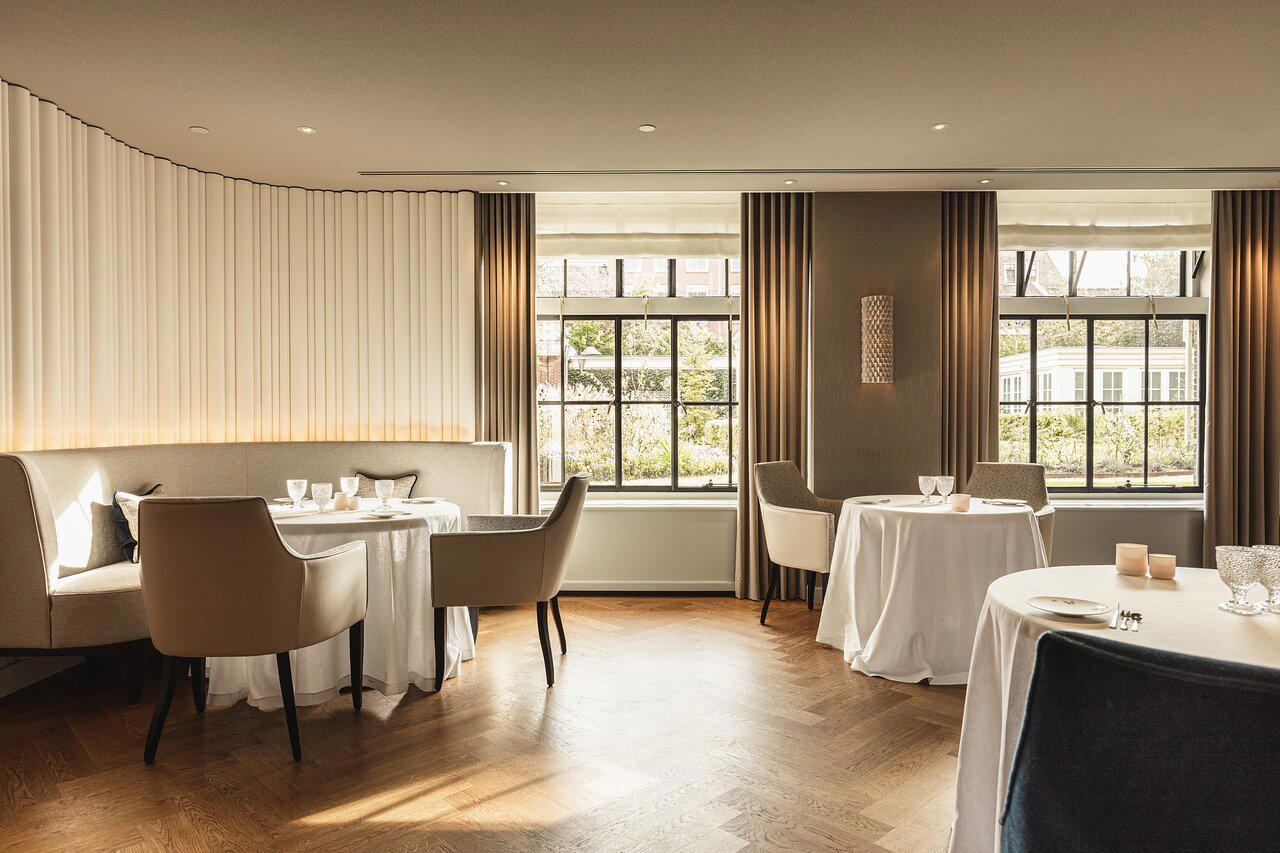
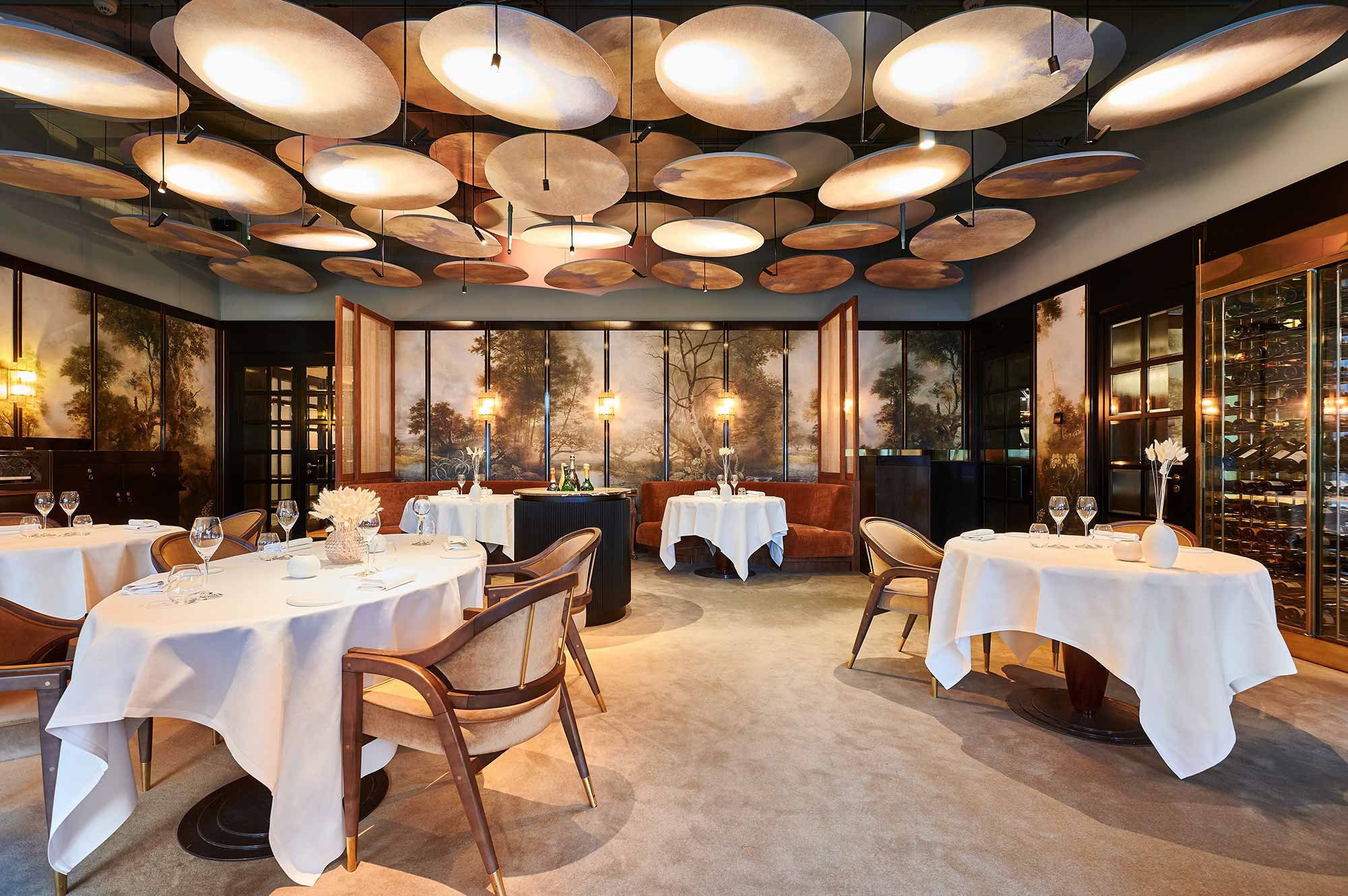
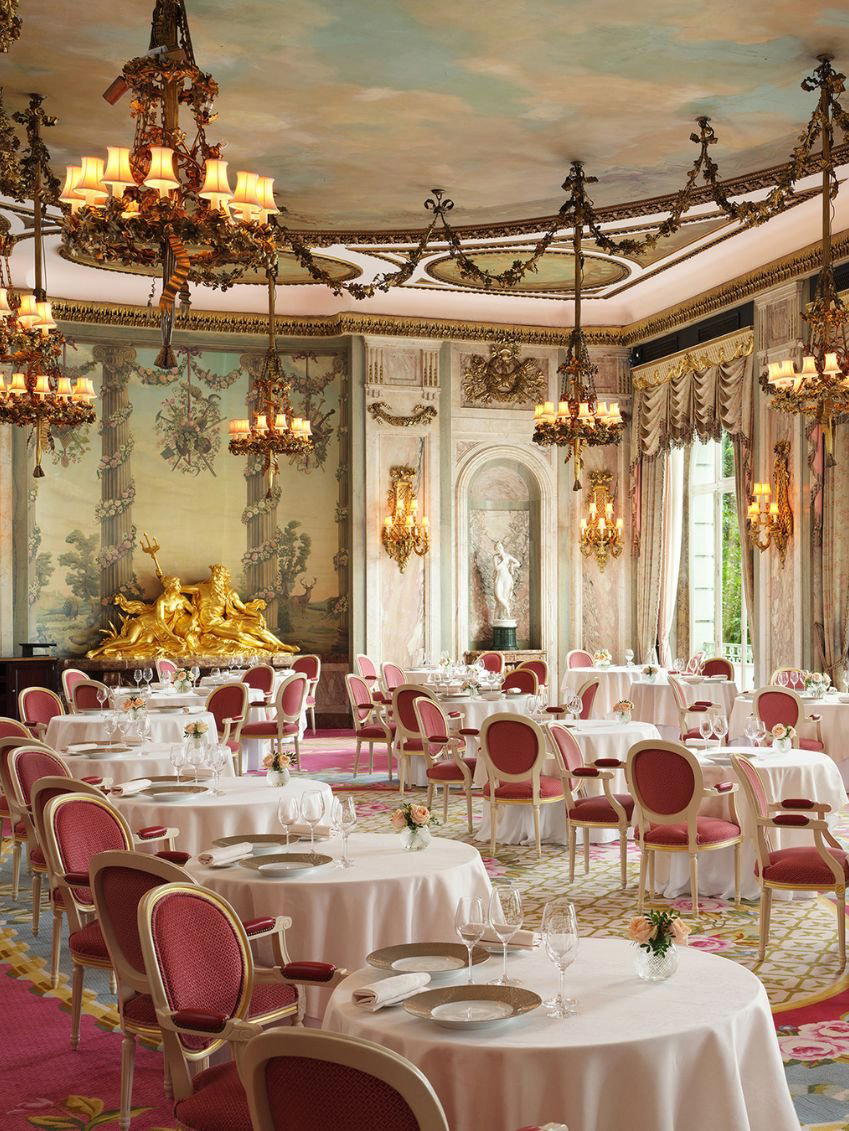
La Rive has long occupied the category of hotel restaurant that transcends its setting. La Rive draws locals as well as guests. Executive Chef Rogér Rassin runs the kitchen with a haute cuisine approach calibrated toward accessibility, which in practice means the cooking does not sacrifice technical rigour for comfort, but neither does it position itself as a destination for culinary challenge alone.
At the Amstel, the river-facing dining room and the occasion-driven clientele that La Rive attracts, both Amsterdam residents marking significant events and international visitors with serious dining expectations, create the conditions for a cellar selection that needs to span old-world classics, Dutch and regional European bottles, and a range of entry points by occasion. The Amstel Brasserie and A Bar extend the beverage program into more casual registers, with local Dutch beers and cocktails available on the river terraces when weather permits.
For guests staying multiple nights, the afternoon tea service in the Lounge and Mirror Room represents a distinct interval in the hotel's daily rhythm. The Mirror Room in particular operates as one of the more atmospheric settings for that format in Amsterdam, a city where afternoon tea has fewer established venues than London or Paris, making the Amstel's offering a comparative reference point by default.
Rooms and Suites: Scale as a Differentiator
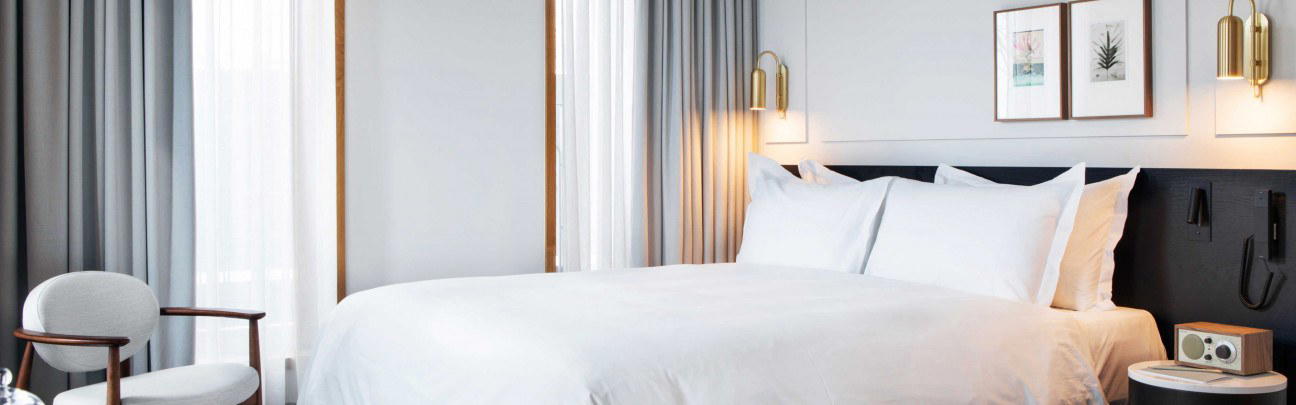
The 79 rooms and suites are large for Amsterdam, which matters in a city where historic properties often sacrifice space for architectural authenticity. The French-influenced décor sits in continuity with the building's 1867 origins, updated without erasing the period character. River-facing rooms open onto views of the Amstel directly; square-facing rooms trade the water panorama for a quieter urban outlook. Requesting a river-facing room at booking is worth making early.
The suite category runs from standard configurations to named rooms with distinct design identities. The Rembrandt Suite is oriented toward the city vistas that the painter himself depicted; the Champagne Suite was designed in collaboration with Dom Pérignon and carries a black-and-gold palette that makes it one of the more photographed interiors in Amsterdam's hotel circuit. These are not merely upgraded versions of standard rooms, each has a specific design logic that connects to the hotel's broader cultural and artistic positioning.
Fitness, Pool, and the River Terrace
Health and Fitness Club runs a large indoor pool positioned at the same elevation as the Amstel river, with river-facing windows across the length of the space. The sauna, steam room, whirlpool, and a fitness centre with personal trainers complete the facility. In summer, a private sunbathing terrace adjacent to the club adds an outdoor dimension that few central Amsterdam hotels can offer. The outdoor terraces facing the Amstel itself function as one of the property's most-discussed assets: front-row positions for Amsterdam's river traffic, from traditional sailboats to the electric sloepjes that have become increasingly common on the city's waterways.
Private canal tours using restored 1920s electric saloon boats position the Amstel as more than simply an accommodation address. The vintage skiffs are available for breakfast on the water or champagne excursions, a format that aligns the hotel with Amsterdam's strong tradition of water-based leisure while offering a level of curation that public boat tours do not match. This sits within a broader Amsterdam pattern: premium hotels increasingly differentiating through curated local experiences rather than in-room amenities alone.
Location and Getting Around
Amstel's address on Professor Tulpplein 1 places it southeast of the main canal ring, which is a more significant geographic point than it first appears. The property is a five-minute walk from the Royal Theater Carré, one of Amsterdam's principal performance venues, and within comfortable reach of the Utrechtsestraat restaurant and bar corridor, one of the city's stronger dining streets. The Van Gogh Museum and the broader museum quarter are accessible by tram, with a stop 200 metres from the hotel. Schiphol Airport sits 20 kilometres away: 15 minutes by train from Amsterdam Centraal, or by taxi direct from the hotel. The efficient tram network makes car rental unnecessary for most stays.
The concierge team is led by Clefs d'Or member Aad van den Berg. For guests arriving without a pre-built itinerary, that resource is more practically useful than it might initially appear.
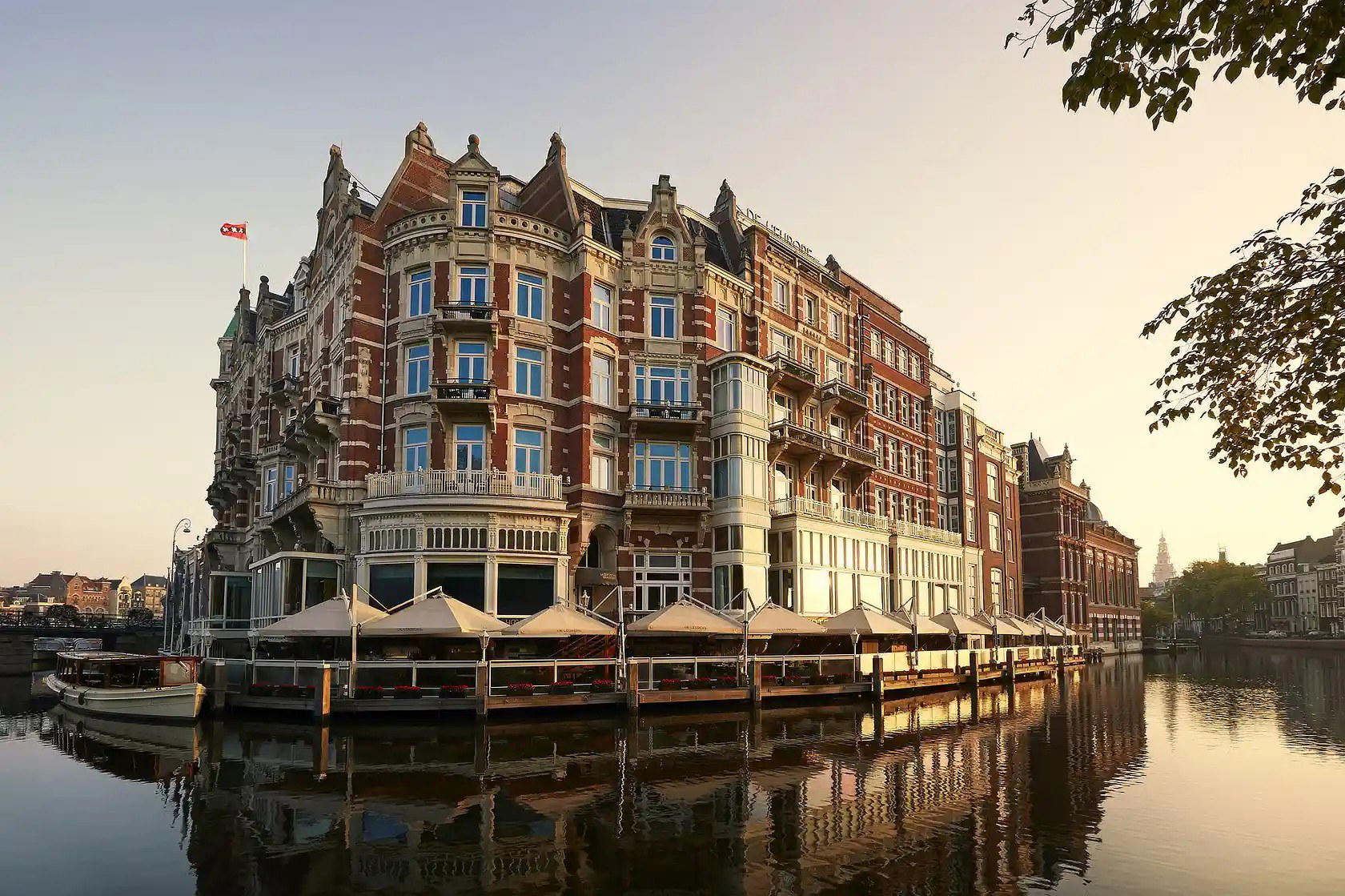
For Amsterdam stays outside the Amstel's register, the De L'Europe Amsterdam provides a direct peer-set comparison at the grand-hotel tier, while Breitner House, Décor Canal House, and De Pijp Boutique Hotel offer smaller-scale alternatives for guests who prioritise neighbourhood immersion over formal grandeur. The Conscious Hotel Amsterdam City (The Tire Station) sits at a different price point with a distinct sustainability-led identity. Across the Netherlands, travellers moving between cities might consider citizenM Rotterdam, De Librije in Zwolle, Château Neercanne in Maastricht, Château St. Gerlach in Valkenburg aan de Geul, or Grand Hotel Huis ter Duin in Noordwijk aan Zee depending on their route. For airport proximity, citizenM Schiphol Airport is the functional alternative for early departures or arrivals. Further afield, Inntel Hotels Amsterdam Zaandam, Posthoorn in Monnickendam, Bij Jef in Den Hoorn, Central Park Voorburg, De Plesman Hotel The Hague, Landgoed Hotel Het Roode Koper in Leuvenum, and 2L de Blend Hotel in Utrecht cover a spread of Dutch accommodation types. For international comparisons at the grand-hotel tier, Aman Venice, Aman New York, and The Fifth Avenue Hotel in New York City are relevant reference points. See also our full Amsterdam restaurants guide for dining across the city.
At a Glance
Comparable venues nearby, for context on price, style, and recognition.
| Venue | Price | Notes |
|---|---|---|
| InterContinental Amstel AmsterdamThis venue — the venue you are viewing | $$$$ | Not listed |
| TwentySeven Hotel | $$$$ | Nes e.o., All-suite luxury boutique blending historical architecture with contemporary opulence |
| The College Hotel Amsterdam, Autograph Collection | $$$$ | Duivelseiland, Historic boutique hotel in renovated 19th-century school building. |
| Sir Albert Hotel | $$$$ | Hercules Seghersbuurt, Former diamond factory transformed into a stylish urban boutique hotel. |
| Hotel Okura Amsterdam | $$$$ | Lizzy Ansinghbuurt, Luxury high-rise tower blending Japanese elegance with modern Amsterdam luxury |
| The July – Boat & Co | $$$$ | Houthavens West, Waterfront aparthotel with luxury hotel services and apartment-style accommodations |
Recognition history
Dated appearances from independent guides and award organizations, with the underlying list record or original source where available.
Forbes Recommended
Forbes
Virtuoso Luxury Hotel Partner
Virtuoso
Forbes Recommended
Forbes
Continue exploring
More in Amsterdam
Hotels in Amsterdam
Browse all →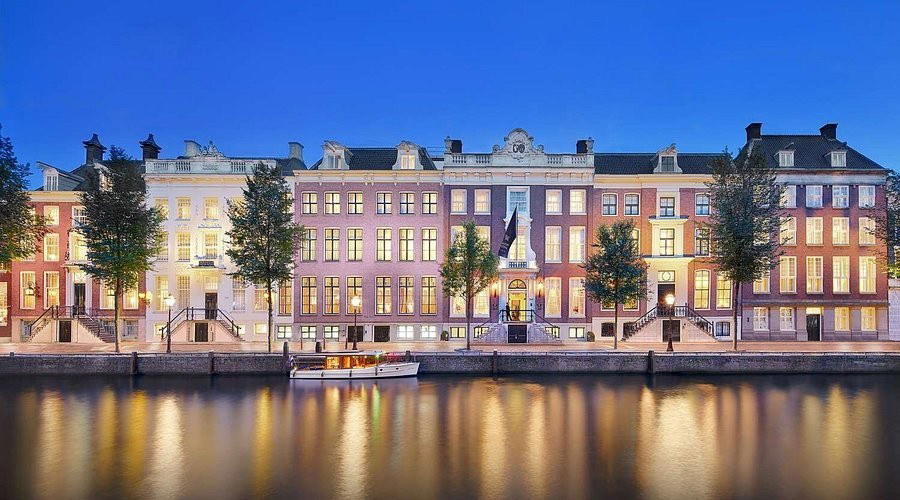
Bars in Amsterdam
Browse all →
Restaurants in Amsterdam
Browse all →
Wineries in Amsterdam
Browse all →
At a Glance
- Elegant
- Romantic
- Well Known
- Sophisticated
- Classic
- Romantic Getaway
- Anniversary
- Business Trip
- Family Vacation
- Celebration
- Waterfront
- Historic Building
- Destination Spa
- Terrace
- Panoramic View
- Private Dining
- Wi Fi
- Pool
- Spa
- Fitness Center
- Room Service
- Concierge
- Business Center
- Valet Parking
- Restaurant
- Bar
- Sauna
- Bicycle Rental
- Waterfront
- Wi Fi
- Pool
- Spa
- Fitness Center
- Room Service
- Concierge
- Business Center
- Valet Parking
- Restaurant
- Bar
- Sauna
- Bicycle Rental
Timeless European elegance with old-world charm, spacious marble bathrooms, river-facing windows in the health club, and refined classic French-style décor throughout.