Château Neercanne


The Netherlands' only terraced castle, Château Neercanne rises above Maastricht's Jeker Valley with listed Baroque gardens, a Michelin-starred restaurant, and a labyrinth of 17th-century limestone cave cellars beneath its foundations. Seven restored suites occupy the original lodgment building.
Pearl is the En Primeur Club membership app — saves, bookings, and concierge access live there. Same editors, same standards.
- Address
- Von Dopfflaan 10, 6213 NG Maastricht
- Phone
- +31 43 325 1359
- Website
- oostwegelcollection.nl
- Directions
- Get directions
 Saves & bookings on Pearl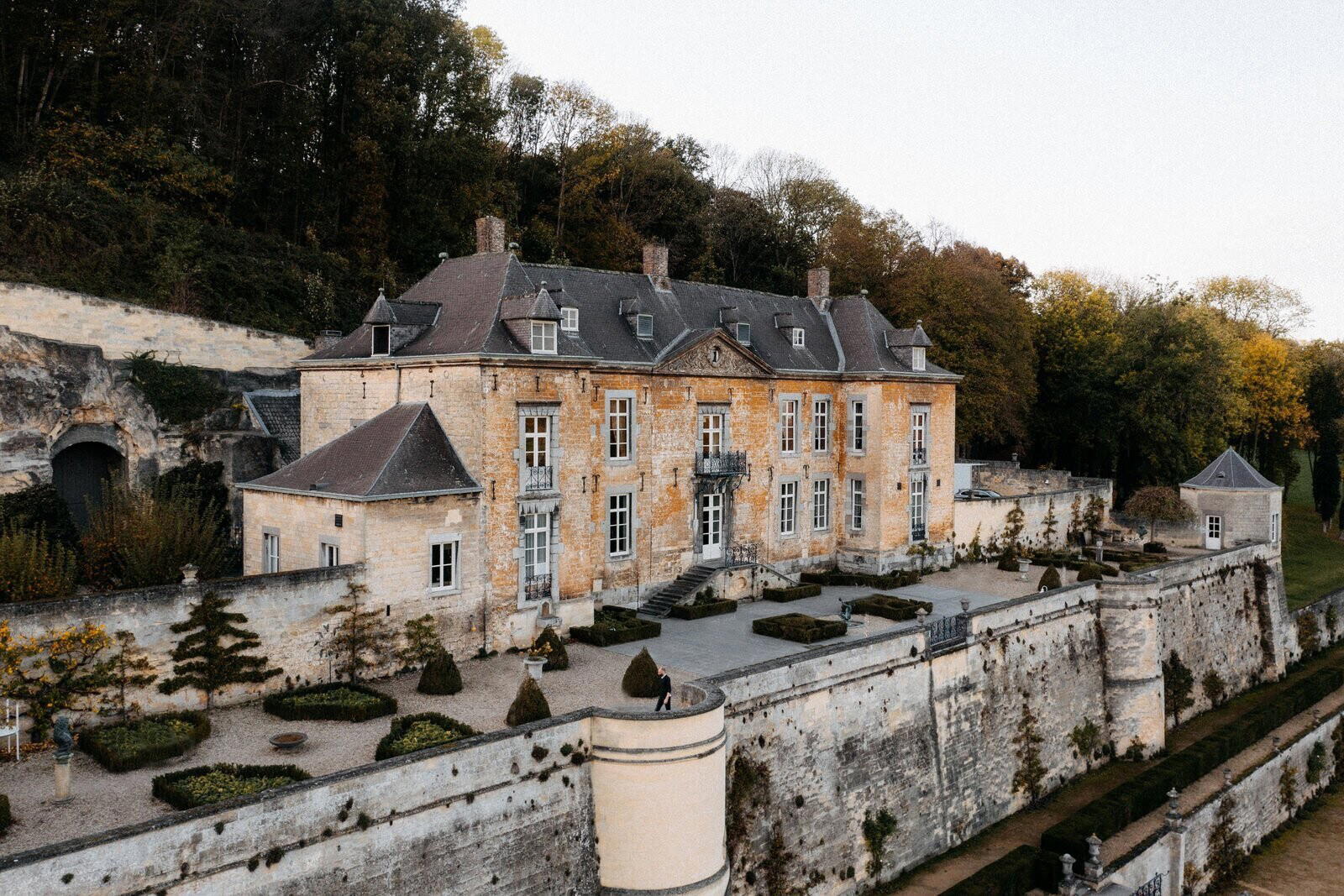
A Castle Built Into the Hill
The approach to Château Neercanne tells you immediately that this is a different category of property. The road climbs out of Maastricht's Jeker Valley, the city receding below as the landscape shifts from urban limestone terrace to something older and more deliberate. The château itself appears in stages: first the formal Baroque gardens cut into the hillside in descending tiers, then the 17th-century stone façade of the main building, and finally, if you know to look, the mouth of the marl cave network carved directly into the bedrock beneath the estate. Few properties in the Netherlands — or in Western Europe's mid-luxury tier — arrive with this much physical drama before you've crossed the threshold.
What distinguishes Château Neercanne architecturally is not simply that it is old, but that it is genuinely singular in its built form. It is the Netherlands' only terraced castle, a classification that reflects its hillside construction rather than a marketing flourish. The terracing was deliberate: the 1698 commission by a military governor produced a structure that follows the natural contour of the Jeker Valley ridge, with formal gardens on multiple levels and interior spaces that connect vertically as much as horizontally. That relationship between the building and its terrain defines the entire visit, from the cave-level wine cellars to the garden-facing dining rooms to the suites positioned within the original lodgment.
The Architecture of Staying Here
Château Neercanne operates seven suites. Properties of this scale in the Netherlands split broadly between large hotel conversions and smaller, residence-style formats. Seven rooms places Neercanne firmly in the latter category, where the ratio of staff to guests allows for a pace and attention that larger château hotels cannot replicate.
The suites occupy the 17th-century lodgment building, a structure adjacent to the main château that was historically used for household staff and estate administration. The restoration keeps the period fabric intact: exposed stone, original proportions, and the kind of ceiling heights that come from buildings designed before energy costs became a constraint. For travellers comparing this against other Dutch heritage properties, Kruisherenhotel Maastricht, which converts a 15th-century Gothic priory, or Van Oys Maastricht Retreat at the quieter end of the city, Neercanne's position outside the centre adds physical separation that those urban conversions cannot offer. The Jeker Valley hillside location is not a compromise; it is the point.
The Limestone Caves and What They Signal
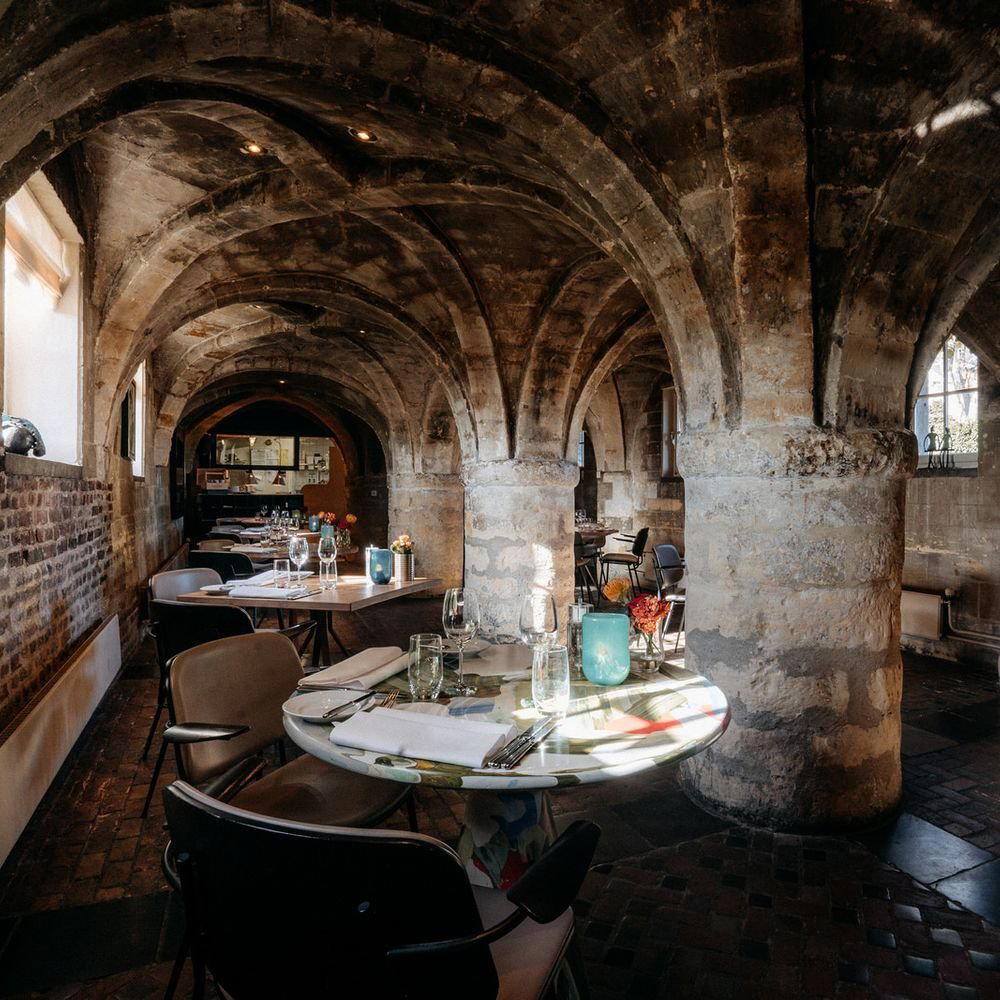
The marl cave network beneath the château deserves attention as an architectural element in its own right. Marl, a soft limestone composite found throughout southern Limburg, was quarried across the region for centuries, leaving behind an extensive system of underground galleries. At Neercanne, those galleries have been put to use as wine cellars and event spaces, maintaining the constant temperature and humidity that the caves provide naturally. The historical record notes that they were used for gatherings and grand events before the current culinary program existed; the contemporary use is a continuation rather than a reinvention.
For a wine-focused property, the cave cellars function as both storage and theatre. Dinners held at cave level sit inside what is effectively a controlled microclimate carved by geology rather than engineering.
The Dining Program
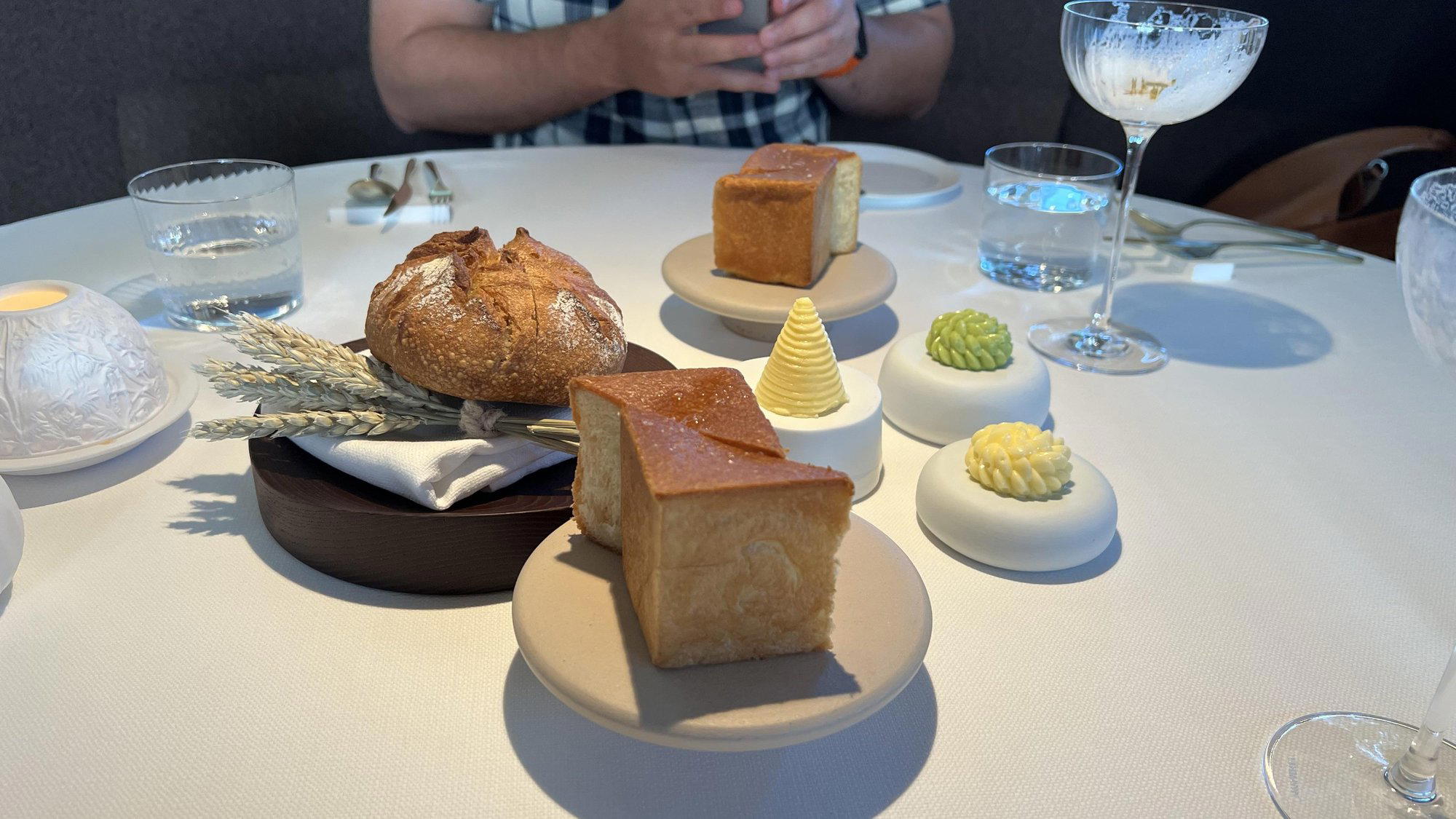
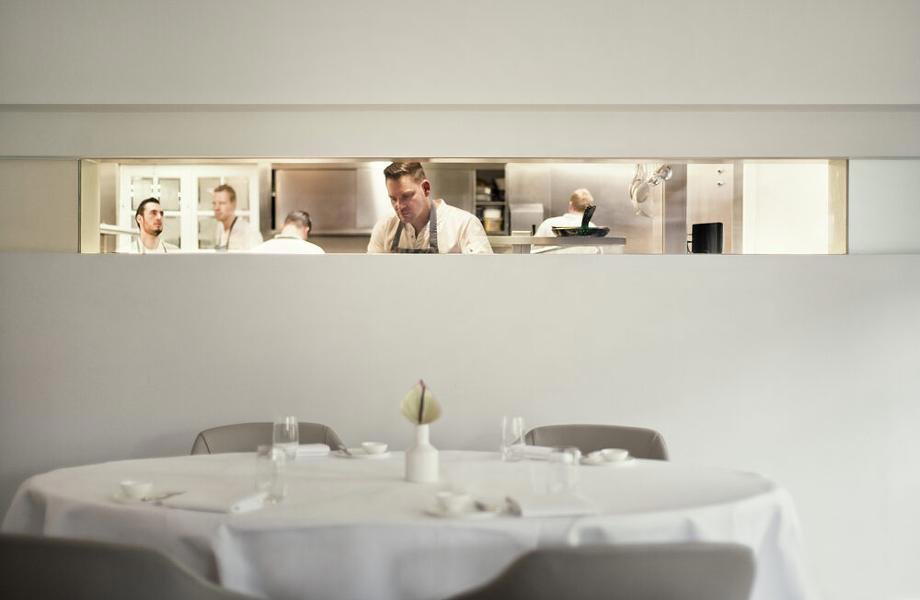
Château Neercanne holds a Michelin star in its main restaurant and a Bib Gourmand designation in its bistro, a two-format structure that is increasingly common among serious culinary properties, allowing a single estate to address both the formal tasting-menu audience and guests who want something more casual without leaving the grounds. The garden-to-table approach draws on the estate's own kitchen gardens, which the Baroque terracing makes practical: south-facing slopes with good drainage, sheltered from wind by the hillside above.
In the broader context of Maastricht's dining scene, which ranks among the most sophisticated in the Netherlands, a property holding both Michelin recognition and a Bib Gourmand occupies a specific position. It is not competing with the city's standalone fine dining restaurants for the same audience. It is offering something that those restaurants cannot: the combination of meal and setting within a single overnight stay. The château's culinary reputation predates the hotel rooms; the suites arrived more recently as the newest chapter in the property's evolution. For a broader orientation to what Maastricht offers at table, see our full Maastricht restaurants guide.
The Baroque Gardens as Structural Element
The listed Baroque gardens are not ornamental background. They are a functioning part of the property's spatial logic, connecting the different levels of the estate and providing the visual anchor from the dining rooms and several of the suites. Formal Baroque garden design, axial symmetry, clipped hedging, geometric parterres, requires sustained maintenance to remain legible as a designed space rather than a period accident. The fact that the gardens at Neercanne are heritage-listed reflects both their historical integrity and the ongoing commitment required to keep them in the condition that justifies that classification.
Seasonally, the gardens shift considerably. The green geometry of summer gives way to a starker, more architectural reading in autumn and winter, when the stone terracing and the structural planting become the dominant elements. This is a property that reads differently across the calendar, which is partly why the annual closure period, the restaurant closes from 9 February 2026 to 22 February 2026, is worth building around when planning a visit.
Planning a Stay
Château Neercanne sits at Von Dopfflaan 10, 6213 NG Maastricht, above the Jeker Valley on the southern edge of the city. Maastricht itself is well-connected by rail from Amsterdam and Brussels, and the château is a short drive or taxi ride from the central station. The seven-suite format means availability is genuinely constrained; booking well ahead of intended dates is the practical reality at any property of this scale with Michelin-level dining attached. Rates begin from $533 per night. The restaurant's annual closure in February 2026 affects dining but not necessarily room availability, confirm directly when booking if you are visiting outside that window.
Travellers planning a wider Netherlands circuit might pair Neercanne with heritage properties in other cities: Hotel 717 in Amsterdam occupies a similarly intimate format in a canal house setting, while De Librije in Zwolle offers a comparable Michelin-level culinary anchor in the north. For design-led properties at different price points within the Netherlands, Kazerne in Eindhoven and Weeshuis Gouda in Gouda represent the adaptive-reuse category, while citizenM Rotterdam and Inntel Hotels Amsterdam Zaandam sit at the contemporary end of the spectrum. For travellers comparing château-scale stays internationally, Aman Venice and Badrutt's Palace Hotel in St. Moritz occupy the upper bracket of European heritage hospitality, with Amangiri in Canyon Point offering a useful point of comparison for properties where landscape architecture is the primary design gesture. Closer to home, Posthoorn in Monnickendam, Op Oost in Oosterend, Bij Jef in Den Hoorn, 2L de Blend Hotel in Utrecht, Central Park Voorburg, De Plesman Hotel The Hague, Grand Hotel Huis ter Duin in Noordwijk aan Zee, and citizenM Schiphol Airport round out the range of Dutch property formats worth considering against Neercanne's very specific offer. For New York comparisons at a similar price tier, The Fifth Avenue Hotel and Aman New York represent the urban heritage-luxury format.
How Château Neercanne Maastricht compares with similar nearby venues.
| Venue | Awards |
|---|---|
| Château Neercanne | Michelin 2 Keys |
Recognition history
Dated appearances from independent guides and award organizations, with the underlying list record or original source where available.
Relais Chateaux Award
Relais Chateaux
Michelin 2 Keys
Michelin
Continue exploring
More in Maastricht
Hotels in Maastricht
Browse all →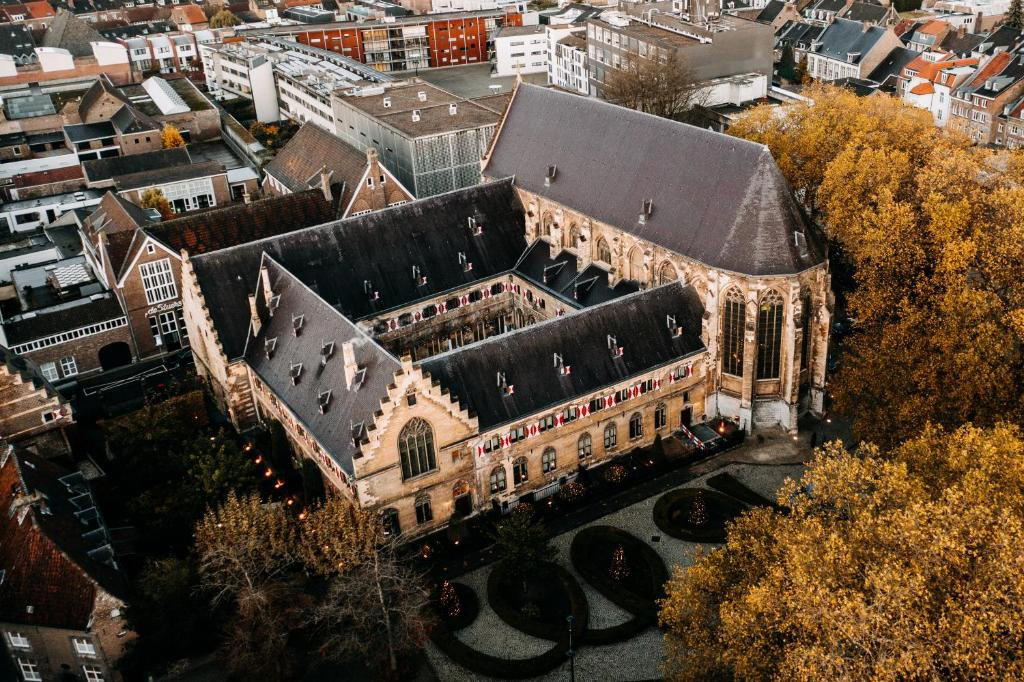
Bars in Maastricht
Browse all →
Restaurants in Maastricht
Browse all →
Wineries in Maastricht
Browse all →
At a Glance
- Romantic
- Elegant
- Classic
- Scenic
- Sophisticated
- Ornate
- Romantic Getaway
- Anniversary
- Honeymoon
- Celebration
- Historic Building
- Garden
- Terrace
- Wi Fi
- Room Service
- Concierge
- Garden
- Garden
- Wi Fi
- Room Service
- Concierge
- Garden
Historic castle ambiance with warm, elegant lighting, serene valley views, and a fairytale-like atmosphere praised for its luxury and tranquility.
Know Before You Go
- Getting there
- Von Dopfflaan 10, 6213 NG Maastricht