

Michelin Selected · Design Hotels Member
A converted 19th-century gas works in Hamburg's Bahrenfeld district, Gastwerk Hotel occupies a former industrial power station where exposed brick, raw materials, and soaring ceilings define the atmosphere. The building's heritage architecture places it in a category apart from the city's conventional hotel stock, offering a physically distinct alternative to Hamburg's waterfront and city-centre options.

Pearl is the En Primeur Club membership app, where members save venues, book tables and use the concierge.
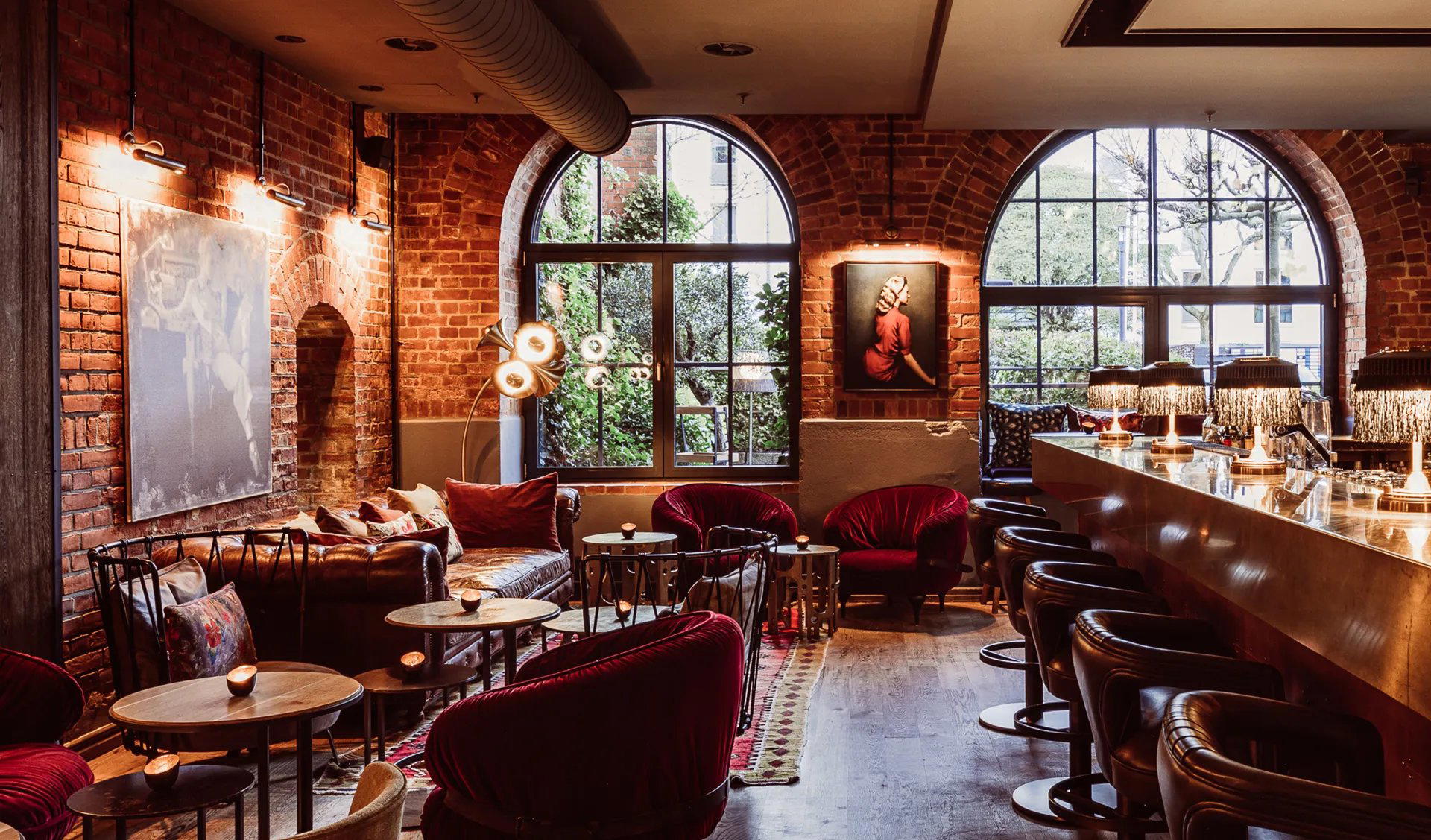
When the Building Is the Argument
Hamburg has a long tradition of adaptive reuse. The HafenCity redevelopment, the Elbphilharmonie rising from a former warehouse, the conversion of 19th-century mercantile buildings into contemporary use, the city has consistently treated its industrial past as architectural capital rather than liability. Gastwerk Hotel Hamburg sits squarely within that tradition. Located at Beim Alten Gaswerk 3 in the Bahrenfeld district, it occupies the shell of a 19th-century gas works: a former power station whose high brick vaults, exposed structural iron, and raw material finishes have been retained as the dominant design language. The building is not a backdrop; it is the hotel's primary credential.
Arriving at the property, the scale of the original industrial structure becomes immediately apparent. Brick walls that predate the First World War frame the entrance. Interior volumes are lofty in the literal sense, ceiling heights that would be impossible to replicate in new construction and that give the common areas a quality of space that Hamburg's more conventionally formatted luxury hotels, whether the grand Wilhelmine rooms of the Fairmont Hotel Vier Jahreszeiten or the modernist lines of The Fontenay overlooking the Alster, simply do not offer.
Industrial Heritage as a Design Category
Across European cities, the conversion of industrial infrastructure into hospitality has become a recognisable category, one that tends to attract a specific type of traveller: someone for whom architectural character carries more weight than polished neutrality. In Hamburg, that category is relatively thin. The city's premium hotel supply skews toward either traditional luxury formats, such as Hotel Louis C. Jacob on the Elbe bank, or design-forward contemporary builds. Gastwerk occupies a different position: a property where the heritage fabric of the 19th-century structure is itself the design, rather than a property that applies a design onto a neutral shell.
The original gas works dates to an era when Hamburg was rapidly industrialising, expanding its port infrastructure and municipal utilities to serve a city that had become one of Europe's principal trading hubs. The brick construction, industrial proportions, and surviving raw materials are not stylised references to that period; they are the period. That specificity is what separates this kind of conversion from hotels that use exposed brick as decorative shorthand. Here, the brick is structural, load-bearing, and original, which changes both the atmosphere and the implicit argument the building makes about what a hotel stay can offer.
For comparison, east Hamburg occupies another converted industrial site in the city, a former copper smelting works in St. Georg, which places both properties in the same adaptive-reuse category even as they differ considerably in neighbourhood context and finish approach. The broader Hamburg hotel market, including newer entries such as Apotheke an der Elbphilharmonie and Conrad Hamburg, operates in a different register entirely, one defined by contemporary construction and proximity to the HafenCity or central business district.
Location and Neighbourhood Logic
Bahrenfeld sits west of Hamburg's centre, removed from the tourist density of the Speicherstadt or the Alster lakeside. That distance is worth understanding before booking. The neighbourhood is quieter and more residential in character than the central hotel corridors, which suits a specific kind of stay: one prioritising the property itself over walkable proximity to the main cultural circuit. Public transport connects Bahrenfeld to the city centre, and the district is increasingly active given its proximity to the Ottensen and Altona neighbourhoods, which have developed a substantial food and bar scene over the past decade. Travellers whose programme centres on the Elbphilharmonie, the HafenCity, or the central Alster area should factor in transit time.
For those interested in Hamburg's wider hotel geography, our full Hamburg restaurants and hotels guide maps the city's options by neighbourhood and category, and covers properties from the Grand Elysée Hamburg to the smaller boutique formats in the eastern districts such as Garner Hamburg East.
Placing Gastwerk in the German Conversion-Hotel Context
Adaptive reuse hotels with genuine 19th-century industrial fabric appear across Germany, though the category remains a minority within the country's premium supply. Hotel de Rome in Berlin converts a former bank, a different institutional typology but a comparable commitment to heritage fabric. Excelsior Hotel Ernst in Cologne draws on a 19th-century lineage, though in a more classical residential idiom. Properties such as Schloss Elmau Luxury Spa Retreat & Cultural Hideaway in Elmau, Hotel Bareiss in Baiersbronn, and Althoff Seehotel Überfahrt in Rottach-Egern belong to an entirely different category, spa-led retreat formats in alpine or rural settings. The contrast is useful: Gastwerk's appeal is urban, architectural, and specifically rooted in the industrial history of a major port city, not in landscape or wellness programming. Other German options in the EP Club portfolio, including Breidenbacher Hof Düsseldorf, Bülow Palais in Dresden, BUDERSAND Hotel in Hörnum, Das Kranzbach Hotel & Wellness Retreat in Kranzbach, Der Öschberghof in Donaueschingen, Esplanade Saarbrücken, Gut Steinbach Hotel Chalets Spa in Reit im Winkl, and Hotel Ketschauer Hof in Deidesheim, each belong to still different categories defined by their own building typologies and regional settings. Globally, travellers who respond to the Gastwerk proposition often also consider heritage-conversion properties such as Aman Venice, which converts a Venetian palazzo, or urban design properties like The Fifth Avenue Hotel in New York City and Aman New York, though those operate in considerably different price tiers and city contexts.
Planning a Stay
The Gastwerk's address at Beim Alten Gaswerk 3 places it accessible from Hamburg's S-Bahn network, with Bahrenfeld station providing a direct connection to the main central stations. Visitors travelling for events at the Elbphilharmonie or the Hamburg State Opera should plan for transit rather than assuming walkability. Given the property's position as one of the few hotels in Hamburg's premium segment built around genuine 19th-century industrial heritage, occupancy at the Gastwerk tends to be driven by travellers specifically seeking that architectural character, meaning the hotel can fill quickly during Hamburg's trade fair calendar, notably around events at the Hamburg Messe, which sits nearby in the same western district. Booking ahead of those periods is advisable.
Peers You’d Cross-Shop
| Venue | Cuisine | Price | Awards |
|---|---|---|---|
| Gastwerk Hotel HamburgThis venue (the venue you are viewing) | This venue | $100–200 | Michelin Selected · Design Hotels Member |
| Fairmont Hotel Vier Jahreszeiten | Not listed | $300–500 | 3 Michelin Keys · La Liste Top Hotels |
| The Fontenay | Not listed | $300–500 | 3 Michelin Keys · La Liste Top Hotels |
| Hotel Louis C. Jacob | Not listed | Not listed | 2 Michelin Keys · La Liste Top Hotels |
| Conrad Hamburg | Not listed | Not listed | Michelin Selected · Star Wine List |
| east Hamburg | Not listed | $100–200 | Michelin Selected · Preferred Hotels Member |
Recognition history
Dated appearances from independent guides and award organizations, with the underlying list record or original source where available.
Michelin Selected
Michelin
Design Hotels Member
Design Hotels
Continue exploring
More in Hamburg
Hotels in Hamburg
All hotels in Hamburg →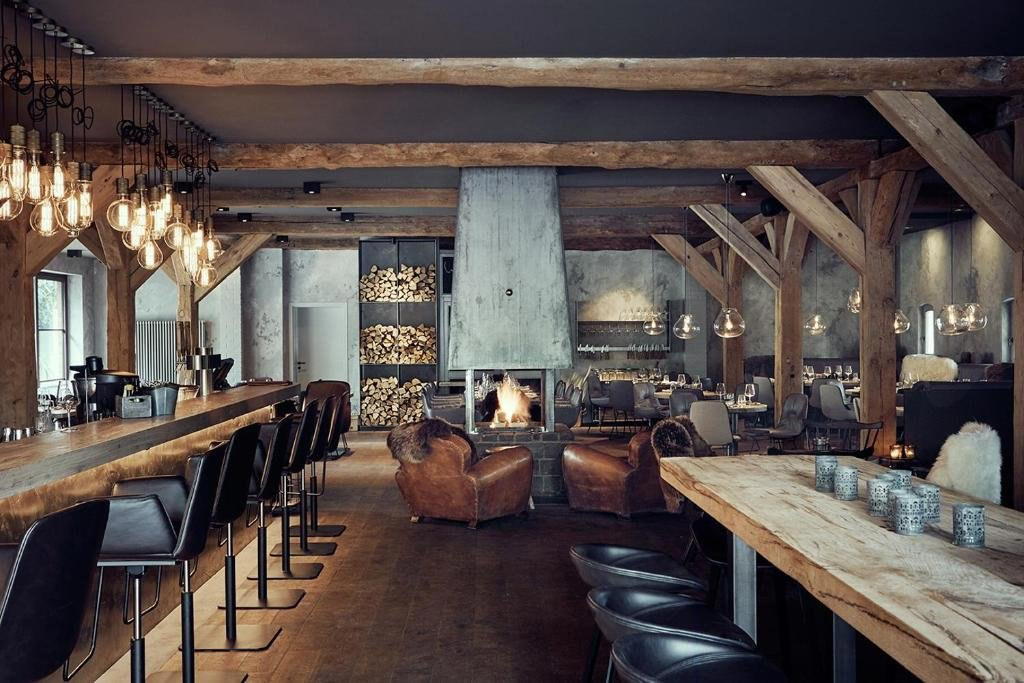
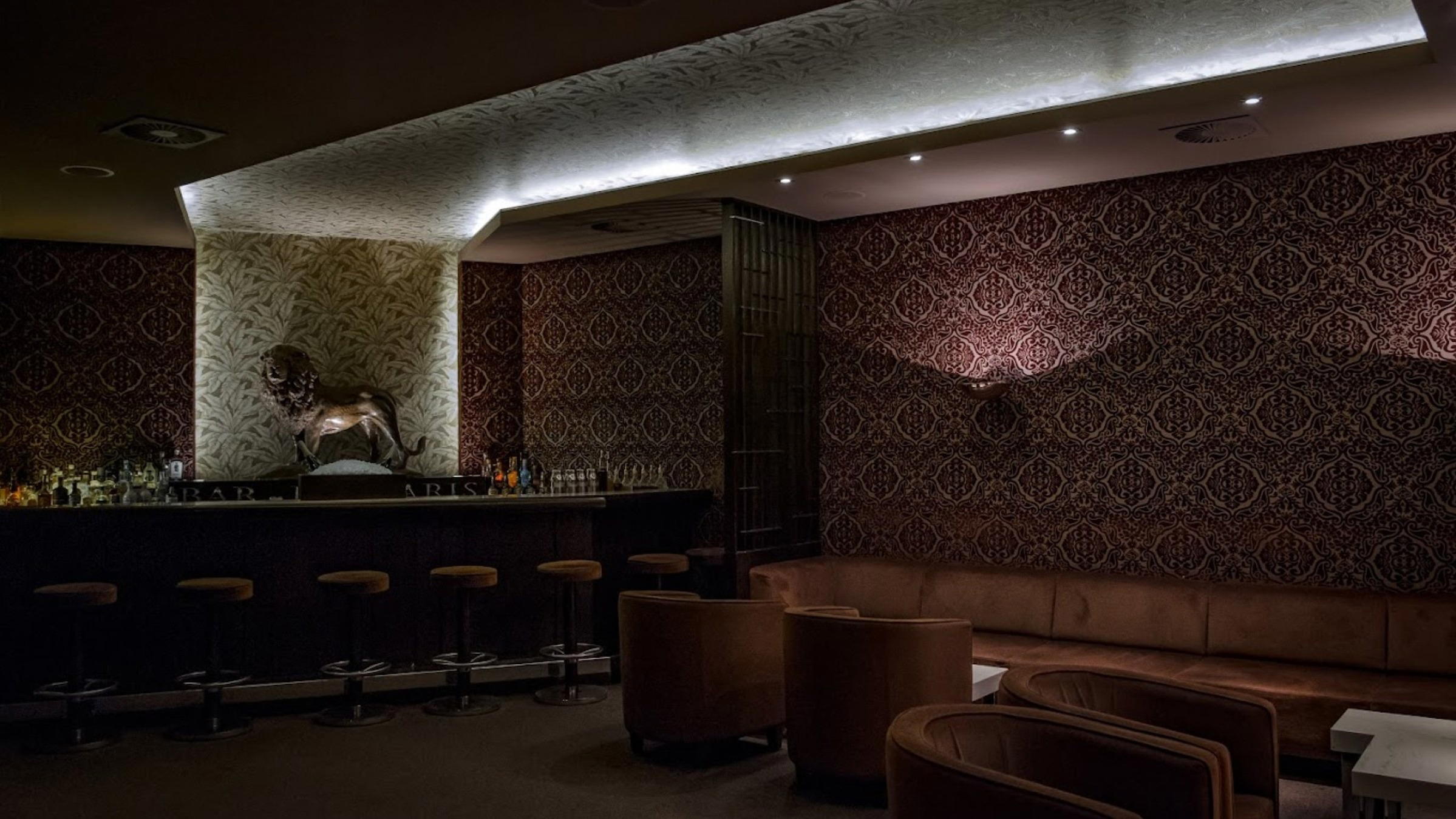
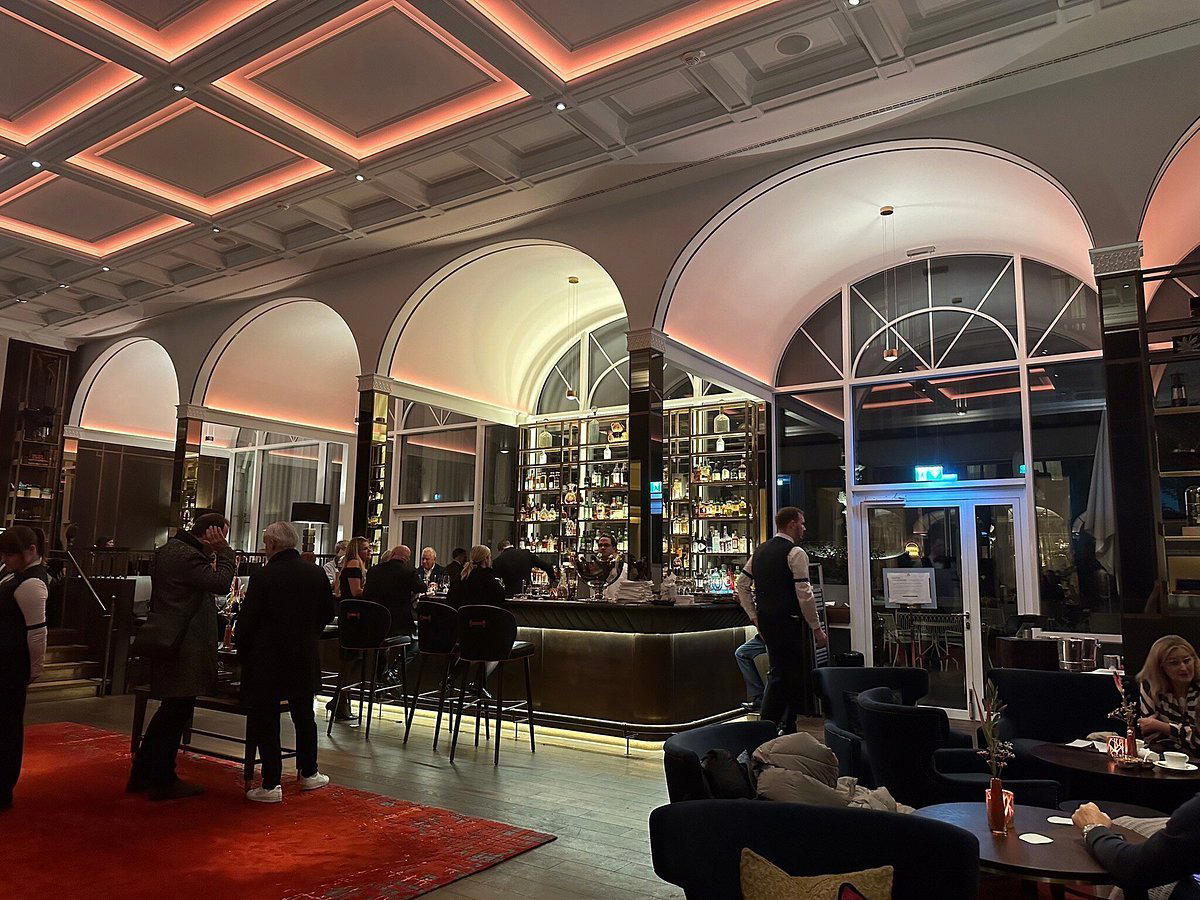
Bars in Hamburg
All bars in Hamburg →
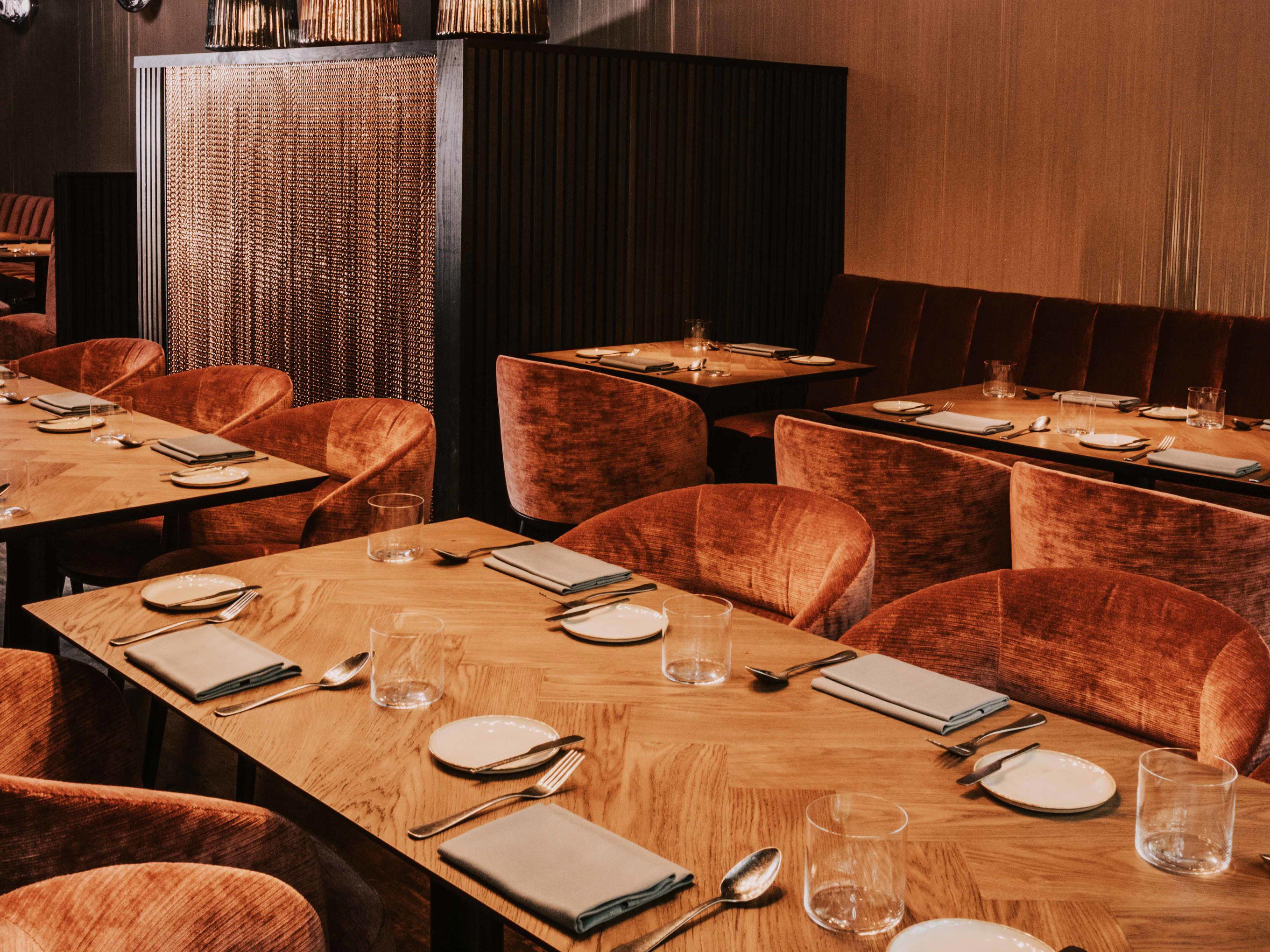
Restaurants in Hamburg
All restaurants in Hamburg →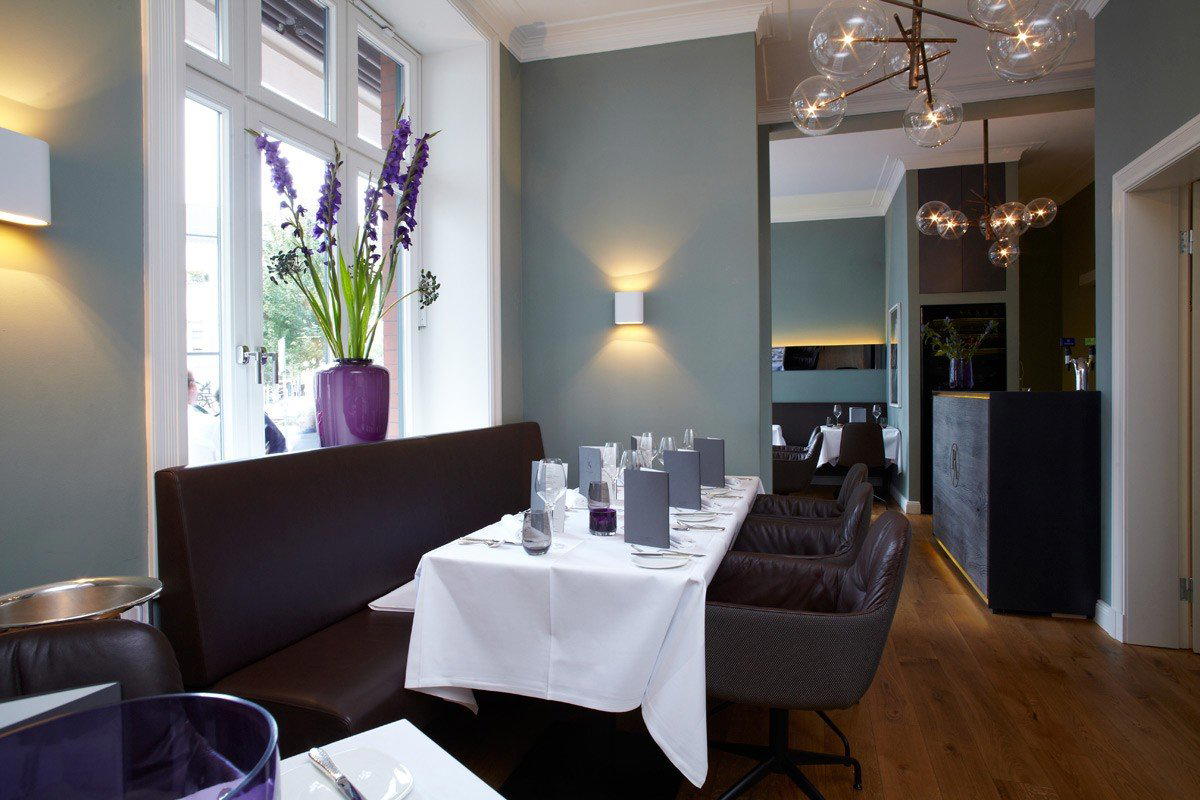
Wineries in Hamburg
Browse all →
Details
- Industrial
- Modern
- Trendy
- Elegant
- Business Trip
- Weekend Escape
- Historic Building
- Terrace
- Wi Fi
- Spa
- Restaurant
- Business Center
- Room Service
- Concierge
- Fitness Center
- EV Charging
- Street Scene
- Wheelchair Accessible
- Elevator
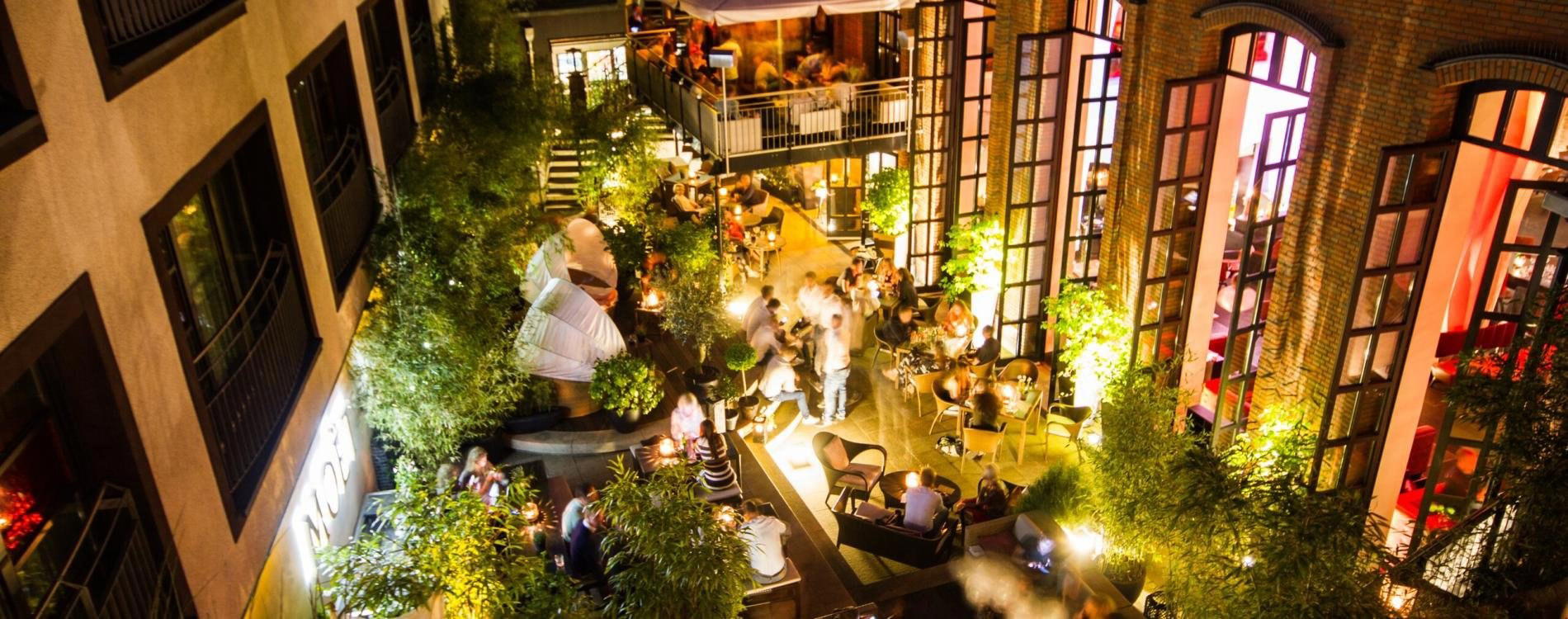
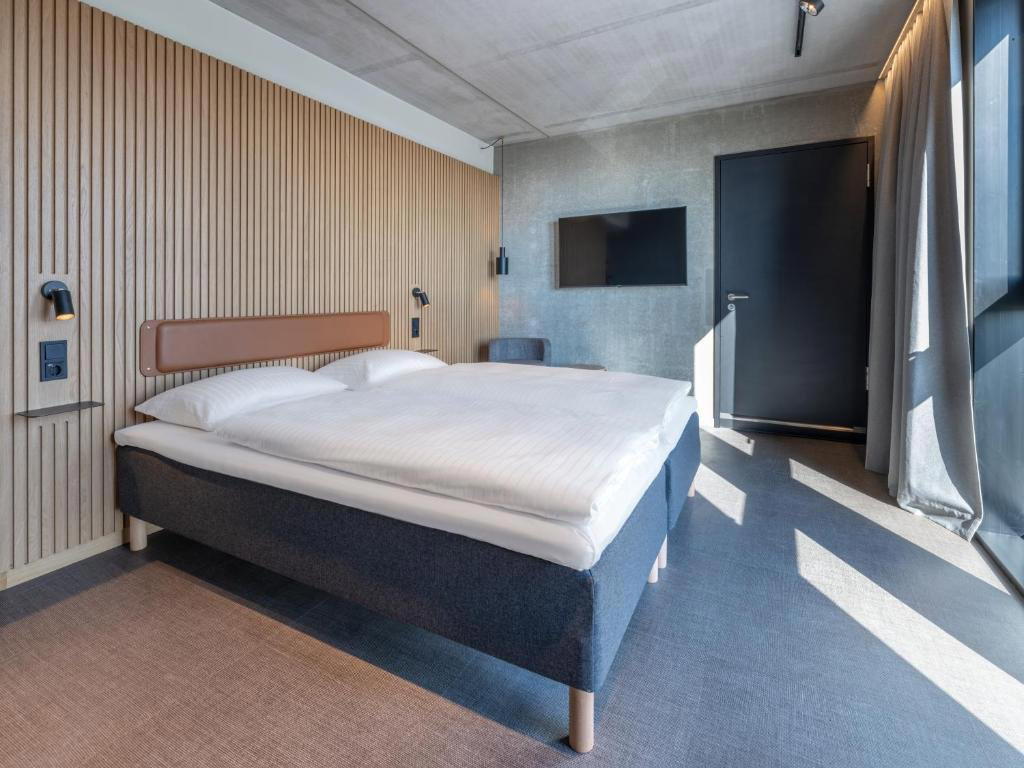
Industrial chic with raw brick walls, high ceilings, light-flooded spaces, warm woods, fine fabrics contrasting cool metal and concrete, creating a lofty and comfortable atmosphere.