





Hamburg's only member of The Leading Hotels of the World, The Fontenay sits on the shore of Lake Alster with 130 rooms, three Michelin Keys, and a dining program anchored by a two Michelin-starred rooftop restaurant. Architect Jan Störmer's circular building delivers floor-to-ceiling Alster views, rooms from 43 m², and a 1,022 m² rooftop spa. Rates from $505 per night place it at the upper tier of the Hamburg market.
Pearl is the En Primeur Club membership app — saves, bookings, and concierge access live there. Same editors, same standards.
- Address
- Fontenay, 20354 Hamburg-Eimsbüttel
- Phone
- +49 40 60566050
- Website
- thefontenay.com
- Directions
- Get directions
 Saves & bookings on Pearl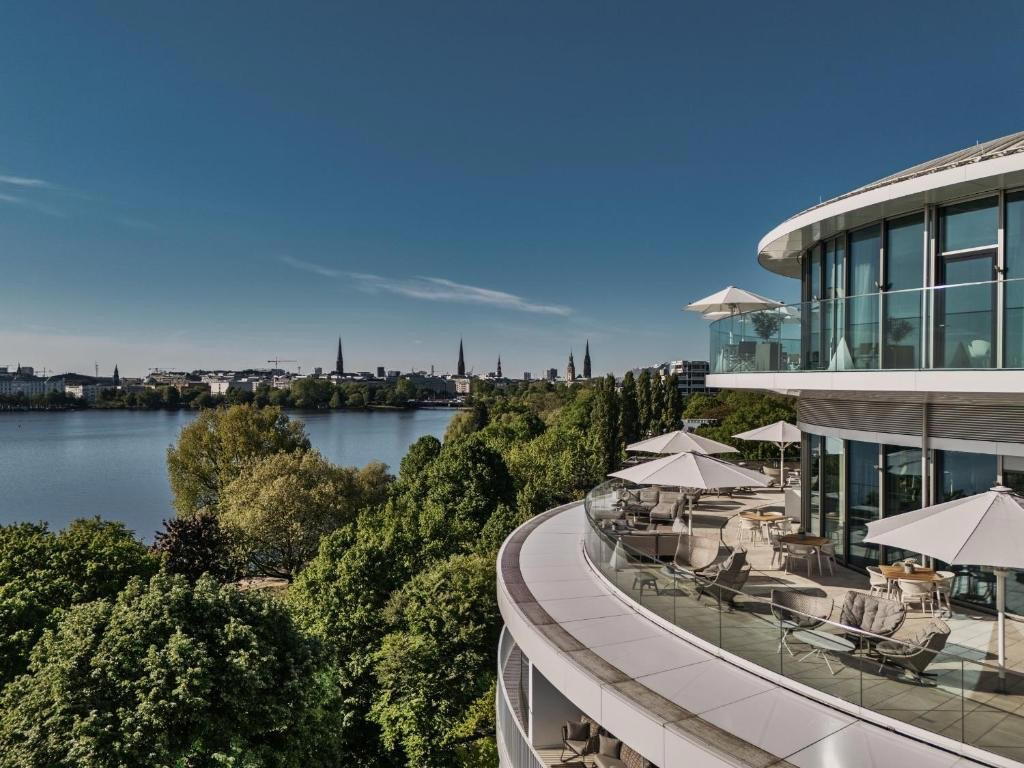
A Hotel Structured Around the Lake
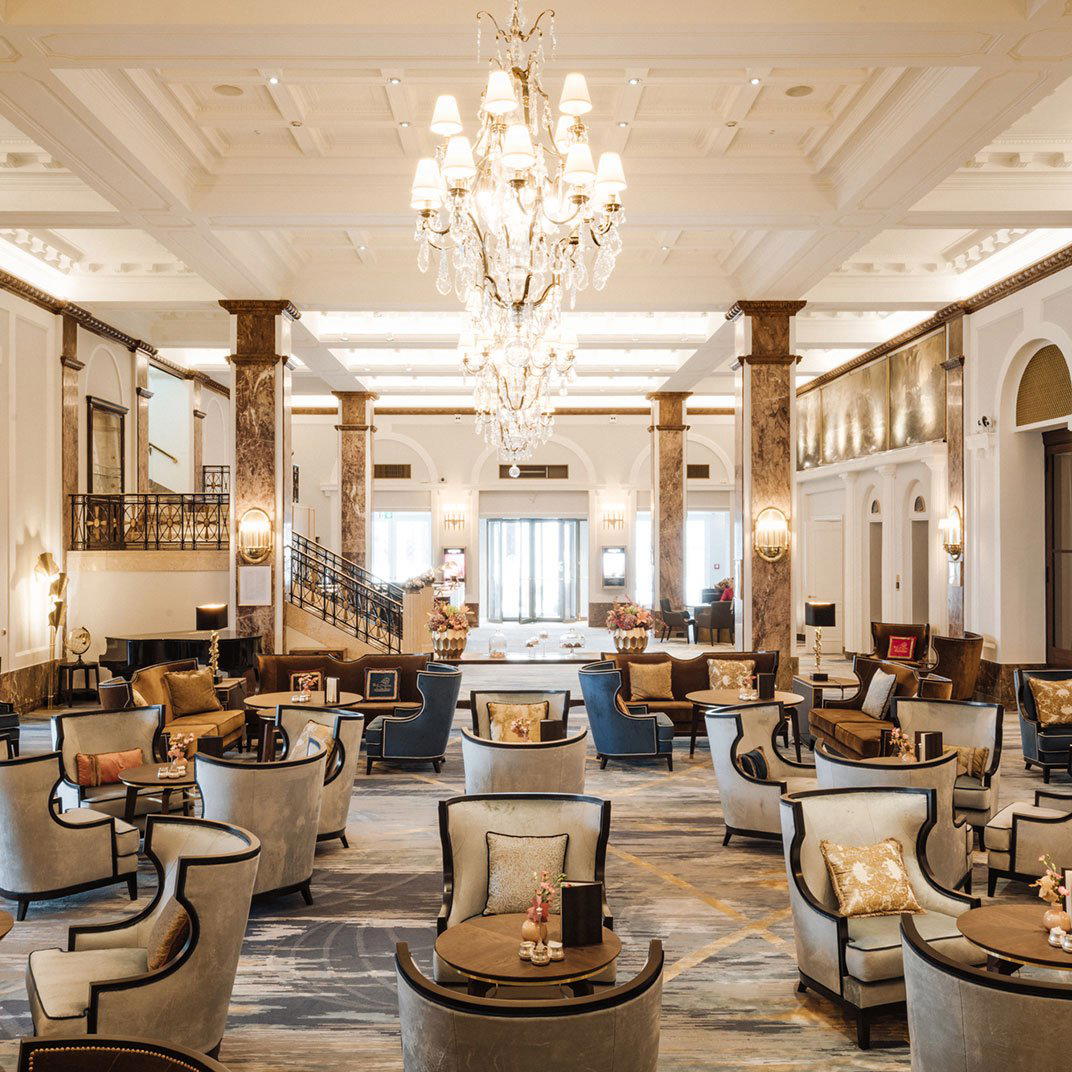
Approaching The Fontenay from the Alster promenade, the building announces itself through geometry rather than grandeur. Architect Jan Störmer designed the circular structure specifically to open every vantage point toward the water, and the concept holds as you move inside: the central atrium draws light from above while framing the lake beyond. This is not the kind of Hamburg hotel that relies on historical pedigree or ballroom scale to establish its position. It earns its place through a different logic, the deliberate construction of a property that functions simultaneously as a park retreat and a city-centre address, with Alster views from most orientations and the Kunsthalle museum within walking distance.
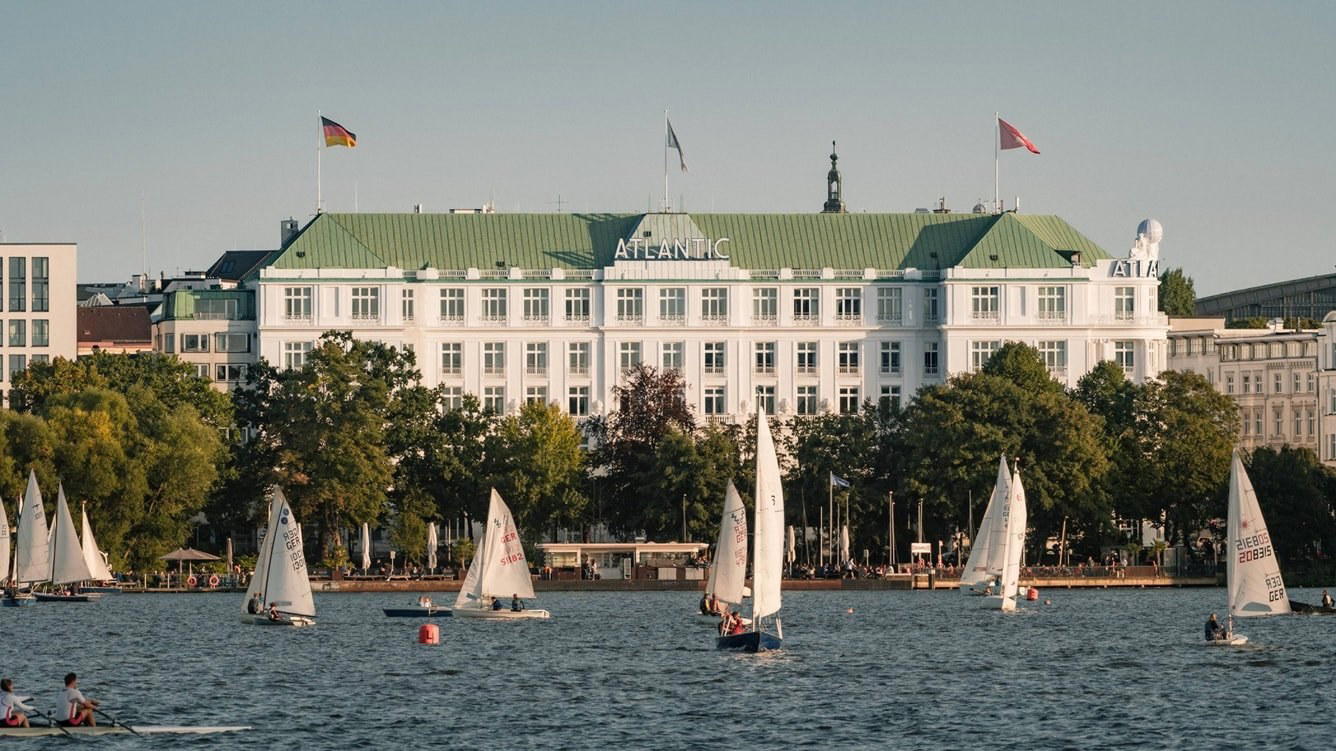
Hamburg's premium hotel market contains several distinct peer groups. The grand-hotel tradition is represented by properties like the Fairmont Hotel Vier Jahreszeiten, which carries 150 years of institutional history along the Binnenalster. The boutique-design tier includes the converted industrial property Gastwerk Hotel Hamburg and the concept-forward east Hamburg. The Fontenay operates in neither of those categories. The nearest German analogies are properties like Althoff Seehotel Überfahrt in Rottach-Egern or Schloss Elmau, hotels where the natural setting is not backdrop but infrastructure.
What Four Restaurants in One Building Actually Means
The Fontenay's dining program is worth examining as architecture in its own right. The hotel runs four distinct formats across different floors and registers, which is a structural choice, not an accident of expansion. Each format occupies a separate position on the formality spectrum, and the spread means that guests never need to leave the building to access a different dining mode, from a two-starred tasting counter to a relaxed Italian osteria, but are also never obliged to commit to a single register for their stay.
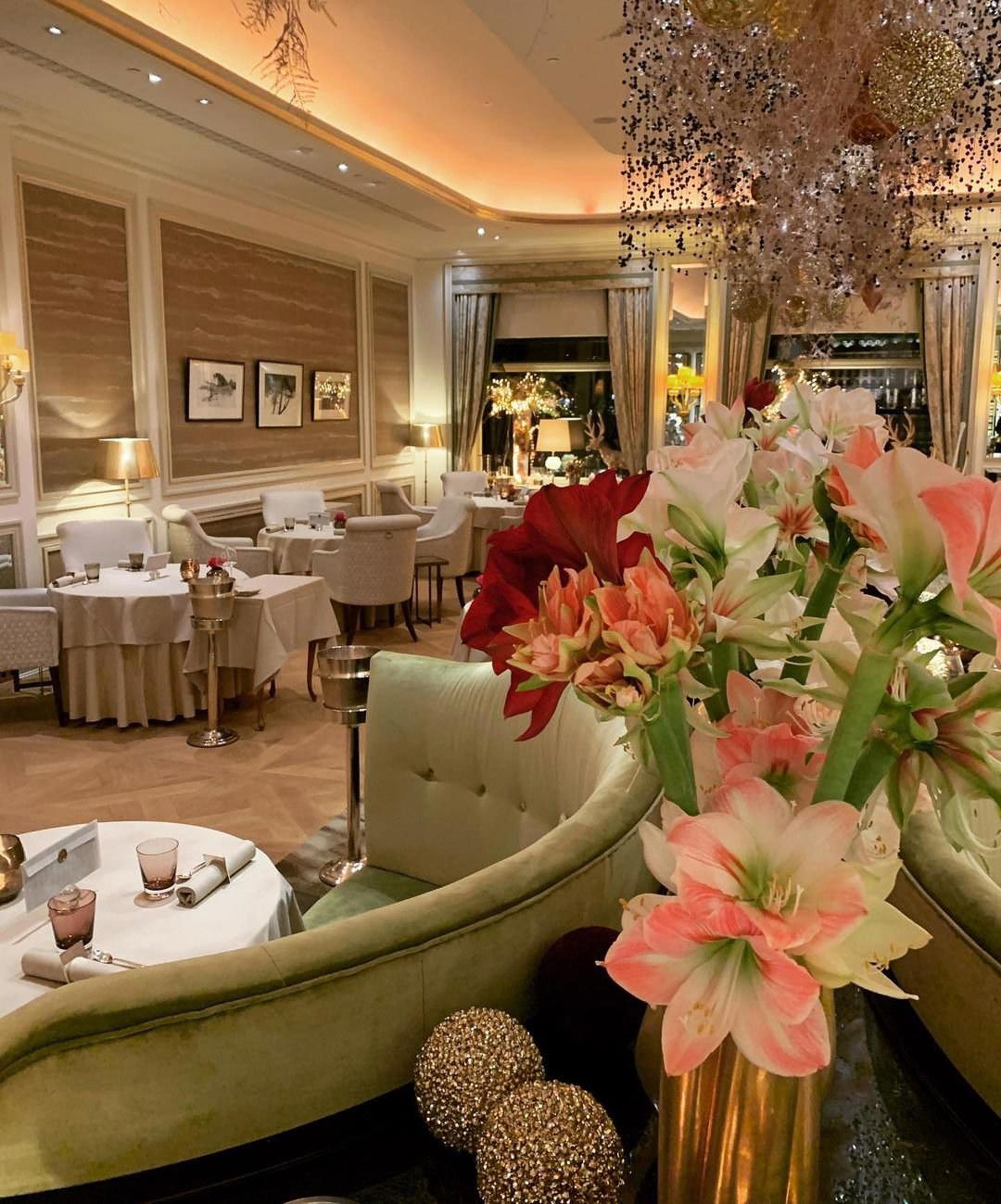
At the summit of this structure sits Lakeside, the rooftop restaurant, where the kitchen leads the hotel’s dining program. In Germany's fine-dining context, where properties like Hotel Bareiss in Baiersbronn and Der Öschberghof in Donaueschingen have built significant dining reputations alongside their accommodation programs, a two-Michelin-starred hotel restaurant signals a particular level of culinary investment that goes well beyond in-house convenience. The rooftop position compounds the format: panoramic views over the Alster and city skyline create a setting that the cuisine itself needs to earn rather than coast on.
Below Lakeside in the building's program sits a garden restaurant with a terrace, an Italian osteria, and a rooftop bar. The bar's position, above the city, with lake views, gives it a different character from Hamburg's street-level cocktail scene. For guests who want to stay within the hotel's orbit across an entire day, the sequence of formats allows movement between registers without repetition. That degree of internal dining flexibility is more common at larger resort properties than at 130-room city hotels, and it changes how a stay at The Fontenay is structured compared with a more conventional urban luxury address.
Room Logic and the Case for Space
At 130 rooms, the hotel sits in a scale band that allows it to maintain service ratios more typical of smaller boutique properties while offering the amenity depth of a larger hotel. The entry point is 43 m², substantially above the Hamburg market average for comparable price tiers, and every room includes a private balcony. Given the building's orientation, a meaningful proportion of those balconies face the Alster, which changes the value calculation for guests used to city-centre rooms where outdoor space is either absent or faces a service lane.
The room program also includes flexible connecting configurations and two-bedroom suites, making the hotel more functional for family stays or extended trips than its luxury positioning might suggest. Touchscreen room controls, walk-in closets, rain showers, and heated floors are documented throughout the inventory. Rates from $505 per night place the property at the upper end of Hamburg's market, broadly comparable to the Grand Elysée Hamburg in terms of tier, though the hotel's design logic and lake position reflect a different set of priorities. For a frame of reference outside Germany, the structural approach, contemporary architecture, nature-adjacent setting, multi-format dining, serious spa, resembles the positioning of Aman New York more than it does a conventional European grand hotel.
Spa Scale and the 8K Loop
The rooftop spa operates at a scale that is unusual for a city-centre hotel. Most urban luxury hotels in Germany maintain spa facilities as a secondary amenity; at the hotel, the spa floor is positioned as a primary draw, with an indoor-outdoor infinity pool that looks over the lake. This is partly a function of the rooftop layout, Störmer's circular design made the leading floors unusually suited to panoramic amenity programming, and partly a deliberate market signal that the hotel competes partly on wellness credentials rather than purely on dining or design.
The property also incorporates an 8-kilometre jogging route. For guests accustomed to treadmill runs in hotel basement gyms, the outdoor circuit along the Alster constitutes a different kind of urban amenity, one that positions the hotel's park-adjacent setting as infrastructure rather than scenery. Properties like BUDERSAND Hotel in Hörnum or Das Kranzbach in Kranzbach offer outdoor movement as a defining element of their programs; the hotel brings a version of that logic into a northern-German city centre.
Recognition and Where It Places the Hotel
The hotel holds three Michelin Keys. It also carries a La Liste Leading Hotels score of 96.5 points for 2026 and is Hamburg's only current member of The Leading Hotels of the World. That membership matters in the context of the city's market: other Hamburg luxury properties, including the Hotel Louis C. Jacob and the Apotheke an der Elbphilharmonie, occupy different programme categories and compete on different credentials. At the European level, the Leading Hotels of the World framework places the hotel alongside properties like Aman Venice and Hotel de Rome in Berlin in terms of curatorial tier, even if the individual propositions differ substantially.
For a hotel of this price tier and amenity depth, the score reflects a programme that delivers reliably rather than brilliantly only at peak.
Planning a Stay
The hotel's address on Fontenay in the 20354 postcode puts it at the northern edge of the city centre, on the western shore of the Aussenalster. The Kunsthalle and Bucerius Kunstforum museums are walkable, as are the Eppendorf and Rotherbaum neighbourhoods. Guests arriving for the Lakeside dining experience should book in advance, as reservations are recommended. For properties at comparable positions in Germany's luxury segment, including Excelsior Hotel Ernst in Cologne, Breidenbacher Hof in Düsseldorf, or Bülow Palais in Dresden, direct booking policies tend to offer better flexibility on room combinations and suite configurations than aggregator channels. Rates start from $355 per night.
In Context: Similar Options
Comparable venues nearby, for context on price, style, and recognition.
| Venue | Cuisine | Price | Awards | Notes |
|---|---|---|---|---|
| The FontenayThis venue — the venue you are viewing | Modern architectural icon with light-filled atrium and exclusive urban resort feel overlooking Lake Alster. | $$$$ | Michelin 3 Key | Not listed |
| Fairmont Hotel Vier Jahreszeiten | Timeless luxury grand hotel blending historic charm with modern opulence. | $$$$ | Michelin 3 Key | Neustadt |
| Hotel Louis C. Jacob | Historic Hanseatic mansion blending classic charm with modern comfort | $$$$ | Michelin 2 Key | Muehlenberg |
| Tortue Hamburg | Luxury design boutique hotel in historic city center building | $$$$ | Michelin 1 Key | Neustadt |
| Fraser Suites Hamburg | 5-star boutique serviced apartment hotel in a heritage building | $$$$ | 5-Star | Hamburg-Altstadt |
| Conrad Hamburg | Contemporary luxury in historic Levantehaus building | $$$$ | 5-Star | Hamburg-Altstadt |
Recognition history
Dated appearances from independent guides and award organizations, with the underlying list record or original source where available.
Forbes 4-Star
Forbes
La Liste Top Hotels
La Liste
Star Wine List
Star Wine List
Virtuoso Luxury Hotel Partner
Virtuoso
Leading Hotels of World Member
Leading Hotels of World
Michelin 3 Keys
Michelin
Michelin 3 Keys
Michelin
Continue exploring
More in Hamburg
Hotels in Hamburg
Browse all →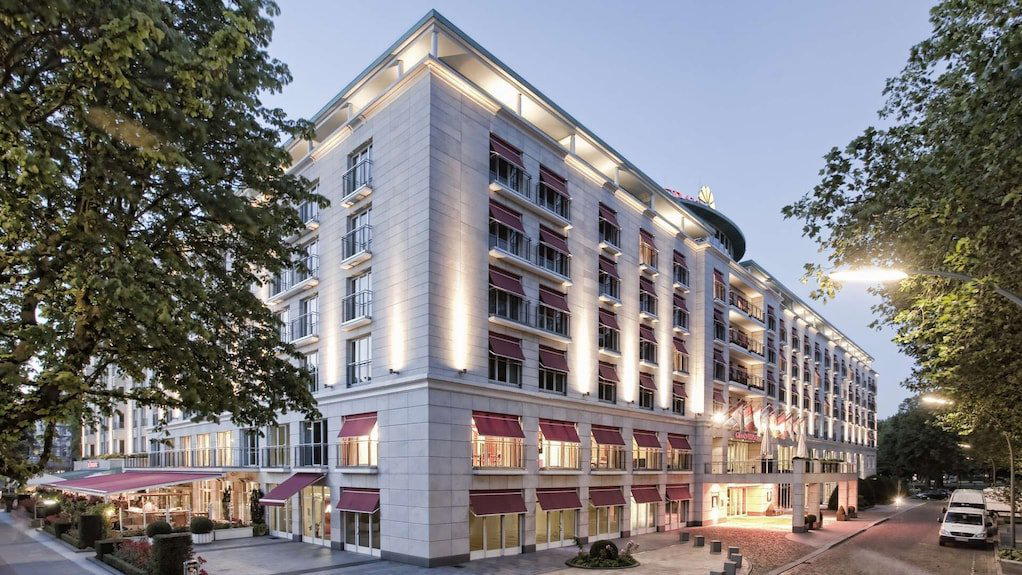
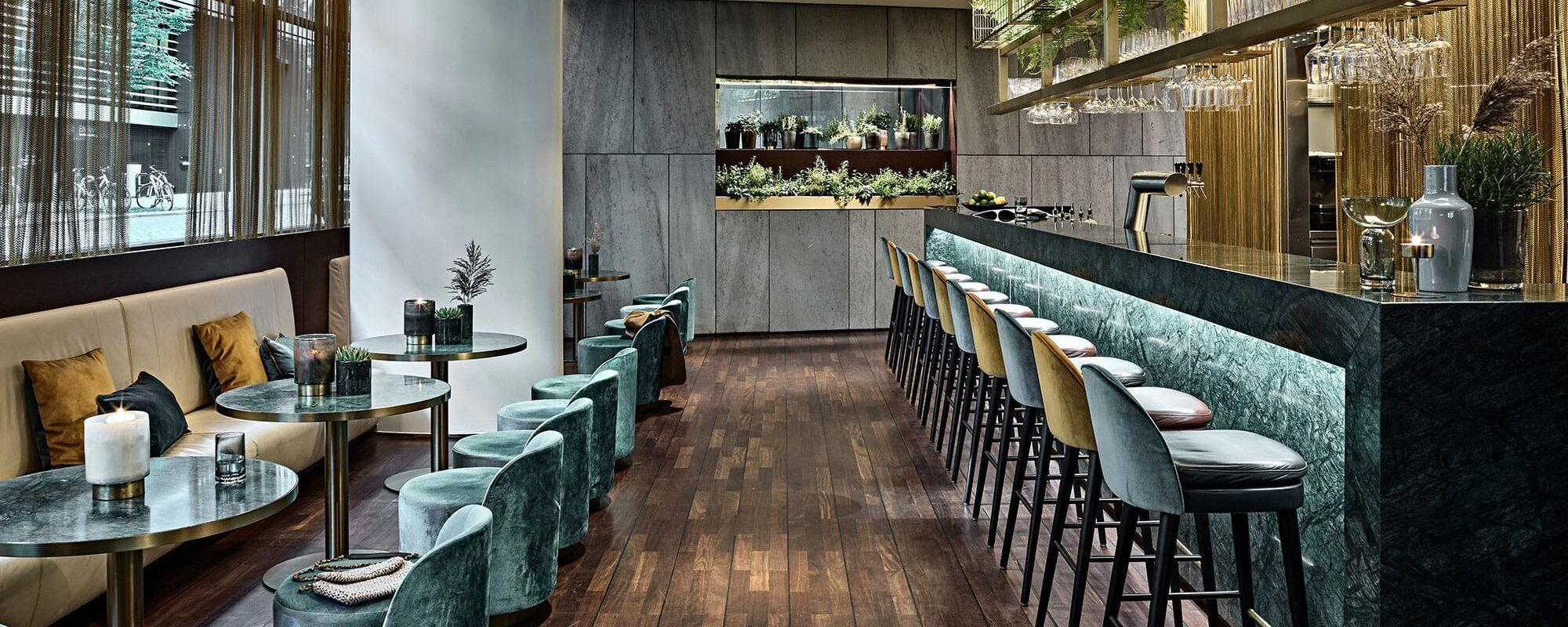
Bars in Hamburg
Browse all →

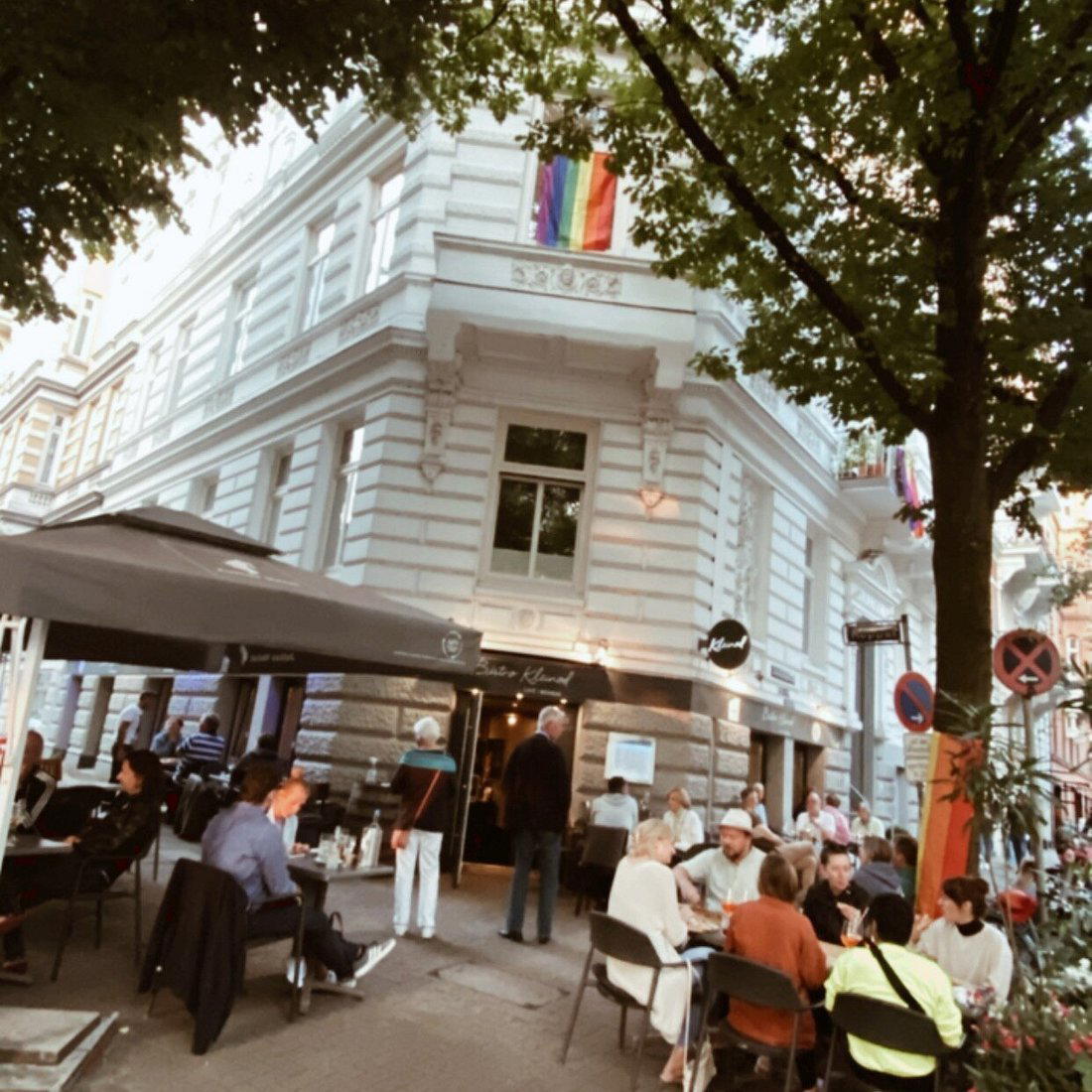
Restaurants in Hamburg
Browse all →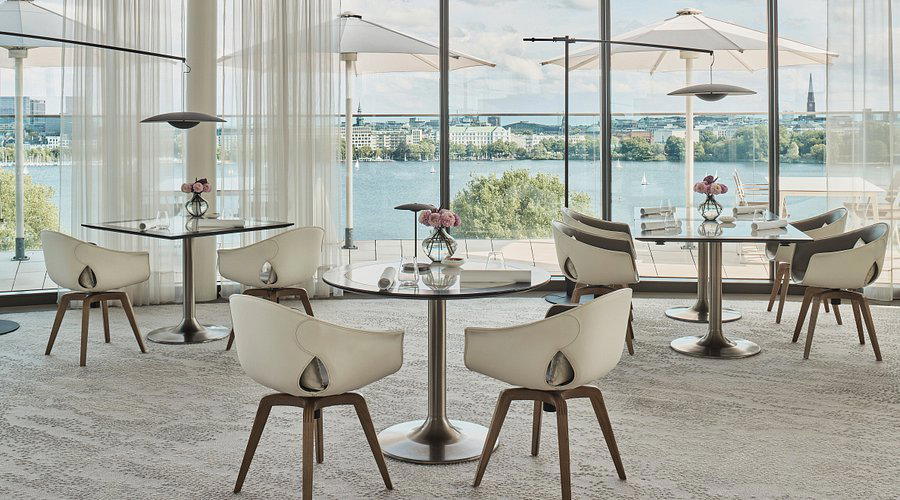
Wineries in Hamburg
Browse all →
At a Glance
- Elegant
- Modern
- Serene
- Sophisticated
- Scenic
- Romantic Getaway
- Honeymoon
- Business Trip
- Weekend Escape
- Rooftop Pool
- Infinity Pool
- Panoramic View
- Wi Fi
- Pool
- Spa
- Fitness Center
- Room Service
- Concierge
- Restaurant
- Sauna
- Valet Parking
- EV Charging
- Garden
- Garden
- Wi Fi
- Pool
- Spa
- Fitness Center
- Room Service
- Concierge
- Restaurant
- Sauna
- Valet Parking
- EV Charging
- Garden
Serene and luxurious with natural light flooding through extensive glass surfaces, modern minimalist interiors, calm lakeside setting, and panoramic views creating a peaceful urban resort atmosphere.